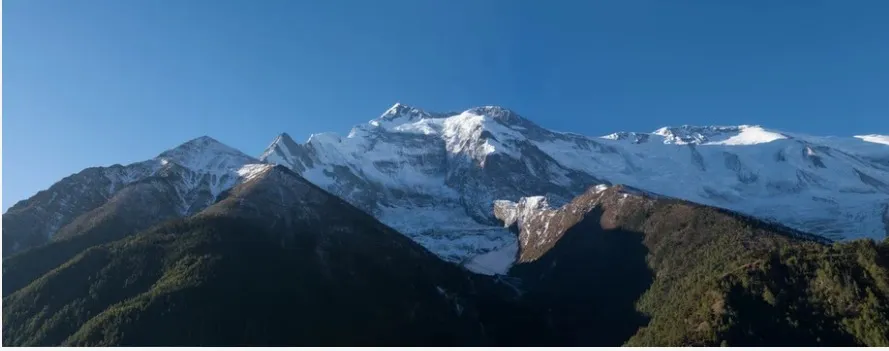
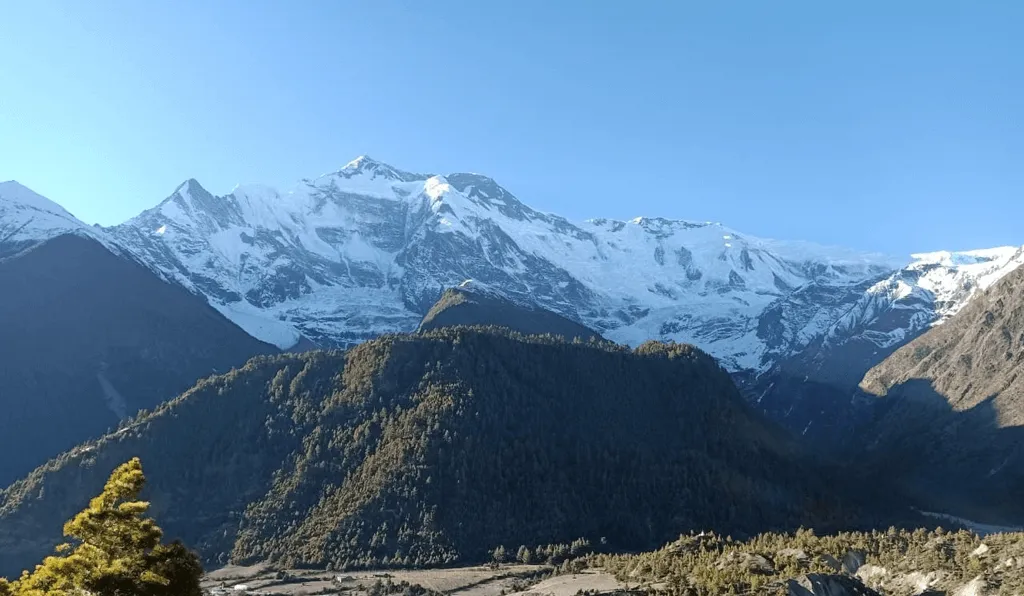
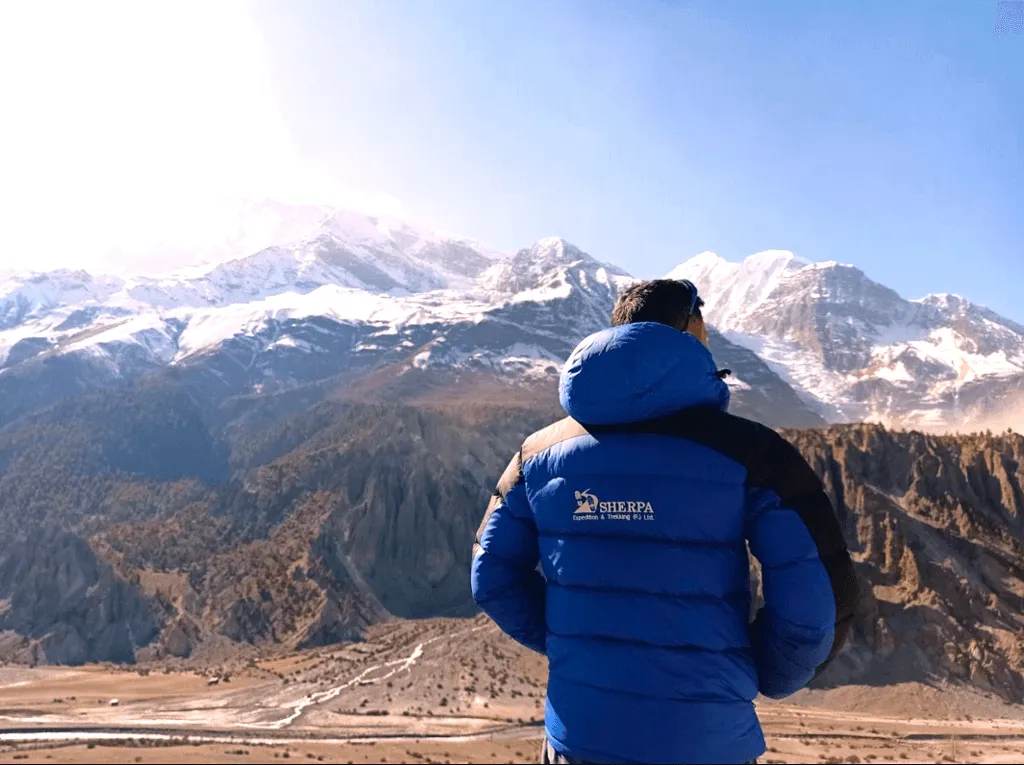
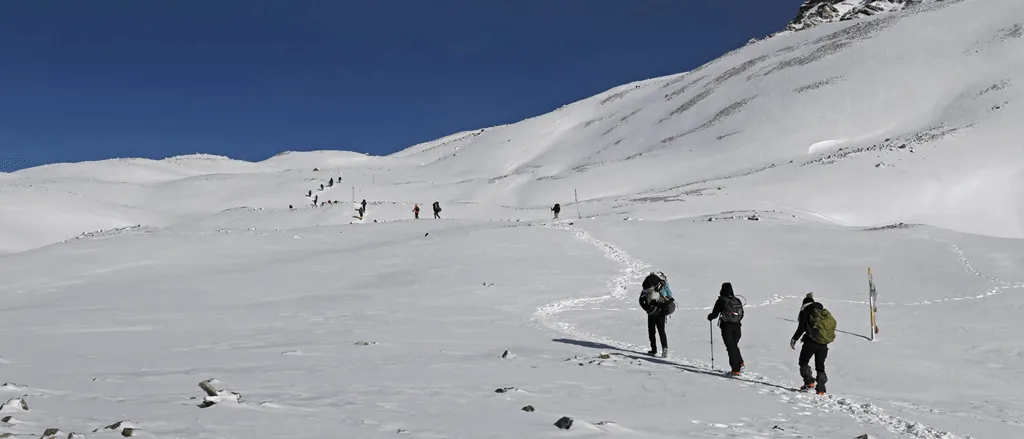
Trekking the Annapurna Circuit in March offers a unique blend of natural beauty and adventure amidst the Himalayas of Nepal. As winter transitions to spring, March presents trekkers with favorable weather conditions and mesmerizing landscapes.
The weather in March is generally cool and stable, making it an excellent time for trekking. Daytime temperatures in lower altitudes hover around 10°C to 20°C (50°F to 68°F), providing comfortable trekking conditions. Clear skies often prevail, offering stunning views of snow-capped peaks like Annapurna and Dhaulagiri.
The Annapurna Circuit with Tilicho Lake Trek 15 Days is a spectacular trekking adventure that combines the classic Annapurna Circuit Trek with a rewarding detour to the stunning Tilicho Lake, one of t...
March marks the beginning of the trekking season in the Annapurna region, attracting adventurers seeking to explore its diverse terrain. The trail begins in the subtropical foothills with lush forests and terraced fields, gradually ascending through picturesque villages inhabited by diverse ethnic groups such as Gurungs, Manangis, and Thakalis. These communities offer insights into traditional Nepalese culture and hospitality.
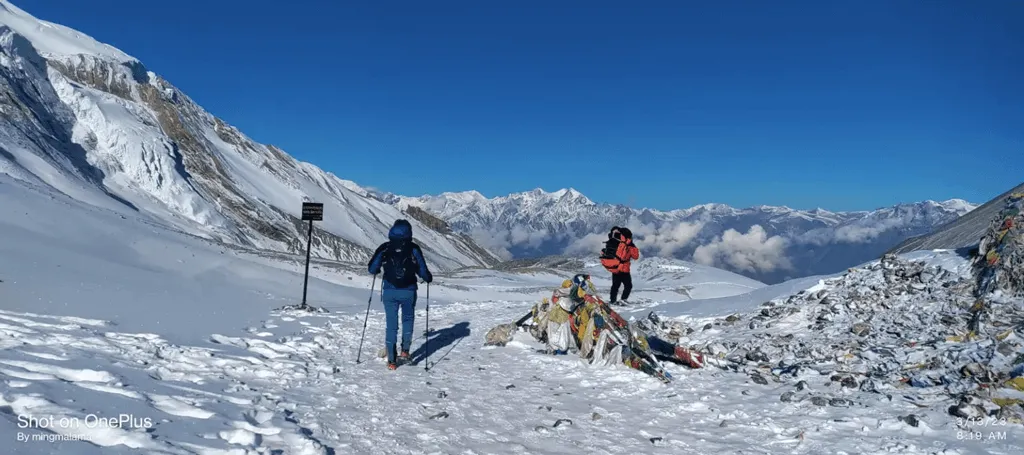
As trekkers ascend higher, they encounter alpine landscapes with blooming rhododendrons and panoramic vistas of rugged mountains. Crossing Thorong La Pass at 5,416 meters (17,769 feet) is a highlight of the trek, providing a challenging yet rewarding experience with breathtaking views.
Accommodation along the route ranges from basic teahouses to more comfortable lodges, providing cozy shelter and hearty meals after a day of trekking. March also offers opportunities to witness local festivals and cultural celebrations in villages along the route, adding a vibrant cultural dimension to the journey.
Overall, trekking the Annapurna Circuit in March promises an unforgettable adventure amidst stunning scenery, cultural richness, and comfortable trekking conditions, making it an ideal time to explore this iconic Himalayan trail.
This trek Opened for tourists in 1980, the Annapurna region has been recognized as one of the world's popular trekking destination destinations according to a recent survey by the American magazi...
Why March Annapurna Circuit Trek
March offers an enticing window to embark on the Annapurna Circuit trek, blending optimal weather conditions, scenic beauty, and cultural experiences. As winter fades and spring begins to unfold in the Nepalese Himalayas, March presents trekkers with a balanced mix of cool temperatures and clear skies, ideal for trekking.
One of the primary reasons to choose March for the Annapurna Circuit trek is the weather. Daytime temperatures range from approximately 10°C to 20°C (50°F to 68°F) in lower altitudes, providing comfortable conditions for trekking. The skies are often clear, offering stunning views of the towering peaks and surrounding landscapes.
Additionally, March marks the beginning of the trekking season in the Annapurna region. The trails are less crowded compared to peak months like April and October, allowing trekkers to enjoy a more serene and immersive experience amidst nature.
Culturally, March offers opportunities to witness local festivals and traditions in villages along the route, providing insights into the rich cultural tapestry of Nepal. From terraced fields and subtropical forests in lower elevations to alpine meadows and snow-clad passes, March showcases the diverse landscapes that make the Annapurna Circuit a world-renowned trekking destination.
Overall, March stands out as an ideal time for trekkers looking to explore the Annapurna Circuit with favorable weather, fewer crowds, and ample opportunities for cultural discovery.
Short 9 Days Annapurna Circuit Trek with Tilicho Lake is one of the most impressive and challenging hikes in Nepal. It’s an incredibly popular trekking destination in Nepal and around the world g...
What is the weather like in Annapurna in March?
March brings a transition period in the weather for the Annapurna region, making it an appealing time for trekking the circuit. The weather in March is generally cool and stable, marking the end of winter and the onset of spring.
Temperature: In lower altitudes such as Besisahar and Pokhara, daytime temperatures range from around 10°C to 20°C (50°F to 68°F). As trekkers ascend higher along the circuit, temperatures gradually decrease, with daytime temperatures ranging from 5°C to 15°C (41°F to 59°F) in places like Manang and Thorong Phedi. Nighttime temperatures can drop below freezing, especially at higher elevations.
Weather Conditions: March typically experiences clear skies and minimal precipitation, providing excellent visibility of the surrounding mountains. However, occasional rain showers or snowfall can occur, especially in higher altitudes. Trekkers should be prepared for varied weather conditions and pack accordingly with waterproof clothing and gear.
Seasonal Transition: March marks the transition from winter to spring in the Annapurna region. The landscapes begin to bloom with early spring flowers, and rhododendrons may start to bloom in lower altitudes towards the end of the month, adding vibrant colors to the scenery.
Overall, March offers stable and relatively mild weather conditions for trekking the Annapurna Circuit, making it a favorable time to explore this spectacular region of the Himalayas.
The 9 Days Annapurna Circuit Trek is a very famous trek in Nepal. The Annapurna Circuit Trek trail passes through villages inhabited by diverse ethnic groups and offers magnificent mountain scenery fr...
Which season is best for Annapurna Circuit trek?
Choosing the best season for the Annapurna Circuit trek depends on individual preferences and trekking objectives. Each season offers unique experiences and challenges:
1. Spring (March to May): Spring is widely considered the best season for trekking the Annapurna Circuit. March brings stable weather conditions with mild temperatures and clear skies. The landscapes come alive with blooming rhododendrons and other wildflowers, creating a colorful tapestry along the trail. Spring offers excellent visibility of the mountains and cultural festivals in local villages.
2. Autumn (September to November): Autumn is another popular season for trekking. It offers clear skies, mild temperatures, and stable weather conditions, similar to spring. The trails are dry and the views are spectacular, making it ideal for photography and enjoying panoramic mountain vistas. Autumn also coincides with harvest festivals, providing cultural insights into rural Nepalese life.
3. Winter (December to February): Winter brings colder temperatures and occasional snowfall to higher altitudes. The trails are quieter with fewer tourists, offering a more peaceful trekking experience. Clear skies in winter provide excellent visibility, although trekking routes may be challenging due to snow and icy conditions at higher elevations.
4. Monsoon (June to August): Monsoon season brings heavy rainfall, landslides, and leech-infested trails to the Annapurna Circuit. Trekking during this season is challenging and risky due to poor visibility, slippery trails, and the risk of floods. Many teahouses and lodges along the route may be closed.
In conclusion, spring (March to May) and autumn (September to November) are generally considered the best seasons for trekking the Annapurna Circuit due to favorable weather conditions, clear skies, and cultural opportunities.
The Short 8 Annapurna Circuit Trek, One of the best and popular treks in Nepal trekking around the Annapurna. Picturesque villages, turbulent river gorges, desolate high Himalayas passes, relaxing hot...
Can you do the Annapurna Circuit in March?
Yes, you can do the Annapurna Circuit trek in March, and it is actually a favorable time to embark on this adventure. March marks the beginning of the trekking season in the Annapurna region, offering trekkers a blend of comfortable weather conditions, stunning landscapes, and cultural experiences.
Weather: March provides stable weather with mild temperatures during the day, ranging from around 10°C to 20°C (50°F to 68°F) in lower altitudes. Clear skies are common, providing excellent visibility of the surrounding mountains, including Annapurna and Dhaulagiri ranges.
Landscape: The trek begins in lush subtropical forests and terraced fields in lower elevations, gradually ascending to alpine meadows and barren landscapes as trekkers approach Thorong La Pass at 5,416 meters (17,769 feet). March offers trekkers the chance to witness early spring blooms and enjoy serene trails before the peak tourist season begins.
Cultural Encounters: March allows trekkers to engage with local communities along the route, experiencing their traditions and hospitality. Festivals and cultural celebrations may also be observed in villages during this time, adding a vibrant cultural dimension to the trek.
Challenges: While March offers favorable conditions, trekkers should be prepared for varying weather and temperature changes, especially at higher altitudes. Proper acclimatization, hydration, and packing appropriate gear are essential for a safe and enjoyable trek.
Overall, March is a great time to do the Annapurna Circuit trek for trekkers looking to experience Nepal's natural beauty, cultural richness, and comfortable trekking conditions at the onset of the trekking season.
This amazing and very popular 6-day trek on the Annapurna Circuit starts in Kathmandu and takes you through the Annapurna Conservation Area, visiting unique culturally rich Tibetan Buddhist Gurung and...
Can I Do Annapurna Circuit Trek Solo?
Solo trekking the Annapurna Circuit is possible and feasible for experienced trekkers who are well-prepared and informed about the challenges of trekking in remote Himalayan regions.
Advantages:
- Flexibility: Solo trekking allows you to set your own pace, itinerary, and schedule without being tied to a group or guide.
- Personal Growth: It can be a deeply rewarding experience, offering solitude and self-discovery amidst stunning landscapes and cultural encounters.
- Cost: Solo trekking may be more economical as you have control over your budget, accommodations, and meal choices along the route.
Considerations:
- Safety: Safety is a primary concern for solo trekkers. Inform someone of your itinerary and expected return dates. Carry a fully charged phone with local SIM card coverage for emergencies.
- Navigation: While the Annapurna Circuit is a well-marked route with teahouses along the way, navigation skills are crucial, especially in remote areas and during adverse weather conditions.
- Altitude Acclimatization: Proper acclimatization is essential to avoid altitude sickness. Ascend gradually, drink plenty of water, and listen to your body's signals.
- Cultural Awareness: Respect local customs and traditions. Engage with local communities respectfully and learn basic Nepali phrases for communication.
Solo trekking the Annapurna Circuit requires thorough preparation, physical fitness, and mental readiness for the challenges and rewards of trekking in one of the world's most iconic mountain regions. With careful planning and awareness, solo trekkers can enjoy a memorable and enriching experience amidst Nepal's Himalayan landscapes.
The Annapurna Circuit Trek 7 Days is a shorter yet rewarding adventure through Nepal’s spectacular Annapurna region. Designed for trekkers who have limited time but still want to experience the magic...
Female Solo Trek to Annapurna Circuit Trek
Embarking on a solo trek to the Annapurna Circuit as a female traveler is a journey that offers both challenges and rewards. Here are some considerations for women planning this adventure:
1. Safety: Nepal is generally safe for female travelers, and solo trekking is increasingly common. However, it's essential to take precautions such as informing someone of your itinerary, avoiding isolated trails at night, and trusting your instincts.
2. Cultural Sensitivity: Respect local customs and dress modestly, especially in more conservative rural areas. Engage respectfully with locals and seek guidance from fellow trekkers or lodge owners if unsure about cultural norms.
3. Accommodation: Teahouses along the Annapurna Circuit cater to solo trekkers, offering shared dormitories or private rooms. It's advisable to arrive early at popular stops or book accommodations in advance during peak seasons to ensure availability.
4. Empowerment and Independence: Solo trekking allows for personal growth, self-discovery, and empowerment. It offers the freedom to set your own pace, explore at leisure, and connect with fellow travelers along the way.
5. Preparation: Prioritize physical fitness and mental preparedness. Train adequately for the trek's challenges, including altitude, varying weather conditions, and long hours of hiking. Carry essentials like a first aid kit, sufficient hydration, and snacks.
Overall, with proper planning, awareness, and a spirit of adventure, female solo trekkers can enjoy a safe and fulfilling experience on the Annapurna Circuit, immersing themselves in Nepal's natural beauty and cultural richness.
The 15 Days Annapurna Circuit Trek is one of Nepal’s most spectacular trekking experiences, offering adventurers a complete journey through the diverse landscapes of the Annapurna region. This extende...
Without Guide Annapurna Circuit Trek
Trekking the Annapurna Circuit without a guide is a feasible option for experienced trekkers who prefer independence and flexibility. Here are some aspects to consider:
1. Trail Familiarity: The Annapurna Circuit is a well-established route with clear signage and teahouses along the way. Navigation skills are essential but manageable, as the trail is frequently traveled by trekkers.
2. Independence: Solo trekking without a guide allows you to set your own pace, itinerary, and schedule. You can choose where and when to stop for breaks, meals, and overnight stays, maximizing flexibility and autonomy.
3. Cost Savings: Trekking without a guide can be more economical, as you avoid guide fees and have control over your budget, accommodations, and meal choices.
4. Safety Considerations: While solo trekking is safe for experienced trekkers, it's crucial to prioritize safety. Inform someone of your itinerary, carry a fully charged phone with local SIM card coverage, and be prepared for emergencies.
5. Challenges: Trekking without a guide requires self-reliance in navigation, decision-making, and handling unforeseen circumstances. It's essential to be well-prepared, physically fit, and mentally resilient for the challenges of high-altitude trekking.
Ultimately, trekking the Annapurna Circuit without a guide offers a rewarding adventure for those seeking solitude, independence, and a deeper connection with Nepal's majestic landscapes and cultural heritage.
The 14 Days Annapurna Circuit Trek is one of Nepal’s most iconic trekking routes, renowned for its breathtaking Himalayan panoramas, diverse landscapes, and rich cultural experiences. This extended tr...
What Are Challenges of Doing Annapurna Circuit in March?
Trekking the Annapurna Circuit in March presents several challenges that trekkers should be prepared to navigate:
1. Weather Variability: March marks the transition from winter to spring, bringing unpredictable weather conditions. While days are generally clear with mild temperatures, trekkers may encounter occasional rain showers or snowfall, especially at higher altitudes.
2. Altitude Acclimatization: Proper acclimatization is crucial as trekkers ascend to higher elevations, culminating in Thorong La Pass at 5,416 meters (17,769 feet). Symptoms of altitude sickness can include headaches, nausea, and fatigue, necessitating careful ascent and acclimatization days.
3. Trail Conditions: March sees fewer trekkers compared to peak seasons, potentially affecting trail maintenance and teahouse availability. It's advisable to be self-sufficient with essentials like food, water, and emergency supplies.
4. Cultural Considerations: Respect local customs and traditions, especially during festivals and religious observances in villages along the route. Engage respectfully with locals and seek guidance from lodge owners or fellow trekkers if unsure about cultural etiquette.
5. Physical and Mental Preparation: The Annapurna Circuit demands physical stamina and mental resilience due to long hours of hiking, varying terrain, and high altitude. Trekkers should train adequately beforehand and be prepared for the trek's physical and mental challenges.
Navigating these challenges requires careful planning, flexibility, and a spirit of adventure. With proper preparation and awareness, March can be an excellent time to experience the natural beauty and cultural richness of the Annapurna Circuit.
The Annapurna Circuit Trek is one of the most celebrated long-distance treks in the world, offering an extraordinary journey through Nepal’s most diverse landscapes and cultures. Curated by Sherpa Exp...
Preparation for Trek
Preparation is key for a successful and enjoyable trek on the Annapurna Circuit. Here's what you need to consider before embarking on this iconic journey:
1. Physical Fitness: Trekking the Annapurna Circuit requires good cardiovascular endurance, leg strength, and stamina. Start a training regimen months before your trek, including hiking, running, and endurance exercises to build fitness levels.
2. Altitude Acclimatization: Proper acclimatization is crucial for trekking at high altitudes. Plan your itinerary with gradual ascents and acclimatization days to allow your body to adjust to reduced oxygen levels.
3. Packing Essentials: Pack lightweight, moisture-wicking clothing suitable for layering. Include a down jacket, waterproof outer shell, sturdy trekking boots, hat, gloves, and sunglasses. Carry a comfortable daypack with essentials like water bottles, snacks, sunscreen, and a first aid kit.
4. Accommodation and Logistics: Decide whether you'll trek independently or with a guide. Book accommodations in advance or arrive early at popular stops during peak seasons to secure lodging. Carry sufficient cash, as ATMs are scarce along the trail.
5. Cultural Awareness: Familiarize yourself with Nepalese customs and etiquette. Respect local traditions, dress modestly, and ask permission before photographing people or religious sites.
6. Safety Measures: Inform someone of your itinerary and expected return dates. Carry a fully charged phone with local SIM card coverage for emergencies. Purchase travel insurance that covers trekking at high altitudes.
7. Mental Preparation: Trekking the Annapurna Circuit can be physically and mentally challenging. Stay positive, listen to your body, and pace yourself during the trek. Enjoy the journey and embrace the adventure amidst Nepal's majestic landscapes.
By preparing thoroughly and respecting the challenges of the Annapurna Circuit, you can maximize your enjoyment, safety, and cultural immersion on this unforgettable trekking experience.
This 17 day Annapurna Circuit Trek is one of the most famous treks in Nepal. This trek takes you as high as 5416 meters to Thorong La Pass and to the Mustang Valley close to the Tibetan border. This t...
Training Recommendation
Preparing physically for the Annapurna Circuit trek is crucial to ensure you can enjoy the journey comfortably and safely. Here are some training recommendations:
1. Cardiovascular Fitness: Focus on activities that improve cardiovascular endurance, such as hiking, running, cycling, and swimming. Aim for regular aerobic exercise sessions to build stamina.
2. Strength Training: Strengthen your legs, core, and upper body muscles to handle the demands of trekking. Incorporate exercises like squats, lunges, planks, and push-ups into your routine.
3. Altitude Simulation: If possible, include altitude training in your preparation. This can involve hiking at higher elevations or using altitude simulation techniques to acclimate your body to reduced oxygen levels.
4. Long-Distance Hikes: Gradually increase the duration and intensity of your hikes to simulate trekking conditions. Practice carrying a backpack with weight to get used to the additional load.
5. Flexibility and Balance: Stretch regularly to improve flexibility and practice balance exercises to enhance stability on uneven terrain.
By following a well-rounded training plan that includes cardiovascular fitness, strength training, altitude simulation, and hiking practice, you'll be better prepared physically for the challenges of the Annapurna Circuit trek.
Circumnavigate the Annapurnas where there is one peak at 8091 meters and 28 others that are over 6000 meters. You will be surrounded by the Kali Gandaki Gorge, the Marsyangdi River and Pokhara in the...
Accommodation and Food
Accommodation along the Annapurna Circuit varies from basic teahouses to more comfortable lodges, offering a range of options for trekkers.
1. Teahouses: These are the most common form of accommodation along the trekking route. They provide basic amenities such as dormitory-style rooms with shared bathrooms. Bedding is usually provided, but it's advisable to bring a sleeping bag for comfort and warmth.
2. Lodges: Some villages along the circuit offer lodges with private rooms and attached bathrooms. These lodges may also provide amenities like hot showers and Wi-Fi, although services can be basic and intermittent.
3. Food: Teahouses and lodges typically serve meals in communal dining areas. The menu often includes Nepali and international dishes such as dal bhat (rice and lentils), noodles, soups, and momos (dumplings). Meals are hearty and designed to replenish energy for trekking.
4. Water: It's essential to stay hydrated while trekking. Carry a reusable water bottle and use water purification tablets or filters to treat water from local sources. Bottled water is available at teahouses, but it's more environmentally friendly to use refillable options.
Accommodation and food options along the Annapurna Circuit cater to trekkers of varying preferences and budgets. Be prepared for basic amenities and embrace the opportunity to enjoy local cuisine amidst stunning Himalayan landscapes.
This is an ideal trek for those who want to avoid the crowds and love nature. This is a great trek in the Annapurna Conservation Area that takes you to the highest pass and the deepest valley in the w...
Water
Staying hydrated is crucial during the Annapurna Circuit trek, especially at high altitudes where dehydration can exacerbate altitude sickness. Here's how to manage water consumption effectively:
1. Water Sources: Along the trekking route, water is available from teahouses, lodges, and natural sources such as streams and springs. While natural sources may appear clean, it's safer to treat water using purification tablets, filters, or boiling methods to prevent waterborne illnesses.
2. Refill Stations: Teahouses and lodges offer opportunities to refill water bottles, either with boiled water or filtered water for a nominal fee. Carry a reusable water bottle with a wide mouth for easy refilling.
3. Hydration Strategy: Drink water regularly throughout the day, aiming for at least 3-4 liters to stay hydrated in high-altitude conditions. Start each day well-hydrated and continue to drink during breaks and after reaching each day's destination.
4. Electrolytes: In addition to water, consider carrying electrolyte tablets or sports drinks to replenish electrolytes lost through sweat and exertion. This can help maintain hydration and prevent muscle cramps.
5. Environmental Responsibility: Minimize plastic waste by using a reusable water bottle and opting for water purification methods instead of purchasing bottled water. Respect local environmental guidelines for waste disposal.
By maintaining a consistent hydration regimen and treating water effectively, you can enjoy a safe and comfortable trekking experience on the Annapurna Circuit while minimizing environmental impact.
Are you looking for a quieter and less travelled destination in the Himalayan Mountains? This trek will take you through lush valleys, to high altitude alpine meadows, among dense forests, and across...
Trek Safety
Safety is paramount when trekking the Annapurna Circuit, especially in remote and high-altitude environments. Here are essential safety tips to consider:
1. Altitude Acclimatization: Ascend gradually to higher altitudes to acclimatize properly. Take rest days as needed and monitor yourself and fellow trekkers for symptoms of altitude sickness, such as headaches, nausea, and fatigue. Descend immediately if symptoms worsen.
2. Weather Awareness: Be prepared for unpredictable weather changes, especially in mountainous terrain. Carry waterproof clothing, layers for warmth, and sunscreen to protect against sunburn at higher altitudes where UV exposure is stronger.
3. Navigation: Familiarize yourself with the trekking route using maps, guidebooks, or GPS devices. Trails can be well-marked but may require navigation skills, especially in adverse weather conditions or less traveled areas.
4. Emergency Communication: Carry a fully charged mobile phone with local SIM card coverage for emergency calls. Share your trekking itinerary with a trusted contact and lodge owners along the route.
5. First Aid Kit: Pack a comprehensive first aid kit with essentials like bandages, antiseptic wipes, blister treatment, pain relievers, and medications for altitude sickness. Know how to use the items in your kit effectively.
6. Local Knowledge: Seek advice from experienced trekkers, guides, or lodge owners about current trail conditions, weather forecasts, and cultural considerations. Respect local customs and adhere to lodge rules for a safe and respectful trekking experience.
7. Travel Insurance: Purchase travel insurance that covers trekking activities at high altitudes, including medical evacuation in case of emergencies. Confirm coverage details before embarking on your trek.
By prioritizing safety, planning ahead, and staying informed, you can enjoy a rewarding and secure trekking experience on the Annapurna Circuit while embracing the beauty of Nepal's Himalayan landscapes.
Our 8 Days Annapurna Base Camp trek brings you into the heart of the Annapurna Himalayas from the very start of the trek. With so many magnificent high Himalayan peaks on the show, this is no surprise...
Final Say
Trekking the Annapurna Circuit is a bucket-list adventure that offers breathtaking scenery, cultural encounters, and physical challenges. Whether you're a seasoned trekker or embarking on your first Himalayan adventure, careful preparation and respect for the environment and local communities are essential.
Preparation: Begin training well in advance to build physical fitness and stamina for trekking long distances and ascending to high altitudes. Pack essential gear, including layers of clothing, a reliable sleeping bag, and a well-stocked first aid kit.
Safety: Prioritize altitude acclimatization, hydration, and weather awareness throughout your trek. Familiarize yourself with the trekking route, carry navigation tools, and communicate your itinerary with trusted contacts.
Cultural Respect: Embrace the opportunity to learn about Nepalese culture and traditions. Engage respectfully with locals, support local businesses, and adhere to cultural norms regarding dress and behavior.
Environmental Responsibility: Minimize your environmental impact by using reusable water bottles, avoiding single-use plastics, and disposing of waste responsibly. Leave no trace principles apply throughout your trekking journey.
Enjoyment: Finally, savor every moment of your Annapurna Circuit trek. From sunrise views over snow-capped peaks to evenings spent sharing stories with fellow trekkers, embrace the beauty and serenity of Nepal's Himalayas.
With these considerations in mind, your Annapurna Circuit trek can be a transformative experience, offering memories and lessons that will stay with you long after you return home.
This amazing and very popular 13-day trek on the Annapurna Circuit starts in Kathmandu and takes you through the Annapurna Conservation Area, visiting unique culturally rich Tibetan Buddhist Gurung an...
Annapurna Circuit Packages
Annapurna Circuit Trek
7 Days Annapurna Circuit Trek
10 Days Annapurna Circuit Trek
12 Days Annapurna Circuit Trek
14 Days Annapurna Circuit Trek
15 Days Annapurna Circuit Trek
Annapurna Circuit With Tilicho Lake Trek 9 Days
Annapurna Circuit With Tilicho Lake Trek 15 Days
The 12 Days Annapurna Circuit With Tilicho Lake trek, Hikers from all around the world have hailed it as one of the best itineraries in the world with its visit toHighest altitude Lake (Tili...