02nd April, 2026
Dec 09, 2025
Winter Langtang Valley Trek
- Why Choose the Winter Langtang Valley Trek
- Winter Weather and Temperature in Langtang Valley
- Culture and Lifestyle in the Langtang Region During Winter
- Nature and Scenery in the Winter Langtang Valley
- Detailed Winter Langtang Valley Trek Itinerary
- Why the Winter Langtang Valley Trek is Perfect with Sherpa Expedition and Trekking
- Final Thoughts
The Winter Langtang Valley Trek is one of Nepal’s most enchanting Himalayan adventures, offering breathtaking snow-covered landscapes, peaceful trails, and a deep connection to mountain culture. When the winter season arrives in the Himalayas, the Langtang region transforms into a serene alpine world where crisp blue skies frame dazzling white peaks, frozen waterfalls glisten in the sunlight, and the villages of the Tamang and Sherpa people glow with warmth and hospitality. With the expert guidance and decades of experience provided by Sherpa Expedition and Trekking, winter trekkers can safely explore this magical valley and enjoy some of the most spectacular scenery in the country.
Winter trekking in Nepal often intimidates some travelers, but the Langtang region remains one of the best and most accessible destinations during the colder months. The trails remain open, the weather is usually stable, and the panoramic views are exceptionally clear. Snow enhances the beauty of the surrounding mountains such as Langtang Lirung, Dorje Lakpa, Changbu Himal, Ganesh Himal, and Yala Peak. With well-prepared guides, supportive teahouses, and proper winter planning, the journey becomes an unforgettable experience filled with adventure, culture, and natural wonder.
Why Choose the Winter Langtang Valley Trek
The Winter Langtang Valley Trek attracts trekkers who want solitude, pristine views, and a more authentic Himalayan experience. Unlike popular trails such as Everest Base Camp or Annapurna Base Camp, Langtang sees fewer visitors even in peak season, and winter makes it even more peaceful. The quietness enhances the spiritual feel of the region, especially around Kyanjin Gompa, where ancient monasteries stand against snow-covered peaks.
Winter also brings unique advantages. The skies remain strikingly clear, making sunrise and sunset from Kyanjin Ri or Tsergo Ri particularly unforgettable. Photographers love winter for its crisp lighting and dramatic contrasts. The forests, frozen rivers, and frosty yak pastures offer scenery that cannot be experienced in other seasons. Trekkers also enjoy more personal interaction with local families, as winter tends to be a relaxed time in the high-altitude villages.
Winter trekking requires proper preparation, but with Sherpa Expedition and Trekking, trekkers receive full guidance on weather, clothing, acclimatization, safety, and route conditions. Their trained local guides understand the terrain better than anyone and ensure a secure and comfortable journey.
Winter Weather and Temperature in Langtang Valley
The winter season in Nepal extends from December to February. Langtang Valley sits between mid-hills and high alpine elevations, so temperatures vary depending on altitude and time of day. The days are usually sunny and calm even in winter, but the nights become very cold, especially above 3,000 meters.
In lower regions like Syabru Besi and Lama Hotel, winter temperatures typically range from 5°C to 10°C during the day but may drop to around -2°C at night. As trekkers ascend toward Langtang Village and Kyanjin Gompa, daytime temperatures hover between -5°C and 5°C, with nighttime temperatures often falling between -10°C and -15°C. At high viewpoints such as Kyanjin Ri and Tsergo Ri, temperatures can drop below -20°C early in the morning.
Despite the cold, the winter atmosphere is stable, and heavy snowfall is less frequent than in late winter or early spring. The stable weather makes trekking safer, with clear visibility and minimal rainfall. Sherpa Expedition and Trekking ensures trekkers are equipped with updated weather forecasts and suitable gear to handle the winter environment comfortably.
Culture and Lifestyle in the Langtang Region During Winter
Winter enhances the cultural charm of the Langtang region. The Tamang and Sherpa communities follow ancient traditions rooted in Buddhism, and many households spend more time together indoors during the colder months. Trekking in winter allows travelers to experience this homely warmth. The teahouse owners often prepare traditional dishes like Tibetan bread, Sherpa stew, Thukpa noodle soup, and butter tea, offering both comfort and nourishment in cold weather.
Stone houses, decorated monasteries, and prayer wheels covered with a thin layer of frost create a serene, spiritual atmosphere. The chortens, mani walls, and fluttering prayer flags bring the valley to life, even in the stillness of winter. Kyanjin Gompa, one of the oldest monasteries in the region, becomes especially peaceful during the season and provides trekkers with moments of reflection amid the silence of the Himalayas.
Nature and Scenery in the Winter Langtang Valley
Winter enhances the natural beauty of Langtang Valley in ways that cannot be described without experiencing it firsthand. The alpine forests of rhododendron, pine, and bamboo take on a new character as frost settles on leaves and rivers gently freeze along the edges. Crystal-clear water flows beneath sheets of ice, creating a mesmerizing contrast.
As trekkers rise above the forest zone, the entire valley transforms into a shining blanket of snow. The tall peaks appear closer because winter light sharpens visibility. The glaciers around Kyanjin area become strikingly clear, with ice formations and hanging glaciers reflecting the winter sun. The high ridges of Tsergo Ri and Kyanjin Ri offer some of the best 360-degree panoramas in the Himalayas during winter, displaying ranges stretching into Tibet and Nepal.
Wildlife is also more visible in winter. Red pandas, Himalayan pheasants, and musk deer often move closer to warmer forest areas, giving trekkers a good chance of spotting them. The Langtang National Park remains full of life even in winter, making the trek appealing for nature lovers.
Detailed Winter Langtang Valley Trek Itinerary
Below is the full itinerary written in narrative style without bullet points, as requested.
Day 1: Drive to Syabru Besi (1,400m) – Duration: 6 to 7 hours
The journey begins with a scenic drive from Kathmandu to Syabru Besi, the gateway to the Langtang region. The drive lasts around six to seven hours and follows winding roads through terraced hills, rivers, and traditional villages. During winter, the landscape sparkles with clear skies and distant views of Ganesh Himal. Upon arrival in Syabru Besi, trekkers settle into their teahouse and prepare for the adventure ahead. The evening is relaxed, offering time to explore the village and enjoy warm local meals.
Day 2: Trek to Lama Hotel (2,470m) – Duration: 5 to 6 hours
The trek officially begins as the trail leads through a mix of forests, suspension bridges, and peaceful riverside paths. Winter adds charm to the forests, with frost glistening on bamboo leaves and the Langtang Khola flowing gently alongside. The climb gradually becomes steeper through the dense rhododendron and pine trees before reaching Lama Hotel. This quiet settlement, surrounded by forested hills, offers a warm and cozy teahouse experience, perfect for cold winter evenings.
Day 3: Trek to Langtang Village (3,500m) – Duration: 5 to 6 hours
The trail continues along the riverbank before ascending into open valley landscapes. As trekkers approach Ghoda Tabela, the first panoramic views of Langtang Lirung and surrounding mountains appear magnificently, often covered in snow during winter. The journey from Ghoda Tabela to Langtang Village passes through scattered yak pastures, stone-walled fields, and small Buddhist shrines. By the time trekkers reach Langtang Village, the cold mountain air becomes more noticeable, but the hospitality of the locals and the warm teahouses provide comfort. Langtang Village, rebuilt after the 2015 earthquake, stands as a symbol of resilience and culture.
Day 4: Trek to Kyanjin Gompa (3,800m) – Duration: 4 to 5 hours
The trek to Kyanjin Gompa is shorter but incredibly scenic. Winter transforms the valley into a white wonderland with frozen waterfalls, clear blue skies, and uninterrupted views of towering peaks. As trekkers walk through Mundu village, the landscape expands into broad open fields that shine with fresh snow. Kyanjin Gompa welcomes trekkers with its ancient monastery, yak cheese factory, and breathtaking 360-degree mountain scenery. The afternoon is ideal for exploring the village and preparing for the next day’s high-altitude hiking adventure.
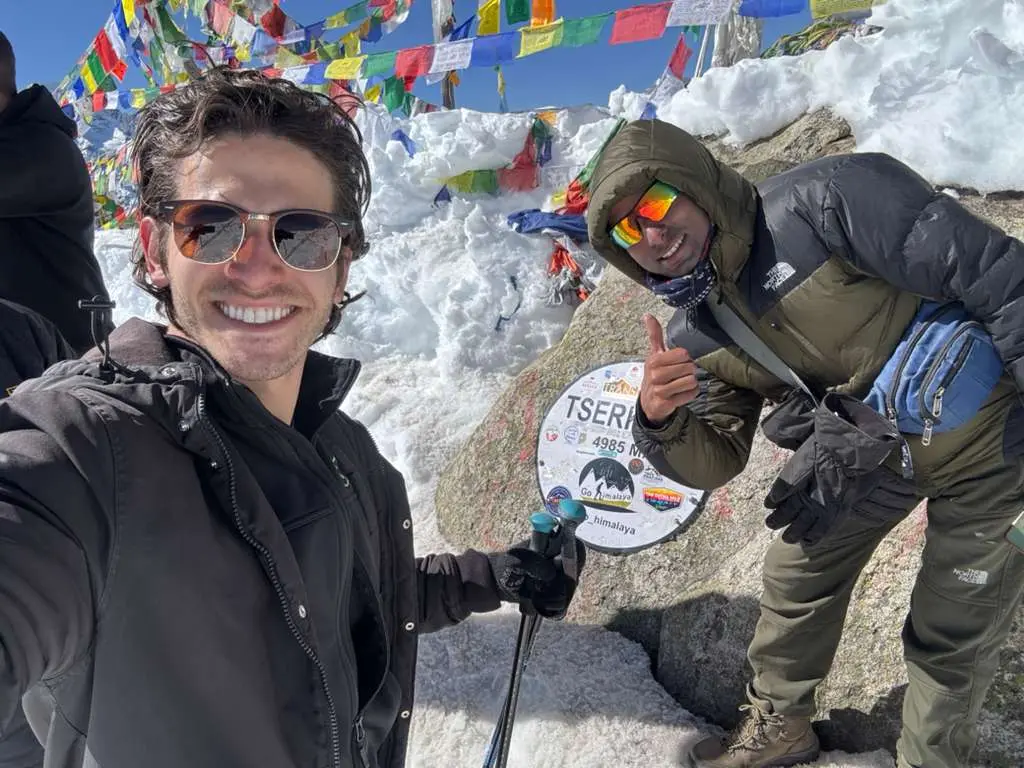
Day 5: Hike to Tsergo Ri (5,033m) – Duration: 6 to 7 hours
One of the most rewarding parts of the trek occurs on this day. The hike to Tsergo Ri is challenging due to the altitude and cold, but the reward is truly extraordinary. Trekkers begin early in the morning, walking over snowy terrain while the first sunlight hits the peaks. Reaching Tsergo Ri provides one of the best Himalayan views possible in Nepal. Mountains such as Langtang Lirung, Dorje Lakpa, Yubra Himal, Yala Peak, and Shishapangma dominate the skyline. The winter air makes the visibility razor-sharp and perfect for photography. After enjoying the stunning scenery, trekkers return to Kyanjin Gompa for a warm meal and rest.
Day 6: Hike to Kyanjin Ri (4,773m) and Return to Lama Hotel – Duration: 7 to 8 hours
Another beautiful viewpoint awaits at Kyanjin Ri, which provides a slightly shorter but equally impressive climb. The sunrise from Kyanjin Ri is especially magical in winter. The peaks glow in shades of gold, pink, and silver as the morning sun rises. After this memorable experience, trekkers descend back to Kyanjin Gompa for breakfast before making their way down to Lama Hotel. The descent is easier and faster, and the warmer air at lower altitude offers comfort after several days in the cold alpine region.
Day 7: Trek to Syabru Besi (1,470m) – Duration: 5 to 6 hours
The trek continues downward through forests and river valleys. Winter sunlight filters through pine trees, creating beautiful contrasts on the trail. As trekkers approach Syabru Besi, the temperature becomes milder. This final trekking day is relaxed and filled with opportunities to reflect on the journey through the snowy Langtang Himal. At Syabru Besi, travelers can unwind, enjoy a hot shower, and celebrate the completion of the trek.
Day 8: Drive back to Kathmandu (1,350m) – Duration: 6 to 7 hours
The final day consists of a scenic drive back to Kathmandu. As the vehicle retraces the mountain roads, trekkers enjoy one last look at the beautiful landscapes that define the Langtang region. Upon arriving in Kathmandu, they can relax, shop, or unwind while reflecting on an extraordinary winter trekking experience with Sherpa Expedition and Trekking.
Why the Winter Langtang Valley Trek is Perfect with Sherpa Expedition and Trekking
Choosing the right trekking company is essential in winter. Sherpa Expedition and Trekking offers professional guides, well-planned itineraries, winter-focused safety measures, and local knowledge about conditions, culture, and terrain. Their team ensures acclimatization is well-managed and that trekkers are comfortable throughout the journey. With careful route planning, warm teahouse arrangements, and reliable communication, the company makes winter trekking safe and enjoyable for both beginners and experienced hikers.
Final Thoughts
The Winter Langtang Valley Trek is an unforgettable Himalayan adventure filled with snowy landscapes, quiet trails, cultural richness, and dramatic mountain views. Winter elevates the beauty of Langtang Valley to its purest form. With the guidance and expertise of Sherpa Expedition and Trekking, trekkers experience not only breathtaking scenery but also comfort, safety, and authentic Himalayan hospitality.