10 Days Everest Base Camp Trek
USD 1,090 / Per Person
10 Days Everest Base Camp Trek Introduction
10 Days Everest Base Camp Trek can be moderate to challenging. Trekkers need to walk on steep hills; the air gets thinner whenever moving upwards to high altitude, and every breath and rest taken is a reminder of walking to the lap of the world’s highest mountain. People say, every challenge comes with a reward; EBC trekking proves this saying. The warm hospitality and smiling faces at Sherpa villages, breathtaking mountain views and peaceful Buddhist monasteries will forever remain in the memory.
The adventure begins with a flight to Lukla and continues through traditional Sherpa villages like Phakding, Namche Bazaar, Tengboche, Dingboche, Lobuche, and Gorak Shep. As proper acclimatization is the most important step during the trek, trekkers will have to acclimatize at Namche Bazaar. Lots of new friends from all around the world can be made at Namche Bazaar.
On the journey to the base camp, a change in the landscape can be seen by crossing rhododendron forests, alpine landscapes, and the Khumbu Glacier in the Khumbu region to reach the destination.
EBC Trek will end with a beautiful gift from nature, that is, the views of Everest, Lhotse, and Nuptse from Kala Patthar. Along with this, many more mountains are seen, new things are learned, and an unforgettable experience beyond imagination is created.
This is why Everest Base Camp trekking is one of the most rewarding adventures in the Everest region.
Highlights of 10 Days for Everest Base Camp Trekking Tour Package
- One of the most beautiful experiences during the trek is understanding authentic Sherpa culture through their warm hospitality, traditions, food, and mountain lifestyles.
- The chance to visit centuries-old Buddhist monasteries with peaceful and calming surroundings.
- Through the journey, getting the views of Mt. Everest adds much more beauty and purpose.
- Along with Mount Everest, admire Mt. Lhotse (8,516 m), Mt. Makalu (8,463), and Cho Oyu (8,201 m).
- Walk alongside the famous Khumbu Glacier and see the true beauty of the ice formations.
- On good days, tourists can also see rare Himalayan wildlife like snow leopards, musk deer, and Himalayan monal birds.
- To get the best view of Sagarmatha, hike to Kala Patthar early in the morning and reach there for sunrise.
- On the way, visit to Tengboche Monastery, the largest monastery in the Khumbu region, surrounded by stunning mountains.
- Syangboche Airport is known for being the world's highest airport. Trekkers usually stop here and enjoy views of the mountains.
- Being at Namche Bazaar is a lively place with markets, which is known as the Sherpa Capital.
- Another incredible opportunity is trekking in Sagarmatha National Park, a UNESCO World Heritage Site. On the trek, lots of colorful prayer flags fluttering in the cold mountain breeze can be seen, which carry peace and blessings.
- One thing to never forget is walking through colorful rhododendron forests during the spring season.
Why Choose a 10 Days Everest Base Camp Trek?
Trekkers can have maximum fun and adventure in a short time with a 10-day Everest Base Camp Trek. By choosing a short time for the trek, expenses will also be lower. This trek covers all the important highlights but demands strong fitness and determination. Beginners with low levels of fitness or those seeking a leisurely experience are not advised.
Who Is This Trek Best Suited For?
This trek is for all the fit travelers. It is for both experienced and beginners if you prepare and train yourself properly. Along with that, trekkers need to be time-conscious and join guided treks with organized logistics.
It is a fast-paced trek, but if travellers want to move slowly, extra acclimatization days can be added in between.
Training Plan Before EBC Trek
Before having a training plan for EBC, analyze your fitness first. After that, follow an 8-12 week plan with the inclusion of cardio like running and cycling, strength for legs, core, and back, practice hikes with a loaded backpack, and endurance. Do not overtrain and don’t forget to prioritize proper nutrition, hydration, flexibility, and altitude awareness.
10 Days Everest Base Camp Trek Day-by-day ITINERARY
An exciting flight to Lukla marks the beginning of the journey. The guide and porter will be smiling on your landing at Lukla. From there, start trekking through Chaurikharka Village and follow the Dudh Koshi River Valley toward Dudh Koshi Ghat and then to Phakding. Also, pass the most beautifully decorated suspension bridges, mani walls, and the prayer wheels.
While walking, glimpses of Kusum Kanguru and Thamserku can be seen, which clearly indicate the arrival in the Khumbu region.
In Phakding, the trail leads to the Rimishung Monastery. Phakding is the first stop to spend the night at a warm teahouse after having amazing Dal Bhat or anything else of your choice for dinner.
Follow the Dudh Koshi River from Phakding and cross the famous Hillary Bridge, among other suspension bridges. After that, enter Sagarmatha National Park at Jorsale after permits are checked. From there, start climbing uphill, which can be challenging, but the views of Everest, Lhotse, and Thamserku make the challenge worth it.
Finally, after a steep climb, enter Namche Bazaar, which is really vibrant and busier than other villages. Once you stay at the Namche Bazaar and visit its cafes and bakeries, it is then that the realization hits on why everyone calls it the heart of the Khumbu region.
From Namche, see the views of Everest, Kongde Ri, and other surrounding peaks.
After leaving Namche, trek overlooking Everest, Ama Dablam, and Lhotse. Also, pass Kenjoma before making the way down to Phunki Thanga, and then again walk on a steep uphill through pine and rhododendron forests.
Then, arrive at Tengboche Monastery, which is the most important spiritual site of the Everest region. The monastery is surrounded by mountains like Ama Dablam, Everest, Nuptse, and Kangtega.
The chance to see monks chanting in a peaceful environment is high here.
The trail goes downhill through forests before crossing the Imja Khola and passing Pangboche village. Pangboche village is one of the oldest settlements in the region.
After walking higher, enter alpine valleys along with Ama Dablam and Island Peak in the background. Also, get clear views of the mountains from here.
Look around at stone- walled fields, hospitable people, and mountain views in the Dingboche village.
In today’s trek, gradually trek across alpine terrain and pass chortens and visit a memorial at Thukla Pass, dedicated to those who lost their lives on Everest. After that, continue walking to Lobuche with the views of Nuptse, Pumori and Khumbutse.
On reaching Lobuche, a small settlement near a glacial moraine, feel the air getting thinner and the temperature dropping. Do not miss out on warm meals and hot tea here, while looking at the views of the mountains.
From Gorak Shep, trek through rocky moraine terrain with continuous views of Everest, Nuptse, and Pumori to Gorak Shep from Lobuche. Gorak Shep is one of the highest settlements in the world and also the final stop before reaching Everest Base Camp.
Trekkers then arrive at Everest Base Camp after spending hours walking around the Khumbu Glacier. Here, lots of peaks all around can be seen, including Khumbutse, Pumori, and Nuptse. And, tents of climbers are also visible as they get ready for their attempt at the summit. Return to Gorak Shep after being at EBC for a while.
Early in the morning, when it’s still dark outside, hike to Kala Patthar to get the best views of the mountains. Once you reach the top, you will be mesmerized by sunset views over Mount Everest along with sights of Nuptse, Lhotse, and the surrounding mountains.
After taking some pictures, get back to Gorak Shep, and from there continue walking till Pheriche. Pheriche becomes a comfortable point after getting experience of high- altitude areas.
From Pheriche, walk down through Pangboche and Tengboche, where views of Ama Dablam, Everest, and Thamserku can still be seen. After walking through the same rhododendron forests, suspension bridges, and Sherpa villages, you will get to a lower elevation.
It feels really good to reach Namche Bazaar. And enjoy local food like momo, thukpa and a cup of warm coffee.
Today is the last day of trekking, so walk the same way from where the journey started.
Exit Sagarmatha National Park and also enjoy final views of Thamserku, Kusum Kanguru, and small Sherpa villages.
After arriving in Lukla, trekkers usually celebrate trekking success by spending some time with teammates and guides and sharing stories over food and drinks.
Take a short flight from Tenzing-Hillary Airport, Lukla to Kathmandu. From the flight, wave goodbye to the mountains and Sherpa villages.
After arriving in Kathmandu, our driver will take you to the hotel. Today, just rest after completing a long adventure in the mountains.
10 Days Everest Base Camp Trek INCLUDES & EXCLUDES
Inclusions
Transportation
- Pick up and drop off at the airport by car or jeep for domestic flights.
- Round-trip domestic flight Kathmandu- Lukla- Kathmandu or Manthali- Lukla- Manthali is paid.
Accommodation & Meals
- Stay at tea houses throughout the trek.
- Three meals per day during the trek, which include breakfast, lunch, and dinner.
- Fresh fruits every night.
Permits & Documentation
- Required trekking permits and documentation, such as the Khumbu Pasang Lhamu Rural Municipality Entrance Fee and the Sagarmatha National Park Entry Permit, is handled.
Guide & Porter Services
- An experienced, government- licensed guide with covered expenses of salary, meals, accommodation, transportation, and insurance.
- Strong Sherpa porter (one porter shared between two trekkers) with covered expenses of salary, meals, accommodation, equipment, and insurance.
- An assistant guide for a group of 8 or more trekkers.
Trekking Equipment
- Our sleeping bag, down jacket, duffel bag, and trekking poles for free if needed, which needs to be returned after the trek.
- A Sherpa Expedition & Trekking T-shirt.
Health & Safety
- For safety, the guide carries the first aid kit.
- We also carry a pulse oximeter to monitor oxygen saturation and heart rate twice a day to help and know symptoms of Acute Mountain Sickness (AMS).
- An arrangement of emergency helicopter evacuation service covered by your travel insurance.
Taxes & Extras
- All the official charges will be paid along with government taxes.
- We also provide a trip achievement certificate.
Exclusions
- Accommodation and Meals during your stay in Kathmandu.
- Visa fee to enter Nepal. It is easy to get a visa on arrival at Tribhuvan International Airport – Kathmandu, which costs $30 USD for a 15-day visa, $50 USD for 30 Days, and $125 USD for 90 Days visa.
- Your expenses for personal travel and medical insurance.
- Tickets for your international flights.
- Your personal expenses during the trek.
- All the alcoholic and nonalcoholic food and beverages you have on the trek.
- Hot shower and battery charging fees at the tea houses.
- Tips for the guide, porter, and driver.
- Extra payment for excess baggage of more than 10 kg on the Lukla flight.
NOTE: Travelers will not be refunded if returned early from the trek due to sickness or any other problem.
Gear list for 10 days Everest Base Camp Trek
This list covers everything needed for the 10-day trek . Pack all the essentials, from clothing and sleeping gear to trekking equipment and personal essentials. Here is the complete checklist.
General
- Carry a sleeping bag
- Pack a warm down jacket
- Bring a duffel bag
- Don’t forget to carry a daypack for daily essentials
Upper Body
- Wear a full-sleeve T-shirt
- Carry a down jacket; it is essential above Namche
- Pack a fleece jacket, a windproof jacket, and a waterproof jacket if needed
- Wear thermal for warmth
- Bring sports bras (for women)
Lower Body
- Pack trekking pants to walk comfortably
- Wear thermal leggings before layering
- Carry warm and comfortable trousers
- Pack a waterproof and windproof outer layer
Hands
- Carry wool or technical fabric liner gloves
- For extra warmth, pack insulated gloves
Head
- Wear a warm beanie, especially during early morning and late at night
- Apply a high SPF sunscreen to protect your skin
- Carry a headlamp with extra batteries
- Wear a sun hat and sunglasses during day time
- Bring a neck warmer
Footwear
- Wear waterproof trekking boots
- Pack comfortable sandals and sneakers
- Wear warm socks and sock liners for comfort
- Carry crampons in winter
Optional Items
- Pack energy bars and snacks
- Carry a power bank for emergencies
- Carry a music player or earphones if you like
- Don’t forget your camera and its accessories
Miscellaneous
- Carry your passport with you
- Bring some passport-sized photos
- Carry a water bottle and a water filter; it helps a lot
- Pack your own toiletry kit
- Bring comfortable trekking poles
First Aid and Medicines
- Pack a blister treatment cream or something similar to it
- Carry adhesive bandages
- Bring anti- itch ointment
- Pain relief medicine and cough syrup might be needed
- Carry Diamox for altitude sickness (125 mg- 250 mg)
- Pack a water purification tablet
- Also add wraps, splints, and butterfly bandages
Note: The guide will carry the first aid kit, but it is good for trekkers to carry their own first aid kit.
10 Days Everest Base Camp Trek Cost (All Includes)
The cost of 10 days Trek to Everest Base Camp differs because of various reasons like nationality, travel style, guides, porters, accommodation, permits, visas, insurance, flights, meals, and accommodation. There is also another reason for the cost to differ, and that is whether to join a group or trek privately.
The detailed breakdown of the 10-day Everest Base Camp Trek cost is provided below for ease. It includes permit fees, visa expenses, domestic flights, guide and porter charges, accommodation, meals, travel insurance, and the price differences for foreigners, Indian nationals, Nepali citizens, solo travelers, and group departures.
Cost for Foreigners
The cost for foreigners comes between US$ 1,090 and US$3,000 per person. This cost depends upon the itinerary, group size, and service level. Most of the packages include a permit, domestic flights, meals, accommodation, a guide, a porter, and airport transfers. We prepare convenient and well- organized packages for you.
Cost for Indians
For Indian nations, the cost starts from INR 95,400 per person. This package covers Lukla flights, meals, guide, porter, accommodation, and transportation. The cost also differs by group size, trekking season, and additional services. For discounts, we suggest coming in larger groups.
Cost for Nepali
Nepali citizens can complete the Everest Base Camp Trek starting from NPR 75,000 per person. Trek packages include domestic flights, trekking permits, meals, accommodation, guides, and porters. Trek can be more affordable to domestic travelers.
Permit Costs
This trek requires two compulsory permits. One is the Sagarmatha National Park Entry Permit, which costs around US$ 25. Another is the Khumbu Pasang Lhamu Rural Municipality Permit, which costs around US$ 25. These permits help in conserving nature and protecting the local infrastructure in the Everest region.
Porter & Guide Cost
It is good to hire a professional guide and porter for the journey. Hiring them makes the travel feel safe and at ease. The cost of a guide ranges from US$25-60 per day, depending upon the experience and altitude. Whereas, the cost of a porter is US$25- $35 per day. Porters carry 25 kgs everyday, which is shared between two trekkers.
Solo vs Group Cost
High prices are paid by solo trekkers because the guide, transportation, and logistics are not shared with others. Whereas, group trekkers pay low prices as everything is shared and they also get a group discount. From the group size, the prices for packages decrease from US$1,390 for one to US$1,090 for larger groups.
Lukla Flights Cost
Flying to Lukla and flying back from Lukla is a major trekking expense. A one-way ticket usually costs US$ 220-250 for one person. This price also depends on the season, as it may increase in the peak season. Booking the flights early for both ways also decreases the cost a little bit.
Nepal Visa Cost
For most of the foreign nationals, a travel visa is required. But Indian tourists do not require a tourist visa to travel. A 15-day visa costs US$30, a 30-day visa costs US$50, and a 90-day visa costs US$125.
Travel Insurance Cost
We recommend getting travel insurance policies that cover high-altitude trekking up to 6,000 meters and emergency helicopter evacuation. This is not only needed in case of an emergency, but also for safety. The insurance costs US$100-300 depending upon age, nationality, coverage, and trip duration.
Accommodation and Tea Houses Cost for EBC Nepal
The most common type of accommodation along the trekking route is Tea Houses. They are owned by local people and run by the family. They are cozy and warm with all the basic facilities.
Unlike lodges and hotels, tea houses focus on providing basic accommodation with home- cooked local meals. They are not fancy with luxury services.
You will find three types of accommodation along the route.
Basic Tea Houses with comfortable twin-sharing rooms and shared bathrooms.
Standard Lodges with more comfort and attached bathrooms till Dingboche.
Premium and luxury Lodges with attached bathroom, electric blankets, and comfortable beds. It is not available at all places, especially in high-altitude areas.
Accommodation facilities become limited on the climb above Dingboche.
The prices of tea house rooms range from US$5-20 per night, depending on the season and location. Meals also become expensive in higher-altitude areas. Guests also need to pay extra for a hot shower (US$3-8), Wifi (US$3-10), charging (US$2-5), and mineral and hot drinking water.
Why to Choose Us for 10 Days Everest Base Camp Trekking?
Sherpa Expedition and Trekking is a trusted company in Himalayan trekking with many years of experience in organizing adventures with the best plans across Nepal.
Here is what makes us the right choice for the Best Everest Base Camp Tour Operator.
- We give planned itineraries with personalized services by combining Sherpa expertise. By doing so, we help to make the trip safe, well-managed, and authentic. Along with that, travellers get the best experience of the trek, local culture and Himalayan lifestyle.
- All our guides have a government license and are trained for high-altitude trekking, first aid and emergency response. They are local experts, so they help with safe navigation, getting more information, true experience, and support throughout the trek.
- Once the departure date is confirmed, the trek is guaranteed to run on the schedule even if the group is small.
- We provide free, high-quality sleeping bags and down jackets so trekkers remain warm and cozy throughout the winter.
- Our team will stay connected through constant communication and 24/7 emergency support. When required, we also send quick helicopter evacuation assistance.
- Our booking system is simple to use and fast. Visitors can make online reservations, confirmations, and payments smoothly in a very short time.
10 Days Everest Base Camp Trek Duration
The 10-day trek to EBC is short but physically and mentally demanding. You will start your journey by flying to Lukla, from where the trek begins. After Lukla, you will walk through various villages and make a few stops at places like Namche Bazaar, Tengboche, Dingboche, Lobuche, and Everest Base Camp at last. From EBC, you will again keep trekking back to Lukla, from where you will fly back to Kathmandu. A 10-day trek can be fast-paced but well-structured.
Trek Distance and Daily Walking Hours
During the trekking journey, trekkers have to walk around 4-7 hours on a daily basis. The total distance of the Everest Base Camp Trek is 130 kilometers, which means the trail passes through various landscapes. At first, the trail is moderate, with a comfortable walk along the views of rivers, forests, and villages.
But altitude does not remain the same always; it changes, and the more trekkers move towards high altitude, the more the trek becomes challenging. In higher areas like Dingboche, Lobuche, and above, the air gets thinner and colder. At higher altitudes, it is better to walk at a slow pace.
Best Season to Trek Everest Base Camp for 10 Days
The best season to visit Mount Everest Base Camp Trek in Nepal is during Spring, which is March to May, and Autumn, which is September to November. During these seasons, mountain views get beautiful in stable weather.
During the spring season, get the chance to see colorful and fragrant rhododendrons all around the forest area at moderate temperatures. The autumn season is the most reliable for weather, with excellent visibility of mountains like Everest, Lhotse, Ama Dablam, and many more.
The Winter season, which is December to February, gets really cold with heavy snowfalls, and the Monsoon season, which is June to August, brings delays and muddy trails due to rainfall. Which is why these seasons are less suitable for a trek with a short itinerary.
Food and Drinking Water for Everest Base Camp Trekking
While trekking on the EBC, the food options are always simple, fresh, and packed with energy. For breakfast options, there will be options of eggs, Tibetan bread, porridge, toast, and tea or coffee. Lunch options include the most loved dal bhat along with pasta, soup, and more. The dinner option also remains the same as the lunch options since the tea house is the same. Food options are always warm and fulfilling.
Trekkers also don’t have to worry about snacks and drinks because they are also available, such as tea, biscuits, chocolates, energy bars, and hot drinks with lemon, ginger, and honey. Drinking water is also provided by boiling and filtering it at tea houses, or bottled water can be bought for an extra cost.
A wide variety of options are served throughout the route, but most loved are typical Nepali dishes such as dal bhat, noodles, soup, momo, etc. Vegetarian and vegan options are also available in almost all teahouses.
EBC Trekking Safety
The safety of trekkers is our highest priority during the trek. One of the most common risks during the trek is Acute Mountain Sickness, also known as AMS. It happens by walking too quickly to a higher altitude, so maintaining a slow pace and hydrating is essential. Weather changes are also common in the mountains. Sudden strong winds and snowfall can be faced, which directly affect trail visibility and safety.
Acclimatization is important while trekking; it is done to help the body to adjust to high altitude with low oxygen levels. If needed, we do emergency evacuation by helicopter with the help of guides. Even in remote areas, emergency assistance is provided.
Everest Base Camp Trek Altitude and Acclimatization
The maximum altitude of the trek is 5,545 meters, once you reach Kala Patthar. While ascending, altitude becomes the major challenge because oxygen levels drop considerably, which makes it harder to breathe and slows down energy levels. It also creates the risk of Acute Mountain Sickness if proper acclimatization is not done.
Your journey starts from Lukla (2,860m) to higher altitude areas through Namche Bazaar (3,440m), Dingboche (4,410m), Lobuche (4,940m), and then you will reach Gorak Shep (5,180m), Everest Base Camp (5,364m), and Kala Patthar (5,545m) at the end. Making stops at these places helps your body adjust to the altitude, ensuring safe acclimatization and better performance.
What is Risk Factors, symptoms and Prevention of Acute Mountain Sickness (AMS)
Acute Mountain Sickness (AMS) is a common condition that occurs at high altitude, which happens when ascending too quickly. Giving the body enough time to adapt to low oxygen levels is necessary. It is common on routes like Everest Base Camp.
Cause
It occurs when ascending too quickly to high altitudes without giving enough time for the body to adapt. It can also happen from dehydration, poor acclimatization, overexertion, and sleeping at high altitude too soon. The symptoms can be felt within hours of reaching high elevation.
Symptoms
Headache, dizziness, nausea, vomiting, exhaustion, trouble sleeping, and appetite loss are some of its symptoms. Its symptoms often show six to twenty-four hours after ascending, and should not be ignored since it could worsen.
Risk Factors
Some of its risk factors are ascending fast, poor physical condition, dehydration, and a previous history of AMS. Fitness level and age are not the only factors of AMS.
Prevention
It can be prevented by ascending gradually and following a well-planned itinerary. Staying hydrated, eating well, and avoiding alcohol or smoking are key points that needs to be followed.
Emergency Response
Stop ascending if the symptoms start to show, and descend if it worsens. Rest and oxygen support may be required, and in case of emergency, a helicopter emergency is needed. Informing the trekking guide about the symptoms can help prevent them.
Physical Fitness Requirements
A good level of physical fitness is required for the 10-day trek to Everest Base Camp because it is a fast-paced itinerary. Trekkers need to walk for long hours every day, reaching a high altitude in a short time. Do not carry a heavy backpack, either.
Prepare by doing cardio exercises regularly, and also go hiking and cycling for strength training. Having trekking experience is good, but it is not necessary if planning and training are done properly. Along with physical strength, trekkers must be mentally strong and prepared.
Route Map and Elevation Profile
Firstly, land at Lukla (2,860 m) and slowly walk through your destination, making a few key stops in between. Stop by making gradual acclimatization at Phakding (2,640m), Namche Bazaar (3,440m), Tengboche (3,860m), Dingboche (4,410m), Lobuche (4,940m), Gorak Shep (5,180m), Everest Base Camp (5,364m), and Kala Patthar (5,545m).
Rest properly at each stop and keep on moving forward to the next. The trek gets challenging after 4,000 m with low oxygen levels. After reaching the destination, return following the same route.
ROUTE MAP OF 10 Days Everest Base Camp Trek
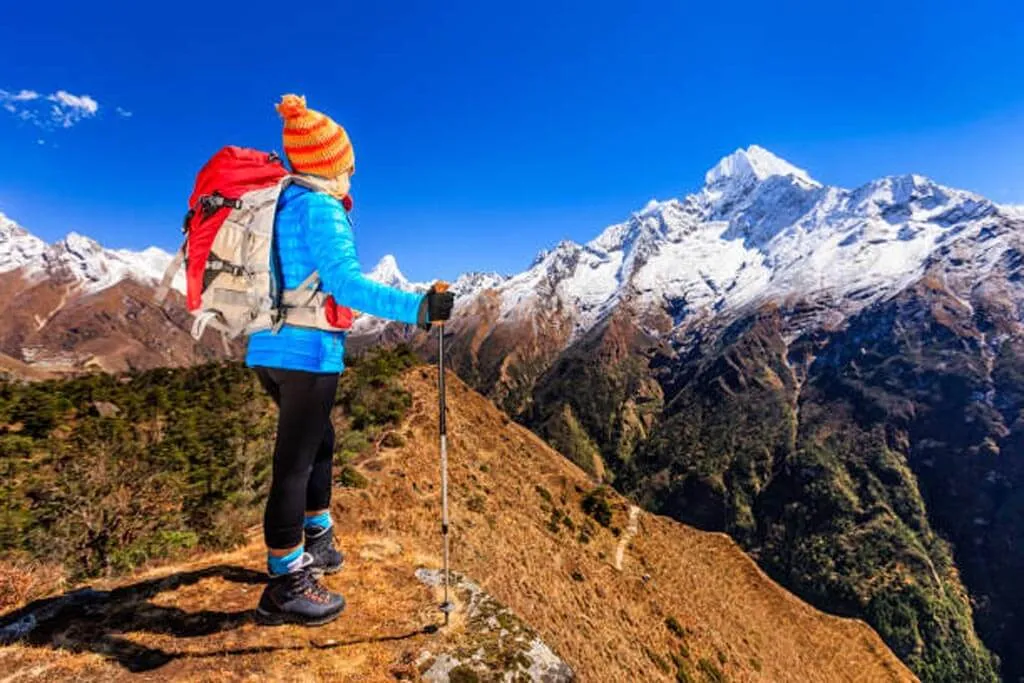
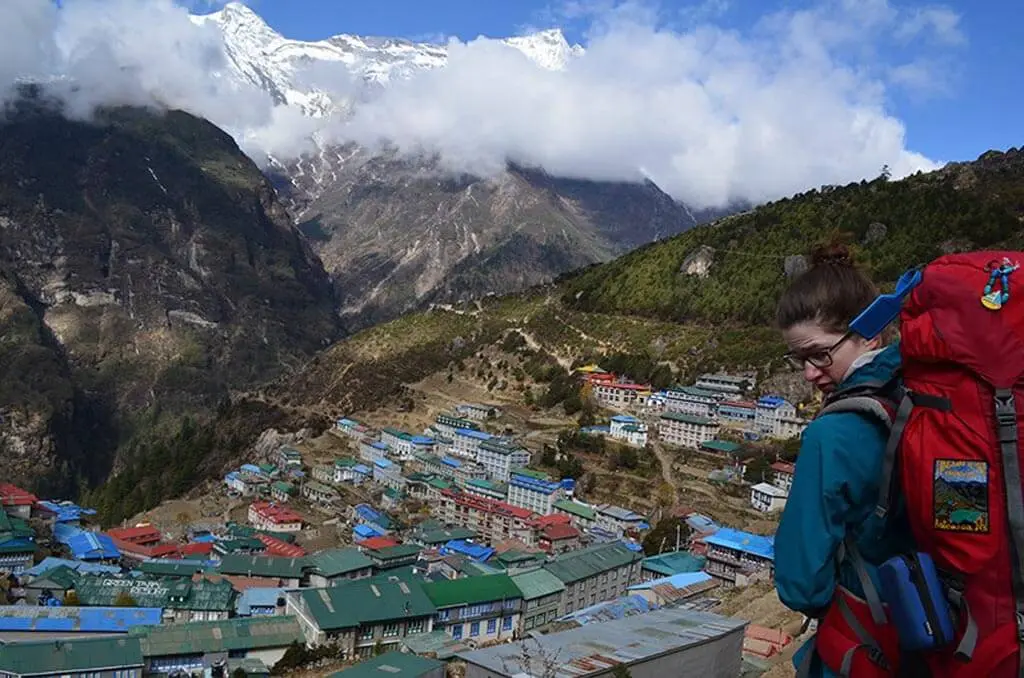
Gallery of 10 Days Everest Base Camp Trek

10 Days Everest Base Camp Trek Departures
Every departure listed below is 100% Guaranteed — once you book, your trip will run as scheduled regardless of group size.
Select a departure month
Fill out the form below and a Travel Expert will reach out to create your perfect tour.
FAQS Related to 10 Days Everest Base Camp Trek
Altitude & Acclimatization
The natural process of your body slowly adapting to the lower oxygen at higher altitude is Acclimatization.
Acclimatization is important to complete the trek without having any health risks. Without proper acclimatization, you can suffer from fatigue, headaches, serious altitude sickness, or even life-threatening issues.
Two acclimatization days are recommended to adjust your body to a higher altitude. One at Namche Bazaar and another at Dingboche.
The acclimatization stops on the EBC trek are at Namche Bazaar (3,440m) and Dingboche (4,410m). Both of these locations are carefully chosen for trekkers to hike to the nearest viewpoints and rest.
If you do not acclimatize, there is an increasing risk of AMS, which can make your trek unsafe. So, skipping acclimatization is not encouraged.
Fitness & Preparation
Being physically fit does not mean it completely prevents altitude sickness because it happens if you ascend too quickly, along with other reasons. But fit people cope better with physical stress and also help in recovery.
Doing regular cardio training, including hiking, running, cycling, and stair climbing, at least 6-8 times a week helps you prepare for the high-altitude training.
Diamox is taken to prevent or reduce symptoms of altitude sickness. It can only be used after consulting the doctor.
You should drink around 3-4 liters of water every day during the trek. If you hydrate properly, it decreases the risk of AMS.
Light and energy-packed foods like warm soups, garlic-based meals, rice, pasta, lentils (dal bhat), and fruits help with acclimatization.
Altitude Sickness (AMS)
It is a condition caused by low oxygen levels at high altitude. It is seen in trekkers who ascend too quickly without taking proper rest. This condition needs to be treated properly.
First or the early symptoms of altitude sickness are headache, dizziness, nausea, difficulty in sleeping, and loss of appetite. These symptoms need to be treated seriously.
You can prevent AMS by walking slowly, drinking enough water, avoiding alcohol, and eating properly. And along with that, you must also follow the acclimatization days.
If you develop AMS, the first thing you need to do is stop ascending. You then need to hydrate yourself and monitor the symptoms. Even if the condition gets worse, you need to get back to a lower altitude and get medical help.
Symptoms like vomiting, confusion, severe headache, loss of appetite, or breathing difficulty show that you need to descend quickly.
If it is not treated quickly, it can be fatal. But with proper acclimatization and recognition, it can be fully prevented and managed.
Trek Planning
Yes, the 10-day Everest Base Camp Trek is safe if you follow the proper itinerary and your guide. Since it is a fast-paced itinerary, trekkers must be physically and mentally fit with risk awareness.
An extra acclimatization day is not separated in the 10-day itinerary, but if you need it, it can be added. It is best for fit and experienced trekkers.
Beginners with good physical fitness and proper preparation with the help of an experienced guide can complete this trek, but a longer itinerary is far better.
Due to good weather and trekking conditions, Spring(March-May) and Autumn(September-November) are the best seasons.
Guides are qualified to identify AMS, so they do help with altitude safety. They keep an eye on your symptoms and regulate the speed at which you hike. They will also tell you if you should continue, rest, or descend based on your situation.
Emergency & Safety
If someone gets severe altitude sickness, they should not continue forward and should begin to descend towards a lower altitude. If symptoms get worse, the guide helps in arranging emergency support.
Yes, helicopter evacuation is available and is used for emergencies, which is paid for by your travel insurance.
Not in all places, but medical clinics can be found in Namche Bazaar and Pheriche. Facilities here are limited, so if you need help for serious cases, you must return to Kathmandu.
It can cost between $3,000 and $6,000 depending on location and weather conditions.
Yes, most travel insurance covers altitude-related emergencies if high-altitude trekking (up to 6,000m) is included. It covers helicopter evacuation, medical treatment, and hospitalization.
RELATED PACKAGES


Latest Traveller’s Reviews
Travel experiences of our clients who recently returned from their trips.
100%
Based On 19 Reviews
Williams Smart
United States
July 24, 2024
Memorable Everest Adventure
Youssef Coba
Canada
June 6, 2024
Fantastic Trekking Experience
Urszula Morańda
Australia
May 29, 2024
Outstanding Trekking Professionals

Write Your Review
Average Customer Ratings
How The Travellers Have Rated This Package
19
0
0
0
0