02nd April, 2026
Dec 10, 2025
Dhaulagiri Circuit Trek
- Why Dhaulagiri Is Known as the “White Mountain”
- The Uniqueness of the Dhaulagiri Circuit Route
- Best Time to Do the Dhaulagiri Trek
- Physical Fitness and Trek Difficulty
- Culture and Lifestyle Along the Dhaulagiri Region
- Flora and Fauna on the Trail
- Complete 15-Day Dhaulagiri Circuit Trek Itinerary
- High Himalayan Experience: Italian, Japanese, and Dhaulagiri Base Camp
- Crossing French Pass and Entering the Hidden Valley
- Descending to Yak Kharka and Marpha
- Accommodation, Food, and Camping Experience
- Essential Permits for the Dhaulagiri Trek
- Packing Tips and Trekking Gear Guide
- Conclusion: Why Dhaulagiri Is a Once-in-a-Lifetime Himalayan Journey
The Dhaulagiri Circuit Trek is one of Nepal’s last true wilderness adventures, reserved for trekkers who crave remote landscapes, high passes, extreme altitude, and raw Himalayan beauty. Surrounded by towering ice walls, vast glaciers, and untouched valleys, this trail circles the mighty Mount Dhaulagiri (8,167m)—the seventh-highest peak in the world. Unlike commercial trekking routes such as Everest Base Camp or Annapurna Base Camp, the Dhaulagiri trek remains wild, isolated, and refreshingly authentic, making it highly appealing to those seeking real adventure.
This region’s solitude is what sets it apart. You walk for days without seeing crowds, passing through Magar villages untouched by modernization. Each day reveals a new transformation in terrain—lush farmland, deep gorges, icy moraines, towering ridges, and high-altitude deserts.
The Dhaulagiri trek is demanding, but the rewards are beyond imagination.
Why Dhaulagiri Is Known as the “White Mountain”
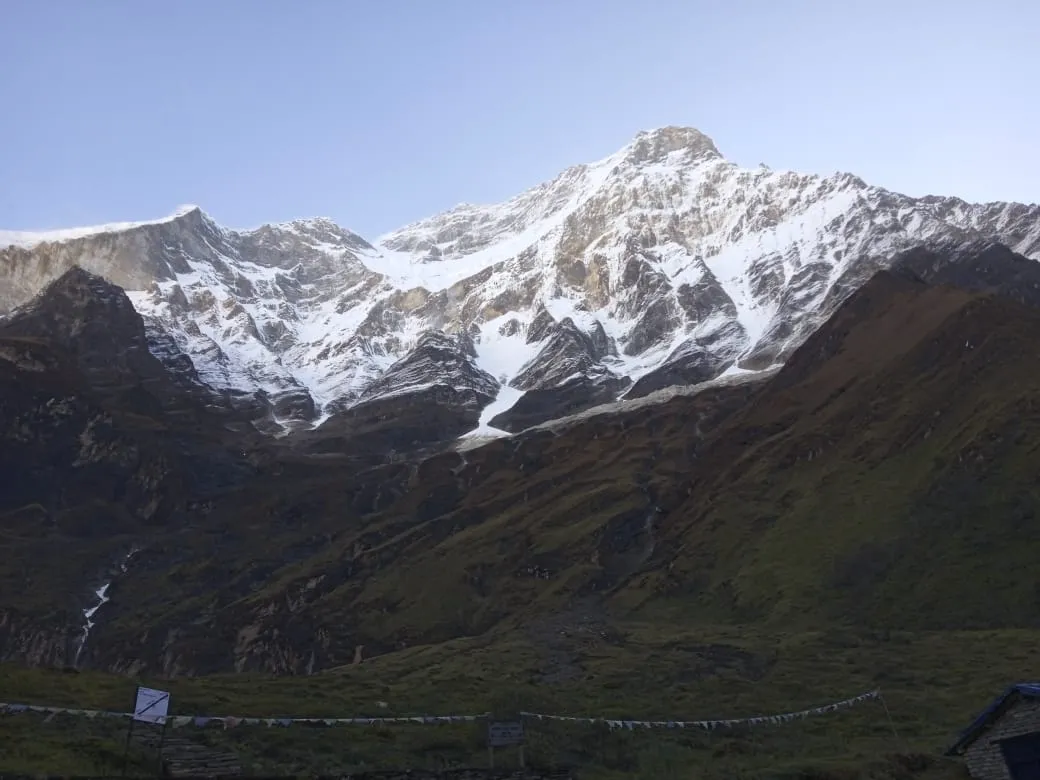
Mount Dhaulagiri is often called the “White Mountain” due to its massive snow-covered pyramid shape that shines brilliantly under the Himalayan sun. The word Dhaulagiri comes from Sanskrit: Dhaula meaning white and Giri meaning mountain.
As trekkers approach from lowlands to high altitudes, this majestic peak dominates the skyline. From Italian Base Camp to Dhaulagiri Base Camp, its immense south face looks impossibly steep, rising like a frozen wall from the Chhonbardan Glacier. For mountaineers and trekkers alike, it is one of the most spectacular sights in the Himalayas.
The Uniqueness of the Dhaulagiri Circuit Route
The Dhaulagiri trek stands out because it takes you from warm subtropical villages to snowy alpine wilderness within a matter of days. Unlike teahouse routes, much of this trek requires full camping—a rare experience in modern trekking.
The trail also includes three major base camps:
Italian Base Camp, Japanese Base Camp, and Dhaulagiri Base Camp. Few treks offer such diverse landscapes and expedition-style experiences.
The highlight of the route is the crossing of French Pass (5,360m), followed by entering the mysterious Hidden Valley, a place so isolated that it feels like the roof of the world.
Best Time to Do the Dhaulagiri Trek
The best time for the Dhaulagiri Circuit Trek is during spring (March–May) and autumn (September–November). These seasons offer the clearest skies, stable weather, and safer conditions for high-altitude pass crossings.
Spring brings blooming rhododendrons in the lower jungle regions, while autumn offers the cleanest mountain views after monsoon clears the air.
Physical Fitness and Trek Difficulty
The Dhaulagiri trek difficulty is considered very high. Trekkers spend several days above 4,500 meters, and glacier traverses plus unpredictable weather add complexity. The trail includes long walking days of 6–8 hours, and the high passes require stamina and acclimatization.
Experience in high-altitude trekking is strongly recommended. This is not a beginner’s trek—it’s an expedition-style journey.
Culture and Lifestyle Along the Dhaulagiri Region
The lower sections of the Dhaulagiri Circuit offer glimpses into traditional Magar culture. Villages like Darbang, Dharapani, and Jugepani display simple yet charming lifestyles, where homes are built from stone and wood, and people rely on agriculture and livestock herding.
As you walk through these settlements, children greet you with smiles, elders share stories, and the surrounding landscapes reflect a lifestyle that has remained unchanged for centuries.
Flora and Fauna on the Trail
During the first days, you walk through lush forests filled with pine, oak, walnut, and rhododendron trees. As altitude increases, vegetation changes rapidly. Above Sallaghari, the surroundings turn into an alpine wilderness with rock, ice, and glacial formations.
Wildlife such as blue sheep, Himalayan yaks, pheasants, and occasionally snow leopards inhabit the higher regions. The biodiversity adds richness to the Dhaulagiri trekking experience.
Complete 15-Day Dhaulagiri Circuit Trek Itinerary
Your journey begins the moment you land at Tribhuvan International Airport in Kathmandu. On the first day, you settle into your hotel as your Dhaulagiri adventure officially begins. The next morning, you travel from Kathmandu to Pokhara and continue driving toward Darbang, passing through scenic riversides, terraced fields, and charming hill towns. This long drive sets the tone for the remote adventure ahead.
From Darbang, you start trekking to Dharapani, enjoying a gentle introduction to the region’s landscapes. The walk to Jugepani on the following day keeps you close to local culture and farming communities. When you reach Boghara, you begin to feel the true wilderness of the trekking route.
The journey to Dobang and Sallaghari brings you deeper into forests, rivers, suspension bridges, and narrow trails carved above gorges. At Sallaghari, the air becomes noticeably thinner, and you prepare for the alpine world ahead.
Approaching Italian Base Camp is one of the most exciting steps of the trek. Surrounded by hanging glaciers and massive snow peaks, the environment suddenly shifts from forest to raw Himalayan ice and rock. The following day takes you to Japanese Base Camp, where the views grow even more dramatic.
From Japanese Base Camp, you make your way to the breathtaking Dhaulagiri Base Camp. Standing at the foot of the massive Dhaulagiri wall is an unforgettable moment. The next day’s trek over French Pass and into Hidden Valley is the most challenging part of the entire journey. The views from the pass are panoramic, featuring the entire Dhaulagiri range, Tukuche Peak, and the distant Annapurna range.
After a night in Hidden Valley, you descend to Yak Kharka, where the frozen desert landscapes slowly transform into greener surroundings. On the final trekking day, you reach the apple orchards of Marpha before driving back to Pokhara.
Your adventure concludes with a drive to Kathmandu and finally a farewell transfer to Tribhuvan International Airport.
High Himalayan Experience: Italian, Japanese, and Dhaulagiri Base Camp
These three base camps offer some of the most dramatic Himalayan scenery imaginable. Italian Base Camp presents a spectacular amphitheater of rocky cliffs and hanging ice. Japanese Base Camp is quieter but equally surreal, with glaciers flowing beneath towering snow peaks.
Dhaulagiri Base Camp itself is a place of silence, wind, and pure ice. The massive north-east face rises like a frozen pyramid—an unforgettable view for trekkers who make it here.
Crossing French Pass and Entering the Hidden Valley
Crossing French Pass at 5,360 meters is the emotional and physical climax of the entire trek. The ascent is steady but challenging due to altitude and cold. As you reach the top, the landscape opens into a breathtaking panorama of Himalayan giants.
Descending into Hidden Valley feels like entering a different planet—wide, barren, cold, and unbelievably peaceful. This valley has remained mysterious for centuries and adds a spiritual layer to the trek.
Descending to Yak Kharka and Marpha
The descent from Hidden Valley to Yak Kharka takes you across rough terrain where yaks graze in high-altitude meadows. As you walk further, the climate becomes warmer, and vegetation reappears. Eventually, you reach Marpha, the apple capital of Nepal. After days of rugged alpine travel, Marpha feels like a comfortable return to civilization.
Accommodation, Food, and Camping Experience
Because the region is remote, you spend much of the trek camping. The camping experience brings a rare sense of freedom—sleeping under Himalayan stars, waking to the sound of wind across glaciers, and eating freshly cooked meals prepared by the support team.
In lower villages, you stay in simple lodges, but in higher altitudes, your tent becomes your home.
Essential Permits for the Dhaulagiri Trek
To complete the Dhaulagiri Circuit, you need an Annapurna Conservation Area Permit (ACAP) and a TIMS card. The area’s remoteness makes it essential to trek with a guide and porter team, who ensure safety, navigation, and proper logistics.
Packing Tips and Trekking Gear Guide
Trekkers must bring warm clothing, waterproof layers, strong trekking boots, headlamps, sleeping bags rated for –20°C, and personal essentials. At high altitude, temperatures drop dramatically, so proper gear is crucial for both safety and comfort.
Conclusion: Why Dhaulagiri Is a Once-in-a-Lifetime Himalayan Journey
The Dhaulagiri Circuit Trek is more than an adventure—it is a personal transformation. Few places in the world offer such raw beauty, isolation, challenge, and reward. From lush villages to icy glaciers, from deep forests to barren high passes, every day of this trek feels like walking through a living Himalayan museum.
For trekkers seeking an unforgettable, life-changing journey, the Dhaulagiri Circuit Trek stands proudly among the greatest trails on Earth.