Trekking the Annapurna Circuit in June offers a captivating adventure amidst Nepal's pre-monsoon season, blending natural beauty with cultural immersion. June marks the transition from spring to the onset of the monsoon, presenting trekkers with unique experiences and challenges along the trail.
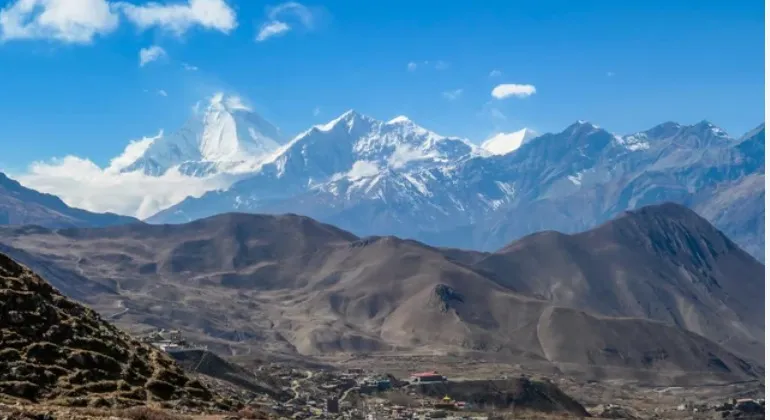
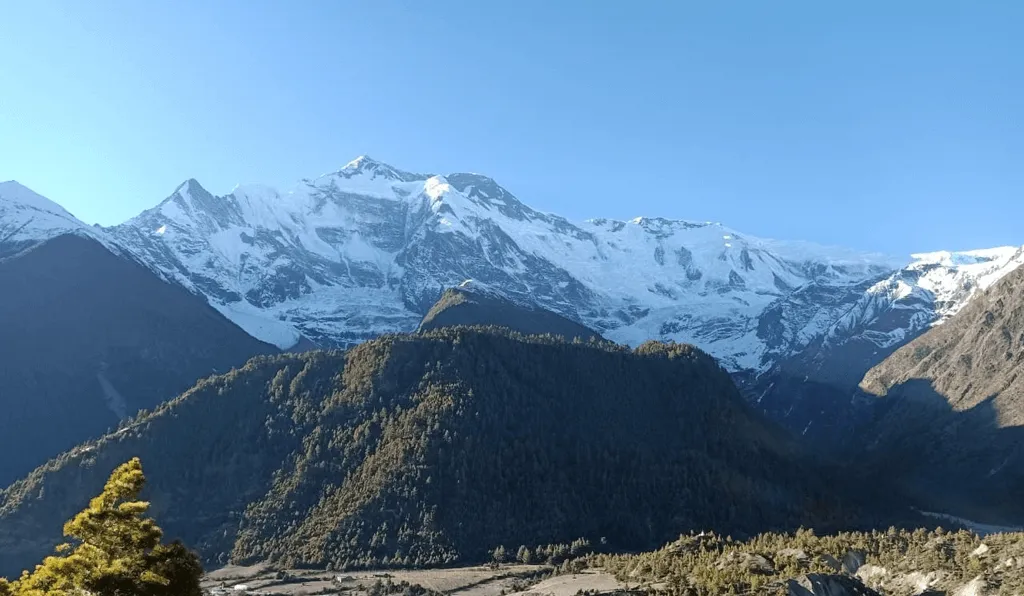
The journey typically begins from Besisahar, winding through lush green valleys adorned with blooming rhododendrons and other wildflowers. As trekkers ascend higher, they are treated to panoramic views of snow-capped peaks, including Annapurna and Dhaulagiri ranges, against clear blue skies.
Weather in June is generally favorable for trekking, with mild temperatures in lower elevations ranging from 20 to 25 degrees Celsius (68 to 77 degrees Fahrenheit). Higher altitudes may still experience cooler temperatures, especially during early mornings and evenings, necessitating layers of clothing that can be easily adjusted throughout the day.
This is an ideal trek for those who want to avoid the crowds and love nature. This is a great trek in the Annapurna Conservation Area that takes you to the highest pass and the deepest valley in the w...
Cultural encounters with local communities add depth to the journey, offering insights into traditional Nepalese lifestyles and hospitality. Teahouses along the route provide comfortable accommodation and hearty meals, including local dishes like dal bhat (rice with lentil soup) and momos (dumplings), energizing trekkers for the next day's adventure.
While June sees more trekkers compared to preceding months, the trails are generally less crowded than peak seasons like autumn. This allows for a more peaceful trekking experience, with opportunities for solitude amidst the awe-inspiring Himalayan landscapes.
Overall, trekking the Annapurna Circuit in June promises breathtaking vistas, cultural enrichment, and a sense of accomplishment amidst the natural splendor of Nepal's Himalayas. It's a time to embrace the outdoors, challenge personal limits, and forge unforgettable memories in one of the world's most iconic trekking destinations.
Why Annapurna Circuit Trek in June
Trekking the Annapurna Circuit in June offers a compelling adventure amidst Nepal's pre-monsoon season, providing several reasons for enthusiasts to explore this iconic route:
Scenic Beauty: June marks the onset of summer, bringing lush greenery, blooming rhododendrons, and cascading waterfalls along the trekking trail. The landscapes are vibrant and picturesque, offering stunning views of snow-capped peaks against clear blue skies.
Moderate Weather: Lower elevations enjoy mild temperatures ranging from 20 to 25 degrees Celsius (68 to 77 degrees Fahrenheit), making it comfortable for trekking. Higher altitudes may be cooler, especially in the mornings and evenings, requiring layered clothing for warmth.
Cultural Insights: Encounter local communities engaged in agricultural activities, providing insights into traditional Nepalese lifestyles and hospitality. Experience warm welcomes at teahouses, where hearty meals like dal bhat and momos replenish energy after a day's trek.
Fewer Crowds: Compared to peak trekking seasons like autumn, June sees fewer trekkers on the Annapurna Circuit. This allows for a more peaceful and immersive experience amidst nature's bounty.
Photographic Opportunities: Capture stunning photographs of blooming flora, panoramic mountain vistas, and traditional Nepalese architecture along the route.
Trekking the Annapurna Circuit in June offers a perfect blend of natural beauty, cultural experiences, and favorable weather conditions, making it an ideal time for adventurers seeking a memorable Himalayan trekking experience.
Tilicho Lake With Annapurna Circuit Trek will take you to the captivating emerald green Tilicho Lake and through Thorong La Pass (5416m) and offers some fantastic views of the Annapurna Massif ma...
How Hard Is Annapurna Circuit in June
Trekking the Annapurna Circuit in June presents moderate challenges and rewards amidst Nepal's pre-monsoon season:
Terrain and Trail Conditions: The trail varies from gentle slopes to steep ascents and descents, challenging trekkers with diverse landscapes and terrain. Muddy and slippery sections may occur, particularly in higher altitudes or after rainfall, necessitating sturdy footwear and trekking poles for stability.
Altitude Considerations: The Annapurna Circuit reaches high altitudes, with Thorong La Pass being the highest point at 5,416 meters (17,769 feet). Proper acclimatization is essential to prevent altitude sickness, requiring gradual ascent and adequate rest days in villages like Manang.
Weather Variability: June enjoys moderate temperatures in lower elevations but can be cooler at higher altitudes, especially during early mornings and evenings. Trekkers should be prepared for occasional rain showers and variable weather conditions that may affect visibility and trail conditions.
Physical Endurance: Long trekking days demand physical stamina and endurance. Prior conditioning with cardiovascular exercises and leg strength training helps prepare for the rigors of ascending and descending mountain trails.
Cultural Enrichment: Despite the challenges, June allows for cultural interactions with local communities engaged in seasonal agricultural activities. Learn about traditional farming practices, taste local cuisine, and experience Nepalese hospitality along the journey.
Trekking the Annapurna Circuit in June rewards adventurers with breathtaking landscapes, cultural immersion, and a sense of accomplishment amidst the challenges of Himalayan trekking.
Circumnavigate the Annapurnas where there is one peak at 8091 meters and 28 others that are over 6000 meters. You will be surrounded by the Kali Gandaki Gorge, the Marsyangdi River and Pokhara in the...
Highlights Of Annapurna Circuit Trek In June
Trekking the Annapurna Circuit in June unveils spectacular highlights amidst Nepal's pre-monsoon season:
Natural Beauty: Experience lush green valleys, blooming rhododendrons, and cascading waterfalls along the trekking trail. June showcases vibrant landscapes with panoramic views of snow-capped peaks, including Annapurna and Dhaulagiri ranges against clear blue skies.
Wildlife Viewing: Spot diverse flora and fauna along the route, including Himalayan birds and occasional glimpses of wildlife amidst the pristine Himalayan forests.
Cultural Encounters: Interact with local communities in villages like Manang and Pisang, learning about traditional Nepalese lifestyles, and seasonal agricultural practices. Experience warm hospitality at teahouses, where hearty meals like dal bhat and momos replenish energy after a day's trek.
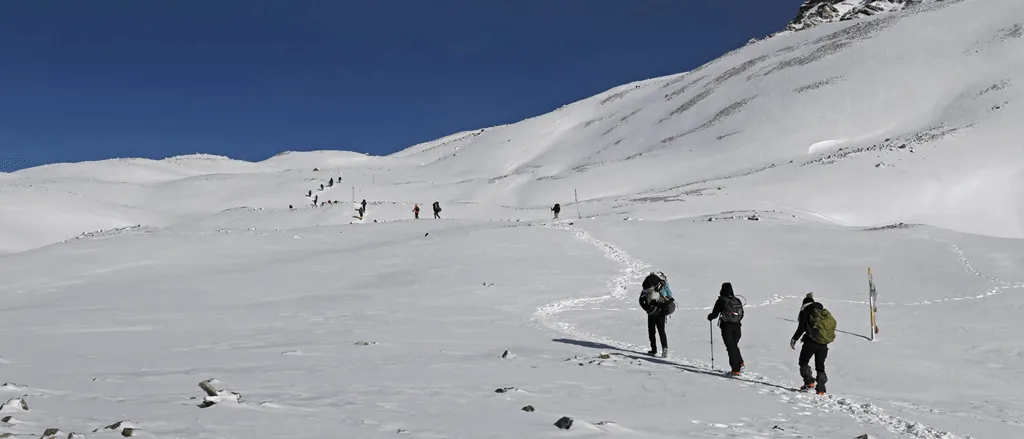
Thorong La Pass: Conquer Thorong La Pass at 5,416 meters (17,769 feet), the highest point of the Annapurna Circuit. Enjoy breathtaking panoramic views of the Himalayan peaks, including Annapurna and Gangapurna, marking a significant achievement in your trekking journey.
Sunrise and Sunset Views: Capture mesmerizing sunrise and sunset views over the Himalayas from strategic viewpoints along the trekking route. The changing colors of the mountains against the backdrop of clear skies create unforgettable photographic opportunities.
Trekking the Annapurna Circuit in June promises a memorable adventure filled with natural beauty, cultural richness, and personal achievement amidst Nepal's Himalayan wonders.
This 17 day Annapurna Circuit Trek is one of the most famous treks in Nepal. This trek takes you as high as 5416 meters to Thorong La Pass and to the Mustang Valley close to the Tibetan border. This t...
Advantages Of Annapurna Circuit Trek
Trekking the Annapurna Circuit in Nepal offers a multitude of advantages that attract adventurers from around the globe seeking a profound Himalayan experience:
1. Scenic Diversity: The Annapurna Circuit boasts a stunning array of landscapes, from lush subtropical forests and terraced fields at lower altitudes to alpine meadows and barren, high-altitude deserts. Trekkers encounter panoramic views of snow-capped peaks, including Annapurna, Dhaulagiri, and Machhapuchhre, creating a backdrop of unparalleled natural beauty.
2. Cultural Exploration: The trek traverses diverse ethnic communities, including Gurung, Manangi, and Thakali villages, each with unique traditions, architecture, and hospitality. Trekkers have the opportunity to immerse themselves in local customs, visit ancient monasteries, and witness religious ceremonies, gaining insight into the rich cultural tapestry of rural Nepal.
3. Varied Terrain and Challenges: The Annapurna Circuit presents trekkers with a blend of gentle slopes, challenging mountain passes, and thrilling descents. Crossing Thorong La Pass at 5,416 meters (17,769 feet) is a highlight, offering panoramic views and a sense of achievement for trekkers.
4. Teahouse Accommodations: The trek is facilitated by a network of teahouses (lodges) along the route, providing basic yet comfortable accommodation, meals, and opportunities to interact with fellow trekkers. This infrastructure reduces the need for camping gear and enhances cultural exchange with local hosts.
5. Accessibility: Starting from Besisahar or Chame, accessible by road from Kathmandu, the Annapurna Circuit offers relative ease of access compared to more remote Himalayan treks. Trekkers can choose from various route options and customize their itinerary based on fitness level and time constraints.
6. Flexibility in Duration: The Annapurna Circuit can be completed in around 10 to 21 days, depending on the chosen route and pace. This flexibility allows trekkers to tailor their journey to suit personal preferences and acclimatization needs.
7. Seasonal Variation: The trek can be undertaken during different seasons, each offering unique experiences. Autumn (September to November) and spring (March to May) are popular for clear skies, mild temperatures, and blooming rhododendrons, while the summer monsoon season (June to August) provides lush greenery and fewer crowds.
8. Supportive Local Economy: Trekking on the Annapurna Circuit supports local communities through employment in teahouses, guiding, and porter services, contributing to sustainable tourism and conservation efforts in the region.
9. Personal Growth: Completing the Annapurna Circuit trek is a transformative experience, fostering resilience, self-discovery, and a deeper connection with nature. Trekkers gain confidence in their physical abilities and appreciation for the world's highest mountain range.
Trekking the Annapurna Circuit is not just an adventure; it's a journey of exploration, cultural immersion, and personal achievement amidst Nepal's Himalayan grandeur. Each step offers trekkers a chance to embrace challenges, celebrate diversity, and forge lasting memories in one of the world's most iconic trekking destinations.
The Annapurna Circuit Trek is one of the most celebrated long-distance treks in the world, offering an extraordinary journey through Nepal’s most diverse landscapes and cultures. Curated by Sherpa Exp...
What Should I Pack for Annapurna Circuit Trek
Packing for the Annapurna Circuit trek requires careful consideration to ensure comfort, safety, and preparedness for varying weather conditions and terrain:
Clothing: Include lightweight, moisture-wicking shirts and trousers for trekking, as well as warmer layers like fleece jackets and thermal underwear for higher altitudes. A waterproof and windproof jacket and pants are essential for rain and cold protection. Bring a hat, gloves, and sunglasses for sun protection and warmth.
Footwear: Sturdy, waterproof hiking boots with good ankle support are crucial. Pack lightweight sandals or flip-flops for relaxing in teahouses.
Gear: Carry a sturdy backpack with a rain cover for your essentials. Include a sleeping bag suitable for cold weather, a headlamp or flashlight with spare batteries, trekking poles for stability, and a reusable water bottle or hydration system.
Toiletries and Medical Supplies: Pack travel-sized toiletries, biodegradable soap, hand sanitizer, and a basic first aid kit with bandages, antiseptic cream, and any personal medications.
Miscellaneous: Bring a camera or smartphone for capturing memories, a power bank for charging electronics, and a trekking map or guidebook for navigation.
Environmental Considerations: Carry reusable items to minimize waste, and respect local customs and wildlife by avoiding single-use plastics.
Packing efficiently ensures you're prepared for the challenges and comforts of the Annapurna Circuit trek, enhancing your overall experience in Nepal's Himalayas.
The 14 Days Annapurna Circuit Trek is one of Nepal’s most iconic trekking routes, renowned for its breathtaking Himalayan panoramas, diverse landscapes, and rich cultural experiences. This extended tr...
Permit, Guide, and Porter for Annapurna Circuit Trek
Navigating the Annapurna Circuit requires essential permits, and deciding on whether to hire a guide or porter can enhance your experience:
Permits: Obtain the required permits for the Annapurna Conservation Area and TIMS (Trekkers' Information Management System) card before starting your trek. These permits ensure access to the trekking trails and help fund conservation efforts.
Guide: Hiring a licensed guide enhances safety, navigation, and cultural insights. Guides are familiar with the terrain, weather conditions, and local customs, providing educational and historical context to landmarks along the route. They also assist in emergencies and facilitate interactions with local communities.
Porter: Hiring a porter lightens your load, allowing you to focus on enjoying the trek. Porters carry your main backpack, typically up to 20-25kg, while you trek with a daypack containing essentials like water, snacks, and personal items. This service supports local employment and ensures your belongings reach each destination safely.
Benefits: Both guides and porters contribute to a safer and more enjoyable trekking experience by sharing local knowledge, enhancing cultural interactions, and providing logistical support. They also help manage unforeseen challenges like weather changes or medical emergencies.
Deciding whether to hire a guide, porter, or both depends on your trekking experience, fitness level, and desire for cultural immersion. Their assistance contributes to a successful and enriching Annapurna Circuit trekking experience.
The 15 Days Annapurna Circuit Trek is one of Nepal’s most spectacular trekking experiences, offering adventurers a complete journey through the diverse landscapes of the Annapurna region. This extende...
Food, Accommodation, and Transportation on Annapurna Circuit Trek
Trekking the Annapurna Circuit involves navigating through diverse landscapes and villages, each offering unique experiences in terms of food, accommodation, and transportation options:
Food: Throughout the trek, teahouses (lodges) provide meals catering to trekkers' dietary needs and preferences. The food ranges from traditional Nepali dishes like dal bhat (rice and lentils), momos (dumplings), and thukpa (noodle soup) to Western-style options such as pasta and pancakes. Meals are hearty and essential for replenishing energy after a day's trekking. Teahouses also serve hot drinks like tea and coffee, providing warmth and comfort amid the mountain chill. Trekkers should bring snacks and consider dietary restrictions when planning meals along the route.
Accommodation: Teahouses along the Annapurna Circuit offer basic yet comfortable lodging options. Accommodations range from dormitory-style rooms with shared bathrooms to private rooms with varying levels of amenities, including beds with blankets or sleeping bags. Some teahouses offer hot showers for an additional fee, which can be refreshing after days of trekking. Larger villages like Manang and Jomsom provide more extensive lodging facilities, including Wi-Fi access and charging stations for electronics. Reserving rooms in advance during peak trekking seasons ensures availability and preferred accommodations.
Transportation: The trek typically begins from Besisahar or Chame, accessible by road from Kathmandu. Trekkers can travel to the trailhead via public buses or private jeeps, each offering advantages depending on budget and comfort preferences. Public buses are economical but may be crowded and subject to unpredictable schedules. Private jeeps provide more flexibility and comfort, accommodating groups or individuals with specific travel arrangements. During the trek, trekking trails connect villages and scenic viewpoints, allowing trekkers to explore on foot and experience the natural beauty of the Himalayan landscapes up close.
Navigating food, accommodation, and transportation logistics on the Annapurna Circuit ensures a comfortable and enjoyable trekking experience, allowing trekkers to focus on absorbing the cultural richness and breathtaking scenery of Nepal's Himalayas. Each aspect contributes to the overall adventure, providing essential support and memorable encounters along the journey.
Successful Annapurna Circuit Trek Tips
Embarking on a successful Annapurna Circuit trek involves careful planning, preparation, and adaptation to the challenges and rewards of trekking in Nepal's Himalayas:
1. Fitness and Training: Prepare physically with cardiovascular exercises, hiking, and leg strength training to build endurance and stamina for long trekking days and altitude gains.
2. Acclimatization: Acclimate gradually to higher altitudes by incorporating rest days in villages like Manang or Pisang. Drink plenty of water, avoid alcohol, and listen to your body's signals to prevent altitude sickness.
3. Weather Awareness: Pack clothing layers for varying weather conditions, including waterproof and windproof outer layers for rain and cold protection. Monitor weather forecasts and adjust trekking plans accordingly.
4. Hydration and Nutrition: Stay hydrated with clean water from filtered sources or bottled water. Eat nutritious meals at teahouses to replenish energy and maintain stamina throughout the trek.
5. Respect Local Culture: Embrace cultural sensitivity by respecting local customs, traditions, and wildlife. Ask for permission before taking photographs and dispose of waste responsibly to preserve the environment.
6. Safety Precautions: Trek with a reliable trekking partner, guide, or porter for support in emergencies. Carry a first aid kit with essentials like bandages, antiseptic cream, and any personal medications.
7. Pace and Enjoyment: Maintain a steady pace and take breaks as needed to prevent fatigue. Enjoy scenic viewpoints, cultural interactions, and moments of reflection along the trekking route.
Following these tips enhances your Annapurna Circuit trekking experience, fostering personal growth, cultural understanding, and a deep appreciation for Nepal's Himalayan landscapes. Prepare thoroughly, stay adaptable, and embrace the journey's challenges and rewards for an unforgettable adventure in the heart of the Himalayas.
The Annapurna Circuit Trek 7 Days is a shorter yet rewarding adventure through Nepal’s spectacular Annapurna region. Designed for trekkers who have limited time but still want to experience the magic...
Can I Do It Solo? Annapurna Circuit Trek
Embarking on the Annapurna Circuit trek solo is a feasible but challenging endeavor that requires thorough preparation and consideration of various factors:
Experience and Fitness: Solo trekking demands prior experience in multi-day hiking and physical fitness to navigate challenging terrains and altitude gains independently.
Navigation Skills: Familiarity with trekking routes, map reading, and GPS navigation is crucial for solo trekkers to navigate the diverse landscapes and ensure safety.
Safety Considerations: Solo trekkers should prioritize safety by informing others of their itinerary, carrying emergency communication devices like a satellite phone or personal locator beacon, and adhering to weather forecasts and trail conditions.
Cultural and Social Aspect: While solo trekking offers solitude and independence, it may limit opportunities for cultural interactions and local insights compared to guided or group treks.
Logistical Challenges: Managing logistics such as permits, accommodation bookings, and transportation without assistance requires meticulous planning and flexibility to adapt to unforeseen circumstances.
Solo trekking the Annapurna Circuit can be a rewarding personal challenge, offering a profound sense of accomplishment and self-discovery amidst Nepal's stunning Himalayan landscapes. However, it demands careful preparation, self-reliance, and a deep respect for the challenges and responsibilities involved.
Solo Annapurna Circuit Trek
Solo trekking the Annapurna Circuit offers adventurers a unique and introspective journey through Nepal's Himalayas, characterized by independence and personal growth:
Freedom and Flexibility: Solo trekkers can set their own pace, itinerary, and rest breaks according to personal preferences and physical capabilities. This autonomy allows for spontaneous detours and adjustments to explore off-the-beaten-path trails and viewpoints.
Personal Challenge: Embarking on the Annapurna Circuit solo tests one's endurance, problem-solving skills, and self-reliance in navigating diverse terrains, weather conditions, and logistical challenges.
Cultural Encounters: Despite trekking alone, solo trekkers can still engage with local communities in teahouses and villages along the route, fostering meaningful exchanges and gaining insights into Nepalese culture and hospitality.
Safety Measures: Solo trekkers should prioritize safety by informing local contacts or family members of their itinerary, carrying essential emergency supplies, and adhering to trekking regulations and weather advisories.
Community Support: Teahouse owners, fellow trekkers, and guides/porters on the trail often provide advice, support, and camaraderie, enhancing the solo trekking experience with shared stories and mutual encouragement.
Solo trekking the Annapurna Circuit requires careful preparation, physical fitness, and a spirit of adventure to embrace the challenges and rewards of exploring Nepal's iconic trekking route independently.
This amazing and very popular 6-day trek on the Annapurna Circuit starts in Kathmandu and takes you through the Annapurna Conservation Area, visiting unique culturally rich Tibetan Buddhist Gurung and...
Can I Do Annapurna Circuit Trek Without a Guide
Trekking the Annapurna Circuit without a guide is possible for experienced trekkers who are confident in their navigation skills and preparedness:
Navigational Skills: Solo trekkers must be proficient in reading maps, using GPS devices, and navigating trail markers to ensure correct routes and avoid getting lost in remote areas.
Trail Familiarity: Prior experience or thorough research of the Annapurna Circuit's route, including knowledge of villages, teahouses, and water sources, is essential for independent trekking.
Permit and Logistics: Manage necessary permits, accommodation bookings, and transportation arrangements independently, ensuring compliance with trekking regulations and local guidelines.
Safety Precautions: Solo trekkers should prioritize safety by carrying emergency communication devices, a first aid kit, extra food and water supplies, and informing others of their itinerary and expected return.
Cultural Engagement: While trekking without a guide may limit direct cultural interactions and insights, solo trekkers can still engage with local communities in teahouses and villages along the route, respecting local customs and practices.
Personal Responsibility: Independent trekkers assume full responsibility for their safety, decision-making, and adapting to unforeseen challenges such as weather changes, trail conditions, and altitude sickness.
Solo trekking the Annapurna Circuit without a guide offers freedom, self-reliance, and an immersive adventure amidst Nepal's breathtaking Himalayan landscapes. It requires meticulous planning, physical preparation, and a deep appreciation for the journey's inherent challenges and rewards.
The Short 8 Annapurna Circuit Trek, One of the best and popular treks in Nepal trekking around the Annapurna. Picturesque villages, turbulent river gorges, desolate high Himalayas passes, relaxing hot...
Conclusion
Trekking the Annapurna Circuit, whether solo or with a guide, promises an unforgettable adventure through Nepal's majestic Himalayas. The decision to trek solo depends on personal experience, comfort level, and readiness for the challenges and responsibilities involved.
Solo trekking offers autonomy, introspection, and the opportunity to connect deeply with nature and oneself. It demands thorough preparation, including physical fitness, navigational skills, and logistical planning to ensure a safe and rewarding journey.
Alternatively, guided treks provide added support, safety assurances, cultural insights, and camaraderie with fellow trekkers. Guides and porters enhance the trekking experience with local knowledge, logistical assistance, and cultural immersion opportunities.
Whichever option you choose, the Annapurna Circuit beckons with its stunning landscapes, rich culture, and the challenge of conquering high-altitude passes like Thorong La. Embrace the journey, respect the environment, and cherish the moments of awe and achievement amidst Nepal's Himalayan wonders.
Annapurna Circuit Packages
Annapurna Circuit Trek
7 Days Annapurna Circuit Trek
10 Days Annapurna Circuit Trek
12 Days Annapurna Circuit Trek
14 Days Annapurna Circuit Trek
15 Days Annapurna Circuit Trek
Annapurna Circuit With Tilicho Lake Trek 9 Days
Annapurna Circuit With Tilicho Lake Trek 15 Days
The 9 Days Annapurna Circuit Trek is a very famous trek in Nepal. The Annapurna Circuit Trek trail passes through villages inhabited by diverse ethnic groups and offers magnificent mountain scenery fr...