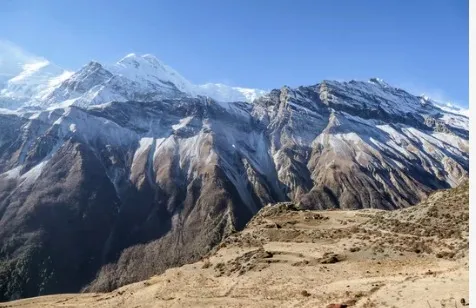
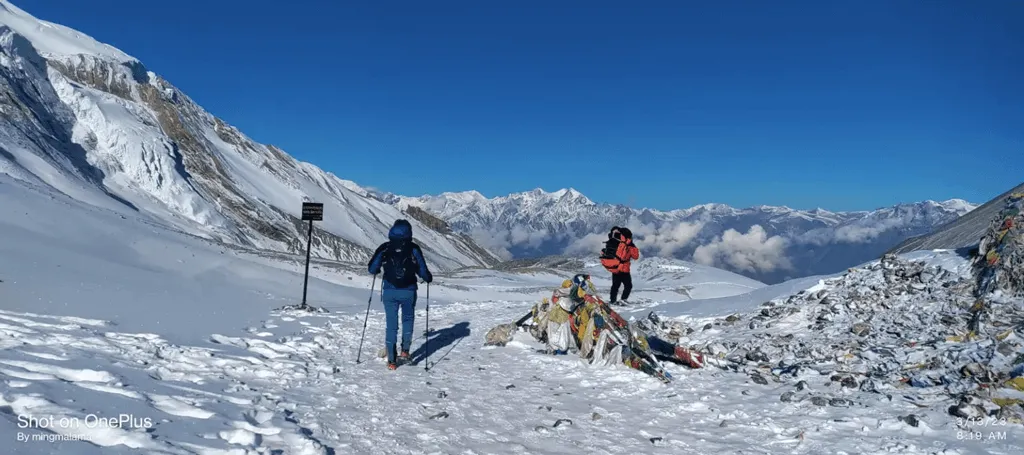
Trekking the Annapurna Circuit in February presents a unique adventure amidst the Himalayan landscapes of Nepal. February marks the end of winter and the beginning of the pre-monsoon season, offering trekkers a blend of serene trails, snow-covered landscapes, and clear views of the majestic peaks.
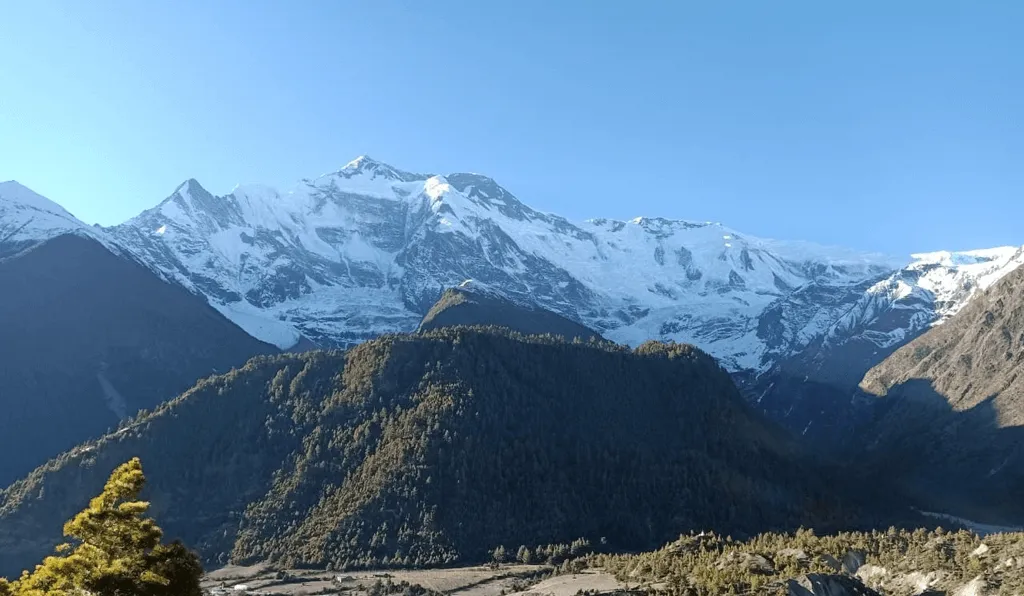
Weather conditions in February vary, with daytime temperatures ranging from 5°C to 15°C (41°F to 59°F) in lower altitudes like Besisahar and Pokhara. Higher up along the circuit, temperatures can drop significantly, especially at night, requiring warm clothing and proper gear for cold conditions. The skies are generally clear, providing excellent visibility of snow-capped peaks such as Annapurna and Machapuchare.
The trek begins in lush subtropical forests and terraced fields, gradually ascending through picturesque villages inhabited by ethnic Gurung, Thakali, and Manangi communities. As trekkers ascend higher, the landscape transitions to alpine meadows and snowy trails, offering a tranquil and less crowded trekking experience compared to peak seasons.
Our 8 Days Annapurna Base Camp trek brings you into the heart of the Annapurna Himalayas from the very start of the trek. With so many magnificent high Himalayan peaks on the show, this is no surprise...
Accommodation options along the route range from basic teahouses to lodges with heating facilities, providing warmth and comfort after a day of trekking. Local cuisine served in teahouses includes hearty meals like dal bhat (rice and lentils), soups, and momos (dumplings), perfect for replenishing energy.
Overall, trekking the Annapurna Circuit in February offers trekkers a quieter and more intimate experience amidst stunning winter scenery, cultural immersion in local villages, and the thrill of conquering high-altitude passes. It's a time when adventurous spirits can enjoy Nepal's natural beauty in its pristine winter cloak, making February a special month for the Annapurna Circuit trek.
Can you do Annapurna Circuit in February?
Trekking the Annapurna Circuit in February is possible but comes with unique challenges and considerations. February marks the tail end of winter in Nepal, characterized by cold temperatures and occasional snowfall, especially at higher elevations. While the weather can be harsher compared to peak trekking seasons like spring and autumn, it offers a quieter and more serene trekking experience with fewer crowds on the trail.
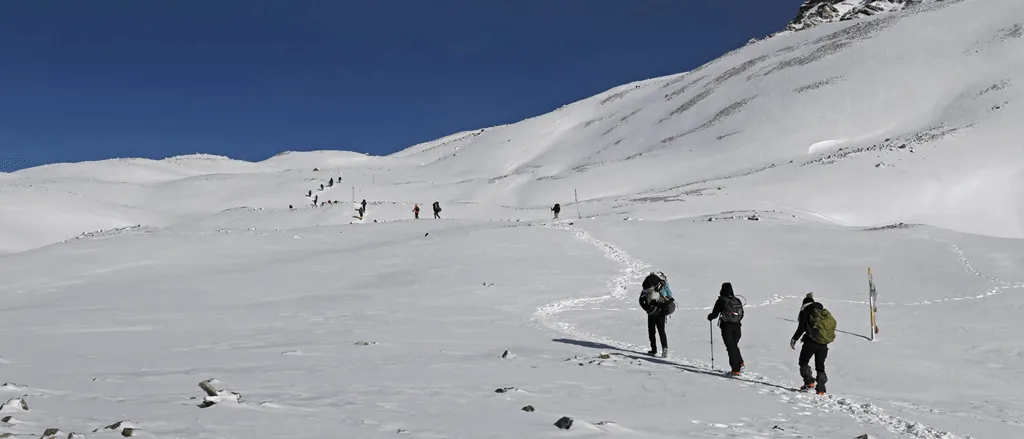
Challenges: The main challenges of trekking the Annapurna Circuit in February include colder temperatures, icy trails, and the possibility of snow blocking higher passes like Thorong La (5,416 meters/17,769 feet). Trekkers must be well-prepared with adequate cold-weather gear, including insulated clothing, waterproof boots, and crampons if conditions require.
Are you looking for a quieter and less travelled destination in the Himalayan Mountains? This trek will take you through lush valleys, to high altitude alpine meadows, among dense forests, and across...
Advantages: Despite the challenges, February offers stunning winter landscapes with clear views of snow-capped peaks and frozen waterfalls along the route. Teahouses and lodges are generally less crowded, allowing trekkers to enjoy a more intimate experience with local culture and hospitality.
Conclusion: Trekking the Annapurna Circuit in February requires careful planning, physical preparation, and flexibility to adapt to changing weather conditions. For adventurers seeking a quieter trekking experience amidst breathtaking winter scenery, February can be an exhilarating time to explore one of Nepal's most iconic trekking routes.
Is February a good time to trek in Nepal?
February presents a unique opportunity for trekking in Nepal, offering distinct advantages and considerations for trekkers looking to explore its diverse landscapes.
Advantages:
- Quieter Trails: Compared to peak seasons, February sees fewer trekkers on popular routes like the Annapurna Circuit, allowing for a more peaceful and serene trekking experience.
- Clear Views: February often boasts clear skies and excellent visibility of snow-capped Himalayan peaks, providing stunning photo opportunities and panoramic views along the trekking routes.
- Cultural Immersion: With fewer tourists, February allows for deeper interactions with local communities along the trekking routes. Trekkers can experience authentic Nepalese hospitality and witness traditional customs and festivals.
Considerations:
- Weather: February is still winter in Nepal, with cold temperatures and the possibility of snowfall, especially at higher altitudes. Trekkers must be prepared for icy trails and fluctuating weather conditions.
- Trail Conditions: Some high-altitude passes may be challenging to cross due to snow accumulation. Trekkers should stay updated on trail conditions and be flexible with their itineraries.
Conclusion: While February requires careful planning and adequate preparation for cold weather, it offers adventurous trekkers a quieter and more immersive experience amidst Nepal's stunning winter landscapes and rich cultural heritage.
Our 8 Days Annapurna Base Camp trek brings you into the heart of the Annapurna Himalayas from the very start of the trek. With so many magnificent high Himalayan peaks on the show, this is no surprise...
What time of year is best for Annapurna Circuit trek?
Choosing the best time of year for the Annapurna Circuit trek depends on individual preferences and priorities, each season offering unique experiences:
1. Spring (March to May): Widely considered the best time for trekking, spring offers stable weather, clear skies, and blooming rhododendrons along the trails. Daytime temperatures are mild, making it ideal for trekking and enjoying panoramic mountain views.
2. Autumn (September to November): Another popular trekking season, autumn brings clear skies, mild temperatures, and dry weather conditions. The trails are less crowded compared to spring, offering excellent visibility and opportunities for photography.
3. Winter (December to February): Winter in Nepal brings cold temperatures and occasional snowfall to higher altitudes. While trekking in winter requires cold-weather gear and preparedness for icy trails, it offers quieter trails and stunning winter landscapes.
4. Monsoon (June to August): Monsoon season brings heavy rainfall, landslides, and leech-infested trails to the Annapurna Circuit. Trekking during this time is challenging and risky due to poor visibility and trail conditions.
Conclusion: The best time for the Annapurna Circuit trek depends on whether you prefer mild weather and blooming flowers in spring, clear skies and fewer tourists in autumn, quiet trails and winter scenery in winter, or the challenge of trekking during the monsoon season. Each season has its advantages and considerations, catering to different trekking preferences and experiences.
This is an ideal trek for those who want to avoid the crowds and love nature. This is a great trek in the Annapurna Conservation Area that takes you to the highest pass and the deepest valley in the w...
What is the weather like in Annapurna in February?
Trekking the Annapurna region in February presents trekkers with a mix of winter landscapes and challenging weather conditions typical of the Himalayan winter.
Temperature: Daytime temperatures in lower altitudes like Pokhara and Besisahar range from around 5°C to 15°C (41°F to 59°F). However, temperatures drop significantly as trekkers ascend higher along the circuit, especially during early mornings and evenings.
Weather Conditions: February is characterized by cold weather with occasional snowfall, especially at higher elevations. While days can be clear with sunshine and blue skies, trekkers should be prepared for colder conditions, icy trails, and the possibility of snow blocking passes like Thorong La.
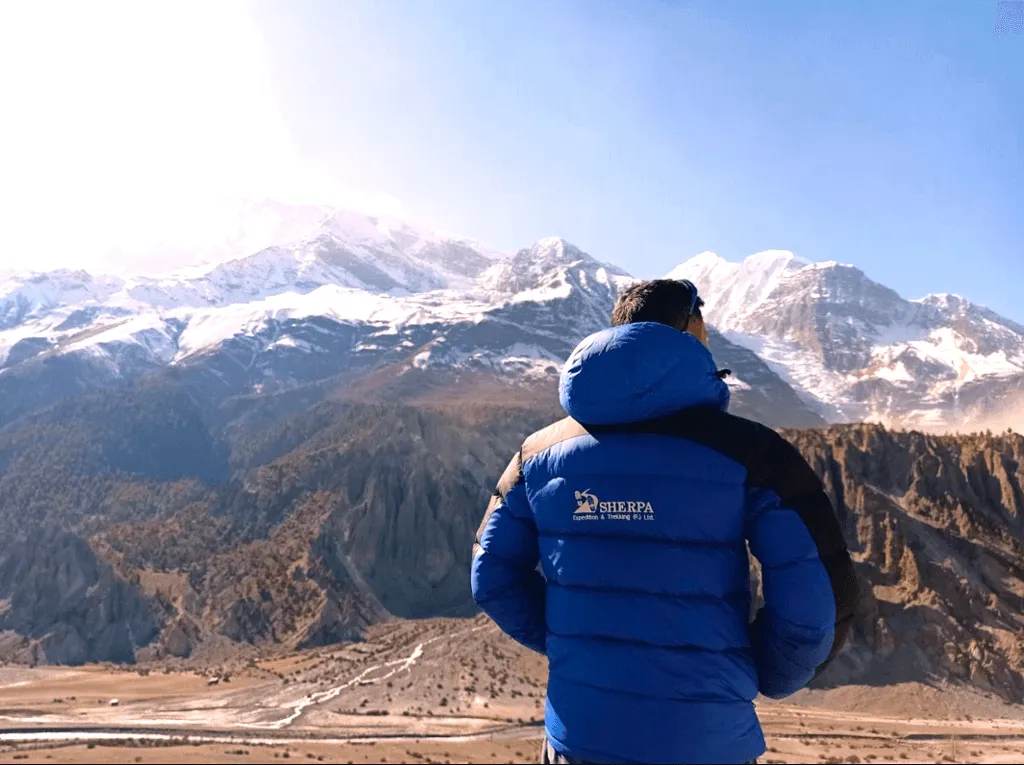
Clothing and Gear: It's essential to pack warm clothing, including insulated layers, a down jacket, thermal underwear, waterproof boots, gloves, and a hat. Proper gear for cold weather trekking, such as crampons and trekking poles, may be necessary depending on trail conditions.
Scenery: Despite the challenging weather, February offers stunning winter scenery along the Annapurna Circuit. Trekkers can enjoy views of snow-capped peaks, frozen waterfalls, and peaceful landscapes with fewer tourists on the trail.
Conclusion: Trekking the Annapurna Circuit in February requires careful preparation for cold weather conditions and flexibility to adapt to changing trail conditions. For trekkers seeking a quieter and more adventurous experience amidst Nepal's winter wonderland, February can be a rewarding time to explore the region's natural beauty and cultural heritage.
Circumnavigate the Annapurnas where there is one peak at 8091 meters and 28 others that are over 6000 meters. You will be surrounded by the Kali Gandaki Gorge, the Marsyangdi River and Pokhara in the...
Highlights of Annapurna Circuit trek in January and February
Trekking the Annapurna Circuit in January and February offers trekkers a unique experience amidst Nepal's winter wonderland. Here are some highlights of this off-season trekking adventure:
1. Winter Landscapes: January and February transform the Annapurna region into a pristine winter landscape, with snow-covered mountains, frozen lakes, and icy waterfalls creating a picturesque setting along the trekking routes.
2. Clear Views: Despite colder temperatures, these months often boast clear skies and excellent visibility of the Himalayan peaks, including Annapurna, Dhaulagiri, and Machapuchare. Trekkers can enjoy panoramic views and stunning sunrise and sunset scenes over snow-capped mountains.
3. Serene Trails: With fewer tourists compared to peak seasons, January and February offer quieter trails and a more intimate trekking experience. Teahouses and lodges are less crowded, allowing trekkers to enjoy peaceful evenings and interact more closely with local communities.
4. Cultural Immersion: Along the trekking route, trekkers can experience the rich cultural heritage of Nepal's mountain communities, including Gurung, Thakali, and Manangi villages. Explore traditional architecture, local cuisine, and warm hospitality amidst the winter tranquility.
5. Challenging Adventure: Trekking in winter requires preparation for cold weather conditions, including proper clothing, gear, and acclimatization to high altitudes. The challenge of navigating icy trails and crossing high mountain passes like Thorong La adds to the thrill and sense of achievement.
Conclusion: Trekking the Annapurna Circuit in January and February is a rewarding experience for adventurous trekkers seeking solitude, breathtaking scenery, and cultural immersion amidst Nepal's winter landscapes. With careful preparation and a spirit of adventure, these months offer a unique perspective on one of the world's most renowned trekking routes.
This 17 day Annapurna Circuit Trek is one of the most famous treks in Nepal. This trek takes you as high as 5416 meters to Thorong La Pass and to the Mustang Valley close to the Tibetan border. This t...
Facts of Annapurna Circuit Trek
The Annapurna Circuit trek is renowned among trekkers for its breathtaking scenery, diverse landscapes, and cultural richness. Here are some key facts about this iconic trekking route:
- Route: The Annapurna Circuit typically spans about 160-230 kilometers (100-145 miles), depending on the starting and ending points chosen by trekkers. It circles the Annapurna Massif, offering views of Annapurna, Dhaulagiri, Manaslu, and other prominent peaks.
- Duration: The trek generally takes around 10 to 20 days to complete, depending on the pace and itinerary chosen. Trekkers can opt for a longer or shorter route, including side trips to places like Tilicho Lake or Annapurna Base Camp.
- Altitude: The highest point of the Annapurna Circuit trek is Thorong La Pass, at an altitude of 5,416 meters (17,769 feet). Proper acclimatization is crucial to mitigate the risk of altitude sickness.
- Cultural Diversity: The trek passes through diverse landscapes, from lush subtropical forests and terraced fields to alpine meadows and arid deserts. Trekkers encounter diverse ethnic communities such as Gurung, Thakali, and Manangi, each with their own distinct traditions and hospitality.
- Infrastructure: Teahouses and lodges along the route provide basic accommodation and meals, making it accessible for trekkers of varying budgets. Facilities range from basic dormitories to rooms with attached bathrooms, offering warmth and comfort after a day of trekking.
The Annapurna Circuit trek offers a blend of natural beauty, cultural immersion, and physical challenge, making it a must-do for adventure enthusiasts seeking an unforgettable Himalayan experience.
The Annapurna Circuit Trek is one of the most celebrated long-distance treks in the world, offering an extraordinary journey through Nepal’s most diverse landscapes and cultures. Curated by Sherpa Exp...
Weather conditions of Annapurna Circuit Trek In January and February
Trekking the Annapurna Circuit in January and February presents trekkers with challenging but rewarding weather conditions amidst Nepal's winter season.
Temperature: During January and February, temperatures along the trekking route vary significantly. Daytime temperatures in lower altitudes like Pokhara and Besisahar range from 5°C to 15°C (41°F to 59°F). However, temperatures drop sharply as trekkers ascend higher, often dipping below freezing at night and early mornings.
Precipitation: January and February are generally dry months in the Annapurna region, with occasional snowfall at higher altitudes. Trekkers may encounter snowy trails, particularly in shaded areas and higher passes like Thorong La (5,416 meters/17,769 feet).
Visibility: Despite colder temperatures, these months often offer clear skies and excellent visibility of snow-capped peaks, including Annapurna and Dhaulagiri. Trekkers can enjoy stunning views and scenic landscapes along the trekking routes.
Clothing and Gear: Proper cold-weather gear is essential for trekking in January and February. This includes insulated clothing, thermal layers, waterproof boots, gloves, a hat, and sunglasses to protect against glare from snow.
Safety: Trekkers should be prepared for icy and slippery trails, especially early mornings and late afternoons. It's crucial to tread cautiously and use trekking poles for stability on uneven terrain.
Trekking the Annapurna Circuit in January and February requires careful planning, adequate preparation for cold weather conditions, and flexibility to adapt to changing trail conditions. With proper gear and a spirit of adventure, trekkers can experience Nepal's winter wonderland amidst stunning Himalayan landscapes.
The 14 Days Annapurna Circuit Trek is one of Nepal’s most iconic trekking routes, renowned for its breathtaking Himalayan panoramas, diverse landscapes, and rich cultural experiences. This extended tr...
Fitness Level Required For Annapurna Circuit Trek in January and February
Trekking the Annapurna Circuit in January and February demands a good level of physical fitness and endurance due to challenging trail conditions and high-altitude terrain.
Endurance: The Annapurna Circuit trek typically spans 10 to 20 days, covering 160-230 kilometers (100-145 miles) depending on the chosen route. Trekkers should be prepared for long hours of hiking each day, including steep ascents and descents.
Altitude Acclimatization: Proper acclimatization is crucial, especially when trekking to Thorong La Pass at 5,416 meters (17,769 feet). Trekkers should allow time for gradual ascent, acclimatization days, and be aware of symptoms of altitude sickness.
Strength and Stamina: Trekking in January and February involves navigating snowy and icy trails, which require strength in the legs, core stability, and cardiovascular endurance. Training should include aerobic exercises like hiking, running, cycling, and strength training for muscle endurance.
Flexibility and Balance: Trekkers should practice balance exercises to navigate uneven terrain and icy paths. Flexibility exercises like stretching can help prevent muscle strain and improve overall mobility during the trek.
Preparation: Begin training several months before the trek to build physical fitness and stamina. Incorporate longer hikes, uphill climbs, and practice carrying a backpack with weight to simulate trekking conditions.
By preparing adequately and maintaining a good level of fitness, trekkers can enhance their enjoyment and safety while trekking the Annapurna Circuit in January and February, experiencing Nepal's stunning winter landscapes and cultural richness.
The 15 Days Annapurna Circuit Trek is one of Nepal’s most spectacular trekking experiences, offering adventurers a complete journey through the diverse landscapes of the Annapurna region. This extende...
Annapurna Circuit Trek Difficulty in January and February
Trekking the Annapurna Circuit in January and February presents trekkers with unique challenges and considerations due to winter weather conditions and high-altitude terrain.
Weather Conditions: January and February are winter months in Nepal, characterized by cold temperatures and occasional snowfall, especially at higher altitudes. Trekkers should be prepared for freezing temperatures, icy trails, and potentially challenging weather conditions.
Trail Conditions: Snow and ice can make trekking trails slippery and more challenging to navigate, particularly in shaded areas and high mountain passes like Thorong La. Trekkers may need crampons or trekking poles for stability on icy terrain.
Altitude: Proper acclimatization is crucial when trekking to high altitudes. Trekkers should allow time for gradual ascent, acclimatization days, and be mindful of symptoms of altitude sickness, such as headaches, nausea, and fatigue.
Physical Fitness: The Annapurna Circuit trek requires a good level of physical fitness and stamina. Trekkers should be prepared for long hours of hiking each day, including steep ascents and descents, which can be more challenging in winter conditions.
Equipment: Proper cold-weather gear is essential, including insulated clothing, thermal layers, waterproof boots, gloves, and a hat. Trekkers should carry a well-stocked first aid kit, sufficient food and water, and emergency supplies.
Safety: Trekkers should exercise caution and tread carefully on icy and slippery trails. It's advisable to trek with a guide or in a group for added safety and support, especially in challenging weather conditions.
Trekking the Annapurna Circuit in January and February requires careful planning, adequate preparation for cold weather conditions, and flexibility to adapt to changing trail and weather conditions. With proper gear, physical fitness, and a cautious approach, trekkers can enjoy a rewarding and memorable adventure amidst Nepal's winter landscapes.
The Annapurna Circuit Trek 7 Days is a shorter yet rewarding adventure through Nepal’s spectacular Annapurna region. Designed for trekkers who have limited time but still want to experience the magic...
Pros of Trekking in January and February
Trekking in January and February along the Annapurna Circuit offers unique advantages for adventurous travelers seeking a quieter and more serene Himalayan experience.
- Fewer Crowds: January and February are considered off-peak months for trekking in Nepal. With fewer tourists on the trails, trekkers can enjoy a more peaceful and tranquil environment, allowing for a deeper connection with nature and the local culture.
- Clear Views: Despite colder temperatures, these months often feature clear skies and excellent visibility of the snow-capped peaks. Trekkers can enjoy unobstructed panoramic views of Himalayan giants like Annapurna, Dhaulagiri, and Machapuchare, creating ideal conditions for photography and awe-inspiring moments.
- Winter Landscapes: The Annapurna region transforms into a winter wonderland during January and February, with snow-covered landscapes, frozen waterfalls, and picturesque alpine scenery. The pristine beauty of the snow-laden trails adds a magical element to the trekking experience.
- Cultural Immersion: With fewer trekkers on the trail, interactions with local communities become more meaningful. Trekkers can experience authentic Nepalese hospitality, observe traditional lifestyles, and participate in cultural festivities if timed right with local events.
- Availability of Accommodation: Teahouses and lodges along the Annapurna Circuit are less crowded during these months, ensuring trekkers have a wider choice of accommodation options and more personalized service from hosts.
Trekking in January and February requires proper cold-weather gear and preparation for winter conditions but rewards trekkers with solitude, stunning scenery, and a memorable Himalayan adventure.
This amazing and very popular 6-day trek on the Annapurna Circuit starts in Kathmandu and takes you through the Annapurna Conservation Area, visiting unique culturally rich Tibetan Buddhist Gurung and...
Cons of Trekking in January and February
Trekking the Annapurna Circuit in January and February presents challenges and considerations due to winter weather conditions and potential logistical constraints.
- Cold Temperatures: January and February are winter months in Nepal, with temperatures dropping significantly, especially at higher altitudes. Trekkers must be prepared for freezing temperatures, which can make hiking uncomfortable and increase the risk of hypothermia if not adequately dressed.
- Snow and Ice: Snowfall is common during these months, covering trails and making them slippery and more challenging to navigate. Trekkers may encounter icy sections, particularly in shaded areas and high passes, necessitating careful footing and possibly the use of crampons or trekking poles.
- Limited Daylight Hours: Winter days are shorter, limiting the amount of daylight available for trekking. Trekkers may need to start hiking early and plan shorter distances between accommodations to ensure arrival before nightfall.
- Trail Conditions: Snow and ice can obscure trail markers and make route finding more difficult, especially in remote or less frequented sections of the Annapurna Circuit. Trekkers should be vigilant and considerate of changing weather conditions.
- Availability of Services: Some teahouses and lodges may close or operate on reduced schedules during the off-peak winter months. This can limit accommodation options and food availability along the trekking route.
Despite these challenges, trekking in January and February offers adventurous travelers a chance to experience Nepal's winter landscapes in a quieter setting, away from peak tourist seasons.
The Short 8 Annapurna Circuit Trek, One of the best and popular treks in Nepal trekking around the Annapurna. Picturesque villages, turbulent river gorges, desolate high Himalayas passes, relaxing hot...
Accommodation During the Trek
Accommodation options along the Annapurna Circuit vary from basic teahouses to more comfortable lodges, providing trekkers with essential amenities and shelter amidst the Himalayan terrain.
- Teahouses: These are the most common form of accommodation along the Annapurna Circuit. Teahouses offer simple rooms with basic bedding, often in shared dormitories or private rooms with communal bathrooms. Facilities are basic but sufficient, with amenities such as blankets, hot showers (where available), and dining areas where meals are served.
- Lodges: Some sections of the Annapurna Circuit feature larger lodges or guesthouses that offer more comfort and amenities compared to teahouses. Lodges may have private rooms with attached bathrooms, hot water showers, and sometimes heating facilities in common areas. They generally provide meals from a menu that includes both Nepali and international dishes.
- Availability: Accommodation options may vary depending on the season and location along the trekking route. During peak seasons like spring and autumn, it's advisable to book accommodation in advance, especially in popular trekking hubs such as Manang and Muktinath.
- Facilities: While facilities are generally basic, teahouses and lodges ensure trekkers have a comfortable place to rest and rejuvenate after a day of trekking. Electricity may be limited or available only during certain hours via solar power or generators.
- Cultural Experience: Staying in teahouses and lodges allows trekkers to interact with local hosts, experience Nepalese hospitality, and learn about the customs and traditions of mountain communities along the Annapurna Circuit.
Overall, accommodation along the Annapurna Circuit caters to trekkers of varying budgets and preferences, providing essential services and a warm refuge amidst Nepal's stunning mountain scenery.
The 9 Days Annapurna Circuit Trek is a very famous trek in Nepal. The Annapurna Circuit Trek trail passes through villages inhabited by diverse ethnic groups and offers magnificent mountain scenery fr...
Foods During the Trail
During the Annapurna Circuit trek, trekkers can enjoy a variety of hearty meals that provide essential energy and nourishment for hiking in the Himalayas.
- Local Cuisine: Teahouses and lodges along the trekking route offer a menu featuring traditional Nepali dishes such as dal bhat (rice and lentils), which is a staple meal providing carbohydrates and protein. Other local favorites include momos (dumplings), thukpa (noodle soup), and local variations of curries and stir-fries.
- International Options: Many teahouses and lodges also cater to international tastes with dishes like pasta, pizza, pancakes, and sandwiches. These options may vary in availability depending on the location and season.
- Breakfast: Trekkers typically start their day with a hearty breakfast, which often includes options like eggs (boiled, scrambled, or fried), porridge, muesli with yogurt, bread with jam or honey, and seasonal fruits.
- Lunch and Dinner: Lunch and dinner menus offer a variety of choices to replenish energy after a day of trekking. Meals are freshly prepared and served hot, providing comfort and satisfaction to tired trekkers. Vegetarian and vegan options are usually available upon request.
- Beverages: Teahouses and lodges serve a range of hot and cold beverages, including tea (masala chai, black tea, herbal tea), coffee, hot chocolate, and soft drinks. It's advisable to drink plenty of fluids to stay hydrated, especially at higher altitudes.
Trekkers should be mindful of food hygiene and choose freshly cooked meals to avoid foodborne illnesses. Overall, the dining experience during the Annapurna Circuit trek offers a blend of local flavors, comfort foods, and warm hospitality amidst Nepal's mountainous landscapes.
Short 9 Days Annapurna Circuit Trek with Tilicho Lake is one of the most impressive and challenging hikes in Nepal. It’s an incredibly popular trekking destination in Nepal and around the world g...
Training and Preparation for Annapurna Circuit Trek During February
Trekking the Annapurna Circuit in February demands thorough training and preparation to tackle the challenges posed by winter conditions and high-altitude terrain. Here’s how to prepare effectively:
- Cardiovascular Fitness: Focus on building cardiovascular endurance through activities like hiking, running, cycling, and swimming. Aim for regular aerobic exercises to improve stamina for long days of trekking.
- Strength Training: Strengthen leg muscles, core, and upper body with exercises like squats, lunges, planks, and push-ups. Strong muscles provide stability and endurance necessary for uphill climbs and carrying a backpack.
- Flexibility and Balance: Practice yoga or stretching exercises to improve flexibility and balance, crucial for navigating uneven and icy trails during the trek.
- Cold Weather Gear: Invest in high-quality cold-weather gear, including insulated clothing, waterproof hiking boots, gloves, hats, and thermal layers. Proper gear protects against freezing temperatures and keeps you comfortable throughout the trek.
- Altitude Acclimatization: Plan your itinerary to include gradual altitude gain and acclimatization days. Ascend slowly to allow your body to adjust to decreasing oxygen levels at higher altitudes, reducing the risk of altitude sickness.
- Nutrition and Hydration: Maintain a balanced diet rich in carbohydrates, proteins, and healthy fats to fuel your trekking efforts. Stay hydrated by drinking plenty of water and electrolyte-rich beverages, especially at higher altitudes.
- Medical Check-up: Before embarking on the trek, consult a healthcare professional for a physical examination. Discuss any pre-existing medical conditions and obtain necessary vaccinations or medications for the journey.
- Mental Preparedness: Trekking in winter conditions requires mental resilience. Prepare for the possibility of challenging weather, long days on the trail, and physical exertion. Stay positive and focused on enjoying the journey and achieving your trekking goals.
By focusing on these aspects of training and preparation, you can enhance your fitness levels, minimize risks, and maximize enjoyment during your Annapurna Circuit trek in February.
This trek Opened for tourists in 1980, the Annapurna region has been recognized as one of the world's popular trekking destination destinations according to a recent survey by the American magazi...
Conclusion
Trekking the Annapurna Circuit in February offers adventurous travelers a unique opportunity to explore Nepal’s stunning landscapes amidst winter’s embrace. While February presents challenges such as cold weather, icy trails, and potential snowfall, it rewards trekkers with serene vistas, clear mountain views, and a quieter trekking experience away from peak tourist seasons.
Effective preparation is key to a successful trek. Training in cardiovascular fitness, strength, flexibility, and cold-weather gear ensures you are physically and mentally equipped for the demands of the trail. Planning for altitude acclimatization, staying hydrated, and maintaining proper nutrition are essential for maintaining health and energy levels during the trek.
Accommodation along the route provides basic amenities, while local cuisine offers hearty meals to fuel your adventure. Interactions with local communities enrich the journey, providing insights into Nepalese culture and hospitality.
In conclusion, trekking the Annapurna Circuit in February requires careful planning, physical readiness, and a spirit of adventure. Embrace the challenges, enjoy the beauty of Nepal’s winter landscapes, and create lasting memories of an unforgettable Himalayan trekking experience.
The Annapurna Circuit with Tilicho Lake Trek 15 Days is a spectacular trekking adventure that combines the classic Annapurna Circuit Trek with a rewarding detour to the stunning Tilicho Lake, one of t...
Annapurna Circuit Packages
Annapurna Circuit Trek
7 Days Annapurna Circuit Trek
10 Days Annapurna Circuit Trek
12 Days Annapurna Circuit Trek
14 Days Annapurna Circuit Trek
15 Days Annapurna Circuit Trek
Annapurna Circuit With Tilicho Lake Trek 9 Days
Annapurna Circuit With Tilicho Lake Trek 15 Days