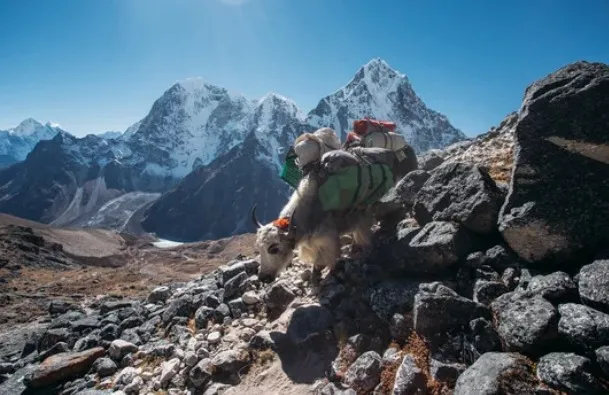
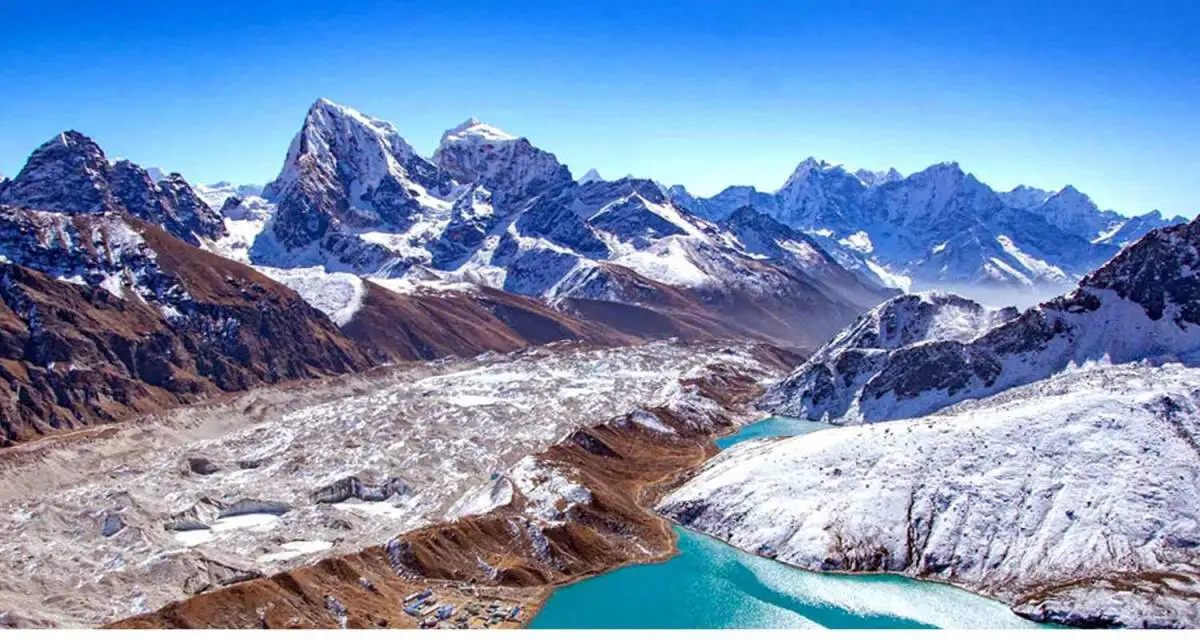
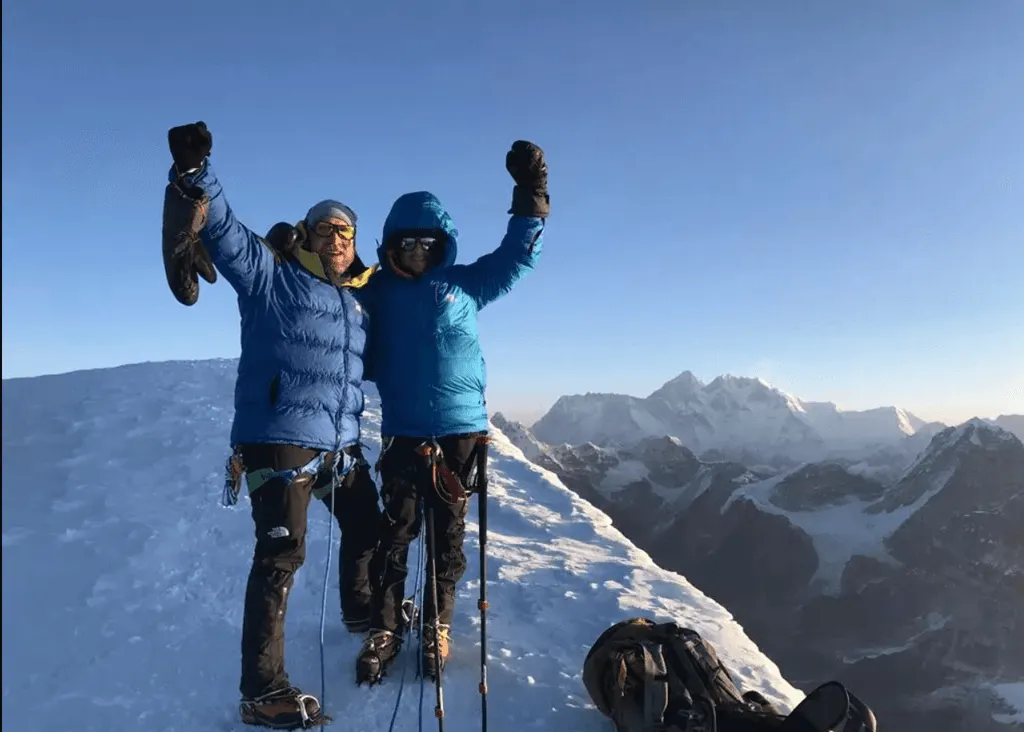
In January, Lobuche Peak presents a formidable yet rewarding challenge for climbers seeking an exhilarating winter ascent in the Everest region of Nepal. Situated at an elevation of 6,119 meters (20,075 feet), Lobuche Peak offers stunning views of the surrounding Himalayan giants, including Everest and Lhotse, amidst snow-covered landscapes that epitomize the raw beauty of high-altitude mountaineering.
January poses unique challenges for climbers tackling Lobuche Peak. The weather during this month is characterized by extremely cold temperatures, with daytime highs averaging around -15°C (5°F) and nighttime lows plunging well below freezing. The clear, crisp skies typical of winter provide breathtaking vistas but also necessitate careful attention to staying warm and avoiding frostbite.
This is a real mountain climbing adventure that will leave you in awe of the beauty of the Himalayan Mountains. The Lobuche Peak Climbing expedition in the Khumbu region of Nepal has been ranked by Lo...
Snow conditions on the route can vary, requiring adept ice and snow climbing skills, particularly on steep sections and crevassed terrain. Avalanche awareness and preparedness are crucial due to the heightened risk posed by snow instability and occasional storms.
Despite the challenges, January offers distinct advantages for climbers. The lower temperatures often mean fewer crowds on the mountain and quieter trails, enhancing the sense of solitude and connection with the pristine alpine environment. The clear weather windows provide optimal conditions for summit attempts, with crisp visibility and minimal wind disturbances.
Climbers venturing to Lobuche Peak in January must be well-prepared physically, mentally, and logistically. Adequate acclimatization, robust cold-weather gear, and meticulous planning are essential for safety and success. With proper preparation and a spirit of adventure, January climbers can experience the thrill of conquering Lobuche Peak amid the serenity of a winter wonderland in the heart of the Himalayas.
Embark on an unforgettable journey to the heart of the Himalayas as you conquer three majestic peaks: Mera Peak, Island Peak, and Lobuche Peak. This ultimate adventure combines technical climbing, bre...
Winter Climbing on Lobuche Peak: January Challenges
January poses significant challenges for climbers tackling Lobuche Peak, primarily due to the harsh winter conditions prevalent in the Everest region:
- Extreme Cold: January temperatures on Lobuche Peak can plummet well below freezing, requiring climbers to contend with frostbite risks and ensuring all equipment functions in low temperatures.
- Snow and Ice: Heavy snowfall and icy conditions characterize the winter ascent, making route-finding and navigation through crevasses and avalanche-prone areas more treacherous.
- Weather Volatility: Sudden storms and high winds are common, limiting climbing windows and increasing exposure to the elements.
- Shorter Days: Limited daylight hours necessitate efficient movement and decision-making to reach designated campsites or complete summit attempts before nightfall.
- Altitude Effects: Acclimatization challenges are intensified in cold weather, requiring climbers to manage altitude sickness symptoms carefully.
Despite these challenges, January offers quieter trails and clearer skies, enhancing the solitude and natural beauty of the climb on Lobuche Peak.
January Weather Conditions on Lobuche Peak
Weather conditions in January on Lobuche Peak are characterized by extreme cold and variable atmospheric conditions typical of the Everest region:
- Temperature Range: Daytime temperatures average around -15°C (5°F) or lower, with nighttime lows dropping significantly, posing risks of hypothermia and frostbite.
- Precipitation: Occasional snowfall and blizzard conditions can reduce visibility and create hazardous avalanche conditions, especially on steep slopes.
- Wind: High winds are common, intensifying cold temperatures and increasing wind chill effects, particularly at higher elevations.
- Clear Skies: Despite challenging conditions, January often features clear skies and crisp visibility, ideal for summit attempts and panoramic views of surrounding peaks.
- Weather Forecasts: Regular monitoring of weather forecasts is crucial for planning climbs, adjusting routes, and ensuring safety amid volatile mountain weather patterns.
Climbers must prepare for severe winter conditions on Lobuche Peak in January, with proper gear, emergency plans, and flexibility to adapt to changing weather dynamics.
This is an excellent opportunity to climb Nepal’s highest peak without having to obtain a permit (6,476m/21,190ft). From the summit, you will have stunning views of several 8000m plus peaks, such as E...
Climbing Lobuche Peak in Winter: Pros and Cons
Winter climbing on Lobuche Peak offers unique advantages and challenges that climbers must weigh carefully:
Pros:
- Quieter Trails: Fewer climbers on the mountain enhance solitude and reduce competition for resources.
- Clear Skies: Clear winter skies provide unparalleled views and ideal conditions for photography.
- Snow Stability: Cold temperatures stabilize snowpack, reducing avalanche risks on certain routes.
- Adventure: Winter climbing adds an extra layer of challenge and adventure, testing climbers' skills and endurance.
Cons:
- Extreme Cold: Frigid temperatures increase the risk of frostbite and hypothermia, demanding specialized gear and careful monitoring.
- Weather Variability: Sudden storms and high winds can disrupt climbing plans and compromise safety.
- Short Days: Limited daylight hours constrain climbing windows and increase pressure to reach or descend from high camps quickly.
- Technical Challenges: Icy and snow-covered terrain requires advanced ice climbing skills and equipment proficiency.
Overall, winter climbing on Lobuche Peak rewards climbers with pristine conditions and unparalleled challenges, demanding careful preparation and adaptation to unpredictable mountain conditions.
Ice Climbing Techniques for January Ascents
Ice climbing techniques are essential for navigating icy conditions on Lobuche Peak during January:
- Ice Axe Techniques: Master the use of ice axes for secure placements and efficient self-arrests on steep terrain.
- Crampon Use: Fit crampons securely to boots for traction on icy slopes, adjusting spikes for optimal grip and stability.
- Front-Pointing: Ascend steep ice using front-pointing techniques, driving crampon spikes into the ice for secure footing.
- Ice Screw Placement: Practice placing ice screws to create anchors for belays or rappels, ensuring they are solid and correctly aligned.
- Belaying: Learn effective belaying techniques for ice climbing, including using ropes and harnesses to safeguard against falls.
- Route Navigation: Identify and navigate safe routes through ice formations and snow-covered obstacles, prioritizing stability and safety.
Develop proficiency in these ice climbing techniques through practice and training in controlled environments before attempting challenging ascents on Lobuche Peak in January.
This exhilarating and unforgettable trek for adventure seekers takes you to the summit of "Island Peak (6,189m) situated between Amadablam and Lhotse mountains. This amazing adventure is packed full o...
Avalanche Risk Assessment in January
Assessing avalanche risk is critical for safety when climbing Lobuche Peak in January, given the heightened potential for snow instability:
- Terrain Evaluation: Identify avalanche terrain features such as steep slopes, convex rolls, and gullies prone to snow accumulation.
- Weather Conditions: Monitor recent snowfall, wind patterns, and temperature changes that influence snowpack stability. Rapid warming or heavy snowfall increases avalanche risk.
- Snowpack Analysis: Conduct stability tests, including shovel shear tests and snowpit analysis, to assess layers within the snowpack for cohesion and potential weak layers.
- Avalanche Forecast: Consult local avalanche bulletins and forecasts from reliable sources to gauge current and forecasted avalanche danger levels (e.g., low, moderate, considerable, high, extreme).
- Safe Travel Practices: Mitigate risk by traveling one at a time through avalanche terrain, using safe zones and escape routes, and avoiding travel during periods of high avalanche danger.
- Emergency Preparedness: Carry avalanche safety equipment, including transceivers, probes, and shovels, and ensure all team members are trained in avalanche rescue techniques.
By integrating avalanche risk assessment into trip planning and daily decision-making, climbers can mitigate dangers and enhance safety on Lobuche Peak in January.
Winter Gear and Equipment Checklist for Lobuche Peak
Packing essential gear ensures comfort, safety, and preparedness for winter climbing on Lobuche Peak in January:
- Clothing Layers: Moisture-wicking base layers, insulating mid-layers (e.g., fleece or down jackets), and waterproof, windproof outer layers (jacket and pants).
- Footwear: Insulated mountaineering boots compatible with crampons, gaiters, and multiple pairs of wool or synthetic socks.
- Headgear and Gloves: Thermal hat, neck gaiter or balaclava, and insulated gloves or mittens with liners for warmth and protection.
- Climbing Equipment: Crampons, ice axe, harness, helmet, ropes, and carabiners for technical ascents and safety.
- Sleeping Gear: Four-season sleeping bag rated for sub-zero temperatures, insulated sleeping pad, and bivvy sack or tent.
- Navigation and Communication: Map or GPS device, compass, headlamp with extra batteries, and communication devices (e.g., satellite phone or two-way radio).
- Personal Items: Sunglasses with UV protection, sunscreen, lip balm with SPF, water bottles or hydration system, and trekking poles for stability.
- Medical Kit: High-altitude medications (e.g., acetazolamide/Diamox), first aid supplies, blister treatment, and personal prescriptions.
Ensure all gear is functional, properly fitted, and packed in durable, waterproof bags for the ascent, prioritizing weight distribution and accessibility during climbs on Lobuche Peak in January.
Yala Peak at 5520 meters does not require technical skills to reach the summit. Nevertheless, it still requires stamina and a good level of fitness to reach the top from where you will have amazing pa...
Permit Requirements and Regulations for January Climbs
Obtaining permits and adhering to regulations are essential for climbing Lobuche Peak in January, ensuring compliance and supporting sustainable tourism practices:
- Permit Types: Secure a climbing permit from the Nepal Mountaineering Association (NMA) or Department of Tourism, depending on the route and peak you intend to climb.
- Application Process: Complete permit applications with required documentation, including passport copies, climbing itineraries, and insurance coverage details.
- Fees: Pay applicable permit fees, which vary based on peak, season, and group size, ensuring timely processing to avoid delays.
- Regulations: Adhere to local regulations, including waste management practices, wildlife conservation guidelines, and respect for cultural heritage sites.
- Environmental Impact: Commit to Leave No Trace principles, minimizing ecological footprint and preserving natural landscapes during the climb.
- Local Liaison: Engage local guides or agencies familiar with permit procedures and regulations, facilitating smooth permit acquisition and compliance.
By obtaining necessary permits and adhering to regulations, climbers contribute to sustainable tourism and ensure responsible exploration of Lobuche Peak in January.
Hiring a Guide or Joining a Guided Expedition in January
Choosing to hire a guide or join a guided expedition enhances safety, navigation, and overall experience when climbing Lobuche Peak in January:
- Local Expertise: Benefit from guides' extensive knowledge of local terrain, weather patterns, and emergency procedures, minimizing risks and enhancing navigation.
- Safety: Guides provide essential support, including risk assessment, route planning, and first aid response, ensuring a safer climbing experience.
- Logistics Support: Expeditions offer logistical support such as gear rental, transportation, and accommodation arrangements, streamlining the climbing process.
- Group Dynamics: Joining a guided group fosters camaraderie, shared experiences, and mutual support among climbers, enhancing morale and teamwork.
- Skill Development: Learn technical skills and climbing techniques from experienced guides, improving proficiency in ice climbing and high-altitude mountaineering.
- Cultural Interaction: Guides facilitate cultural exchanges with local Sherpa communities, enriching the climbing journey with insights into Nepalese traditions and lifestyle.
Investing in a reputable guide service or expedition company ensures a well-rounded and memorable climbing experience on Lobuche Peak in January, balancing adventure with safety and cultural immersion.
This is the highest peak in Nepal that does not require a climbing permit (6,476m/21,190ft). From the summit there are spectacular views of several 8000 meter plus peaks, such as Everest, Cho Oyu, Kan...
Physical Conditioning for Winter High-Altitude Climbing
Physical conditioning is crucial for preparing for winter high-altitude climbing on Lobuche Peak, focusing on endurance, strength, and acclimatization:
- Cardiovascular Fitness: Build cardiovascular endurance through aerobic exercises such as running, cycling, and hiking with a weighted pack to simulate climbing conditions.
- Strength Training: Strengthen leg muscles with squats, lunges, and calf raises to endure long ascents and descents on rugged terrain.
- Altitude Acclimatization: Gradually increase altitude exposure through hikes or climbs at progressively higher elevations to adapt to reduced oxygen levels.
- Core Stability: Improve core strength with exercises like planks and Russian twists to enhance balance and stability on uneven and icy surfaces.
- Flexibility: Stretch regularly to maintain flexibility, reducing the risk of muscle strains and improving agility during technical climbs.
- Hydration and Nutrition: Maintain hydration with adequate water intake and balanced nutrition rich in carbohydrates, proteins, and fats to sustain energy levels during climbs.
By prioritizing physical conditioning tailored to winter high-altitude conditions, climbers enhance performance, reduce fatigue, and mitigate altitude-related risks on Lobuche Peak.
Crevasse Rescue Techniques in Deep Snow Conditions
Mastering crevasse rescue techniques is essential for navigating deep snow conditions on Lobuche Peak during winter climbs:
- Self-Arrest: Practice ice axe self-arrest techniques to stop and stabilize oneself in the event of a slip or fall near a crevasse.
- Snow Anchors: Learn to construct secure snow anchors using ice screws or pickets to establish strong points for belaying or hauling operations.
- Team Rope Skills: Train in rope management skills, including tying secure knots, coiling ropes for efficient deployment, and managing rope tension during rescues.
- Pulley Systems: Familiarize with mechanical advantage systems such as Z-pulleys or 3:1 systems to facilitate efficient crevasse rescue operations.
- Patient Packaging: Practice techniques for safely packaging and transporting a rescued climber using a stretcher or improvised sled in snowy terrain.
- Communication: Establish clear communication protocols within the team to coordinate rescue efforts and respond promptly to emergencies.
By honing crevasse rescue skills through training and simulation exercises, climbers enhance safety and preparedness for navigating crevassed areas on Lobuche Peak in winter.
This is a chance to go climbing without the necessary permits that most climbing expeditions require in Nepal. Mera Peak fits the bill perfectly and at (6,476m/21,190ft) you will have spectacular view...
Winter Camping on Lobuche Peak: Tips and Strategies
Winter camping on Lobuche Peak requires strategic planning and specialized equipment to stay safe and comfortable in extreme conditions:
- Site Selection: Choose a sheltered campsite protected from wind and avalanche hazards, with access to water sources and emergency escape routes.
- Tent Setup: Pitch a four-season tent designed for high-altitude conditions, ensuring it is properly staked and anchored to withstand strong winds and snow loads.
- Insulation: Use a high-quality sleeping bag rated for sub-zero temperatures and insulating sleeping pads to prevent heat loss from the ground.
- Layered Clothing: Wear moisture-wicking base layers, insulating mid-layers, and a waterproof outer shell to regulate body temperature and stay dry.
- Cooking and Hydration: Use a multi-fuel stove for cooking, melting snow for water, and maintaining hydration with insulated water bottles or hydration bladders.
- Snow Management: Create snow walls or dig trenches around tents for wind protection and snowdrift prevention, ensuring tents remain secure and stable.
By implementing these tips and strategies, climbers can optimize comfort, safety, and resilience during winter camping on Lobuche Peak, enhancing the overall climbing experience.
Staying Warm and Dry in Extreme Cold Conditions
Maintaining warmth and dryness is paramount for climbers tackling extreme cold conditions on Lobuche Peak during winter:
- Layering System: Wear moisture-wicking base layers to manage sweat, insulating mid-layers for warmth (e.g., fleece or down jackets), and a waterproof, windproof outer shell to protect against precipitation and wind chill.
- Hand and Foot Care: Use insulated gloves or mittens with liners and waterproof shells to protect hands from frostbite. Keep feet dry and warm with insulated boots and multiple pairs of moisture-wicking socks.
- Headgear: Wear a thermal hat or balaclava under a helmet for head warmth, and use a neck gaiter or scarf to protect exposed skin from cold and wind.
- Shelter: Seek or create shelters during breaks to shield from wind and cold, minimizing exposure while maintaining body heat.
- Hydration: Stay hydrated by regularly drinking warm fluids, avoiding alcohol, which can impair circulation and contribute to heat loss.
- Monitoring Health: Monitor for signs of cold-related injuries like frostbite and hypothermia, taking immediate action with rewarming techniques and medical attention if symptoms arise.
By prioritizing insulation, hydration, and vigilance in extreme cold conditions, climbers can mitigate risks and sustain comfort and performance on Lobuche Peak during winter climbs.
A real climbing adventure that will leave you stunned at the beauty of the Himalayan Mountains. The Lobuche Peak Climbing expedition in the spectacular Khumbu region of Nepal has been ranked...
Dealing with Frostbite and Hypothermia on the Mountain
Managing frostbite and hypothermia is crucial when climbing Lobuche Peak in winter to prevent serious cold-related injuries:
- Frostbite Prevention: Protect exposed skin with insulated clothing, including gloves, hats, and face masks. Keep clothing dry to maintain warmth and avoid frostbite.
- Recognizing Symptoms: Watch for signs of frostbite, such as numbness, tingling, or skin discoloration (white, gray, or blue). Seek shelter immediately if symptoms occur.
- Treatment: If frostbite is suspected, gently rewarm affected areas using body heat or warm water (not hot). Avoid rubbing or massaging frostbitten skin to prevent further damage.
- Hypothermia Awareness: Monitor for signs of hypothermia, including shivering, confusion, and slurred speech. Insulate and gradually warm the affected person, providing warm fluids and shelter.
- Emergency Evacuation: In severe cases, initiate emergency evacuation to lower elevations or medical facilities equipped to treat cold-related injuries.
- Preventive Measures: Practice good cold-weather hygiene, stay hydrated, and maintain adequate nutrition to bolster resistance against frostbite and hypothermia.
By understanding symptoms, prevention methods, and emergency responses, climbers can effectively manage cold-related conditions while ascending Lobuche Peak in winter.
Emergency Response Planning for Winter Climbing Accidents
Preparing for emergencies ensures swift and effective responses to winter climbing accidents on Lobuche Peak:
- Emergency Contact Information: Carry local emergency contacts, including rescue services, medical facilities, and embassy contacts.
- Communication Devices: Equip with reliable communication tools such as satellite phones, two-way radios, or GPS-enabled devices for real-time coordination.
- Emergency Protocols: Establish clear protocols for assessing injuries, initiating rescue operations, and providing first aid within the climbing group.
- Group Training: Conduct regular drills on emergency scenarios, including crevasse falls, avalanches, and altitude sickness, to familiarize team members with response procedures.
- Evacuation Plans: Identify evacuation routes, safe zones, and emergency shelters along the climbing route, adjusting plans based on weather forecasts and group capabilities.
- Medical Supplies: Carry a comprehensive first aid kit, including high-altitude medications, trauma supplies, and tools for improvising splints or stretchers.
Effective emergency response planning minimizes risks and enhances safety for climbers navigating the challenges of winter ascent on Lobuche Peak.
Many of us only dream of standing on a tall peak looking down on the world. This is a great climb that will satisfy this desire. Island Peak, also referred to as Imja Tse, is a 6187-meter high peak in...
Communication Strategies in Remote Winter Environments
Maintaining communication in remote winter environments is essential for safety and coordination during climbs on Lobuche Peak:
- Communication Devices: Utilize satellite phones, two-way radios, or personal locator beacons (PLBs) with GPS for reliable communication in areas with limited or no cellular coverage.
- Check-in Protocol: Establish regular check-in times with base camp or support teams to report status, weather conditions, and any emergencies.
- Emergency Signals: Agree on universal distress signals, such as whistle blasts or visual markers, to alert nearby teams or rescue services in case of emergencies.
- Weather Updates: Monitor weather forecasts and updates via radio or satellite communication to anticipate changes and adjust climbing plans accordingly.
- Backup Batteries: Carry spare batteries or portable solar chargers for communication devices to ensure continuous functionality in cold temperatures.
- Emergency Contact List: Maintain a list of emergency contacts, including rescue services, local authorities, and embassy contacts, readily accessible to all team members.
Clear communication strategies facilitate effective decision-making, coordination, and emergency response capabilities during winter climbs on remote and challenging terrains like Lobuche Peak.
Packing Essentials for Winter Climbing on Lobuche Peak
Comprehensive packing ensures climbers are equipped with essential gear and supplies for safe and successful winter ascents on Lobuche Peak:
- Clothing Layers: Pack moisture-wicking base layers, insulating mid-layers (fleece or down jackets), and waterproof, windproof outer layers (jacket and pants) to layer for warmth and protection.
- Footwear: Include insulated mountaineering boots compatible with crampons, multiple pairs of wool or synthetic socks, and gaiters to keep feet warm and dry.
- Climbing Gear: Carry essential climbing equipment such as crampons, ice axe, helmet, harness, ropes, and carabiners for technical ascents and safety on icy and snowy terrain.
- Sleeping Gear: Use a four-season sleeping bag rated for sub-zero temperatures, insulated sleeping pad, and bivvy sack or tent designed for extreme cold.
- Navigation Tools: Pack a GPS device or map and compass for route finding, along with a headlamp and spare batteries for visibility during early morning starts or night descents.
- Personal Essentials: Include sunscreen with high SPF, sunglasses with UV protection, lip balm, personal medications, and a comprehensive first aid kit tailored for high-altitude climbs.
By prioritizing these packing essentials, climbers ensure readiness for the challenges and rewards of winter climbing on Lobuche Peak, enhancing safety, comfort, and overall expedition success.
This is a chance to go climbing without the necessary permits that most climbing expeditions require in Nepal. Mera Peak fits the bill perfectly and at (6,476m/21,190ft) you will have spectacular view...
Winter Navigation Techniques: GPS, Maps, and Compass Use
Navigating Lobuche Peak in January demands proficiency in winter navigation techniques using GPS, maps, and compass to ensure safe and accurate route finding:
- GPS Devices: Utilize GPS devices with pre-loaded topographic maps and waypoints to track location, monitor elevation changes, and mark key landmarks along the route.
- Maps: Carry detailed paper maps of the Everest region, including Lobuche Peak and surrounding trails, for backup navigation in case of GPS device failure or battery depletion.
- Compass: Master compass navigation skills for orienteering, determining direction, and navigating in whiteout conditions where visibility is limited.
- Route Planning: Plan routes in advance using both GPS coordinates and map features, identifying alternative paths, safe zones, and emergency shelters along the ascent and descent routes.
- Weather Awareness: Monitor weather conditions and adjust navigation strategies accordingly, anticipating changes in visibility, wind patterns, and snow accumulation that may affect navigation.
- Team Communication: Coordinate navigation efforts within the climbing team, ensuring all members are proficient in using GPS, maps, and compass for efficient and collaborative route finding.
By integrating these navigation techniques, climbers enhance safety, minimize navigation errors, and optimize route efficiency during winter ascents on Lobuche Peak.
Environmental Impact of Winter Climbing on Lobuche Peak Ecosystems
Winter climbing on Lobuche Peak can significantly impact fragile ecosystems, requiring climbers to adopt practices that minimize environmental footprint:
- Vegetation and Wildlife: Avoid trampling vegetation and disturbing wildlife habitats by sticking to designated trails and camping areas, minimizing human impact on natural flora and fauna.
- Waste Management: Practice Leave No Trace principles by carrying out all waste, including human waste, and disposing of it responsibly at designated waste disposal sites.
- Water Sources: Avoid contaminating natural water sources by treating water before consumption and minimizing soap and detergent use near rivers and lakes.
- Cultural Preservation: Respect local cultural heritage sites, including Buddhist monasteries and prayer flags, by refraining from touching or disturbing these sacred landmarks.
- Climate Change Awareness: Recognize the role of climbers in climate change mitigation by reducing carbon footprints, conserving energy, and promoting sustainable travel practices.
- Educational Outreach: Educate fellow climbers and local communities about environmental stewardship, fostering a collective commitment to preserving pristine ecosystems in the Everest region.
By prioritizing environmental stewardship, climbers can mitigate adverse impacts of winter climbing on Lobuche Peak ecosystems, ensuring these natural treasures remain intact for future generations.
Mera Peak Expedition is a popular trekking route that offers a challenging climb to the summit of Mera Peak. The peak stands at an elevation of 6,476 meters (21,247 feet) and is located in the Solu Kh...
Conclusion: Tips for a Successful Lobuche Peak Climb in January
Climbing Lobuche Peak in January presents unique challenges and rewards, requiring thorough preparation and strategic planning for a successful ascent:
- Training and Conditioning: Prioritize physical fitness and acclimatization through cardiovascular exercises, strength training, and altitude adaptation hikes.
- Gear and Equipment: Pack essential winter gear, including insulated clothing layers, mountaineering boots, crampons, ice axe, and a four-season tent rated for sub-zero temperatures.
- Navigation Skills: Master GPS, map, and compass navigation techniques for route finding in winter conditions, ensuring accurate navigation despite potential weather challenges.
- Safety Protocols: Develop emergency response plans, communicate regularly with base camps or support teams, and carry adequate first aid supplies and emergency communication devices.
- Environmental Responsibility: Practice Leave No Trace principles, minimize waste, and respect local culture and wildlife to preserve the pristine environment of Lobuche Peak.
- Weather Monitoring: Stay informed about weather forecasts and adjust climbing plans accordingly, prioritizing safety and flexibility during unpredictable mountain weather.
By following these tips and embracing the adventure with respect for nature and local culture, climbers can maximize their chances of a successful and memorable ascent of Lobuche Peak in January.
Lobuche Peak Climbing Packages
Lobuche peak Climbing
Lobuche Peak Summit Return By Helicopter
Lobuche Peak Expedition 14 Days
Lobuche Peak Expedition 15 Days
Three Peak Expedition
Embark on an unforgettable journey to the heart of the Himalayas as you conquer three majestic peaks: Mera Peak, Island Peak, and Lobuche Peak. This ultimate adventure combines technical climbing, bre...