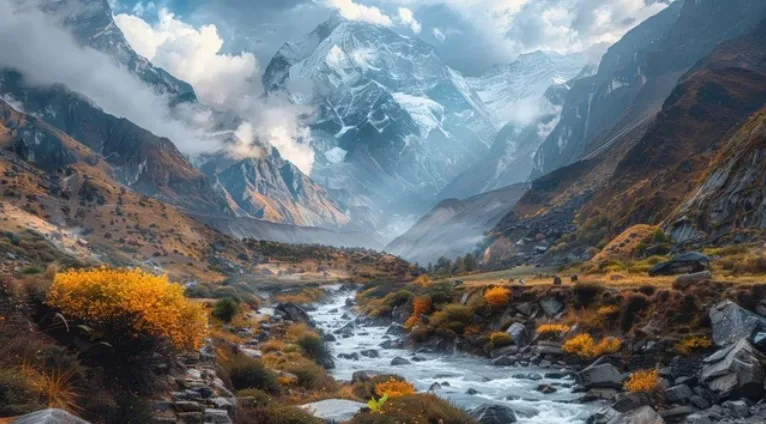
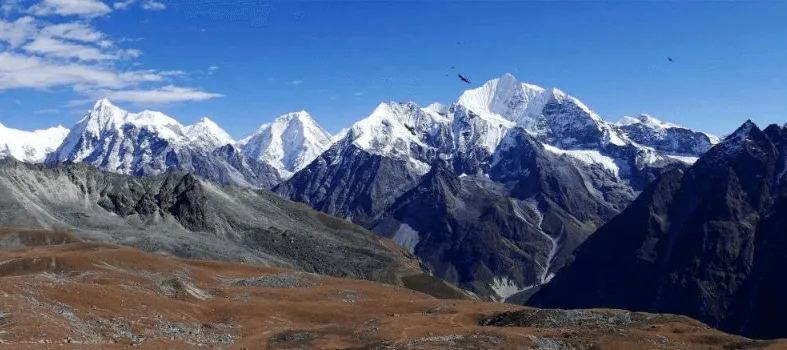
In October, the Langtang Valley trek in Nepal emerges as a captivating adventure amidst the Himalayan splendor. Renowned for its pristine natural beauty and cultural richness, this trek offers trekkers a perfect blend of scenic landscapes, cultural experiences, and moderate trekking challenges.
October marks the onset of the autumn season in Nepal, characterized by stable weather conditions and clear skies. Daytime temperatures in Langtang Valley range from mild to moderately cool, ideal for trekking without the intense cold of winter or the humidity of monsoon. The views along the trail are stunning, with vibrant autumn colors painting the forests and hillsides, and the snow-capped peaks of the Langtang range providing a breathtaking backdrop.
Short Langtang Valley Trek, we bring to you a once-in-a-lifetime opportunity to see the Himalayas up close. Embark on a short, 7-day trek to Langtang and immerse yourself in the breathtaking beauty of...
The trek typically begins from Syabrubesi, a picturesque village accessible via a scenic drive from Kathmandu. From Syabrubesi, trekkers ascend gradually through dense forests of rhododendron and oak, passing by traditional Tamang villages like Lama Hotel and Langtang Village. The cultural highlights include visits to ancient monasteries and interactions with the warm-hearted Tamang people, known for their Tibetan-influenced culture and hospitality.
One of the highlights of the trek is Kyanjin Gompa, a serene village nestled beneath the towering Langtang Lirung (7,227 meters). Here, trekkers can explore the local monastery, enjoy panoramic views from nearby viewpoints like Tserko Ri, and even hike to the Langtang Glacier.
Accommodation along the trek route ranges from cozy teahouses offering basic amenities to more comfortable lodges, ensuring trekkers have a comfortable stay amidst the rugged mountain terrain. The Langtang Valley trek in October promises an unforgettable Himalayan experience, combining natural beauty with cultural immersion and a sense of achievement amidst the majestic Himalayas.
The 7 Days Langtang Valley Trek is a popular and rewarding trekking route in Nepal. Located in the Langtang region, this trek offers stunning views of snow-capped peaks, beautiful landscapes, and a ch...
Why Choose October for Langtang Valley Trek?
October is considered one of the best months for trekking in Langtang Valley due to its favorable weather and scenic beauty. As autumn sets in, the weather is typically stable with clear skies and mild temperatures, making it comfortable for trekking during the day without the heat of summer or the cold of winter. The views along the trekking route are spectacular, with vibrant autumn colors painting the landscape and offering stunning vistas of the snow-capped Himalayan peaks. Additionally, October sees fewer trekkers compared to peak seasons like spring, allowing for a more peaceful and enjoyable trekking experience amidst the tranquil Himalayan scenery.
Weather and Climate in Langtang Valley in October
In October, Langtang Valley experiences pleasant weather conditions ideal for trekking. Daytime temperatures in lower altitudes range from 15 to 20°C (59 to 68°F), while temperatures in higher altitudes are cooler, averaging between 5 to 15°C (41 to 59°F). Nights can be chilly, especially at higher elevations, requiring warmer clothing layers. The weather is generally dry with minimal rainfall, ensuring clear skies and excellent visibility of the surrounding mountains. Trekkers should pack layers of clothing to accommodate temperature changes throughout the day and be prepared for occasional cold snaps.
Best Routes and Itinerary Options for October Trek
October offers various routes and itinerary options for the Langtang Valley trek, catering to different trekking preferences and durations. A typical itinerary starts from Syabrubesi and passes through scenic villages like Lama Hotel and Langtang Village before reaching Kyanjin Gompa. Side trips to viewpoints such as Tserko Ri and hikes to nearby glaciers enhance the trekking experience. Alternative routes include extending the trek to Helambu or combining it with the Gosainkunda Lake trek for a more comprehensive Himalayan adventure.
Langtang National Park is a land of unspoiled beauty, becoming Nepal’s first Himalayan national park in 1976. It is also home to the Tibetan Buddhist Tamang people and is a stone’s throw from Kat...
Cultural Highlights and Local Experiences
Langtang Valley trek in October provides rich cultural experiences amidst the Tamang communities. Trekkers can visit ancient monasteries like Kyanjin Gompa, where they can witness Buddhist rituals and interact with monks. Local villages such as Langtang and Mundu offer insights into the traditional Tamang lifestyle, characterized by Tibetan-influenced culture, hospitality, and traditional architecture. Cultural highlights include participating in local festivals if timing permits, offering a deeper understanding of Tamang traditions through music, dance, and cultural attire.
Safety Tips and Altitude Considerations
Safety is paramount when trekking in Langtang Valley, particularly regarding altitude-related challenges. Proper acclimatization is crucial to prevent altitude sickness. Trekkers should ascend gradually, stay hydrated, and take regular rest days to allow their bodies to adjust to higher elevations. Recognizing symptoms of altitude sickness such as headaches, nausea, and fatigue is important, and descending if symptoms worsen is advised. Weather conditions can change rapidly in the mountains, so trekkers should pack appropriate clothing layers, including waterproof and windproof outerwear. Hiring an experienced guide ensures navigation, safety, and access to emergency assistance if needed.
Wildlife and Natural Features Along the Trek
The Langtang Valley trek in October offers trekkers a chance to witness diverse wildlife and stunning natural landscapes. As you trek through the Langtang National Park, you may encounter Himalayan wildlife such as red pandas, langur monkeys, and various bird species amidst lush forests of rhododendron and bamboo. The trail also features picturesque waterfalls, serene glacial lakes, and panoramic views of snow-capped peaks like Langtang Lirung (7,227 meters). These natural features provide ample opportunities for nature enthusiasts and photographers to capture the beauty of the Himalayan wilderness.
Helambu Trek is a popular and scenic trekking route located in the Langtang region of Nepal. This trek offers a unique cultural experience, breathtaking mountain views, and a chance to explore the bea...
Accommodation Options Along the Langtang Trek Route
Accommodation along the Langtang trek route in October primarily consists of teahouses and lodges offering basic yet comfortable amenities for trekkers. Teahouses typically provide shared rooms with twin beds or dormitory-style accommodations with blankets and pillows. Common areas serve as dining rooms where trekkers can enjoy meals ranging from Nepali dal bhat (rice and lentils) to international dishes. Lodges offer private rooms with attached bathrooms in some places, providing a more luxurious option for those seeking additional comfort. It's advisable to book accommodation through trekking agencies to secure lodging, especially during peak trekking seasons like October.
Essential Gear and Packing List for October Trek
Packing essential gear ensures a comfortable and safe trekking experience in Langtang Valley during October. Key items include moisture-wicking base layers, insulated mid-layers, waterproof and windproof outerwear, hiking pants, thermal underwear, warm hat, gloves, and socks. Sturdy hiking boots with good ankle support and waterproofing are essential for navigating varied terrain. Other essential gear includes a backpack, sleeping bag suitable for low temperatures, trekking poles, headlamp or flashlight, sunglasses, sunscreen, lip balm with SPF, and a personal first aid kit. Packing light yet adequately for changing weather conditions and ensuring hydration with water bottles or a hydration system are crucial for a successful trek.
The Gosainkunda Lake (4380m) Trek takes you to into the Langtang region and alpine regions that will leave you lost for words as you immerse yourself in this pristine countryside, which happens to be...
Photography Tips and Scenic Spots in Langtang Valley
Langtang Valley in October provides photographers with exceptional opportunities to capture stunning landscapes and cultural moments. Recommended photography spots include viewpoints like Tserko Ri for panoramic views of the Langtang Himalayan range and Kyanjin Gompa for capturing the beauty of the local monastery against a backdrop of snow-capped peaks. Use a wide-angle lens to capture expansive vistas and a telephoto lens for close-ups of wildlife and intricate details. Sunrise and sunset offer magical lighting conditions, enhancing the beauty of the Himalayan scenery. Respect local customs when photographing people and seek permission before taking portraits to ensure cultural sensitivity.
Physical Preparation and Fitness for October Trek
Physical preparation is essential for enjoying the Langtang Valley trek in October. Focus on cardiovascular exercises such as hiking, running, or cycling to build stamina and endurance. Strength training to strengthen leg muscles aids in navigating varied terrain, while flexibility exercises improve mobility. Begin training weeks in advance to acclimatize to physical exertion at higher altitudes and consider altitude training if feasible to simulate conditions during the trek. Assess your fitness realistically and consult with a healthcare professional if necessary to ensure you are adequately prepared for the challenges of trekking in the Himalayas.
Permits and Regulations for Langtang Valley Trek
To trek in Langtang Valley during October, trekkers must obtain necessary permits from the Nepal Tourism Board and Langtang National Park office. Permits vary in cost depending on trek duration and nationality, with fees contributing to conservation efforts and maintaining trekking trails. Carry identification and trekking permits at all times, and respect local regulations to minimize environmental impact. Hiring a licensed guide ensures compliance with regulations, enhances safety, and provides cultural insights into the region. Responsible trekking practices support sustainable tourism and preserve the natural beauty of Langtang Valley for future generations to enjoy.
The Langtang Gosainkunda Lake Trek is a popular trekking route in Nepal that combines the stunning beauty of the Langtang Valley with the sacred lakes of Gosainkunda. This trek offers a unique opportu...
Impact of Tourism on Langtang Valley Communities
Tourism has brought both benefits and challenges to the communities of Langtang Valley. As trekkers explore this pristine Himalayan region, local communities benefit economically through employment opportunities in teahouses, lodges, and guiding services. Tourism also fosters cultural exchange, as visitors engage with Tamang villagers, participate in local festivals, and purchase handicrafts. However, rapid tourism growth has placed strains on the environment and traditional lifestyles. Waste management and resource depletion are concerns, prompting community initiatives and regulations to promote sustainable tourism practices.
Side Trips and Alternative Routes from Langtang Valley
Langtang Valley offers trekkers a variety of side trips and alternative routes to explore beyond the main trekking trail. Side trips include hikes to Kyanjin Ri for panoramic views of the Langtang range, or a visit to Langtang Glacier for a closer encounter with the region's natural beauty. Adventurous trekkers can opt for alternative routes such as the Langtang-Ganja La Pass trek, a challenging route leading to Helambu, known for its cultural diversity and scenic landscapes. These side trips and alternative routes provide trekkers with diverse experiences and opportunities to explore lesser-known regions of the Langtang Himalayas.
The Tamang Heritage Trek with Langtang Valley combines two beautiful regions of Nepal, offering a unique cultural and natural experience. This trek takes you through the culturally rich Tamang village...
Conclusion
The Langtang Valley trek is more than just a journey through breathtaking landscapes; it's an exploration of culture, nature, and personal discovery. As trekkers traverse the rugged terrain and interact with local communities, they contribute to the region's economy and cultural exchange. The trek offers unparalleled experiences, from witnessing Himalayan wildlife and serene glacial lakes to marveling at ancient monasteries and vibrant Tamang culture. However, responsible tourism practices are crucial to preserve the pristine environment and support sustainable development in Langtang Valley. By respecting local customs, minimizing environmental impact, and supporting community initiatives, trekkers can ensure that future generations can continue to enjoy the beauty and richness of this Himalayan gem.
Langtang Valley Trek is one of the most captivating trekking adventures in Nepal, offering spectacular views of the Langtang mountain range and a deep dive into the rich Tibetan-influenced culture. Th...
Langtang Region Trekking Packages
Langtang Valley Trek
Langtang Tamang Heritage Trek
langtang Gosainkunda lake Trek
8 Days langtang Valley Trek
7 Days langtang Valley Trek