In November, the Langtang Valley trek in Nepal unfolds amidst a stunning backdrop of autumnal hues and crisp mountain air, offering trekkers an unforgettable Himalayan experience. Renowned for its natural beauty and cultural richness, this trek is ideal during this time due to favorable weather and fewer crowds compared to peak seasons.
The highlights of the Langtang Valley trek in November are multifaceted. Trekkers begin their journey from Syabrubesi, a picturesque village accessible from Kathmandu, and gradually ascend through lush forests adorned with vibrant autumn colors of red, orange, and gold. The trek passes through traditional Tamang villages like Lama Hotel and Langtang Village, where trekkers can immerse themselves in the local culture, sample authentic Nepali cuisine, and interact with warm-hearted locals.
Langtang Valley Trek is one of the most captivating trekking adventures in Nepal, offering spectacular views of the Langtang mountain range and a deep dive into the rich Tibetan-influenced culture. Th...
One of the trek's highlights is Kyanjin Gompa, a serene village set against the backdrop of the Langtang Lirung (7,227 meters). Here, trekkers can visit the ancient monastery, enjoy breathtaking views from viewpoints like Tserko Ri, and explore the nearby Langtang Glacier.
November offers clear skies and mild daytime temperatures, ranging from 10 to 15°C (50 to 59°F) in lower altitudes, making it comfortable for trekking. Nights can be chilly, especially at higher elevations, requiring warm clothing layers.
Overall, the Langtang Valley trek in November promises unparalleled natural beauty, cultural immersion, and a sense of achievement amidst the majestic Himalayas. Trekkers are treated to panoramic mountain views, encounters with Himalayan wildlife like langur monkeys and birds, and opportunities to photograph the region's stunning landscapes. It's a journey that combines adventure with tranquility, offering trekkers memories to cherish for a lifetime.
The Tamang Heritage Trek with Langtang Valley combines two beautiful regions of Nepal, offering a unique cultural and natural experience. This trek takes you through the culturally rich Tamang village...
Highlights of Langtang Valley Trek In November
The Langtang Valley trek in November unfolds against a backdrop of stunning autumn colors and serene mountain vistas, making it a captivating journey for trekkers. Here are the highlights that make this trek particularly special during this month:
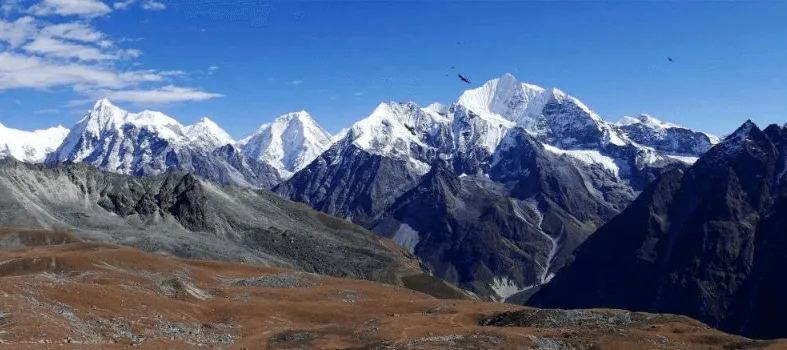
- Autumnal Beauty: November showcases the Langtang region in vibrant hues of red, orange, and yellow as the forests of rhododendron and oak transform with the season. The contrast against the snow-capped peaks of the Langtang range creates a mesmerizing landscape for trekkers.
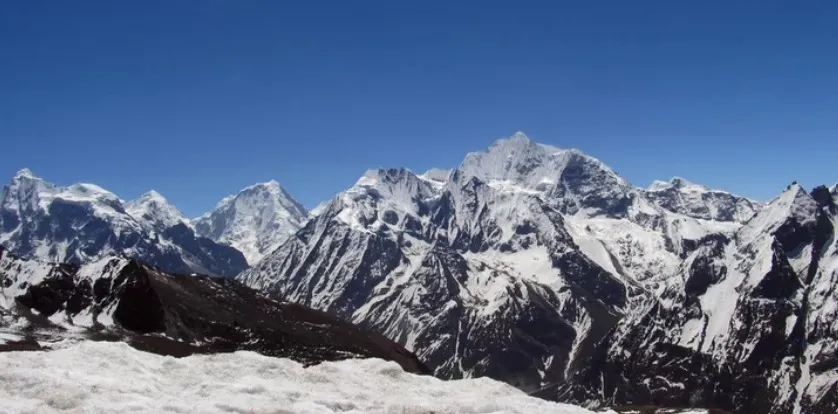
- Clear Skies and Views: November typically offers clear skies and excellent visibility, providing trekkers with panoramic views of the Himalayan peaks, including Langtang Lirung (7,227 meters) and others in the range. Photographers especially appreciate the crisp, clear conditions for capturing stunning mountain vistas.
- Cultural Immersion: Trekking through traditional Tamang villages such as Syabrubesi, Lama Hotel, and Langtang Village allows trekkers to experience the unique culture and hospitality of the Tamang people. Visits to local monasteries like Kyanjin Gompa offer insights into Buddhist traditions amidst the Himalayan backdrop.
- Kyanjin Gompa: The trek culminates at Kyanjin Gompa, a picturesque village surrounded by towering peaks and a glacial landscape. Here, trekkers can explore the ancient monastery, interact with local monks, and hike to viewpoints like Tserko Ri for breathtaking 360-degree panoramas.
- Wildlife Encounters: November provides opportunities to spot Himalayan wildlife such as red pandas, langur monkeys, and various bird species along the trekking route. The Langtang National Park is home to diverse flora and fauna, adding to the trek's allure for nature enthusiasts.
- Moderate Weather: With daytime temperatures ranging from 10 to 15°C (50 to 59°F) in lower altitudes, November offers comfortable trekking conditions. Nights may be chilly, particularly at higher elevations, necessitating warm layers for evening comfort.
The Langtang Valley trek in November blends natural beauty with cultural immersion, offering trekkers a rewarding experience amidst Nepal's majestic Himalayas. Whether trekking solo or with a group, November provides the perfect opportunity to explore this scenic region in optimal weather conditions.
The Langtang Gosainkunda Lake Trek is a popular trekking route in Nepal that combines the stunning beauty of the Langtang Valley with the sacred lakes of Gosainkunda. This trek offers a unique opportu...
What Should i pack for the Langtang Valley Trek In November
Packing for the Langtang Valley trek in November requires careful consideration of the weather conditions and the varied terrain you'll encounter along the trekking route. Here's a comprehensive packing list to ensure you're prepared for this adventure:
- Clothing:
- Base Layers: Moisture-wicking thermal tops and bottoms to keep you warm and dry.
- Insulating Layers: Fleece jackets or down jackets for warmth during colder mornings and evenings.
- Outer Layers: Waterproof and windproof jacket and pants to protect against rain and strong winds.
- Hiking Pants: Lightweight and quick-drying pants for trekking, preferably convertible into shorts.
- Warm Hat and Gloves: Fleece or woolen hat and gloves to keep your extremities warm at higher altitudes.
- Footwear:
- Hiking Boots: Sturdy and waterproof hiking boots with good ankle support for traction on uneven terrain.
- Socks: Moisture-wicking and thick socks to keep your feet dry and warm, preferably woolen.
- Gear:
- Backpack: Comfortable trekking backpack (35-50 liters) to carry essentials and personal items.
- Sleeping Bag: Warm sleeping bag suitable for low temperatures, rated for at least 0°C (32°F).
- Trekking Poles: Adjustable trekking poles for stability and support on steep ascents and descents.
- Headlamp/Flashlight: Essential for navigating in the dark or early mornings, with extra batteries.
- Personal Items:
- Sun Protection: Sunglasses with UV protection and sunscreen (SPF 30+), lip balm with SPF.
- Personal First Aid Kit: Include basic medications (e.g., pain relievers, altitude sickness medication), blister treatment, and any personal medications.
- Water Bottle/Hydration System: Stay hydrated with a reusable water bottle or hydration bladder.
- Toiletries: Toilet paper, hand sanitizer, and personal hygiene items.
- Miscellaneous:
- Electronics: Camera or smartphone for capturing memories, with extra batteries or power bank.
- Snacks: High-energy snacks (e.g., nuts, energy bars) to keep you fueled between meals.
- Travel Documents: Passport, trekking permits, and copies stored securely in a waterproof pouch.
- Optional:
- Gaiters: Protect against mud, snow, and debris on the trail.
- Trekking Towel: Quick-dry towel for personal hygiene and washing up.
- Binoculars: For wildlife spotting along the trekking route.
Packing light yet efficiently is key to enjoying your trek comfortably. Layering clothing allows you to adjust to changing temperatures throughout the day. Be prepared for cold evenings and potentially snowy conditions at higher elevations in November. Additionally, hiring a local guide ensures you have access to valuable local knowledge and support throughout your Langtang Valley trekking adventure.
The Gosainkunda Lake (4380m) Trek takes you to into the Langtang region and alpine regions that will leave you lost for words as you immerse yourself in this pristine countryside, which happens to be...
Medical Facilities and Emergency Protocols
During the Langtang Valley trek, ensuring access to medical facilities and understanding emergency protocols is crucial. The trek, while offering stunning vistas, involves traversing remote areas where medical resources are limited. Trekkers are advised to carry a personal medical kit including basic first aid supplies, altitude sickness medication, and any personal prescriptions.
Emergency protocols typically involve contacting local guides who are trained to handle altitude-related issues and other common trekking injuries. In severe cases, evacuation may be necessary via helicopter to Kathmandu for advanced medical care.
Transportation Options to and from Langtang Valley
Accessing Langtang Valley starts with a bus ride from Kathmandu to Syabrubesi, the gateway to the trek. This journey takes approximately 7-8 hours, navigating through winding mountain roads. Alternatively, private jeeps can be hired for a quicker but pricier option.
Returning from Langtang Valley follows the same route. Buses and jeeps depart from Syabrubesi back to Kathmandu, offering flexibility in travel schedules. It's advisable to book return transportation in advance during peak trekking seasons.
Helambu Trek is a popular and scenic trekking route located in the Langtang region of Nepal. This trek offers a unique cultural experience, breathtaking mountain views, and a chance to explore the bea...
Rest and Acclimatization Days on the Trek
Rest and acclimatization days are vital during the Langtang Valley trek, especially due to the altitude gains. It's recommended to schedule acclimatization days in places like Lama Hotel and Kyanjin Gompa to allow the body to adjust to higher altitudes. These days involve light hikes to higher points and relaxing to prevent altitude sickness. Proper hydration and adequate rest are essential during these breaks to ensure trekker safety and enjoyment.
Community Engagement and Interaction
The Langtang Valley trek provides numerous opportunities for cultural exchange with local communities. Trekkers often stay in tea houses run by local families, offering a chance to interact closely with the Tamang and Sherpa ethnic groups. Engaging with locals through homestay experiences, participating in traditional rituals, and supporting local businesses by purchasing handmade crafts enriches the trekking experience. Respect for local customs, such as greeting with "Namaste" and dressing modestly, fosters positive interactions and cultural appreciation.
Challenges and Rewards of Trekking in November
Trekking in November in Langtang Valley presents unique challenges and rewards. While November offers clear skies and stunning views of snow-capped peaks, temperatures can drop significantly, especially at higher altitudes. Trekkers must be prepared for cold weather conditions and occasional snowfall. The trails are generally less crowded compared to peak seasons, allowing for a more serene trekking experience and easier access to accommodations.
Langtang National Park is a land of unspoiled beauty, becoming Nepal’s first Himalayan national park in 1976. It is also home to the Tibetan Buddhist Tamang people and is a stone’s throw from Kat...
Budgeting and Cost Considerations
Budgeting for the Langtang Valley trek should include costs for permits, accommodations, meals, transportation, and additional expenses such as souvenirs or emergency funds. Permit fees vary depending on the trekking season and nationality. Accommodations range from basic tea houses to more comfortable lodges in higher-altitude areas. Meals typically consist of dal bhat (rice and lentils), noodles, and tea. Trekkers should also budget for tips to guides and porters, as well as any unexpected expenses such as medical emergencies or helicopter evacuations.
Physical Preparation and Fitness for November Trek
Preparing physically for a November trek in Langtang Valley is essential due to colder temperatures and potential snowfall. Focus on cardiovascular endurance and strength training, particularly for legs and core muscles. Incorporate hiking with a backpack to simulate trekking conditions and gradually increase distances and elevation gains. Endurance training will help in tackling longer trekking days and acclimatizing better to higher altitudes. Additionally, practice cold weather hiking to familiarize with layering and gear.
Permits and Regulations for Langtang Valley Trek
Obtaining permits is mandatory for Langtang Valley trekking, ensuring environmental conservation and safety. Trekkers need a TIMS (Trekkers' Information Management System) card and a Langtang National Park entry permit. These can be obtained through registered trekking agencies or directly from the Nepal Tourism Board in Kathmandu. Regulations include respecting local culture, avoiding wildlife disturbance, and adhering to waste management guidelines. Permits are checked at various checkpoints along the trail.
The 7 Days Langtang Valley Trek is a popular and rewarding trekking route in Nepal. Located in the Langtang region, this trek offers stunning views of snow-capped peaks, beautiful landscapes, and a ch...
Impact of Tourism on Langtang Valley Communities
Tourism has both positive and negative impacts on the communities in Langtang Valley. On the positive side, tourism provides employment opportunities through lodges, tea houses, and guiding services, contributing to the local economy. It also promotes cultural exchange as visitors engage with local traditions, cuisine, and handicrafts. However, rapid tourism growth can strain natural resources and traditional lifestyles. Issues such as waste management and cultural erosion require careful management. Responsible tourism practices, such as supporting locally owned businesses and respecting cultural norms, are essential to mitigate negative impacts and ensure sustainable development in Langtang Valley.
Side Trips and Alternative Routes from Langtang Valley
Langtang Valley offers several side trips and alternative routes for adventurous trekkers. Popular side trips include visits to Tserko Ri for panoramic views, the holy lake of Gosainkunda, or exploring the Tamang Heritage Trail. These routes provide opportunities to experience diverse landscapes, flora, and fauna. Alternative routes include the Langtang Ganja La Pass trek or extending the journey towards Helambu region. Trekkers should be prepared for varying difficulty levels and additional permit requirements for certain routes.
Local Cuisine and Dining Options
Langtang Valley's local cuisine reflects its cultural diversity and mountainous terrain. Traditional meals often revolve around dal bhat (rice and lentils), momos (dumplings), and Tibetan bread. Tea houses and lodges along the trekking route offer hearty meals that cater to both Nepali and international tastes. Vegetarian options are readily available, emphasizing locally grown vegetables and grains. Dining experiences often involve communal meals, fostering camaraderie among trekkers and hosts. Trekkers should try local specialties like yak cheese and butter tea for a taste of regional flavors amidst breathtaking mountain scenery.
Trekking Solo vs. Guided Tours in November
Choosing between trekking solo or joining a guided tour in Langtang Valley during November depends on personal preferences and experience levels. Solo trekking offers flexibility in itinerary and pace, ideal for experienced trekkers comfortable with navigation and emergency preparedness in remote areas. Guided tours provide structured itineraries, local expertise, and logistical support, ensuring safety and cultural insights. In November, weather conditions favor both options, with clear skies and manageable temperatures. Solo trekkers should be well-equipped with maps, permits, and emergency contacts, while guided tours offer convenience and camaraderie among fellow trekkers.
Trekking with Family or Children in Langtang Valley
Trekking with family or children in Langtang Valley can be a rewarding experience with proper planning and preparation. Choose shorter, easier routes suitable for children's endurance levels and acclimatization needs. Ensure accommodations with family-friendly facilities and hygienic standards along the trekking route. Pack sufficient snacks, water, and entertainment for children during breaks. Guided tours provide added safety and support for families, including porters to carry extra gear. November offers favorable weather conditions for family trekking, with mild temperatures and clear skies. Engage children in learning about local culture and nature, making the journey educational and memorable for all family members.
Why Choose November for Langtang Valley Trek?
November is an ideal month for the Langtang Valley trek due to favorable weather conditions and clear skies. It marks the end of the monsoon season, ensuring minimal rainfall and lush greenery along the trail. The temperatures are moderate during the day and cool at night, providing comfortable trekking conditions. November also offers breathtaking views of snow-capped peaks and vibrant autumn colors in the forests, enhancing the scenic beauty of the trek. The trails are less crowded compared to peak seasons, allowing for a quieter and more enjoyable trekking experience amidst serene landscapes.
Weather and Climate in Langtang Valley in November
In November, Langtang Valley experiences pleasant weather with mild daytime temperatures ranging from 10-15°C (50-59°F) at lower altitudes and cooler temperatures higher up. Nights can be chilly, especially at higher elevations, requiring warm layers. The skies are generally clear, offering excellent visibility of the surrounding Himalayan peaks. While occasional light snowfall may occur at higher altitudes, it typically does not disrupt trekking activities. Trekkers should be prepared for variable weather conditions and sudden temperature changes by packing appropriate clothing and gear.
Best Routes and Itinerary Options for November Trek
For a November trek in Langtang Valley, popular routes and itineraries include a 7-10 day trek starting from Syabrubesi. Highlights often include Lama Hotel, Langtang Village, Kyanjin Gompa, and optional side trips to viewpoints like Tserko Ri or exploring the Tamang Heritage Trail. Trekkers can customize their itinerary based on fitness levels and interests, ensuring ample time for acclimatization and cultural exploration. Routes are well-marked, and tea houses along the way provide comfortable accommodations and hearty meals, making it accessible for trekkers of various experience levels.
Cultural Highlights and Local Experiences
Langtang Valley offers rich cultural experiences amidst Tamang and Sherpa communities. In November, trekkers can witness local festivals and rituals, such as Lhosar (Tibetan New Year), celebrated with traditional dances and music. Tea houses provide opportunities to savor authentic Nepali cuisine like dal bhat and momos while interacting with hospitable locals. Visiting Buddhist monasteries and learning about local traditions enriches the trekking experience, fostering cultural appreciation and understanding.
Short Langtang Valley Trek, we bring to you a once-in-a-lifetime opportunity to see the Himalayas up close. Embark on a short, 7-day trek to Langtang and immerse yourself in the breathtaking beauty of...
Safety Tips and Altitude Considerations
Safety during a November trek in Langtang Valley involves gradual acclimatization to prevent altitude sickness. Trekkers should hydrate adequately, maintain a steady pace, and listen to their bodies. It's essential to pack essential medications, dress in layers for temperature changes, and carry a first aid kit. Weather conditions can vary, so staying informed about forecasts and trail conditions is advisable. Traveling with a guide or in a group enhances safety, as they provide local knowledge and support in emergencies. Respect local customs and wildlife, minimizing environmental impact, and ensuring responsible trekking practices further contribute to a safe and enjoyable experience.
Wildlife and Natural Features Along the Trek
Langtang Valley showcases diverse wildlife and natural landscapes. In November, trekkers may encounter Himalayan langurs, red pandas, and various bird species amidst lush forests and alpine meadows. The valley is dotted with rhododendron forests in bloom, adding vibrant colors to the scenery. Natural features include waterfalls, glacial rivers, and panoramic mountain views, particularly from viewpoints like Kyanjin Ri and Tserko Ri. The Langtang National Park preserves this biodiversity, offering glimpses of Himalayan flora and fauna throughout the trek. Observing wildlife respectfully and adhering to park regulations ensures preservation of this pristine environment for future generations.
Final Say
The Langtang Valley trek is a journey through a biodiverse haven, where every step unveils natural wonders and encounters with unique wildlife. From the vibrant rhododendron forests in bloom to the majestic Himalayan peaks towering above, the trek offers a blend of natural beauty and serene landscapes.
Throughout the trek, trekkers may witness Himalayan langurs swinging through the trees, elusive red pandas darting among the bamboo thickets, and a variety of bird species soaring above the alpine meadows. The glacial rivers and cascading waterfalls add a soothing soundtrack to the trekking experience, while the occasional sighting of yaks grazing in high-altitude pastures adds to the charm of the journey.
Natural features like the serene Gosainkunda Lake and the rugged terrain leading up to viewpoints such as Kyanjin Ri provide breathtaking panoramic views of snow-capped peaks and expansive valleys below. These moments of natural grandeur underscore the importance of preserving the fragile ecosystems and biodiversity of Langtang National Park.
Ultimately, the Langtang Valley trek not only offers physical challenges and cultural immersion but also serves as a poignant reminder of the awe-inspiring beauty and delicate balance of the natural world. It is a trek that leaves an indelible mark on the heart and mind, fostering a deep appreciation for the splendor of untouched wilderness and the need for responsible stewardship of our natural heritage.
Langtang Region Trekking Packages
Langtang Valley Trek
Langtang Tamang Heritage Trek
langtang Gosainkunda lake Trek
8 Days langtang Valley Trek
7 Days langtang Valley Trek