Trekking in Langtang Valley in December presents a unique and serene experience amidst the tranquil winter landscapes of the Himalayas. December marks the beginning of winter in Nepal, bringing crisp, clear days and colder temperatures, making it an ideal time for trekkers seeking quieter trails and stunning snow-covered scenery.
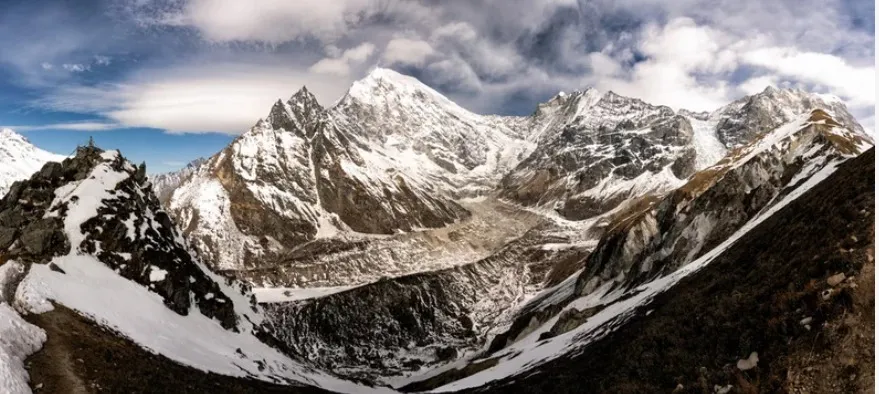
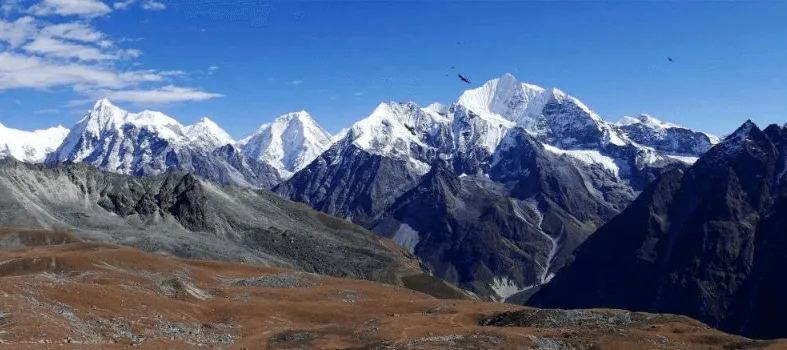
During December, Langtang Valley offers breathtaking vistas of snow-capped peaks, frozen waterfalls, and peaceful alpine meadows blanketed in snow. The trails, though colder, are less crowded compared to peak trekking seasons, allowing for a more intimate experience with nature and local culture.
Short Langtang Valley Trek, we bring to you a once-in-a-lifetime opportunity to see the Himalayas up close. Embark on a short, 7-day trek to Langtang and immerse yourself in the breathtaking beauty of...
Trekkers can expect daytime temperatures to range from 5-10°C (41-50°F) at lower elevations, dropping significantly at higher altitudes, necessitating warm layers and cold-weather gear. The colder conditions also mean that trails may be more challenging due to icy patches, requiring careful footing and possibly crampons for stability.
Accommodations along the trekking route remain open, offering cozy tea houses and lodges where trekkers can warm up by the fire and enjoy hearty meals of dal bhat (rice and lentils), soups, and hot beverages. Local hospitality remains warm and welcoming despite the chilly weather.
December in Langtang Valley is also an excellent time for photography enthusiasts, capturing the stark beauty of snow-dusted peaks against clear blue skies. The serene ambiance and pristine snowy landscapes make December a memorable and rewarding time for trekkers seeking a quieter, more contemplative trekking experience in the heart of the Himalayas.
Weather and Climate in Langtang Valley in December
December marks the onset of winter in Langtang Valley, Nepal, characterized by cold temperatures and occasional snowfall, especially at higher elevations. Daytime temperatures in lower altitudes can range from 5 to 10°C (41 to 50°F), while nights and higher altitudes may experience sub-zero temperatures. It's essential to pack warm clothing, including thermal layers, down jackets, gloves, and a hat to stay comfortable during the trek. Despite colder temperatures, clear skies often prevail, offering stunning views of snow-capped peaks.
Why Choose December for Langtang Valley Trek?
December offers trekkers a unique opportunity to experience Langtang Valley in its winter splendor with fewer crowds compared to peak seasons. The pristine landscapes blanketed in snow create a serene and picturesque environment, ideal for photography enthusiasts. Trails are quieter, providing a more intimate trekking experience amidst the Himalayan wilderness. Additionally, accommodations and services along the route are more readily available, enhancing convenience during the trek.
The 7 Days Langtang Valley Trek is a popular and rewarding trekking route in Nepal. Located in the Langtang region, this trek offers stunning views of snow-capped peaks, beautiful landscapes, and a ch...
Best Routes and Itinerary Options for December Trek
The best routes for a December trek in Langtang Valley typically include starting from Syabrubesi and trekking through scenic villages like Lama Hotel and Langtang Village. A popular itinerary option spans around 7 to 10 days, allowing ample time for acclimatization and exploration of cultural sites and natural attractions like Kyanjin Gompa and the Langtang Glacier.
Cultural Highlights and Local Experiences
Langtang Valley in December offers rich cultural encounters with the Tamang ethnic group, known for their warm hospitality and traditional practices. Trekkers can visit ancient monasteries, participate in local festivals, and learn about traditional livelihoods such as yak herding and cheese-making. The winter season adds a unique charm to cultural experiences, with the opportunity to witness local customs against a backdrop of snow-covered landscapes.
Safety Tips and Altitude Considerations
Safety is paramount when trekking in Langtang Valley in December due to cold temperatures and potentially icy trails. Ensure you have adequate cold-weather gear, including sturdy hiking boots with good traction and crampons if trekking on snowy paths. Acclimatization is crucial to prevent altitude sickness, with gradual ascent and plenty of hydration. Trekkers should also stay informed about weather forecasts and trail conditions, especially in higher altitudes where conditions can change rapidly. Hiring a knowledgeable guide enhances safety and provides valuable insights into navigating winter trekking challenges in Langtang Valley.
Langtang National Park is a land of unspoiled beauty, becoming Nepal’s first Himalayan national park in 1976. It is also home to the Tibetan Buddhist Tamang people and is a stone’s throw from Kat...
Wildlife and Natural Features Along the Trek
The Langtang Valley trek in December offers trekkers diverse wildlife and natural beauty amidst the Himalayan landscape. Wildlife sightings may include Himalayan tahr, red pandas, and various bird species such as the colorful Danphe (Himalayan Monal). The trek traverses through dense forests of rhododendron and pine, transitioning into alpine meadows adorned with seasonal wildflowers. Natural features include glacial moraines, serene rivers, and majestic waterfalls, providing trekkers with picturesque scenery throughout the journey.
Accommodation Options Along the Langtang Trek Route
Accommodation along the Langtang trek route in December ranges from basic teahouses to more comfortable lodges in villages like Syabrubesi, Lama Hotel, and Kyanjin Gompa. Teahouses offer cozy rooms with twin beds, blankets, and shared bathroom facilities. Lodges in higher altitudes may provide additional amenities such as hot showers and dining areas serving hearty Nepali meals. It's advisable to book accommodations in advance during peak trekking seasons to ensure availability, especially in popular trekking hubs like Kyanjin Gompa.
Essential Gear and Packing List for December Trek
Packing essential gear for a December trek in Langtang Valley includes:
- Clothing: Thermal layers, down jacket, waterproof and windproof outer layers, gloves, hat, and hiking socks.
- Footwear: Sturdy waterproof hiking boots with good traction.
- Gear: Backpack (35-50 liters), sleeping bag (rated for cold temperatures), trekking poles, headlamp or flashlight with extra batteries.
- Personal Items: Sunscreen, sunglasses, personal first aid kit, toiletries, water bottle or hydration system, and snacks.
Additionally, pack a camera with spare batteries and memory cards to capture stunning winter landscapes and wildlife encounters along the trek.
Helambu Trek is a popular and scenic trekking route located in the Langtang region of Nepal. This trek offers a unique cultural experience, breathtaking mountain views, and a chance to explore the bea...
Photography Tips and Scenic Spots in Langtang Valley
Langtang Valley in December offers breathtaking photography opportunities, with snow-covered peaks, glaciers, and picturesque villages. Key scenic spots include Tserko Ri viewpoint for panoramic views of Langtang Lirung, Kyanjin Gompa monastery against a backdrop of Himalayan peaks, and the Langtang Glacier. Capture early morning and late afternoon light for optimal photography conditions, highlighting the contrast of snow and sunlight on the rugged terrain.
Physical Preparation and Fitness for December Trek
Physical preparation is crucial for a December trek in Langtang Valley, involving endurance training and strength exercises to prepare for long days of hiking. Focus on cardiovascular activities like hiking, running, or cycling to build stamina and endurance. Incorporate strength training to strengthen leg muscles and improve balance, essential for navigating uneven terrain and steep ascents. Gradually increase exercise intensity and duration to simulate trekking conditions and improve overall fitness levels before embarking on the Langtang Valley trek.
Permits and Regulations for Langtang Valley Trek
Permits for trekking in Langtang Valley are essential and can be obtained through registered trekking agencies or directly from the Nepal Tourism Board in Kathmandu or through local offices in Syabrubesi. The required permits typically include the TIMS (Trekkers' Information Management System) card and the Langtang National Park entry permit. These permits help regulate and monitor trekkers, ensuring their safety and contributing to conservation efforts in the region. It's important to carry these permits at all times during the trek, as they may be checked at various checkpoints along the route.
The Gosainkunda Lake (4380m) Trek takes you to into the Langtang region and alpine regions that will leave you lost for words as you immerse yourself in this pristine countryside, which happens to be...
Impact of Tourism on Langtang Valley Communities
Tourism in Langtang Valley has both positive and negative impacts on local communities. Positively, it provides economic opportunities through employment in trekking-related services such as guiding, lodging, and food provision. However, it also brings challenges such as environmental degradation, cultural change, and strains on local resources. Sustainable tourism practices, community involvement in tourism management, and responsible trekking behaviors are crucial to minimize negative impacts and ensure long-term benefits for local communities.
Side Trips and Alternative Routes from Langtang Valley
Langtang Valley offers several side trips and alternative routes for trekkers looking to explore more of the region's natural beauty and cultural heritage. Popular side trips include hikes to viewpoints like Tserko Ri for panoramic mountain views, visits to sacred lakes such as Gosainkunda, and treks to remote villages like Helambu. These routes provide trekkers with diverse experiences and opportunities to engage with local communities and natural wonders beyond the main Langtang Valley trail.
Medical Facilities and Emergency Protocols
Medical facilities along the Langtang Valley trek route are limited, especially at higher altitudes. Basic medical services and first aid kits are available at some teahouses and lodges, but trekkers should carry a personal first aid kit with essential medications and supplies. In case of emergencies, evacuation to Kathmandu may be necessary, arranged through local trekking agencies or rescue services. Trekkers are advised to have travel insurance that covers high-altitude trekking and medical evacuation. Knowing emergency protocols and recognizing symptoms of altitude sickness are essential for a safe and enjoyable trekking experience in Langtang Valley.
The Langtang Gosainkunda Lake Trek is a popular trekking route in Nepal that combines the stunning beauty of the Langtang Valley with the sacred lakes of Gosainkunda. This trek offers a unique opportu...
Conclusion
Langtang Valley offers trekkers a blend of natural beauty, cultural richness, and adventure. By respecting local customs, practicing responsible trekking, and supporting sustainable tourism initiatives, visitors can contribute positively to the region's conservation and economic development. Whether exploring the main valley or venturing on side trips, Langtang Valley provides an unforgettable Himalayan trekking experience that fosters appreciation for Nepal's natural wonders and cultural diversity.
Langtang Region Trekking Packages
Langtang Valley Trek
Langtang Tamang Heritage Trek
langtang Gosainkunda lake Trek
8 Days langtang Valley Trek
7 Days langtang Valley Trek
Langtang Valley Trek is one of the most captivating trekking adventures in Nepal, offering spectacular views of the Langtang mountain range and a deep dive into the rich Tibetan-influenced culture. Th...