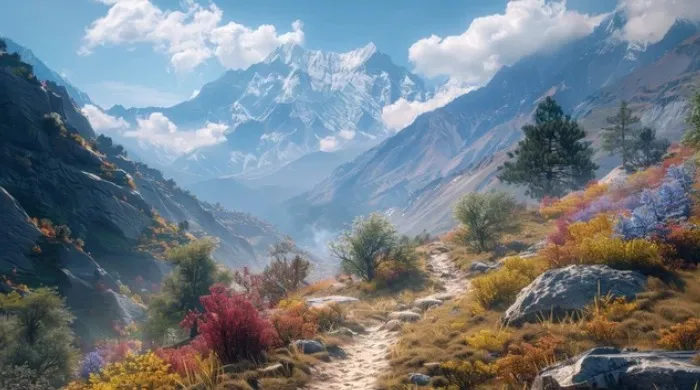
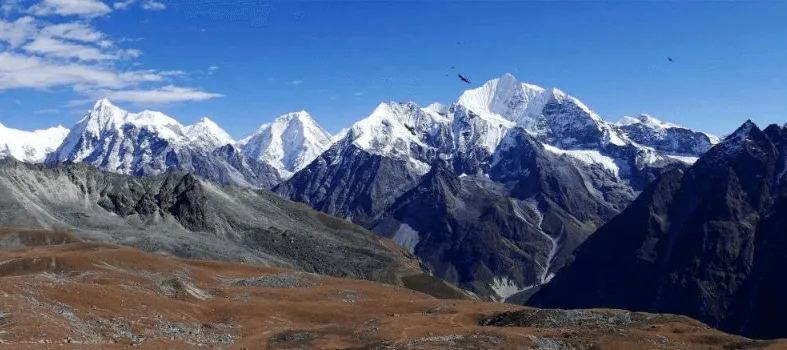
Trekking through Langtang Valley in April offers a captivating experience amidst Nepal's Himalayan beauty. April marks the onset of spring, bringing warmer temperatures and blooming rhododendrons along the trail. The weather is generally stable, with clear skies and spectacular views of snow-capped peaks, making it an ideal time for outdoor enthusiasts to explore the region.
The Langtang Valley trek typically begins from Syabrubesi, passing through lush forests, quaint villages like Lama Hotel and Langtang Village, and eventually reaching Kyanjin Gompa at an altitude of 3,870 meters. This journey allows trekkers to immerse themselves in the local Tamang culture, visit ancient monasteries, and witness traditional Himalayan lifestyle up close.
Short Langtang Valley Trek, we bring to you a once-in-a-lifetime opportunity to see the Himalayas up close. Embark on a short, 7-day trek to Langtang and immerse yourself in the breathtaking beauty of...
One of the highlights of the trek is ascending Tserko Ri, a vantage point offering panoramic vistas of the Langtang Himalayan range, including Langtang Lirung (7,227 meters) and other towering peaks. The trekking route is well-established, providing a moderate challenge suitable for trekkers with varying levels of experience.
Accommodation along the route ranges from cozy teahouses to basic lodges, offering comfortable beds and meals that cater to trekkers' dietary needs. The availability of amenities like hot showers and hearty meals ensures a pleasant and rejuvenating experience after a day's trek.
Overall, trekking in Langtang Valley in April promises a memorable adventure amidst breathtaking landscapes, cultural richness, and the tranquility of the Himalayas, making it a perfect choice for those seeking both natural beauty and cultural immersion.
The 7 Days Langtang Valley Trek is a popular and rewarding trekking route in Nepal. Located in the Langtang region, this trek offers stunning views of snow-capped peaks, beautiful landscapes, and a ch...
Why Choose April for Langtang Valley Trek?
April is an optimal time for trekking in Langtang Valley due to its favorable weather and natural beauty. As spring unfolds, the valley bursts into color with blooming rhododendrons and other wildflowers, creating a picturesque backdrop for trekkers. The weather is generally mild and stable, with daytime temperatures ranging from comfortable to warm, making it ideal for long hikes. The skies are usually clear, offering stunning views of the snow-capped Himalayan peaks and enhancing the overall trekking experience. Moreover, April sees fewer trekkers compared to peak seasons like autumn, allowing for a more peaceful and immersive journey through the tranquil Himalayan landscapes.
Weather and Climate in Langtang Valley in April
In April, Langtang Valley experiences mild and pleasant weather conditions. Daytime temperatures in lower altitudes range from 15 to 20°C (59 to 68°F), while temperatures in higher altitudes can vary widely, from 5 to 15°C (41 to 59°F). Nights are cooler, especially at higher elevations, requiring warmer layers of clothing. The weather is generally dry with minimal rainfall, ensuring clear skies and excellent visibility for mountain views. It's advisable to pack layers of clothing to adjust to temperature changes throughout the day and to be prepared for occasional rain showers.
Essential Gear and Packing List for April Trek
When preparing for the Langtang Valley trek in April, packing essential gear ensures comfort and safety throughout the journey. Essential items include:
- Clothing: Moisture-wicking base layers, insulated mid-layers, waterproof and windproof outer layers, hiking pants, thermal underwear, warm hat, gloves, and socks.
- Footwear: Sturdy hiking boots with good ankle support and waterproofing.
- Gear: Backpack, sleeping bag suitable for low temperatures, trekking poles, headlamp or flashlight, sunglasses, sunscreen, lip balm with SPF, and a personal first aid kit.
- Personal Items: Water bottles or hydration system, toiletries, quick-drying towel, and snacks.
Langtang National Park is a land of unspoiled beauty, becoming Nepal’s first Himalayan national park in 1976. It is also home to the Tibetan Buddhist Tamang people and is a stone’s throw from Kat...
Detailed Itinerary for Langtang Valley Trek in April
A typical itinerary for the Langtang Valley trek in April spans around 7 to 10 days, starting from Syabrubesi and passing through villages like Lama Hotel, Langtang Village, and up to Kyanjin Gompa. Highlights include acclimatization days, side trips to viewpoints like Tserko Ri, and cultural experiences with local Tamang communities.
Day 1 : Drive to Syabru (1400m ) Duration: 6-7 hours.
Day 2 : Trek to Lama Hotel (2,470m) Duration: 5-6 hours.
Day 3 : Trek to Langtang Village (3,500m) Duration: 5-6 hours.
Day 4 : Trek to Kyanjin Gompa (3,800m) Duration: 4-5 hours.
Day 5 : Rest day at Kyanjin Gompa Hike to kyanjin Ri (4,773m) Duration: 3-4 hours.
Day 6 : Trek back to Lama Hotel (2,470m) Duration: 5-6 hours.
Day 7 : Trek to Syabru Besi (1,470m) Duration: 5-6 hours.
Day 8 : Drive back to Kathmandu (1,350m) Duration: 6-7 hours.
Accommodation Options Along the Langtang Trek Route
Accommodation along the Langtang trek route in April primarily consists of teahouses and lodges offering basic but comfortable amenities. Rooms typically include a bed with blankets, and meals are served in communal dining areas. Teahouses are well-equipped to cater to trekkers' needs, providing hot showers and hearty meals that include Nepali dal bhat (rice and lentils), soups, and tea. Booking accommodation through trekking agencies ensures availability and a smoother trekking experience.
Cultural Highlights and Local Experiences
The Langtang Valley trek offers rich cultural experiences as it passes through traditional Tamang villages and Buddhist monasteries. Trekkers have the opportunity to interact with friendly locals, learn about their unique customs, and witness daily life in the Himalayan region. Cultural highlights include visiting ancient monasteries like Kyanjin Gompa, participating in local festivals if timing aligns, and enjoying authentic Tamang hospitality in teahouses along the route. These encounters provide a deeper understanding of the region's heritage and add a memorable dimension to the trekking experience.
Helambu Trek is a popular and scenic trekking route located in the Langtang region of Nepal. This trek offers a unique cultural experience, breathtaking mountain views, and a chance to explore the bea...
Safety Tips and Altitude Considerations
Safety is paramount when trekking in Langtang Valley, especially regarding altitude-related concerns. It's essential to acclimatize properly by taking rest days and staying hydrated throughout the trek. Trekkers should monitor their physical condition, watch for symptoms of altitude sickness, and descend if symptoms worsen. Weather conditions can change rapidly in the Himalayas, so carrying adequate clothing layers, rain gear, and a first aid kit is crucial. Hiring a qualified guide ensures navigation safety, local insights, and assistance in emergencies.
Wildlife and Natural Features Along the Trek
The Langtang Valley trek is renowned for its diverse wildlife and natural beauty. Trekkers may encounter Himalayan fauna such as red pandas, langur monkeys, and various bird species amidst the lush forests and alpine meadows. The trail offers panoramic views of snow-capped peaks, serene glacial lakes, and cascading waterfalls, providing ample opportunities for photography and nature appreciation. Conservation efforts protect the region's biodiversity, making it a haven for nature enthusiasts.
Alternative Routes and Side Trips from Langtang Valley
Beyond the main trekking route, Langtang Valley offers alternative routes and side trips for adventurous trekkers. Popular options include extending the trek to Langshisa Kharka for a closer view of the Langtang Lirung glacier, or trekking to Ganja La Pass for a challenging high-altitude adventure. Side trips to hidden valleys, such as Helambu or Gosaikunda Lake, offer cultural immersion and breathtaking landscapes. These routes provide trekkers with diverse experiences and opportunities to explore lesser-known regions of the Langtang Himalayas.
The Gosainkunda Lake (4380m) Trek takes you to into the Langtang region and alpine regions that will leave you lost for words as you immerse yourself in this pristine countryside, which happens to be...
Permits and Regulations for Langtang Valley Trek
To trek in Langtang Valley, you must obtain necessary permits from the Nepal Tourism Board and the Langtang National Park office in Kathmandu or locally in Dhunche. Permits vary in cost depending on the duration of your trek and nationality. Carry identification, trekking permits, and necessary documentation at all times during the trek. Respect local regulations and environmental guidelines to minimize your impact on the fragile ecosystem. Trekking with a licensed guide ensures compliance with regulations and enhances safety and cultural understanding.
Physical Preparation and Fitness for April Trek
Physical preparation is essential for enjoying the Langtang Valley trek in April. Focus on cardiovascular exercises such as hiking, running, or cycling to build stamina and endurance. Incorporate strength training to strengthen leg muscles, essential for navigating varied terrain. Begin training several weeks before your trek to acclimatize to physical exertion at higher altitudes. Consider altitude training if possible to simulate conditions experienced during the trek. Assess your fitness level realistically and consult with a healthcare professional if you have any concerns. A well-prepared body enhances enjoyment and reduces the risk of injury during your Langtang Valley adventure in April.
Water Sources and Hydration Tips
During the Langtang Valley trek, accessing safe drinking water is crucial for maintaining health and stamina. While many teahouses provide boiled or purified water for trekkers, it's advisable to carry your own water purification method, such as water purification tablets or a personal filter. Avoid drinking untreated water from streams or rivers to prevent waterborne illnesses. Hydration is key, especially at higher altitudes where dehydration can exacerbate altitude sickness. Drink plenty of fluids throughout the day, even if you don't feel thirsty, and monitor urine color to ensure adequate hydration. Staying hydrated aids in acclimatization and overall trekking performance.
The Langtang Gosainkunda Lake Trek is a popular trekking route in Nepal that combines the stunning beauty of the Langtang Valley with the sacred lakes of Gosainkunda. This trek offers a unique opportu...
Environmental Conservation Efforts in Langtang Region
The Langtang region is committed to environmental conservation to preserve its natural beauty and biodiversity. Efforts include waste management programs, reforestation projects, and promoting sustainable trekking practices among visitors and locals. Teahouses and lodges practice responsible waste disposal and encourage trekkers to minimize single-use plastics. Local communities participate in eco-tourism initiatives, providing cultural experiences that support conservation efforts. Trekkers are encouraged to respect wildlife habitats, minimize their environmental impact, and adhere to designated trails to preserve the fragile ecosystem of Langtang Valley for future generations.
Medical Facilities and Emergency Protocols
Langtang Valley has limited medical facilities, primarily available in villages like Syabrubesi and Kyanjin Gompa. These facilities offer basic healthcare services and first aid treatments for common trekking injuries and illnesses. In emergencies, helicopter evacuation to Kathmandu may be necessary, arranged through trekking agencies or local authorities. Trekkers should carry a comprehensive first aid kit, including medications for altitude sickness, pain relief, and antibiotics for infections. Travel insurance with coverage for high-altitude trekking and medical evacuation is essential. Always notify your guide or teahouse owner immediately in case of medical emergencies to facilitate timely assistance.
Transportation Options to and from Langtang Valley
Accessing Langtang Valley typically involves a scenic bus or jeep ride from Kathmandu to Syabrubesi, the starting point for most treks. The journey takes approximately 7-9 hours, traversing rugged terrain and offering picturesque views of rural Nepal. Private transportation options are available for groups or those seeking a more comfortable ride. During peak trekking seasons like April, it's advisable to book transportation in advance through trekking agencies to ensure availability and avoid delays. Return transportation from Syabrubesi to Kathmandu follows the same route, offering a convenient way to conclude your Langtang Valley trekking adventure.
The Tamang Heritage Trek with Langtang Valley combines two beautiful regions of Nepal, offering a unique cultural and natural experience. This trek takes you through the culturally rich Tamang village...
Impact of Tourism on Langtang Valley Communities
Tourism plays a significant role in the economy of Langtang Valley communities, providing income through teahouses, lodges, and guiding services. However, the influx of visitors can also impact local resources and culture. Sustainable tourism practices, such as supporting local businesses, respecting cultural norms, and minimizing environmental footprint, are crucial. Community-based tourism initiatives empower local residents and preserve traditional lifestyles. Trekkers are encouraged to engage respectfully with locals, learn about their customs, and contribute positively to the community by patronizing locally-owned establishments. Responsible tourism ensures the long-term sustainability and cultural integrity of Langtang Valley communities amidst growing visitor interest.
Langtang Valley Trek is one of the most captivating trekking adventures in Nepal, offering spectacular views of the Langtang mountain range and a deep dive into the rich Tibetan-influenced culture. Th...
Conclusion
Trekking through Langtang Valley is a rewarding adventure, combining breathtaking scenery, cultural immersion, and diverse wildlife experiences. The trek offers comfortable accommodation in teahouses, enriching cultural interactions with local communities, and essential safety tips for altitude adjustment. Natural wonders like glaciers, lakes, and forests adorn the trekking route, while alternative routes and side trips offer additional exploration opportunities. Langtang Valley stands as a testament to Nepal's natural beauty and cultural heritage, making it an unforgettable destination for trekkers seeking an authentic Himalayan experience.
Langtang Region Trekking Packages
Langtang Valley Trek
Langtang Tamang Heritage Trek
langtang Gosainkunda lake Trek
8 Days langtang Valley Trek
7 Days langtang Valley Trek