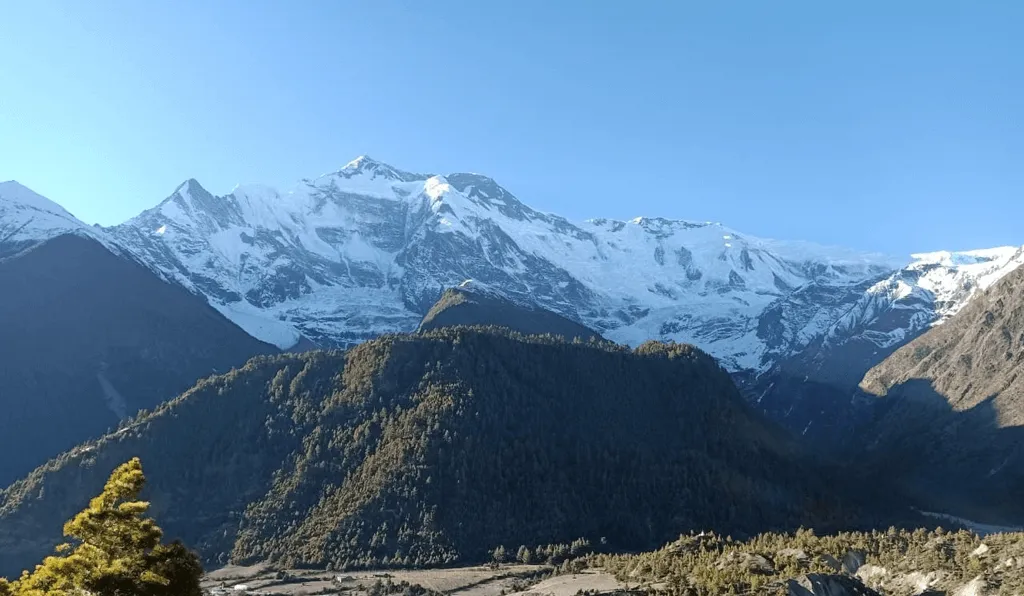
Choosing the Best Time for Annapurna Circuit Trek
Discover the ideal season for your Annapurna Circuit trek, from the vibrant colors of autumn to the serene beauty of winter. Each season offers its unique charm and challenges, enhancing your Himalayan adventure in Nepal.
Embarking on the legendary Annapurna Circuit trek promises a journey of a lifetime, surrounded by the awe-inspiring landscapes and majestic peaks of the Himalayas. However, selecting the best time to undertake this trek can significantly elevate your experience, making the journey smoother and more enjoyable.
In this guide, we'll explore the distinct characteristics of each season along the Annapurna Circuit and help you determine the most suitable time for your trek based on your preferences and needs.
This is an ideal trek for those who want to avoid the crowds and love nature. This is a great trek in the Annapurna Conservation Area that takes you to the highest pass and the deepest valley in the w...
Seasonal Overview of the Annapurna Circuit
Nepal’s distinctive seasonal cycle is influenced by its unique geographical formation. The country’s months are divided into four primary seasons: Spring (March to May), Monsoon (June to August), Autumn (September to November), and Winter (December to February).
Each season transforms the Annapurna Circuit into a unique adventure, presenting its own set of rewards and challenges. Although the trek is accessible throughout the year, some seasons are particularly advantageous, while others may present more difficulties.
Here’s a detailed look at what each season offers on the Annapurna Circuit, helping you choose the best time for your dream trek.
Trekking the Annapurna Circuit in Spring (March to May)
Spring, from March to May, is one of the most coveted times to trek the Annapurna Circuit. This season, often referred to as the pre-monsoon period, is celebrated for its ideal trekking conditions and stunning natural beauty.
A Symphony of Colors
Spring transforms the Annapurna region into a vibrant tapestry of colors. The lush valleys and hillsides are blanketed with a riot of blooming rhododendrons in shades of pink, red, and white, complemented by a variety of wildflowers that carpet the landscape. This spectacle makes trekking during spring akin to walking through a living painting.
Comfortable Temperatures
During spring, temperatures on the Annapurna Circuit range from 5°C to 20°C (41°F to 68°F), providing a comfortable trekking experience. The snow from winter has largely melted, resulting in mild weather that makes for an enjoyable ascent. The risk of heavy snowfall is minimal, and clear skies typically offer unobstructed views of the majestic Annapurna and Dhaulagiri ranges.
The 15 Days Annapurna Circuit Trek is one of Nepal’s most spectacular trekking experiences, offering adventurers a complete journey through the diverse landscapes of the Annapurna region. This extende...
Wildlife and Festivals
For wildlife enthusiasts, spring is a rewarding time as animals and birds become highly active after the winter. Additionally, local festivals such as Holi and Nepali New Year add cultural richness to your trek. These festivals provide a unique opportunity to experience local traditions and celebrations.
Crowds and Considerations
Spring is also the peak trekking season, attracting trekkers from around the globe. This surge in visitors can lead to crowded trails and accommodations, which might impact the tranquility of your experience. Therefore, it's advisable to prepare for the increased number of trekkers and book your accommodations in advance.
Practical Tips
Even though spring typically offers favorable conditions, it's wise to be prepared for occasional snowfall. Ensure your packing list includes essential gear such as spikes and warm clothing to handle any unexpected weather changes.
In summary, spring on the Annapurna Circuit is ideal for those seeking vibrant natural beauty, moderate temperatures, and cultural experiences, despite the potential for higher crowds.
The Annapurna Circuit Trek is one of the most celebrated long-distance treks in the world, offering an extraordinary journey through Nepal’s most diverse landscapes and cultures. Curated by Sherpa Exp...
Trekking the Annapurna Circuit in Monsoon (June to August)
The monsoon season in Nepal, spanning from June to August, brings both challenges and unique experiences to the Annapurna Circuit. During these months, the region undergoes a dramatic transformation, turning into a lush, verdant paradise, yet the trek is not without its hurdles.
Lush Landscapes and Challenges
Monsoon showers imbue the Annapurna Circuit with vibrant greenery. The landscape becomes an emerald expanse with cascading waterfalls and rapidly flowing rivers such as the Marshyangdi and Kali Gandaki. The rain also enhances the region’s biodiversity, making it an ideal time for nature enthusiasts to witness rich flora and vibrant vegetation.
However, trekking during monsoon presents several challenges. The trails become slippery and treacherous due to continuous rainfall, increasing the risk of slips and falls. The trail conditions are further complicated by leeches, which are prevalent during this season. Adequate preparation is crucial—ensure you have reliable hiking boots and gaiters to protect against leeches and wet conditions.
Weather and Visibility
Visibility can be significantly reduced during monsoon, with fog and rain obscuring the stunning Himalayan views. Temperatures range from around –3°C (27°F) at higher altitudes to a milder 25°C (77°F) at lower elevations. While temperatures are generally moderate, the persistent rain can make trekking less comfortable.
The risk of landslides is another factor to consider. Heavy rainfall can lead to trail blockages, but the Annapurna Circuit offers alternative routes and dirt roads that can help bypass some of these issues. Despite these risks, experienced trekkers might still find the monsoon season appealing due to the solitude it offers.
The 14 Days Annapurna Circuit Trek is one of Nepal’s most iconic trekking routes, renowned for its breathtaking Himalayan panoramas, diverse landscapes, and rich cultural experiences. This extended tr...
Solitude and Serenity
One of the major advantages of trekking the Annapurna Circuit during the monsoon is the lack of crowds. With fewer trekkers on the trail, you can enjoy a more solitary and intimate trekking experience. The serenity of the remote trails can be a significant draw for those seeking a quieter adventure.
Preparation and Planning
If you choose to trek during the monsoon, thorough preparation is essential. Research weather patterns and prepare a detailed packing list that includes waterproof gear such as rain jackets, waterproof pants, and bags. Be prepared for variable conditions and ensure you have contingency plans in case of trail disruptions.
In summary, while the monsoon season on the Annapurna Circuit comes with challenges like slippery trails and reduced visibility, it also offers a unique and solitary trekking experience. For those well-prepared and experienced, it can be a rewarding time to explore the lush, rain-kissed beauty of the region.
Annapurna Circuit Trek in Autumn (September to November)
The autumn months of September to November herald a peak trekking season in Nepal, and the Annapurna Circuit is no exception. Autumn is celebrated for its comfortable trekking conditions and vibrant cultural atmosphere, making it one of the most sought-after times to experience this iconic trek.
Ideal Weather and Conditions
During autumn, the Annapurna Circuit enjoys perfect trekking weather. Temperatures typically range from 4°C (39°F) to 20°C (68°F) during the day, offering a crisp, invigorating climate. However, temperatures can drop to around –5°C (23°F) at higher altitudes, particularly at night, so it’s important to pack accordingly.
The season is marked by clear skies and fresh, untainted air. The monsoon rains have subsided, leaving behind a haze-free environment that provides stunning, unobstructed views of the Himalayan peaks. While some snowfall may occur towards the end of the season, precipitation is generally minimal, ensuring excellent visibility and pleasant trekking conditions.
The Annapurna Circuit Trek is one of the most celebrated long-distance treks in the world, offering an extraordinary journey through Nepal’s most diverse landscapes and cultures. Curated by Sherpa Exp...
Cultural Richness
Autumn is not only known for its exceptional weather but also for its cultural vibrancy. This is the time when major Nepali festivals, such as Dashain and Tihar, are celebrated. Trekkers have the unique opportunity to immerse themselves in local traditions, witness colorful festivities, and experience the rich cultural tapestry of the region.
Trekking Experience and Crowds
The Annapurna Circuit attracts a significant number of trekkers during autumn, similar to spring. While this means the trails are lively and social, it also means increased competition for accommodation and services. To ensure a smooth trek, it’s advisable to make advance reservations for lodging, guides, and porters.
Highlights and Preparations
The breathtaking vistas of the Annapurna and Dhaulagiri ranges, combined with the crisp, clear air and vibrant fall colors, make autumn an unparalleled season for trekking. The comfortable temperatures and low likelihood of severe weather contribute to an optimal trekking experience.
To make the most of your autumn trek, plan ahead to secure accommodations and necessary services. Pack layers to accommodate the varying temperatures and be prepared for the occasional drop in nighttime temperatures. Enjoy the cultural festivities and the vibrant scenery, and you’ll find autumn to be an exceptional time for the Annapurna Circuit trek.
Circumnavigate the Annapurnas where there is one peak at 8091 meters and 28 others that are over 6000 meters. You will be surrounded by the Kali Gandaki Gorge, the Marsyangdi River and Pokhara in the...
Annapurna Circuit Trek in Winter (December to February)
The winter months of December to February bring a striking transformation to the Annapurna Circuit, turning it into a pristine winter wonderland. While trekking during this season poses unique challenges, it also offers an unparalleled adventure.
Winter Wonderland
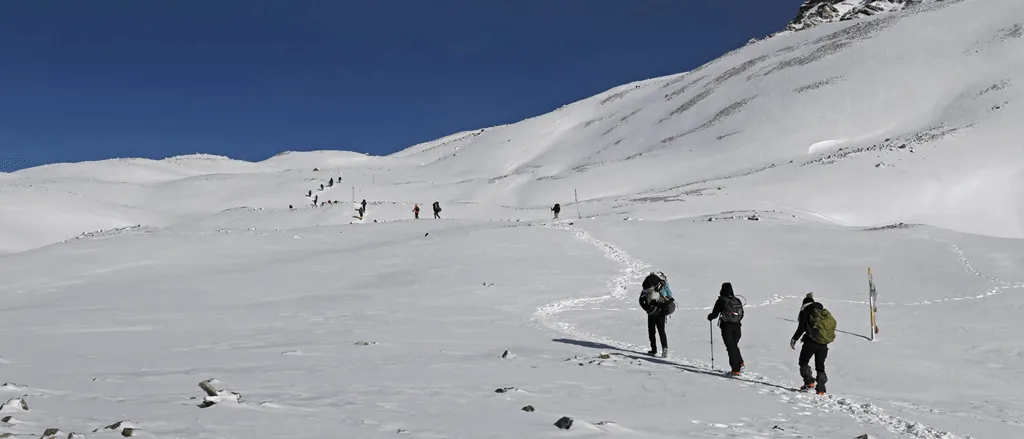
Winter covers the Annapurna Circuit in a blanket of snow, creating an idyllic, serene landscape. The snow-capped peaks and tranquil surroundings offer a breathtaking contrast to the usual trekking experience. With fewer trekkers on the trail, you’ll often have the mountain vistas and teahouses to yourself, enhancing the sense of solitude and connection with nature.
Challenges and Conditions
Winter trekking on the Annapurna Circuit is not for the faint-hearted. Temperatures during the day range from –5°C to 10°C (23°F to 50°F), while nighttime temperatures can plummet to –10°C to –15°C (14°F to 5°F). The cold can be extreme, leading to potential frostbite and other cold-related ailments, so proper gear is crucial.
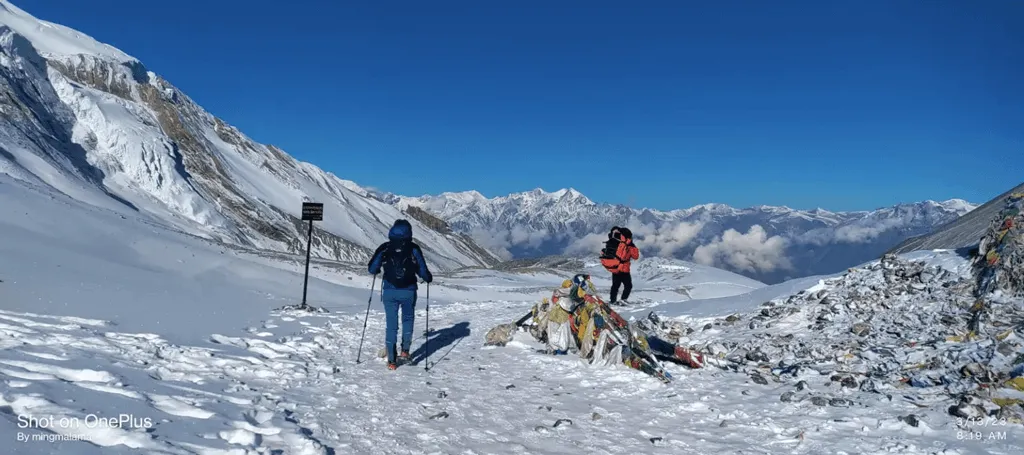
Snowfall is frequent, adding a layer of beauty but also a layer of difficulty. Snow can make trails slippery and treacherous, increasing the risk of accidents. Moreover, heavy snowfall may block major passes like Thorong La, potentially hindering your trek and access to some destinations.
Equipment and Preparation
For those determined to embark on the Annapurna Circuit during winter, meticulous preparation is essential. Essential gear includes:
- Crampons and Ice Axes: To navigate snowy and icy trails safely.
- Spikes and Ice Blades: For added traction on slippery surfaces.
- Insulated Clothing: Including fleece jackets, thermal layers, and a zero-degree sleeping bag.
- Waterproof and Windproof Outerwear: To protect against snow and wind.
Solitude and Scenery
Winter provides an opportunity to experience the Annapurna Circuit with a rare sense of solitude. The trails are less crowded, and the stillness of the snow-covered landscape offers a unique, almost otherworldly trekking experience. The clear skies and unobstructed views of the Himalayan peaks are spectacular, making every challenge worthwhile.
The Annapurna Circuit with Tilicho Lake Trek 15 Days is a spectacular trekking adventure that combines the classic Annapurna Circuit Trek with a rewarding detour to the stunning Tilicho Lake, one of t...
Final Thoughts
Trekking the Annapurna Circuit in winter requires a combination of preparation, experience, and resilience. The extreme conditions and potential obstacles demand a high level of readiness, but the rewards of an untouched winter landscape and peaceful solitude make it an unforgettable adventure for those who are up to the challenge.
Choosing the Best Season for the Annapurna Circuit Trek
Selecting the ideal time for the Annapurna Circuit Trek depends on various factors, including personal preferences and physical readiness. While there's no definitive "best" season, understanding what each season offers can help you make an informed choice that aligns with your goals and comfort levels.
Personal Preferences
- Spring (March to May): If you're keen on witnessing vibrant landscapes and wildlife, spring is your season. The trails are adorned with blooming rhododendrons and wildflowers, and the weather is generally pleasant, making it the peak trekking season. This time also offers clear views of the Himalayas and moderate temperatures, creating an ideal setting for trekking.
- Autumn (September to November): For those interested in cultural experiences, autumn is a prime choice. The season coincides with major Nepali festivals like Dashain and Tihar, providing a chance to immerse yourself in local traditions. The crisp air and clear skies offer excellent visibility of the mountain ranges, making it another peak trekking season.
- Winter (December to February): If solitude and pristine snow-covered landscapes are what you seek, winter offers a unique trekking experience. You'll have the trails to yourself, with breathtaking snowy vistas and a serene atmosphere. However, be prepared for extreme cold and potential trail challenges due to snow and ice.
- Monsoon (June to August): While generally considered the least favorable time due to heavy rainfall and slippery trails, monsoon trekking can appeal to those seeking solitude and a lush, green landscape. This season demands advanced preparation and experience, but it provides a chance to experience the Annapurna Circuit in its raw, natural form.
Physical Preparation and Prior Experience
- Winter Trekking: Requires high physical fitness and mountaineering skills to handle snow-covered trails and freezing temperatures. Proper gear, including crampons and insulated clothing, is essential.
- Monsoon Trekking: Involves navigating slippery trails and low visibility. Adequate rain gear and experience in challenging conditions are necessary for a safe trek.
- Spring and Autumn Trekking: These seasons are generally more accessible for beginners and those with average physical fitness. The conditions are favorable, and the trails are well-maintained, making it easier to enjoy the trek without extreme weather challenges.
Choosing the best time for your Annapurna Circuit Trek is a personal decision that should align with your trekking goals and physical readiness. Whether you prefer vibrant landscapes, cultural immersion, solitude, or a challenging adventure, each season offers a distinct experience.
Short 9 Days Annapurna Circuit Trek with Tilicho Lake is one of the most impressive and challenging hikes in Nepal. It’s an incredibly popular trekking destination in Nepal and around the world g...
Things to Know Before Planning Your Annapurna Circuit Trek
Before setting off on your Annapurna Circuit adventure, it’s essential to ensure you’re thoroughly prepared for a safe and enjoyable trek. Here are some key considerations to keep in mind:
1. Permits and Documentation
- TIMS Card: The Trekkers Information Management System (TIMS) card is required for all trekkers in Nepal to track and ensure their safety.
- ACAP Permit: The Annapurna Conservation Area Permit (ACAP) is mandatory as the trek passes through the Annapurna Conservation Area. Ensure these permits are obtained well in advance.
2. Packing List
- Season-Appropriate Clothing: Depending on the season, pack accordingly. Include lightweight clothing for warmer months or heavy insulation for colder conditions.
- First Aid Kit: Carry a basic first aid kit including items like bandages, antiseptic, altitude sickness tablets, and any personal medications.
- Sleeping Gear: Consider a sleeping bag appropriate for the expected temperatures. In winter, a four-season sleeping bag might be necessary.
3. Luggage and Weight Limits
- Porter Weight Limits: Adhere to ethical practices by limiting the weight of your luggage, as porters typically carry a maximum of 15-20 kg. This ensures fair treatment and prevents overburdening them.
4. Local Customs and Traditions
- Cultural Respect: Familiarize yourself with local customs and traditions. Learning simple phrases like "Namaste" can enhance your interactions with locals and show respect for their culture.
5. Guides and Safety
- Hire a Guide: Solo trekking is prohibited in Nepal. A local guide not only ensures compliance with regulations but also provides valuable insights and enhances your safety. They know the terrain, weather conditions, and can assist with any emergencies.
6. Local Trekking Agencies
- Partner with a Local Agency: Collaborate with a reputable trekking agency, such as Ace the Himalaya, to streamline your planning. They handle permits, accommodation, guides, and porters, making the entire process more convenient.
7. Physical Preparation
- Fitness Training: Start preparing well in advance to build the physical fitness needed for the trek. Regular cardiovascular and strength training will help you handle the challenges of the Annapurna Circuit with greater ease.
By keeping these considerations in mind, you can ensure a well-organized and enjoyable trekking experience on the Annapurna Circuit. Proper preparation not only enhances your adventure but also contributes to a safer and more rewarding journey.
Best Season to Avoid Crowds on the Annapurna Circuit
If you’re looking to avoid crowds while trekking the Annapurna Circuit, the winter season (December to February) is your best bet.
Winter Season (December to February)
- Fewer Trekkers: The cold temperatures and heavy snowfall deter many trekkers, resulting in a much quieter trail.
- Snow-Covered Trails: Experience the Annapurna Circuit in a serene, snow-blanketed landscape with clear, crisp skies and unobstructed mountain views.
- Preparation Required: Be prepared for freezing temperatures, shorter daylight hours, and potentially challenging conditions on snow-covered trails. Proper gear and careful planning are essential.
The Annapurna Circuit Trek 7 Days is a shorter yet rewarding adventure through Nepal’s spectacular Annapurna region. Designed for trekkers who have limited time but still want to experience the magic...
Trekking During Monsoon Season (June to August)
- Feasible but Challenging: The Annapurna Circuit is open year-round, including during the monsoon season. However, trekking during these months presents significant challenges.
- Heavy Rainfall: Expect heavy rains leading to slippery trails, risk of landslides, and increased discomfort.
- Leeches and Visibility Issues: Trails are often infested with leeches, and visibility can be poor due to the constant rain and fog.
- Alternative Routes: For those still interested in trekking during the monsoon, consider exploring northern sections like Mustang, which are in the rain shadow and experience less rainfall.
Summary
- Best for Solitude: Winter provides a peaceful, solitary trekking experience with stunning snowy landscapes but requires careful preparation for cold conditions.
- Monsoon Consideration: While it offers solitude, the monsoon season brings significant challenges and is less ideal for most trekkers.
Choose your season based on your comfort with weather conditions and desire for solitude or adventure.
The Short 8 Annapurna Circuit Trek, One of the best and popular treks in Nepal trekking around the Annapurna. Picturesque villages, turbulent river gorges, desolate high Himalayas passes, relaxing hot...