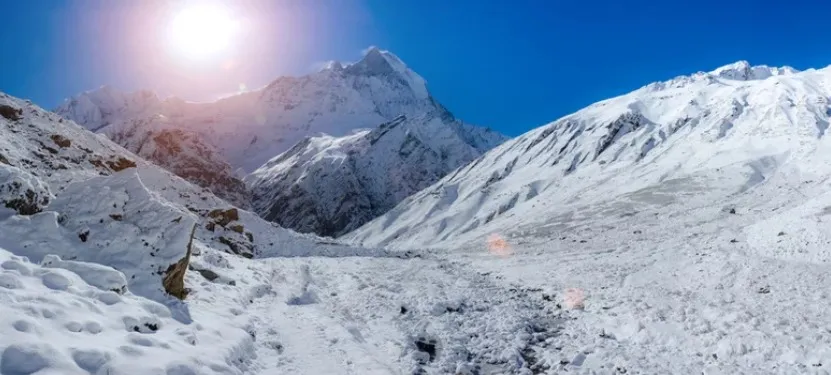
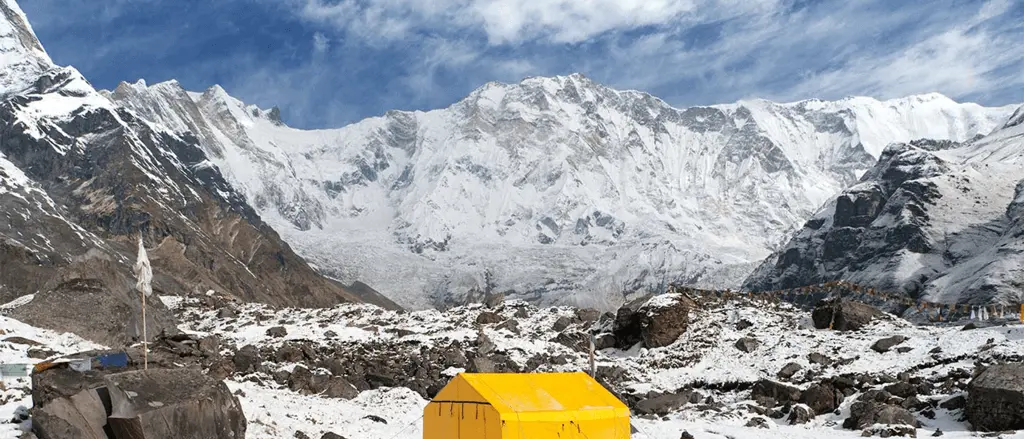
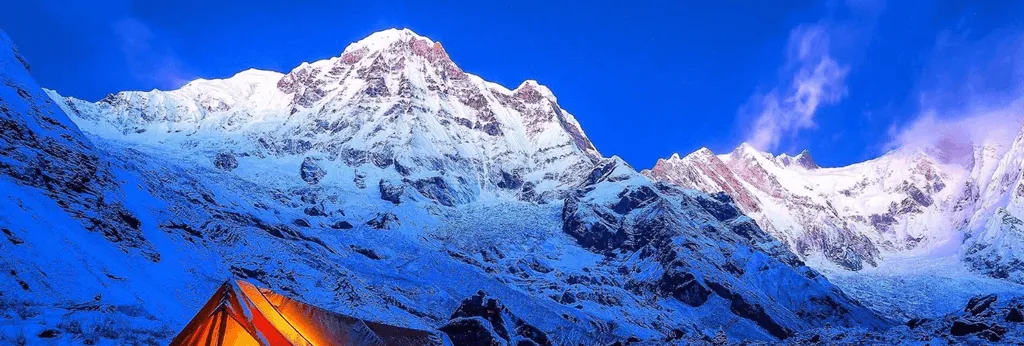
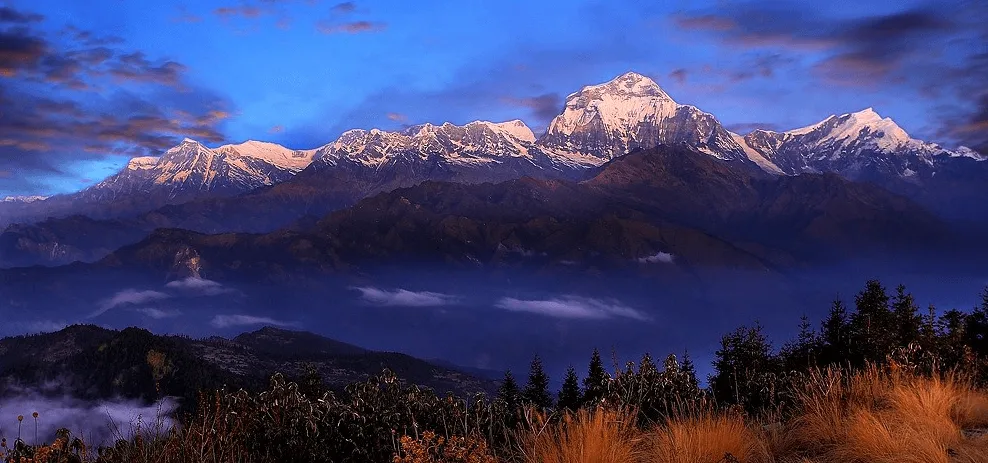
In October, the Annapurna Base Camp trek offers a breathtaking adventure through Nepal's majestic Himalayan landscapes. Nestled at an altitude of 4,130 meters (13,550 feet), Annapurna Base Camp is surrounded by towering peaks, including the iconic Machapuchare and Annapurna South.
The journey begins in Pokhara, a serene lakeside city, where trekkers prepare amidst views of the Annapurna range. The trail winds through diverse terrain, from lush subtropical forests to alpine meadows adorned with rhododendrons. October paints the landscape with vibrant colors, as the autumn season brings clear skies and moderate temperatures, ideal for trekking.
Ghorepani Poon Hill ABC Trek is loaded with features that include a trek to Ghorepani (2874m), Poon Hill (3210m) & Annapurna Base Camp (ABC 4130m) - all situated within the Annapurna Conserv...
Each day brings new panoramas: cascading waterfalls, traditional Gurung villages, and terraced fields carved into the mountainside. Trekkers immerse themselves in the local culture, encountering warm hospitality at tea houses along the route. Evenings are spent under starlit skies, sharing stories with fellow adventurers and savoring hearty Nepali meals.
As the trail ascends towards Annapurna Base Camp, anticipation builds. The final stretch reveals a natural amphitheater of snow-capped peaks, an awe-inspiring reward for the trek's challenges. Here, trekkers can explore the base camp, surrounded by the towering giants of the Himalayas.
October is an optimal time for this trek, offering stable weather conditions and the chance to witness the surrounding peaks dusted with snow from the recent monsoon season. The journey culminates with a sense of accomplishment and a deep appreciation for the natural beauty and cultural richness of the Himalayas.
Whether you're a seasoned trekker or embarking on your first Himalayan adventure, October at Annapurna Base Camp promises an unforgettable experience—an expedition into the heart of Nepal's mountainous wonderland.
The Annapurna Base Camp (ABC) Trek is one of Nepal’s most iconic and rewarding trekking experiences, combining rich culture, breathtaking mountain views, and diverse landscapes. Perfect for both seaso...
Benefits of Trekking in October
October is a highly favored month for trekking in various regions around the world, especially in the Himalayas and particularly in Nepal's Annapurna region. Here are several reasons why October stands out as an ideal month for trekking:
1. Perfect Weather Conditions: October in Nepal brings stable weather conditions after the monsoon season. The skies are generally clear, offering stunning views of the Himalayan peaks without the obstruction of clouds. The temperatures are moderate during the day, making trekking comfortable, and the nights are cool but not excessively cold.
2. Spectacular Scenery: During October, the landscapes along trekking routes are adorned with vibrant colors. The valleys and hillsides are lush and green from the monsoon rains, and the rhododendron forests are in bloom, adding splashes of red, pink, and white to the surroundings. This makes for picturesque scenery and excellent photo opportunities throughout the trek.
3. Fewer Crowds: Compared to the peak season of September, October sees slightly fewer trekkers on the trails. This means you can enjoy a more peaceful trekking experience while still encountering fellow adventurers along the way. Tea houses and accommodations are also less crowded, allowing for more personalized service and comfortable stays.
4. Cultural Experience: October coincides with several cultural festivals in Nepal, such as Dashain and Tihar (Diwali). This provides trekkers with the opportunity to witness and participate in local celebrations, adding a cultural dimension to their trekking adventure.
5. Accessibility: The trails and lodges are fully operational in October after the monsoon season, ensuring that trekkers have access to all facilities along the route. This includes tea houses for accommodation, restaurants serving hot meals, and shops offering trekking gear and supplies.
Overall, October offers the perfect blend of favorable weather, stunning scenery, cultural richness, and accessibility, making it an ideal month for trekking in the Annapurna region of Nepal.
The Annapurna Base Camp (ABC) trek takes you to a region in the mountains where the air is crisp and fresh and an area that has a multitude of natural beauty. This is justifiably one of the most popul...
Overview of Annapurna Sanctuary and Base Camp
The Annapurna Sanctuary, also known as the Annapurna Base Camp (ABC), is a natural amphitheater surrounded by towering Himalayan peaks in Nepal. Situated at an altitude of 4,130 meters (13,550 feet), ABC is a popular trekking destination that offers breathtaking views and a sense of tranquility amidst the grandeur of the mountains.
Location and Access: The sanctuary lies in the heart of the Annapurna Conservation Area, north of Pokhara. Trekkers typically begin their journey from Nayapul or Phedi, passing through picturesque villages, terraced fields, and dense forests before reaching the sanctuary.
Scenic Highlights: The trek to Annapurna Base Camp is renowned for its diverse landscapes. Trekkers traverse through subtropical forests rich with wildlife, including colorful birds and rare species like the red panda. As they ascend, the vegetation changes to alpine meadows dotted with blooming rhododendrons and juniper trees.
Cultural Encounters: Throughout the trek, trekkers encounter traditional Gurung and Magar villages, where they can experience warm hospitality, local cuisine, and learn about the unique customs and lifestyle of the mountain communities.
Annapurna Base Camp: The final stretch of the trek leads to Annapurna Base Camp itself, a natural sanctuary surrounded by towering peaks such as Annapurna I, Machapuchare (Fishtail), and Hiunchuli. Trekkers are rewarded with panoramic views of these majestic mountains, especially at sunrise and sunset when the peaks glow with golden hues.
Duration and Difficulty: The trek to Annapurna Base Camp typically takes around 7 to 12 days, depending on the chosen route and acclimatization needs. It is considered moderate in difficulty, suitable for trekkers with a reasonable level of fitness and trekking experience.
In summary, the Annapurna Sanctuary and Base Camp trek is a mesmerizing journey through diverse landscapes, rich culture, and unparalleled mountain views, making it a must-do adventure for trekking enthusiasts visiting Nepal.
The Annapurna Base Camp (ABC) trek takes you to a region in the mountains where the air is crisp and fresh and an area that has a multitude of natural beauty. This is justifiably one of the most popul...
Route Options and Itinerary Planning
Choosing the right route and planning your itinerary are crucial for a successful trek to Annapurna Base Camp (ABC). Here are some popular route options and tips for itinerary planning:
1. Classic Route via Ghorepani Poon Hill: One of the most popular routes to ABC starts from Nayapul and passes through Ghorepani and Poon Hill. This route offers a diverse experience, combining the cultural immersion in Gurung villages with stunning sunrise views from Poon Hill (3,210 meters). From Ghorepani, trekkers continue through Tadapani, Chhomrong, and finally reach ABC via Bamboo and Deurali.
2. Modi Khola Valley Route: An alternative route follows the Modi Khola Valley, starting from Ghandruk. This route is less crowded and provides a more direct path to ABC through Sinuwa, Bamboo, and Deurali. It offers a quieter trekking experience with opportunities to explore the beautiful Modi Khola gorge.
3. Jhinu Danda Hot Springs Route: For those seeking relaxation, the Jhinu Danda route includes a detour to natural hot springs near the village of Jhinu. Trekkers can soak in the hot springs and rejuvenate before continuing to ABC via Bamboo and Deurali.
4. Mardi Himal Trek Extension: For a longer trek, consider combining the ABC trek with the Mardi Himal trek. This extension adds a few extra days and offers panoramic views of Mardi Himal and Machapuchare from High Camp (3,580 meters).
Itinerary Planning Tips:
- Acclimatization: It's crucial to acclimatize properly to avoid altitude sickness. Plan rest days in places like Ghorepani or Chhomrong to adjust to higher altitudes.
- Permits and Logistics: Obtain necessary permits (ACAP and TIMS card) in Pokhara or Kathmandu before starting your trek. Arrange transportation to Nayapul and back from Pokhara.
- Fitness Level: Consider your fitness level and trekking experience when planning daily distances and elevation gains. Most trekkers complete the ABC trek in 7 to 12 days, depending on the chosen route and acclimatization needs.
Careful route selection and itinerary planning ensure a rewarding and safe trekking experience to Annapurna Base Camp, allowing trekkers to immerse themselves fully in the natural beauty and cultural richness of the region.
The 7 Days Annapurna Base Camp Trek is the perfect adventure for travelers with a limited schedule who still want to immerse themselves in breathtaking Himalayan landscapes and the vibrant Gurung cult...
Weather and Climate Conditions
Understanding the weather and climate conditions is crucial for planning a trek to Annapurna Base Camp in Nepal. Here’s what you need to know about the weather patterns throughout the trekking season:
1. Autumn (October-November): October is considered one of the best months for trekking to ABC due to stable weather conditions. The skies are generally clear with mild temperatures during the day (around 15-20°C at lower altitudes) and cooler nights. This makes trekking comfortable, and the visibility is excellent for mountain views.
2. Spring (March-April): Another popular trekking season, spring brings warmer temperatures and blooming rhododendrons along the trails. The weather is generally stable, although there may be occasional rain showers. March and April offer clear skies and excellent visibility of the mountains.
3. Winter (December-February): Winter months bring cold temperatures, especially at higher altitudes. Daytime temperatures at ABC can range from 5-10°C, dropping below freezing at night. While the skies are generally clear, winter treks require proper cold-weather gear and preparation for potential snowfall.
4. Monsoon (June-September): The monsoon season brings heavy rain and clouds to the region, making trekking challenging and increasing the risk of landslides. Trails can be slippery and muddy, and mountain views are often obscured. It's not recommended to trek to ABC during these months due to safety concerns.
Altitude Considerations: As you ascend to higher altitudes, temperatures decrease and weather conditions can change rapidly. It's essential to pack layers of clothing that can be easily adjusted throughout the day and prepare for potential weather changes.
Planning Tips:
- Check weather forecasts before starting your trek and be prepared for sudden changes.
- Pack waterproof gear and a sturdy rain cover for your backpack.
- Carry sunscreen and sunglasses to protect against strong UV rays at higher altitudes.
By understanding the weather patterns and planning accordingly, you can ensure a safe and enjoyable trekking experience to Annapurna Base Camp, marveling at the stunning mountain scenery along the way.
The Annapurna Base Camp Trek 6 Days is one of the most classic and popular treks in the Annapurna Circuit region of Nepal. This trek offers an incredible combination of breathtaking Himalayan views, r...
Preparation and Packing Guide
Proper preparation and packing are key to a successful trek to Annapurna Base Camp (ABC) in Nepal. Here’s a comprehensive guide to help you pack for your adventure:
1. Clothing:
- Base Layers: Moisture-wicking tops and bottoms for warmth and comfort.
- Insulation: Fleece jackets or down jackets for layering in colder temperatures.
- Outer Layers: Waterproof and windproof jacket and pants.
- Trekking Pants: Lightweight, quick-drying pants (convertible pants are versatile).
- Warm Accessories: Hat, gloves, and scarf or buff for cold mornings and evenings.
2. Footwear:
- Trekking Boots: Sturdy, waterproof boots with ankle support.
- Socks: Moisture-wicking socks (synthetic or wool) to prevent blisters.
3. Gear and Equipment:
- Backpack: Comfortable daypack (30-40 liters) with a rain cover.
- Sleeping Bag: Warm sleeping bag suitable for temperatures at ABC (0°C or lower).
- Trekking Poles: Adjustable poles for stability and to reduce strain on knees.
4. Personal Items:
- Sun Protection: Sunscreen (high SPF), lip balm with SPF, and sunglasses (with UV protection).
- Personal Hygiene: Toiletries, hand sanitizer, and wet wipes.
- Medical Kit: Basic first aid supplies (bandages, pain relievers, altitude sickness medication).
5. Miscellaneous:
- Water Bottle: Insulated water bottle or hydration system (consider iodine tablets or a water filter).
- Headlamp or Flashlight: Essential for navigating in the dark or early mornings.
- Trekking Towel: Quick-drying towel for personal hygiene.
Pre-departure Checklist:
- Permits: Ensure you have the necessary permits (ACAP and TIMS card) obtained in Pokhara or Kathmandu.
- Travel Insurance: Purchase travel insurance that covers trekking activities and medical emergencies at high altitudes.
- Currency: Carry enough Nepali rupees for expenses along the trekking route.
Packing Tips:
- Pack light but ensure you have all essential items for varying weather conditions.
- Use packing cubes or dry bags to organize and protect your gear from moisture.
- Leave unnecessary valuables at home and secure important documents (passport, permits) in a waterproof bag.
By preparing adequately and packing thoughtfully, you can enjoy a safe and comfortable trekking experience to Annapurna Base Camp, focusing on the stunning landscapes and cultural encounters along the way.
Our 8 Days Annapurna Base Camp trek brings you into the heart of the Annapurna Himalayas from the very start of the trek. With so many magnificent high Himalayan peaks on the show, this is no surprise...
Fitness and Training Tips
Preparing physically for the trek to Annapurna Base Camp (ABC) is essential to ensure you enjoy the journey to its fullest. Here are some fitness and training tips to help you get ready:
1. Cardiovascular Endurance: Focus on activities that improve cardiovascular fitness, such as hiking, running, cycling, or swimming. Aim to build stamina for sustained periods of walking uphill.
2. Strength Training: Incorporate strength exercises to build leg muscles and core strength, which are crucial for trekking with a backpack. Include exercises like squats, lunges, calf raises, and planks.
3. Altitude Training: If possible, simulate high-altitude conditions by hiking at higher elevations or using altitude training masks. This helps your body acclimatize better to the thin air at higher altitudes.
4. Flexibility and Balance: Yoga or stretching routines can improve flexibility and balance, reducing the risk of muscle strain or injury during the trek.
5. Gradual Progression: Start training well in advance and gradually increase the intensity and duration of your workouts. This allows your body to adapt progressively to the physical demands of trekking.
6. Mental Preparation: Trekking to ABC is not just a physical challenge but also a mental one. Practice mindfulness or meditation to develop mental resilience and focus during long days of trekking.
By focusing on these fitness and training tips, you'll enhance your readiness for the trek to Annapurna Base Camp, ensuring a more enjoyable and rewarding experience amidst the stunning Himalayan landscapes.
This 9 days Annapurna Base Camp (ABC) trek brings you into the heart of Nepal's Himalaya from the very being of the hike. With so many snow-capped peaks on the show, it is no surprise this one-week lo...
Permits and Regulations
To trek to Annapurna Base Camp (ABC), trekkers must obtain the necessary permits and comply with local regulations. Here's what you need to know about permits and regulations:
1. Permits:
- ACAP (Annapurna Conservation Area Permit): Required for all trekkers entering the Annapurna Conservation Area. Obtainable in Kathmandu or Pokhara.
- TIMS Card (Trekkers' Information Management System): Mandatory for all trekkers in Nepal to ensure safety and support. Available in Kathmandu or Pokhara.
2. Regulations:
- Entry Fees: Some parts of the trekking route may have entry fees or conservation fees, especially in certain villages or cultural sites.
- Environmental Guidelines: Respect local customs and environmental guidelines. Carry out all waste, including biodegradable items, and avoid single-use plastics.
3. Trekking Restrictions:
- Solo Trekking: Trekking solo is generally allowed, but it's recommended to trek with a guide for safety and cultural insights.
- Group Size: There may be restrictions on the maximum group size for trekking in certain areas to minimize environmental impact.
4. Conservation Efforts:
- Responsible Tourism: Support local communities by staying in tea houses run by locals and purchasing locally made crafts or goods.
- Leave No Trace: Practice Leave No Trace principles to minimize your impact on the environment and preserve the natural beauty of the region.
By obtaining the required permits and adhering to local regulations, you contribute to the conservation efforts and ensure a safe and responsible trekking experience to Annapurna Base Camp.
During this incredible trekking, you’ll have a great opportunity to see more than 10 peaks above 8000m and more than 15 peaks above 7000m. The spectacular views of Mt. fishtail (6,993m), Hiunchuli (6,...
Accommodation Options Along the Trail
Accommodation along the Annapurna Base Camp trek varies from basic tea houses to more comfortable lodges, offering trekkers a range of choices depending on their preferences and budget. Here’s what you can expect:
1. Tea Houses:
- Basic Facilities: Tea houses provide simple accommodation with twin beds and shared bathrooms (often squat toilets).
- Meals: Meals are typically served in a communal dining area and include Nepali and Western dishes, such as dal bhat (rice and lentils), noodles, and soups.
- Cost: Accommodation costs are lower, but amenities are basic. Rooms may be heated with a stove (extra charge for firewood).
2. Lodges and Guesthouses:
- Comfortable Options: Some villages along the trek route offer lodges with private rooms, attached bathrooms (hot showers may be available for an extra fee), and more amenities.
- Meals: Lodges often have a larger menu selection and may offer more variety in meals compared to tea houses.
- Cost: Accommodation costs more than tea houses but provides greater comfort and privacy.
3. High-Altitude Lodges:
- Limited Facilities: At higher altitudes closer to ABC, accommodation options may be more basic due to the remote location.
- Availability: During peak trekking seasons, it’s advisable to book accommodation in advance, especially in popular villages like Ghorepani and Chhomrong.
4. Camping Options:
- Camping: Trekkers can opt to camp along the route, though this requires carrying camping gear. Permits may be required for camping in certain areas.
Tips for Accommodation:
- Hygiene: Bring your own toiletries and consider carrying a sleeping bag liner for added cleanliness.
- Comfort: Be prepared for basic facilities and occasional power outages or water shortages, especially at higher altitudes.
Whether you choose tea houses, lodges, or camping, accommodation options along the Annapurna Base Camp trek cater to a range of preferences and budgets, ensuring trekkers have a comfortable and memorable experience amidst the Himalayan landscapes.
The Annapurna Base Camp trek is one of the most famous trekking in Nepal. Annapurna Base Camp (ABC) is surrounded by towering mountain peaks including; Annapurna South, Himchuli, Annapurna I, Barashik...
Food and Dining Experiences
Exploring the culinary delights along the Annapurna Base Camp trek adds a flavorful dimension to your adventure. Here’s what you can expect from dining experiences on the trail:
1. Local Cuisine:
- Dal Bhat: A staple Nepali dish consisting of rice, lentil soup (dal), vegetables, and often accompanied by pickles and curries. It’s nutritious and provides essential energy for trekking.
- Momos: Dumplings filled with vegetables or meat, served with a spicy dipping sauce.
- Thukpa: A hearty noodle soup with vegetables or meat, perfect for warming up in colder weather.
- Sherpa Stew: A rich stew with potatoes, meat, and Tibetan spices, popular in higher altitudes.
2. Tea Houses and Lodges:
- Menu Variety: Tea houses and lodges offer a range of dishes, including Western options like pasta and pancakes, alongside local specialties.
- Beverages: Enjoy hot beverages like masala chai, coffee, or traditional Tibetan butter tea (salted butter tea).
3. Dietary Considerations:
- Vegetarian Options: Most tea houses offer vegetarian meals, and dairy products are widely available.
- Allergies and Preferences: Inform tea house owners about any dietary restrictions or preferences (e.g., gluten-free, vegan).
4. Dining Experience:
- Community Atmosphere: Meals are often served in communal dining areas, allowing trekkers to socialize and share stories.
- Warm Hospitality: Experience the hospitality of local hosts who take pride in serving delicious meals amidst the mountainous landscape.
5. Hydration and Snacks:
- Water: Carry a reusable water bottle and refill at tea houses (use water purification tablets or filters).
- Snacks: Pack energy bars, nuts, and dried fruits for quick boosts of energy between meals.
From savoring traditional Nepali meals to enjoying the warmth of local hospitality, dining along the Annapurna Base Camp trek is a delightful part of the cultural experience amidst the Himalayan wilderness.
The Khopra Ridge Khayer Lake trek is one of least explored trekking regions in Nepal. It is located to the south of the Annapurna Ranges and is often compared with the Ghorepani Poon Hill tr...
Cultural Insights and Local Customs
Trekking to Annapurna Base Camp not only offers stunning landscapes but also opportunities to immerse yourself in the rich culture and traditions of the Himalayan region. Here are some cultural insights and local customs to enrich your trekking experience:
1. Ethnic Diversity:
- Gurung and Magar Communities: Encounter these indigenous groups known for their hospitality, traditional attire, and distinct cultural practices.
- Languages: Learn basic greetings in Nepali or Gurung to interact with locals and show respect for their culture.
2. Festivals and Celebrations:
- Dashain and Tihar: If trekking in October, witness or participate in these major Hindu festivals celebrated with rituals, music, and colorful decorations.
- Local Dances: Enjoy cultural performances like Gurung and Magar dances showcasing traditional attire and rhythmic movements.
3. Religious Sites:
- Buddhist Monasteries: Visit monasteries along the trekking route, such as in Tadapani or Chhomrong, and observe Buddhist rituals and prayer flags.
- Hindu Temples: Explore temples in villages like Ghandruk, adorned with intricate wood carvings and offering insights into Hindu beliefs.
4. Etiquette and Respect:
- Clothing: Dress modestly, especially when visiting religious sites or interacting with locals.
- Photography: Always ask for permission before taking photos of people, religious sites, or cultural ceremonies.
5. Cultural Exchange:
- Tea House Conversations: Engage in conversations with locals and fellow trekkers, sharing experiences and learning about different cultures.
- Support Local Economy: Purchase handicrafts or souvenirs made by local artisans to support the community.
By respecting local customs and embracing cultural exchanges, trekkers can forge meaningful connections and gain a deeper appreciation for the cultural tapestry woven into the landscapes of the Annapurna region.
These insights into local customs and cultural practices enrich the trekking experience, offering a deeper understanding of the communities that call the Himalayas their home.
Photography Tips for Capturing the Trek
Trekking to Annapurna Base Camp offers breathtaking vistas that are a photographer’s dream. Here are some photography tips to help you capture the beauty of the trek:
1. Time of Day:
- Golden Hours: Early morning and late afternoon provide soft, warm light ideal for capturing landscapes. Sunrise and sunset at viewpoints like Poon Hill offer stunning colors over the Himalayas.
- Night Photography: Clear skies at higher altitudes make for excellent astrophotography opportunities. Capture the Milky Way against the silhouette of mountain peaks.
2. Composition:
- Foreground Interest: Include elements like prayer flags, trekking poles, or fellow trekkers to add depth and context to your photos.
- Leading Lines: Use trails, streams, or ridge lines to lead the viewer’s eye into the photograph towards the mountains.
3. People and Culture:
- Portraits: Ask for permission before photographing locals to capture their unique attire and facial expressions. Respect cultural norms and avoid intrusive photography.
- Cultural Events: Capture festivals or ceremonies along the trek route, showcasing traditional dances, rituals, and vibrant costumes.
4. Gear and Settings:
- Camera Gear: A DSLR or mirrorless camera with a versatile lens (e.g., wide-angle for landscapes, zoom for details).
- Tripod: Essential for stability during long exposures and low-light conditions.
- Settings: Experiment with aperture priority (for depth of field), shutter priority (for motion), and manual mode to control exposure.
5. Safety and Care:
- Weather Protection: Use a weather-sealed camera or protect your gear from dust and moisture with a camera cover or dry bag.
- Battery Backup: Carry spare batteries and keep them warm in cold temperatures to prolong usage.
- Memory Cards: Bring extra memory cards and backup your photos regularly to avoid data loss.
Capturing the Annapurna Base Camp trek through photography allows you to preserve memories and share the awe-inspiring beauty of the Himalayas with others. Respect local customs and landscapes while capturing your journey responsibly.
Check out why this is the most popular trek in the Annapurna region of Nepal. The Ghorepani Poon Hill Trek is a photographer’s paradise where the views from Poon Hill (3210m) are some of the most stun...
Safety Tips and Considerations
Ensuring safety is paramount when trekking to Annapurna Base Camp (ABC), given the challenges of high altitudes and remote environments. Here are essential safety tips and considerations:
1. Trekking Permits and Registration:
- Obtain necessary permits (ACAP and TIMS card) and register your trekking itinerary with local authorities or trekking agencies for safety monitoring.
2. Physical Preparation:
- Train adequately with cardiovascular exercises and strength training to build stamina and muscle endurance for trekking uphill and carrying a backpack.
3. Altitude Acclimatization:
- Acclimatize gradually by ascending slowly, taking rest days at higher altitudes, and staying hydrated. Watch for symptoms of altitude sickness (AMS).
4. Weather Awareness:
- Check weather forecasts regularly and prepare for changing weather conditions. Carry appropriate clothing layers, rain gear, and sun protection.
5. Hydration and Nutrition:
- Drink plenty of fluids (purified water or boiled water) to stay hydrated. Eat balanced meals rich in carbohydrates, proteins, and fruits to maintain energy levels.
6. Trekking Responsibly:
- Stick to designated trails and avoid shortcuts that may pose risks of landslides or accidents. Respect wildlife and environmental conservation guidelines.
7. Emergency Preparedness:
- Carry a fully stocked first aid kit with medications for common ailments and know basic first aid procedures. Have emergency contacts and communication devices (e.g., satellite phone) in case of emergencies.
8. Travel Insurance:
- Purchase travel insurance that covers trekking activities, including medical evacuation and treatment for altitude-related illnesses.
By prioritizing safety and preparedness, you can enjoy a rewarding trekking experience to Annapurna Base Camp while minimizing risks and ensuring your well-being in the Himalayan wilderness.
The 7 Days Mardi Himal trekking is a route that has not been opened for long, (This is a newly opened trekking route in Annapurna Region) and attracts fewer trekkers than its more established ‘sisters...
Altitude Sickness: Symptoms and Prevention
Altitude sickness, also known as acute mountain sickness (AMS), can affect trekkers ascending to high altitudes, including Annapurna Base Camp. Here’s what you need to know about its symptoms and prevention:
1. Symptoms:
- Mild AMS: Headache, nausea, dizziness, fatigue, loss of appetite.
- Moderate AMS: Severe headache, vomiting, inability to sleep, increased heart rate.
- Severe AMS: Shortness of breath, confusion, inability to walk, coughing up frothy sputum (indicative of high altitude pulmonary edema, HAPE).
2. Risk Factors:
- Rapid ascent without adequate acclimatization.
- Lack of physical fitness or prior altitude experience.
- Individual susceptibility to altitude.
3. Prevention:
- Gradual Acclimatization: Ascend slowly, allowing your body time to adjust to higher altitudes. Follow recommended altitude gain guidelines (300-500 meters per day above 3,000 meters).
- Stay Hydrated: Drink plenty of fluids, avoiding alcohol and caffeinated beverages.
- Medication: Consider medications like acetazolamide (Diamox) to aid acclimatization, under medical supervision.
- Rest and Nutrition: Get adequate sleep and eat light, high-carbohydrate meals that are easy to digest.
- Recognize Symptoms: Monitor your own and your trekking companions’ condition. Descend immediately if symptoms worsen or persist despite rest.
4. Emergency Response:
- If symptoms of severe AMS or HAPE develop, descend to lower altitudes immediately and seek medical assistance.
- Local guides and trekking staff are trained to recognize and manage altitude sickness. Follow their advice and don’t hesitate to communicate any discomfort or symptoms.
By understanding altitude sickness and taking preventive measures, you can enjoy a safe and successful trekking experience to Annapurna Base Camp, appreciating the stunning landscapes without compromising your health.
The 10 Days Khopra Ridge Khayer Lake trek is one of least explored trekking regions in Nepal. It is located to the south of Annapurna Ranges and is often compared with the Ghorepani Poon Hill tre...
Flora and Fauna Along the Trail
Trekking to Annapurna Base Camp offers not only majestic mountain views but also a chance to witness diverse flora and fauna along the trail. Here’s a glimpse into the natural wonders you may encounter:
1. Flora:
- Rhododendrons: Nepal's national flower, rhododendrons bloom in various colors (red, pink, white) during spring, adding vibrant hues to the landscape.
- Juniper and Pine Forests: As you ascend, dense forests of juniper and pine trees provide shelter to a variety of bird species and small mammals.
- Alpine Meadows: Higher up, you'll encounter alpine meadows dotted with wildflowers like primroses and edelweiss, creating a picturesque contrast against the rocky terrain.
2. Fauna:
- Himalayan Tahr: These mountain goats with shaggy coats are often seen grazing on steep slopes.
- Snow Leopard (Rare Sightings): Elusive and rarely spotted, snow leopards inhabit the higher reaches of the Himalayas.
- Himalayan Monal: Known for its iridescent plumage, the Himalayan Monal is a colorful bird commonly spotted in the region.
3. Conservation Efforts:
- The Annapurna Conservation Area Project (ACAP) aims to preserve biodiversity and promote sustainable tourism, ensuring the protection of endangered species and their habitats.
Exploring the flora and fauna along the Annapurna Base Camp trail enriches the trekking experience, offering a deeper connection to the natural beauty and ecological diversity of the Himalayas.
The Khopra Ridge Khayer Lake trek is one of least explored trekking regions in Nepal. It is located to the south of the Annapurna Ranges and is often compared with the Ghorepani Poon Hill tr...
Famous Landmarks and Viewpoints
Trekking to Annapurna Base Camp presents numerous iconic landmarks and breathtaking viewpoints that showcase the grandeur of the Himalayas. Here are some highlights along the trail:
1. Poon Hill (3,210 meters):
- Sunrise Views: Famous for panoramic sunrise views of Annapurna and Dhaulagiri ranges, with Machapuchare (Fishtail) prominently visible.
2. Machapuchare Base Camp (MBC):
- Close-up Views: Provides close-up views of the sacred Machapuchare peak, with its distinctive fishtail shape.
3. Annapurna Base Camp (4,130 meters):
- 360-Degree Panorama: Surrounded by towering peaks like Annapurna I, Annapurna South, Hiunchuli, and Gangapurna, offering a spectacular 360-degree mountain panorama.
- Glacial Views: Overlooks the Annapurna Glacier and provides insights into the geological formation of the Himalayas.
4. Natural Hot Springs (Jhinu Danda):
- Relaxation: Located en route to or from ABC, offering a rejuvenating soak in natural hot springs amidst the mountainous landscape.
5. Ghandruk Village:
- Cultural Insight: Famous for its Gurung community and traditional architecture, providing insights into local culture and lifestyle.
Visiting these landmarks and viewpoints along the Annapurna Base Camp trek offers trekkers unforgettable experiences and perspectives on the natural and cultural heritage of the Himalayas.
The 10 Day Annapurna Circuit Trek is one of the most popular treks in Nepal’s Annapurna Conservation Area with its enormous snow-covered mountains, deep gorges & high altitude passes.This tre...
Community and Village Encounters
Trekking to Annapurna Base Camp is not just about landscapes but also about encountering vibrant communities and villages along the trail. Here’s what you can expect:
1. Gurung and Magar Villages:
- Hospitality: Experience warm hospitality from Gurung and Magar communities known for their rich cultural heritage.
- Traditional Architecture: Explore traditional stone houses with intricately carved windows and doorways in villages like Chhomrong and Ghandruk.
2. Local Cuisine:
- Tea Houses: Stay in tea houses run by locals, where you can enjoy traditional Nepali meals like dal bhat (rice and lentils), momos (dumplings), and thukpa (noodle soup).
3. Cultural Exchanges:
- Festivals: Depending on the trekking season, witness or participate in local festivals such as Dashain and Tihar, celebrated with music, dance, and rituals.
- Handicrafts: Purchase handmade crafts and souvenirs from local artisans, supporting community livelihoods.
4. Lifestyle and Traditions:
- Agricultural Practices: Learn about traditional farming techniques and terraced fields that sustain village livelihoods in the rugged terrain.
- Education and Healthcare: Gain insights into community development initiatives supported by organizations working in the region.
Encountering communities and villages along the Annapurna Base Camp trek offers trekkers a cultural immersion and deeper appreciation for the resilient spirit of Himalayan mountain life.
Equipment and Gear Reviews
Selecting the right equipment and gear is crucial for a comfortable and safe trek to Annapurna Base Camp. Here are reviews and recommendations for essential trekking gear:
1. Footwear:
- Trekking Boots: Choose sturdy, waterproof boots with ankle support for navigating rocky trails and varying terrain.
- Socks: Pack moisture-wicking socks to prevent blisters and ensure comfort during long days of trekking.
2. Clothing:
- Layering System: Base layers (moisture-wicking), insulating layers (fleece or down jacket), and waterproof outer layers (jacket and pants).
- Trekking Pants: Lightweight and quick-drying pants (consider convertible options for versatility).
3. Backpack:
- Capacity: Opt for a comfortable backpack (30-40 liters) with padded straps and a waist belt for even weight distribution.
- Rain Cover: Ensure your backpack has a rain cover or pack items in waterproof dry bags to protect gear from rain and snow.
4. Sleeping Gear:
- Sleeping Bag: Choose a warm, compact sleeping bag suitable for temperatures at higher altitudes (0°C or lower).
- Sleeping Pad: Insulated sleeping pad for cushioning and insulation from cold ground.
5. Accessories:
- Trekking Poles: Adjustable trekking poles for stability and to reduce strain on knees during descents.
- Headlamp or Flashlight: Essential for navigating in low light conditions and early morning starts.
6. Personal Items:
- Water Bottle: Insulated water bottle or hydration system (consider purification tablets or a filter).
- Toiletries: Pack essentials like sunscreen, lip balm with SPF, hand sanitizer, and a compact towel.
7. Electronics:
- Camera: Bring a camera with extra batteries and memory cards to capture stunning landscapes and cultural encounters.
- Portable Charger: Carry a portable charger to keep devices powered throughout the trek.
Choosing quality equipment suited to the demands of trekking to Annapurna Base Camp enhances comfort and safety, allowing trekkers to focus on enjoying the journey and the natural beauty of the Himalayas.
SOLITUDE & BEAUTY WITH FEWER TOURISTS & A SMORGASBORD OF MOUNTAINS TO FEAST YOUR EYES ON!The newly opened Khopra Danda With Mohare Hill Trek in a remote part of the Annapurna re...
Budgeting and Cost Breakdown
Planning a trek to Annapurna Base Camp involves careful budgeting to ensure a comfortable and enjoyable journey without overspending. Here’s a detailed cost breakdown to help you plan:
1. Permits and Fees:
- ACAP Permit: Approximately NPR 3,000 (about USD 25).
- TIMS Card: Approximately NPR 2,000 (about USD 17).
2. Accommodation:
- Tea Houses: Costs range from NPR 500 to 1,500 per night (about USD 4 to 12), depending on the season and amenities.
- Lodges: Higher-end lodges may cost between NPR 1,500 to 3,000 per night (about USD 12 to 25).
3. Food and Drinks:
- Meals: Budget around NPR 1,000 to 2,000 per day (about USD 8 to 17) for three meals, depending on your appetite and choice of tea house or lodge.
- Beverages: Additional costs for bottled water, tea, coffee, and alcoholic drinks (prices vary).
4. Guide and Porter:
- Guide: Optional but recommended for safety and cultural insights, costing approximately NPR 2,000 to 3,000 per day (about USD 17 to 25).
- Porter: Helps carry your gear, costing around NPR 1,500 to 2,500 per day (about USD 12 to 21).
5. Miscellaneous:
- Transportation: Include costs for buses or taxis from Kathmandu to Pokhara and Pokhara to Nayapul (starting point of the trek).
- Gear Rental: If needed, rental costs for trekking gear like sleeping bags, trekking poles, etc.
- Tips and Souvenirs: Budget for tipping guides, porters, and purchasing souvenirs along the trek.
By planning ahead and estimating these costs, you can create a realistic budget for your Annapurna Base Camp trek, ensuring a financially manageable and memorable adventure in the Himalayas.
Are you looking for a quieter and less travelled destination in the Himalayan Mountains? This trek will take you through lush valleys, to high altitude alpine meadows, among dense forests, and across...
Transportation to and from Pokhara
Pokhara serves as the gateway to the Annapurna region and is a crucial transportation hub for trekkers heading to Annapurna Base Camp. Here’s how to navigate transportation to and from Pokhara:
1. From Kathmandu to Pokhara:
- Bus: The most common and affordable option, with several daily buses departing from Kathmandu (approx. 6 to 8 hours journey).
- Flights: Domestic flights from Kathmandu to Pokhara are available and offer a quicker (30 to 45 minutes) but more expensive option.
2. From Pokhara to Nayapul (Trek Starting Point):
- Private Jeep or Taxi: Arrange a private vehicle from Pokhara to Nayapul, which takes about 1.5 to 2 hours.
- Public Bus: Buses depart from Pokhara to Nayapul regularly, though schedules may vary (approx. 2 to 3 hours journey).
3. Return from Nayapul to Pokhara:
- Post-Trek Options: After completing the trek, return to Pokhara via the same transportation options used initially (bus, taxi, or jeep).
4. Alternative Transportation Tips:
- Local Advice: Seek advice from local trekking agencies or accommodations in Pokhara for current transportation options and schedules.
- Booking in Advance: During peak trekking seasons (spring and autumn), consider booking transportation in advance to secure seats.
Navigating transportation to and from Pokhara requires planning but offers flexibility to accommodate varying budgets and preferences, ensuring a smooth transition to and from your Annapurna Base Camp adventure.
Side Trips and Alternative Routes
Exploring side trips and alternative routes around Annapurna Base Camp enriches your trekking experience, offering diverse landscapes and cultural encounters. Here are notable options to consider:
1. Ghorepani Poon Hill Trek:
- Highlights: Famous for sunrise views over Annapurna and Dhaulagiri ranges from Poon Hill (3,210 meters).
- Duration: Typically 4 to 5 days, starting from Nayapul and looping back to Pokhara via Tadapani or Ghandruk.
2. Mardi Himal Trek:
- Scenic Views: Offers stunning views of Machapuchare (Fishtail) and Annapurna ranges, with less crowded trails.
- Duration: About 5 to 7 days, starting from Kande or Phedi near Pokhara.
3. Annapurna Circuit Trek:
- Classic Route: Circumnavigates the Annapurna massif, crossing Thorong La Pass (5,416 meters).
- Duration: Approximately 12 to 18 days, starting from Besi Sahar and ending in Pokhara or Nayapul.
4. Cultural Exploration:
- Gurung Villages: Visit culturally rich villages like Ghandruk, renowned for traditional Gurung hospitality and architecture.
- Local Festivals: Depending on the trekking season, witness local festivals and cultural events celebrated by communities along the routes.
5. Customized Itineraries:
- Guided Tours: Trekking agencies in Pokhara offer customized itineraries combining ABC with side trips or alternative routes based on trekker preferences and time constraints.
- Independent Exploration: Plan side trips independently with local advice and maps, ensuring adequate preparation for varying trail conditions.
Exploring side trips and alternative routes around Annapurna Base Camp allows trekkers to tailor their adventure, combining scenic landscapes with cultural immersion and diverse trekking experiences in the Himalayas.
This is a 7-day Ghorepani Poon Hill trek that offers some of the best Himalayan mountain views in Nepal. Its proximity to Pokhara and the array of peaks that appear right before your eyes from your vi...
Best Tour Operators and Guides
Choosing the right tour operator and guide can significantly enhance your Annapurna Base Camp trekking experience, ensuring safety, local insights, and logistical support. Here are some top considerations when selecting tour operators and guides:
1. Reputation and Experience:
- Look for operators with a solid reputation and extensive experience in organizing treks to Annapurna Base Camp. Read reviews and testimonials from past trekkers to gauge their reliability and service quality.
2. Local Knowledge and Expertise:
- Opt for guides who are knowledgeable about the region's culture, flora, fauna, and trekking routes. They should be able to provide insights into local customs, history, and geographical features along the trail.
3. Safety Measures:
- Ensure the operator prioritizes safety with well-trained guides, proper acclimatization protocols, emergency plans, and insurance coverage for trekkers.
4. Services and Inclusions:
- Check what services are included in their packages, such as accommodation, meals, permits, and transportation. Clarify any additional costs or optional extras.
5. Eco-Friendly Practices:
- Choose operators committed to sustainable and eco-friendly trekking practices, supporting local communities and minimizing environmental impact.
6. Flexibility and Customization:
- Look for operators who offer flexible itineraries and can customize trips based on your preferences, fitness level, and time constraints.
7. Cost and Value:
- Consider the overall value provided by the operator in terms of services, support, and expertise relative to the cost of the trek.
8. Local Recommendations:
- Seek recommendations from fellow trekkers, online forums, or local travel agencies in Pokhara or Kathmandu for trusted operators with proven track records.
Selecting a reputable tour operator and knowledgeable guide ensures a memorable and rewarding trekking experience to Annapurna Base Camp, with peace of mind and support throughout your journey.
This trek offers the best Himalayan mountain views in all of Nepal. In just 5 days you will discover why this is one of the most popular treks in Nepal. Ghorepani (2874m) and Poon Hill (3210m) make th...
Conclusion
Trekking to Annapurna Base Camp is a transformative adventure, offering unparalleled natural beauty, cultural immersion, and personal challenge amidst the majestic Himalayas. Whether you embark on this journey independently or with a tour operator, thorough preparation and understanding of the trek's challenges are essential.
Throughout this guide, we've explored comprehensive insights into various aspects of the Annapurna Base Camp trek, from route options and weather conditions to cultural encounters and safety considerations. Each topic provides valuable information to help you plan effectively and make the most of your trekking experience.
From navigating transportation logistics to encountering diverse flora and fauna, understanding altitude sickness, and capturing stunning photographs, every facet contributes to a holistic journey of exploration and discovery.
Remember, the key to a successful trek lies in adequate preparation, respect for local customs, and an appreciation for the natural and cultural heritage of the Himalayan region. Whether you're drawn to the challenge of summiting iconic peaks or seeking tranquility amidst mountain vistas, the Annapurna Base Camp trek promises a life-changing adventure.
Embrace the journey, forge connections with fellow trekkers and local communities, and savor every moment as you trek through the breathtaking landscapes of the Annapurna Sanctuary. May your adventure be filled with unforgettable memories and profound experiences in the heart of Nepal's Himalayas.
Annapurna Base Camp Trekking packages
Annapurna Base Camp Trek
14 Days Annapurna Base Camp Trek
13 Days Annapurna Base Camp Trek
12 Days Annapurna Base Camp Trek
9 Days Annapurna Base Camp Trek
7 Days Annapurna Base Camp Trek
6 Days Annapurna Base Camp Trek