TSUM VALLEY TREK 8 DAYS
Trip Overview
The Tsum Valley Trek is a unique and challenging journey designed for travelers with limited time who want to explore one of Nepal’s most pristine and culturally rich Himalayan regions. This short, 8-day trek offers an unforgettable immersion into the remote Tsum Valley, combining breathtaking natural scenery with ancient Tibetan Buddhist culture.
Your adventure begins with a scenic private jeep drive from Kathmandu to Jagat, lasting approximately 8 to 9 hours. This route showcases Nepal’s stunning landscapes, winding through picturesque villages, terraced fields, and rugged mountain roads, setting the tone for an authentic Himalayan experience.
From Jagat, the trek starts with a walk to Philim (1,590m), a quaint village nestled in the foothills. The trail then leads to Chumling in the Lower Tsum Valley, passing through dense forests, traditional settlements, and mani walls adorned with Buddhist prayers. Chumling offers your first deep cultural encounter with the valley’s residents, who maintain centuries-old Tibetan Buddhist traditions.
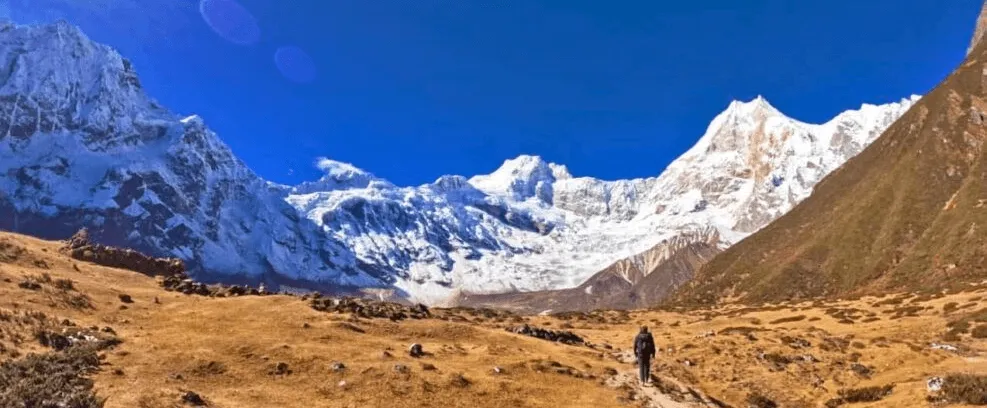
The route continues to Chekanparo (also spelled Chokhangparo) in the Upper Tsum Valley, perched at around 3,000 meters. This segment features steep trails and increasingly stunning Himalayan panoramas. Along the way, you’ll encounter remote villages frozen in time, providing a rare glimpse into a traditional lifestyle untouched by modern influences.
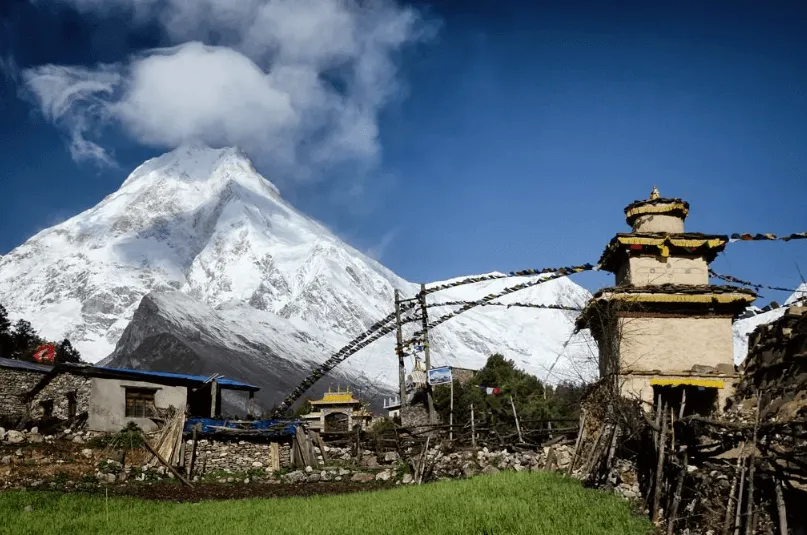
A highlight of the trek is the visit to Nile and the sacred Mu Gompa Monastery (3,361m), the spiritual heart of the Tsum Valley. This significant monastery offers not only cultural insight but also awe-inspiring views of surrounding snow-capped peaks and the serene valley below. The tranquil environment invites reflection and a deep connection with Tibetan Buddhist spirituality.
After exploring Mu Gompa and Nile, the trek retraces its path back to Chekanparo, descending gradually through the sacred valley. Returning to Philim, trekkers enjoy the lush lower forests and terraced landscapes once more before continuing to Jagat, where the trek concludes.
From Jagat, a private jeep transports trekkers back to Kathmandu, marking the end of this incredible journey. This short yet demanding trek is perfect for adventure seekers eager to experience Nepal’s hidden Himalayan gems within a limited timeframe.
Organized by Sherpa Expedition, this trek guarantees professional guides, supportive Sherpa porters, and well-planned logistics to ensure a safe, comfortable, and enriching experience. The Tsum Valley Trek is more than just a physical challenge — it’s a spiritual and cultural immersion into one of Nepal’s most sacred and untouched regions.
If you have just a week or slightly more, this 8-day trek is an ideal way to connect with Himalayan wilderness, Tibetan Buddhist culture, and spectacular mountain landscapes without the commitment of longer, more strenuous expeditions.
Book your Tsum Valley Trek with Sherpa Expedition today and embark on a once-in-a-lifetime Himalayan adventure to Nepal’s best-kept secret!
TSUM VALLEY TREK 8 DAYS Day-by-day ITINERARY
Day 1 : Drive from Kathmandu to Jagat (1,300m) – 10 to 12 hours.
Your adventure begins with a long but scenic drive from bustling Kathmandu to the village of Jagat, the gateway to the Manaslu and Tsum Valley region. Along the way, enjoy views of terraced hillsides, rivers, and remote villages as you journey into the Himalayan foothills. This is a full-day journey, mostly on bumpy mountain roads — a fitting start to your off-the-beaten-path trek.
Day 2 : Trek from Jagat to Lokpa (1,800m) – 5 to 6 hours.
Begin your trek by heading north toward Lokpa, the entrance to the Tsum Valley. The trail ascends gradually through subtropical forests and scattered settlements. Cross suspension bridges over the Budhi Gandaki River and pass by beautiful waterfalls. Lokpa offers your first taste of the quiet and secluded nature of this region.
Day 3 : Trek from Lokpa to Chumling (2,390m) – 5 to 6 hours.
Today, you officially enter the Lower Tsum Valley. The trail to Chumling involves several ups and downs through dense pine and rhododendron forests. As you arrive in Chumling, you’ll begin to notice the cultural shift — Tibetan-style houses, prayer flags, and mani walls (stone tablets with Buddhist inscriptions) become prominent.
Day 4 : Trek from Chumling to Chokhangparo (3,010m) – 4 to 5 hours.
Ascend to the Upper Tsum Valley, where the air gets thinner and the scenery becomes more dramatic. The trail offers panoramic views of Ganesh Himal and Baudha Himal. Chokhangparo is a culturally rich village perched on a high ridge, where you’ll encounter traditional stone homes, gompas (monasteries), and warm hospitality from the locals.
Day 5 : Trek from Chokhangparo to Nile/Mu Gompa (3,361m) – 5 to 6 hours.
Trek further up the sacred valley to reach Nile, the last village before the famous Mu Gompa, one of the oldest and largest monasteries in the region. Nestled in a remote corner of the valley, Mu Gompa offers spiritual serenity and panoramic views of the surrounding snow-covered peaks. You may visit the monastery and engage with monks living a traditional Himalayan monastic lifestyle.
Day 6 : Trek from Nile to Chumling (2,386m) – 6 to 7 hours.
Begin your descent back down the valley, retracing your steps to Chumling. Although you're covering familiar ground, the landscape looks different from a new angle. It’s a great opportunity to take in more of the cultural and natural beauty you may have missed on the way up.
Day 7 : Trek from Chumling to Philim (1,590m) – 8 to 9 hours.
This is a long day of trekking through verdant forests and charming rural villages as you descend to Philim, a well-known Gurung settlement. Philim is an excellent place to rest and reflect on the trek before your final return to the lower hills.
Day 8 : Trek to Jagat & Drive to Kathmandu – 10 to 12 hours.
On your final day, enjoy a short morning trek to Jagat, where your jeep will be waiting. From here, embark on the return drive back to Kathmandu, bringing your Tsum Valley journey to a close. Though physically demanding, this trek offers memories of remote landscapes, timeless culture, and Himalayan tranquility.
TSUM VALLEY TREK 8 DAYS INCLUDES & EXCLUDES
Costs Included in Your Package
- Private ground transportation from Kathmandu to Jagat and return to Kathmandu by well-maintained private jeep for a safe and scenic journey.
- All standard meals during the trek – including breakfast, lunch, and dinner – with a variety of nutritious local and continental dishes.
- Best available teahouse and lodge accommodation along the trekking route, typically in clean and comfortable twin-share rooms.
- Licensed and experienced English-speaking trekking guide, provided by Sherpa Expedition. For groups of 10 or more, an assistant guide is also included for added support.
- Reliable and friendly Sherpa porters to help carry your luggage (one porter for every two trekkers), equipped with proper trekking gear. Their wages, meals, accommodation, equipment, and insurance are fully covered.
- All guides and porters are arranged by Sherpa Expedition & Trekking, including their meals, insurance, salaries, lodging, local transport, and necessary equipment.
- Restricted area permit for Tsum Valley and the Annapurna Conservation Area Permit (ACAP), allowing full access to the region's remote and protected zones.
- Complimentary use of quality trekking gear such as a sleeping bag, down jacket, duffel bag, and trekking poles (to be returned after the trek if borrowed).
- All government taxes, local fees, and official administrative charges included—no hidden costs.
- Medical support equipment, including a pulse oximeter to monitor oxygen levels and heart rate twice daily. This is crucial for identifying symptoms of Altitude Mountain Sickness (AMS) early.
- Full assistance in coordinating any emergency evacuation or rescue in the case of serious health issues (expenses covered by your travel insurance).
- Sherpa Trekking & Expeditions souvenir t-shirt as a token of appreciation.
- Certificate of trek completion and appreciation from Sherpa Expedition, celebrating your successful journey through the magical Tsum Valley.
- Additional assistant guide provided for groups of 8 or more trekkers, ensuring your safety, comfort, and enjoyment throughout the journey.
Costs Exclude from Your Package
- International airfare to and from Nepal.
- Hotel accommodation, lunch, and dinner in Kathmandu before and after the trek.
- Nepal entry visa fee, which can be obtained upon arrival at Tribhuvan International Airport in Kathmandu. Fees are as follows: $30 USD for a 15-day visa, $50, USD for a 30-day visa, and USD 125 for a 90-day visa
- Any extra nights of accommodation in Kathmandu due to early arrival, late departure, or early return from the trek.
- All personal beverages during the trek, including: Alcoholic and non-alcoholic drinks, Soups, teas, coffee, hot chocolate, cocoa, Bottled/mineral water and other cold or hot drinks purchased in tea houses
- All desserts and sweet items such as chocolate, cakes, pies, and puddings, which are not included in standard meals.
- Fees for hot showers and battery/electronics charging in tea houses along the trail.
- Travel insurance is not included but is mandatory. Your policy must cover emergency high-altitude rescue and evacuation.
- Tips for guides and porters, which are not included in the package price. Tipping is customary in Nepal and is a meaningful way to show appreciation for their hard work.
- Any additional costs or delays caused by unforeseen events beyond our control, such as: Natural disasters (landslides, heavy snow, floods) Adverse weather conditions, Changes to the itinerary due to health or safety concerns, Illness or injury during the trek and Political unrest, government restrictions, or strikes
- Any other services, activities, or expenses not explicitly mentioned under the “Costs Include” section will be considered as excluded.
TSUM VALLEY TREK 8 DAYS PACKING LIST
The following information will give you some idea about what you need to bring for the trek. It is important you do not forget the essential items, as this will determine your comfort and safety on the trek. Equally important is that you do not burden yourself with unnecessary equipment on the trek.
General
- All season sleeping bag and down Jacket (we can provide if you need it, but has to be returned after the trek)
- Duffle bag ( Sherpa Expedition & Trekking provide duffle bag during the trek but has to be returned after the trek)
- A wind and waterproof thin layered jacket (a must-have for morning and evenings above 3,000m)
- Daypack
Upper Body- Head / Ears / Eyewear
- A pair of half gloves
- A warmer hat that covers the ears
- Sunglasses
- Neckwarmer
- Sunscreen (35 to 60 SPF)
- Headlamp and an extra set of batteries
Hands
- A pair of half gloves for walking poles(if you prefer)
- Warmer shell gloves and liner
Upper Body
- long sleeve t-shirts
- Thermal tops
- wool jacket or pullover
- Sports bras for women and girls
- Water and windproof shell jacket
Lower Body
- Thermal underwear (especially trousers)
- windproof and waterproof trousers
- warmer trousers
- Comfortable trekking pants
- Extra casual sport pants
Footwear
- A pair of good waterproof trekking boots
- Pair of sandals
- 4-5 pairs of woolen socks
- Sock liners
- Light shoes and sneakers
- First Aid Kits and Medicines
- Assorted adhesive bandages (fabric preferred)
- Blister treatment cream or similar
- Insect / anti-itch ointment
- Ibuprofen or other pain-relief medication
- Diamox (125mg to 250mg tablets for altitude sickness)
- Warps, splints, and wound coverings butterfly bandage
- Water purifying pills
(Note our company guide will carry the medicines and first aid kits during the trek. However, we recommend you bring your personal first-aid kit as well)
Miscellaneous - but must useful on the trek
- 4 passport size photos with original passport
- Water bottle & filter
- Flight details (please make a copy and leave one pic at our office in KTM because in case you want to change your flight date)
- Bathroom kit (conform, should be included toilet paper, plastic bags, hand wipes, towel, and soap, etc.)
Extra things
- Comfortable trekking poles
- Quality energy dry foods (up to you)
- Power bank and music players
- Camera (memory card, chargers, and extra batteries)
GOOD TO KNOW ABOUT TSUM VALLEY TREK 8 DAYS
Restricted Area Permit Required
The Tsum Valley is a protected region requiring special permits — the Restricted Area Permit (RAP) and the Manaslu Conservation Area Permit (MCAP). These are essential for preserving the valley’s natural and cultural heritage and must be arranged through authorized trekking agencies.
Best Trekking Seasons
The ideal time to trek the Tsum Valley is during spring (March to May) and autumn (September to November). These seasons offer clear skies, pleasant temperatures, and excellent mountain views. Avoid trekking during the monsoon (June–August) or winter months due to rain and cold.
Physical Fitness Level
While technically non-technical, the trek includes long days with steep climbs and descents on rugged terrain. Good physical fitness and some prior trekking experience will enhance your enjoyment and reduce the risk of exhaustion or injury.
Altitude and Acclimatization
The trek reaches a maximum altitude of about 3,361 meters at Mu Gompa. Although moderate altitude, altitude sickness can still occur. Ascend slowly, stay hydrated, and take rest days as needed to acclimatize safely.
Accommodation Facilities
Accommodation along the trek is basic, consisting mainly of teahouses with simple rooms and shared bathrooms. Facilities such as hot showers, Wi-Fi, and electricity are limited, so expect rustic comforts and prepare accordingly.
Respect Local Culture
Tsum Valley is home to Tibetan Buddhist communities with rich traditions. Always ask permission before taking photos, dress modestly, and be respectful at monasteries and prayer sites to honor the spiritual atmosphere.
Hiring Guides and Porters
Using a local guide and porter is mandatory and highly recommended. Guides provide cultural insights and ensure safe navigation on remote trails, while porters carry heavy loads, making your trek more comfortable and safer.
Cash is Essential
There are no ATMs or banking facilities in the valley, so bring enough Nepalese Rupees in cash to cover all expenses, including food, lodging, and tips. Plan your budget carefully before the trek.
Packing Essentials
Key items include layered clothing for changing weather, a warm sleeping bag, sturdy hiking boots, trekking poles, sunscreen, water purification tablets, and a well-stocked first aid kit to handle common trekking ailments.
Limited Connectivity
Mobile phone and internet access are scarce beyond Jagat. This disconnect offers a chance to fully immerse yourself in nature and local culture without digital distractions — perfect for a true Himalayan escape.
ROUTE MAP OF TSUM VALLEY TREK 8 DAYS
Gallery of TSUM VALLEY TREK 8 DAYS

TSUM VALLEY TREK 8 DAYS Departures
Every departure listed below is 100% Guaranteed — once you book, your trip will run as scheduled regardless of group size.
Select a departure month
Fill out the form below and a Travel Expert will reach out to create your perfect tour.
FAQS Related to TSUM VALLEY TREK 8 DAYS
Others
What permits are required for the Tsum Valley Trek?
To trek in the Tsum Valley, you must obtain a Restricted Area Permit (RAP) and a Manaslu Conservation Area Permit (MCAP). These permits protect the fragile ecosystem and culture of the region and are arranged through registered trekking agencies before your journey.
How physically demanding is the Tsum Valley Trek?
The trek is moderately challenging due to long walking days, steep ascents, and high-altitude trails reaching over 3,300 meters. Good cardiovascular fitness and some prior trekking experience are recommended to fully enjoy the trek without excessive fatigue.
What is the best season to trek the Tsum Valley?
The best trekking seasons are spring (March to May) and autumn (September to November) when the weather is stable, and mountain views are clear. Avoid the monsoon season (June to August) due to heavy rain and slippery trails.
How should I prepare physically before the trek?
Preparation should include aerobic exercises like hiking, running, or cycling at least 6-8 weeks before the trek. Practice uphill walking with a loaded backpack to build stamina and strength, and include flexibility and balance training to prevent injuries.
What kind of gear and clothing should I pack?
Pack layered clothing suitable for variable weather—moisture-wicking base layers, insulating mid-layers, and waterproof outer layers. Essential items include sturdy hiking boots, trekking poles, a warm sleeping bag, sunscreen, sunglasses, and water purification tablets.
Is altitude sickness a concern on the Tsum Valley Trek?
Yes, altitude sickness can occur above 2,500 meters. The trek’s maximum elevation is around 3,361 meters at Mu Gompa. Acclimatize gradually, stay hydrated, avoid alcohol, and monitor symptoms carefully. If severe symptoms appear, descend immediately.
Can beginners do the Tsum Valley Trek?
While not technical, the trek demands good fitness and endurance. Beginners with proper physical preparation and a willingness to trek long hours can attempt it, preferably with a guide who understands the terrain and altitude challenges.
How is the accommodation along the trek?
Accommodation is basic and primarily consists of teahouses with simple rooms and shared bathrooms. Hot showers and Wi-Fi are rare, so be prepared for rustic conditions and enjoy the authentic Himalayan experience.
Should I hire a guide or porter for the trek?
Hiring a local guide and porter is highly recommended and often mandatory. Guides provide valuable cultural context, navigation, and safety support, while porters carry heavy luggage, allowing you to enjoy the trek comfortably and reduce injury risk
How much cash should I carry, and are there ATMs along the route?
There are no ATMs in the Tsum Valley, so carry sufficient Nepalese Rupees in cash to cover all expenses, including food, accommodation, permits, and tips. It’s advisable to budget extra for emergencies and unexpected costs.
Latest Traveller’s Reviews
Travel experiences of our clients who recently returned from their trips.
100%
Based On 4540 Reviews
Richard Odell
United Kingdom
June 12, 2026
Annapurna Circuit with Tilicho Lake
Katie D
N/A
December 20, 2025
Trip of a Lifetime
Benjamin Carter
Belgium
May 29, 2025
Fantastic Trek Led by Skilled Guide

Write Your Review
Average Customer Ratings
How The Travellers Have Rated This Package
4530
10
0
0
0
People Considering This Package Right Now Check availability