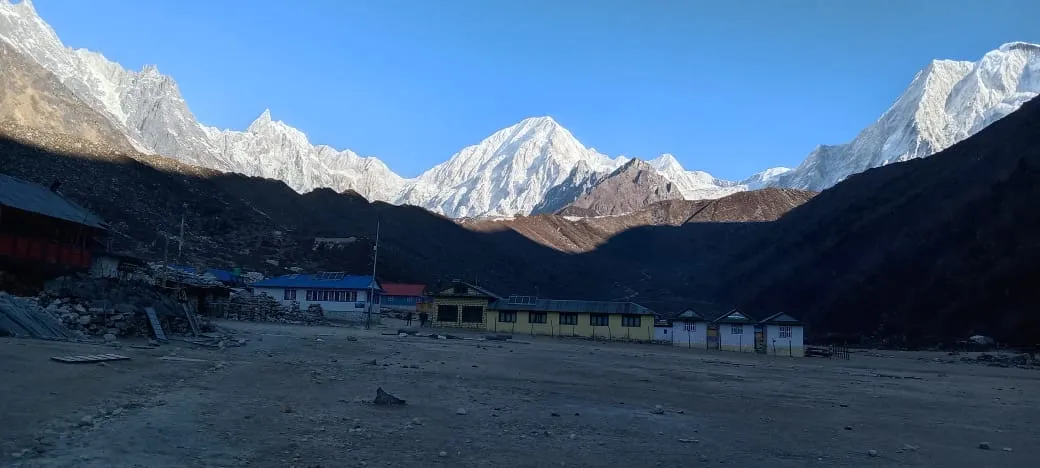
TSUM VALLEY TREK 7 DAYS
Trip Overview
The Tsum Valley Trek is one of the most breathtaking and spiritually enriching journeys in the Himalayas, perfect for those who seek a remote adventure within a limited time frame. Organized by Sherpa Expedition, this short yet challenging trek allows trekkers to experience the untouched beauty of the Lower Tsum Valley and its deeply rooted Tibetan culture in just one week.
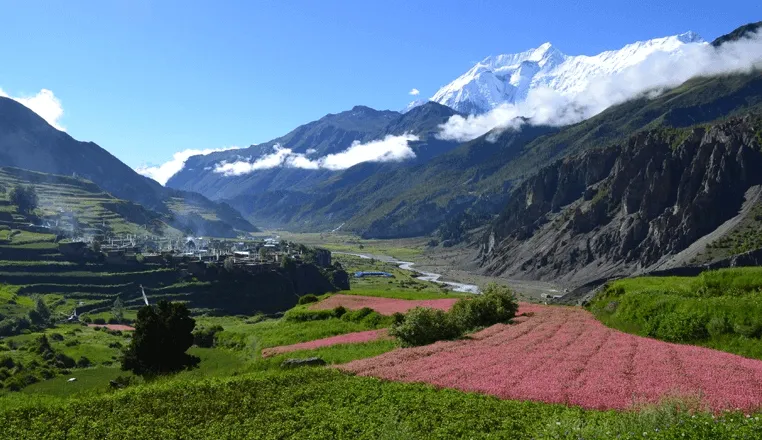
Located in the northern part of Nepal, near the border of Tibet, Tsum Valley is often referred to as the Hidden Valley of Happiness. Unlike the more commercial trekking regions of Nepal, this mystical valley remains secluded and serene, offering raw Himalayan landscapes, ancient Buddhist monasteries, and a deeply spiritual atmosphere.
What makes the Tsum Valley Trek unique is its off-the-beaten-path charm. The journey begins with a scenic drive from Kathmandu to Jagat, taking you away from the bustling city and into the heart of the Himalayas. From there, the trail leads you through lush forests, picturesque villages, and dramatic mountain terrain, eventually reaching iconic spots like Chumling, Chekampar, and the sacred Mu Gompa.
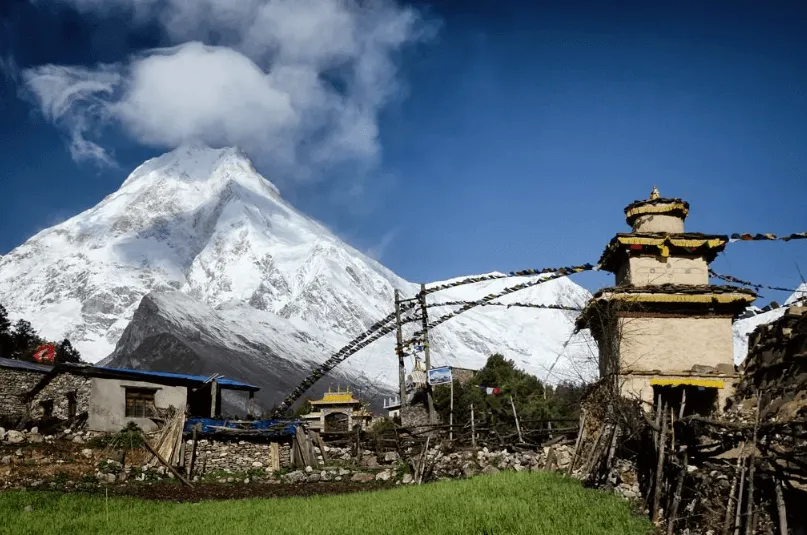
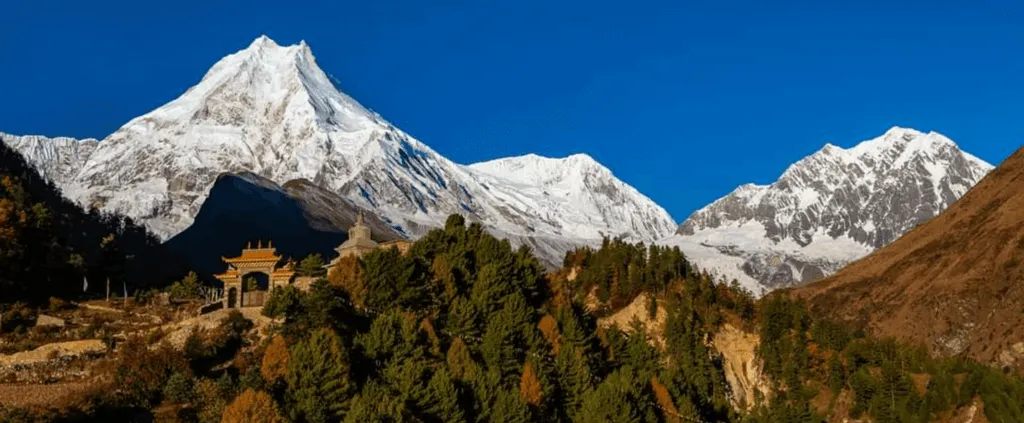
Despite being a short trek, this route demands physical endurance, making it ideal for adventure seekers looking for a compact yet rewarding experience. Along the trail, trekkers are rewarded with panoramic views of majestic peaks such as Ganesh Himal, Shringi Himal, and Baudha Himal. The cultural encounters along the way are just as memorable — with warm-hearted locals, traditional Tibetan-style villages, and centuries-old Buddhist stupas and monasteries dotting the path.
One of the highlights of the Tsum Valley experience is the visit to Mu Gompa, the largest and most remote monastery in the region. Set against a backdrop of towering cliffs and snow-capped peaks, Mu Gompa exudes a sense of timelessness and spiritual depth that is rarely found elsewhere.
Unlike longer treks that require multiple weeks, this short Himalayan trek is perfectly tailored for those with limited time but an unlimited passion for nature and culture. Sherpa Expedition, with years of expertise in remote Himalayan trekking, ensures a well-organized and safe journey, complete with private transportation, local guides, and personalized support throughout the trip.
Whether you're a seasoned trekker or a curious traveler eager to explore Nepal’s hidden trails, the Tsum Valley Trek offers a once-in-a-lifetime opportunity to disconnect from modern chaos and reconnect with nature, tradition, and yourself.
So if you're short on time but craving a powerful Himalayan adventure, look no further. The Tsum Valley Trek promises challenge, culture, and incredible natural beauty — all packed into one unforgettable week.
TSUM VALLEY TREK 7 DAYS Day-by-day ITINERARY
Day 1 : Kathmandu to Jagat & Trek to Philim (1,590m) – 10-12 hours.
Begin your adventure with a scenic drive from Kathmandu to Jagat, the gateway to the Tsum Valley. From Jagat, start trekking through charming villages and lush forests to reach Philim, a traditional Gurung village nestled at 1,590 meters. Enjoy your first night immersed in Himalayan culture.
Day 2 : Philim to Chumling (Lower Tsum Valley) (2,390m) – 7-9 hours.
Today’s trek takes you deeper into the Lower Tsum Valley, passing through terraced fields and dense pine forests. Arrive at Chumling, a peaceful village known for its Tibetan Buddhist heritage and friendly locals. The spiritual ambiance grows stronger as you ascend.
Day 3 : Chumling to Chokhangparo (Upper Tsum Valley) (3,010m) – 5-6 hours.
Trek uphill towards the Upper Tsum Valley, reaching the village of Chokhangparo at 3,010 meters. Along the way, marvel at panoramic views of snow-capped peaks and encounter ancient Buddhist monasteries that reflect the valley’s rich cultural traditions.
Day 4 : Chokhangparo to Nile/Mu Gompa (3,361m) – 6-7 hours.
Today’s journey leads to Nile, near the famous Mu Gompa, the largest monastery in the valley. Set amidst dramatic cliffs and breathtaking mountain scenery, this sacred site offers a unique chance to experience Tibetan Buddhist rituals and pristine natural beauty.
Day 5 : Nile to Chumling (2,386m) – 6-7 hours.
Retrace your steps back to Chumling, enjoying fresh views and further cultural encounters. The descent offers a gentler trekking experience while allowing time to absorb the peaceful atmosphere and scenic landscapes of the valley.
Day 6 : Chumling to Philim (1,590m) – 8-9 hours.
Continue descending through the valley, passing through traditional villages and thick forests until you reach Philim. This longer trekking day rewards you with the serene natural environment and rich local culture you’ve grown accustomed to.
Day 7 : Philim to Jagat & Drive to Kathmandu – 10-12 hours.
On your final day, trek from Philim back to Jagat, then enjoy a scenic drive returning to Kathmandu. Reflect on your memorable week of Himalayan adventure, spiritual discovery, and cultural immersion.
TSUM VALLEY TREK 7 DAYS INCLUDES & EXCLUDES
Costs Included in Your Package
- Private ground transportation from Kathmandu to Jagat and return to Kathmandu by well-maintained private jeep for a safe and scenic journey.
- All standard meals during the trek – including breakfast, lunch, and dinner – with a variety of nutritious local and continental dishes.
- Best available teahouse and lodge accommodation along the trekking route, typically in clean and comfortable twin-share rooms.
- Licensed and experienced English-speaking trekking guide, provided by Sherpa Expedition. For groups of 10 or more, an assistant guide is also included for added support.
- Reliable and friendly Sherpa porters to help carry your luggage (one porter for every two trekkers), equipped with proper trekking gear. Their wages, meals, accommodation, equipment, and insurance are fully covered.
- All guides and porters are arranged by Sherpa Expedition & Trekking, including their meals, insurance, salaries, lodging, local transport, and necessary equipment.
- Restricted area permit for Tsum Valley and the Annapurna Conservation Area Permit (ACAP), allowing full access to the region's remote and protected zones.
- Complimentary use of quality trekking gear such as a sleeping bag, down jacket, duffel bag, and trekking poles (to be returned after the trek if borrowed).
- All government taxes, local fees, and official administrative charges included—no hidden costs.
- Medical support equipment, including a pulse oximeter to monitor oxygen levels and heart rate twice daily. This is crucial for identifying symptoms of Altitude Mountain Sickness (AMS) early.
- Full assistance in coordinating any emergency evacuation or rescue in the case of serious health issues (expenses covered by your travel insurance).
- Sherpa Trekking & Expeditions souvenir t-shirt as a token of appreciation.
- Certificate of trek completion and appreciation from Sherpa Expedition, celebrating your successful journey through the magical Tsum Valley.
- Additional assistant guide provided for groups of 8 or more trekkers, ensuring your safety, comfort, and enjoyment throughout the journey.
Costs Exclude from Your Package
- International airfare to and from Nepal.
- Hotel accommodation, lunch, and dinner in Kathmandu before and after the trek.
- Nepal entry visa fee, which can be obtained upon arrival at Tribhuvan International Airport in Kathmandu. Fees are as follows: $30 USD for a 15-day visa, $50, USD for a 30-day visa, and USD 125 for a 90-day visa
- Any extra nights of accommodation in Kathmandu due to early arrival, late departure, or early return from the trek.
- All personal beverages during the trek, including: Alcoholic and non-alcoholic drinks, Soups, teas, coffee, hot chocolate, cocoa, Bottled/mineral water and other cold or hot drinks purchased in tea houses
- All desserts and sweet items such as chocolate, cakes, pies, and puddings, which are not included in standard meals.
- Fees for hot showers and battery/electronics charging in tea houses along the trail.
- Travel insurance is not included but is mandatory. Your policy must cover emergency high-altitude rescue and evacuation.
- Tips for guides and porters, which are not included in the package price. Tipping is customary in Nepal and is a meaningful way to show appreciation for their hard work.
- Any additional costs or delays caused by unforeseen events beyond our control, such as: Natural disasters (landslides, heavy snow, floods) Adverse weather conditions, Changes to the itinerary due to health or safety concerns, Illness or injury during the trek and Political unrest, government restrictions, or strikes
- Any other services, activities, or expenses not explicitly mentioned under the “Costs Include” section will be considered as excluded.
TSUM VALLEY TREK 7 DAYS PACKING LIST
The following information will give you some idea about what you need to bring for the trek. It is important you do not forget the essential items, as this will determine your comfort and safety on the trek. Equally important is that you do not burden yourself with unnecessary equipment on the trek.
General
- All season sleeping bag and down Jacket (we can provide if you need it, but has to be returned after the trek)
- Duffle bag ( Sherpa Expedition & Trekking provide duffle bag during the trek but has to be returned after the trek)
- A wind and waterproof thin layered jacket (a must-have for morning and evenings above 3,000m)
- Daypack
Upper Body- Head / Ears / Eyewear
- A pair of half gloves
- A warmer hat that covers the ears
- Sunglasses
- Neckwarmer
- Sunscreen (35 to 60 SPF)
- Headlamp and an extra set of batteries
Hands
- A pair of half gloves for walking poles(if you prefer)
- Warmer shell gloves and liner
Upper Body
- long sleeve t-shirts
- Thermal tops
- wool jacket or pullover
- Sports bras for women and girls
- Water and windproof shell jacket
Lower Body
- Thermal underwear (especially trousers)
- windproof and waterproof trousers
- warmer trousers
- Comfortable trekking pants
- Extra casual sport pants
Footwear
- A pair of good waterproof trekking boots
- Pair of sandals
- 4-5 pairs of woolen socks
- Sock liners
- Light shoes and sneakers
- First Aid Kits and Medicines
- Assorted adhesive bandages (fabric preferred)
- Blister treatment cream or similar
- Insect / anti-itch ointment
- Ibuprofen or other pain-relief medication
- Diamox (125mg to 250mg tablets for altitude sickness)
- Warps, splints, and wound coverings butterfly bandage
- Water purifying pills
(Note our company guide will carry the medicines and first aid kits during the trek. However, we recommend you bring your personal first-aid kit as well)
Miscellaneous - but must useful on the trek
- 4 passport size photos with original passport
- Water bottle & filter
- Flight details (please make a copy and leave one pic at our office in KTM because in case you want to change your flight date)
- Bathroom kit (conform, should be included toilet paper, plastic bags, hand wipes, towel, and soap, etc.)
Extra things
- Comfortable trekking poles
- Quality energy dry foods (up to you)
- Power bank and music players
- Camera (memory card, chargers, and extra batteries)
GOOD TO KNOW ABOUT TSUM VALLEY TREK 7 DAYS
Tsum Valley is a Restricted Area
To preserve its unique culture and environment, Tsum Valley is classified as a restricted region by the Government of Nepal. This means you’ll need a special trekking permit in addition to a licensed guide and a registered trekking agency like Sherpa Expedition to enter the valley.
Cultural Etiquette is Important
The valley is home to devout Tibetan Buddhist communities, and respecting their traditions is essential. Always walk clockwise around mani walls, chortens, and monasteries, and avoid touching sacred objects. Dress modestly and ask permission before photographing locals or religious sites.
Short, But Physically Demanding Trek
Though the trek is completed in about a week, it involves steep ascents, rocky terrain, and high altitudes, especially near Mu Gompa (~3,700 meters). Prior cardiovascular training or previous trekking experience is highly recommended to fully enjoy the route.
Limited Teahouse Infrastructure
Unlike more developed trekking routes like the Annapurna or Everest regions, Tsum Valley has basic teahouses with limited amenities. Don’t expect hot showers everywhere, and bring essentials like a sleeping bag, power bank, and toiletries.
Best Trekking Seasons: Spring & Autumn
The ideal times to trek are March–May (spring) and September–November (autumn). These seasons offer clear mountain views, stable weather, and blooming rhododendrons, enhancing both the natural beauty and trail safety.
Altitude Sickness Can Still Be a Risk
Although not as high as Everest Base Camp, the trek climbs to significant altitudes quickly. Proper acclimatization, staying hydrated, and maintaining a slow, steady pace are crucial. It’s good practice to bring Diamox or other altitude meds.
Connectivity is Limited
Expect no internet and very limited phone service once you’re deep in the valley. Inform family or work contacts in advance. The lack of connectivity actually enhances the experience — giving you a full break from the modern world.
Sacred Sites are Trek Highlights
Iconic locations like Mu Gompa, Rachen Gompa, and Milarepa’s Cave are spiritually significant. These ancient monasteries are still active with monks and nuns, offering insight into Tibetan Buddhism that few other treks provide.
Pack for Both Warm Days and Cold Nights
The weather can vary drastically. Days may be sunny and warm, but nights at higher altitudes (especially near Mu Gompa) can be freezing cold. Bring layered clothing, a warm down jacket, thermal wear, and gloves.
Eco-Conscious Travel is Crucial
Tsum Valley is a fragile ecosystem with limited waste management. Carry a reusable water bottle, avoid plastic packaging, and follow the Leave No Trace principles. Supporting local teahouses and buying local products also contributes to sustainable tourism.
ROUTE MAP OF TSUM VALLEY TREK 7 DAYS
Gallery of TSUM VALLEY TREK 7 DAYS

TSUM VALLEY TREK 7 DAYS Departures
Every departure listed below is 100% Guaranteed — once you book, your trip will run as scheduled regardless of group size.
Select a departure month
Fill out the form below and a Travel Expert will reach out to create your perfect tour.
FAQS Related to TSUM VALLEY TREK 7 DAYS
Others
Do I need a special permit for the Tsum Valley Trek?
Yes. Tsum Valley is a restricted region in Nepal, which means trekkers must obtain a Tsum Valley Restricted Area Permit (RAP). Additionally, a Manaslu Conservation Area Permit (MCAP) is required since the trail passes through this conservation zone. All permits must be arranged through a government-registered trekking agency, and you must be accompanied by a licensed guide—solo trekking is not allowed.
How long does the Tsum Valley Trek take?
The short version of the Tsum Valley Trek can be completed in about 7–9 days, excluding arrival and departure days from Kathmandu. However, trekkers who want to combine it with the Manaslu Circuit Trek or explore more villages in depth may extend it to 2–3 weeks. The Sherpa Expedition short itinerary is perfect for those with limited time but a desire for authentic Himalayan adventure.
What is the maximum altitude reached on this trek?
The highest point of the trek is Mu Gompa, situated at around 3,700 meters (12,139 feet) above sea level. While not as extreme as other Himalayan treks, the altitude can still affect some trekkers. Proper acclimatization and hydration are important to avoid symptoms of Acute Mountain Sickness (AMS).
Is the Tsum Valley Trek suitable for beginners?
The trek is physically demanding due to steep climbs, basic facilities, and rapid altitude gain. While it doesn't require technical climbing skills, it's best suited for moderately experienced trekkers or fit beginners who have done multi-day hikes before. Preparing with regular cardio and strength training is advisable.
What kind of accommodation can I expect?
Accommodation along the Tsum Valley Trek consists mainly of basic teahouses operated by local families. Rooms are simple, usually with twin beds, and shared toilets. Some teahouses offer local meals, but don’t expect luxury services. Hot water, if available, may come at an extra cost.
What should I pack for the Tsum Valley Trek?
Trekkers should pack layered clothing, a warm sleeping bag, trekking poles, water purification tablets, snacks, headlamp, toiletries, and a first aid kit. Because weather can vary drastically, a down jacket, rain gear, and thermal base layers are essential. Don’t forget your passport-sized photos and original passport for permits.
Is Wi-Fi or mobile signal available during the trek?
Mobile signal is very limited to nonexistent once you enter the deeper parts of the valley, especially beyond Chumling. There is no reliable Wi-Fi in most villages. It’s best to inform your contacts in advance that you will be off-grid during the trek. This digital detox is part of the trek’s charm!
What makes Tsum Valley different from other treks in Nepal?
Unlike more popular routes like Everest Base Camp or the Annapurna Circuit, Tsum Valley offers a quieter, more culturally immersive experience. The valley is known for its Tibetan Buddhist heritage, ancient monasteries, sacred caves, and untouched Himalayan villages. Its off-the-beaten-path charm attracts those seeking authenticity and serenity over crowds.
When is the best time to trek in the Tsum Valley?
The best seasons are spring (March to May) and autumn (September to November). These months offer clear skies, stable weather, and excellent mountain views. Monsoon season (June to August) makes the trails slippery and prone to landslides, while winter (December to February) brings heavy snow and extremely cold temperatures, making some areas inaccessible.
Can I combine the Tsum Valley Trek with other treks?
Yes! Many trekkers choose to combine the Tsum Valley Trek with the Manaslu Circuit Trek for a longer, more comprehensive Himalayan journey. This combination typically takes 18–21 days and offers an even greater variety of landscapes, cultures, and high mountain passes. It’s an excellent option for trekkers looking for an extended, challenging adventure in a less-touristy region.
Latest Traveller’s Reviews
Travel experiences of our clients who recently returned from their trips.
100%
Based On 4540 Reviews
Richard Odell
United Kingdom
June 12, 2026
Annapurna Circuit with Tilicho Lake
Katie D
N/A
December 20, 2025
Trip of a Lifetime
Benjamin Carter
Belgium
May 29, 2025
Fantastic Trek Led by Skilled Guide

Write Your Review
Average Customer Ratings
How The Travellers Have Rated This Package
4530
10
0
0
0
People Considering This Package Right Now Check availability