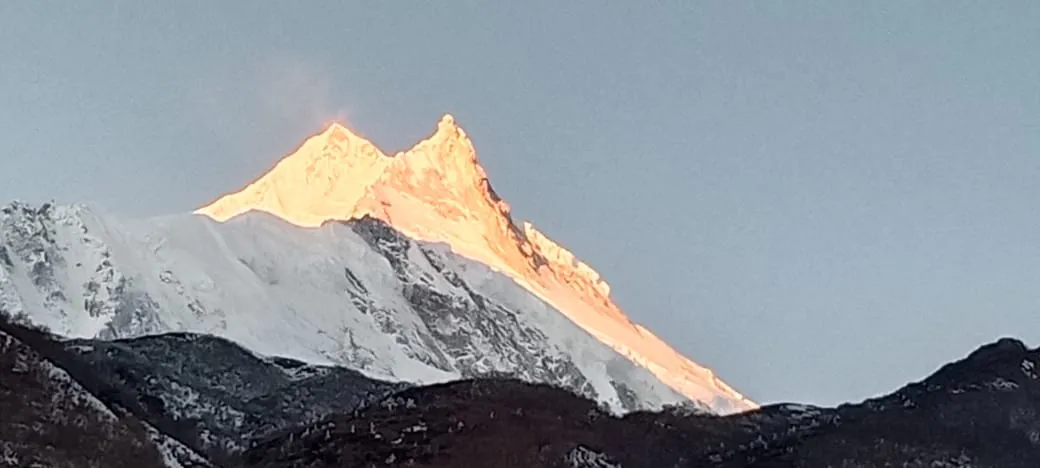
MANASLU TREK 7 DAYS ENDING IN POKHARA
Trip Overview
The Manaslu Circuit Trek is one of Nepal’s most spectacular and adventurous trekking routes, offering trekkers an incredible opportunity to explore pristine landscapes, rich cultural heritage, and breathtaking Himalayan mountain views. This meticulously planned 7-day trek by Sherpa Expedition and Trekking starts in the bustling capital city of Kathmandu and ends in the serene lakeside city of Pokhara, delivering a diverse and unforgettable Himalayan experience.
Beginning with a scenic drive from Kathmandu to Jagat, the gateway to the Manaslu region, trekkers are immediately immersed in the diverse rural culture and stunning topography of Nepal. Jagat serves as the entry point to a remote and less-traveled Himalayan wilderness, promising authentic adventure far from crowded trails.
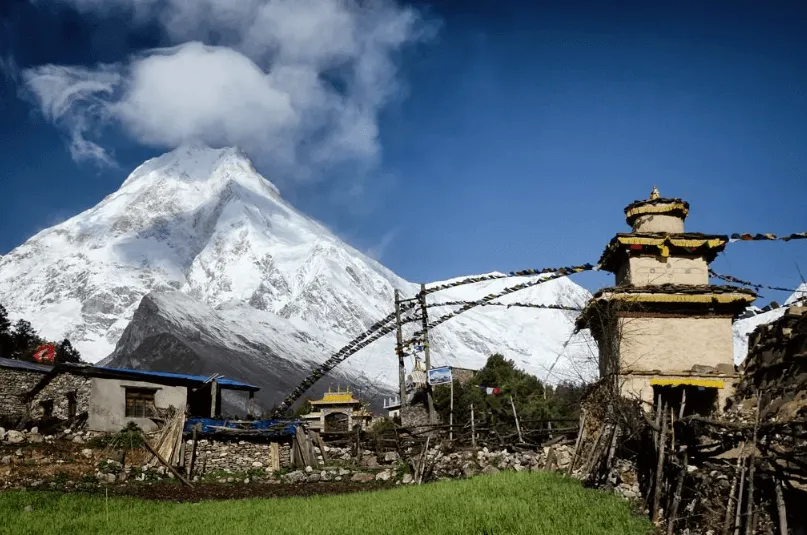
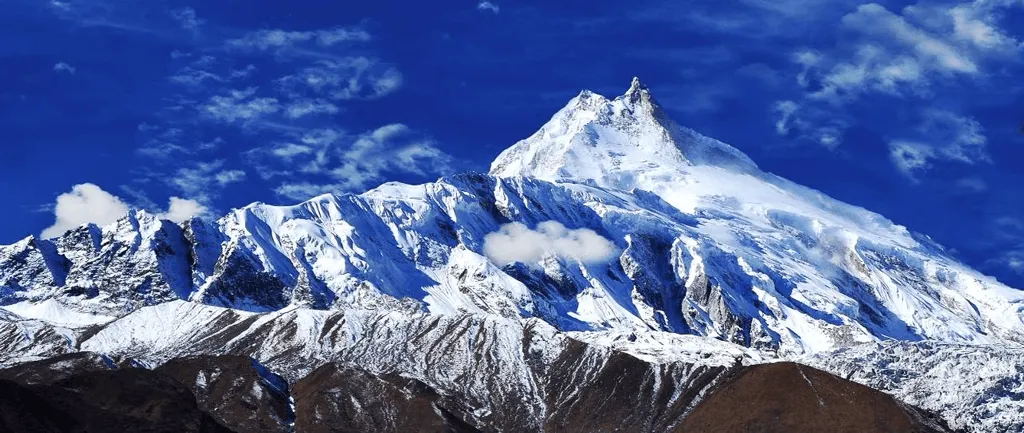
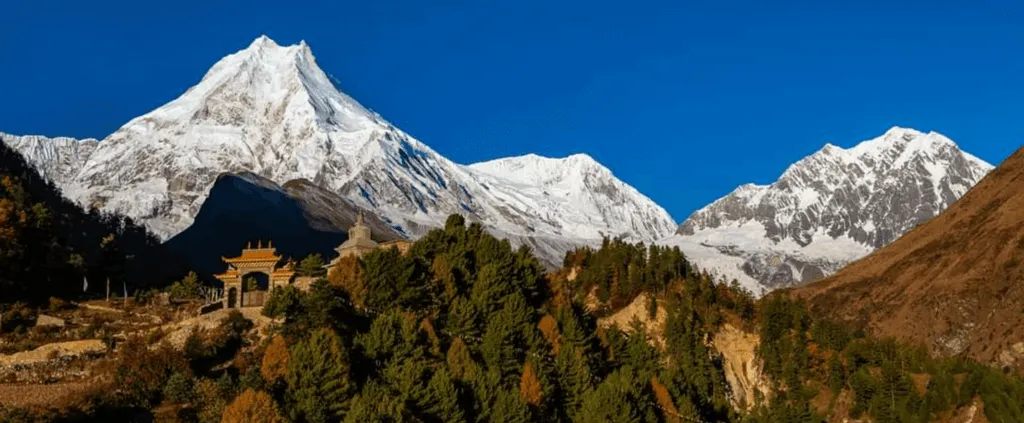
The trek passes through picturesque villages like Deng, Namrung, and Samagaon, each rich in Tibetan Buddhist culture. Namrung stands out with its spectacular views of the majestic Manaslu massif, the world’s eighth highest peak, which dominates the skyline and inspires trekkers throughout the journey. Cultural encounters with local Gurung and Tibetan ethnic communities provide deep insights into ancient traditions and warm Himalayan hospitality.
A major highlight is crossing the challenging Larkya La Pass at 5,016 meters altitude. This demanding but rewarding pass offers panoramic views of towering peaks such as Himalchuli and Ngadi Chuli, delivering an unforgettable alpine experience and a true sense of accomplishment for adventurers and photographers.
After descending the pass, trekkers reach Bhimthang, a remote highland settlement famous for lush meadows and unique Himalayan flora and fauna. Bhimthang offers a peaceful retreat, where nature’s tranquility and mountain life’s simplicity blend perfectly after the strenuous climb.
The journey continues with a shared jeep ride from Bhimthang to Besisahar, a vibrant transport hub linking the Manaslu region to the rest of Nepal. From Besisahar, a private car or jeep transports travelers to Pokhara, renowned for its stunning lakeside views, relaxing atmosphere, and proximity to the famous Annapurna mountain range.
Pokhara provides the ideal conclusion to the Manaslu Circuit Trek, with opportunities to relax by Phewa Lake, explore local markets, and savor authentic Nepali cuisine. The city’s laid-back vibe contrasts beautifully with the rugged adventure of the trek, making it a popular destination for trekkers and tourists alike.
Designed by Sherpa Expedition and Trekking, this 7-day Manaslu Circuit Trek expertly balances thrilling adventure, cultural immersion, and natural beauty. It’s perfect for both seasoned trekkers and those seeking a truly immersive Himalayan journey. With experienced guides, careful logistics, and a strong focus on safety, this trek promises a once-in-a-lifetime exploration of one of Nepal’s most captivating mountain regions.
Book your Manaslu Circuit Trek 7 Days Ending in Pokhara today to experience Nepal’s raw natural beauty, timeless traditions, and towering Himalayan peaks in one unforgettable adventure.
MANASLU TREK 7 DAYS ENDING IN POKHARA Day-by-day ITINERARY
Day 1 : Drive from Kathmandu to Jagat (1,300m) – Duration: 9–11 Hours.
Begin your adventure with a scenic drive from Kathmandu to Jagat, the gateway to the Manaslu region. The journey takes you through diverse landscapes, including terraced fields and traditional villages. Along the way, enjoy glimpses of rural Nepali life and prepare mentally for the trek ahead. Jagat, nestled in a peaceful valley, is the perfect place to rest and acclimate before starting your hike.
Day 2 : Trek from Jagat to Deng (1,860m) – Duration: 5–6 Hours.
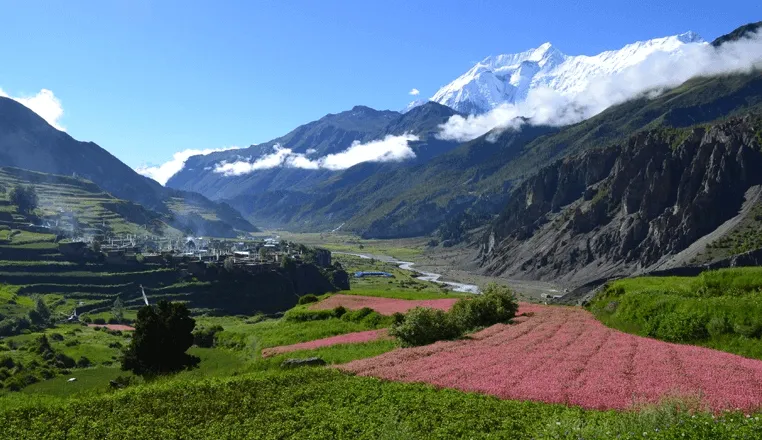
Today’s trek leads you through lush forests and charming villages. The trail gradually ascends alongside the Budhi Gandaki River, offering refreshing river views and diverse flora. Arriving in Deng, you’ll experience the warm hospitality of the local communities. The peaceful village is surrounded by green hills and is an ideal spot to absorb the tranquil Himalayan atmosphere.
Day 3 : Trek from Deng to Namrung (2,630m) – Duration: 5–6 Hours.
As you trek from Deng to Namrung, the landscape transforms with increasing altitude. You’ll pass traditional stone houses, Buddhist monasteries, and fluttering prayer flags. Namrung is known for its stunning views of the Manaslu massif, and the cultural richness of its Tibetan Buddhist heritage is evident in every corner. This stop is perfect for photography and cultural immersion.
Day 4 : Trek from Namrung to Samagaon (3,530m) – Duration: 6–7 Hours.
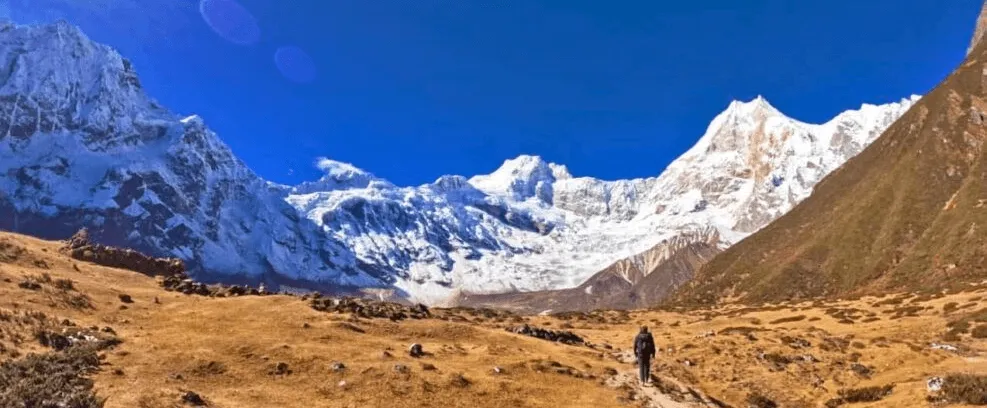
Ascending higher, today’s trail takes you to Samagaon, a larger village steeped in Tibetan Buddhist culture. Surrounded by towering peaks, the village is home to ancient monasteries and offers panoramic Himalayan vistas. The air feels thinner, so take time to rest and acclimatize while soaking in the breathtaking natural beauty and spiritual ambiance.
Day 5 : Trek from Samagaon to Dharamsala (4,460m) – Duration: 4–5 Hours.
The trek to Dharamsala is shorter but more challenging due to the significant altitude gain. This mountain refuge lies beneath the towering slopes of Manaslu, offering dramatic views and a true alpine experience. Dharamsala is a perfect place to prepare mentally and physically for the demanding Larkya La Pass crossing the next day.
Day 6 : Cross Larkya La Pass (5,106m) and Trek to Bimthang (3,720m) – Duration: 8–9 Hours.
Today’s highlight is the exhilarating Larkya La Pass crossing, the highest point of the trek at 5,106 meters. The challenging climb rewards you with panoramic views of the Himalayas, including peaks like Himalchuli and Ngadi Chuli. After conquering the pass, a steady descent brings you to Bimthang, a peaceful highland settlement surrounded by alpine meadows and unique wildlife.
Day 7 : Trek from Bimthang to Tilje and Drive to Besisahar–Pokhara – Duration: 10–11 Hours.
On the final day, trek through scenic forests and traditional villages from Bimthang to Tilje. From there, enjoy a jeep ride to Besisahar, reconnecting with the road network. Continue your journey by road to Pokhara, the lakeside city known for its relaxing atmosphere and stunning views of the Annapurna range. Celebrate the completion of your Manaslu Circuit Trek with a well-deserved rest in this beautiful city.
MANASLU TREK 7 DAYS ENDING IN POKHARA INCLUDES & EXCLUDES
Costs Include In Your Package
- Private Ground Transportation: Comfortable private jeep from Kathmandu to Jagat, local shared jeep from Tilje to Besisahar, and a private jeep/car transfer from Besisahar to Pokhara.
- All Meals During the Trek: Enjoy three standard meals daily—breakfast, lunch, and dinner—featuring local and hygienic mountain cuisine.
- Lodge/Teahouse Accommodation: Best available teahouse or lodge accommodation along the trekking route (typically on a twin-sharing basis).
- Experienced Trekking Guide: A professional, government-licensed English-speaking trek leader, with an assistant guide for groups of 10 or more.
- Reliable Sherpa Porters: Friendly and experienced Sherpa porters (1 porter for every 2 trekkers), including all their meals, accommodation, equipment, salary, and insurance.
- Fully Equipped Crew: All guides and porters provided by Sherpa Expedition & Trekking are fully insured and properly equipped for safe, responsible trekking.
- All Required Permits: Includes the Manaslu Restricted Area Permit, Manaslu Conservation Area Permit (MCAP), and Annapurna Conservation Area Permit (ACAP).
- Trekking Gear on Loan: Complimentary use of sleeping bag, down jacket, duffel bag, and trekking poles (to be returned after the trek if not personally owned).
- Government & Local Taxes: All national park fees, local taxes, official paperwork, and trekking registration charges are fully covered.
- Emergency Assistance: Coordination and assistance for rescue operations in case of severe altitude sickness or health emergencies (note: expenses must be covered by your travel insurance).
- Complimentary Souvenir: A Sherpa Expedition & Trekking T-shirt as a souvenir of your Himalayan adventure.
- Certificate of Completion: Receive a Sherpa Expedition and Trekking appreciation certificate upon successful completion of the trek.
- Daily Health Monitoring: Regular health checks with a pulse oximeter to monitor your oxygen level, pulse, and heart rate, ensuring your safety at high altitudes.
- Extra Assistant Guide: An additional assistant guide for groups of 8 or more to ensure personalized attention and safety.
Costs Exclude
- International airfares: Flights to and from Nepal are not included in the package.
- Nepal entry visa fee: Payable upon arrival at Kathmandu Airport – $30 USD (15 days), $50 USD (30 days), $125 USD (90 days).
- Lunch and dinner in Kathmandu: Meals in the city before or after the trek are at your own expense.
- Hotel accommodation in Kathmandu: Not included before or after the trek (can be arranged on request).
- Extra nights in Kathmandu: Any additional nights due to early arrival, late departure, or early return from the trek are not covered.
- Personal drinks and snacks on the trek: Includes alcohol, bottled water, soft drinks, tea, coffee, and other items bought individually.
- Desserts and sweet items: Such as chocolate, cake, pie, and puddings purchased along the trail.
- Hot showers and battery charging: Available at some teahouses for an extra fee, not included in the package.
- Travel insurance: Must cover emergency rescue, medical treatment, and high-altitude evacuation – compulsory but not included.
- Tips for guide and porters: Not included – tipping is customary and highly appreciated in Nepali culture.
- Unexpected costs due to force majeure: Includes delays or changes caused by weather, landslides, illness, strikes, or other uncontrollable events.
- Any other expenses not mentioned in “Costs Include”: Any item or service not clearly listed in the included section is excluded.
MANASLU TREK 7 DAYS ENDING IN POKHARA PACKING LIST
The following information will give you some idea about what you need to bring for the trek. It is important you do not forget the essential items, as this will determine your comfort and safety on the trek. Equally important is that you do not burden yourself with unnecessary equipment on the trek.
General
- All season sleeping bag and down Jacket (we can provide if you need it, but has to be returned after the trek)
- Duffle bag ( Sherpa Expedition & Trekking provide duffle bag during the trek but has to be returned after the trek)
- A wind and waterproof thin layered jacket (a must-have for morning and evenings above 3,000m)
- Daypack
Upper Body- Head / Ears / Eyewear
- A pair of half gloves
- A warmer hat that covers the ears
- Sunglasses
- Neckwarmer
- Sunscreen (35 to 60 SPF)
- Headlamp and an extra set of batteries
Hands
- A pair of half gloves for walking poles(if you prefer)
- Warmer shell gloves and liner
Upper Body
- long sleeve t-shirts
- Thermal tops
- wool jacket or pullover
- Sports bras for women and girls
- Water and windproof shell jacket
Lower Body
- Thermal underwear (especially trousers)
- windproof and waterproof trousers
- warmer trousers
- Comfortable trekking pants
- Extra casual sport pants
Footwear
- A pair of good waterproof trekking boots
- Pair of sandals
- 4-5 pairs of woolen socks
- Sock liners
- Light shoes and sneakers
- First Aid Kits and Medicines
- Assorted adhesive bandages (fabric preferred)
- Blister treatment cream or similar
- Insect / anti-itch ointment
- Ibuprofen or other pain-relief medication
- Diamox (125mg to 250mg tablets for altitude sickness)
- Warps, splints, and wound coverings butterfly bandage
- Water purifying pills
(Note our company guide will carry the medicines and first aid kits during the trek. However, we recommend you bring your personal first-aid kit as well)
Miscellaneous - but must useful on the trek
- 4 passport size photos with original passport
- Water bottle & filter
- Flight details (please make a copy and leave one pic at our office in KTM because in case you want to change your flight date)
- Bathroom kit (conform, should be included toilet paper, plastic bags, hand wipes, towel, and soap, etc.)
Extra things
- Comfortable trekking poles
- Quality energy dry foods (up to you)
- Power bank and music players
- Camera (memory card, chargers, and extra batteries)
GOOD TO KNOW ABOUT MANASLU TREK 7 DAYS ENDING IN POKHARA
Best Time to Trek the Manaslu Circuit
The ideal trekking season for the Manaslu Circuit is during the pre-monsoon (March to May) and post-monsoon (September to November) periods. These months offer clear skies, moderate temperatures, and spectacular Himalayan views. Monsoon season (June to August) is best avoided due to heavy rains, slippery trails, and increased risk of landslides. Winter (December to February) can be very cold, especially at higher altitudes, limiting accessibility.
Permits Required for Manaslu Trek
Trekking the Manaslu Circuit requires special permits due to its proximity to the Tibetan border. You will need the Manaslu Restricted Area Permit (RAP) and the Annapurna Conservation Area Permit (ACAP). These permits are issued in Kathmandu or can be arranged by your trekking agency. Permit fees contribute to the preservation of local culture and environment, so obtaining them legally is crucial.
Physical Fitness and Preparation
Though the Manaslu Circuit is moderately challenging, a good level of physical fitness is essential. Prior trekking experience, cardiovascular endurance, and stamina improve your ability to handle long daily hikes, steep ascents, and altitude changes. Regular aerobic exercises, strength training, and practice hikes are recommended before your trip to ensure a smooth and enjoyable trekking experience.
Altitude Sickness Awareness
The trek ascends to over 5,000 meters at Larkya La Pass, so altitude sickness is a real concern. Proper acclimatization days are built into the itinerary to help your body adjust. Symptoms include headaches, nausea, and dizziness. Stay hydrated, avoid alcohol, and communicate any symptoms immediately to your guide. Taking it slow and following expert advice is key to a safe journey.
Cultural Etiquette in Manaslu Villages
The Manaslu region is home to diverse ethnic groups, including Gurung and Tibetan communities practicing Buddhism. Showing respect for local customs, dress codes, and religious sites is important. Always ask permission before photographing people or monasteries. Participating in local festivals and trying traditional foods can enrich your cultural experience and foster goodwill.
Packing Essentials for Manaslu Trek
Packing smart is critical for comfort and safety. Essentials include sturdy trekking boots, layered clothing for fluctuating temperatures, a warm sleeping bag, rain gear, and sun protection. A quality backpack with hydration capacity, trekking poles, and a first aid kit are also recommended. Don’t forget power banks, altitude sickness medication, and personal identification including permits.
Accommodation and Food Options
Accommodation along the Manaslu Circuit mainly consists of basic teahouses offering simple but clean rooms. Meals usually include Nepali staples like dal bhat (rice and lentils), noodles, and soups. Vegetarians and those with dietary restrictions should communicate this beforehand. Staying hydrated and eating nutritious food helps maintain energy levels for the demanding trek.
Connectivity and Communication
Mobile network coverage is limited and often unreliable in the Manaslu region, especially at higher elevations. Some lodges offer Wi-Fi, but it may be slow and costly. Consider carrying a local SIM card with data or a satellite phone if emergency communication is a priority. Disconnecting from digital life can also enhance the immersion in nature and culture.
Safety and Guide Importance
Hiring a licensed guide or joining an organized trek with experienced Sherpa Expedition and Trekking professionals is highly recommended for safety. Local guides provide valuable knowledge on the trail, cultural insights, and handle permit regulations. They are trained to recognize altitude sickness symptoms and respond to emergencies, ensuring a safer trekking experience.
Environmental Responsibility
The Manaslu Circuit passes through fragile ecosystems and sacred cultural sites. Practicing responsible trekking is essential: avoid littering, carry out all plastic waste, use eco-friendly products, and respect wildlife. Supporting local communities by purchasing handmade goods and following “Leave No Trace” principles helps preserve the pristine beauty and traditions of this Himalayan region for future trekkers.
ROUTE MAP OF MANASLU TREK 7 DAYS ENDING IN POKHARA
Gallery of MANASLU TREK 7 DAYS ENDING IN POKHARA

MANASLU TREK 7 DAYS ENDING IN POKHARA Departures
Every departure listed below is 100% Guaranteed — once you book, your trip will run as scheduled regardless of group size.
Select a departure month
Fill out the form below and a Travel Expert will reach out to create your perfect tour.
FAQS Related to MANASLU TREK 7 DAYS ENDING IN POKHARA
Others
How physically fit should I be before starting the Manaslu Circuit Trek?
The Manaslu Circuit demands moderate to high fitness levels due to long daily hikes and high altitude. Regular aerobic workouts, strength training, and endurance building for 6-8 weeks before trekking are recommended. Practice hiking with a loaded backpack if possible. Good fitness helps prevent fatigue, improves acclimatization, and ensures you enjoy the trek safely and comfortably, especially during steep ascents and the Larkya La Pass crossing.
What essential gear should I pack for the Manaslu Circuit Trek?
Essential gear includes sturdy trekking boots, layered clothing for varying temperatures, a warm sleeping bag, rain jacket, and trekking poles. Also pack sun protection, a headlamp, water purification tablets, first aid kit, and altitude sickness medication. Carry a comfortable backpack with rain cover, insulated water bottles, and personal hygiene items. Packing smart helps you stay comfortable, safe, and prepared for sudden weather changes on the trek.
How can I prepare mentally for the challenges of the Manaslu Circuit?
Mental preparation is as important as physical training. The trek involves remote areas, unpredictable weather, and altitude challenges. Cultivating patience, flexibility, and a positive mindset helps manage stress. Reading about the region, understanding cultural differences, and mentally rehearsing potential difficulties builds confidence. Staying calm during tough days and focusing on the rewarding views and experiences can make the journey more enjoyable and fulfilling.
Is prior trekking experience necessary for the Manaslu Circuit?
While not mandatory, prior trekking experience significantly improves your readiness for the Manaslu Circuit. Familiarity with multi-day hikes, altitude acclimatization, and walking on rough terrain helps you navigate the trail more confidently. If you’re new to trekking, consider starting with easier trails and gradually progressing to more challenging ones. Guided tours with expert Sherpas also provide crucial support for less experienced trekkers.
How should I train to avoid altitude sickness?
To minimize altitude sickness risk, gradually build your cardiovascular fitness through running, cycling, or hiking. Hydrate well during training and on the trek. Ascend slowly on the trail, allowing acclimatization days. Learn to recognize symptoms early and communicate with your guide. Medications like acetazolamide can be prescribed by a doctor. Preparing physically and understanding altitude effects are key to a safe and enjoyable trek.
What vaccinations or health precautions are recommended before the trek?
Before trekking the Manaslu Circuit, consult a travel health clinic for recommended vaccinations such as Hepatitis A and B, Typhoid, and Tetanus. Malaria prophylaxis is generally not required but confirm with your doctor. Carry a basic first aid kit including antibiotics, anti-diarrheal meds, and altitude sickness drugs. Always drink bottled or purified water and follow food safety practices to prevent illness.
How do I choose the right trekking agency for Manaslu Circuit?
Choose a trekking agency experienced in the Manaslu region, offering certified guides and proper permits. Look for companies like Sherpa Expedition and Trekking with strong safety records, good reviews, and clear communication. Agencies providing detailed itineraries, quality accommodation, and responsible tourism practices enhance your experience. Transparency about costs, emergency plans, and cultural respect should be prioritized.
How much time should I allocate for acclimatization?
Proper acclimatization is vital for a successful Manaslu trek. The itinerary usually includes rest days at villages like Samagaon or Namrung to adjust to higher altitudes gradually. Avoid rushing the schedule, especially near the Larkya La Pass (5,016m). Taking these days allows your body to adapt, reducing altitude sickness risks and increasing energy for the demanding sections ahead.
What food should I eat before and during the trek?
Before trekking, focus on a balanced diet rich in carbohydrates, proteins, and healthy fats to build stamina. During the trek, eat high-energy meals like dal bhat, noodles, soups, and fresh fruits. Staying hydrated is critical, so drink plenty of water or electrolyte solutions. Avoid heavy, oily foods that may upset digestion at altitude. Carry energy bars or nuts for quick snacks on long hiking days.
How do I prepare for unpredictable weather conditions?
Weather in the Manaslu region can change rapidly, with cold nights and strong sun during the day. Prepare by packing layered clothing, including thermal wear, waterproof jackets, and gloves. Always carry a hat, sunglasses, and sunscreen. Monitor weather forecasts when possible. Being ready for rain, snow, or intense sun ensures comfort and safety, allowing you to enjoy the trek regardless of conditions.
Latest Traveller’s Reviews
Travel experiences of our clients who recently returned from their trips.
100%
Based On 4540 Reviews
Richard Odell
United Kingdom
June 12, 2026
Annapurna Circuit with Tilicho Lake
Katie D
N/A
December 20, 2025
Trip of a Lifetime
Benjamin Carter
Belgium
May 29, 2025
Fantastic Trek Led by Skilled Guide

Write Your Review
Average Customer Ratings
How The Travellers Have Rated This Package
4530
10
0
0
0
People Considering This Package Right Now Check availability