02nd April, 2026
Dec 07, 2025
Winter Annapurna Circuit Trek
- 🌟 Why Choose the Annapurna Circuit Trek in Winter? (The REAL Benefits)
- 1. Unreal Winter Scenery
- 2. Sharpest Mountain Views of the Entire Year
- 3. Peaceful, Crowd-Free Trails
- 4. Warmer Hospitality & Better Accommodation
- 5. Cultural Immersion
- 6. A True Adventure
- 🗺️ The Detailed 15-Day Winter Annapurna Circuit Trek Itinerary
- Day 1: Arrival in Kathmandu
- Day 2: Drive Kathmandu → Syange (1,130m)
- Day 3: Trek Syange → Dharapani (1,860m)
- Day 4: Trek Dharapani → Chame (2,650m)
- Day 5: Trek Chame → Pisang (3,300m)
- Day 6: Trek Pisang → Manang (3,500m)
- Day 7: Rest & Acclimatization Day in Manang
- Day 8: Trek Manang → Yak Kharka (4,050m)
- Day 9: Trek Yak Kharka → Thorong Phedi (4,500m)
- Day 10: Cross Thorong La Pass (5,416m) → Muktinath (3,400m)
- Day 11: Drive Muktinath → Tatopani (1,300m)
- Day 12: Trek Tatopani → Ghorepani (2,870m)
- Day 13: Sunrise at Poon Hill → Trek to Nayapul → Drive to Pokhara
- Day 14: Drive Pokhara → Kathmandu (6–7 hours)
- Day 15: Final Departure
- 🧭 Difficulty & Fitness Level (Winter Specific)
- ⛰️ Weather Summary for the Winter Trek
- 💰 Cost Breakdown for the Trek
- 🎒 Full Winter Packing List (Best Version)
- 🔒 Safety Tips for Winter Annapurna Circuit
- 🌄 Winter Annapurna Circuit Trek Highlights
- ⭐ Conclusion: A Winter Trek You Will Remember Forever
The Winter Annapurna Circuit Trek is an extraordinary journey through one of the world’s most breathtaking mountain circuits. Winter transforms the trails into a peaceful, snow-covered wonderland, offering crystal-clear skies, majestic views, and serene landscapes untouched by crowds.
This is the time when the Himalayas reveal their true, silent, mystical beauty.
The Annapurna range glows like white fire, villages sleep under soft blankets of snow, and prayer flags dance against cold winter winds. It is challenging, pure, spiritual, and deeply rewarding. If you want an adventure that feels sacred, peaceful, and transformative—winter is the season to trek the Annapurna Circuit.
Below is an expanded, deeply descriptive, professional-grade trekking guide including itinerary, benefits, cost, difficulty, gear, safety, weather, and everything you need to know.
🌟 Why Choose the Annapurna Circuit Trek in Winter? (The REAL Benefits)
Winter is not just a season; it’s a different world in the Himalayas. Here’s what makes it magical:
1. Unreal Winter Scenery
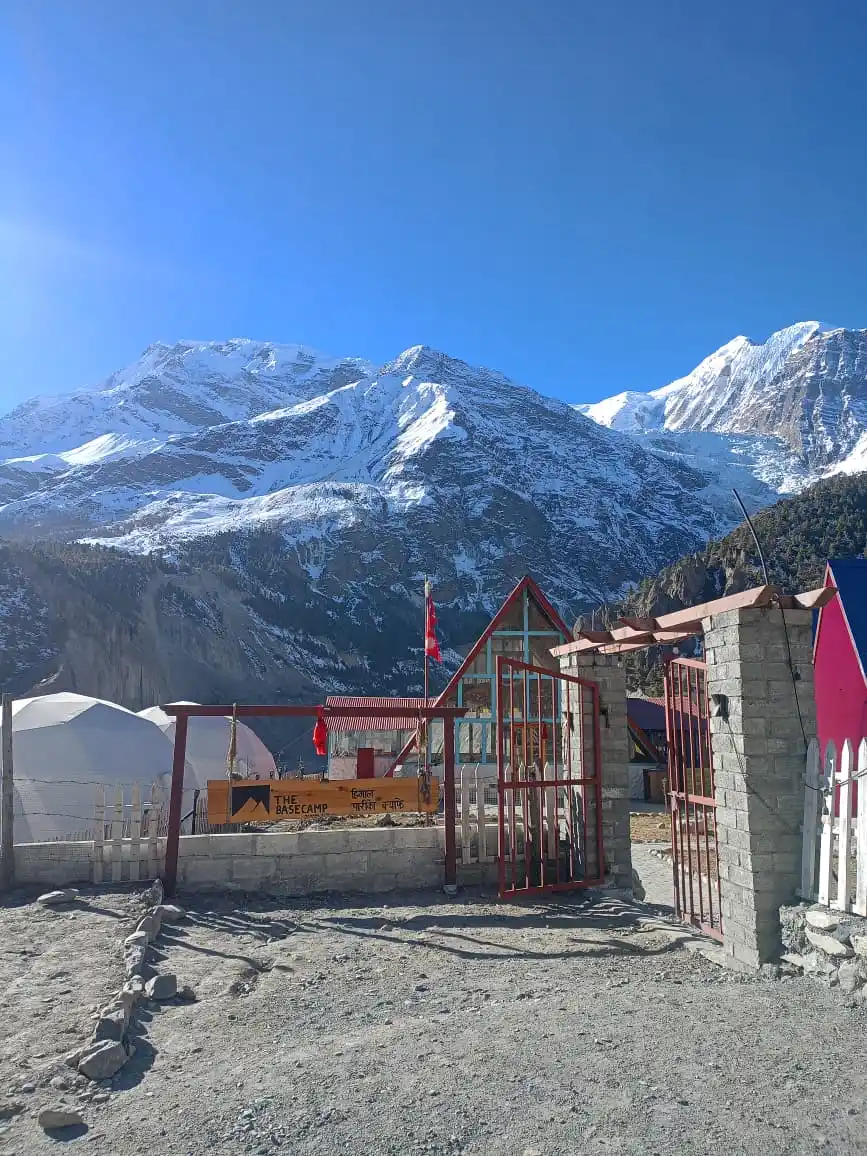
Mountains sparkle under the winter sun. Pine forests are frosted white. Frozen rivers and waterfalls create surreal landscapes. Every corner looks like a painting.
2. Sharpest Mountain Views of the Entire Year
Winter offers zero haze, crystal clarity, and blue skies so pure they feel unreal. Perfect for photographers and mountain lovers.
3. Peaceful, Crowd-Free Trails
Escape the rush of peak seasons. Winter offers total serenity — perfect for introspection, meditation, and uninterrupted mountain connection.
4. Warmer Hospitality & Better Accommodation
Teahouse owners have more time for trekkers in winter. They offer warmer rooms, bigger portions, and personal care.
5. Cultural Immersion
With fewer tourists, you experience pure Himalayan culture — storytelling by fire, local winter life, monasteries humming with chants, and yak herders passing through snow.
6. A True Adventure
Crossing Thorong La Pass (5,416m) in winter feels like a heroic achievement — a memory of strength and resilience that stays with you forever.
🗺️ The Detailed 15-Day Winter Annapurna Circuit Trek Itinerary
This itinerary is designed for safe winter trekking with proper acclimatization.
Day 1: Arrival in Kathmandu
Welcome to Nepal! Vibrant streets, Himalayan culture, and warm hospitality greet you. Overnight in Kathmandu.
Day 2: Drive Kathmandu → Syange (1,130m)
Duration: 7–8 hours
A scenic drive through terraced fields, river valleys, and rugged mountain roads. You officially enter the Annapurna region.
Day 3: Trek Syange → Dharapani (1,860m)
Duration: 5–6 hours
Walk through waterfalls, deep green valleys, and small hillside villages. Winter brings fresh snow to the higher ridges.
Day 4: Trek Dharapani → Chame (2,650m)
Duration: 5–6 hours
Forests of pine and fir glow under winter light. Peaks like Manaslu appear incredibly close. Chame is known for hot springs.
Day 5: Trek Chame → Pisang (3,300m)
Duration: 5–6 hours
Dramatic cliffs, icy river sections, and wide-open views lead to Pisang, a village perched below glowing snowy mountains.
Day 6: Trek Pisang → Manang (3,500m)
Duration: 6–7 hours
The upper route offers a winter panorama of the Annapurna range. Manang is a quiet, snowy valley rich in Tibetan culture.
Day 7: Rest & Acclimatization Day in Manang
Hike to Gangapurna Lake, visit monasteries, explore winter markets, and prepare for higher altitude.
Day 8: Trek Manang → Yak Kharka (4,050m)
Duration: 4–5 hours
A gentle ascent along yak pastures under wide-open winter skies. Snow increases and the world becomes quiet.
Day 9: Trek Yak Kharka → Thorong Phedi (4,500m)
Duration: 3–4 hours
The trail becomes steeper and colder. Rest early at Phedi — tomorrow is the big day.
Day 10: Cross Thorong La Pass (5,416m) → Muktinath (3,400m)
Duration: 8–9 hours
A legendary day.
Start before sunrise. Follow the snow-covered trail lit by headlamps and starlight. At the top of Thorong La, prayer flags flap in icy winds, and the Himalayan horizon stretches endlessly.
You’ve conquered the highest trekking pass in the world.
Descend to Muktinath, a sacred spiritual center with 108 water spouts and eternal flame.
Day 11: Drive Muktinath → Tatopani (1,300m)
Duration: 5–6 hours
Descend the world’s deepest gorge. Arrive at Tatopani’s natural hot springs — the perfect muscle therapy after the pass.
Day 12: Trek Tatopani → Ghorepani (2,870m)
Duration: 7–8 hours
This long ascent takes you through snowy rhododendron forests and warm villages.
Day 13: Sunrise at Poon Hill → Trek to Nayapul → Drive to Pokhara
Duration: 7–8 hours
Witness one of the most beautiful sunrises on Earth.
Golden light covers Annapurna, Dhaulagiri, and Machhapuchhre — a breathtaking winter display.
Return to Pokhara for a relaxing evening beside the lakeside.
Day 14: Drive Pokhara → Kathmandu (6–7 hours)
Scenic return through the Trishuli River corridor.
Day 15: Final Departure
With a heart full of memories and a camera full of snowy mountain photos, you fly home.
🧭 Difficulty & Fitness Level (Winter Specific)
- Difficulty: Moderate to Challenging
- Highest altitude: 5,416m
- Experience needed: Recommended but not mandatory
- Fitness level: Good cardiovascular strength and stamina
Winter adds cold temperatures and occasional snow, but with proper preparation, anyone with determination can complete it.
⛰️ Weather Summary for the Winter Trek
| Altitude | Day Temperature | Night Temperature |
|---|---|---|
| Lower Region (1,000–2,500m) | +10°C to +15°C | 0°C to 5°C |
| Manang Region (3,500–4,000m) | −5°C to +5°C | −10°C to −20°C |
| Thorong La Pass (5,416m) | −15°C to −25°C | Can feel colder with wind |
Clear skies are the biggest advantage.
💰 Cost Breakdown for the Trek
- Budget: $900 – $1,100
- Standard: $1,200 – $1,500
- Luxury: $1,600+
Includes:
- Permits (ACAP + TIMS)
- Guide & porter
- Meals & accommodation
- Transportation
- Basic gear (rental if needed)
🎒 Full Winter Packing List (Best Version)
Clothing
- Heavy down jacket
- Thermal tops & bottoms
- Fleece jacket
- Waterproof jacket
- Warm gloves (inner + outer)
- Woolen cap & buff
Footwear
- High-quality waterproof trekking boots
- Microspikes
- Thick wool socks
- Gaiters
Gear
- Sleeping bag (−20°C rating)
- Headlamp
- Trekking poles
- Sunglasses (anti-glare)
- Water bottle + purification tablets
Other Essentials
- First aid kit
- Snacks (energy bars, nuts)
- Sunscreen
- Lip balm
- Insurance covering high-altitude rescue
🔒 Safety Tips for Winter Annapurna Circuit
- Cross Thorong La early (before 8 AM)
- Avoid trekking alone
- Drink plenty of fluids
- Use microspikes in icy sections
- Take acclimatization seriously
- Dress in layers
- Keep gadgets warm to preserve battery
🌄 Winter Annapurna Circuit Trek Highlights
- Snow-covered Marsyangdi Valley
- Majestic views of Annapurna II, III, IV, Gangapurna & Tilicho
- Ancient Buddhist monasteries in Manang
- Crossing Thorong La Pass in snow
- Spiritual visit to Muktinath Temple
- Hot springs at Tatopani
- Surreal sunrise from Poon Hill
Every day feels like stepping into a living Himalayan postcard.
⭐ Conclusion: A Winter Trek You Will Remember Forever
The Winter Annapurna Circuit Trek is an unforgettable adventure — pure, peaceful, beautiful, and challenging in the best possible way. With fewer crowds, clear mountain views, snowy panoramas, and authentic cultural experiences, winter brings you the most magical version of this world-famous trek.
This is not just a journey around mountains — it’s a journey within yourself.