02nd April, 2026
Feb 12, 2024
Mera Peak Climbing in October
- Is Mera Peak difficult to climb?
- Can a beginner climb Mera Peak?
- Highlights of the Mera Peak Climb in October
- Mera Peak Weather October
- Why Climb Mera Peak in October?
- Weather-related Difficulties in Mera Peak Climb
- Essential Tips for the Mera Peak Climb in October
- Is This Climbing Suitable For Me?
- Altitude Sickness and Acclimatization
- How Shall I Prepare Myself For The Mera Peak Expedition?
- Packing List For Mera Peak Climbing
- How Can I Cope With Altitude Sickness
- Conclusion
- Mera Peak Climbing Packages
In October, Mera Peak stands as an inviting challenge amidst the pristine wilderness of the Himalayas. Nestled in the Solukhumbu region of Nepal, this majestic peak lures adventurers with its promise of stunning vistas and a thrilling ascent. As the crisp autumn air settles over the rugged terrain, Mera Peak offers climbers a perfect blend of manageable trekking and exhilarating mountaineering.
The journey begins in Kathmandu, where the bustling streets and ancient temples provide a cultural prelude to the adventure ahead. From there, a scenic flight to Lukla sets the stage for the trek into the heart of the Khumbu region. Traversing through picturesque Sherpa villages and dense rhododendron forests, climbers gradually ascend towards the Mera Peak Base Camp, soaking in the breathtaking views of snow-capped peaks along the way.

Guaranteed Departure
Private
Group
of 0 reviews
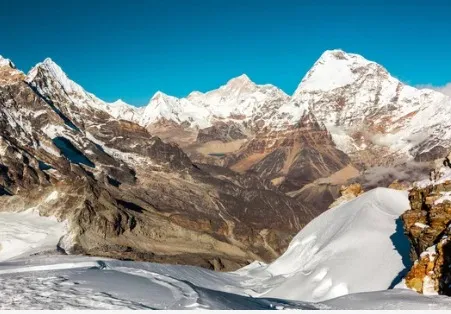
October blesses climbers with clear skies and stable weather, ideal for the technical challenges of summiting Mera Peak. The route to the summit involves navigating crevassed glaciers and steep snow slopes, culminating in a final push to the 6,476-meter-high peak. As the sun rises over the Himalayas, climbers are rewarded with a panoramic spectacle that stretches from Everest to Kanchenjunga, an awe-inspiring vista that makes every step of the ascent worthwhile.
Descending from the summit, trekkers can relish in the accomplishment and unwind in the tranquility of the mountains. The return journey offers opportunities to explore the cultural riches of the region, from visiting ancient monasteries to encountering yaks grazing in alpine meadows. Each moment on Mera Peak is a testament to the allure of adventure and the raw beauty of Nepal’s wilderness, leaving climbers with memories to cherish long after they’ve returned home.
Mera Peak in October isn’t just a climb; it’s an immersive Himalayan experience that captures the essence of mountaineering amidst some of the world’s most spectacular landscapes.
Is Mera Peak difficult to climb?
Mera Peak, standing at 6,476 meters (21,247 feet), is considered one of Nepal's highest trekking peaks. While it is technically a straightforward climb compared to many other peaks in the region, it still presents significant challenges even for experienced climbers. The difficulty lies primarily in its altitude and the technical skills required to navigate crevassed glaciers and steep snow slopes.
The ascent typically involves using basic mountaineering equipment such as crampons, ice axes, and ropes. Climbers need to be proficient in these techniques, especially for the final summit push, which includes a steep climb up the Mera La and a final ascent up the snowy summit ridge.
Physical fitness is crucial as well, as the climb involves several days of trekking through varying terrain and altitude acclimatization. Proper preparation and acclimatization are essential to mitigate the risks associated with high-altitude climbing, such as altitude sickness.
Overall, while Mera Peak is achievable for climbers with some mountaineering experience and the right preparation, it should not be underestimated. It offers a rewarding challenge for those seeking to venture beyond trekking into the realm of high-altitude mountaineering in the stunning Himalayan landscape.

Guaranteed Departure
Private
Group
of 0 reviews
Can a beginner climb Mera Peak?
Mera Peak presents an enticing challenge for beginners aspiring to venture into mountaineering. While it is categorized as a trekking peak and not a technically demanding climb compared to some of the higher peaks in the Himalayas, it still requires a certain level of physical fitness, mental determination, and preparation.
For beginners, it is essential to have prior trekking experience at high altitudes and preferably some basic mountaineering skills. These skills include using crampons, ice axes, and ropes, as well as understanding glacier travel and basic avalanche awareness. Although technical difficulties are relatively moderate compared to other peaks, climbers should be comfortable with prolonged exposure to high altitudes and challenging weather conditions.
The climb typically involves a gradual ascent, allowing for proper acclimatization and adjustment to altitude. A well-planned itinerary with adequate rest days is crucial for increasing the chances of a successful summit attempt and minimizing the risk of altitude-related illnesses.
With proper guidance from experienced guides and outfitters, many beginners have successfully summited Mera Peak, enjoying the unparalleled views of the Himalayas from its lofty summit. It remains a popular choice for those looking to transition from trekking to the world of mountaineering in a spectacular Himalayan setting.
Highlights of the Mera Peak Climb in October
Climbing Mera Peak in October offers a blend of adventure, natural beauty, and favorable weather conditions, making it one of the best times to attempt this majestic peak. Here are some of the highlights climbers can expect during their expedition:
- Scenic Trekking Route: The journey begins with a scenic flight from Kathmandu to Lukla, followed by a trek through picturesque Sherpa villages and dense rhododendron forests. October's clear skies and mild temperatures enhance the trekking experience.
- Spectacular Views: As climbers ascend towards Mera Peak Base Camp, they are treated to breathtaking views of the Himalayan giants including Everest, Lhotse, Makalu, and Cho Oyu. The panorama becomes even more awe-inspiring as they approach the summit.
- Technical Climbing: The climb involves crossing crevassed glaciers and ascending steep snow slopes. October's stable weather conditions provide a safer environment for these technical challenges, enhancing the overall climbing experience.
- Cultural Exploration: Along the trekking route, climbers have the opportunity to immerse themselves in the rich Sherpa culture, visiting ancient monasteries and interacting with local communities.
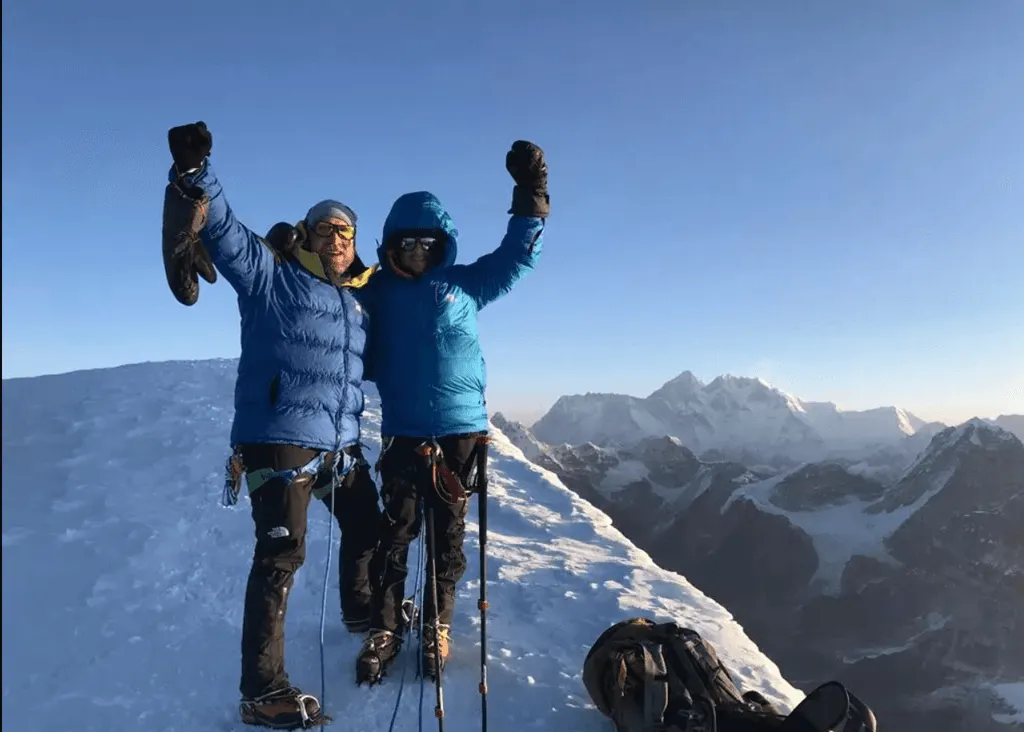
- Summit Experience: The culmination of the expedition is reaching the summit of Mera Peak, where climbers are rewarded with unparalleled 360-degree views of the Himalayas stretching into the horizon.
October's combination of favorable weather, stunning landscapes, and cultural richness makes climbing Mera Peak an unforgettable adventure for mountaineers seeking a unique Himalayan experience.
Guaranteed Departure
Private
Group
of 0 reviews
Mera Peak Weather October
October is considered one of the best months to climb Mera Peak due to its favorable weather conditions and stunning scenery. Here's what climbers can expect in terms of weather during October:
- Temperature: During October, temperatures on Mera Peak can vary significantly depending on altitude and time of day. At lower elevations, temperatures might range from around 10°C (50°F) during the day to below freezing at night. As climbers ascend higher, temperatures drop further, requiring appropriate cold-weather gear.
- Precipitation: October marks the end of the monsoon season in Nepal, resulting in relatively dry conditions. While occasional brief showers or snowfall can occur, they are less frequent compared to earlier months. This dry spell makes October ideal for climbing, as it reduces the risk of precipitation-related challenges such as slippery trails or avalanches.
- Visibility: Clear skies are typical during October, offering excellent visibility of the surrounding peaks and landscapes. This clear weather enhances the climbing experience, allowing climbers to enjoy panoramic views from higher elevations and facilitating safe navigation along the route.
- Wind: Wind speeds on Mera Peak can vary, especially on exposed sections such as the summit ridge. October generally sees moderate winds, but climbers should be prepared for occasional gusts, particularly at higher altitudes where wind chill can be a factor.
Overall, October provides a stable and pleasant climate for climbing Mera Peak, allowing climbers to enjoy the challenge of the ascent and the beauty of the Himalayan scenery without the harsh conditions of winter or the risks associated with the monsoon season.

Guaranteed Departure
Private
Group
of 43 reviews
Why Climb Mera Peak in October?
October presents an ideal window for climbing Mera Peak, enticing adventurers with favorable weather conditions and breathtaking scenery. Here are compelling reasons why October is the perfect time for this Himalayan expedition:
- Weather: October marks the end of the monsoon season in Nepal, ensuring clear skies and stable weather. This reduces the risk of precipitation and enhances visibility, offering stunning views of surrounding peaks like Everest, Lhotse, and Makalu.
- Temperature: During October, temperatures are moderate and comfortable for trekking and climbing. Daytime temperatures at lower elevations range from 10°C to 15°C (50°F to 59°F), while nighttime temperatures can drop below freezing at higher altitudes. This balance makes it easier to manage gear and clothing without extreme cold or heat.
- Less Crowded: Unlike peak climbing seasons such as spring, October sees fewer climbers on Mera Peak. This means quieter trails, more serene campsites, and a more intimate experience with the Himalayan wilderness.
- Cultural Experience: October allows climbers to immerse themselves in local culture. From encountering Sherpa communities along the trek to participating in festivals like Dashain and Tihar, climbers can gain insights into Nepal's rich cultural heritage.
- Optimal Climbing Conditions: The stable weather conditions in October provide a safer environment for the ascent. Routes are less prone to avalanches or slippery conditions, facilitating a smoother and more enjoyable climb.
In essence, October offers a harmonious blend of favorable weather, breathtaking views, cultural richness, and optimal climbing conditions, making it an excellent choice for conquering Mera Peak.

Guaranteed Departure
Private
Group
of 34 reviews
Weather-related Difficulties in Mera Peak Climb
While October generally offers favorable weather for climbing Mera Peak, there are still potential weather-related challenges climbers should be aware of:
- Temperature Variations: Temperatures can vary significantly between day and night and with altitude. It's essential to layer clothing appropriately to manage these fluctuations and avoid exposure-related illnesses like hypothermia.
- Wind: Wind speeds can increase suddenly, especially on exposed sections like the summit ridge. Strong winds can impact visibility and make climbing more challenging, requiring careful navigation and securing of equipment.
- Precipitation: While October is relatively dry compared to other months, occasional brief showers or snowfall can still occur. These can create slippery conditions on trails and increase the risk of avalanches, particularly on steep slopes.
- Altitude: As climbers ascend, they encounter decreasing oxygen levels and colder temperatures. Proper acclimatization and monitoring of weather conditions are crucial to mitigate altitude sickness risks and ensure a safe ascent and descent.
- Weather Forecasts: Reliable weather forecasts are essential for planning and decision-making during the climb. Climbers should stay informed about changing weather patterns and adjust their itinerary accordingly to avoid adverse conditions.
By preparing for these potential challenges and staying vigilant, climbers can navigate the weather-related difficulties of Mera Peak climb effectively, maximizing safety and enjoyment.

Guaranteed Departure
Private
Group
of 24 reviews
Essential Tips for the Mera Peak Climb in October
Preparing for a Mera Peak climb in October requires careful planning and consideration of various factors to ensure a safe and enjoyable expedition. Here are essential tips to help climbers make the most of their adventure:
- Physical Fitness: Start a training regimen several months before the expedition, focusing on cardiovascular fitness, strength training, and endurance exercises. This preparation will help climbers cope with the physical demands of trekking and climbing at high altitudes.
- Packing Essentials: Pack lightweight, moisture-wicking clothing suitable for layering. Include cold-weather gear such as insulated jackets, gloves, hats, and sturdy trekking boots. Don’t forget essential mountaineering equipment like crampons, ice axes, and ropes.
- Acclimatization: Plan a gradual ascent with rest days to acclimatize to high altitudes. Stay hydrated, eat nutritious meals, and monitor for symptoms of altitude sickness, such as headaches, nausea, and dizziness.
- Weather Awareness: Check weather forecasts regularly and be prepared for sudden changes in weather conditions. Carry waterproof gear and ensure tents and sleeping bags are suitable for cold temperatures.
- Guided Expedition: Consider joining a guided expedition led by experienced Sherpa guides. They provide valuable local knowledge, support, and ensure safety throughout the climb.
- Leave No Trace: Respect the environment by following Leave No Trace principles. Dispose of waste properly and minimize impact on the fragile Himalayan ecosystem.
By following these essential tips, climbers can enhance their preparation, safety, and overall experience during the Mera Peak climb in October.
Is This Climbing Suitable For Me?
Climbing Mera Peak in October is a challenging yet achievable goal for climbers with some trekking and possibly basic mountaineering experience. Here’s how to determine if it’s suitable for you:
- Fitness Level: Climbers should have a good level of physical fitness, capable of trekking for several hours each day over varied terrain and altitudes. Cardiovascular endurance and strength are essential for coping with the demands of the climb.
- Altitude Experience: While Mera Peak is considered a trekking peak, it reaches high altitudes where oxygen levels are lower. Prior experience trekking at altitudes above 4,000 meters (13,000 feet) is beneficial for understanding how your body reacts to altitude.
- Mountaineering Skills: Basic mountaineering skills such as using crampons, ice axes, and ropes are advantageous. While technical difficulties are moderate, familiarity with these tools and techniques enhances safety and confidence during the climb.
- Risk Management: Assess your ability to manage risks associated with high-altitude climbing, including altitude sickness, weather changes, and physical endurance. Mental resilience and the ability to make informed decisions are crucial on challenging expeditions like Mera Peak.
- Guided vs. Independent: Consider joining a guided expedition if you lack experience or prefer the support and expertise of experienced guides. They provide safety, local knowledge, and logistical support throughout the climb.
Ultimately, climbing Mera Peak requires preparation, determination, and respect for the challenges of high-altitude mountaineering. With the right mindset and readiness, it can be a rewarding adventure in one of the world’s most stunning mountain landscapes.

Guaranteed Departure
Private
Group
of 20 reviews
Altitude Sickness and Acclimatization
Altitude sickness, also known as acute mountain sickness (AMS), is a common concern for climbers ascending Mera Peak. Understanding its causes, symptoms, and preventive measures is crucial for a safe and successful expedition.
- Causes: Altitude sickness occurs when the body fails to acclimatize properly to reduced oxygen levels at higher altitudes. It can affect anyone, regardless of age, gender, or fitness level.
- Symptoms: Symptoms of AMS typically include headaches, nausea, dizziness, fatigue, and difficulty sleeping. More severe forms like High Altitude Pulmonary Edema (HAPE) and High Altitude Cerebral Edema (HACE) can be life-threatening and require immediate descent and medical attention.
- Preventive Measures: Adequate acclimatization is the most effective way to prevent altitude sickness. Plan a gradual ascent with rest days at intermediate altitudes to allow the body to adjust. Stay hydrated, avoid alcohol and tobacco, and consume a high-carbohydrate diet.
- Medication: Some climbers may consider taking medications like acetazolamide (Diamox) to aid acclimatization. Consult with a healthcare professional before using any medication and be aware of potential side effects.
- Recognizing Symptoms: Monitor yourself and fellow climbers for early signs of altitude sickness. If symptoms worsen or persist despite rest and hydration, descend to a lower altitude immediately.
- Emergency Preparedness: Have a plan in place for emergencies. Carry a first aid kit, know how to use it, and ensure access to communication devices in case of evacuation or medical assistance.
- Group Dynamics: Climbing with a group allows for mutual support and monitoring of symptoms. Encourage open communication and look out for each other’s well-being throughout the expedition.
By understanding altitude sickness and prioritizing proper acclimatization, climbers can minimize the risks and enjoy a safe and memorable climb to the summit of Mera Peak in October.
How Shall I Prepare Myself For The Mera Peak Expedition?
Preparing for the Mera Peak expedition requires comprehensive planning and physical conditioning to ensure a safe and successful climb. Here’s a detailed guide on how to prepare yourself:
- Physical Fitness: Start training several months in advance, focusing on cardiovascular endurance, strength training, and hiking with a loaded pack. Aim for activities that mimic the demands of trekking and climbing at high altitudes.
- Altitude Experience: Acquire experience trekking at high altitudes to understand how your body reacts to reduced oxygen levels. Consider training climbs on lower peaks or high-altitude trails to gauge your fitness and acclimatization capacity.
- Mountaineering Skills: Familiarize yourself with basic mountaineering techniques such as using crampons, ice axes, and ropes. Practice these skills under supervision to build confidence and proficiency before the expedition.
- Gear and Equipment: Invest in high-quality gear suitable for high-altitude climbing. This includes insulated clothing, waterproof layers, sturdy trekking boots, a sleeping bag rated for sub-zero temperatures, and essential mountaineering equipment.
- Nutrition and Hydration: Maintain a balanced diet rich in carbohydrates, proteins, and healthy fats. Stay hydrated throughout your training and the expedition to support physical performance and altitude acclimatization.
- Mental Preparation: Develop mental resilience to cope with physical challenges, unpredictable weather, and altitude-related discomfort. Visualize success, stay positive, and be adaptable to changing conditions during the climb.
- Medical Check-up: Visit a healthcare professional for a thorough medical check-up before the expedition. Discuss any pre-existing medical conditions and medications, and obtain prescriptions for altitude sickness prevention if necessary.
By dedicating time and effort to physical training, acquiring necessary skills, and preparing meticulously with appropriate gear and medical advice, you can enhance your readiness for the Mera Peak expedition and maximize your chances of summiting successfully.

Guaranteed Departure
Private
Group
of 15 reviews
Packing List For Mera Peak Climbing
Packing strategically for the Mera Peak climb ensures you have essential gear to stay safe, comfortable, and prepared for varying weather conditions. Here’s a comprehensive packing list:
- Clothing:
- Insulated down jacket
- Waterproof and windproof shell jacket and pants
- Thermal base layers (tops and bottoms)
- Fleece or insulated mid-layers
- Trekking pants and shorts
- Warm hat, gloves, and neck gaiter
- Sturdy trekking boots with crampon-compatible soles
- Gaiters to keep snow out of boots
- Equipment:
- Sleeping bag (rated for sub-zero temperatures)
- Sleeping mat or insulated sleeping pad
- Trekking poles for stability and balance
- Headlamp or flashlight with spare batteries
- Sunglasses with UV protection and glacier goggles
- Sunscreen and lip balm with high SPF
- Personal toiletries and medications
- Water bottles or hydration system (insulated to prevent freezing)
- Mountaineering Gear:
- Crampons suitable for your boots
- Ice axe with leash
- Climbing harness and carabiners
- Helmet for protection on rocky or icy terrain
- Prusik cords and slings for safety and rescue
- Miscellaneous:
- Lightweight duffel bag or backpack for porters
- Daypack for carrying essentials during daily hikes
- Cash for tips, souvenirs, and additional expenses
- Personal identification and travel documents
- Camera or smartphone for capturing memories
- Optional:
- Portable solar charger or power bank
- Journal and pen for recording experiences
- Snacks and energy bars for extra sustenance during hikes
Ensure all clothing and gear are lightweight, moisture-wicking, and packable to optimize comfort and mobility during the climb. Pack efficiently, balancing essential items with weight limitations, and consider renting bulky or specialized gear locally if necessary.
Guaranteed Departure
Private
Group
of 16 reviews
How Can I Cope With Altitude Sickness
Altitude sickness, or acute mountain sickness (AMS), can affect climbers ascending to high altitudes like Mera Peak. Here are practical tips to cope with altitude sickness and ensure a safer climb:
- Acclimatization: Gradually ascend to higher altitudes, allowing your body time to adjust to reduced oxygen levels. Plan rest days at intermediate altitudes to aid acclimatization.
- Hydration: Drink plenty of fluids, preferably water or electrolyte solutions, to stay hydrated and support oxygen delivery to tissues.
- Nutrition: Maintain a balanced diet rich in carbohydrates, proteins, and healthy fats to sustain energy levels and aid acclimatization.
- Medication: Consider medications like acetazolamide (Diamox) to prevent altitude sickness symptoms. Consult with a healthcare professional before use and be aware of potential side effects.
- Recognize Symptoms: Monitor yourself and fellow climbers for early signs of altitude sickness, such as headaches, nausea, dizziness, fatigue, and difficulty sleeping.
- Descend if Necessary: If symptoms worsen despite preventive measures, descend to a lower altitude immediately. Prompt action is crucial to avoid severe forms of altitude sickness like High Altitude Pulmonary Edema (HAPE) or High Altitude Cerebral Edema (HACE).
- Rest and Recovery: Allow time for rest and recovery during the climb. Listen to your body, prioritize health, and communicate openly with guides and team members about symptoms.
- Group Support: Climbing with a group allows for mutual support and monitoring of symptoms. Encourage open communication and look out for each other’s well-being throughout the expedition.
By implementing these strategies and prioritizing safety, climbers can effectively cope with altitude sickness during the Mera Peak expedition, enhancing their chances of a successful and enjoyable climb.

Guaranteed Departure
Private
Group
of 20 reviews
Conclusion
Embarking on the Mera Peak expedition is a thrilling adventure that requires careful preparation, physical conditioning, and respect for the challenges of high-altitude climbing. By dedicating time to training, acquiring essential skills, packing thoughtfully, and understanding altitude-related risks, climbers can maximize their readiness and safety during the ascent.
Furthermore, coping with altitude sickness through acclimatization, hydration, nutrition, and, if necessary, medication, ensures a smoother experience on the mountain. Each aspect of preparation—from fitness and gear selection to medical considerations and mental readiness—contributes to a successful climb and unforgettable journey in the majestic Himalayas.
Ultimately, climbing Mera Peak offers not just a physical challenge but also a profound opportunity to explore stunning landscapes, immerse oneself in local culture, and forge lasting memories. With proper preparation and a spirit of adventure, climbers can conquer Mera Peak and savor the rewards of reaching its breathtaking summit.
Mera Peak Climbing Packages
Mera Peak Summit Return By Helicopter

Guaranteed Departure
Private
Group
of 16 reviews