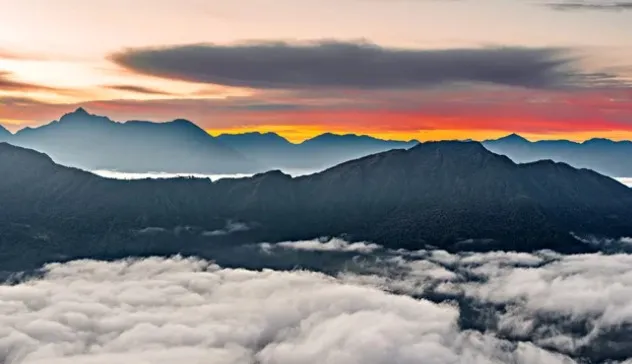
Climbing Mera Peak in November unveils a unique adventure amidst Nepal's Himalayan splendor. As the autumn season gradually transitions into winter, November offers climbers a blend of favorable weather conditions and breathtaking landscapes.
The journey commences in Kathmandu, where bustling streets and ancient temples set the stage for the expedition. A scenic flight to Lukla marks the beginning of the trek, leading through verdant valleys adorned with colorful autumn foliage. November's clear skies and mild temperatures create an ideal setting for trekking, providing panoramic views of snow-capped peaks along the way.
Ascending towards Mera Peak Base Camp, climbers traverse Sherpa villages and dense rhododendron forests painted in autumn hues. The route gradually unfolds, preparing climbers for the technical challenges ahead. Approaching the high-altitude terrain, including crevassed glaciers and steep snow slopes, demands the use of basic mountaineering skills such as crampon techniques and rope management.
This is the highest peak in Nepal that does not require a climbing permit (6,476m/21,190ft). From the summit there are spectacular views of several 8000 meter plus peaks, such as Everest, Cho Oyu, Kan...
November's stable weather minimizes the risks associated with monsoon remnants, ensuring safer glacier crossings and a more secure ascent. As climbers reach higher elevations, the vista expands to include towering giants like Everest, Lhotse, and Makalu, their majestic peaks illuminated by the crisp, clear mountain air.
Summit day dawns with a predawn departure, navigating the final ascent under starlit skies. As the sun rises over the Himalayas, reaching the 6,476-meter summit of Mera Peak becomes an exhilarating achievement. The panoramic view rewards climbers with an unparalleled vista stretching across the vast expanse of the Himalayan range.
Descending from the summit, the journey back allows for reflection amidst the serene mountain landscape. Encounters with local Sherpa culture and visits to ancient monasteries enrich the experience, offering glimpses into Nepal's rich heritage.
Climbing Mera Peak in November isn't just a climb; it's an immersive Himalayan adventure woven with natural beauty, cultural exploration, and personal triumph against the backdrop of Nepal's awe-inspiring mountainscape.
This is a chance to go climbing without the necessary permits that most climbing expeditions require in Nepal. Mera Peak fits the bill perfectly and at (6,476m/21,190ft) you will have spectacular view...
What Are The Merits Of Mera Peak Climbing In November?
November presents a compelling opportunity for climbers seeking to conquer Mera Peak in Nepal. Here are some merits of choosing November for this Himalayan adventure:
- Weather: November marks the transition between autumn and winter in Nepal, offering stable weather conditions. Days are typically clear with mild temperatures, ideal for trekking and climbing without the monsoon rains or harsh winter cold.
- Scenic Beauty: The landscape is adorned with vibrant autumn colors as the foliage turns golden and red, enhancing the trekking experience. Clear skies provide stunning views of snow-capped peaks and the surrounding Himalayan terrain.
- Less Crowded: Compared to peak climbing seasons like spring, November sees fewer climbers on Mera Peak. This means quieter trails, more peaceful campsites, and a more intimate experience with the natural surroundings.
- Cultural Exploration: Along the trekking route, climbers can interact with local Sherpa communities and explore ancient monasteries. November also coincides with festivals such as Tihar (Diwali), offering insights into Nepal’s rich cultural heritage.
- Optimal Climbing Conditions: The stable weather in November reduces the risk of precipitation and ensures safer glacier crossings and ascents. Climbers can focus on enjoying the climb and the panoramic views from the summit without weather-related interruptions.
Overall, Mera Peak climbing in November combines favorable weather, stunning landscapes, cultural immersion, and optimal climbing conditions, making it a rewarding choice for adventurers.
What is the Weather and Climate Like When Climbing Mera Peak in November?
Climbing Mera Peak in November offers climbers relatively stable weather conditions conducive to trekking and climbing in the Himalayas. Here’s a detailed look at the weather and climate during this time:
- Temperature: In early November, daytime temperatures at lower elevations can range from 10°C to 15°C (50°F to 59°F), gradually decreasing as altitude increases. Nighttime temperatures can drop below freezing, especially at higher camps and during early morning climbs.
- Precipitation: November is considered a dry month in Nepal, with minimal rainfall or snowfall in the lower elevations. This reduces the risk of slippery trails and avalanches, making it safer for climbers to navigate the terrain.
- Wind: Winds in November are generally moderate, but they can pick up at higher elevations and on exposed sections such as the summit ridge. Climbers should be prepared for occasional gusts and wind chill, especially during early morning climbs.
- Visibility: Clear skies are typical in November, offering excellent visibility of the surrounding peaks and landscapes. This enhances the climbing experience, allowing climbers to enjoy panoramic views from higher elevations.
- Weather Patterns: While November is relatively stable, weather conditions can vary. It’s essential for climbers to monitor weather forecasts regularly and be prepared for sudden changes, especially as they ascend to higher altitudes.
Overall, November provides favorable weather conditions for climbing Mera Peak, with clear skies, mild temperatures, and minimal precipitation. These conditions create a safer and more enjoyable environment for climbers to pursue their expedition goals in the majestic Himalayan landscape.
Mera Peak Expedition is a popular trekking route that offers a challenging climb to the summit of Mera Peak. The peak stands at an elevation of 6,476 meters (21,247 feet) and is located in the Solu Kh...
Highlights of Mera Peak Climbing In November
Climbing Mera Peak in November offers a captivating blend of natural beauty, cultural exploration, and challenging yet rewarding trekking and climbing experiences. Here are some highlights climbers can expect during their expedition:
- Autumn Foliage: November showcases the vibrant colors of autumn foliage along the trekking route. The hillsides are adorned with golden, red, and orange hues, creating a picturesque backdrop against the snow-capped peaks of the Himalayas.
- Clear Skies: November typically features clear skies and mild temperatures, offering excellent visibility of iconic peaks like Everest, Lhotse, Makalu, and Cho Oyu. The panoramic views from higher altitudes are breathtaking, providing climbers with memorable vistas at every turn.
- Cultural Immersion: Along the trek, climbers have opportunities to interact with local Sherpa communities and learn about their traditions and way of life. Visits to monasteries and participation in cultural festivities like Tihar (Diwali) enrich the expedition with cultural insights.
- Optimal Climbing Conditions: The stable weather in November minimizes the risk of precipitation and ensures safer glacier crossings and ascents. Climbers can focus on enjoying the technical challenges of the climb without weather-related interruptions.
- Summit Achievement: Reaching the summit of Mera Peak, standing at 6,476 meters (21,247 feet), is a pinnacle achievement. The panoramic views from the summit ridge, especially at sunrise or sunset, offer a sense of accomplishment and awe-inspiring beauty.
Climbing Mera Peak in November promises an unforgettable adventure amidst stunning landscapes, cultural encounters, and the thrill of conquering a Himalayan peak in optimal conditions.
Difficulties of Mera Peak Climbing in November
While November offers favorable conditions for climbing Mera Peak, there are still challenges that climbers should be prepared to face:
- Cold Temperatures: As November progresses, temperatures drop significantly, especially at higher altitudes and during early morning climbs. Proper layering and cold-weather gear are essential to combat the cold and prevent hypothermia.
- Altitude: Mera Peak reaches 6,476 meters (21,247 feet), posing significant altitude-related challenges. Climbers must acclimatize properly by gradually ascending and allowing time for their bodies to adjust to reduced oxygen levels.
- Technical Climbing: The ascent involves navigating crevassed glaciers and steep snow slopes, requiring basic mountaineering skills such as using crampons, ice axes, and ropes. November’s cold weather can make these technical sections more challenging.
- Weather Variability: While November generally has stable weather, conditions can change suddenly in the mountains. Climbers should be prepared for occasional gusty winds, reduced visibility due to cloud cover, and the possibility of brief snow showers.
- Physical and Mental Endurance: Climbing Mera Peak requires stamina, endurance, and mental resilience. Long trekking days, early morning summit attempts, and unpredictable mountain conditions demand physical fitness and a positive mindset.
Despite these difficulties, November remains a popular and rewarding time to climb Mera Peak, offering adventurers the chance to conquer a Himalayan peak amidst stunning autumn scenery and favorable climbing conditions. With proper preparation and a spirit of adventure, climbers can overcome challenges and experience the thrill of standing atop Mera Peak’s majestic summit.
Mera Peak is one of the most popular peaks for mountaineering in Nepal. It is located in the Solu Khumbu region of the country and stands at an elevation of 6,476 meters (21,247 feet). The peak is a p...
Is Mera Peak Climbing In November Feasible For Me?
Climbing Mera Peak in November is feasible for climbers with a moderate level of trekking experience and physical fitness. Here are considerations to help determine if it’s suitable for you:
- Physical Fitness: The expedition involves trekking for several days at high altitudes, ascending steep terrain, and enduring cold temperatures. Prior physical conditioning with cardiovascular exercises, strength training, and hiking with a loaded pack is essential to cope with the demands of the climb.
- Altitude Experience: While Mera Peak is considered a trekking peak, reaching 6,476 meters (21,247 feet) requires acclimatization to high altitudes. Previous experience trekking above 4,000 meters (13,000 feet) is beneficial to understand how your body reacts to altitude.
- Mountaineering Skills: Basic mountaineering skills such as using crampons, ice axes, and ropes are necessary for navigating crevassed glaciers and steep snow slopes. Consider taking a mountaineering course or practicing these skills under supervision before the expedition.
- Weather Conditions: November offers stable weather conditions with clear skies and mild temperatures, reducing the risk of precipitation. However, climbers should be prepared for cold temperatures and occasional gusty winds, especially during summit attempts.
- Guided Expedition: Joining a guided expedition led by experienced Sherpa guides enhances safety and support during the climb. They provide logistical assistance, route guidance, and ensure proper acclimatization throughout the expedition.
By assessing your physical fitness, altitude experience, readiness to acquire necessary skills, and considering guided support, you can determine if climbing Mera Peak in November aligns with your capabilities and aspirations for a Himalayan adventure.
Mera Peak, standing tall at 6,476 meters, is the highest trekking peak in Nepal and is a popular destination for adventure enthusiasts. The peak is located in the Solu Khumbu region of Nepal, close to...
Preparations For The Mera Peak Climb
Preparing for the Mera Peak climb involves comprehensive planning and physical conditioning to ensure a safe and enjoyable expedition. Here’s a detailed guide to help you prepare:
- Physical Fitness: Start training several months in advance with cardio exercises (running, cycling) and strength training (squats, lunges) to build endurance and muscle strength. Hike with a loaded backpack to simulate the trekking conditions.
- Altitude Experience: Acquire experience trekking at high altitudes to understand how your body reacts to reduced oxygen levels. Plan training hikes at elevations above 3,000 meters (10,000 feet) to prepare for the altitude challenge.
- Gear and Equipment: Invest in high-quality gear suitable for cold weather and mountaineering. Essentials include insulated clothing, waterproof layers, trekking boots with crampon compatibility, a sleeping bag rated for sub-zero temperatures, and basic mountaineering equipment.
- Medical Check-up: Visit a healthcare professional for a thorough medical check-up and discuss altitude sickness prevention. Obtain any necessary vaccinations and prescriptions for medications like acetazolamide (Diamox) to aid acclimatization.
- Cultural Preparation: Research Nepalese customs and etiquette, especially when interacting with local Sherpa communities. Respect for local traditions enhances cultural immersion and fosters positive interactions during the expedition.
- Logistics and Permits: Arrange permits (Sagarmatha National Park and Mera Peak climbing permit) through a reputable trekking agency or guide service. Ensure all paperwork and logistics, including transportation and accommodation, are confirmed before departure.
- Training Climbs: Consider undertaking training climbs on smaller peaks or challenging trails to build confidence and test gear and equipment.
By dedicating time and effort to physical training, acquiring necessary gear, understanding altitude challenges, and preparing logistics and permits, you can enhance your readiness for the Mera Peak climb and increase the likelihood of a successful summit.
Mera Peak is one of the most popular trekking peaks in Nepal, standing tall at 6,476 meters above sea level. The peak is located in the Khumbu region of Nepal and offers stunning views of some of the...
Do I Need Any Mountaineering Skills For Mera Peak Climbing In November?
Yes, climbers undertaking Mera Peak in November should possess basic mountaineering skills to navigate the technical aspects of the climb safely. Here’s a breakdown of essential mountaineering skills required:
- Use of Crampons: Climbers must be proficient in attaching and walking with crampons, which provide traction on icy or snowy terrain. Practice using crampons on varying slopes and conditions to ensure confidence and safety.
- Ice Axe Techniques: Familiarity with ice axe techniques, including self-arrest (stopping a fall on snow), is crucial. Learn proper gripping and swinging techniques under supervision to effectively use an ice axe for balance and safety.
- Rope Handling: Basic knowledge of rope handling, including tying knots, securing ropes for glacier travel, and using a harness and carabiners, is necessary. Understand rope management techniques during ascent and descent on steep slopes.
- Glacier Travel: Mera Peak involves crossing crevassed glaciers. Climbers should learn techniques for navigating safely over glaciers, identifying potential hazards, and using rope teams for added security.
- Route Finding: While guided expeditions provide route guidance, climbers should understand basic route finding principles and navigation skills using maps, GPS devices, or landmarks.
- Safety Practices: Knowledge of safety practices, including avalanche awareness, emergency response, and communication protocols, enhances preparedness for unforeseen mountain hazards.
While Mera Peak is considered a non-technical climb compared to some Himalayan peaks, November’s cold weather and high-altitude conditions require climbers to be competent in basic mountaineering skills. Consider taking a mountaineering course or practicing these skills under supervision before the expedition to ensure safety and confidence on the mountain.
This is a fantastic climbing expedition that takes you to the summit of "Island Peak (6,189m) situated between Amadablam and Lhotse mountains. This exciting adventure is jam-packed full of features an...
What About Accommodations And Meals While Mera Peak Climbing In November?
Accommodations and meals during Mera Peak climbing in November typically involve a combination of teahouse lodges and camping at higher altitudes. Here’s what climbers can expect:
- Teahouse Lodges: Along the lower sections of the trekking route, teahouse lodges provide basic accommodation with shared rooms or dormitories. Rooms usually include twin beds with blankets, and climbers need to bring their sleeping bags for warmth.
- Camping: As climbers ascend higher towards Mera Peak Base Camp and High Camp, accommodation shifts to camping due to the lack of permanent lodges. Camping equipment, including tents and sleeping mats, is provided by trekking agencies or guides.
- Facilities: Teahouses and lodges offer shared toilet facilities, which may include squat toilets and basic washing areas with cold water. Higher camps may have more limited facilities or none at all, requiring climbers to be self-sufficient with personal hygiene.
- Meals: Meals at teahouses and camps typically consist of Nepalese and Western dishes such as dal bhat (rice and lentils), noodles, soups, and potatoes. Breakfast and dinner are usually served hot, providing essential calories for energy during trekking and climbing days.
- Drinking Water: Purified drinking water is available at teahouses and camps for purchase. Climbers are advised to use water purification tablets or carry personal water filters for safe drinking water throughout the expedition.
- Packing Snacks: Pack energy bars, nuts, and snacks for additional sustenance during long trekking days and summit attempts. These snacks provide quick energy and are convenient for breaks along the trail.
Accommodations and meals during Mera Peak climbing in November cater to the needs of climbers, balancing comfort and practicality in the remote Himalayan environment. Proper preparation, including packing appropriate gear and understanding lodging options, ensures a comfortable and enjoyable experience throughout the expedition.
This is a real mountain climbing adventure that will leave you in awe of the beauty of the Himalayan Mountains. The Lobuche Peak Climbing expedition in the Khumbu region of Nepal has been ranked by Lo...
Useful Tips For Mera Peak Climbing In November
Climbing Mera Peak in November presents a thrilling adventure amidst Nepal’s Himalayan landscape. Here are some useful tips to enhance your experience and ensure a successful expedition:
- Pack Wisely: Prepare for varying weather conditions by packing layers of clothing suitable for cold temperatures. Include waterproof and windproof outer layers, insulated jackets, gloves, and a warm hat. Pack spare batteries and keep electronic devices close to your body to preserve battery life in the cold.
- Stay Hydrated: Drink plenty of fluids, even if you don’t feel thirsty, to combat dehydration and aid acclimatization. Carry a reusable water bottle or hydration bladder and consider using electrolyte supplements to replenish lost minerals.
- Acclimatize Properly: Ascend gradually to higher altitudes to allow your body time to adjust to reduced oxygen levels. Plan rest days during the trek to aid acclimatization and minimize the risk of altitude sickness.
- Follow Guide’s Instructions: Listen to your experienced Sherpa guide’s advice on safety, route conditions, and weather updates. They are familiar with the terrain and can make crucial decisions to ensure a safe and successful climb.
- Prepare Mentally: Climbing Mera Peak requires mental resilience. Stay positive, focus on each step, and be prepared for physical and mental challenges along the way. Visualize reaching the summit and stay motivated throughout the expedition.
- Respect Local Culture: Embrace the opportunity to interact with Sherpa communities and respect their traditions. Learn basic Nepali phrases and engage respectfully with locals to enrich your cultural experience.
- Emergency Preparedness: Carry a first aid kit and familiarize yourself with basic medical procedures for altitude-related illnesses. Know evacuation procedures and have emergency contacts readily available.
By incorporating these tips into your preparations and during the climb, you can maximize safety, enjoyment, and success when tackling Mera Peak in November.
Can I See Mount Everest From Mera Peak?
Yes, climbers ascending Mera Peak are treated to breathtaking views of Mount Everest along with other prominent Himalayan peaks. From the summit of Mera Peak, standing at 6,476 meters (21,247 feet), climbers can enjoy a panoramic vista of the surrounding Himalayan range.
Mount Everest (8,848 meters / 29,029 feet), the world’s highest peak, is located approximately 10 kilometers (6.2 miles) northwest of Mera Peak. On clear days, climbers can spot Everest’s distinctive pyramid shape towering above the neighboring peaks of Lhotse and Nuptse.
The view from Mera Peak’s summit ridge offers a memorable sight, especially during sunrise or sunset when the mountains are bathed in golden hues. Climbers often pause to admire the awe-inspiring landscape and capture photographs of Everest and the Himalayan panorama stretching across the horizon.
Seeing Mount Everest from Mera Peak is not only a highlight of the climb but also a testament to the natural beauty and grandeur of the Himalayas. It adds to the allure of conquering Mera Peak and experiencing firsthand the majesty of the world’s highest mountains.
Embark on an unforgettable journey to the heart of the Himalayas as you conquer three majestic peaks: Mera Peak, Island Peak, and Lobuche Peak. This ultimate adventure combines technical climbing, bre...
Which Mountain Should I Climb After Mera Peak?
After conquering Mera Peak, climbers often seek their next adventure in the Himalayas. Several nearby peaks offer rewarding challenges and stunning views. Here are some popular options:
- Island Peak (Imja Tse): Located in the Everest region, Island Peak (6,189 meters / 20,305 feet) offers a technical climb with a stunning view of Everest and Lhotse. It requires basic mountaineering skills and is a popular choice for climbers seeking to advance their mountaineering experience.
- Lobuche East: Also situated in the Everest region, Lobuche East (6,119 meters / 20,075 feet) provides climbers with a challenging ascent and panoramic views of Everest, Lhotse, and the Khumbu Glacier. It requires basic climbing skills and offers a rewarding experience in a less crowded setting.
- Ama Dablam: Known for its striking pyramid shape, Ama Dablam (6,812 meters / 22,349 feet) is located near Everest Base Camp. Climbing Ama Dablam is technically challenging and requires advanced mountaineering skills, making it a prestigious goal for experienced climbers.
- Pisang Peak: Situated in the Annapurna region, Pisang Peak (6,091 meters / 19,984 feet) offers a non-technical climb with stunning views of the Annapurna and Manaslu ranges. It’s suitable for climbers looking for a less demanding peak after Mera Peak.
Choosing the next mountain to climb after Mera Peak depends on your climbing experience, skill level, and personal goals. Consult with experienced guides or mountaineering organizations to select a peak that aligns with your abilities and interests.
Can I Hire Climbing Gear From Khare?
Yes, climbers trekking to Mera Peak often hire climbing gear from Khare, a village located at approximately 5,000 meters (16,400 feet) elevation. Khare serves as the last settlement before climbers head to Mera Peak Base Camp and High Camp.
Gear available for hire in Khare typically includes:
- Climbing Equipment: Crampons, ice axes, harnesses, and helmets are essential for navigating the glacier and steep snow slopes towards Mera Peak.
- Trekking Gear: Rent trekking poles, down jackets, sleeping bags, and tents suitable for high-altitude conditions.
- Technical Clothing: Waterproof and windproof jackets, pants, gloves, and mountaineering boots designed for cold weather conditions.
Hiring gear in Khare is convenient for climbers who prefer not to carry bulky equipment throughout the trek or those who lack specialized gear. Trekking agencies or guides can assist in arranging gear rental in Khare, ensuring climbers have the necessary equipment for a safe and comfortable ascent of Mera Peak.
Embark on the ultimate adventure of a lifetime with the Mera and Island Peak Climbing expedition offered by We Sherpa Expedition and Trekking. This exhilarating package combines two iconic peaks in th...
Conclusion
Climbing Mera Peak in November offers adventurers a thrilling opportunity to explore Nepal’s Himalayas amidst stunning landscapes and favorable weather conditions. By preparing adequately, acquiring necessary skills, and embracing local culture, climbers can embark on a memorable journey to conquer Mera Peak’s majestic summit. Whether marveling at Mount Everest’s distant silhouette or planning the next mountain adventure, Mera Peak promises a rewarding experience for mountaineers seeking challenges and unforgettable vistas in the heart of the Himalayas.
Mera Peak Climbing Packages
Mera Peak Climbing
Mera Peak Climbing 20 Days
Mera Peak Climbing 17 Days
Mera Peak Summit Return By Helicopter
Mera Peak Climbing 10 Days
Mera Peak Expedition 11 Days
Mera Peak Expedition 13 Days
Mera Peak Expedition 14 Days
Mera Peak Expedition 15 Days