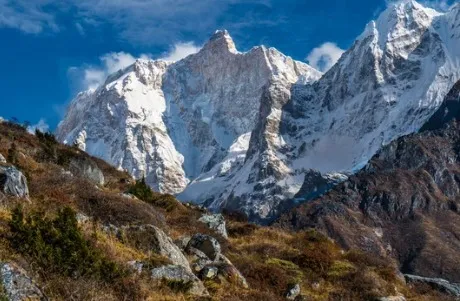
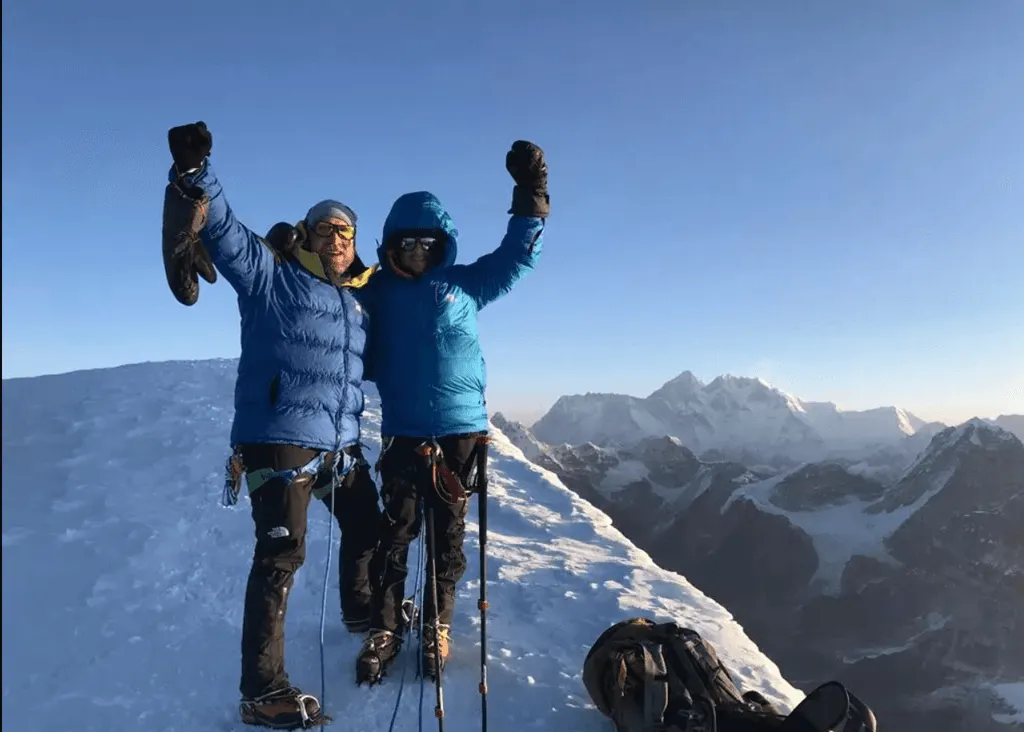
Climbing Mera Peak in May offers an exceptional adventure set against the backdrop of Nepal's stunning Himalayan landscape. May marks the tail end of the spring season in the Everest region, presenting climbers with favorable weather conditions and breathtaking scenery along the trekking route.
The journey typically begins with a scenic flight from Kathmandu to Lukla, followed by a trek through lush forests, blooming rhododendrons, and picturesque Sherpa villages like Namche Bazaar and Pangkongma. As climbers ascend towards Mera Peak Base Camp, they are treated to panoramic views of towering peaks and the tranquil beauty of the surrounding wilderness.
May boasts stable weather with clear skies, making it an ideal time for climbing Mera Peak. Daytime temperatures range from 5°C to 15°C (41°F to 59°F) at lower elevations, ensuring comfortable trekking conditions. As climbers progress higher, colder temperatures require proper layering and gear to navigate icy slopes and glacier crossings safely.
This is an excellent opportunity to climb Nepal’s highest peak without having to obtain a permit (6,476m/21,190ft). From the summit, you will have stunning views of several 8000m plus peaks, such as E...
The highlight of climbing Mera Peak in May is the spectacular views from the summit at 6,476 meters (21,247 feet). From this vantage point, climbers are rewarded with a 360-degree panorama of some of the world's highest peaks, including Everest, Lhotse, and Makalu, bathed in the warm light of the spring sun.
Descending from the summit, climbers experience a sense of accomplishment amidst the serenity of the Himalayan landscape. Engaging with local Sherpa culture, enjoying traditional hospitality, and reflecting on the journey's challenges and triumphs enriches the overall experience of climbing Mera Peak in May.
Overall, climbing Mera Peak in May promises a memorable adventure filled with natural beauty, cultural immersion, and personal achievement in the heart of the Himalayas.
Why Mera Peak Climbing In May Is Good
Climbing Mera Peak in May presents several advantages that make it an excellent choice for mountaineers seeking a Himalayan adventure:
- Ideal Weather: May marks the transition from spring to the pre-monsoon season in Nepal. The weather is generally stable with clear skies and minimal precipitation, offering excellent visibility of the surrounding peaks throughout the climb.
- Blooming Rhododendrons: The trekking trails leading to Mera Peak are adorned with vibrant rhododendron blooms during May. The forests burst into a riot of colors, adding a scenic charm to the journey and creating picturesque landscapes for trekkers.
- Comfortable Temperatures: Daytime temperatures range from 5°C to 15°C (41°F to 59°F) at lower elevations, providing pleasant trekking conditions. Colder temperatures higher up necessitate proper layering, but the overall climate is conducive to enjoyable and safe trekking.
- Less Crowded Trails: Compared to peak climbing seasons like October and November, May sees fewer climbers on the trails to Mera Peak. This allows for a more serene and peaceful trekking experience, with less competition for accommodations and services.
- High Success Rate: May typically offers good climbing conditions with stable weather, increasing the chances of a successful summit of Mera Peak. The clear skies enhance visibility, making navigation and summit attempts safer and more manageable.
Climbing Mera Peak in May combines favorable weather, stunning natural beauty, and a higher chance of summit success, making it a preferred time for mountaineers looking to conquer this majestic Himalayan peak.
This is the highest peak in Nepal that does not require a climbing permit (6,476m/21,190ft). From the summit there are spectacular views of several 8000 meter plus peaks, such as Everest, Cho Oyu, Kan...
Mera Peak Climbing In May Weather, Temperature, and Climate
Climbing Mera Peak in May provides climbers with favorable weather conditions characterized by clear skies, mild temperatures, and minimal precipitation:
- Weather: May marks the pre-monsoon season in Nepal, bringing stable weather patterns conducive to climbing. Clear skies prevail during the mornings and early afternoons, providing excellent visibility of the surrounding Himalayan peaks.
- Temperature: Daytime temperatures at lower elevations range from 5°C to 15°C (41°F to 59°F), creating comfortable trekking conditions. However, temperatures drop significantly at higher altitudes, requiring climbers to layer clothing and gear accordingly to stay warm.
- Precipitation: May experiences minimal rainfall in the Everest region, reducing the likelihood of precipitation along the trekking route to Mera Peak. Dry trails and clear weather contribute to safer climbing conditions and enhanced mountain views.
- Climate Variability: While May generally offers stable weather, climbers should remain prepared for sudden weather changes, especially in the afternoon or evening. Monitoring weather forecasts and adapting trekking plans accordingly helps mitigate risks associated with unpredictable weather patterns.
- Altitude Considerations: As climbers ascend towards Mera Peak's summit at 6,476 meters (21,247 feet), temperatures become colder and oxygen levels decrease. Proper acclimatization, hydration, and protective clothing are essential for coping with high-altitude conditions and ensuring a safe ascent and descent.
Overall, the weather and climate in May provide favorable conditions for climbing Mera Peak, offering clear skies, comfortable temperatures, and minimal precipitation conducive to a successful and enjoyable Himalayan expedition.
This is a chance to go climbing without the necessary permits that most climbing expeditions require in Nepal. Mera Peak fits the bill perfectly and at (6,476m/21,190ft) you will have spectacular view...
Mera Peak Climbing In May Difficulties
Climbing Mera Peak in May presents challenges that climbers must prepare for to ensure a safe and successful ascent:
- Altitude: Mera Peak stands at 6,476 meters (21,247 feet), posing significant altitude challenges. Acute Mountain Sickness (AMS) is a concern due to decreased oxygen levels at higher altitudes. Proper acclimatization through gradual ascent and rest days is crucial to prevent AMS and ensure climbers' well-being.
- Weather Variability: While May generally offers stable weather, climbers should be prepared for sudden weather changes, including strong winds, snowfall, or storms that can affect climbing conditions and visibility. Monitoring weather forecasts and being flexible with trekking plans helps mitigate risks associated with adverse weather.
- Technical Challenges: Although Mera Peak is considered a non-technical climb, it involves traversing glaciers, negotiating steep slopes, and using basic mountaineering equipment such as crampons and ice axes. Climbers should be proficient in using this equipment and navigating alpine terrain to ensure safety.
- Physical Demands: Climbing Mera Peak requires excellent physical fitness and endurance. Long trekking days, carrying a backpack, and ascending steep slopes at high altitudes demand stamina, strength, and mental resilience from climbers.
- Logistical Considerations: Organizing permits (Sagarmatha National Park and Mera Peak climbing permits), accommodations, meals, and transportation (flights to Lukla) requires careful planning and coordination. Engaging a reputable trekking agency or guide service helps manage logistics and ensures a smoother expedition experience.
By acknowledging and preparing for these challenges, climbers can enhance their readiness and resilience for tackling Mera Peak in May, ultimately increasing their chances of a safe and successful summit.
Food, Accommodation, Guide, and Permit for Mera Peak
Climbing Mera Peak involves essential logistics including food, accommodation, guides, and permits, crucial for a well-organized and safe expedition:
- Food: During the trek to Mera Peak, climbers are typically accommodated in tea houses or lodges along the route. These establishments offer basic meals such as dal bhat (rice and lentils), noodles, soups, and tea. Meals are hearty and nutritious, providing the necessary energy for trekking and climbing.
- Accommodation: Tea houses and lodges provide simple and comfortable lodging options with basic amenities such as beds, blankets, and shared bathrooms. Accommodations are arranged by trekking agencies or guides and vary in comfort levels depending on the location and altitude.
- Guide: Hiring a certified guide is highly recommended for climbing Mera Peak. Guides possess local knowledge of the terrain, weather conditions, and cultural insights. They facilitate logistics, ensure safety during the climb, and provide guidance on route navigation and acclimatization.
- Permits: Climbing Mera Peak requires obtaining permits from relevant authorities. This includes Sagarmatha National Park entry permits and Mera Peak climbing permits issued by the Nepal Mountaineering Association (NMA). These permits regulate access to the trekking trails and ensure environmental conservation and safety standards.
- Logistical Support: Trekking agencies or guides assist in securing permits, arranging accommodations, coordinating transportation (flights to Lukla), and providing logistical support throughout the expedition. They manage the details, allowing climbers to focus on acclimatization and enjoying the journey.
Preparing for Mera Peak includes understanding these logistical components, ensuring climbers are adequately equipped, supported, and informed for a successful and rewarding Himalayan climbing experience in May.
Mera Peak Expedition is a popular trekking route that offers a challenging climb to the summit of Mera Peak. The peak stands at an elevation of 6,476 meters (21,247 feet) and is located in the Solu Kh...
What Should I Pack for Mera Peak Climb in May
Packing for a Mera Peak climb in May requires careful consideration of essential gear and clothing to ensure comfort, safety, and readiness for varying weather conditions:
- Clothing Layers: Pack moisture-wicking base layers, thermal tops, and bottoms to regulate body temperature. Insulating layers like fleece jackets or down jackets provide warmth during chilly mornings and high altitudes. A waterproof and windproof outer shell protects against rain, snow, and wind.
- Trekking Pants: Choose lightweight and quick-drying trekking pants for mobility and comfort. Consider zip-off pants for versatility in adjusting to changing weather and terrain conditions.
- Footwear: Select sturdy and waterproof trekking boots with ankle support for stability on uneven terrain and protection from cold and wet conditions. Ensure boots are broken in before the climb to prevent blisters and discomfort.
- Headgear: Pack a warm beanie or hat for insulation, a sun hat or cap for sun protection, and sunglasses with UV protection to shield eyes from intense mountain glare and snow reflection.
- Gloves: Bring insulated gloves for warmth and dexterity, as well as waterproof outer gloves or mittens for protection against cold and snow during summit attempts.
- Mountaineering Equipment: Essential gear includes crampons, ice axe, harness, helmet, and ropes. Verify the condition and fit of equipment before departure and familiarize yourself with proper usage.
- Sleeping Gear: Carry a sleeping bag rated for sub-zero temperatures and a sleeping pad for insulation and comfort at higher elevations.
- Personal Care: Include sunscreen with a high SPF, lip balm with UV protection, personal hygiene items, and a comprehensive first aid kit with medications for altitude sickness, blisters, and minor injuries.
- Miscellaneous: Bring a headlamp or flashlight with extra batteries, trekking poles for stability on rocky paths, and a lightweight backpack for day hikes and carrying essentials.
- Documentation: Keep important documents such as passport, permits (Sagarmatha National Park and Mera Peak climbing permits), travel insurance details, and emergency contacts secure in a waterproof pouch.
By packing wisely and including all necessary items, climbers can enhance their comfort, safety, and enjoyment while tackling the challenges of Mera Peak in May.
How Can I Choose the Best Climbing Company
Selecting the right climbing company is crucial for a successful and safe Mera Peak expedition. Consider the following factors when choosing a climbing company:
- Reputation and Experience: Research the company's reputation within the mountaineering community. Look for reviews, testimonials, and recommendations from past clients to gauge their reliability and professionalism.
- Certifications and Guides: Ensure the company employs certified guides with extensive experience in leading treks and climbs in the Everest region. Experienced guides enhance safety, provide local insights, and manage logistical challenges effectively.
- Safety Record: Inquire about the company's safety protocols, emergency procedures, and equipment standards. A reputable company prioritizes client safety and maintains high standards for gear, medical supplies, and communication devices.
- Services Offered: Evaluate the services provided, including transportation arrangements (flights to Lukla), accommodation options, meals, equipment rental, and permit acquisition. Choose a company that offers comprehensive support throughout the expedition.
- Customization and Flexibility: Assess whether the company can tailor the itinerary to accommodate your preferences, fitness level, and climbing goals. Flexible scheduling and personalized attention contribute to a more rewarding and enjoyable experience.
- Cost and Value: Compare pricing structures and consider what is included in the package. While budget is a factor, prioritize value and quality of services provided to ensure a memorable and successful climb.
- Communication and Support: Evaluate the company's responsiveness to inquiries, clarity in communication, and willingness to address concerns or questions promptly. Clear communication fosters trust and ensures a smooth planning process.
Choosing the best climbing company involves thorough research, careful consideration of services offered, and alignment with your climbing objectives and expectations. By selecting a reputable and experienced company, climbers can maximize safety, comfort, and enjoyment during their Mera Peak expedition.
Mera Peak Climbing Just in 12 Days Return By Helicopter to Lukla and flight back Kathmandu.This is an excellent opportunity to climb Nepal’s highest peak without having to obtain a permit (6,476m...
Beginner Climbers Suitable to Climb Mera Peak
Mera Peak is considered suitable for beginner climbers who possess a good level of physical fitness, mental preparation, and a willingness to learn basic mountaineering skills. Here's why it can be a feasible option for beginners:
- Non-Technical Ascent: Mera Peak is classified as a non-technical trekking peak, meaning it does not require advanced mountaineering skills such as technical ice climbing or rock climbing. The ascent involves walking on glaciers and steep snow slopes, which can be managed with proper guidance and training.
- Gradual Acclimatization: The trek to Mera Peak Base Camp allows for gradual acclimatization, essential for adapting to high-altitude conditions and reducing the risk of altitude sickness. The itinerary typically includes rest days and ascent at a moderate pace to facilitate acclimatization.
- Guided Support: Hiring a certified guide or joining a guided expedition enhances safety and support for beginner climbers. Guides provide instruction on basic mountaineering techniques, navigation, and safety protocols, ensuring a smoother and more enjoyable climbing experience.
- Physical Preparation: Beginner climbers should prioritize physical fitness training, including cardiovascular exercises, strength training, and endurance activities like hiking with a loaded backpack. Building stamina and strength prepares climbers for the physical demands of trekking at high altitudes.
- Team Support: Joining a group expedition offers camaraderie, mutual support, and shared resources among climbers. Group dynamics provide encouragement, motivation, and a sense of community during challenging moments on the climb.
- Personal Challenge and Achievement: Climbing Mera Peak represents a significant personal challenge and achievement for beginner climbers. The journey fosters self-confidence, resilience, and a deeper appreciation for the natural beauty of the Himalayas.
While Mera Peak is accessible to beginners, climbers should approach the expedition with realistic expectations, proper preparation, and a willingness to adapt to the challenges of high-altitude trekking. With guidance from experienced leaders and a commitment to safety, beginner climbers can embark on a transformative Himalayan adventure.
This is a chance to go climbing without the necessary permits that most climbing expeditions require in Nepal. Mera Peak fits the bill perfectly and at (6,476m/21,190ft) you will have spectacular view...
Successful Tips for Summiting Mera Peak
Summiting Mera Peak requires thorough preparation, strategic planning, and adherence to proven strategies to maximize safety and success:
- Physical Fitness: Prioritize physical conditioning with regular cardiovascular exercise, strength training, and hiking to build endurance and stamina. A strong fitness base enhances performance and resilience during the climb.
- Acclimatization: Allocate ample time for acclimatization with a gradual ascent profile and rest days at key intervals. Climbing high and sleeping low aids in adjusting to high-altitude conditions and reduces the risk of altitude-related illnesses.
- Weather Monitoring: Stay informed about weather forecasts and conditions throughout the expedition. Plan summit attempts during periods of stable weather with clear skies and minimal wind to optimize safety and visibility.
- Hydration and Nutrition: Maintain hydration by drinking plenty of fluids, even when not thirsty, to combat dehydration at high altitudes. Consume balanced meals rich in carbohydrates, proteins, and fats to sustain energy levels and aid recovery.
- Equipment Preparation: Pack essential mountaineering gear, including crampons, ice axe, harness, helmet, and ropes. Ensure equipment is in good condition, properly fitted, and familiarize yourself with its use before the climb.
- Teamwork and Communication: Establish clear communication with your climbing team or guide. Support each other, share resources, and adhere to safety protocols throughout the expedition.
- Safety Protocols: Familiarize yourself with emergency procedures, evacuation routes, and first aid techniques for altitude sickness, frostbite, and injuries. Carry a personal first aid kit and communication device for emergency situations.
- Positive Mindset: Maintain a positive attitude, flexibility, and patience during the climb. Embrace challenges as opportunities for growth and celebrate incremental progress towards the summit.
- Environmental Responsibility: Practice Leave No Trace principles by minimizing waste, respecting local customs, and preserving the pristine environment of the Himalayas.
- Enjoy the Journey: Take time to appreciate the natural beauty, cultural richness, and personal achievements associated with climbing Mera Peak. Cherish the moments, celebrate milestones, and create lasting memories of your Himalayan adventure.
By integrating these tips into your preparation and approach to climbing Mera Peak, you increase your readiness, resilience, and chances of a successful summit. Embrace the journey's challenges with determination and enthusiasm, savoring the rewards of standing atop one of Nepal's most iconic peaks.
Mera Peak is one of the most popular trekking peaks in Nepal, standing tall at 6,476 meters above sea level. The peak is located in the Khumbu region of Nepal and offers stunning views of some of the...
Summit Success Rate of Mera Peak
The summit success rate of Mera Peak, one of Nepal's highest trekking peaks at 6,476 meters (21,247 feet), varies depending on several factors that climbers must consider before embarking on their expedition.
- Seasonal Variability: The success rate of summiting Mera Peak fluctuates throughout the year due to varying weather conditions and climatic patterns. Generally, the peak climbing seasons of spring (April-May) and autumn (October-November) offer the highest success rates due to stable weather, clear skies, and favorable climbing conditions. These periods coincide with the pre-monsoon and post-monsoon seasons in Nepal, characterized by mild temperatures and minimal precipitation.
- Weather Conditions: Clear weather is crucial for a successful summit attempt on Mera Peak. Climbers must monitor weather forecasts closely and plan their ascent during windows of good weather to maximize safety and visibility. Sudden changes in weather, such as storms or high winds, can disrupt summit attempts and impact success rates.
- Acclimatization and Physical Fitness: Adequate acclimatization is essential for adapting to high-altitude conditions and reducing the risk of altitude-related illnesses like Acute Mountain Sickness (AMS). Climbers should follow a gradual ascent profile, allowing time for their bodies to adjust to reduced oxygen levels. Physical fitness plays a crucial role in summit success, as climbers must maintain endurance and stamina throughout the ascent and descent.
- Experience and Guided Support: Climbing Mera Peak with experienced guides significantly enhances summit success rates. Professional guides provide valuable expertise in route navigation, safety protocols, and emergency response, ensuring climbers' safety and well-being throughout the expedition. They also offer support in decision-making during adverse conditions and facilitate efficient logistical management.
- Logistical Preparation: Proper logistical planning, including obtaining necessary permits (Sagarmatha National Park and Mera Peak climbing permits), arranging accommodations, and securing climbing gear, contributes to a smoother expedition experience. Organized logistics minimize unexpected challenges and allow climbers to focus on the climb and acclimatization.
- Historical Data: Historical records and expedition reports indicate that Mera Peak boasts a relatively high summit success rate compared to other trekking peaks in the Everest region. With careful planning, preparation, and guidance from experienced professionals, climbers can increase their likelihood of reaching the summit and enjoying panoramic views of Mount Everest, Lhotse, and Makalu from Mera Peak's vantage point.
Understanding the factors influencing summit success rates on Mera Peak empowers climbers to make informed decisions, prioritize safety, and maximize their chances of achieving a successful ascent and descent. Each climbing season presents unique opportunities and challenges, requiring careful consideration and preparation for a memorable Himalayan adventure.
Mera Peak, standing tall at 6,476 meters, is the highest trekking peak in Nepal and is a popular destination for adventure enthusiasts. The peak is located in the Solu Khumbu region of Nepal, close to...
Is Mera Peak Technical
Mera Peak is classified as a trekking peak rather than a technical climbing peak, making it accessible to climbers with basic mountaineering skills and experience. Here's why Mera Peak is considered non-technical:
- Route Characteristics: The standard route to Mera Peak's summit involves trekking through alpine terrain, ascending snow slopes, and traversing glaciers. While the ascent requires physical fitness and stamina, it does not typically involve rock climbing or technical ice climbing.
- Glacier Travel: Climbers navigate crevassed glaciers on the approach to Mera Peak's summit. Basic knowledge of glacier travel, including roped team travel and crevasse rescue techniques, is beneficial but can be learned during guided expeditions.
- Use of Mountaineering Equipment: Climbers use essential mountaineering equipment such as crampons, ice axes, harnesses, helmets, and ropes. These tools aid in stability, safety, and navigation across snow and ice-covered terrain.
- Skill Requirements: While technical climbing skills are not mandatory, climbers should be comfortable trekking at high altitudes, using basic mountaineering gear, and following the guidance of experienced guides. Guides provide instruction on safe climbing practices and ensure climbers' safety throughout the expedition.
- Accessibility: Mera Peak's non-technical nature attracts climbers seeking an introductory Himalayan climbing experience. The ascent offers a balance of challenge and accessibility, rewarding climbers with panoramic views from the summit and a sense of accomplishment.
Overall, Mera Peak's classification as a non-technical trekking peak makes it suitable for climbers with physical fitness, proper acclimatization, and a willingness to learn basic mountaineering skills. Guided expeditions provide essential support and guidance, enhancing safety and summit success rates for climbers tackling this iconic Himalayan peak.
Mera Peak is one of the most popular peaks for mountaineering in Nepal. It is located in the Solu Khumbu region of the country and stands at an elevation of 6,476 meters (21,247 feet). The peak is a p...
Conclusion
Climbing Mera Peak offers an unforgettable adventure in the heart of the Himalayas, combining stunning natural beauty with the thrill of summiting a high-altitude peak. Whether in pursuit of panoramic views, cultural immersion, or personal achievement, Mera Peak promises a transformative experience for climbers of varying skill levels.
- Personal Achievement: Standing atop Mera Peak represents a significant personal accomplishment for climbers, showcasing perseverance, determination, and resilience in overcoming challenges.
- Natural Beauty: The journey to Mera Peak is punctuated by breathtaking landscapes, including verdant valleys, snow-capped peaks, and pristine glaciers. The scenic beauty of the Everest region provides a backdrop for an awe-inspiring adventure.
- Cultural Exploration: Trekking through Sherpa villages and interacting with local communities enriches the cultural experience of climbing Mera Peak. Sherpa hospitality, traditions, and customs offer insight into the region's rich heritage.
- Logistical Considerations: Planning and preparation, including acquiring permits, organizing accommodations, and selecting a reputable climbing company or guide, are crucial for a successful expedition. Attention to detail and adherence to safety protocols ensure a safe and enjoyable climb.
- Environmental Stewardship: Practicing Leave No Trace principles and respecting local customs and conservation efforts contribute to sustainable tourism in the Everest region. Responsible climbing preserves the natural beauty and ecological balance of Mera Peak and its surroundings.
In conclusion, climbing Mera Peak is not only a physical and mental challenge but also an opportunity to connect with nature, immerse oneself in Sherpa culture, and achieve a lifelong dream of summiting a Himalayan peak. With careful preparation, guidance from experienced professionals, and a spirit of adventure, climbers can embark on a rewarding journey to Mera Peak and create lasting memories of their Himalayan expedition.
This is a fantastic climbing expedition that takes you to the summit of "Island Peak (6,189m) situated between Amadablam and Lhotse mountains. This exciting adventure is jam-packed full of features an...
Mera Peak Climbing Packages
Mera Peak Climbing
Mera Peak Climbing 20 Days
Mera Peak Climbing 17 Days
Mera Peak Summit Return By Helicopter
Mera Peak Climbing 10 Days
Mera Peak Expedition 11 Days
Mera Peak Expedition 13 Days
Mera Peak Expedition 14 Days
Mera Peak Expedition 15 Days
This is a real mountain climbing adventure that will leave you in awe of the beauty of the Himalayan Mountains. The Lobuche Peak Climbing expedition in the Khumbu region of Nepal has been ranked by Lo...