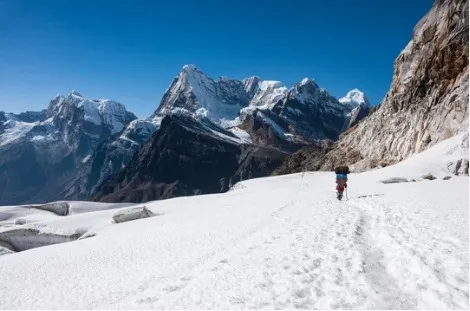
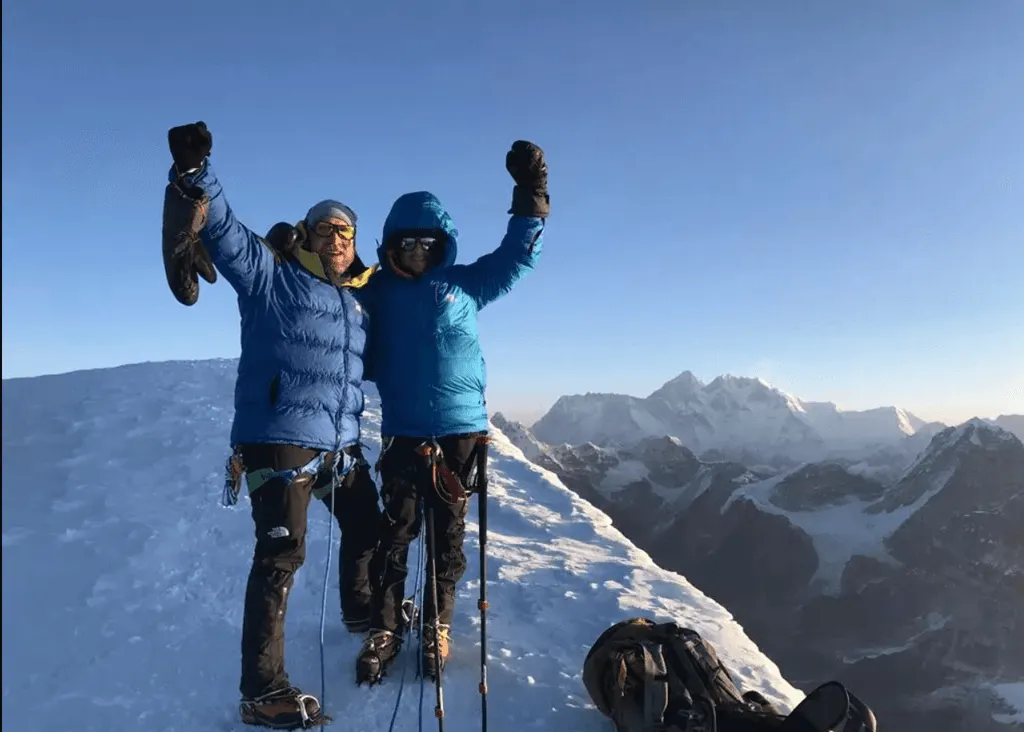
In June, climbing Mera Peak presents both challenges and rewards amidst the Himalayan landscape. Situated at an altitude of 6,476 meters (21,247 feet), Mera Peak offers a thrilling adventure characterized by stunning vistas and cultural immersion.
June marks the onset of the monsoon season in Nepal, bringing warmer temperatures and occasional rain showers to the region. While the weather may be less predictable compared to the drier months of spring and autumn, June offers a quieter trekking experience with fewer climbers on the trails.
Climbing Mera Peak in June requires careful consideration of weather conditions. Clear mornings are often followed by afternoon showers or thunderstorms, which can affect visibility and trail conditions. Climbers should monitor weather forecasts closely and plan their ascent accordingly to maximize safety and summit success.
Despite the variable weather, June rewards climbers with lush landscapes adorned in blooming rhododendrons and verdant hillsides. The route to Mera Peak traverses diverse terrain, including dense forests, alpine meadows, and glacier-covered slopes, showcasing Nepal's rich biodiversity and natural beauty.
This is a chance to go climbing without the necessary permits that most climbing expeditions require in Nepal. Mera Peak fits the bill perfectly and at (6,476m/21,190ft) you will have spectacular view...
Preparation is key for climbing Mera Peak in June. Climbers should focus on physical conditioning, acclimatization, and packing appropriate gear for changing weather conditions. Properly equipped with waterproof clothing, sturdy trekking boots, and essential mountaineering gear, climbers can navigate the challenges of June weather and enjoy a memorable Himalayan expedition.
Moreover, climbing Mera Peak in June offers a unique perspective on the Everest region, away from the peak tourist seasons. The quieter trails provide opportunities for peaceful contemplation amidst awe-inspiring mountain vistas, fostering a deeper connection with nature and the local Sherpa culture.
In conclusion, embarking on a Mera Peak climb in June promises a blend of adventure, natural beauty, and cultural exploration amidst the Himalayas, offering climbers a chance to test their skills and experience the magic of Nepal's mountainous landscapes during the monsoon season.
Why Should You Climb Mera Peak in June
Choosing to climb Mera Peak in June offers a unique perspective on Nepal's Himalayan beauty, despite the challenges posed by the monsoon season. Here are compelling reasons to consider this adventure:
- Scenic Beauty: June transforms the landscape with lush greenery, blooming rhododendrons, and vibrant wildflowers, creating a picturesque setting for trekking and climbing. The monsoon rains nourish the region, enhancing the beauty of the surrounding forests and valleys.
- Less Crowded Trails: Compared to peak climbing seasons like spring and autumn, June sees fewer climbers on the trails to Mera Peak. This provides a quieter and more serene trekking experience, allowing climbers to immerse themselves fully in the natural surroundings and enjoy a sense of solitude amidst the mountains.
- Cultural Experience: June offers opportunities to interact closely with local communities along the trekking route. Sherpa villages, monasteries, and cultural landmarks provide insights into traditional Nepalese life and hospitality, enriching the overall climbing experience.
- Adventure Challenge: Climbing Mera Peak in June presents a challenge due to variable weather conditions, including occasional rain showers and thunderstorms. Overcoming these challenges adds to the sense of accomplishment and adventure, testing climbers' resilience and determination.
- Unique Perspective: The monsoon season casts a different light on the Himalayan landscapes, with dramatic cloud formations, misty valleys, and clear morning views after rain showers. Climbers can capture unique photographs and enjoy panoramic vistas of snow-capped peaks amidst changing weather patterns.
Climbing Mera Peak in June requires careful planning, preparation for unpredictable weather, and a spirit of adventure. With proper gear, physical readiness, and a willingness to embrace the challenges of the monsoon season, climbers can embark on a memorable journey to one of Nepal's most stunning trekking peaks.
Mera Peak Climbing Just in 12 Days Return By Helicopter to Lukla and flight back Kathmandu.This is an excellent opportunity to climb Nepal’s highest peak without having to obtain a permit (6,476m...
Mera Peak Weather, Climate, and Temperature in June
June marks the beginning of the monsoon season in Nepal, impacting weather conditions on Mera Peak and throughout the Everest region:
- Temperature: Daytime temperatures at lower elevations range from 10°C to 20°C (50°F to 68°F), while temperatures decrease with altitude. Nighttime temperatures can drop significantly, especially at higher camps and during early morning hours.
- Rainfall: June experiences increased precipitation with regular rain showers and occasional thunderstorms. Rainfall varies across different regions of Nepal but typically results in wetter trail conditions and higher humidity levels.
- Cloud Cover: Clouds are common in June, obscuring mountain views and reducing visibility at higher altitudes. Clear mornings are often followed by cloud build-up and precipitation in the afternoon or evening.
- Wind: Winds are generally moderate during the monsoon season but can intensify during thunderstorms or weather disturbances. Wind speed and direction can affect trekking and climbing conditions, particularly on exposed slopes and ridges.
- Climate Variability: Weather patterns in June are influenced by the monsoon circulation, bringing moisture-laden winds from the Indian Ocean. Climbers should expect variability in weather conditions throughout the day, requiring flexibility in itinerary planning and summit attempts.
Understanding the weather and climate conditions in June is essential for climbers preparing to ascend Mera Peak. Packing appropriate clothing, gear for rain protection, and maintaining awareness of weather forecasts are crucial for safety and comfort during the expedition.
This is the highest peak in Nepal that does not require a climbing permit (6,476m/21,190ft). From the summit there are spectacular views of several 8000 meter plus peaks, such as Everest, Cho Oyu, Kan...
Advantages to Climb Mera Peak in June
Climbing Mera Peak in June offers unique advantages despite the challenges posed by the monsoon season:
- Less Crowded Trails: June sees fewer climbers compared to peak seasons, providing a quieter and more peaceful trekking experience. This allows climbers to enjoy solitude and connect more deeply with the natural environment.
- Natural Beauty: The monsoon rains rejuvenate the landscape, resulting in lush greenery, blooming flowers, and cascading waterfalls along the trekking route. The scenery is vibrant and picturesque, offering stunning photo opportunities and enhancing the overall trekking experience.
- Cultural Interaction: June allows for meaningful interactions with local communities along the trail. Sherpa villages, monasteries, and cultural sites provide insights into traditional Nepalese culture, hospitality, and way of life.
- Adventure Challenge: Climbing Mera Peak in June presents a challenge due to variable weather conditions, including rain showers and occasional thunderstorms. Overcoming these challenges adds to the adventure and sense of achievement for climbers.
- Unique Perspective: The monsoon season brings dramatic cloud formations, misty valleys, and clear morning views after rain showers. Climbers can witness unique weather phenomena and enjoy panoramic vistas of the Himalayan peaks amidst changing atmospheric conditions.
Climbing Mera Peak in June requires preparation for rainy weather, packing appropriate gear, and flexibility in itinerary planning. With careful planning and a spirit of adventure, climbers can embark on a rewarding journey to summit one of Nepal's most iconic trekking peaks during the monsoon season.
This is a chance to go climbing without the necessary permits that most climbing expeditions require in Nepal. Mera Peak fits the bill perfectly and at (6,476m/21,190ft) you will have spectacular view...
What Should I Pack for Mera Peak Climbing in June
Packing for a Mera Peak climbing expedition in June requires careful consideration of gear and clothing to prepare for variable weather conditions and trekking challenges:
- Clothing Layers: Pack moisture-wicking base layers, thermal tops and bottoms, and lightweight trekking pants for comfortable movement. Include a waterproof and windproof jacket with ventilation options for rain protection and warmth.
- Footwear: Choose sturdy trekking boots with ankle support and waterproofing to navigate wet and muddy trails. Ensure boots are broken in before the climb to prevent blisters and discomfort during long hikes.
- Rain Gear: Pack a durable rain jacket with hood and rain pants to stay dry during sudden downpours and thunderstorms. Consider waterproof gaiters to protect footwear and lower legs from mud and water.
- Cold Weather Gear: Include insulated gloves, a warm hat or beanie, and a neck gaiter or scarf for additional warmth during cold mornings and high-altitude conditions. Bring thermal socks and spare clothing layers for warmth and comfort.
- Sun Protection: Carry sunglasses with UV protection and a brimmed hat or cap to shield from sun exposure at higher altitudes. Apply sunscreen with a high SPF rating to prevent sunburn and skin damage in mountainous terrain.
- Trekking Essentials: Pack a lightweight backpack with essentials such as a refillable water bottle or hydration system, energy snacks, a headlamp or flashlight with extra batteries, and trekking poles for stability on uneven terrain.
- Mountaineering Equipment: Bring essential mountaineering gear including crampons, ice axe, harness, helmet, and ropes for glacier travel and summit attempts. Verify gear condition and functionality before departure.
- Personal Care Items: Include personal hygiene products, medications for altitude sickness and common ailments, a comprehensive first aid kit, and a portable water purification system or water purification tablets.
- Documentation and Logistics: Keep important documents secure in a waterproof pouch, including passport, permits (Sagarmatha National Park and Mera Peak climbing permits), travel insurance details, and emergency contacts.
- Environmental Considerations: Practice Leave No Trace principles by minimizing waste, disposing of trash responsibly, and respecting local customs and conservation efforts in the Everest region.
Packing wisely ensures climbers are prepared for the challenges and variable weather conditions encountered during a Mera Peak climbing expedition in June. By prioritizing comfort, safety, and readiness for changing environments, climbers can maximize enjoyment and success on this unforgettable Himalayan adventure.
Mera Peak Expedition is a popular trekking route that offers a challenging climb to the summit of Mera Peak. The peak stands at an elevation of 6,476 meters (21,247 feet) and is located in the Solu Kh...
How Can We Choose the Best Expedition Company and Guide Like Sherpa Expedition
Choosing the right expedition company and guide is crucial for a successful and safe climb of Mera Peak. Here are essential factors to consider:
- Reputation and Experience: Research the reputation and experience of the expedition company and guides. Look for companies with a proven track record of organizing successful climbs and experienced guides who are certified and knowledgeable about the region.
- Safety Record: Prioritize safety by checking the company's safety protocols, equipment standards, and guide-to-client ratio. Ensure guides are trained in first aid, altitude sickness management, and emergency procedures.
- Client Reviews and Testimonials: Read reviews and testimonials from previous clients to gauge satisfaction levels and experiences. Positive feedback regarding organization, support, and guide expertise can provide valuable insights.
- Services Offered: Evaluate the services offered, including pre-expedition briefings, logistical support, accommodations, meals, and transportation. A comprehensive package ensures comfort and convenience during the climb.
- Local Knowledge and Cultural Understanding: Choose guides who possess local knowledge of the Everest region, including trail conditions, weather patterns, and cultural insights. Guides who respect and promote sustainable tourism practices contribute to a meaningful expedition experience.
- Customization and Flexibility: Opt for companies that offer customizable itineraries and flexibility in adapting to weather conditions and individual climber preferences. Personalized attention enhances safety and satisfaction.
- Cost and Value: Compare pricing structures and value-added services offered by different expedition companies. Ensure transparency in pricing and inquire about included amenities versus additional costs.
- Communication and Support: Prioritize clear communication channels with the expedition company and guides. Responsive communication before and during the expedition fosters trust and ensures all logistical details are addressed.
Choosing an expedition company like Sherpa Expedition and Trekking Pvt. Ltd., renowned for its expertise, safety standards, and commitment to client satisfaction, can enhance the overall experience of summiting Mera Peak. With careful research and consideration of these factors, climbers can confidently select a reputable company and experienced guides for their Himalayan adventure.
This is an excellent opportunity to climb Nepal’s highest peak without having to obtain a permit (6,476m/21,190ft). From the summit, you will have stunning views of several 8000m plus peaks, such as E...
Is Mera Peak Suitable for Beginner Climbers
Mera Peak is often recommended as a suitable introductory peak for beginner climbers due to several factors:
- Non-Technical Nature: Mera Peak's standard route involves glacier travel, snow slopes, and basic mountaineering skills like using crampons and ice axe. While technical proficiency is beneficial, extensive prior climbing experience is not required.
- Moderate Altitude: At 6,476 meters (21,247 feet), Mera Peak is a challenging but attainable altitude for climbers with proper acclimatization. Gradual ascent profiles and rest days help mitigate the effects of altitude sickness.
- Guided Expeditions: Joining a guided expedition enhances safety and success rates for beginner climbers. Experienced guides provide instruction on mountain skills, route navigation, and safety protocols, ensuring climbers feel supported throughout the ascent.
- Training and Preparation: Beginner climbers can undergo training programs focusing on fitness, endurance, and basic mountaineering techniques before attempting Mera Peak. Physical conditioning and mental preparedness are essential for summit success.
- Adventure and Achievement: Climbing Mera Peak offers a rewarding adventure and sense of achievement for beginner climbers, showcasing stunning Himalayan landscapes and panoramic views from the summit.
While Mera Peak is accessible to beginner climbers, adequate preparation, training, and guidance are essential for a safe and enjoyable experience. Choosing a reputable expedition company with experienced guides further enhances the likelihood of summiting successfully and creating lasting memories in the Everest region.
This is a fantastic climbing expedition that takes you to the summit of "Island Peak (6,189m) situated between Amadablam and Lhotse mountains. This exciting adventure is jam-packed full of features an...
Who Can Provide Us with Training Before Summiting Mera Peak
Before summiting Mera Peak, climbers can undergo training and preparation through various avenues:
- Expedition Companies: Reputable expedition companies like Sherpa Expedition and Trekking Pvt. Ltd. offer pre-expedition training programs tailored to Mera Peak climbs. These programs focus on physical conditioning, altitude acclimatization, and basic mountaineering skills.
- Mountaineering Schools: Enroll in mountaineering courses offered by accredited schools and organizations. Courses cover essential skills such as glacier travel, rope techniques, crevasse rescue, and wilderness first aid, preparing climbers for high-altitude expeditions.
- Personal Trainers and Coaches: Seek guidance from personal trainers or coaches specializing in high-altitude fitness and endurance training. Tailored exercise programs improve cardiovascular fitness, strength, and stamina required for mountain climbing.
- Local Guides and Sherpas: Engage with local guides and Sherpas in the Everest region who possess extensive mountain experience and cultural insights. They provide practical advice, mentorship, and firsthand knowledge of Mera Peak's terrain and conditions.
- Self-Study and Research: Conduct self-study through books, online resources, and documentaries on mountaineering, Himalayan climbs, and Mera Peak-specific information. Understanding route details, weather patterns, and logistics enhances preparedness.
Training before summiting Mera Peak ensures climbers are physically and mentally prepared for the challenges of high-altitude trekking and glacier travel. Whether through structured programs, professional guidance, or self-directed learning, investing in preparation significantly enhances safety, confidence, and enjoyment during the climb.
Why Choose Sherpa Expedition Guide for Summiting Mera Peak
Sherpa Expedition and Trekking Pvt. Ltd. stands out as a premier choice for summiting Mera Peak due to the following reasons:
- Expertise and Experience: Sherpa Expedition boasts over two decades of experience organizing Himalayan expeditions, including Mera Peak climbs. The company's guides are seasoned professionals with extensive knowledge of the Everest region's terrain, weather patterns, and cultural nuances.
- Safety and Support: Safety is paramount at Sherpa Expedition, with stringent safety protocols, high-quality equipment, and trained guides certified in wilderness first aid. Personalized support ensures climbers' well-being and addresses any challenges encountered during the climb.
- Reputation and Reviews: Sherpa Expedition has earned a stellar reputation for professionalism, reliability, and client satisfaction. Positive reviews and testimonials highlight the company's commitment to delivering exceptional trekking and climbing experiences in Nepal.
- Customizable Itineraries: The company offers customizable itineraries tailored to climbers' preferences, fitness levels, and schedule. Flexibility in itinerary planning allows for optimal acclimatization, weather windows, and cultural exploration along the trekking route.
- Cultural Immersion: Sherpa Expedition promotes cultural immersion by facilitating interactions with local Sherpa communities, visits to monasteries, and insights into Nepalese traditions. Climbers gain a deeper appreciation for the region's rich heritage and hospitality.
- Environmental Stewardship: Committed to sustainable tourism practices, Sherpa Expedition prioritizes environmental conservation and minimizes ecological impact during expeditions. Responsible trekking ensures preservation of Nepal's natural beauty and biodiversity.
Choosing Sherpa Expedition for summiting Mera Peak ensures a comprehensive, well-organized expedition experience backed by professionalism, safety, and cultural enrichment. With Sherpa guides leading the way, climbers embark on a memorable journey to conquer Mera Peak and create lasting memories in the heart of the Himalayas.
This is a real mountain climbing adventure that will leave you in awe of the beauty of the Himalayan Mountains. The Lobuche Peak Climbing expedition in the Khumbu region of Nepal has been ranked by Lo...
Mera Peak Climbing Permit and Cost
Obtaining the necessary permits and understanding the costs associated with climbing Mera Peak is essential for planning a successful expedition:
- Permits: Climbing Mera Peak requires two main permits: the Sagarmatha National Park entry permit and the Mera Peak climbing permit. The Sagarmatha National Park permit costs vary for foreigners and Nepali citizens, while the Mera Peak climbing permit fee depends on the season and group size. It's advisable to apply for permits through a reputable expedition company like Sherpa Expedition to ensure timely processing and compliance with local regulations.
- Cost: The total cost of climbing Mera Peak includes permit fees, guide and porter services, accommodation, meals, transportation, equipment rental, and miscellaneous expenses. Costs can vary widely based on the expedition duration, group size, services included, and individual preferences. Sherpa Expedition offers transparent pricing and customizable packages that cater to climbers' needs while ensuring quality services and support throughout the climb.
Understanding permit requirements and budgeting for associated costs allows climbers to plan effectively and enjoy a seamless Mera Peak climbing experience with Sherpa Expedition.
Why Sherpa Expedition Has Everyday Availability for Mera Peak Climbing
Sherpa Expedition maintains everyday availability for Mera Peak climbing due to several key factors:
- Experienced Guides and Staff: Sherpa Expedition employs a team of experienced guides, climbers, and support staff who are well-versed in organizing and leading Himalayan expeditions. Their expertise allows for flexible scheduling and efficient logistical planning to accommodate climbers' preferences and ensure safety.
- Customizable Itineraries: The company offers customizable itineraries that cater to varying expedition durations, fitness levels, and climber preferences. This flexibility allows Sherpa Expedition to manage multiple groups concurrently without compromising on service quality or safety standards.
- Local Knowledge and Networks: With deep-rooted connections and local knowledge in the Everest region, Sherpa Expedition maintains excellent relationships with tea houses, lodges, and support services along the trekking routes to Mera Peak. This network enables seamless coordination and availability of resources for daily departures.
- Safety Protocols: Sherpa Expedition prioritizes safety with rigorous safety protocols, high-quality equipment, and trained guides certified in wilderness first aid. Daily availability ensures that safety measures are meticulously followed, and climbers receive personalized attention and support throughout the expedition.
- Customer Service: The company's commitment to exceptional customer service and client satisfaction ensures that each climbing group receives dedicated support and guidance from initial inquiries to post-expedition feedback. Sherpa Expedition's responsive communication and proactive approach contribute to everyday availability and positive expedition experiences.
By offering everyday availability for Mera Peak climbing, Sherpa Expedition demonstrates its commitment to providing accessible, safe, and memorable Himalayan adventures tailored to climbers' preferences and schedules.
Embark on an unforgettable journey to the heart of the Himalayas as you conquer three majestic peaks: Mera Peak, Island Peak, and Lobuche Peak. This ultimate adventure combines technical climbing, bre...
Preparation and Safety About Mera Peak
Effective preparation and prioritizing safety measures are crucial for a successful Mera Peak climbing expedition:
- Physical Conditioning: Prepare for the physical demands of Mera Peak by engaging in regular cardiovascular exercises, strength training, and hiking with a weighted pack to simulate high-altitude conditions. Building endurance and stamina enhances climbers' ability to cope with long trekking days and altitude challenges.
- Altitude Acclimatization: Plan a gradual ascent profile with scheduled rest days to acclimatize to increasing altitudes. Proper acclimatization reduces the risk of altitude sickness and improves overall climbing performance. Sherpa Expedition's itineraries are designed with acclimatization in mind, ensuring climbers' safety and well-being throughout the expedition.
- Gear and Equipment: Pack essential mountaineering gear including clothing layers, insulated gloves, trekking boots, crampons, ice axe, harness, helmet, and personal items. Verify gear functionality and suitability for varying weather conditions encountered during the climb. Sherpa Expedition provides comprehensive gear lists and rental options to ensure climbers are properly equipped for the expedition.
- Weather Monitoring: Stay informed about weather forecasts and seasonal climate patterns in the Everest region. Be prepared for changing weather conditions, including rain, snow, wind, and temperature fluctuations. Sherpa Expedition monitors weather updates and adjusts itineraries as needed to optimize safety and summit success.
- Emergency Preparedness: Familiarize yourself with emergency protocols, evacuation procedures, and communication devices used during the expedition. Carry a personal first aid kit, medications for altitude sickness, and travel insurance coverage that includes emergency medical evacuation. Sherpa Expedition guides are trained in wilderness first aid and equipped to handle emergencies effectively.
Prioritizing preparation and safety measures ensures a positive and successful climbing experience on Mera Peak with Sherpa Expedition. By addressing physical fitness, altitude acclimatization, gear readiness, weather awareness, and emergency preparedness, climbers can embark on a memorable Himalayan adventure with confidence.
Embark on the ultimate adventure of a lifetime with the Mera and Island Peak Climbing expedition offered by We Sherpa Expedition and Trekking. This exhilarating package combines two iconic peaks in th...
Altitude Sickness and Acclimatization
Altitude sickness, or Acute Mountain Sickness (AMS), is a common concern for climbers ascending Mera Peak due to its high altitude:
- Symptoms: AMS symptoms include headache, nausea, dizziness, fatigue, loss of appetite, and difficulty sleeping. Severe cases can progress to High Altitude Pulmonary Edema (HAPE) or High Altitude Cerebral Edema (HACE), requiring immediate descent and medical attention.
- Prevention: Gradual ascent and proper acclimatization are critical to preventing AMS. Climbers should ascend no more than 300-500 meters (984-1,640 feet) per day above 3,000 meters (9,842 feet) and take rest days to allow their bodies to adjust to reduced oxygen levels.
- Hydration and Nutrition: Stay hydrated by drinking plenty of water and electrolyte-rich fluids throughout the climb. Eat nutritious meals high in carbohydrates and moderate in protein to sustain energy levels and support acclimatization.
- Medication: Consider carrying medications like acetazolamide (Diamox) to prevent and alleviate AMS symptoms. Consult with a healthcare provider before departure to discuss medication options, dosage, and potential side effects.
- Recognizing Symptoms: Monitor personal health and recognize early signs of AMS in yourself and fellow climbers. Communicate openly with guides about symptoms experienced to receive timely assistance and guidance.
- Emergency Response: Sherpa Expedition guides are trained in AMS recognition, management, and emergency response. They monitor climbers' health closely, provide support during acclimatization, and facilitate safe descents if necessary.
Effective acclimatization and proactive management of altitude sickness are crucial for climbers' safety and well-being on Mera Peak. By prioritizing gradual ascent, hydration, nutrition, medication use, and communication with guides, climbers can minimize the risk of AMS and maximize their chances of summit success with Sherpa Expedition.
Mera Peak is one of the most popular peaks for mountaineering in Nepal. It is located in the Solu Khumbu region of the country and stands at an elevation of 6,476 meters (21,247 feet). The peak is a p...
Conclusion
Embarking on a Mera Peak climbing expedition with Sherpa Expedition offers an unparalleled adventure amidst Nepal's Himalayan splendor. From the lush forests of the lower Everest region to the majestic glaciers and panoramic views from the summit, climbers experience a journey of discovery, challenge, and personal accomplishment.
Choosing Sherpa Expedition ensures everyday availability for climbing Mera Peak, supported by experienced guides, comprehensive safety protocols, and customizable itineraries. The company's commitment to client satisfaction, cultural immersion, and environmental stewardship enhances the expedition experience, fostering lasting memories and meaningful connections with the Everest region's landscapes and communities.
Preparation is key, encompassing physical conditioning, gear readiness, altitude acclimatization, and awareness of altitude sickness prevention. By prioritizing safety, respecting local customs, and embracing the spirit of adventure, climbers embark on a transformative Himalayan journey with Sherpa Expedition, leaving a lasting impact on their lives and perspectives.
Climbing Mera Peak is not just a summit conquest but a profound experience of nature's grandeur and personal resilience, shared with like-minded adventurers and guided by Sherpa Expedition's dedication to excellence and exploration in the heart of the world's highest mountains.
Mera Peak, standing tall at 6,476 meters, is the highest trekking peak in Nepal and is a popular destination for adventure enthusiasts. The peak is located in the Solu Khumbu region of Nepal, close to...
Mera Peak Climbing Packages
Mera Peak Climbing
Mera Peak Climbing 20 Days
Mera Peak Climbing 17 Days
Mera Peak Summit Return By Helicopter
Mera Peak Climbing 10 Days
Mera Peak Expedition 11 Days
Mera Peak Expedition 13 Days
Mera Peak Expedition 14 Days
Mera Peak Expedition 15 Days
Mera Peak is one of the most popular trekking peaks in Nepal, standing tall at 6,476 meters above sea level. The peak is located in the Khumbu region of Nepal and offers stunning views of some of the...