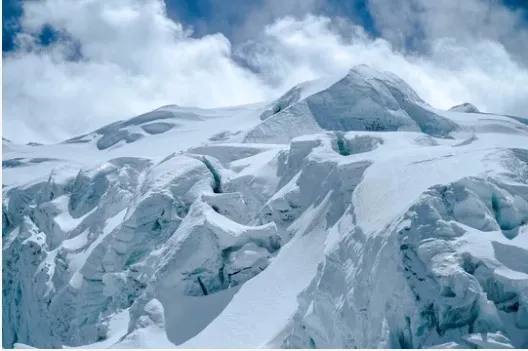
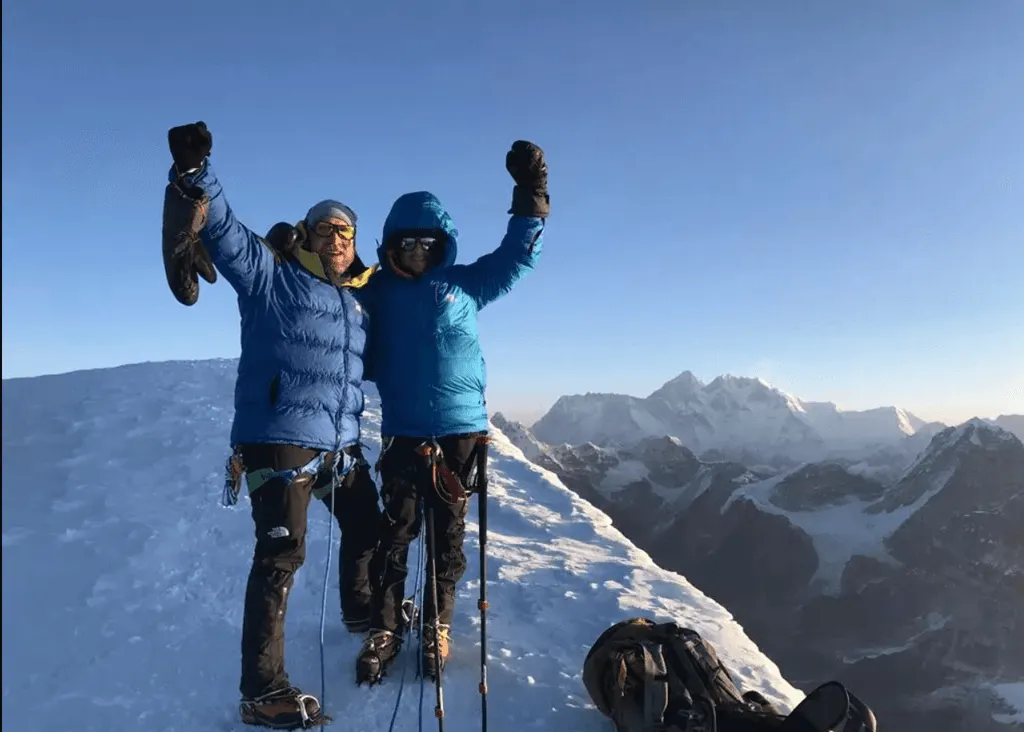
In February, Mera Peak presents an exhilarating challenge for climbers seeking a thrilling Himalayan adventure. Located in the Khumbu region of Nepal, Mera Peak stands at 6,476 meters (21,247 feet), making it Nepal's highest trekking peak. Its prominence attracts climbers from around the globe, drawn not only by its altitude but also by the stunning vistas and the technical aspects of the climb.
February marks the end of winter in Nepal, offering crisp, clear days ideal for climbing. The route to Mera Peak traverses through picturesque landscapes blanketed in snow, with forests of rhododendron and bamboo giving way to alpine meadows as climbers ascend. The views along the way are breathtaking, featuring some of the world's highest peaks such as Everest, Lhotse, Cho Oyu, and Kanchenjunga.
Climbing Mera Peak in February requires proper acclimatization and physical preparation due to the altitude and technical demands. The climb typically begins from Lukla after a scenic flight from Kathmandu, followed by a trek through Sherpa villages like Namche Bazaar and Pangkongma. As climbers approach Base Camp, the terrain becomes more challenging, with icy trails and steep slopes adding to the thrill and adventure.
This is an excellent opportunity to climb Nepal’s highest peak without having to obtain a permit (6,476m/21,190ft). From the summit, you will have stunning views of several 8000m plus peaks, such as E...
Summit day dawns early, with climbers setting out under the starry Himalayan sky, guided by experienced Sherpas and supported by a dedicated team. The final push to the summit involves negotiating a glacier and a steep ascent, culminating in a rewarding panorama from the top. The feeling of achievement is palpable as climbers stand atop Mera Peak, surrounded by a panorama of majestic peaks and endless skies.
Descending back through the snow-covered landscape, climbers return to Lukla with memories etched in their minds of a challenging yet deeply rewarding Himalayan expedition. Mera Peak in February not only tests one's physical endurance but also offers an unforgettable journey through some of the world's most stunning and remote mountain scenery, leaving climbers with a profound sense of accomplishment and awe.
Is Mera Peak harder than Kilimanjaro?
Comparing Mera Peak and Kilimanjaro involves considering different factors that influence their difficulty levels:
- Altitude: Mera Peak, standing at 6,476 meters (21,247 feet), is significantly higher than Kilimanjaro’s summit of 5,895 meters (19,341 feet). Altitude sickness becomes more pronounced at higher elevations, making Mera Peak potentially more challenging in terms of acclimatization.
- Technical Difficulty: Mera Peak is classified as a trekking peak rather than a technical climb. However, it involves glacier travel, using crampons, and ascending steep slopes. Kilimanjaro, on the other hand, is a non-technical trek, but climbers still face challenges due to altitude and varying terrain.
- Weather Conditions: Both peaks experience diverse weather conditions. Mera Peak, especially in winter months like February, can have extreme cold and occasional snowfall. Kilimanjaro’s climate ranges from tropical at the base to arctic conditions at the summit, affecting climbers’ experiences differently.
- Duration and Itinerary: Climbing Mera Peak typically takes around 18-20 days round-trip, including acclimatization and summit attempts. Kilimanjaro’s standard routes vary in duration but are generally shorter, around 5-8 days.
In conclusion, while Mera Peak involves higher altitude and some technical aspects, Kilimanjaro’s altitude and weather variations also pose challenges. Both peaks require adequate preparation, physical fitness, and respect for high-altitude conditions.
Mera Peak Climbing Just in 12 Days Return By Helicopter to Lukla and flight back Kathmandu.This is an excellent opportunity to climb Nepal’s highest peak without having to obtain a permit (6,476m...
How long does it take to climb Mera Peak?
Climbing Mera Peak involves a comprehensive itinerary that spans approximately 18-20 days, encompassing various stages:
- Arrival and Preparation: The journey begins with a flight from Kathmandu to Lukla, followed by a trek to Phakding and Namche Bazaar. This initial phase takes about 3-4 days and includes acclimatization stops to adjust to increasing altitude.
- Trek to Khare: From Namche Bazaar, climbers continue northeast towards Khare, the base camp for Mera Peak. This segment spans approximately 6-8 days, passing through picturesque Sherpa villages and alpine landscapes.
- Acclimatization: Acclimatization stops are crucial at villages like Dingboche and Pangboche to prevent altitude sickness and prepare for higher altitudes. These rest days allow climbers to adjust before ascending to base camp.
- Summit Push: Climbers ascend from Khare to Mera Peak Base Camp and then to High Camp, where they prepare for the final summit push. Summit day typically begins early in the morning, with climbers navigating glacier terrain and steep slopes to reach the summit.
- Descent and Return: After summiting Mera Peak, climbers descend back to base camp or Khare, retracing their steps through lower altitudes. The return journey includes additional acclimatization stops and concludes with a flight from Lukla back to Kathmandu.
The duration of the Mera Peak climb can vary based on weather conditions, acclimatization needs, and individual fitness levels. Experienced Sherpa guides from reputable trekking agencies like Sherpa Expedition ensure climbers follow a safe and effective itinerary for a successful ascent and return.
This is a chance to go climbing without the necessary permits that most climbing expeditions require in Nepal. Mera Peak fits the bill perfectly and at (6,476m/21,190ft) you will have spectacular view...
Is Mera Peak difficult to climb?
Climbing Mera Peak presents challenges that require preparation, experience, and adherence to safety protocols:
- Altitude: Mera Peak’s elevation of 6,476 meters (21,247 feet) demands proper acclimatization to mitigate altitude sickness. Climbers must ascend gradually, allowing their bodies to adjust to decreasing oxygen levels.
- Glacier Travel: The route to Mera Peak involves glacier crossings, which require basic mountaineering skills such as using crampons, ropes, and ice axes. Sherpa guides provide training and guidance for navigating these technical sections safely.
- Weather Variability: Conditions on Mera Peak can range from clear skies to snowstorms, affecting visibility and climbing conditions. Proper gear and flexibility in scheduling are essential to adapt to changing weather patterns.
- Physical Fitness: Climbers should be in good cardiovascular condition and capable of hiking for several hours daily with a backpack. Training should include aerobic exercises, strength training for leg muscles, and altitude conditioning to prepare for the physical demands of the climb.
While Mera Peak is considered a non-technical trekking peak, its altitude and mountain environment require climbers to be well-prepared physically and mentally. With proper training, guidance from experienced Sherpa guides, and respect for the mountain’s challenges, climbers can achieve a successful ascent of Mera Peak.
Is Mera Peak easier than Island Peak?
Comparing Mera Peak and Island Peak involves evaluating their respective challenges and trekking conditions:
- Altitude: Mera Peak stands at 6,476 meters (21,247 feet), while Island Peak (Imja Tse) reaches 6,189 meters (20,305 feet). Both peaks require acclimatization due to high altitude, with Mera Peak slightly higher.
- Technical Difficulty: Mera Peak is classified as a non-technical trekking peak, involving glacier travel and basic mountaineering skills like using crampons and ropes. Island Peak, however, is considered a moderately technical climb, requiring proficiency in climbing techniques and fixed ropes on steep sections.
- Route and Accessibility: The approach to Mera Peak from Lukla involves a longer trek through diverse landscapes and villages, offering a cultural experience. Island Peak is accessed from the Everest Base Camp route, with a shorter trek to the peak from Chhukung.
- Weather Conditions: Both peaks experience variable weather conditions, including cold temperatures and occasional snowfall. Climbing seasons and weather patterns can influence the difficulty and safety of summit attempts.
- Duration and Preparation: Climbing Mera Peak typically takes around 18-20 days round-trip, including acclimatization and summit attempts. Island Peak expeditions are generally shorter, around 16-18 days, focusing on technical training and summit preparation.
In conclusion, while Mera Peak is higher in altitude and involves glacier travel, Island Peak’s technical challenges make it slightly more demanding for climbers with limited mountaineering experience. Both peaks require adequate preparation, physical fitness, and guidance from experienced Sherpa guides to ensure a safe and successful ascent in the Everest region.
Mera Peak is one of the most popular trekking peaks in Nepal, standing tall at 6,476 meters above sea level. The peak is located in the Khumbu region of Nepal and offers stunning views of some of the...
Best Time to Climb Mera Peak
Choosing the best time to climb Mera Peak is crucial for a successful and enjoyable expedition:
- Spring (March to May): Considered the peak climbing season, spring offers stable weather, clear skies, and moderate temperatures. The route is adorned with blooming rhododendrons, and climbers enjoy optimal climbing conditions.
- Autumn (September to November): Another popular season with stable weather and clear views. The trails are less crowded compared to spring, making it an excellent choice for climbing Mera Peak.
- Winter (December to February): Winter months like February provide quieter trails and stunning snowy landscapes. However, temperatures drop significantly, and climbers must prepare for cold weather and potential snowfall.
- Summer (June to August): Monsoon season brings heavy rainfall, making climbing difficult due to slippery trails and poor visibility. It's not recommended for climbing Mera Peak during these months.
Choosing the best time depends on personal preferences, weather tolerance, and availability. Experienced Sherpa guides from Sherpa Expedition ensure climbers select optimal climbing seasons for a safe and memorable journey.
Tips to Remember for a Successful Mera Peak Climbing
Successfully climbing Mera Peak requires careful preparation and adherence to essential tips:
- Physical Fitness: Train beforehand with cardio exercises, strength training, and hiking to build endurance and stamina for long trekking days and high-altitude conditions.
- Altitude Acclimatization: Plan acclimatization stops at various altitudes to prevent altitude sickness. Follow gradual ascent profiles and listen to your body's signals.
- Gear and Equipment: Pack appropriate gear such as four-season sleeping bags, down jackets, trekking poles, and high-altitude mountaineering boots. Rent or purchase quality equipment and ensure it's in good condition.
- Hydration and Nutrition: Stay hydrated by drinking plenty of water and warm beverages. Maintain a balanced diet rich in carbohydrates, proteins, and vitamins to fuel your body during the climb.
- Weather Monitoring: Keep track of weather forecasts and adapt plans accordingly. Be prepared for sudden changes in weather conditions in the Himalayan region.
- Follow Guide's Instructions: Listen to experienced Sherpa guides for safety protocols, route guidance, and decision-making during the expedition.
By following these tips and partnering with reputable guides like Sherpa Expedition, climbers increase their chances of a successful ascent and a safe return from Mera Peak.
Mera Peak, standing tall at 6,476 meters, is the highest trekking peak in Nepal and is a popular destination for adventure enthusiasts. The peak is located in the Solu Khumbu region of Nepal, close to...
Highlights Of Mera Peak Climbing In February
Climbing Mera Peak in February offers unique experiences amidst Nepal's winter landscape:
- Scenic Winter Views: The Everest region transforms into a winter wonderland with snow-covered peaks, frozen rivers, and crystal-clear skies. The contrast of white snow against blue skies creates breathtaking panoramas.
- Less Crowded Trails: February sees fewer climbers on the trails and at base camps, providing a quieter and more peaceful trekking experience. Enjoy the solitude and tranquility of the mountains during the off-peak season.
- Cultural Encounters: Engage with Sherpa communities and experience their warm hospitality amidst the winter chill. Learn about local traditions, cuisine, and daily life in the Himalayan villages.
- Challenging Yet Rewarding Climbing Conditions: Navigate glacier terrain and ascend to higher camps amidst cold temperatures. Summiting Mera Peak in February requires proper gear, physical fitness, and preparation for winter mountaineering challenges.
Overall, climbing Mera Peak in February promises unforgettable moments, stunning landscapes, and a rewarding sense of accomplishment in conquering Nepal's highest trekking peak during the winter season.
How Difficult is Mera Peak Climbing?
Climbing Mera Peak presents challenges that require preparation, experience, and respect for high-altitude conditions:
- Altitude: Mera Peak stands at 6,476 meters (21,247 feet), requiring climbers to acclimatize properly to avoid altitude sickness. Symptoms can range from mild headaches and nausea to more severe conditions like high-altitude pulmonary edema (HAPE) or cerebral edema (HACE).
- Technical Skills: While not considered a technical climb, Mera Peak involves glacier travel, using crampons, ropes, and ice axes. Basic mountaineering skills are essential for navigating steep ascents and glacier crossings safely.
- Weather Challenges: Conditions on Mera Peak can vary from clear skies to snowstorms, affecting visibility and climbing conditions. Climbers must be prepared for cold temperatures, high winds, and potential snowfall.
- Physical Endurance: Climbers should be in good physical condition, capable of trekking for several hours daily at high altitudes. Training should include cardiovascular exercises, strength training, and altitude conditioning to prepare for the physical demands of the climb.
- Logistical Considerations: Managing logistics such as permits, accommodations, and equipment rentals adds complexity to the expedition. Partnering with experienced Sherpa guides from reputable agencies ensures climbers follow safe routes and protocols.
While challenging, Mera Peak is accessible to climbers with proper preparation, physical fitness, and determination. With guidance from experienced Sherpa Expedition guides, climbers can navigate the challenges and enjoy a successful ascent of Mera Peak, accompanied by stunning Himalayan views and a sense of accomplishment.
Mera Peak is one of the most popular peaks for mountaineering in Nepal. It is located in the Solu Khumbu region of the country and stands at an elevation of 6,476 meters (21,247 feet). The peak is a p...
Mera Peak Climbing Permit Cost
Climbing Mera Peak requires several permits, each contributing to the overall cost of the expedition:
- Peak Permit: The peak permit for Mera Peak varies depending on the season. For the spring and autumn climbing seasons (March to May, September to November), the permit costs around USD 250. For winter (December to February) and summer (June to August), the cost is USD 125. These fees are payable to the Nepal Mountaineering Association (NMA).
- Sagarmatha National Park Entry Fee: As Mera Peak lies within the Sagarmatha National Park, climbers need to obtain an entry permit. The fee is approximately USD 30 per person.
- Local Area Permit: A local area permit is required for entry into the Khumbu region, which costs about USD 20 per person.
- Climbing Guide and Sherpa Fees: Hiring a climbing guide and Sherpa from a reputable agency like Sherpa Expedition is essential for safety and logistical support. Fees vary but typically include wages, insurance, equipment, and accommodation.
- Additional Costs: Other expenses include accommodation in Kathmandu and Lukla, meals, transportation, trekking gear, and personal expenses. Budgeting for these costs ensures a smooth and enjoyable climbing experience.
Understanding and budgeting for these permit costs and expenses is essential for planning a successful and financially feasible Mera Peak climbing expedition.
Is This Trip Suitable for Me?
Deciding if the Mera Peak climbing trip is suitable depends on several factors:
- Experience: While Mera Peak is classified as a non-technical trekking peak, climbers should have prior trekking experience at high altitudes. Basic mountaineering skills such as using crampons and ropes are beneficial.
- Physical Fitness: Climbing Mera Peak requires good physical condition and endurance. Trekkers should be comfortable hiking for several hours daily and capable of handling steep ascents and glacier crossings.
- Altitude Tolerance: High-altitude climbing involves risks of altitude sickness. Climbers must acclimatize properly by following gradual ascent profiles and recognizing symptoms of altitude-related illnesses.
- Weather Conditions: The climate in the Everest region can be unpredictable, with cold temperatures, snowfall, and high winds. Flexibility and preparedness for changing weather are crucial.
- Logistical Considerations: Managing permits, accommodation, gear, and transportation requires organizational skills and attention to detail.
Consulting with experienced trekking agencies like Sherpa Expedition helps assess individual suitability and provides guidance on preparation and training for a successful Mera Peak climb.
Physical Fitness and Exercises
Preparing for Mera Peak climbing requires a structured fitness regimen to build endurance and strength:
- Cardiovascular Training: Engage in aerobic exercises such as hiking, running, cycling, and swimming to improve cardiovascular endurance. Aim for activities that elevate heart rate and increase lung capacity.
- Strength Training: Focus on lower body strength with exercises like squats, lunges, and leg presses to prepare for uphill trekking and carrying a backpack. Core exercises such as planks and sit-ups enhance stability and balance.
- Flexibility and Mobility: Incorporate stretching and yoga to improve flexibility, reduce muscle stiffness, and prevent injuries during long trekking days.
- Altitude Conditioning: If possible, simulate high-altitude conditions through altitude training or hiking at higher elevations to acclimatize your body to reduced oxygen levels.
- Hydration and Nutrition: Maintain a balanced diet rich in carbohydrates, proteins, healthy fats, and vitamins. Stay hydrated by drinking plenty of water and electrolyte-rich fluids to support physical performance and recovery.
By following a comprehensive fitness regimen and preparing physically and mentally, climbers enhance their readiness for the challenges of climbing Mera Peak. Consulting with fitness trainers and trekking experts ensures personalized training plans tailored to individual fitness levels and climbing goals.
Conclusion
Embarking on a Mera Peak climbing expedition is a rewarding adventure amidst Nepal's breathtaking Himalayan landscapes. Understanding the permit costs, assessing personal suitability, and preparing physically are crucial steps for a successful ascent.
Climbing Mera Peak requires careful planning, training, and partnership with experienced guides like Sherpa Expedition. Their expertise ensures safety, logistical support, and memorable experiences throughout the journey.
With thorough preparation, respect for high-altitude challenges, and a spirit of adventure, climbers can conquer Mera Peak and savor the achievement of standing atop Nepal's highest trekking peak.
The Island Peak Expedition is an exhilarating mountaineering adventure that takes climbers to the summit of Island Peak, also known as Imja Tse. The peak is located in the Khumbu region of Nepal and s...
Mera Peak Climbing Packages
Mera Peak Climbing
Mera Peak Climbing 20 Days
Mera Peak Climbing 17 Days
Mera Peak Summit Return By Helicopter
Mera Peak Climbing 10 Days
Mera Peak Expedition 11 Days
Mera Peak Expedition 13 Days
Mera Peak Expedition 14 Days
Mera Peak Expedition 15 Days