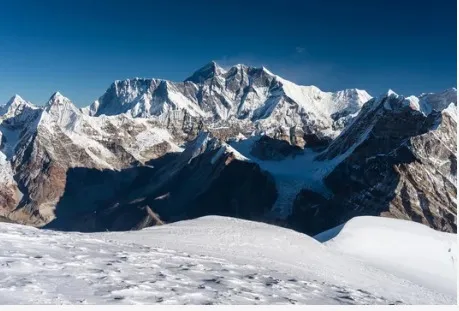
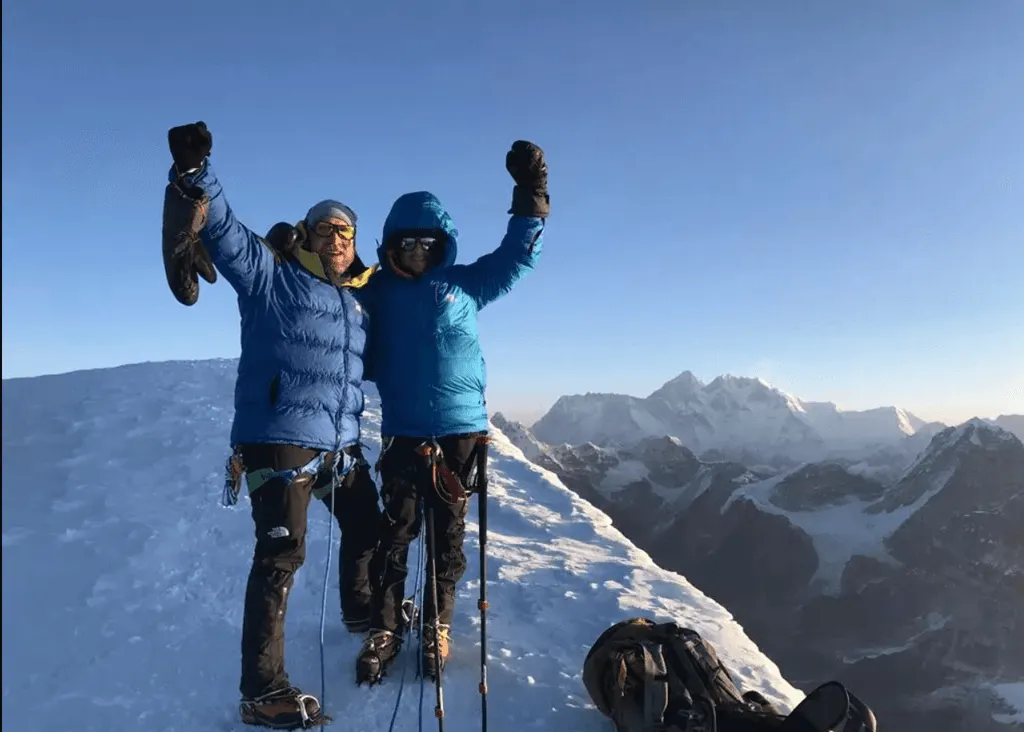
Climbing Mera Peak in December presents a unique and challenging adventure amidst the pristine winter landscapes of the Nepalese Himalayas. At 6,476 meters (21,247 feet), Mera Peak stands as Nepal's highest trekking peak, offering climbers breathtaking views and a thrilling mountaineering experience.
December marks the beginning of the winter season in Nepal, characterized by colder temperatures and clear, crisp skies. The trek to Mera Peak typically starts with a scenic flight from Kathmandu to Lukla, followed by a trek through picturesque Sherpa villages and dense forests adorned with snow.
The route gradually ascends through remote valleys and past frozen rivers, providing glimpses of local culture and traditional mountain life. As climbers approach higher altitudes, the landscapes transform into a winter wonderland, with snow-covered slopes and glittering glaciers.
Base camp at around 5,300 meters (17,388 feet) serves as a strategic resting point before the final ascent. Here, climbers prepare for the challenging climb ahead, surrounded by towering peaks like Everest, Lhotse, and Makalu piercing the skyline.
This is a fantastic climbing expedition that takes you to the summit of "Island Peak (6,189m) situated between Amadablam and Lhotse mountains. This exciting adventure is jam-packed full of features an...
The climb from base camp involves navigating crevassed glaciers and ascending steep slopes, requiring basic mountaineering skills and the use of specialized equipment such as crampons and ice axes. Despite the cold, December offers quieter trails and a serene mountain environment, ideal for those seeking solitude and a true wilderness experience.
Summit day dawns with a pre-dawn start to maximize daylight hours and ensure safe descent before nightfall. From the summit of Mera Peak, climbers are rewarded with unparalleled panoramic views of the Himalayan range, including Everest's majestic peak gleaming in the winter sun.
Descending back through the snow-covered landscape to Lukla concludes the expedition, leaving climbers with a profound sense of accomplishment and memories of a challenging yet immensely rewarding Himalayan adventure. Climbing Mera Peak in December is a testament to the beauty and allure of high-altitude mountaineering in Nepal's winter wonderland.
Is Mera Peak difficult to climb?
Mera Peak presents a challenging yet achievable climb for mountaineers with basic trekking experience and good physical fitness. At 6,476 meters (21,247 feet), it is classified as a trekking peak rather than a technical summit, meaning it requires fundamental mountaineering skills such as walking with crampons, using an ice axe, and rope handling for glacier travel. The ascent involves navigating crevassed glaciers and ascending steep slopes, particularly towards the summit push.
The difficulty of Mera Peak largely depends on weather conditions, acclimatization, and personal fitness levels. Proper preparation and acclimatization are crucial to mitigate risks associated with high altitude, including altitude sickness. Experienced guides, like those provided by Sherpa Expedition, offer invaluable support in navigating the route and ensuring safety throughout the climb.
While challenging, Mera Peak's non-technical nature makes it accessible to determined climbers who are willing to undergo thorough preparation and embrace the physical and mental demands of high-altitude trekking.
This is a real mountain climbing adventure that will leave you in awe of the beauty of the Himalayan Mountains. The Lobuche Peak Climbing expedition in the Khumbu region of Nepal has been ranked by Lo...
Can a beginner climb Mera Peak?
Yes, beginners with a good level of fitness and determination can climb Mera Peak under the guidance of experienced Sherpa guides. Although it is a high-altitude trekking peak, Mera Peak does not require extensive mountaineering experience beyond basic skills. Sherpa Expedition offers comprehensive support and training, including guidance on equipment use, acclimatization strategies, and safety protocols.
For beginners, the key to a successful ascent lies in physical preparation and mental readiness. Training should include cardiovascular exercises to build endurance, strength training for leg and core muscles, and altitude conditioning if possible. Sherpa Expedition ensures gradual acclimatization during the trek, with strategically planned rest days to adapt to the decreasing oxygen levels at higher altitudes.
While Mera Peak is challenging, its non-technical nature and the support provided by experienced guides make it a feasible goal for beginners seeking an introduction to high-altitude trekking and mountaineering in the spectacular setting of the Everest region.
Can you climb Mount Everest in December?
Climbing Mount Everest in December is generally not feasible for most climbers due to extremely cold temperatures, high winds, and hazardous conditions on the mountain. December marks the beginning of the winter season in the Himalayas, bringing harsh weather conditions that pose significant challenges to climbers attempting the world's highest peak.
During December, Everest experiences severe cold with temperatures plummeting well below freezing, especially at higher elevations. The mountain is also subjected to strong winds, which can exceed 100 mph, creating dangerous windchill factors and increasing the risk of frostbite and hypothermia.
Moreover, logistical challenges such as limited availability of support services, including Sherpas and base camp facilities, further discourage climbing attempts in December. Most expeditions to Mount Everest are scheduled during the spring (April-May) and autumn (September-October) seasons when weather conditions are relatively stable and conducive to climbing.
In summary, while technically possible to attempt Everest in December, it is highly impractical and dangerous due to extreme weather conditions and logistical constraints.
This is an excellent opportunity to climb Nepal’s highest peak without having to obtain a permit (6,476m/21,190ft). From the summit, you will have stunning views of several 8000m plus peaks, such as E...
Is Mera Peak harder than Kilimanjaro?
Comparing Mera Peak and Kilimanjaro involves assessing different factors such as altitude, technical difficulty, and environmental conditions:
- Altitude: Mera Peak in Nepal reaches 6,476 meters (21,247 feet), significantly higher than Kilimanjaro's summit at 5,895 meters (19,341 feet). The higher altitude of Mera Peak poses greater challenges related to altitude sickness and acclimatization.
- Technical Difficulty: Mera Peak is considered a trekking peak rather than a technical climb, requiring basic mountaineering skills such as glacier travel and use of climbing equipment. Kilimanjaro, on the other hand, is a non-technical trek, with well-marked trails that do not necessitate technical climbing skills.
- Environmental Conditions: Mera Peak's climate varies depending on the season, with conditions ranging from moderate temperatures to extreme cold and wind at higher altitudes. Kilimanjaro's climate is generally milder, with temperature variations based on altitude zones rather than extreme cold at the summit.
In conclusion, while both peaks present challenges, Mera Peak is generally considered more physically demanding due to its higher altitude and the technical skills required for glacier travel. Kilimanjaro, although lower in altitude, requires strong physical fitness and stamina due to the duration and elevation gain of the trek. Each peak offers a unique adventure, appealing to climbers with different preferences and skill levels in high-altitude trekking and mountaineering.
Weather during Mera Peak Climbing In December
Climbing Mera Peak in December presents climbers with challenging yet rewarding weather conditions typical of the winter season in the Himalayas. Here’s what to expect:
- Temperature: December in the Everest region is cold, with temperatures varying significantly depending on altitude. Daytime temperatures at lower elevations may range from 5°C to 10°C (41°F to 50°F), while nighttime temperatures can drop well below freezing, especially at higher camps and summit attempts.
- Precipitation: December sees minimal precipitation compared to other months, but occasional snow showers are possible, especially at higher altitudes. Clear days are not uncommon, offering stunning views of snow-covered landscapes.
- Wind: Winds can be a factor, particularly at higher elevations. Strong gusts can increase wind chill, making it feel colder than the actual temperature. Proper layering and windproof gear are essential.
- Visibility: Clear skies provide excellent visibility for trekking and climbing. However, weather conditions can change rapidly in the mountains, requiring flexibility in trekking schedules.
- Climate Variability: The Everest region’s weather is influenced by the Himalayan topography, resulting in microclimates that vary from valley to valley and can affect trekking conditions.
Preparing for Mera Peak in December involves packing warm, layered clothing, high-altitude gear, and ensuring proper acclimatization to handle the cold temperatures and variable weather conditions.
This is the highest peak in Nepal that does not require a climbing permit (6,476m/21,190ft). From the summit there are spectacular views of several 8000 meter plus peaks, such as Everest, Cho Oyu, Kan...
Climate during Mera Peak Climbing December
December marks the onset of winter in the Everest region, shaping the climate for climbers tackling Mera Peak:
- Temperature: Days are cold, with temperatures ranging from mild at lower elevations to sub-zero at higher altitudes. Nights are extremely cold, necessitating warm clothing and high-altitude gear to stay comfortable.
- Snowfall: While December typically sees less precipitation than earlier months, snowfall can occur, especially at higher altitudes. Fresh snow adds to the scenic beauty but can affect trail conditions and visibility.
- Clear Skies: Despite cold temperatures, December often brings clear, sunny days ideal for trekking and summit attempts. Clear skies provide stunning views of the surrounding Himalayan peaks, including Everest, Lhotse, and Makalu.
- Wind: Winds can be strong at higher elevations, particularly around exposed areas and mountain passes. Wind chill factors require climbers to dress appropriately with windproof layers.
- Local Climate Adaptation: Sherpa villages along the trekking route adapt to the winter climate with traditional building materials and practices. Local guides from Sherpa Expedition ensure climbers are prepared for the climate’s challenges.
Understanding the climate during December is crucial for planning and packing effectively, ensuring a safe and enjoyable expedition to Mera Peak amidst the winter wonderland of the Everest region.
This is a chance to go climbing without the necessary permits that most climbing expeditions require in Nepal. Mera Peak fits the bill perfectly and at (6,476m/21,190ft) you will have spectacular view...
Lukla Flight in December
Flying into Lukla in December is a crucial and thrilling start to the Mera Peak expedition, offering insights into the challenges and rewards of Himalayan aviation:
- Weather Dependency: December weather in Lukla can be unpredictable, affecting flight schedules. Cloud cover, wind, and visibility can lead to delays or cancellations, requiring flexibility in travel plans.
- Flight Experience: The flight from Kathmandu to Lukla is renowned for its scenic views of the Himalayas and the technical skill of pilots navigating the short, mountainous runway at Tenzing-Hillary Airport.
- Safety Measures: Airlines prioritize safety, with experienced pilots and well-maintained aircraft equipped for mountainous terrain. Flight operations are closely monitored for weather changes and safety concerns.
- Alternative Routes: In case of unfavorable weather in Lukla, trekking agencies like Sherpa Expedition may arrange helicopter transfers as an alternative to ensure timely arrival at the start of the trek.
- Local Impact: The reliability of Lukla flights impacts local communities and tourism. Sherpa guides facilitate smooth logistics, including transfers and accommodations, ensuring a seamless start to the Mera Peak expedition.
Flying into Lukla sets the tone for the adventure ahead, combining exhilarating aerial views with logistical considerations that shape the journey to Mera Peak in December.
Can you see Mt. Everest from Mera Peak?
Yes, climbers summiting Mera Peak are treated to spectacular views of Mount Everest and several other prominent Himalayan peaks on clear days:
- Panoramic Views: From Mera Peak’s summit at 6,476 meters (21,247 feet), climbers enjoy a 360-degree panoramic vista of the Everest region. Everest’s distinctive pyramid-shaped summit stands out among neighboring giants like Lhotse, Makalu, and Cho Oyu.
- Clear Conditions: December often brings clear, crisp skies that enhance visibility from the summit. Climbers can capture breathtaking photographs and experience the awe-inspiring beauty of the Himalayas.
- Geographical Perspective: Mera Peak’s location in the Solu Khumbu region provides a strategic viewpoint to appreciate the vastness and grandeur of the world’s highest mountain range.
- Climbing Experience: Viewing Everest from Mera Peak’s summit is a highlight of the expedition, symbolizing the achievement of conquering a significant Himalayan peak while enjoying unparalleled natural beauty.
Seeing Mount Everest from Mera Peak underscores the allure and majesty of the Everest region, offering climbers a profound connection to Nepal’s Himalayan landscapes and mountaineering heritage.
Mera Peak Expedition is a popular trekking route that offers a challenging climb to the summit of Mera Peak. The peak stands at an elevation of 6,476 meters (21,247 feet) and is located in the Solu Kh...
How dangerous is Mera Peak?
Climbing Mera Peak, like any high-altitude mountaineering endeavor, presents inherent risks that climbers must consider and mitigate with proper preparation and guidance:
- Altitude: Mera Peak's elevation of 6,476 meters (21,247 feet) requires climbers to acclimatize carefully to avoid altitude sickness, which can range from mild symptoms like headaches to severe conditions like cerebral or pulmonary edema.
- Weather: Weather conditions in the Himalayas are unpredictable, especially during climbing seasons like December. Sudden changes in weather, including snowstorms and high winds, can pose hazards such as reduced visibility and exposure to cold.
- Glacier Travel: The route to Mera Peak involves navigating crevassed glaciers and steep slopes. Proper use of climbing equipment like crampons, ropes, and ice axes is essential for safe glacier travel.
- Physical Demands: Climbing Mera Peak requires good physical fitness and endurance due to long days of trekking and the steep ascent to the summit. Fatigue can increase the risk of accidents, especially in challenging terrain.
- Logistical Challenges: Remote location, limited medical facilities, and the need for reliable communication add logistical challenges. Experienced guides from reputable companies like Sherpa Expedition mitigate risks by providing safety protocols, emergency plans, and well-maintained equipment.
While Mera Peak is considered a non-technical climb suitable for novice climbers with proper training and support, its challenges should not be underestimated. With careful planning, adherence to safety guidelines, and experienced guidance, climbers can minimize risks and safely enjoy the adventure of ascending Mera Peak.
Mera Peak Climbing Just in 12 Days Return By Helicopter to Lukla and flight back Kathmandu.This is an excellent opportunity to climb Nepal’s highest peak without having to obtain a permit (6,476m...
Mera Peak vs. Island Peak, which one is easier to climb?
Comparing Mera Peak and Island Peak involves evaluating their respective challenges and suitability for climbers:
- Altitude: Mera Peak at 6,476 meters (21,247 feet) is higher than Island Peak, which stands at 6,189 meters (20,305 feet). The higher altitude of Mera Peak poses greater challenges related to altitude sickness and acclimatization.
- Technical Difficulty: Mera Peak is generally considered a non-technical trekking peak, requiring basic mountaineering skills like glacier travel and use of climbing equipment. Island Peak, while also a trekking peak, involves a technical ice climb up a steep headwall, making it more challenging technically.
- Route Characteristics: Mera Peak's route involves long approaches and glacier travel, with gradual ascents and fewer technical sections. Island Peak’s route includes a steep ascent up a fixed rope section known as the 'headwall', which requires familiarity with ice climbing techniques.
- Weather Conditions: Both peaks experience similar weather patterns, with clear conditions typically favorable for summit attempts. Weather variability in the Himalayas can affect climbing conditions on both peaks.
- Suitability for Novice Climbers: Mera Peak is often recommended for novice climbers due to its non-technical nature and gradual ascent profile. Island Peak requires more technical proficiency and experience in mountaineering.
In conclusion, while both Mera Peak and Island Peak offer rewarding climbing experiences in the Himalayas, Mera Peak is generally considered easier for novice climbers due to its lower technical difficulty and gradual ascent profile.
Can I climb Mera Peak as I’m a novice climber?
Yes, Mera Peak is suitable for novice climbers with proper training, physical fitness, and guidance from experienced Sherpa guides:
- Non-Technical Climb: Mera Peak is classified as a trekking peak rather than a technical summit. Climbing skills such as walking with crampons, using an ice axe, and rope handling for glacier travel are necessary but can be learned during pre-expedition training.
- Physical Fitness: Climbers should possess good cardiovascular endurance and strength to trek for several hours daily and handle the altitude gain. Training should include aerobic exercises, strength training, and altitude conditioning.
- Acclimatization: Proper acclimatization is crucial to prevent altitude sickness. Sherpa Expedition’s itineraries include gradual ascents with rest days to adapt to decreasing oxygen levels at higher altitudes.
- Guidance and Support: Experienced Sherpa guides provide essential support, knowledge of the terrain, and safety protocols throughout the expedition. They assist with route finding, gear management, and ensuring climber safety.
- Logistical Support: Sherpa Expedition manages logistics such as permits, accommodations, meals, and transportation, allowing climbers to focus on the climb and enjoy the experience.
While climbing Mera Peak as a novice requires preparation and determination, it offers an accessible introduction to high-altitude trekking and mountaineering in the spectacular setting of the Everest region.
This is a chance to go climbing without the necessary permits that most climbing expeditions require in Nepal. Mera Peak fits the bill perfectly and at (6,476m/21,190ft) you will have spectacular view...
Weather during Mera Peak Climbing In December
December brings winter conditions to the Everest region, influencing the weather during Mera Peak climbing:
- Temperature: Daytime temperatures at lower elevations range from 5°C to 10°C (41°F to 50°F), while nighttime temperatures can drop well below freezing, especially at higher camps and during summit attempts.
- Precipitation: December sees minimal precipitation compared to the monsoon season, but occasional snowfall can occur, especially at higher altitudes. Snow adds to the scenic beauty but can affect trail conditions and visibility.
- Wind: Winds are variable but can be strong at higher elevations, affecting wind chill factors and requiring climbers to dress in windproof layers. Clear days with calm winds are ideal for trekking and summit attempts.
- Visibility: Clear skies are common in December, providing excellent visibility of the surrounding Himalayan peaks, including Everest, Lhotse, and Makalu. However, weather changes rapidly in the mountains, necessitating flexibility in trekking schedules.
- Local Climate Adaptation: Sherpa communities and trekking agencies like Sherpa Expedition are accustomed to winter conditions, ensuring climbers are well-prepared with appropriate gear, accommodations, and safety measures.
Understanding December weather conditions is essential for climbers planning to tackle Mera Peak, ensuring they pack suitable clothing and equipment and are prepared for varying mountain weather throughout the expedition.
What Should I Pack For Mera Peak Climb
Packing for a Mera Peak climb in December requires careful consideration of the challenging weather conditions and high-altitude environment. Here’s a comprehensive packing list:
- Clothing: Pack moisture-wicking base layers, insulated mid-layers, and a windproof, waterproof outer shell. Include thermal underwear, fleece jackets, and a down jacket for warmth during cold nights.
- Footwear: Bring sturdy trekking boots with good ankle support and crampon-compatible soles for glacier travel. Insulated socks and gaiters are essential for keeping feet warm and dry.
- Headgear: Carry a warm hat, neck gaiter or buff, and sunglasses with UV protection. A balaclava and insulated gloves or mittens are crucial for protecting against frostbite in cold, windy conditions.
- Equipment: Include a high-altitude sleeping bag rated for sub-zero temperatures, a sleeping pad, and a headlamp with extra batteries. Climbing equipment like crampons, ice axe, and harness are typically rented or provided by expedition companies like Sherpa Expedition.
- Personal Items: Pack sunscreen, lip balm with SPF, hand sanitizer, and toiletries suitable for cold weather. Bring a portable battery charger for electronic devices and a camera to capture stunning mountain views.
- Medical Kit: Carry medications for altitude sickness, pain relief, and common ailments. Include blister treatments, adhesive bandages, and a first-aid manual.
- Miscellaneous: Bring trekking poles for stability on uneven terrain, a reusable water bottle or hydration system, and snacks like energy bars, nuts, and dried fruits for quick energy during hikes.
- Documents: Keep essential documents such as passport, permits, and travel insurance in a waterproof pouch.
Packing efficiently ensures climbers are prepared for varying weather conditions and challenges during the Mera Peak expedition in December.
Mera Peak is one of the most popular trekking peaks in Nepal, standing tall at 6,476 meters above sea level. The peak is located in the Khumbu region of Nepal and offers stunning views of some of the...
Highlights of Mera Peak
Climbing Mera Peak in December offers adventurers a host of memorable highlights amidst the stunning Himalayan landscapes:
- Panoramic Views: From Mera Peak’s summit at 6,476 meters (21,247 feet), climbers are rewarded with breathtaking panoramic views of Everest, Lhotse, Makalu, and other Himalayan giants. Clear December skies enhance visibility, providing optimal conditions for capturing memorable photographs.
- Cultural Immersion: Trekking through Sherpa villages and Buddhist monasteries offers insights into local culture and traditions. Sherpa Expedition guides facilitate interactions with friendly locals, enriching the trekking experience.
- Scenic Routes: The trek to Mera Peak traverses diverse terrain, from lush rhododendron forests to high-altitude glaciers. Scenic landscapes unfold with every step, showcasing Nepal’s natural beauty and biodiversity.
- Adventure Challenge: Climbing Mera Peak involves glacier crossings, steep ascents, and technical sections that challenge climbers both physically and mentally. Conquering the peak fosters a sense of achievement and camaraderie among expedition members.
- Winter Wonderland: December transforms the Everest region into a winter wonderland, with snow-covered trails and sparkling ice formations adding to the region’s allure. The serene beauty of the snow-clad peaks and valleys creates a magical atmosphere for trekking and climbing.
- Unique Experience: Climbing Mera Peak in December offers a unique perspective of the Himalayas, combining adventure with exploration of remote landscapes and cultural immersion.
The highlights of Mera Peak in December encompass natural beauty, cultural richness, and the thrill of high-altitude mountaineering in Nepal’s Everest region.
Tips for Successful Mera Peak Climb
Achieving a successful ascent of Mera Peak in December requires strategic planning, preparation, and adherence to essential tips:
- Physical Conditioning: Prioritize cardiovascular fitness, strength training, and altitude acclimatization exercises to build endurance and resilience for the demanding trek.
- Acclimatization Strategy: Follow a gradual ascent schedule with rest days to acclimatize to high altitudes and minimize the risk of altitude sickness. Stay hydrated and monitor symptoms closely.
- Weather Monitoring: Stay informed about weather forecasts and plan summit attempts during periods of stable weather with clear skies and minimal wind.
- Gear and Equipment: Pack high-quality, weather-appropriate gear including insulated clothing, waterproof outer layers, and durable footwear. Rent or purchase climbing equipment from reputable providers like Sherpa Expedition.
- Nutrition and Hydration: Maintain a balanced diet rich in carbohydrates, proteins, and fats to fuel energy levels during trekking and climbing. Drink plenty of fluids to stay hydrated in the dry mountain air.
- Team Dynamics: Foster teamwork and communication with expedition members and guides. Support one another during challenging sections and respect safety protocols at all times.
- Respect Local Culture: Embrace local customs and traditions while trekking through Sherpa villages. Show appreciation for the natural environment by minimizing environmental impact and practicing responsible trekking.
By preparing diligently and following these tips, climbers maximize their chances of a successful and enjoyable Mera Peak expedition in December.
Mera Peak, standing tall at 6,476 meters, is the highest trekking peak in Nepal and is a popular destination for adventure enthusiasts. The peak is located in the Solu Khumbu region of Nepal, close to...
Altitude Sickness and Acclimatization in December
Altitude sickness, or acute mountain sickness (AMS), remains a primary concern for climbers ascending Mera Peak in December due to the high altitude and rapid elevation gain:
- Symptoms: AMS symptoms include headaches, nausea, dizziness, fatigue, and difficulty sleeping. Severe cases may progress to high-altitude cerebral edema (HACE) or high-altitude pulmonary edema (HAPE), requiring immediate descent and medical attention.
- Prevention: Gradual ascent and proper acclimatization are critical to preventing AMS. Trekking itineraries designed by Sherpa Expedition include rest days and gradual altitude gain to allow the body time to adjust to reduced oxygen levels.
- Hydration: Drink plenty of fluids, preferably water or electrolyte solutions, to stay hydrated in the dry mountain air. Dehydration exacerbates AMS symptoms and hinders acclimatization.
- Medication: Consult with a healthcare provider about medications like acetazolamide (Diamox) to aid acclimatization. Carry a medical kit with appropriate AMS medications and use them as directed if symptoms occur.
- Awareness and Monitoring: Climbers should be aware of AMS symptoms in themselves and their teammates. Promptly report any symptoms to expedition guides, who are trained to assess and manage AMS cases.
- Emergency Response: Expedition guides from Sherpa Expedition are equipped with emergency protocols and evacuation procedures in case of severe AMS. Timely intervention can prevent complications and ensure climbers’ safety.
Acclimatization in December involves adapting to cold temperatures and changing weather conditions while ascending Mera Peak. With proper preparation and guided support, climbers can safely manage altitude sickness and enjoy a successful expedition in the stunning Himalayan landscape.
Mera Peak is one of the most popular peaks for mountaineering in Nepal. It is located in the Solu Khumbu region of the country and stands at an elevation of 6,476 meters (21,247 feet). The peak is a p...
Final Say
Climbing Mera Peak in December presents adventurers with a challenging yet rewarding journey through Nepal’s breathtaking Everest region. The expedition offers opportunities to experience panoramic mountain views, immerse in local Sherpa culture, and conquer a significant Himalayan peak.
Successful preparation for Mera Peak involves physical training, packing essential gear, and understanding the challenges of high-altitude trekking. Sherpa Expedition provides expert guidance, logistical support, and safety measures to ensure climbers’ safety and enjoyment throughout the expedition.
By embracing the adventure with determination, respect for the environment, and camaraderie with fellow climbers, ascending Mera Peak in December becomes a memorable achievement and a testament to the allure of mountaineering in the Himalayas.
Mera Peak Climbing Packages
Mera Peak Climbing
Mera Peak Climbing 20 Days
Mera Peak Climbing 17 Days
Mera Peak Summit Return By Helicopter
Mera Peak Climbing 10 Days
Mera Peak Expedition 11 Days
Mera Peak Expedition 13 Days
Mera Peak Expedition 14 Days
Mera Peak Expedition 15 Days
The Everest Three Passes with Island Peak Climbing is a challenging and thrilling trekking and climbing adventure in the Everest region of Nepal. It involves crossing three high mountain passes - Kong...