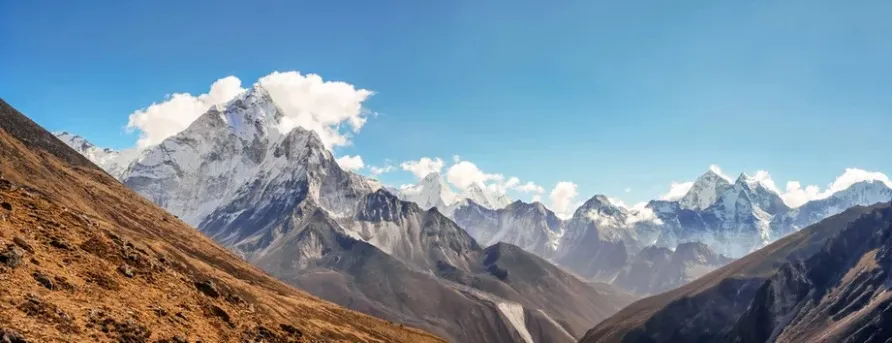
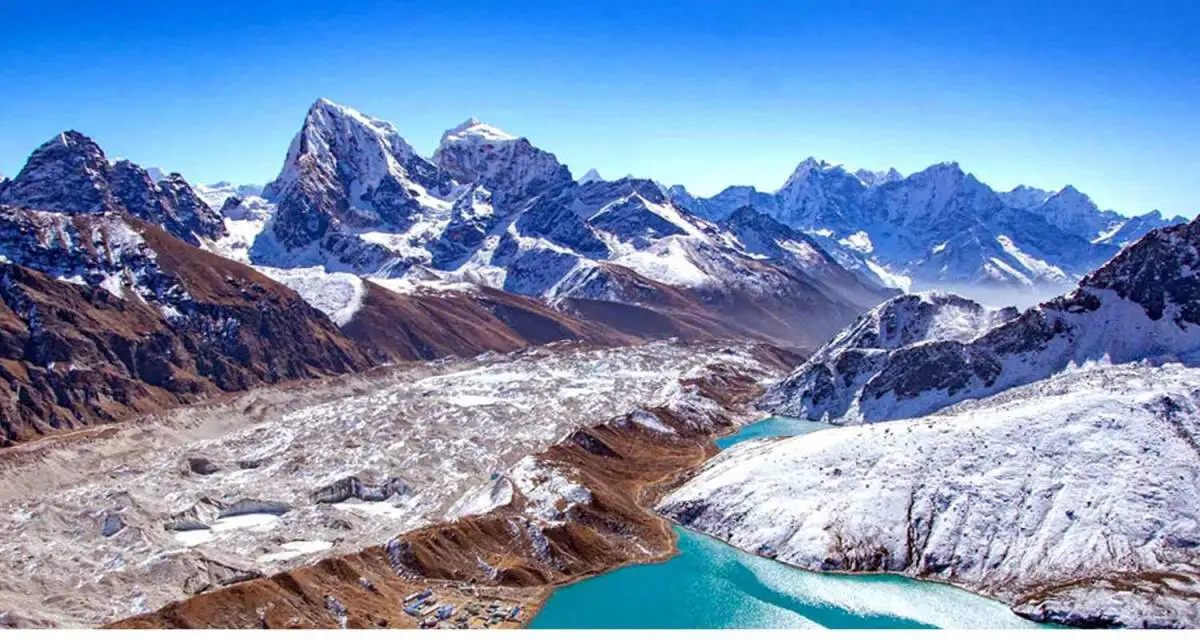
In October, Lobuche Peak beckons adventurers with its challenging slopes and panoramic views amidst the stunning landscape of the Everest region in Nepal. Standing at 6,119 meters (20,075 feet), Lobuche Peak offers a formidable yet achievable climbing experience, making it a popular choice among mountaineers seeking to test their skills in the Himalayas.
October marks the beginning of the post-monsoon season in Nepal, characterized by clear skies, stable weather, and crisp temperatures. These ideal climbing conditions create a perfect window for tackling Lobuche Peak, providing excellent visibility of neighboring peaks like Everest, Lhotse, and Nuptse.
Climbing Lobuche Peak in October starts with a scenic flight from Kathmandu to Lukla, followed by a trek through picturesque Sherpa villages and rhododendron forests. As climbers ascend through Namche Bazaar, Tengboche, Dingboche, and Lobuche Base Camp, they are treated to breathtaking views and encounters with the Sherpa culture.
This is a real mountain climbing adventure that will leave you in awe of the beauty of the Himalayan Mountains. The Lobuche Peak Climbing expedition in the Khumbu region of Nepal has been ranked by Lo...
The ascent to Lobuche Peak involves technical climbing skills, including navigating steep rocky sections, glacier crossings, and using climbing equipment such as crampons and ice axes. Acclimatization stops at strategic points along the route help climbers adjust to the high altitude, reducing the risk of altitude sickness.
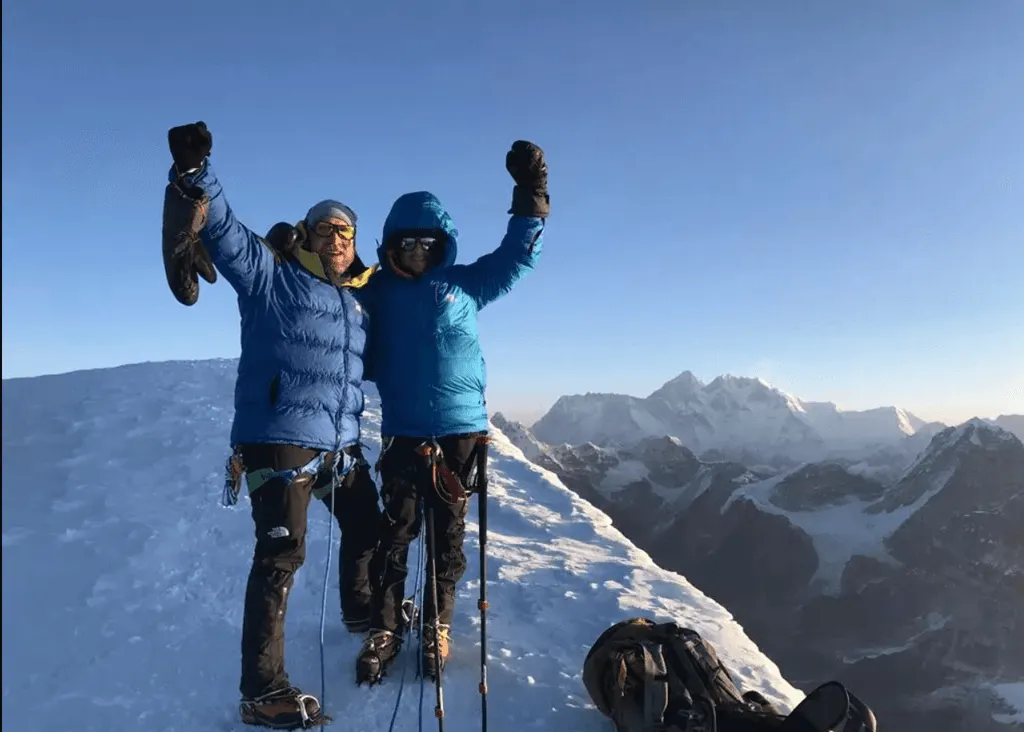
Reaching the summit of Lobuche Peak is a culmination of physical endurance, technical prowess, and the thrill of conquering one of Nepal's iconic peaks. The sense of achievement at the summit is matched by the expansive vistas of the Himalayan giants and the deep satisfaction of completing a challenging mountaineering expedition in October's crisp mountain air.
Introduction
Understanding the Importance of a Strong Introduction
An introduction serves as the gateway to your content, setting the stage for what follows. Its primary purpose is to capture the reader's attention and provide essential context for the topic at hand. Whether you're writing an essay, article, or any other form of content, a well-crafted introduction can make a significant impact.
Key Elements of an Effective Introduction
- Hook: Start with a compelling hook that grabs the reader's interest. This could be a startling fact, a provocative question, or a vivid anecdote related to your topic.
- Background Information: Provide necessary background information to orient your audience. This helps them understand the broader context and significance of the topic.
- Thesis Statement: Clearly state the main point or argument of your piece. This concise statement tells readers what to expect and sets the direction for the rest of the content.
- Scope: Briefly outline the scope of your discussion. Let readers know what specific aspects of the topic you'll cover and why they should continue reading.
- Transition: End the introduction with a smooth transition into the body of your content. This prepares readers for the detailed exploration that follows.
Conclusion
In conclusion, a strong introduction is vital for engaging your audience and laying a solid foundation for your content. By incorporating a compelling hook, providing background information, stating a clear thesis, outlining the scope, and smoothly transitioning into the main body, you can effectively captivate your readers from the outset.
Lobuche Peak Expedition is an exciting and challenging adventure that attracts mountaineers from all over the world. Located in the Khumbu region of Nepal, Lobuche Peak stands tall at an elevation of...
History of Lobuche Peak
Lobuche Peak, nestled in the renowned Khumbu region of Nepal, holds a storied history intertwined with the evolution of Himalayan mountaineering. The peak itself comprises two main summits: Lobuche East (6,119m) and Lobuche West (6,145m). While Lobuche East is more frequently climbed due to its relatively straightforward route, Lobuche West poses a greater technical challenge and requires advanced mountaineering skills.
The first successful ascent of Lobuche East was achieved on April 25, 1984, by Laurence Nielson and Ang Gyalzen Sherpa. This historic climb marked the beginning of Lobuche's reputation as a prominent trekking peak in the Everest region. Since then, numerous climbers from around the globe have been drawn to its slopes, seeking both the physical challenge and the unparalleled panoramic views it offers.
Lobuche Peak's strategic location, nestled between the Khumbu Glacier and the Imja Glacier, provides climbers with breathtaking vistas of Everest, Lhotse, Nuptse, and the stunning glacial landscapes of the region. The peak's accessibility from the Everest Base Camp trek route further enhances its allure, allowing climbers to experience both the cultural richness of the Sherpa villages and the raw, untouched beauty of the Himalayas.
Over the decades, Lobuche Peak has become a pivotal training ground for aspiring mountaineers preparing for more technical ascents in the Himalayas. Its combination of moderate difficulty, stunning scenery, and cultural immersion continues to attract adventurers seeking a memorable and rewarding mountain climbing experience in Nepal's Khumbu region.
Lobuche Peak is a popular trekking peak located in the Khumbu region of Nepal, with an elevation of 6,119 meters. It is known for its stunning panoramic views of Mount Everest, Lhotse, Nuptse, Ama Dab...
Overview of Lobuche Peak Climbing
Climbing Lobuche Peak typically begins with a scenic flight from Kathmandu to Lukla, followed by a trek through the legendary Khumbu Valley. The trail passes through vibrant Sherpa villages like Namche Bazaar and Tengboche, offering glimpses into the local culture and lifestyle. As climbers ascend towards Lobuche Base Camp, they traverse diverse landscapes, from lush rhododendron forests to rocky moraines and pristine glaciers.
The climb itself involves technical challenges, including steep sections and crevassed terrain, particularly on the Southeast Ridge route to Lobuche East. Acclimatization stops at strategic points such as Dingboche and Lobuche Base Camp are crucial for adapting to the altitude and preparing for the final ascent push. The reward for these efforts is unmatched panoramic views of Everest, Lhotse, Nuptse, and other Himalayan giants from the summit of Lobuche Peak.
Best Time to Climb Lobuche Peak in October
October emerges as one of the prime months to undertake the ascent of Lobuche Peak, offering favorable weather conditions and stunning vistas. During October, Nepal experiences clear skies and stable weather patterns following the monsoon season, reducing the likelihood of precipitation and ensuring good visibility for climbers. The moderate temperatures during the day and relatively mild nights create optimal climbing conditions, minimizing the risk of extreme cold or harsh weather.
Moreover, October coincides with the post-monsoon trekking season in Nepal, attracting adventurers eager to explore the Khumbu region. The trails leading to Lobuche Peak are typically less crowded than during the peak trekking months of April and May, enhancing the sense of solitude and wilderness. The combination of favorable weather, breathtaking scenery, and cultural experiences makes October a preferred time for climbers seeking a memorable Himalayan expedition to Lobuche Peak.
A real climbing adventure that will leave you stunned at the beauty of the Himalayan Mountains. The Lobuche Peak Climbing expedition in the spectacular Khumbu region of Nepal has been ranked...
Certainly! Here's a detailed content piece on each of the topics you mentioned:
How to Get to Lobuche Peak
Navigating Your Journey to Lobuche Peak
Lobuche Peak, situated in the breathtaking Khumbu region of Nepal, is a popular destination for mountaineers and trekkers alike. Standing at an impressive 6,119 meters (20,075 feet), it offers stunning panoramic views of the Himalayas and presents a thrilling challenge for adventurers seeking to conquer its summit.
Preparing for the Trek
- Physical Conditioning: Start preparing well in advance with a fitness regimen that includes cardiovascular exercises, strength training, and endurance building. This will help you acclimatize better to the high altitudes.
- Permits and Documentation: Obtain the necessary permits and documentation required for trekking in the Khumbu region. This typically includes a Sagarmatha National Park entry permit and a TIMS card (Trekkers' Information Management System).
- Route Selection: Choose your route based on your experience and preferences. The trek to Lobuche Peak often starts from Lukla, proceeding through iconic Sherpa villages like Namche Bazaar and Dingboche before reaching Lobuche Base Camp.
- Gear and Equipment: Pack essential gear such as sturdy trekking boots, warm clothing layers, a sleeping bag suitable for sub-zero temperatures, and high-altitude mountaineering equipment like crampons and ice axes.
Navigating the Route
- Acclimatization: Allow time for acclimatization at various points along the trek to prevent altitude sickness. This may involve rest days or short hikes to higher elevations followed by descent for proper adjustment.
- Guides and Porters: Consider hiring local guides and porters who are familiar with the terrain and can enhance your safety and overall experience.
- Safety Considerations: Prioritize safety at all times, respecting the guidelines for high-altitude trekking and mountaineering. Be prepared for unpredictable weather conditions and potential challenges on the trail.
This is an excellent opportunity to climb Nepal’s highest peak without having to obtain a permit (6,476m/21,190ft). From the summit, you will have stunning views of several 8000m plus peaks, such as E...
Required Permits for Lobuche Peak Climbing
Climbing Lobuche Peak, a stunning 6,119-meter peak in the Khumbu region of Nepal, requires several permits to ensure safety and compliance with local regulations. The primary permits include the Sagarmatha National Park Entry Permit and the Khumbu Pasang Lhamu Rural Municipality Permit. These permits are obtainable through registered trekking agencies or directly from the Nepal Tourism Board in Kathmandu. The Sagarmatha National Park Entry Permit costs approximately USD 30 per person and is essential for entering the park, while the Khumbu Pasang Lhamu Rural Municipality Permit costs around USD 20 per person and is specific to the Lobuche area.
Additionally, climbers need a Climbing Permit for Lobuche Peak itself, issued by the Nepal Mountaineering Association (NMA). The cost of this permit varies depending on the season and the number of climbers in the group. For the spring season (March to May), the fee is higher compared to the autumn season (September to November). The permit is typically obtained through a trekking agency which handles the logistics of the climb, including liaison with the NMA and ensuring all paperwork is in order.
These permits are crucial not only for legal compliance but also for supporting local conservation efforts and ensuring safety measures are adhered to during the climb.
Equipment Needed for Lobuche Peak Climbing
Climbing Lobuche Peak demands a specialized set of equipment to ensure safety, comfort, and success in challenging alpine conditions. Here’s a comprehensive list of essential gear required for the expedition:
Clothing:
- Insulated jacket
- Waterproof and breathable shell jacket and pants
- Thermal base layers
- Fleece or soft-shell jacket
- Climbing trousers
- Warm gloves and mittens
- Insulated down pants (optional but recommended for high altitude)
Footwear:
- Mountaineering boots (insulated and suitable for crampons)
- Gaiters
- Thermal socks and liners
Climbing Gear:
- Climbing harness
- Ice axe
- Crampons
- Helmet
- Climbing ropes (dynamic and static)
- Carabiners, slings, and belay devices
Other Essentials:
- Backpack (40-50 liters)
- Sleeping bag (rated for sub-zero temperatures)
- Headlamp with spare batteries
- Sunglasses and goggles (with UV protection)
- Sunscreen and lip balm
- Trekking poles
- Personal first aid kit
Each item should be carefully selected for its quality and suitability for high-altitude climbing conditions. Proper gear ensures safety and comfort throughout the climb, helping climbers focus on the breathtaking views and the joy of summiting Lobuche Peak.
Many of us dream of standing on top of a mountain and looking down on the world. Well, here is a chance for you to fulfill this dream! All that is required is for you to be physically fit and preferab...
Physical Fitness and Training Required for Lobuche Peak Climbing
Climbing Lobuche Peak demands excellent physical fitness and specific training to cope with the altitude, endurance challenges, and technical requirements of alpine climbing. A structured training regimen typically includes cardiovascular exercises such as running, cycling, and hiking to build endurance. Strength training focusing on core muscles, legs, and upper body is essential for carrying heavy packs and maneuvering through challenging terrain.
Altitude acclimatization plays a crucial role in climbing Lobuche Peak, and training should incorporate simulated altitude exposure if possible. This helps the body adapt to lower oxygen levels and reduces the risk of altitude sickness during the climb.
Mental preparation is equally vital. Climbers must be mentally resilient to endure long days, unpredictable weather conditions, and physical exertion at high altitude. Practicing mindfulness, stress management techniques, and maintaining a positive attitude are beneficial during challenging moments on the mountain.
Overall, physical fitness for Lobuche Peak climbing requires a combination of strength, endurance, and mental resilience. A well-rounded training program tailored to the demands of high-altitude mountaineering is key to a safe and successful climb.
Acclimatization and Altitude Sickness Prevention
Acclimatization is critical when climbing Lobuche Peak to prevent altitude sickness, a potentially serious condition caused by reduced oxygen levels at high altitude. The climb typically involves several acclimatization days at strategic points along the route, allowing climbers to gradually adjust to the thinner air.
Strategies for acclimatization include:
Gradual Ascent: Climbers ascend slowly, allowing their bodies time to adjust to the altitude. The itinerary is designed with acclimatization days at lower altitudes to facilitate this process.
Hydration and Nutrition: Staying hydrated and well-nourished helps the body cope with altitude stress. Climbers are advised to drink plenty of fluids, avoid alcohol, and consume high-calorie meals to maintain energy levels.
Medication: Some climbers use medication like acetazolamide (Diamox) to aid acclimatization by increasing breathing rate and reducing symptoms of altitude sickness. However, it's crucial to consult with a medical professional before using any medication.
Awareness of Symptoms: Climbers are trained to recognize early symptoms of altitude sickness such as headache, nausea, dizziness, and fatigue. If symptoms develop, it's essential to rest, hydrate, and, if necessary, descend to a lower altitude.
Climbing Pace: A steady and manageable pace minimizes exertion and allows for adequate oxygen intake. Guides and experienced climbers often set a pace that ensures safety and effective acclimatization.
Altitude sickness can affect anyone, regardless of fitness level or previous climbing experience. Proper acclimatization practices are fundamental to enjoying a safe and successful ascent of Lobuche Peak, ensuring climbers can appreciate the awe-inspiring views and achieve their mountaineering goals responsibly.
This is a must for those adventurers–seekers who are physically fit or have previous climbing experience. This is one adventure that will make your toes curl and give you an adrenalin rush as you clim...
Daily Itinerary for Lobuche Peak Climbing in October
October is a popular month for climbing Lobuche Peak due to stable weather conditions and clear skies, offering ideal visibility for mountaineering. Here's a typical daily itinerary for climbing Lobuche Peak in October:
Day 1: Arrival in Kathmandu, obtain permits, and prepare equipment. Day 2: Fly to Lukla (2,860m), trek to Phakding (2,610m). Day 3: Trek from Phakding to Namche Bazaar (3,440m). Day 4: Acclimatization day in Namche Bazaar, optional hike to Everest View Hotel. Day 5: Trek from Namche Bazaar to Tengboche (3,860m). Day 6: Trek from Tengboche to Dingboche (4,410m). Day 7: Acclimatization day in Dingboche, hike to Nagarjun Hill for acclimatization. Day 8: Trek from Dingboche to Lobuche (4,910m). Day 9: Trek from Lobuche to Lobuche Base Camp (4,950m). Day 10: Rest day and final preparations at Lobuche Base Camp. Day 11: Summit Lobuche Peak (6,119m) and descend to Lobuche Base Camp. Day 12: Contingency day for weather or acclimatization needs. Day 13: Trek from Lobuche Base Camp to Pangboche (3,930m). Day 14: Trek from Pangboche to Namche Bazaar. Day 15: Trek from Namche Bazaar to Lukla. Day 16: Fly back to Kathmandu from Lukla. Day 17: Departure from Kathmandu.
This itinerary allows for gradual acclimatization, essential for adjusting to high altitudes and minimizing the risk of altitude sickness. Each day involves several hours of trekking through stunning landscapes, offering ample opportunities to appreciate the natural beauty of the Khumbu region.
Accommodation Options on Lobuche Peak Climbing Route
Accommodation options along the Lobuche Peak climbing route vary depending on the altitude and availability. Here's what climbers can expect:
Kathmandu: In Kathmandu, there are numerous hotels ranging from budget to luxury accommodations. Thamel and surrounding areas offer a wide range of choices catering to different preferences and budgets.
Lukla to Namche Bazaar: Teahouses and lodges are the primary accommodation options on this stretch. Rooms are basic but comfortable, typically offering twin beds with shared bathrooms. Dining areas provide hearty meals with options for international and local cuisine.
Dingboche and Lobuche: As climbers ascend higher, accommodation options become more limited and basic. Teahouses offer dormitory-style rooms or private rooms with shared facilities. Blankets are usually provided, but climbers should bring their sleeping bags for warmth.
Lobuche Base Camp: Accommodation at Lobuche Base Camp consists of tents provided by trekking agencies. These camps are set up with dining tents and sleeping tents equipped with sleeping pads.
Safety Note: Accommodation can be basic with shared amenities, and it's advisable to bring essential toiletries and a headlamp for convenience. Despite the simplicity, teahouses and base camps along the route provide a warm and welcoming environment amidst the rugged mountain terrain.
This is the highest peak in Nepal that does not require a climbing permit (6,476m/21,190ft). From the summit there are spectacular views of several 8000 meter plus peaks, such as Everest, Cho Oyu, Kan...
Food and Water Availability on Lobuche Peak Climbing Route
Food and water availability on the Lobuche Peak climbing route are crucial considerations for maintaining energy and hydration throughout the expedition:
Teahouses and Lodges: Along the lower sections of the route (Lukla to Namche Bazaar), teahouses and lodges offer a variety of meals including pasta, noodles, rice dishes, and international options like pizza and burgers. Breakfast typically includes porridge, eggs, toast, and tea or coffee. These establishments also serve snacks like chocolate bars and energy drinks.
Higher Altitudes (Dingboche and Lobuche): As climbers ascend, food options become more limited and expensive due to logistical challenges. Meals consist mainly of rice, noodles, and potatoes with basic vegetables and meats. It's essential to carry some snacks and energy bars for extra sustenance.
Lobuche Base Camp: At Lobuche Base Camp, meals are prepared by expedition cooks and include soups, pasta, rice, and meats to replenish energy after strenuous climbing days.
Water: Water along the route should be treated or boiled before consumption to prevent waterborne illnesses. Bottled water is available at teahouses but becomes pricier at higher altitudes. Carrying a reusable water bottle with a purifying filter is recommended for refilling from local water sources.
Safety Note: Maintaining a balanced diet and staying hydrated are crucial for performance and acclimatization during the climb. Climbers should plan their meals and water intake strategically to optimize energy levels and minimize altitude-related risks.
Safety Measures and Rescue Options on Lobuche Peak Climbing
Safety is paramount when climbing Lobuche Peak, and several measures are in place to ensure climbers' well-being:
Guides and Sherpas: Experienced guides and Sherpas provide valuable expertise in navigating the terrain, assessing weather conditions, and managing emergencies. They assist with route finding and ensure climbers adhere to safety protocols.
Communication: Satellite phones and radios are used to maintain communication between climbing teams, base camps, and rescue services. This enables quick response in case of emergencies or unforeseen circumstances.
Medical Supplies: Trekking agencies and base camps carry basic medical supplies and first aid kits to treat minor injuries, altitude sickness symptoms, and other health issues.
Acclimatization: Gradual ascent and acclimatization days help climbers adapt to high altitudes, reducing the risk of altitude sickness and enhancing overall safety.
Helicopter Rescue: In severe emergencies, helicopter rescue services are available for evacuation to lower altitudes or medical facilities in Kathmandu. Climbers should ensure their travel insurance covers helicopter evacuation.
Weather Monitoring: Continuous weather monitoring helps anticipate changes in weather patterns, allowing climbers to plan accordingly and avoid hazardous conditions.
Risk Assessment: Guides conduct daily risk assessments to evaluate climbing conditions, avalanche risks, and other potential hazards. Decisions regarding summit attempts are based on these assessments to prioritize safety.
By adhering to these safety measures and utilizing available rescue options, climbers can enjoy a safe and rewarding experience climbing Lobuche Peak, appreciating its breathtaking views and achieving their mountaineering goals responsibly.
This is a chance to go climbing without the necessary permits that most climbing expeditions require in Nepal. Mera Peak fits the bill perfectly and at (6,476m/21,190ft) you will have spectacular view...
Tips for Successful Summit of Lobuche Peak
Achieving a successful summit of Lobuche Peak requires careful planning, physical preparation, and adherence to safety protocols. Here are some essential tips:
- Physical Fitness: Train rigorously, focusing on cardiovascular endurance, strength training, and altitude acclimatization.
- Gear Preparation: Ensure all equipment is in top condition and appropriate for high-altitude climbing, including insulated clothing, crampons, and a reliable sleeping bag.
- Hydration and Nutrition: Stay well-hydrated and maintain a balanced diet rich in carbohydrates and proteins to fuel your climb.
- Acclimatization: Follow a gradual ascent schedule with rest days to acclimatize effectively, reducing the risk of altitude sickness.
- Weather Monitoring: Stay updated on weather forecasts and plan summit attempts during stable weather windows to maximize safety.
- Team Coordination: Communicate effectively with guides and team members, following their advice and supporting each other throughout the climb.
- Respect the Environment: Leave no trace principles apply—pack out all waste and respect local flora and fauna.
- Safety First: Be prepared to turn back if conditions deteriorate or health issues arise—your safety is paramount.
By following these tips and maintaining a positive attitude, climbers can enhance their chances of a successful and memorable summit of Lobuche Peak.
Environmental Considerations While Climbing Lobuche Peak
Climbing Lobuche Peak involves traversing through sensitive alpine environments, demanding careful environmental stewardship. Here are key considerations:
- Leave No Trace: Minimize impact by packing out all waste, including biodegradable items like food scraps and toilet paper. Use designated toilet facilities where available.
- Respect Wildlife: Observe wildlife from a distance and avoid disturbing their natural behaviors. Do not feed animals encountered along the route.
- Stay on Designated Trails: Stick to established trails to prevent soil erosion and preserve delicate vegetation.
- Minimize Campfire Impact: Use portable stoves for cooking to reduce wood consumption and the risk of starting wildfires.
- Dispose of Waste Properly: Carry out all non-biodegradable waste and recycle where possible. Comply with local waste management regulations.
- Conserve Water: Use water sparingly, especially at higher altitudes where water sources are scarce. Treat water from natural sources before consumption.
- Support Local Conservation Efforts: Learn about and contribute to local conservation initiatives aimed at preserving the natural beauty and biodiversity of the region.
- Educate Others: Share environmental best practices with fellow climbers and encourage responsible behavior in mountain environments.
By prioritizing environmental conservation while climbing Lobuche Peak, climbers contribute to the sustainability of alpine ecosystems and ensure future generations can enjoy these pristine landscapes.
Many of us only dream of standing on a tall peak looking down on the world. This is a great climb that will satisfy this desire. Island Peak, also referred to as Imja Tse, is a 6187-meter high peak in...
Cultural Aspects of Lobuche Peak Climbing
Climbing Lobuche Peak not only offers breathtaking scenery but also provides opportunities to engage with local Sherpa culture and traditions. Key cultural aspects include:
- Sherpa Hospitality: Experience the warm hospitality of Sherpa communities along the trekking route, characterized by friendly greetings and shared meals.
- Buddhist Monasteries: Visit monasteries in villages like Tengboche and Pangboche, where you can observe Buddhist rituals and architecture.
- Prayer Flags and Mani Walls: Encounter prayer flags fluttering in the wind and mani walls adorned with inscribed stones, symbols of spiritual beliefs and protection.
- Local Festivals: Depending on timing, witness traditional festivals such as Mani Rimdu in Tengboche, featuring colorful dances and religious ceremonies.
- Cultural Etiquette: Respect local customs, such as removing shoes before entering monasteries and avoiding pointing at religious objects.
- Supporting Local Economy: Stay in locally owned lodges and purchase handmade crafts and souvenirs from Sherpa artisans, contributing directly to the local economy.
- Language and Communication: Learn basic Nepali phrases and engage with locals in their language, fostering cultural exchange and mutual understanding.
- Environmental and Cultural Sensitivity: Practice cultural sensitivity by seeking permission before photographing individuals and religious sites.
Engaging with Sherpa culture enriches the climbing experience on Lobuche Peak, offering insights into a unique way of life shaped by the Himalayan environment and Buddhist traditions.
Challenges Faced During Lobuche Peak Climbing
Climbing Lobuche Peak presents several challenges that climbers must navigate to achieve a successful summit. These challenges include:
- High Altitude: Coping with altitude-related issues such as acute mountain sickness (AMS), which can affect climbers above 3,000 meters.
- Weather Variability: Unpredictable weather patterns, including sudden storms and high winds, require flexible itinerary planning and patience.
- Technical Terrain: Negotiating steep, icy slopes and rocky sections requires proficiency in using crampons, ice axes, and ropes.
- Physical Demands: Enduring long days of strenuous trekking and climbing, often in sub-zero temperatures, tests physical stamina and mental resilience.
- Remote Environment: Limited access to medical facilities and emergency services necessitates self-sufficiency and preparedness for self-rescue.
- Logistical Challenges: Coordinating permits, equipment, and accommodation bookings in advance requires careful planning and attention to detail.
- Environmental Impact: Balancing the desire to summit with responsible environmental practices, such as waste management and conservation.
- Team Dynamics: Managing group dynamics and communication among team members and guides is crucial for safety and mutual support.
Overcoming these challenges requires comprehensive preparation, including physical training, mental readiness, and respect for the natural and cultural environments encountered along the journey to Lobuche Peak's summit.
Mera Peak Climbing Just in 12 Days Return By Helicopter to Lukla and flight back Kathmandu.This is an excellent opportunity to climb Nepal’s highest peak without having to obtain a permit (6,476m...
Personal Experiences of Climbers on Lobuche Peak
Climbing Lobuche Peak is a transformative experience that challenges climbers physically, mentally, and emotionally. Many climbers recount the thrill of navigating the rugged terrain, the camaraderie built with fellow climbers and guides, and the sense of achievement upon reaching the summit. The journey typically begins with the bustling streets of Kathmandu, where climbers prepare permits and equipment before flying to Lukla. The trek to Lobuche takes climbers through picturesque Sherpa villages, dense forests, and across high suspension bridges over rushing rivers.
As altitude increases, the landscape changes dramatically, with barren, rocky terrain and stunning views of Himalayan peaks. Acclimatization stops in places like Namche Bazaar and Dingboche allow climbers to adjust to thinner air and enjoy the unique culture of the region. The final push to Lobuche Base Camp and beyond involves technical climbing, including fixed ropes and ice sections. Summit day often starts before dawn, with climbers navigating under the light of headlamps to reach the peak and witness the sunrise over the Everest region.
Each climber's experience on Lobuche Peak is unique, shaped by personal goals, physical abilities, and the unpredictable elements of high-altitude mountaineering. It's a journey that fosters deep respect for the mountains and leaves lasting memories of achievement and awe-inspiring natural beauty.
Costs Involved in Lobuche Peak Climbing
Climbing Lobuche Peak entails several costs that climbers should budget for, including permits, equipment, guides, and logistical expenses:
- Permits: The cost of permits includes the Sagarmatha National Park Entry Permit (approximately USD 30) and the Khumbu Pasang Lhamu Rural Municipality Permit (around USD 20). Additionally, climbers require a Climbing Permit issued by the Nepal Mountaineering Association (NMA), with fees varying based on the season and group size.
- Guides and Porters: Hiring experienced guides and porters is recommended for safety and logistical support. Guide fees depend on experience and services provided, while porters charge per day for carrying gear.
- Equipment: Essential climbing gear such as mountaineering boots, crampons, ice axes, helmets, and ropes must be either purchased or rented. Costs can vary widely based on quality and availability.
- Accommodation and Meals: Accommodation in teahouses along the trekking route and at Lobuche Base Camp, along with meals, contribute to overall expenses. Prices increase with altitude and remote locations.
- Travel and Insurance: Flights to Lukla, transportation in Kathmandu, travel insurance covering high-altitude climbing, and incidental expenses should be factored into the budget.
- Miscellaneous: Additional costs may include visa fees, tips for guides and porters, medical consultations, and souvenirs.
Overall, the total cost of climbing Lobuche Peak ranges widely depending on individual preferences, group size, and chosen services. Proper budgeting and planning ensure a safe and enjoyable expedition without financial surprises.
This is a chance to go climbing without the necessary permits that most climbing expeditions require in Nepal. Mera Peak fits the bill perfectly and at (6,476m/21,190ft) you will have spectacular view...
Other Popular Peaks to Climb in the Vicinity of Lobuche Peak
The Everest region offers several other popular peaks for climbers seeking additional challenges and breathtaking views:
- Island Peak (Imja Tse): Known for its iconic pyramid shape, Island Peak (6,189m) is a favorite among climbers looking to combine trekking with moderate technical climbing.
- Mera Peak: Standing at 6,476 meters, Mera Peak is the highest trekking peak in Nepal. It offers a challenging climb with stunning views of Everest, Makalu, Cho Oyu, and other neighboring peaks.
- Ama Dablam: Often referred to as the "Matterhorn of the Himalayas," Ama Dablam (6,812m) is known for its steep ice and rock faces. It's a technically demanding climb requiring advanced mountaineering skills.
- Pumori: Located west of Everest, Pumori (7,161m) is a popular choice for climbers seeking a more technical challenge and a close-up view of Everest's southwest face.
- Lhotse: The world's fourth highest peak at 8,516 meters, Lhotse is an extreme mountaineering challenge requiring significant experience and logistical support.
Each of these peaks offers a unique mountaineering experience, from moderate trekking peaks to challenging technical climbs, all set against the stunning backdrop of the Everest region. Climbers can tailor their expeditions based on skill level, time constraints, and personal goals, ensuring a memorable adventure in the heart of the Himalayas.
Conclusion
Climbing Lobuche Peak is a remarkable journey that blends physical challenge with cultural immersion amidst the awe-inspiring landscapes of the Everest region. From the bustling streets of Kathmandu to the serene trails leading through Sherpa villages and high-altitude camps, every step towards the summit offers an opportunity for personal growth and discovery.
The expedition demands meticulous planning, proper acclimatization, and respect for both the natural environment and local culture. It requires courage, perseverance, and teamwork to overcome the challenges posed by high altitude, unpredictable weather, and technical terrain. Yet, the rewards are immense: panoramic views of snow-capped peaks, the camaraderie forged with fellow climbers, and the sense of accomplishment upon reaching Lobuche Peak's summit.
As climbers ascend, they not only test their physical limits but also gain a deeper appreciation for the fragile beauty of the Himalayas and the resilience of the Sherpa people who call this rugged terrain home. Whether it's the first-time climber or the seasoned mountaineer, Lobuche Peak promises an unforgettable experience that leaves a lasting impression and inspires future adventures in the world's highest mountains.
Mera Peak Expedition is a popular trekking route that offers a challenging climb to the summit of Mera Peak. The peak stands at an elevation of 6,476 meters (21,247 feet) and is located in the Solu Kh...
Lobuche Peak Climbing Packages
Lobuche peak Climbing
Lobuche Peak Summit Return By Helicopter
Lobuche Peak Expedition 14 Days
Lobuche Peak Expedition 15 Days
Three Peak Expedition