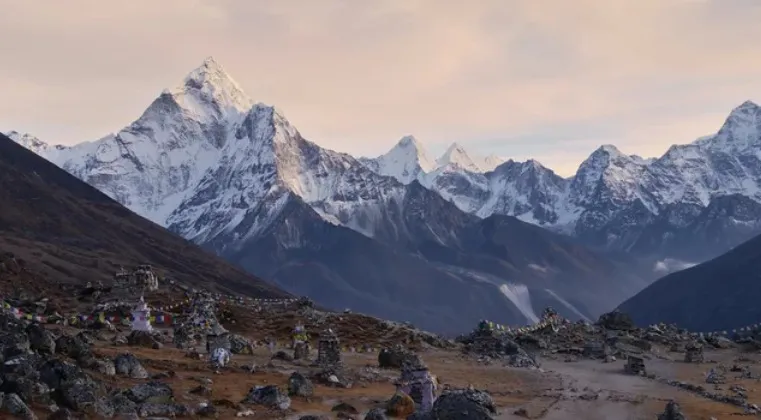
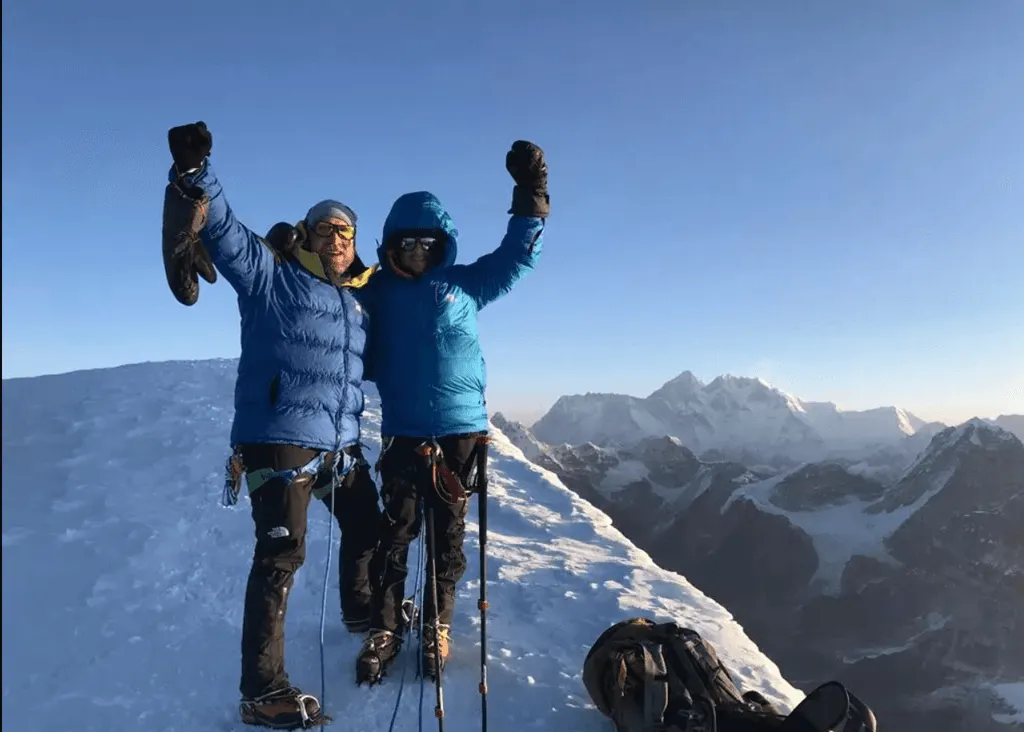
Climbing Lobuche Peak in November offers climbers a unique opportunity to experience the pristine beauty of the Everest region during one of the best times of the year for mountaineering. November falls within the post-monsoon season in Nepal, known for clear skies, stable weather conditions, and excellent visibility. This makes it an ideal month for climbers seeking panoramic views of the Himalayas, including iconic peaks like Everest, Lhotse, Nuptse, and Ama Dablam.
The journey typically begins with a flight from Kathmandu to Lukla, followed by a trek through picturesque Sherpa villages such as Namche Bazaar, Tengboche, and Dingboche. These villages provide opportunities to immerse oneself in Sherpa culture, visit ancient monasteries, and enjoy warm hospitality amidst breathtaking mountain scenery.
As climbers ascend towards Lobuche Peak, they traverse rugged terrain, including moraines, glaciers, and steep ridges. The route offers challenges such as technical climbing sections and high-altitude conditions, requiring climbers to be well-prepared physically and mentally. Acclimatization days at strategic points along the route help mitigate the effects of altitude and enhance chances of a successful summit bid.
This is a real mountain climbing adventure that will leave you in awe of the beauty of the Himalayan Mountains. The Lobuche Peak Climbing expedition in the Khumbu region of Nepal has been ranked by Lo...
Lobuche Peak itself stands at 6,119 meters (20,075 feet) and rewards climbers with panoramic views from its summit, showcasing the vastness and grandeur of the Himalayan landscape. The descent back to lower altitudes allows time to reflect on the achievement and savor the memories of an unforgettable adventure in the heart of the Khumbu region.
Overall, climbing Lobuche Peak in November promises an exhilarating expedition amidst stunning natural beauty, cultural richness, and the camaraderie of fellow adventurers, making it a cherished experience for mountaineers from around the globe.
Introduction to Lobuche Peak Climbing
Climbing Lobuche Peak offers adventurers an exhilarating journey into the heart of the Everest region, promising stunning vistas and a challenging ascent. Standing at 6,119 meters (20,075 feet), Lobuche Peak is one of Nepal's most popular trekking peaks, attracting climbers with its technical challenges and panoramic views of Everest, Lhotse, Nuptse, and other towering peaks.
The journey typically begins with a scenic flight from Kathmandu to Lukla, followed by a trek through Sherpa villages such as Namche Bazaar, Tengboche, and Dingboche. Each village offers insights into Sherpa culture, Buddhist monasteries, and warm hospitality amidst breathtaking mountain scenery.
As climbers approach Lobuche Base Camp, the landscape transitions into rugged terrain, including glaciers and moraines. The climb to Lobuche Peak involves technical sections requiring proficiency in using crampons, ropes, and ice axes. Acclimatization stops along the route help climbers adjust to the altitude, reducing the risk of altitude sickness.
This exhilarating and unforgettable trek for adventure seekers takes you to the summit of "Island Peak (6,189m) situated between Amadablam and Lhotse mountains. This amazing adventure is packed full o...
Summit day typically starts before dawn, navigating under the light of headlamps to reach the peak and witness the sunrise over the Himalayas. The descent offers time to reflect on the achievement and soak in the beauty of the Khumbu region before returning to Kathmandu.
Planning Your Trip: Preparations and Permits
Planning a successful Lobuche Peak expedition involves several key steps:
- Permits: Obtain necessary permits including the Sagarmatha National Park Entry Permit, Khumbu Pasang Lhamu Rural Municipality Permit, and Climbing Permit from the Nepal Mountaineering Association. These permits ensure legal compliance and support local conservation efforts.
- Travel Arrangements: Arrange flights from Kathmandu to Lukla, the gateway to the Everest region. Secure accommodations in Kathmandu and plan for trekking lodges or camping at higher altitudes.
- Trekking Agency: Consider hiring a reputable trekking agency for logistical support, including guides, porters, accommodation, and permits. Agencies help streamline the process and ensure safety throughout the climb.
- Itinerary: Develop a detailed itinerary with acclimatization days to adjust to high altitudes gradually. Factor in weather conditions and allow flexibility for unforeseen delays.
- Medical Preparation: Consult a healthcare professional for a thorough medical check-up and obtain necessary vaccinations. Pack a comprehensive first aid kit and any personal medications.
- Insurance: Purchase travel insurance that covers high-altitude trekking and emergency evacuation. Verify coverage for climbing peaks above 6,000 meters.
- Training: Begin a physical fitness regimen several months before departure, focusing on cardiovascular endurance, strength training, and altitude acclimatization.
By planning meticulously and preparing adequately, climbers maximize their chances of a safe and successful Lobuche Peak expedition, focusing on the adventure and natural beauty of the Himalayas.
On this 19 day trek to Chulu Far East Peak, you will find natural beauty, wonderful snow-covered peaks and unique cultural experience. This is a thrilling trek that will have the adrenalin pumping as...
Training and Fitness Requirements
Preparing for Lobuche Peak climbing requires a disciplined training regimen to build endurance, strength, and acclimatization abilities:
- Cardiovascular Fitness: Engage in aerobic activities such as running, cycling, and hiking to improve stamina and oxygen efficiency.
- Strength Training: Focus on lower body strength for uphill climbs and core strength for balance and stability. Include exercises like squats, lunges, and planks.
- Altitude Acclimatization: Simulate high-altitude conditions if possible, gradually increasing exposure to thin air to acclimate more effectively during the climb.
- Flexibility and Mobility: Incorporate stretching and yoga to enhance flexibility, reducing the risk of muscle strains and injuries on challenging terrain.
- Mental Preparation: Develop mental resilience to cope with physical exertion, weather fluctuations, and potential setbacks during the climb.
- Incremental Training: Gradually increase intensity and duration of workouts as the expedition date approaches, ensuring peak fitness levels at departure.
- Rest and Recovery: Allow sufficient rest between training sessions to prevent overtraining and promote muscle recovery.
A well-rounded training program tailored to the demands of high-altitude mountaineering prepares climbers for the physical and mental challenges of Lobuche Peak, enhancing safety and enjoyment throughout the expedition.
Gear and Equipment Checklist
Packing the right gear and equipment is essential for comfort, safety, and success when climbing Lobuche Peak:
- Clothing:
- Insulated jacket and pants
- Waterproof and windproof shell layers
- Thermal base layers (tops and bottoms)
- Fleece or soft-shell jacket
- Climbing trousers or trekking pants
- Warm gloves and mittens
- Insulated down jacket for higher altitudes
- Footwear:
- Mountaineering boots (compatible with crampons)
- Gaiters to prevent snow and debris from entering boots
- Thermal socks and liners
- Climbing Gear:
- Climbing harness
- Helmet for safety
- Ice axe and crampons
- Climbing ropes (dynamic and static)
- Carabiners, slings, and belay devices
- Backpack and Accessories:
- Backpack (40-50 liters) for carrying personal gear and supplies
- Sleeping bag (rated for sub-zero temperatures)
- Sleeping pad for insulation and comfort
- Headlamp or flashlight with spare batteries
- Sunglasses and goggles (with UV protection)
- Personal Essentials:
- Sunscreen and lip balm with high SPF
- Personal toiletries and medications
- Lightweight towel and wet wipes
- Trekking poles for stability on uneven terrain
- Climbing Accessories:
- Hand warmers and chemical heat packs
- Multi-tool or knife
- Water bottles or hydration bladder (insulated)
- Snacks and high-energy foods (nuts, energy bars)
- Technical Equipment:
- GPS device or altimeter for navigation
- Satellite phone or communication device
- Map or guidebook of the Everest region
By checking off each item on the gear checklist and ensuring everything is in optimal condition, climbers enhance their comfort, safety, and performance during the challenging ascent to Lobuche Peak.
This is the highest peak in Nepal that does not require a climbing permit (6,476m/21,190ft). From the summit there are spectacular views of several 8000 meter plus peaks, such as Everest, Cho Oyu, Kan...
Acclimatization and Altitude Sickness Prevention
Acclimatization is crucial when climbing Lobuche Peak to mitigate the risks of altitude sickness, a potentially serious condition caused by reduced oxygen at high altitudes. The key strategies for acclimatization and altitude sickness prevention include:
- Gradual Ascent: Ascend slowly, allowing time for the body to adjust to the decrease in oxygen levels. It's recommended to increase sleeping elevation by no more than 300-500 meters per day above 3,000 meters.
- Hydration: Drink plenty of fluids, at least 3-4 liters per day, to stay hydrated and help regulate bodily functions at altitude.
- Nutrition: Maintain a balanced diet rich in carbohydrates and moderate in proteins and fats to provide energy for the climb and aid in acclimatization.
- Medication: Consider medications like acetazolamide (Diamox) to help prevent and alleviate symptoms of altitude sickness. Consult with a healthcare professional before use.
- Rest Days: Include rest days during the ascent to allow the body to adjust to higher altitudes without exertion, aiding in acclimatization.
- Awareness of Symptoms: Be vigilant for symptoms of altitude sickness such as headache, nausea, dizziness, fatigue, and difficulty sleeping. Descend immediately if symptoms worsen.
- Altitude Training: Pre-trip altitude training, if possible, can improve acclimatization by exposing the body to simulated high-altitude conditions.
By following these guidelines and listening to the body's signals, climbers can increase their chances of a safe and successful ascent of Lobuche Peak, enjoying the journey while minimizing the risks associated with high-altitude mountaineering.
This is a chance to go climbing without the necessary permits that most climbing expeditions require in Nepal. Mera Peak fits the bill perfectly and at (6,476m/21,190ft) you will have spectacular view...
Trekking Route Overview
The trekking route to Lobuche Peak is an exhilarating journey through the heart of the Khumbu region, offering breathtaking views and cultural immersion. Here's an overview of the route:
- Kathmandu to Lukla: Start with a scenic flight from Kathmandu to Lukla, a bustling town and gateway to the Everest region.
- Trek to Namche Bazaar: From Lukla, trek through lush forests and cross high suspension bridges over the Dudh Koshi River to reach Namche Bazaar, the vibrant Sherpa capital.
- Acclimatization in Namche Bazaar: Spend a day acclimatizing in Namche Bazaar, exploring local markets, museums, and enjoying panoramic views of Everest and surrounding peaks.
- Trek to Tengboche: Continue trekking through rhododendron forests and across open terrain to Tengboche, home to an ancient monastery with stunning views of Ama Dablam.
- Dingboche and Acclimatization: Trek to Dingboche, a picturesque village surrounded by fields enclosed by stone walls to protect crops from cold winds.
- Lobuche: Trek from Dingboche to Lobuche, a small settlement with basic lodges and teahouses, serving as a base before ascending Lobuche Peak.
- Lobuche Base Camp: Ascend from Lobuche to Lobuche Base Camp, situated at approximately 4,910 meters, where climbers prepare for the summit bid.
The trekking route combines challenging ascents with serene valleys, offering opportunities to interact with Sherpa culture and witness breathtaking Himalayan vistas. Each day presents new landscapes and experiences, making the journey to Lobuche Peak a memorable adventure in the world's highest mountains.
A real climbing adventure that will leave you stunned at the beauty of the Himalayan Mountains. The Lobuche Peak Climbing expedition in the spectacular Khumbu region of Nepal has been ranked...
Day-to-Day Itinerary: From Kathmandu to Lobuche Base Camp
The day-to-day itinerary for climbing Lobuche Peak from Kathmandu to Lobuche Base Camp spans approximately 12-14 days, depending on weather conditions and acclimatization needs. Here's a detailed overview:
Day 1: Arrival in Kathmandu, obtain climbing permits, and prepare equipment.
Day 2: Fly from Kathmandu to Lukla (2,860m), trek to Phakding (2,610m).
Day 3: Trek from Phakding to Namche Bazaar (3,440m).
Day 4: Acclimatization day in Namche Bazaar, optional hike to Everest View Hotel.
Day 5: Trek from Namche Bazaar to Tengboche (3,860m).
Day 6: Trek from Tengboche to Dingboche (4,410m).
Day 7: Acclimatization day in Dingboche, hike to Nagarjun Hill for acclimatization.
Day 8: Trek from Dingboche to Lobuche (4,910m).
Day 9: Trek from Lobuche to Lobuche Base Camp (4,950m).
Day 10: Rest day and final preparations at Lobuche Base Camp.
Day 11: Summit Lobuche Peak (6,119m) and descend to Lobuche Base Camp.
Day 12: Contingency day for weather or acclimatization needs.
Day 13: Trek from Lobuche Base Camp to Pangboche (3,930m).
Day 14: Trek from Pangboche to Namche Bazaar.
Day 15: Trek from Namche Bazaar to Lukla.
Day 16: Fly back to Kathmandu from Lukla.
Day 17: Departure from Kathmandu.
This itinerary allows for gradual acclimatization, essential for adjusting to high altitudes and minimizing the risk of altitude sickness. Each day involves several hours of trekking through stunning landscapes, offering ample opportunities to appreciate the natural beauty of the Khumbu region.
Mera Peak Climbing Just in 12 Days Return By Helicopter to Lukla and flight back Kathmandu.This is an excellent opportunity to climb Nepal’s highest peak without having to obtain a permit (6,476m...
Climbing Techniques and Safety Measures
Climbing Lobuche Peak requires proficiency in mountaineering techniques and adherence to safety protocols to ensure a safe and successful ascent. Key techniques and safety measures include:
- Use of Equipment: Familiarize yourself with and regularly practice using climbing gear such as crampons, ice axes, ropes, and harnesses.
- Rope Management: Employ proper rope management techniques, including tying knots, belaying, and rappelling, to ensure safety during technical climbs.
- Route Finding: Follow established routes and markings, using maps, GPS devices, and local guides for navigation through challenging terrain.
- Weather Monitoring: Stay updated on weather forecasts and plan climbs during stable weather windows to minimize exposure to hazardous conditions like high winds and storms.
- Communication: Maintain clear communication with climbing partners and guides using radios, hand signals, or verbal cues to coordinate movements and respond to emergencies promptly.
- Emergency Preparedness: Carry a comprehensive first aid kit, including medications for altitude sickness, and be prepared to administer basic medical care in remote mountain environments.
- Team Dynamics: Foster effective teamwork and mutual support among climbing partners, emphasizing clear roles, communication, and decision-making to enhance safety and efficiency.
- Environmental Awareness: Practice Leave No Trace principles by minimizing impact on natural surroundings, packing out all waste, and respecting local flora and fauna.
By mastering these climbing techniques and prioritizing safety measures, climbers can navigate the challenges of Lobuche Peak confidently, achieving their mountaineering goals while ensuring a memorable and rewarding experience in the Himalayas.
This is a chance to go climbing without the necessary permits that most climbing expeditions require in Nepal. Mera Peak fits the bill perfectly and at (6,476m/21,190ft) you will have spectacular view...
Summit Day: Reaching the Top of Lobuche Peak
Summit day on Lobuche Peak is the culmination of weeks of preparation and acclimatization, marked by an early morning start under a canopy of stars. Climbers typically wake before dawn, fueled by a hearty breakfast and a mix of nervous anticipation and determination. The ascent begins in the predawn darkness, guided by headlamps casting soft beams on the icy terrain.
The initial stages are physically demanding, navigating steep slopes and negotiating technical sections with fixed ropes and crampons. As the sun rises, painting the Himalayan peaks in hues of orange and pink, climbers are treated to breathtaking vistas that inspire both awe and motivation. The air thins with altitude, requiring deliberate pacing and frequent breaks to catch one’s breath.
Upon reaching Lobuche Peak's summit at 6,119 meters (20,075 feet), emotions run high as climbers celebrate their achievement amidst panoramic views of Everest, Lhotse, Nuptse, and surrounding peaks. The sense of accomplishment is profound, tempered by the realization that the journey isn’t complete until safely back at base camp.
Descending Back to Base Camp
Descending from Lobuche Peak's summit is a critical phase of the expedition, requiring careful navigation and endurance after the exhilaration of reaching the peak. The descent retraces the ascent route, utilizing ropes and careful footwork to navigate icy sections and steep slopes.
Descending is often physically taxing, as fatigue sets in from the efforts of summit day. However, gravity aids progress down the mountain, albeit with the added challenge of stability on loose scree and rocky terrain. Proper technique, including controlled steps and use of trekking poles, helps mitigate strain on knees and ankles.
As climbers descend through changing landscapes, from rocky ridges to glacial moraines and alpine meadows, they are treated to new perspectives of the surrounding peaks and valleys. Rest breaks and hydration remain crucial to maintaining energy levels and preventing dehydration, particularly in the thinner air at higher altitudes.
Arriving back at Lobuche Base Camp brings a sense of relief and accomplishment, where climbers can rest, reflect on their journey, and savor the memories of summiting Lobuche Peak. The descent completes the full circle of the expedition, reinforcing lessons learned and bonds forged during the climb.
Mera Peak, standing tall at 6,476 meters, is the highest trekking peak in Nepal and is a popular destination for adventure enthusiasts. The peak is located in the Solu Khumbu region of Nepal, close to...
Challenges and Highlights of Climbing Lobuche Peak
Climbing Lobuche Peak presents a series of challenges and highlights that define the expedition's experience:
Challenges:
- Altitude: Coping with altitude sickness and acclimatization issues at high elevations requires careful monitoring and adaptation.
- Technical Terrain: Negotiating steep ice sections, crevasses, and rocky ridges demands proficiency in mountaineering skills and equipment use.
- Weather Variability: Navigating unpredictable weather conditions, including high winds, snowstorms, and extreme temperatures, adds complexity to the climb.
Highlights:
- Scenic Beauty: Spectacular views of Everest, Lhotse, and other Himalayan giants throughout the trek and from the summit reward climbers with unparalleled natural beauty.
- Cultural Immersion: Interacting with Sherpa communities, visiting ancient monasteries, and experiencing local hospitality enriches the cultural experience.
- Personal Achievement: Summiting Lobuche Peak represents a significant personal milestone, showcasing determination, resilience, and teamwork.
Balancing these challenges with the rewards of climbing Lobuche Peak creates a transformative experience that fosters personal growth and lasting memories in the heart of the Himalayas.
Weather and Climate in November
November offers favorable weather conditions for climbing Lobuche Peak, making it one of the preferred months for expeditions. As part of the post-monsoon season in Nepal, November typically features:
- Clear Skies: Generally stable weather patterns with clear skies and reduced precipitation, enhancing visibility for panoramic mountain views.
- Moderate Temperatures: Mild daytime temperatures in lower elevations (around 10-15°C) and colder temperatures at higher altitudes (below freezing), requiring layered clothing.
- Dry Conditions: Lower chances of rain or snowfall compared to earlier months, reducing the risk of slippery trails and avalanches.
- Low Wind Levels: Calmer winds in the Everest region, facilitating safer and more comfortable climbing conditions on exposed sections.
Climbers can expect crisp, clear days ideal for trekking and summit attempts, though weather patterns in the Himalayas can change rapidly. Monitoring forecasts and being prepared for sudden weather shifts are crucial for ensuring safety and success during a November expedition to Lobuche Peak.
Mera Peak is one of the most popular trekking peaks in Nepal, standing tall at 6,476 meters above sea level. The peak is located in the Khumbu region of Nepal and offers stunning views of some of the...
Accommodation and Food on the Trek
Accommodation along the Lobuche Peak trek varies from basic teahouses to more comfortable lodges, providing essential amenities for trekkers. Starting in Kathmandu, climbers typically stay in hotels before flying to Lukla, where the trek commences. Teahouses along the route offer twin-bedded rooms with shared bathrooms, while some lodges in larger villages like Namche Bazaar and Dingboche may provide private rooms and attached bathrooms for added comfort.
Food options primarily consist of local Nepali and Tibetan dishes, supplemented by international cuisine in larger lodges. Meals include dal bhat (rice and lentils), noodles, soups, and potatoes, providing essential carbohydrates and proteins for sustained energy. Alongside meals, teahouses and lodges offer hot drinks like tea and coffee, vital for hydration and warmth in the chilly mountain climate.
The availability of accommodations and food varies with altitude, becoming more basic and expensive at higher elevations. Despite limitations, teahouses and lodges strive to cater to climbers' needs, ensuring a comfortable and nourishing experience amidst the stunning Himalayan landscapes.
Cultural Insights: Interacting with Sherpa Communities
Trekking to Lobuche Peak offers a unique opportunity to interact with Sherpa communities, renowned for their hospitality, resilience, and rich cultural heritage. As climbers traverse the Everest region, they encounter Sherpa villages such as Namche Bazaar, Tengboche, and Dingboche, each offering insights into Sherpa traditions and daily life.
Sherpas, known for their mountaineering prowess as guides and porters, warmly welcome visitors with traditional greetings and rituals. Local monasteries, adorned with prayer flags and intricate murals, provide spiritual sanctuaries where climbers can witness Buddhist ceremonies and learn about Sherpa beliefs and practices.
Interactions with Sherpa families in teahouses and lodges offer a glimpse into daily routines, cuisine, and crafts such as weaving and pottery. Cultural exchanges enrich the trekking experience, fostering mutual respect and understanding between climbers and Sherpa communities.
Respecting local customs, such as removing shoes before entering homes and monasteries, and contributing to community-run initiatives supports sustainable tourism and preserves Sherpa culture for future generations. These cultural insights enhance the profound sense of connection and appreciation for the Himalayan landscapes and the people who call them home.
Lobuche Peak Expedition is an exciting and challenging adventure that attracts mountaineers from all over the world. Located in the Khumbu region of Nepal, Lobuche Peak stands tall at an elevation of...
Environmental Conservation and Leave No Trace Principles
Climbing Lobuche Peak necessitates a commitment to environmental conservation and Leave No Trace principles to minimize ecological impact and preserve fragile mountain ecosystems. Key practices include:
- Waste Management: Carry out all non-biodegradable waste, disposing of trash responsibly in designated bins or returning it to lower altitudes for proper disposal.
- Water Conservation: Use water sparingly, opting for boiled or treated water to minimize plastic bottle waste. Refill containers at lodges or use purification methods to reduce environmental footprint.
- Trail Etiquette: Stay on marked trails to prevent soil erosion and protect vegetation. Avoid shortcutting switchbacks and respect wildlife habitats by keeping a safe distance from animals.
- Campsite Selection: Choose established campsites when trekking or climbing, avoiding fragile alpine vegetation and respecting local regulations on camping and fires.
- Energy Consumption: Reduce energy consumption by using energy-efficient lighting and conserving fuel for cooking and heating purposes.
- Educational Outreach: Educate fellow climbers and locals about environmental stewardship and the importance of preserving natural resources for future generations.
By adhering to these principles, climbers contribute to sustainable tourism practices and ensure the continued beauty and biodiversity of the Everest region for years to come.
Post-Climb Recovery and Reflection
After summiting Lobuche Peak, post-climb recovery is essential for physical and mental well-being, allowing climbers to reflect on their achievements and experiences. Key aspects of post-climb recovery include:
- Rest and Hydration: Prioritize rest and hydration to replenish energy levels and aid muscle recovery after exertion at high altitudes.
- Nutrition: Consume nutritious meals rich in carbohydrates, proteins, and vitamins to support muscle repair and immune function.
- Reflection: Take time to reflect on the climb, celebrating successes and acknowledging challenges overcome during the expedition.
- Sharing Experiences: Share stories and photos with fellow climbers, guides, and locals to commemorate the journey and foster camaraderie.
- Cultural Exploration: Continue exploring local culture and traditions, visiting monasteries, and interacting with Sherpa communities to deepen cultural understanding.
- Future Goals: Set new mountaineering goals or reflect on lessons learned from Lobuche Peak to inspire future adventures and personal growth.
Post-climb recovery is a transformative period that allows climbers to appreciate the physical and emotional rewards of their efforts, fostering a lasting connection to the mountains and the experiences gained during their expedition.
Island Peak Climbing is an exciting adventure that takes climbers to the summit of Island Peak, also known as Imja Tse. The peak is located in the Khumbu region of Nepal and stands at an elevation of...
Optional Side Trips and Excursions
Exploring optional side trips and excursions while trekking to Lobuche Peak enhances the overall experience, offering additional cultural insights and scenic views. Here are some popular options:
- Everest Base Camp: Extend your trek to visit the iconic Everest Base Camp, where climbers prepare for Everest expeditions amidst towering icefalls and breathtaking Himalayan vistas.
- Gokyo Lakes: Trek to the pristine Gokyo Lakes, a series of turquoise lakes nestled among the world's highest peaks. The trek offers panoramic views of Everest, Cho Oyu, and Makalu.
- Chhukung Valley: Explore the picturesque Chhukung Valley, surrounded by soaring peaks and glaciers. The valley offers stunning views of Ama Dablam and opportunities for day hikes.
- Tengboche Monastery: Visit Tengboche Monastery, the largest monastery in the Khumbu region, known for its spiritual significance and panoramic views of Everest and Ama Dablam.
- Kala Patthar: Hike to Kala Patthar (5,545m), renowned for its spectacular sunrise views of Everest, Lhotse, and Nuptse. The trek offers a close-up view of Everest's southwest face.
- Khumbu Glacier: Trek to the Khumbu Glacier, the world's highest glacier, to witness its massive ice formations and experience the rugged beauty of the Everest region.
These side trips add depth to the Lobuche Peak trek, providing opportunities for cultural immersion, scenic photography, and exploration of diverse landscapes. Whether visiting Everest Base Camp or hiking to Kala Patthar, each excursion enriches the journey through the Himalayas, creating lasting memories of this awe-inspiring region.
Tips for Responsible Travel and Etiquette
Responsible travel practices and cultural etiquette are essential for preserving the natural beauty and cultural heritage of the Everest region. Consider the following tips:
- Respect Local Customs: Learn and respect local customs, such as greeting locals with "Namaste" and removing shoes before entering homes and monasteries.
- Support Local Communities: Purchase locally-made handicrafts and souvenirs to support the livelihoods of Sherpa communities along the trekking route.
- Environmental Stewardship: Practice Leave No Trace principles by packing out all waste, minimizing plastic use, and conserving water and energy.
- Wildlife Conservation: Observe wildlife from a distance, avoiding interactions that may disturb animals or their habitats. Refrain from feeding or approaching wildlife.
- Cultural Sensitivity: Dress modestly and respectfully in religious sites and villages. Seek permission before photographing individuals, especially monks and locals.
- Tipping Practices: Understand local tipping customs for guides, porters, and lodge staff. Tip fairly and directly to ensure equitable distribution among service providers.
- Water and Hygiene: Use water purification methods or refill reusable water bottles to minimize plastic waste and support sustainable tourism practices.
By practicing responsible travel and cultural etiquette, climbers contribute to sustainable tourism in the Everest region, fostering positive interactions with local communities and preserving the natural environment for future generations to enjoy.
Embark on an unforgettable journey to the heart of the Himalayas as you conquer three majestic peaks: Mera Peak, Island Peak, and Lobuche Peak. This ultimate adventure combines technical climbing, bre...
Resources and Useful Contacts
Accessing reliable resources and contacts is crucial for planning a successful Lobuche Peak expedition. Here are essential resources and contacts:
- Nepal Mountaineering Association (NMA): Provides climbing permits, guidelines, and updates on mountaineering regulations in Nepal.
- Sagarmatha National Park: Offers information on park entry permits, conservation initiatives, and trekking regulations within the park.
- Trekking Agencies: Reputable trekking agencies in Kathmandu and the Everest region offer guided expeditions, logistics support, and local expertise.
- Medical Services: Clinics and hospitals in Kathmandu and Lukla provide medical consultations, emergency services, and altitude sickness treatment.
- Weather Forecasts: Stay updated on weather conditions through local forecasts, available at lodges, trekking agencies, and online platforms.
- Embassies and Consulates: Contact information for embassies or consulates of your country in Kathmandu for assistance with travel documents or emergencies.
- Local Guides and Porters: Engage experienced local guides and porters for navigation, support, and cultural insights during the trek.
- Online Forums and Blogs: Seek advice and recommendations from fellow climbers on online forums, blogs, and social media platforms.
Gathering information from these resources ensures thorough preparation and enhances safety and enjoyment throughout the Lobuche Peak expedition in the majestic Himalayas.
Appendices: Maps, Glossary, and Additional Information
Appendices provide supplementary information essential for planning and navigating the Lobuche Peak trek. Here’s what to include:
- Maps: Detailed maps of the Everest region, including trekking routes, key landmarks, and elevation profiles for planning and navigation.
- Glossary: Definitions of mountaineering terms, Nepali phrases, and cultural insights to enhance understanding during the expedition.
- Additional Information: Practical tips on equipment maintenance, altitude sickness prevention, emergency procedures, and local customs.
These appendices serve as valuable references, offering comprehensive support and enhancing the trekking experience from preparation to completion of the Lobuche Peak climb.
Lobuche Peak Climbing Packages
Lobuche peak Climbing
Lobuche Peak Summit Return By Helicopter
Lobuche Peak Expedition 14 Days
Lobuche Peak Expedition 15 Days
Three Peak Expedition
It is hard to imagine a greater sense of satisfaction than having slugged your way up a mountain and then to look down on the world below. This real climbing experience will give you that feeling. It...