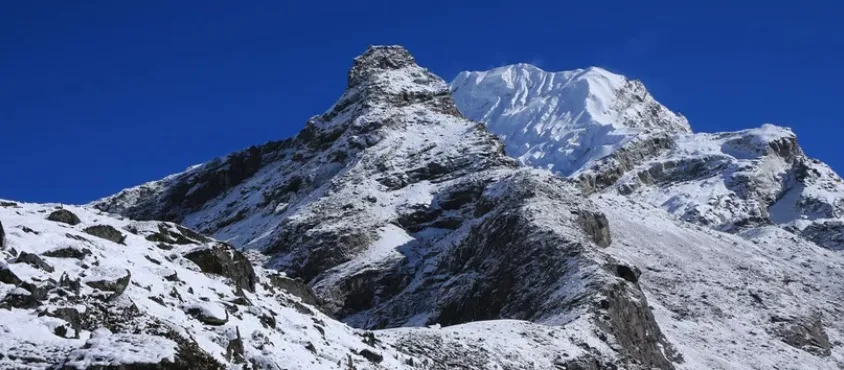
Lobuche Peak Climbing in May
Climbing Lobuche Peak in May presents a captivating adventure amidst the towering peaks of the Everest region in Nepal. Standing at 6,119 meters (20,075 feet), Lobuche Peak offers a challenging yet rewarding ascent for mountaineers seeking a Himalayan summit experience with stunning panoramic views of Everest, Lhotse, Nuptse, and other prominent peaks.
May marks the tail end of the spring season in Nepal, making it an excellent time for climbing Lobuche Peak due to favorable weather conditions. During this period, the weather is generally stable with clear skies, minimal precipitation, and mild temperatures, which are ideal for trekking and mountaineering activities. The days are longer, providing ample daylight hours for climbing and enjoying the breathtaking scenery of the Khumbu Valley.
The journey to Lobuche Peak typically begins with a scenic flight from Kathmandu to Lukla, followed by a trek through picturesque Sherpa villages and rhododendron forests. The route passes through iconic landmarks like Namche Bazaar, Tengboche Monastery, and Dingboche, allowing climbers to immerse themselves in the rich cultural heritage of the region while acclimatizing to the increasing altitude.

Reaching Lobuche Base Camp at approximately 4,950 meters (16,240 feet) marks the start of the climbing phase. Here, climbers undergo final preparations, including equipment checks and briefings with experienced guides who provide essential expertise in navigating the technical terrain ahead.
The ascent to Lobuche Peak High Camp involves traversing rugged terrain, crossing glacier moraines, and negotiating steep snow and ice slopes using crampons, ice axes, and ropes. High Camp serves as a strategic base for acclimatization and the final push to the summit.
On summit day, typically starting in the early hours before dawn, climbers embark on the final ascent under starlit skies or the glow of headlamps. The climb to the summit offers breathtaking views of the sunrise over Everest and neighboring peaks, rewarding climbers with a sense of accomplishment amidst the pristine Himalayan panorama.
Descending back to Base Camp and retracing the trekking route through the Khumbu Valley allows climbers to reflect on their achievement while appreciating the cultural richness of Sherpa villages and Buddhist monasteries along the way. May’s favorable weather conditions facilitate a comfortable descent back to Lukla, where a scenic flight to Kathmandu concludes the expedition.
In conclusion, climbing Lobuche Peak in May combines the thrill of high-altitude mountaineering with the natural beauty and cultural heritage of the Everest region. With stable weather conditions, extended daylight hours, and a well-structured itinerary, May provides an optimal window for adventurers to conquer this Himalayan summit and create lasting memories of a lifetime. Whether you are an experienced mountaineer or seeking your first high-altitude challenge, Lobuche Peak in May promises a transformative adventure amidst Nepal’s awe-inspiring Himalayan landscapes.

Conquering Lobuche Peak in the Spring Season
Conquering Lobuche Peak in the spring season offers a thrilling adventure amidst Nepal’s legendary Himalayan landscapes. As the snow begins to melt and the weather stabilizes, spring (March to May) presents optimal climbing conditions with clear skies and moderate temperatures. Lobuche Peak, standing at 6,119 meters (20,075 feet), provides a challenging yet achievable summit for mountaineers, offering stunning views of Everest, Lhotse, and Nuptse from its summit.
Springtime trekking to Lobuche Peak typically starts with a flight to Lukla followed by a trek through the picturesque Khumbu Valley. The route passes through Sherpa villages like Namche Bazaar and Tengboche, providing ample opportunities for cultural immersion and acclimatization. Climbers then proceed to Lobuche Base Camp and High Camp, where they prepare for the final ascent.
Conquering Lobuche Peak in spring is not just about reaching the summit but also about experiencing the natural beauty and cultural richness of the Everest region, making it a memorable adventure for enthusiasts of high-altitude climbing.
Welcome to Lobuche Peak Climbing: An Adventure of a Lifetime
Welcome to the ultimate adventure of climbing Lobuche Peak, a journey that combines physical challenge with breathtaking natural beauty in the heart of the Everest region. Situated in Nepal, Lobuche Peak stands at 6,119 meters (20,075 feet) and is renowned for its panoramic views of Everest, Lhotse, and the surrounding Himalayan giants.
Climbing Lobuche Peak begins with a thrilling flight from Kathmandu to Lukla, followed by a trek through picturesque Sherpa villages, rhododendron forests, and majestic mountain vistas. The route to Lobuche Base Camp and High Camp provides ample opportunities for acclimatization and cultural exploration, including visits to Buddhist monasteries and encounters with local Sherpa communities.
The ascent itself involves navigating challenging terrain, including steep snow and ice slopes, under the guidance of experienced Sherpa guides. The final push to the summit offers a rewarding experience as climbers are greeted by the first light of dawn illuminating the world’s highest peaks.
Whether you're an experienced mountaineer or embarking on your first Himalayan adventure, Lobuche Peak climbing promises an unforgettable experience filled with camaraderie, natural wonders, and personal achievement.
Introducing Lobuche Peak: Geography, Elevation, and Climbing Routes
Lobuche Peak, located in the Everest region of Nepal, comprises two main summits: Lobuche East (6,119 meters) and Lobuche West (6,145 meters). The peak is nestled amidst the majestic Himalayas, offering climbers unparalleled views of Everest, Lhotse, Nuptse, and the Khumbu Glacier.
Climbing routes to Lobuche Peak vary in difficulty, with the standard route typically starting from Lobuche Base Camp at approximately 4,950 meters (16,240 feet). From here, climbers ascend to Lobuche High Camp at around 5,400 meters (17,717 feet), where they prepare for the final summit push.
The ascent involves technical challenges such as steep snow slopes and glacier crossings, requiring climbers to utilize mountaineering equipment like crampons, ice axes, and ropes. The route to the summit offers a mix of exhilarating climbing and breathtaking scenery, making Lobuche Peak a sought-after destination for mountaineers seeking both challenge and natural beauty in the Himalayas.
Why Climb Lobuche Peak in May? Advantages and Challenges
May is an optimal month to climb Lobuche Peak due to favorable weather conditions and seasonal advantages. As spring transitions into early summer, May offers stable weather patterns with clear skies, minimal precipitation, and mild temperatures in the Everest region of Nepal.
Advantages of climbing Lobuche Peak in May include extended daylight hours, allowing for longer climbing days and better visibility of the surrounding Himalayan peaks. The stable weather reduces the risk of sudden snowstorms or high winds, providing safer climbing conditions and enhancing the overall experience.
However, climbers should be prepared for colder temperatures at higher altitudes, especially during early mornings and evenings. Adequate acclimatization, physical conditioning, and proper gear are crucial for overcoming the challenges of high-altitude climbing in May.
Overall, May presents a rewarding window of opportunity for mountaineers to conquer Lobuche Peak while enjoying optimal weather conditions and breathtaking views of the world’s highest mountains.
Physical Conditioning for High-Altitude Climbing
Physical conditioning for high-altitude climbing, especially for peaks like Lobuche, involves rigorous preparation to ensure safety, endurance, and enjoyment during the ascent. Key aspects of physical conditioning include:
- Cardiovascular Endurance: Improve stamina through activities such as running, hiking, and cycling to build cardiovascular fitness essential for sustained exertion at high altitudes.
- Strength Training: Focus on strengthening leg muscles, core stability, and upper body strength using exercises like squats, lunges, planks, and pull-ups to support carrying gear and navigating challenging terrain.
- Altitude Simulation: If possible, simulate high-altitude conditions through altitude training or hiking at higher elevations to acclimatize the body to lower oxygen levels.
- Flexibility and Balance: Incorporate stretching and balance exercises to enhance flexibility, coordination, and agility, which are beneficial for navigating uneven and steep terrain.
Consistent training over several months before the climb prepares climbers physically and mentally for the demands of high-altitude climbing, ensuring a safer and more enjoyable experience on Lobuche Peak.

Essential Gear and Equipment for Lobuche Peak Climbing
Climbing Lobuche Peak requires essential gear and equipment to ensure safety and comfort in the challenging Himalayan environment. Here’s a list of key items:
- Clothing: Insulating layers (fleece or down jackets), waterproof and windproof jacket and pants, thermal base layers, trekking pants, gloves, hat, and sunglasses.
- Footwear: Sturdy trekking boots with good ankle support, crampon-compatible boots for high-altitude climbing, gaiters, and thermal socks.
- Climbing Gear: Climbing harness, helmet, crampons, ice axe, trekking poles, and ropes.
- Sleeping Gear: Sleeping bag suitable for cold temperatures (rated for at least -10°C to -15°C), sleeping mat or pad.
- Miscellaneous: Headlamp with extra batteries, sunscreen (high SPF), lip balm with UV protection, water bottles or hydration system, snacks (energy bars, nuts), toiletries, and a first-aid kit.
Choosing high-quality gear appropriate for high-altitude conditions and ensuring everything is in good condition is crucial for a safe and successful climb of Lobuche Peak.
Obtaining Permits and Arranging Logistics
Before climbing Lobuche Peak, climbers must obtain necessary permits and arrange logistics through registered trekking agencies or directly with the Department of Tourism in Kathmandu. Here’s what’s required:
- Nepal Mountaineering Association (NMA) Permit: Required for climbing peaks like Lobuche Peak. Fees vary based on the climbing season and nationality.
- Sagarmatha National Park Entry Permit: Needed for entry into Sagarmatha National Park, where Lobuche Peak is located.
- Local Government Permits: Additional permits may be required depending on the specific route and regulations enforced by local authorities.
Trekking agencies assist in organizing permits, accommodations, transportation (including flights from Kathmandu to Lukla), guide services, and equipment rental. It’s advisable to plan well in advance and confirm all arrangements to ensure a smooth and enjoyable expedition.
Lukla to Phakding: The First Steps on the Everest Trail
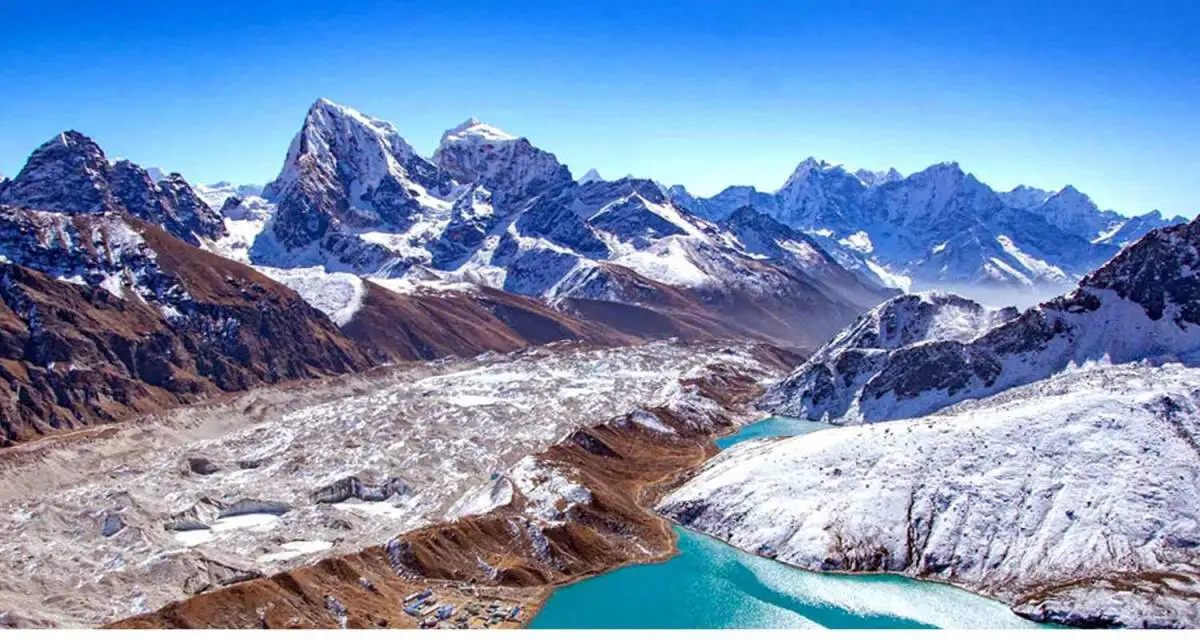
The journey to Lobuche Peak begins with a thrilling flight from Kathmandu to Lukla, where the trekking adventure commences. From Lukla (2,860 meters), climbers trek to Phakding (2,610 meters), marking the initial steps on the iconic Everest Base Camp trail.
The trek from Lukla to Phakding offers breathtaking views of the Himalayas and passes through picturesque Sherpa villages, prayer wheels, and suspension bridges spanning deep river valleys. Accommodation options in Phakding range from basic teahouses to comfortable lodges, providing essential amenities such as hot showers and hearty meals.
The trek to Phakding serves as an introductory phase, allowing climbers to acclimatize gradually to the altitude while immersing themselves in the natural beauty and cultural richness of the Khumbu region. It sets the stage for the challenging yet rewarding ascent towards Lobuche Peak.
Namche Bazaar to Tengboche: Acclimatization and Scenic Views
From Phakding, climbers continue their ascent through the Khumbu Valley to Namche Bazaar (3,440 meters), a bustling Sherpa market town and gateway to the Everest region. Namche Bazaar offers a rest day for acclimatization, allowing climbers to explore local attractions such as the Sherpa Cultural Museum and nearby viewpoints offering panoramic views of Everest and Ama Dablam.
Continuing onward from Namche Bazaar, the trek proceeds to Tengboche (3,860 meters), home to the famous Tengboche Monastery, a spiritual center of Tibetan Buddhism in the region. The trail offers spectacular vistas of Everest, Lhotse, and Nuptse amidst rhododendron forests and alpine landscapes.
Acclimatization at Namche Bazaar and Tengboche is crucial for adjusting to higher altitudes and preparing for the challenges ahead, including the ascent towards Lobuche Peak Base Camp and beyond.

Tengboche to Dingboche: The Trail to the Base of Lobuche East
From Tengboche, the trekking route continues to Dingboche (4,410 meters), a picturesque Sherpa village nestled in the Imja Valley and a key acclimatization stop before reaching Lobuche Peak Base Camp.
The trail from Tengboche to Dingboche offers stunning views of Ama Dablam and other Himalayan peaks, passing through lush meadows and yak pastures. Dingboche provides comfortable accommodations and serves as a strategic base for acclimatization hikes to nearby viewpoints like Nangkartshang Peak (5,083 meters) or Chukhung Ri (5,550 meters).
Climbers spend valuable time in Dingboche acclimatizing to the altitude and preparing for the final leg of the journey to Lobuche Peak Base Camp. The trail to Dingboche sets the stage for the thrilling ascent towards the base of Lobuche East, where climbers embark on the ultimate challenge of conquering this iconic Himalayan summit.
These stages of the trek offer not only physical preparation but also a chance to soak in the natural beauty and cultural heritage of the Everest region, making the journey to Lobuche Peak a truly unforgettable adventure in the heart of the Himalayas.
Establishing Base Camp and Preparing for the Ascent
Establishing Base Camp for Lobuche Peak is a critical step in the mountaineering expedition, providing a strategic hub for climbers to acclimatize and prepare for the challenging ascent ahead. Located at approximately 4,950 meters (16,240 feet), Lobuche Peak Base Camp offers stunning views of the surrounding Himalayan peaks, including Everest, Lhotse, and Nuptse.
Upon reaching Base Camp, climbers set up tents and organize equipment for the upcoming climb. Guides conduct briefings on climbing routes, safety protocols, and weather conditions. Climbers engage in acclimatization hikes to higher altitudes and practice essential mountaineering skills such as rope handling and crevasse rescue.
Base Camp serves as a temporary home amidst the rugged beauty of the Everest region, fostering camaraderie among climbers and guides while preparing for the ascent to higher camps and ultimately, the summit of Lobuche Peak.

The Climb to High Camp (5,400m/17,716ft)
The climb to Lobuche Peak High Camp marks a significant stage in the ascent, moving climbers closer to the summit at 6,119 meters (20,075 feet). High Camp is strategically located at approximately 5,400 meters (17,716 feet), providing a crucial vantage point for the final push towards the summit.
From Base Camp, climbers navigate challenging terrain including moraines and snow slopes, using crampons and ice axes for traction and stability. The ascent to High Camp involves crossing crevasses and negotiating steep sections under the guidance of experienced Sherpa guides.
At High Camp, climbers rest and hydrate while preparing for summit day. Guides conduct final equipment checks and briefings, emphasizing safety procedures and route details. The altitude and physical exertion require climbers to conserve energy and maintain focus for the demanding summit bid ahead.
Summit Day: Overcoming Obstacles and Reaching the Top
Summit day on Lobuche Peak is a culmination of weeks of preparation and perseverance, challenging climbers both physically and mentally. Starting before dawn, climbers depart High Camp equipped with headlamps, warm layers, and essential climbing gear.
The ascent involves navigating steep snow and ice slopes, using fixed ropes and safety harnesses for protection. Climbers ascend methodically, taking regular breaks to hydrate and monitor altitude symptoms. The thin air at high altitudes requires slow, deliberate progress to conserve energy and mitigate the effects of altitude.
As the sun rises over the Himalayas, climbers push towards the summit, motivated by panoramic views and a sense of accomplishment. The final steps to Lobuche Peak’s summit at 6,119 meters (20,075 feet) reward climbers with breathtaking vistas of Everest, Lhotse, and Makalu, celebrating the realization of their mountaineering goals.
After capturing photos and sharing moments of triumph, climbers begin the descent back to High Camp, retracing their steps carefully to navigate challenges such as fatigue and changing weather conditions. Summit day on Lobuche Peak is a testament to resilience, teamwork, and determination, leaving climbers with lasting memories of conquering one of Nepal’s iconic Himalayan peaks.
Crossing the Glacier to Lobuche West Base Camp
Crossing the glacier to Lobuche West Base Camp is a pivotal stage in the expedition, marking the transition from Lobuche Peak to Lobuche West (6,145 meters / 20,161 feet). The journey begins from Lobuche Peak High Camp, descending towards the glacier moraine and navigating crevasses with caution.
Climbers use rope techniques and ice axes to cross the glacier safely, under the guidance of experienced guides who assess conditions and ensure the group’s safety. The glacier crossing requires concentration and teamwork, with climbers supporting each other through challenging sections.
Upon reaching Lobuche West Base Camp, climbers establish tents and rest before preparing for the ascent to Lobuche West’s summit. The base camp provides stunning views of the surrounding Himalayan peaks and serves as a strategic base for acclimatization and final preparations.
The Ascent of Lobuche West (6,145m/20,161ft)
The ascent of Lobuche West, standing at 6,145 meters (20,161 feet), is a formidable challenge in high-altitude mountaineering, offering climbers an opportunity to test their skills and endurance in the Himalayas. From Base Camp, climbers ascend steep snow and ice slopes using crampons, ice axes, and ropes for security.
The route to Lobuche West’s summit involves navigating technical terrain and overcoming physical challenges posed by the altitude. Climbers maintain a steady pace, taking breaks to hydrate and assess conditions while enjoying panoramic views of Everest, Lhotse, and surrounding peaks.
Reaching Lobuche West’s summit rewards climbers with a sense of achievement and awe-inspiring vistas, encapsulating the spirit of Himalayan exploration. After capturing memories and celebrating their ascent, climbers descend carefully to Base Camp, reflecting on their journey amidst Nepal’s majestic mountains.
The ascent of Lobuche West is a testament to perseverance and passion for mountaineering, offering an unforgettable experience in the heart of the Everest region.
Managing Risk on the Mountain: Hazards, Emergencies, and Contingency Plans
Managing risk on the mountain is paramount for a safe and successful climb of peaks like Lobuche. Mountaineering in the Himalayas presents various hazards, including altitude sickness, avalanches, crevasses, and unpredictable weather. To mitigate these risks, climbers and guides must adhere to strict safety protocols and contingency plans:
- Risk Assessment: Conduct thorough risk assessments before and during the climb, identifying potential hazards such as unstable terrain, changing weather patterns, and physical limitations of team members.
- Emergency Preparedness: Equip teams with comprehensive first aid kits, communication devices (satellite phones, radios), and emergency shelter (tents, sleeping bags) to handle medical emergencies, accidents, or unexpected delays.
- Weather Monitoring: Continuously monitor weather forecasts using reliable sources like the Himalayan Weather Forecast System. Anticipate and prepare for sudden weather changes, including storms and blizzards.
- Communication Protocols: Establish clear communication channels within the team and with base camp or support teams. Regular check-ins and emergency drills ensure swift response in crisis situations.
- Decision-Making: Empower team leaders to make informed decisions based on current conditions, team capabilities, and safety considerations. Prioritize the well-being of climbers over summit objectives.
Effective risk management and contingency planning enhance safety and confidence during the climb, fostering a resilient and adaptive approach to mountaineering challenges.
Weather Forecasting and Avalanche Safety
Weather forecasting and avalanche safety are crucial aspects of mountaineering on peaks like Lobuche, where weather conditions can change rapidly and avalanches pose significant risks. Here’s how climbers manage these challenges:
- Weather Forecasting: Use reliable weather forecasts from meteorological services and satellite data. Monitor trends in temperature, wind speed, and precipitation to anticipate favorable climbing windows and potential storms.
- Avalanche Awareness: Assess avalanche risks based on terrain features, snowpack stability, and recent weather patterns. Avoid high-risk areas during periods of heightened avalanche danger and travel with caution in avalanche-prone zones.
- Safety Equipment: Carry avalanche safety gear, including avalanche transceivers, probes, and shovels. Practice using these tools in simulated scenarios and maintain them in good condition.
- Route Selection: Choose routes with lower avalanche risk, such as ridge lines or well-traveled paths. Assess terrain traps, snow deposition patterns, and avalanche paths when planning ascent and descent routes.
- Group Training: Conduct avalanche safety training for all team members, emphasizing hazard recognition, rescue techniques, and communication protocols in avalanche incidents.
By integrating weather forecasting and avalanche safety measures into expedition planning and execution, climbers enhance safety and minimize risks while enjoying the challenges of high-altitude mountaineering.
Building a Strong Team for a Successful Climb
Building a strong team is essential for a successful climb of Lobuche Peak, fostering camaraderie, trust, and mutual support among climbers and guides. Here’s how to cultivate an effective team dynamic:
- Skill Diversity: Recruit team members with diverse mountaineering skills, including technical climbing proficiency, high-altitude experience, and first aid certification.
- Training and Preparation: Conduct group training sessions to synchronize climbing techniques, rope handling, and safety protocols. Practice teamwork in simulated scenarios to build confidence and cohesion.
- Leadership: Appoint experienced leaders to guide decision-making and coordinate logistics during the climb. Encourage open communication and respect for leadership roles within the team.
- Support System: Foster a supportive environment where team members can share responsibilities, offer assistance, and motivate each other during challenging moments on the mountain.
- Conflict Resolution: Address conflicts or disagreements promptly and constructively, promoting a harmonious team atmosphere conducive to achieving collective goals.
A cohesive and resilient team enhances safety, morale, and performance, maximizing the potential for a memorable and successful ascent of Lobuche Peak.
Effective Communication and Decision-Making on the Mountain
Effective communication and decision-making are essential for navigating challenges and ensuring safety during the climb of Lobuche Peak. Here’s how climbers optimize communication and decision-making processes:
- Clear Channels: Establish clear communication protocols within the team using radios, hand signals, or verbal commands. Ensure all team members understand communication procedures and emergency signals.
- Regular Updates: Conduct regular check-ins with base camp or support teams to relay status updates, weather conditions, and any emerging challenges. Maintain open lines of communication for timely decision-making.
- Team Briefings: Hold pre-climb briefings to discuss objectives, route conditions, safety measures, and contingency plans. Encourage input from all team members to promote shared responsibility and informed decision-making.
- Risk Assessment: Continuously assess risks and hazards based on real-time information and observations. Empower team leaders to make decisive and well-informed decisions considering safety, weather forecasts, and team capabilities.
- Adaptability: Remain flexible and adaptable to changing circumstances, adjusting plans or routes as necessary to prioritize safety and optimize climbing opportunities.
Effective communication and decision-making foster a cohesive and responsive team environment, ensuring a safe and successful ascent of Lobuche Peak while maximizing the overall expedition experience.
Reflections on a Successful Climb: Lessons Learned and Memories Made
Reflecting on a successful climb of Lobuche Peak offers valuable insights and cherished memories for climbers and guides alike. Here are some reflections and lessons learned:
- Achievement: Celebrate the collective achievement of reaching Lobuche Peak’s summit, acknowledging the dedication, teamwork, and perseverance required for success.
- Personal Growth: Reflect on individual growth, overcoming challenges, and pushing personal limits in a high-altitude environment.
- Environmental Awareness: Appreciate the natural beauty of the Everest region while respecting the fragility of its ecosystems. Embrace responsible mountaineering practices to minimize environmental impact.
- Cultural Exchange: Cherish interactions with local Sherpa communities, learning about their traditions, values, and spiritual connection to the mountains.
- Safety and Preparation: Identify areas for improvement in safety protocols, equipment readiness, and expedition planning to enhance future climbing endeavors.
Memories of panoramic views, shared camaraderie, and moments of triumph underscore the transformative power of mountaineering experiences like climbing Lobuche Peak, leaving a lasting legacy of exploration and achievement in the heart of the Himalayas.
Lobuche Peak Climbing Packages
Lobuche peak Climbing
Lobuche Peak Summit Return By Helicopter
Lobuche Peak Expedition 14 Days
Lobuche Peak Expedition 15 Days
Three Peak Expedition