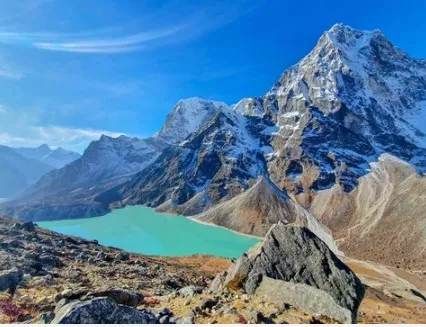
Climbing Lobuche Peak in June offers a unique adventure amidst Nepal's awe-inspiring Himalayan landscapes, presenting both opportunities and challenges shaped by the monsoon transition. Standing at 6,119 meters (20,075 feet), Lobuche Peak is a popular trekking peak in the Everest region, known for its stunning views of Everest, Lhotse, Nuptse, and Ama Dablam from its summit.
June marks the beginning of the monsoon season in Nepal, characterized by warmer temperatures and increased precipitation. While this season traditionally sees fewer climbers due to concerns about weather unpredictability, June can still offer rewarding experiences for those prepared for its conditions.
This is a real mountain climbing adventure that will leave you in awe of the beauty of the Himalayan Mountains. The Lobuche Peak Climbing expedition in the Khumbu region of Nepal has been ranked by Lo...
The journey to Lobuche Peak typically begins with a scenic flight from Kathmandu to Lukla, followed by a trek through the picturesque Khumbu Valley. This route passes through Sherpa villages like Namche Bazaar, offering cultural immersion and gradual acclimatization to the increasing altitude.
One of the primary considerations for climbing Lobuche Peak in June is the weather. During this time, the weather in the Everest region can be unpredictable, with a mix of clear days and occasional rain showers or snowfall at higher elevations. Climbers should be prepared for varying conditions and potential delays due to weather patterns typical of the monsoon season.
Despite the weather challenges, June also has its advantages. The landscape is lush and green, with blooming rhododendrons and other alpine flora adding to the scenic beauty. The trails are generally quieter compared to peak seasons, offering a more serene and peaceful trekking experience.
Acclimatization remains crucial for climbers tackling Lobuche Peak in June. Adequate rest days and gradual ascent help mitigate the effects of altitude, allowing climbers to adjust to thinner air and reduce the risk of altitude-related illnesses.
As climbers ascend towards Lobuche Peak Base Camp, they prepare for the technical challenges ahead. The climb involves navigating moraines, steep snow slopes, and crevasses, requiring the use of crampons, ice axes, and ropes. High Camp serves as a strategic point for acclimatization and the final push towards the summit.
Summit day typically begins in the early hours before dawn, allowing climbers to make the most of stable weather conditions and clear skies. The final ascent to Lobuche Peak’s summit offers breathtaking views of the surrounding Himalayan peaks, rewarding climbers with a sense of achievement and panoramic vistas.
Lobuche Peak Expedition is an exciting and challenging adventure that attracts mountaineers from all over the world. Located in the Khumbu region of Nepal, Lobuche Peak stands tall at an elevation of...
Descending back to Base Camp and retracing the trekking route through the Khumbu Valley allows climbers to reflect on their accomplishment while enjoying the cultural richness of Sherpa villages and Buddhist monasteries along the way.
In conclusion, climbing Lobuche Peak in June presents both challenges and rewards for adventurous mountaineers. While weather conditions require careful consideration and preparation, the quieter trails and lush landscapes offer a unique perspective of the Everest region. With proper planning, acclimatization, and a spirit of adventure, June can be a rewarding time to conquer Lobuche Peak and create lasting memories of high-altitude exploration in the heart of Nepal’s Himalayas.
Conquering Lobuche Peak in the Summer Season
Climbing Lobuche Peak during the summer season, particularly in June, presents a thrilling adventure amidst Nepal's majestic Himalayas. Standing at 6,119 meters (20,075 feet), Lobuche Peak offers a challenging yet rewarding climb with breathtaking views of Everest, Lhotse, and other iconic peaks from its summit. The summer months bring warmer temperatures and the onset of the monsoon season, influencing weather patterns and climbing conditions. Despite potential challenges like rain showers and occasional snowfall at higher elevations, June offers quieter trails and lush, green landscapes adorned with blooming rhododendrons. This season provides a unique opportunity for climbers seeking a less crowded experience while navigating through verdant valleys and rugged terrain.
Welcome to Lobuche Peak Climbing: A Challenging Adventure
Welcome to the exhilarating journey of climbing Lobuche Peak, where adventurers embark on a challenging expedition in the Everest region of Nepal. Known for its technical ascent and stunning vistas, Lobuche Peak stands as a prominent trekking peak attracting mountaineers from around the globe. Climbers begin their adventure with a scenic flight to Lukla, followed by a trek through Sherpa villages such as Namche Bazaar, providing cultural immersion and gradual acclimatization. The climb to Lobuche Peak involves navigating moraines, steep snow slopes, and crevasses, requiring essential mountaineering skills and equipment. With proper preparation and determination, climbers ascend to High Camp and ultimately summit Lobuche Peak, celebrating the achievement of conquering this iconic Himalayan summit.
Lobuche Peak is a popular trekking peak located in the Khumbu region of Nepal, with an elevation of 6,119 meters. It is known for its stunning panoramic views of Mount Everest, Lhotse, Nuptse, Ama Dab...
Introducing Lobuche Peak: Geography, Elevation, and Climbing Routes
Lobuche Peak, nestled in the Everest region of Nepal, stands at an impressive elevation of 6,119 meters (20,075 feet) above sea level. It offers several climbing routes, including the popular Southeast Ridge route, renowned for its technical challenges and panoramic views. Located close to Everest Base Camp, Lobuche Peak provides climbers with unparalleled vistas of Everest, Lhotse, Nuptse, and Ama Dablam from its summit. The peak is surrounded by rugged terrain, glaciers, and towering peaks, creating a dramatic backdrop for mountaineering expeditions. Climbers must navigate through varying landscapes, from lush valleys to icy slopes, making Lobuche Peak a thrilling and diverse climbing experience in the heart of the Himalayas.
Why Climb Lobuche Peak in June? Advantages and Challenges
Climbing Lobuche Peak in June offers both advantages and challenges for mountaineers seeking a unique Himalayan adventure. Advantages include quieter trails, lush green landscapes dotted with blooming rhododendrons, and fewer crowds compared to peak climbing seasons. The onset of the monsoon season brings warmer temperatures and occasional rain showers or snowfall at higher elevations, influencing weather conditions and climbing logistics. Challenges include navigating slippery trails, unpredictable weather patterns, and the need for careful planning to mitigate risks associated with the monsoon transition. Despite these challenges, June provides a serene and rewarding climbing experience amidst Nepal’s pristine mountain scenery, offering a glimpse into the natural beauty and cultural richness of the Everest region.
A real climbing adventure that will leave you stunned at the beauty of the Himalayan Mountains. The Lobuche Peak Climbing expedition in the spectacular Khumbu region of Nepal has been ranked...
Physical Conditioning for High-Altitude Climbing in Summer
Preparing for high-altitude climbing on Lobuche Peak during the summer months requires rigorous physical conditioning and training. Climbers should focus on cardiovascular endurance, strength training, and altitude acclimatization exercises to prepare their bodies for the demands of high-altitude trekking and technical mountaineering. Training should include hiking with a weighted pack, aerobic exercises like running or cycling, and core strength workouts to enhance stability and endurance. Additionally, climbers should practice ascending and descending steep terrain with proper trekking techniques and equipment. Adequate rest and hydration are essential to support physical recovery and acclimatization during the climb. By prioritizing physical conditioning and training, climbers can enhance their performance, endurance, and overall enjoyment of the challenging ascent to Lobuche Peak’s summit in the summer season.
Essential Gear and Equipment for Lobuche Peak Climbing in June
Climbing Lobuche Peak in June demands specific gear and equipment to navigate through varied terrain and changing weather conditions typical of the monsoon season in the Himalayas. Essential items include:
- Clothing: Layered clothing for warmth and waterproof protection, including insulated jackets, thermal base layers, waterproof pants, gloves, and a hat.
- Footwear: Sturdy trekking boots with good ankle support, crampon-compatible boots for technical sections, gaiters, and thermal socks.
- Climbing Gear: Climbing harness, helmet, crampons, ice axe, trekking poles, and ropes.
- Sleeping Gear: Warm sleeping bag suitable for sub-zero temperatures, sleeping mat or pad.
- Miscellaneous: Headlamp with extra batteries, sunscreen (high SPF), lip balm with UV protection, water bottles or hydration system, snacks (energy bars, nuts), toiletries, and a first-aid kit.
Ensuring all gear is in good condition and suitable for monsoon conditions is crucial for a safe and successful climb of Lobuche Peak in June.
Embark on the ultimate adventure of a lifetime with the Mera and Island Peak Climbing expedition offered by We Sherpa Expedition and Trekking. This exhilarating package combines two iconic peaks in th...
Obtaining Permits and Arranging Logistics for the Summer Season
Obtaining permits and arranging logistics for climbing Lobuche Peak in June requires careful planning due to the monsoon weather patterns and potential logistical challenges. Key steps include:
- Nepal Mountaineering Association (NMA) Permit: Obtain the necessary climbing permit from the NMA, specifying the climbing season (spring/autumn/summer).
- Sagarmatha National Park Entry Permit: Required for entry into Sagarmatha National Park, where Lobuche Peak is located.
- Local Government Permits: Additional permits may be necessary depending on the specific route and regulations enforced by local authorities.
Arrange logistics through registered trekking agencies or directly with the Department of Tourism in Kathmandu. This includes accommodations, transportation (including flights from Kathmandu to Lukla), guide services, and equipment rental. Planning well in advance ensures availability and smooth coordination during the monsoon season.
Lukla to Phakding: The First Steps on the Everest Trail in June
Beginning the trek from Lukla to Phakding in June sets the stage for a memorable journey through the Everest region amidst the onset of the monsoon season. The flight from Kathmandu to Lukla offers stunning views of the Himalayas, followed by a trek through lush landscapes and Sherpa villages.
In June, expect warmer temperatures and occasional rain showers along the trail. The route to Phakding passes through suspension bridges over rivers, prayer wheels, and terraced fields, providing cultural insights into local Sherpa communities.
Accommodation options in Phakding range from basic teahouses to comfortable lodges, offering essential amenities such as hot showers and hearty meals amidst the verdant surroundings. The trek serves as an introduction to the natural beauty and cultural richness of the Everest region, preparing climbers for the challenges and rewards ahead.
This is an excellent opportunity to climb Nepal’s highest peak without having to obtain a permit (6,476m/21,190ft). From the summit, you will have stunning views of several 8000m plus peaks, such as E...
Namche Bazaar to Tengboche: Acclimatization and Scenic Views in Summer
From Namche Bazaar to Tengboche, climbers in June experience acclimatization and panoramic views amidst the verdant landscapes of the Everest region. Namche Bazaar, a bustling Sherpa market town, offers rest days for acclimatization and exploration of local attractions such as the Sherpa Cultural Museum.
The trek to Tengboche continues through rhododendron forests and alpine meadows, providing stunning vistas of Everest, Lhotse, and Ama Dablam. Tengboche Monastery, a spiritual center of Tibetan Buddhism, offers cultural immersion and a tranquil setting amidst the Himalayan peaks.
June’s warmer temperatures and occasional rain showers enhance the lush greenery and blooming wildflowers along the trail, creating a picturesque backdrop for acclimatization hikes and cultural experiences in the Everest region.
Tengboche to Dingboche: The Trail to the Base of Lobuche East in June
The trail from Tengboche to Dingboche in June leads climbers towards the base of Lobuche East, offering a blend of natural beauty and cultural encounters in the Everest region. Dingboche, nestled in the Imja Valley, serves as a strategic acclimatization stop before ascending towards Lobuche Peak.
In June, the trek to Dingboche showcases panoramic views of snow-capped peaks and rugged landscapes dotted with yak pastures. Climbers enjoy warmer temperatures and clear skies, ideal for acclimatization hikes to nearby viewpoints like Nangkartshang Peak or Chukhung Ri.
Accommodation options in Dingboche range from teahouses to lodges, providing essential amenities and hearty meals amidst the serene Himalayan surroundings. The trail to Dingboche prepares climbers for the final ascent towards Lobuche Peak, offering a glimpse into the natural beauty and cultural heritage of Nepal’s Everest region during the monsoon season.
This is a chance to go climbing without the necessary permits that most climbing expeditions require in Nepal. Mera Peak fits the bill perfectly and at (6,476m/21,190ft) you will have spectacular view...
Establishing Base Camp and Preparing for the Ascent in Summer Conditions
Establishing Base Camp for Lobuche Peak in June marks a critical phase in preparing for the ascent amidst the challenges of the monsoon season. Located strategically at approximately 4,950 meters (16,240 feet), Base Camp serves as a hub for acclimatization and logistical preparation.
Upon reaching Base Camp, climbers set up tents and organize equipment while acclimatizing to the altitude. Guides conduct briefings on climbing routes, weather forecasts, and safety protocols tailored to monsoon conditions. Climbers engage in acclimatization hikes to higher altitudes and practice essential mountaineering skills such as rope handling and crevasse rescue.
Base Camp provides a temporary sanctuary amidst the lush greenery and occasional rain showers typical of June in the Himalayas. It fosters camaraderie among climbers and guides while preparing for the demanding ascent to higher camps and ultimately, the summit of Lobuche Peak.
The Climb to High Camp (5,400m/17,716ft) via the West Ridge Route
The climb to High Camp on Lobuche Peak via the West Ridge route at 5,400 meters (17,716 feet) presents climbers with technical challenges and breathtaking vistas amidst the monsoon conditions. From Base Camp, climbers navigate rocky terrain and snow slopes, using crampons and ice axes for traction and stability.
The West Ridge route offers panoramic views of Everest, Lhotse, and surrounding peaks, motivating climbers during the ascent. Guides ensure safety with fixed ropes and provide guidance on route finding through challenging sections. Climbers ascend methodically, pacing themselves to conserve energy and acclimatize effectively.
High Camp serves as a pivotal acclimatization point before the final push towards the summit. Climbers rest, hydrate, and prepare equipment for summit day, adjusting to changing weather patterns and optimizing conditions for a successful ascent.
Mera Peak Expedition is a popular trekking route that offers a challenging climb to the summit of Mera Peak. The peak stands at an elevation of 6,476 meters (21,247 feet) and is located in the Solu Kh...
Summit Day: Overcoming Monsoon Challenges and Reaching the Top
Summit day on Lobuche Peak in June requires climbers to overcome unique challenges posed by monsoon weather patterns, including intermittent rain showers and varying visibility. Starting before dawn, climbers depart High Camp equipped with headlamps, warm layers, and essential climbing gear.
The ascent involves navigating steep snow and ice slopes, using fixed ropes and safety harnesses for protection. Climbers ascend cautiously, monitoring weather conditions and adjusting strategies based on guide recommendations. The thin air at high altitudes demands careful pacing and regular breaks to manage fatigue and altitude symptoms.
Upon reaching Lobuche Peak’s summit at 6,119 meters (20,075 feet), climbers celebrate their achievement amidst panoramic views of the Himalayas, despite potential cloud cover typical of the monsoon season. After capturing photos and savoring the moment, climbers begin the descent back to High Camp, maintaining focus and safety while navigating challenging terrain.
Crossing the Glacier to Lobuche West Base Camp in June
Crossing the glacier to Lobuche West Base Camp in June presents climbers with technical challenges and logistical considerations amidst monsoon conditions. Departing from Lobuche Peak High Camp, climbers descend towards the glacier moraine, equipped with rope techniques and ice axes for safety.
Guides assess glacier conditions and navigate crevasses, ensuring a safe passage to Lobuche West Base Camp. Climbers maintain communication and teamwork, supporting each other through challenging sections while adjusting to changing weather patterns.
Upon reaching Lobuche West Base Camp, climbers establish tents and rest before preparing for the ascent of Lobuche West’s summit. The base camp offers stunning views of Everest and neighboring peaks, fostering camaraderie and reflection on the journey ahead.
Embark on an unforgettable journey to the heart of the Himalayas as you conquer three majestic peaks: Mera Peak, Island Peak, and Lobuche Peak. This ultimate adventure combines technical climbing, bre...
The Ascent of Lobuche West (6,145m/20,161ft) via the South Ridge Route
The ascent of Lobuche West via the South Ridge route at 6,145 meters (20,161 feet) is a demanding yet exhilarating climb in the Everest region’s monsoon season. From Base Camp, climbers ascend rocky terrain and snow-covered slopes, using technical climbing skills and equipment.
The South Ridge route offers challenging sections requiring careful route finding and adherence to safety protocols. Climbers navigate exposed ridges and steep gradients under the guidance of experienced guides, ensuring safe progression towards the summit.
Reaching Lobuche West’s summit rewards climbers with panoramic views of Everest, Lhotse, and surrounding peaks, celebrating the culmination of their mountaineering efforts amidst the monsoon’s dynamic weather patterns. After capturing memories and sharing achievements, climbers descend carefully to Base Camp, reflecting on the challenges and triumphs of ascending Lobuche West in June’s monsoon season.
Understanding Monsoon Weather Patterns and Their Impact on the Climb
During the monsoon season in June, Nepal's Himalayas experience distinct weather patterns that significantly influence climbing conditions on peaks like Lobuche. Monsoon weather brings warmer temperatures and increased humidity, leading to frequent rain showers and occasional snowfall at higher elevations. These weather changes affect route conditions, trail stability, and visibility, posing challenges for climbers.
Climbers must anticipate and prepare for unpredictable weather fluctuations, adjusting ascent plans and safety protocols accordingly. Monitoring weather forecasts through reliable sources and maintaining flexibility in itinerary adjustments are crucial strategies to mitigate risks associated with monsoon weather patterns during the climb.
Embark on the ultimate adventure of a lifetime with the Mera and Island Peak Climbing expedition offered by We Sherpa Expedition and Trekking. This exhilarating package combines two iconic peaks in th...
Managing Rain, Snow, and Avalanche Risks in June
Managing rain, snow, and avalanche risks is paramount for climbers tackling Lobuche Peak in June's monsoon season. Rain showers can create slippery trail conditions and decrease visibility, requiring cautious navigation and adherence to safety measures. Snowfall at higher elevations increases avalanche risk, particularly on steep slopes and glacier terrain.
To manage these risks, climbers should:
- Monitor Weather Forecasts: Stay informed about upcoming weather conditions and potential hazards.
- Adapt Ascent Plans: Modify schedules and routes based on current weather patterns and avalanche forecasts.
- Use Safety Equipment: Carry avalanche safety gear, including transceivers, probes, and shovels, and practice rescue techniques.
- Maintain Communication: Ensure clear communication within the team and with base camp to relay updates and coordinate responses to changing conditions.
By prioritizing safety and proactive risk management strategies, climbers can navigate monsoon-related challenges effectively while optimizing their chances of a successful ascent.
Building a Strong Team for a Successful Climb in Challenging Conditions
Building a strong team is essential for a successful climb of Lobuche Peak in June's challenging monsoon conditions. A cohesive team dynamic enhances communication, decision-making, and mutual support amidst unpredictable weather and technical terrain.
Key factors for building a strong climbing team include:
- Skill Diversity: Recruit team members with varied mountaineering skills and experience in monsoon conditions.
- Training and Preparation: Conduct team training sessions focused on technical climbing skills, safety protocols, and weather-related challenges.
- Leadership and Communication: Appoint experienced leaders to guide decision-making and foster open communication within the team.
- Team Cohesion: Foster a supportive team environment that promotes trust, camaraderie, and shared responsibility for safety and success.
By prioritizing team dynamics and preparation, climbers can navigate the complexities of Lobuche Peak's ascent in June's monsoon season with confidence and resilience.
Pachermo Peak (6273m) lies in Rolwaling district. Pachermo Peak climbing isn't specialized climbing, yet because of the height and the Peak's remoteness, it's unquestionably testing.It is one of the d...
Effective Communication and Decision-Making on the Mountain during Monsoon Season
Effective communication and decision-making are critical for navigating challenges and ensuring safety during the climb of Lobuche Peak in June's monsoon season. Communication protocols should be clear and comprehensive, emphasizing regular updates on weather conditions, route changes, and safety concerns.
Key practices for effective communication and decision-making include:
- Establishing Clear Channels: Implement communication systems such as radios, satellite phones, or hand signals for consistent team connectivity.
- Regular Briefings: Conduct pre-climb briefings to discuss weather forecasts, route conditions, and contingency plans.
- Risk Assessment: Continuously assess risks based on real-time information and adapt plans accordingly.
- Empowering Leadership: Delegate decision-making authority to experienced leaders who prioritize safety and team well-being.
- Adapting to Conditions: Remain flexible and responsive to changing weather patterns and terrain challenges, adjusting strategies as needed.
By maintaining open communication and proactive decision-making processes, climbers can enhance safety, teamwork, and overall expedition success during Lobuche Peak's ascent in June's monsoon season.
Reflections on a Successful Climb: Lessons Learned from Conquering Lobuche Peak in June
Reflecting on a successful climb of Lobuche Peak in June offers valuable insights and lessons learned for climbers and guides alike. Some reflections include:
- Adaptability: Embrace the unpredictability of monsoon weather and adjust climbing strategies accordingly.
- Resilience: Overcome challenges such as rain, snow, and terrain obstacles with determination and perseverance.
- Teamwork: Appreciate the importance of teamwork, communication, and mutual support in achieving summit goals.
- Safety First: Prioritize safety protocols, risk management, and decision-making processes to ensure a safe climb.
- Personal Growth: Reflect on personal achievements, growth in mountaineering skills, and memorable experiences amidst Nepal's Himalayan landscapes.
These reflections underscore the transformative power of mountaineering experiences, highlighting the resilience, camaraderie, and enduring memories forged during Lobuche Peak's ascent in June's monsoon season.
Thorong Peak Climbing requires that you are reasonably fit and have a burning desire to see some of the most spectacular mountain scenery in the Annapurna region of Nepal. Besides climbing to 6144m, y...
Lobuche Peak Climbing Packages
Lobuche peak Climbing
Lobuche Peak Summit Return By Helicopter
Lobuche Peak Expedition 14 Days
Lobuche Peak Expedition 15 Days
Three Peak Expedition