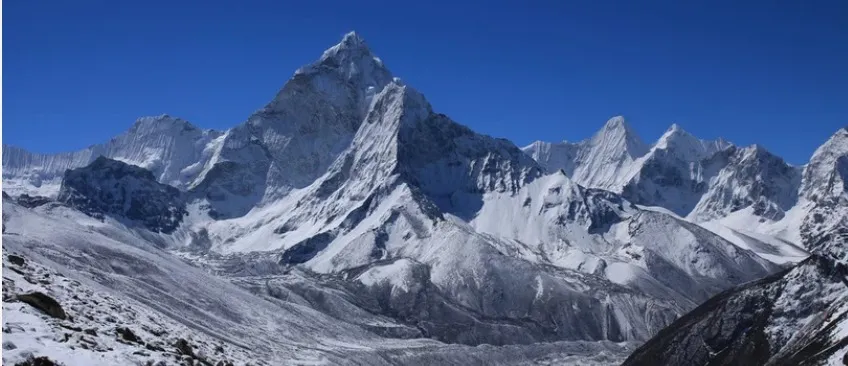
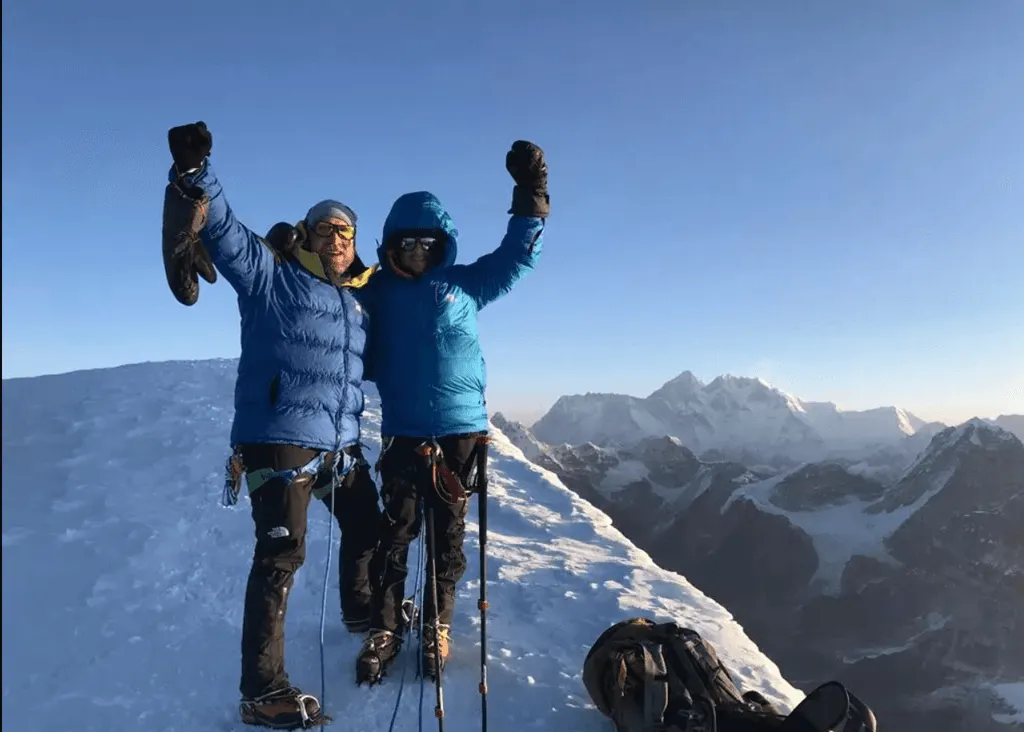
Climbing Lobuche Peak in July presents adventurous mountaineers with a unique opportunity to conquer a challenging Himalayan summit amidst the monsoon season. Standing tall at 6,119 meters (20,075 feet), Lobuche Peak offers stunning views of Everest, Lhotse, Nuptse, and Ama Dablam, making it a coveted destination for climbers seeking both technical challenges and breathtaking panoramas.
July marks the height of the monsoon season in Nepal, characterized by warmer temperatures, increased humidity, and regular rainfall. While this season traditionally sees fewer climbers due to concerns over weather unpredictability and higher risks of precipitation, it also offers quieter trails and lush, verdant landscapes adorned with blooming wildflowers and cascading waterfalls.
This is a real mountain climbing adventure that will leave you in awe of the beauty of the Himalayan Mountains. The Lobuche Peak Climbing expedition in the Khumbu region of Nepal has been ranked by Lo...
The journey to Lobuche Peak typically begins with a scenic flight from Kathmandu to Lukla, followed by a trek through the picturesque Khumbu Valley. This route passes through Sherpa villages such as Namche Bazaar and Tengboche, providing cultural immersion and gradual acclimatization to the increasing altitude. The monsoon season brings vibrant greenery to the region, enhancing the natural beauty of the trekking route.
Acclimatization remains crucial for climbers tackling Lobuche Peak in July. Adequate rest days and gradual ascent help mitigate the effects of altitude, allowing climbers to adjust to thinner air and reduce the risk of altitude-related illnesses. It is essential to monitor weather forecasts closely and adapt climbing plans accordingly to capitalize on windows of stable weather.
The climb itself involves navigating rocky trails, glacial moraines, and steep snow slopes. Climbers use essential mountaineering gear such as crampons, ice axes, harnesses, and ropes to negotiate technical sections safely. Guides provide guidance on route finding, safety protocols, and ensure climbers are well-prepared for the ascent to Lobuche Peak’s summit.
Lobuche Peak Expedition is an exciting and challenging adventure that attracts mountaineers from all over the world. Located in the Khumbu region of Nepal, Lobuche Peak stands tall at an elevation of...
Summit day typically begins early in the morning to maximize favorable weather conditions and clear skies. The final ascent to Lobuche Peak offers exhilarating challenges and rewards as climbers ascend towards the summit, often navigating through cloud cover and occasional rain showers typical of the monsoon season.
Reaching Lobuche Peak’s summit marks a triumphant moment for climbers, celebrating their achievement amidst panoramic views of the surrounding Himalayan peaks. After capturing memories and taking in the breathtaking vistas, climbers descend carefully back to base camp, reflecting on their journey and experiences.
In conclusion, climbing Lobuche Peak in July presents both challenges and rewards for adventurous mountaineers. While the monsoon season brings weather uncertainties and higher risks, it also offers a unique perspective of Nepal’s Himalayan landscapes, with lush greenery and fewer crowds. With proper preparation, acclimatization, and a spirit of adventure, July can be a rewarding time to conquer Lobuche Peak and create lasting memories of high-altitude exploration in the heart of the Everest region.
Overview of Lobuche Peak Climbing
Climbing Lobuche Peak offers adventurers a challenging and rewarding experience in the Everest region of Nepal. Standing at 6,119 meters (20,075 feet), Lobuche Peak is a popular trekking peak known for its stunning views of Everest, Lhotse, and Nuptse. The climb typically involves technical sections, including steep snow slopes and glacial crossings, making it suitable for climbers with previous mountaineering experience. The journey begins with a scenic flight to Lukla, followed by a trek through the Khumbu Valley, passing through Sherpa villages and iconic landmarks like Namche Bazaar and Tengboche Monastery. Climbers can expect to immerse themselves in the local Sherpa culture while gradually acclimatizing to higher altitudes. Lobuche Peak climbing expeditions are typically guided to ensure safety and proper route navigation, culminating in a challenging but memorable ascent to the summit.
Lobuche Peak is a popular trekking peak located in the Khumbu region of Nepal, with an elevation of 6,119 meters. It is known for its stunning panoramic views of Mount Everest, Lhotse, Nuptse, Ama Dab...
Weather and Climatic Conditions in July
July marks the monsoon season in Nepal, bringing warmer temperatures, increased humidity, and regular rainfall to the Everest region. Climbers tackling Lobuche Peak in July can expect varied weather conditions, including cloudy skies, occasional rain showers, and potentially reduced visibility. These weather patterns pose challenges such as slippery trails and higher risks of avalanches on snow-covered slopes. It is crucial for climbers to monitor weather forecasts closely and be prepared for sudden changes in conditions. Despite these challenges, July offers lush green landscapes, blooming wildflowers, and quieter trails compared to peak trekking seasons. Proper preparation and flexibility in climbing plans are essential to capitalize on windows of stable weather for a successful ascent.
Preparing for Lobuche Peak Climbing
Preparing for Lobuche Peak climbing requires careful planning and physical readiness. Climbers should begin training months in advance, focusing on cardiovascular endurance, strength training, and altitude acclimatization exercises. Training should include hiking with a weighted pack, aerobic activities like running or cycling, and practicing mountaineering skills such as using crampons and ice axes. Adequate rest and hydration are crucial during training to support muscle recovery and prepare for the physical demands of high-altitude climbing.
A real climbing adventure that will leave you stunned at the beauty of the Himalayan Mountains. The Lobuche Peak Climbing expedition in the spectacular Khumbu region of Nepal has been ranked...
Physical Fitness and Training
Physical fitness is paramount for climbers tackling Lobuche Peak, particularly in the challenging conditions of July's monsoon season. Climbers should focus on building cardiovascular endurance to cope with long days of trekking and technical climbing sections. Strength training, especially for leg muscles and core stability, helps with carrying loads and navigating uneven terrain. Altitude acclimatization is also crucial, involving gradual exposure to higher elevations to prevent altitude sickness and ensure peak performance during the ascent. Consistent training and preparation enhance climbers' confidence and resilience, optimizing their chances of a successful summit bid on Lobuche Peak.
Essential Gear and Equipment
Climbing Lobuche Peak in July requires specialized gear and equipment to navigate through varied terrain and unpredictable weather conditions. Essential items include:
- Clothing: Layered clothing for warmth and waterproof protection, including insulated jackets, thermal base layers, waterproof pants, gloves, and a hat.
- Footwear: Sturdy trekking boots with good ankle support, crampon-compatible boots for technical sections, gaiters, and thermal socks.
- Climbing Gear: Climbing harness, helmet, crampons, ice axe, trekking poles, and ropes.
- Sleeping Gear: Warm sleeping bag suitable for sub-zero temperatures, sleeping mat or pad.
- Miscellaneous: Headlamp with extra batteries, sunscreen (high SPF), lip balm with UV protection, water bottles or hydration system, snacks (energy bars, nuts), toiletries, and a first-aid kit.
Ensuring all gear is high-quality, well-maintained, and suitable for monsoon conditions is crucial for safety and comfort during the challenging ascent of Lobuche Peak in July.
Island Peak Climbing is an exciting adventure that takes climbers to the summit of Island Peak, also known as Imja Tse. The peak is located in the Khumbu region of Nepal and stands at an elevation of...
Permits and Regulations
Climbing Lobuche Peak involves obtaining the necessary permits and adhering to regulations set by the Nepalese government and local authorities. The required permits typically include:
- Nepal Mountaineering Association (NMA) Permit: This permit is mandatory for climbing peaks in Nepal, including Lobuche Peak.
- Sagarmatha National Park Entry Permit: As Lobuche Peak is located within Sagarmatha National Park, climbers need this permit to enter and climb in the area.
It is advisable to obtain these permits through a registered trekking agency or directly from the Department of Tourism in Kathmandu. Climbers should carry these permits throughout their journey and present them when required by authorities.
Getting to Lobuche Base Camp
The journey to Lobuche Base Camp starts with a flight from Kathmandu to Lukla, often considered the gateway to the Everest region. From Lukla, climbers trek through picturesque Sherpa villages and scenic landscapes, gradually ascending towards Lobuche Base Camp. The trek typically follows the main Everest Base Camp trail, passing through Namche Bazaar, Tengboche, Dingboche, and finally Lobuche Village. The trail offers stunning views of Himalayan peaks and cultural insights into Sherpa communities.
Upon reaching Lobuche Base Camp, climbers establish a temporary campsite to prepare for the ascent to higher camps and ultimately the summit of Lobuche Peak. It's essential to pace the trek to allow for acclimatization, ensuring climbers adjust to the increasing altitude and reduce the risk of altitude sickness.
This is a fantastic climbing expedition that takes you to the summit of "Island Peak (6,189m) situated between Amadablam and Lhotse mountains. This exciting adventure is jam-packed full of features an...
Climbing Route and Highlights
The climbing route to Lobuche Peak typically involves technical sections and breathtaking highlights along the way. The standard route, often referred to as the Southeast Ridge or Normal Route, starts from Lobuche Base Camp and ascends gradually towards High Camp. From High Camp, climbers navigate through rocky terrain, snow slopes, and possibly crevassed glaciers, using fixed ropes and climbing equipment for safety.
Highlights of the climb include panoramic views of Everest, Lhotse, Nuptse, and other Himalayan giants throughout the ascent. The route offers challenges such as steep sections, altitude exposure, and potential weather fluctuations, requiring climbers to maintain focus and adherence to safety protocols.
Technical Challenges and Safety Tips
Climbing Lobuche Peak presents technical challenges that require mountaineering skills and safety awareness. Key challenges include:
- Altitude: Lobuche Peak’s elevation (6,119 meters / 20,075 feet) poses altitude-related risks. Adequate acclimatization, hydration, and gradual ascent are critical to mitigate these risks.
- Weather: Weather conditions can be unpredictable, especially during climbing seasons. Monitoring forecasts and adjusting plans accordingly is essential.
- Technical Terrain: Negotiating steep snow and ice slopes, rocky ridges, and glacier crossings requires proficiency in using crampons, ice axes, ropes, and harnesses.
Safety tips include:
- Teamwork: Climbing in groups enhances safety and support. Maintain communication and look out for fellow climbers.
- Gear Check: Ensure all equipment is in good condition and suitable for mountain conditions. Carry extra layers, snacks, and emergency supplies.
- Emergency Plan: Familiarize yourself with evacuation procedures and first-aid protocols. Have a contingency plan in place for unexpected situations.
Acclimatization and Altitude Considerations
Acclimatization is crucial for climbing Lobuche Peak safely and successfully. Climbers should schedule rest days and gradual altitude gains to allow their bodies to adjust to reduced oxygen levels. Key considerations include:
- Hydration: Drink plenty of water to stay hydrated at high altitudes.
- Symptom Awareness: Monitor for symptoms of altitude sickness, such as headaches, nausea, dizziness, and fatigue. Descend if symptoms worsen.
- Altitude Schedule: Ascend slowly, allowing for acclimatization stops at strategic points like Namche Bazaar, Dingboche, and Lobuche Base Camp.
By prioritizing proper acclimatization and adhering to safety guidelines, climbers can optimize their chances of a safe and successful ascent of Lobuche Peak, enjoying the challenge and beauty of Nepal’s Himalayas responsibly.
This is an excellent opportunity to climb Nepal’s highest peak without having to obtain a permit (6,476m/21,190ft). From the summit, you will have stunning views of several 8000m plus peaks, such as E...
Accommodation and Facilities
Accommodation options while climbing Lobuche Peak vary depending on the stage of the trek. Along the Everest Base Camp trail, including stops in Namche Bazaar, Tengboche, Dingboche, and Lobuche Village, trekkers and climbers can find teahouses offering basic lodging with shared rooms and communal dining areas. These accommodations provide essential amenities such as beds with blankets, hot meals, and sometimes Wi-Fi access for communication.
At higher elevations closer to Lobuche Peak Base Camp and High Camp, accommodations transition to tented camps. Climbers typically stay in expedition-style tents provided by trekking agencies or outfitters. These camps offer sleeping bags, mattresses, and meals prepared by support staff, ensuring climbers have a comfortable base during the ascent.
Cultural and Natural Highlights
Climbing Lobuche Peak presents opportunities to experience both cultural and natural highlights of the Everest region. Cultural highlights include visits to Sherpa villages renowned for their hospitality and Buddhist monasteries like Tengboche Monastery, offering insight into local traditions and beliefs. The region’s natural beauty features towering Himalayan peaks, including Everest, Lhotse, and Ama Dablam, as well as serene alpine landscapes adorned with rhododendron forests and glacial lakes.
This is a chance to go climbing without the necessary permits that most climbing expeditions require in Nepal. Mera Peak fits the bill perfectly and at (6,476m/21,190ft) you will have spectacular view...
Summit Day Experience
Summit day on Lobuche Peak is a culmination of weeks of preparation and acclimatization. Starting before dawn from High Camp, climbers embark on a challenging ascent towards the summit. The climb typically involves navigating steep snow and ice slopes, possibly using fixed ropes for safety. As climbers ascend, they are rewarded with panoramic views of the surrounding Himalayan peaks, including Everest and Nuptse.
Reaching Lobuche Peak’s summit (6,119 meters / 20,075 feet) is a memorable achievement, marked by a sense of accomplishment and awe-inspiring vistas. After capturing photos and celebrating the moment, climbers begin their descent back to High Camp and eventually to Base Camp, reflecting on their journey and experiences.
Side Trips and Optional Extensions
While climbing Lobuche Peak, climbers have the option to explore additional side trips and optional extensions in the Everest region. Popular side trips include:
- Everest Base Camp: A trek to the iconic Everest Base Camp offers close-up views of the Khumbu Icefall and allows climbers to stand at the base of the world’s highest peak.
- Gokyo Lakes: Trekking to the pristine Gokyo Lakes provides stunning reflections of Cho Oyu and other Himalayan peaks in turquoise waters, offering a quieter alternative to the Everest Base Camp trek.
- Island Peak: For climbers seeking additional challenge, Island Peak (Imja Tse) offers a technically demanding ascent and spectacular views of the Everest region from its summit.
These side trips and extensions can be customized based on climbers’ interests, fitness levels, and available time, enriching the overall experience in the Everest region.
This is the highest peak in Nepal that does not require a climbing permit (6,476m/21,190ft). From the summit there are spectacular views of several 8000 meter plus peaks, such as Everest, Cho Oyu, Kan...
Hiring a Guide or Climbing Solo
When climbing Lobuche Peak, the decision to hire a guide or climb solo depends on climbers’ experience, preferences, and comfort levels in remote and challenging mountain environments. Hiring a guide offers several advantages:
- Safety: Experienced guides provide navigation expertise, manage logistics, and ensure climbers’ safety throughout the ascent.
- Local Knowledge: Guides offer insights into local culture, history, and natural landmarks, enriching the climbing experience.
- Logistical Support: Guides arrange permits, accommodations, meals, and transportation, allowing climbers to focus on the climb.
Alternatively, experienced climbers familiar with the region may choose to climb Lobuche Peak solo or with a self-organized group. Solo climbers should possess advanced mountaineering skills, including navigation, rescue techniques, and high-altitude experience.
Ultimately, whether hiring a guide or climbing solo, safety, preparation, and respect for local customs and regulations are paramount to a successful and rewarding climb of Lobuche Peak in the heart of Nepal’s Himalayas.
Budgeting and Costs
Budgeting for climbing Lobuche Peak involves considering various expenses, including permits, guide fees (if applicable), accommodations, meals, gear rental or purchase, transportation, and miscellaneous expenses. Here’s a breakdown of typical costs:
- Permits: Nepal Mountaineering Association (NMA) permit and Sagarmatha National Park entry permit.
- Guide Fees: If hiring a guide or joining an expedition.
- Accommodations: Teahouse stays along the trekking route and tented camps at Lobuche Base Camp and High Camp.
- Meals: Meals at teahouses and during the climbing expedition.
- Gear: Renting or purchasing climbing gear and equipment like crampons, ice axes, harnesses, helmets, and sleeping bags.
- Transportation: Flights from Kathmandu to Lukla (round-trip) and ground transportation.
- Miscellaneous: Travel insurance, tips, snacks, and personal expenses.
Budgets can vary widely depending on the level of comfort, duration of the expedition, and services chosen. It’s advisable to budget for contingencies and unexpected expenses.
Mera Peak Expedition is a popular trekking route that offers a challenging climb to the summit of Mera Peak. The peak stands at an elevation of 6,476 meters (21,247 feet) and is located in the Solu Kh...
Responsible Climbing Practices
Responsible climbing practices are essential to minimize environmental impact and respect local communities in the Everest region. Key practices include:
- Leave No Trace: Pack out all waste, including biodegradable items like food scraps.
- Respect Cultural Sites: Observe local customs, traditions, and religious sites, including monasteries.
- Support Local Economy: Patronize local teahouses, shops, and guides to contribute positively to the local economy.
- Environmental Stewardship: Minimize use of single-use plastics, conserve water, and avoid disturbing wildlife.
By practicing responsible climbing, climbers can preserve the natural beauty of the Himalayas for future generations and foster positive relationships with local communities.
Tips and Recommendations for Climbing Lobuche Peak
- Training and Preparation: Train physically and mentally for high-altitude climbing. Focus on cardiovascular fitness, strength training, and altitude acclimatization.
- Weather Monitoring: Keep a close watch on weather forecasts and be prepared for changing conditions, especially during monsoon season climbs.
- Hydration and Nutrition: Stay hydrated and maintain a balanced diet to support energy levels and acclimatization.
- Gear Checklist: Ensure all climbing gear is in excellent condition and appropriate for high-altitude conditions. Test equipment before departure.
- Safety Protocols: Familiarize yourself with emergency procedures, including evacuation plans and altitude sickness symptoms.
- Respect Guides and Locals: Listen to the advice of experienced guides and respect local customs and traditions.
Conclusion and Reflections
Climbing Lobuche Peak offers an unforgettable adventure in the heart of the Himalayas, combining technical challenges with breathtaking natural beauty. Whether you’re drawn to the panoramic views from the summit or the cultural richness of the Everest region, climbing Lobuche Peak requires dedication, preparation, and respect for the environment and local communities.
This is a chance to go climbing without the necessary permits that most climbing expeditions require in Nepal. Mera Peak fits the bill perfectly and at (6,476m/21,190ft) you will have spectacular view...
Reflecting on the journey, climbers often gain a deeper appreciation for their own capabilities, the majesty of the mountains, and the resilience of Sherpa culture. Each ascent leaves lasting memories and lessons learned about teamwork, perseverance, and the fragility of our natural world.
In conclusion, climbing Lobuche Peak is not just a physical challenge but a transformative experience that inspires personal growth and connection with nature. By embracing responsible climbing practices and respecting the land and its people, climbers contribute to the sustainability of mountaineering in the Everest region for future generations.
Lobuche Peak Climbing Packages
Lobuche peak Climbing
Lobuche Peak Summit Return By Helicopter
Lobuche Peak Expedition 14 Days
Lobuche Peak Expedition 15 Days
Three Peak Expedition
Embark on an unforgettable journey to the heart of the Himalayas as you conquer three majestic peaks: Mera Peak, Island Peak, and Lobuche Peak. This ultimate adventure combines technical climbing, bre...