02nd April, 2026

Apr 03, 2024
Lobuche Peak Climbing In February
- February Climbing Conditions on Lobuche Peak
- Winter Climbing Techniques for Steep Terrain
- Crampon and Ice Axe Maintenance for February Climbs
- Avalanche Risk Assessment in February
- Cold Weather Injuries: Prevention and Treatment
- Lobuche East vs. Lobuche West: February Route Comparison
- Permit Requirements and Regulations for February Climbs
- Hiring a Guide or Joining a Guided Expedition in February
- Physical Conditioning for Winter High-Altitude Climbing
- Crevasse Rescue Techniques in Deep Snow Conditions
- Winter Camping on Lobuche Peak: Tips and Strategies
- Staying Warm and Dry in Extreme Cold Conditions
- Dealing with Frostbite and Hypothermia on the Mountain
- Emergency Response Planning for Winter Climbing Accidents
- Communication Strategies in Remote Winter Environments
- Packing Essentials for Winter Climbing on Lobuche Peak
- Winter Navigation Techniques: GPS, Maps, and Compass Use
- Environmental Impact of Winter Climbing on Lobuche Peak Ecosystems
- Conclusion: Tips for a Successful Lobuche Peak Climb in February
- Lobuche Peak Climbing Packages
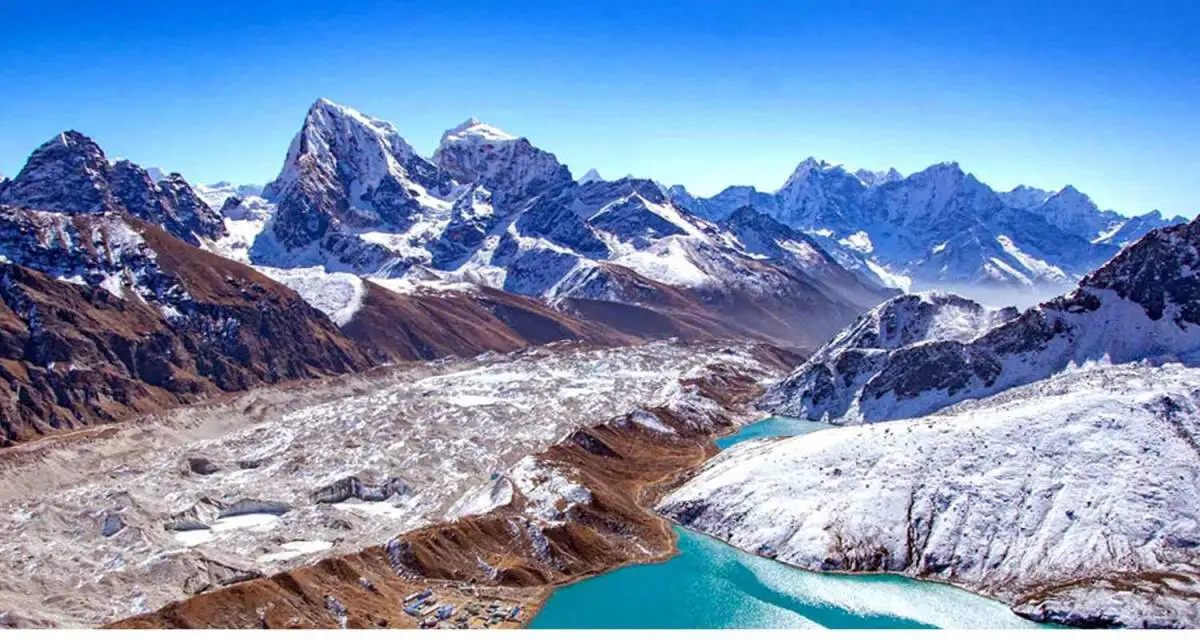
February marks a challenging yet rewarding time for climbers venturing to Lobuche Peak. Situated in the heart of the Everest region in Nepal, Lobuche Peak stands at 6,119 meters (20,075 feet) and offers stunning panoramic views of neighboring Himalayan giants like Everest, Lhotse, and Nuptse.
Climbing Lobuche Peak in February presents unique conditions characterized by colder temperatures and potential snowfall, adding layers of complexity to the ascent. The route typically involves navigating through icy trails and negotiating snow-covered terrain, requiring climbers to possess advanced mountaineering skills and experience in winter conditions.
Despite the challenges, February also provides quieter trails and a serene mountain environment, offering a more intimate experience amidst the pristine beauty of the Himalayas. The clear winter skies often reward climbers with breathtaking vistas at sunrise and sunset, creating unforgettable moments amidst the snow-clad peaks.

Guaranteed Departure
Private
Group
of 56 reviews
This is a real mountain climbing adventure that will leave you in awe of the beauty of the Himalayan Mountains. The Lobuche Peak Climbing expedition in the Khumbu region of Nepal has been ranked by Lo...
Preparation is paramount for a successful February climb on Lobuche Peak, encompassing rigorous physical conditioning, comprehensive gear selection for sub-zero temperatures, and proficiency in winter mountaineering techniques. Climbers must also factor in weather forecasts and snow conditions, adjusting plans accordingly to ensure safety and success.
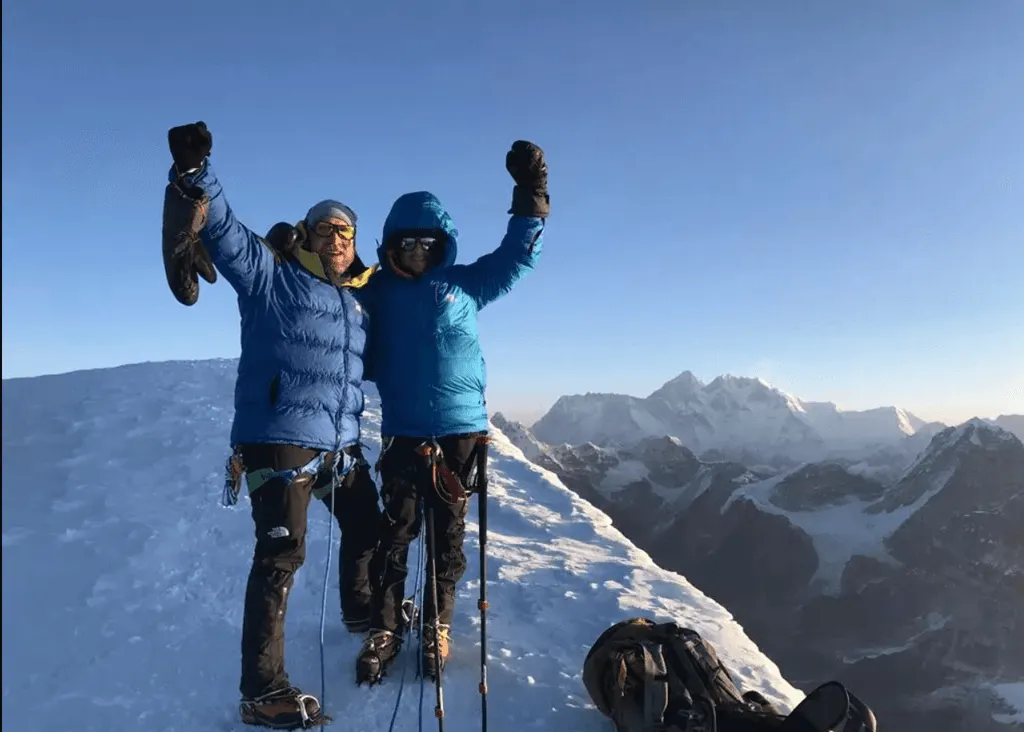
Overall, climbing Lobuche Peak in February promises a remarkable adventure for those seeking solitude, stunning landscapes, and the exhilaration of conquering a challenging Himalayan summit in winter. It embodies the essence of high-altitude mountaineering, offering a profound sense of achievement amidst the awe-inspiring grandeur of the Everest region.
February Climbing Conditions on Lobuche Peak
February presents formidable climbing conditions on Lobuche Peak, characterized by extreme cold and potential snowfall. The route typically involves navigating through icy and snow-covered terrain, demanding advanced winter mountaineering skills. The temperatures can plummet well below freezing, requiring climbers to dress in multiple layers of insulated clothing and use specialized gear designed for sub-zero environments. The days are shorter, necessitating early starts and efficient pacing to maximize daylight hours for ascent and descent. Weather conditions can be unpredictable, with clear skies offering stunning views but also the risk of sudden storms. Climbers must be prepared for variable conditions, adapting their strategies based on daily weather forecasts and monitoring snow stability for avalanche risks.

Guaranteed Departure
Private
Group
of 38 reviews
This exhilarating and unforgettable trek for adventure seekers takes you to the summit of "Island Peak (6,189m) situated between Amadablam and Lhotse mountains. This amazing adventure is packed full o...
Winter Climbing Techniques for Steep Terrain
Navigating steep terrain during winter climbs on Lobuche Peak demands mastery of specialized techniques:
- Ice Climbing: Utilize ice climbing techniques such as front-pointing with crampons and efficient ice axe placements for secure ascents on steep ice and snow.
- Mixed Climbing: Combine rock and ice climbing skills to ascend mixed terrain, using crampons and ice axes for stability and handholds on rocky sections.
- Anchor Systems: Establish solid anchor points using ice screws or snow pickets for belaying and rappelling on steep slopes, ensuring safe movement across challenging terrain.
- Self-Arrest: Practice rapid self-arrest techniques with an ice axe to halt a fall on steep slopes, maintaining control and preventing accidents.
- Route Finding: Plan routes that minimize exposure to avalanche-prone slopes and assess snow stability using pit tests and observations to mitigate avalanche risks.
- Team Communication: Maintain clear communication within the climbing team to coordinate movements, share route assessments, and respond swiftly to changing terrain and weather conditions.
By honing these winter climbing techniques, climbers enhance safety, efficiency, and confidence when tackling the steep and challenging terrain of Lobuche Peak.
Crampon and Ice Axe Maintenance for February Climbs
Maintaining crampons and ice axes in peak condition is essential for safe and effective climbing on Lobuche Peak in February:
- Inspection: Regularly inspect crampons for bent or dull points and check ice axes for cracks or signs of wear before each climb.
- Sharpening: Sharpen crampon points and ice axe picks using a file or sharpening tool to ensure optimal penetration and grip on icy surfaces.
- Adjustment: Ensure crampons fit securely on mountaineering boots, adjusting straps or bindings as needed for a snug and stable fit.
- Anti-Balling Plates: Attach anti-balling plates to crampons to prevent snow buildup, maintaining traction and preventing slips on steep slopes.
- Storage: Store crampons and ice axes in a dry and cool environment to prevent rust and damage from moisture, ensuring longevity and reliability during climbs.
- Field Maintenance: Carry a small repair kit with spare parts, such as screws or straps, for on-the-go repairs to crampons or ice axes in case of damage during climbs.
By prioritizing crampon and ice axe maintenance, climbers optimize performance and safety on Lobuche Peak, navigating icy and snowy conditions with confidence and precision.

Guaranteed Departure
Private
Group
of 26 reviews
This is a must for those adventurers–seekers who are physically fit or have previous climbing experience. This is one adventure that will make your toes curl and give you an adrenalin rush as you clim...
Avalanche Risk Assessment in February
Assessing avalanche risk is critical for safety when climbing Lobuche Peak in February:
- Terrain Evaluation: Identify avalanche-prone terrain features, including steep slopes, convex rolls, and gullies, where snow instability is likely.
- Snowpack Analysis: Conduct snowpack stability tests, such as snow pits and stability tests (compression tests, extended column tests), to evaluate layers and assess avalanche potential.
- Weather Conditions: Monitor recent weather patterns, including snowfall amounts, wind direction, and temperature changes, which influence snow stability and avalanche risk.
- Avalanche Bulletins: Consult local avalanche forecasts and bulletins to gain insights into current avalanche conditions and potential hazards in the climbing area.
- Safe Travel Protocols: Implement safe travel protocols, such as traveling one at a time through avalanche terrain, maintaining safe distances between climbers, and using established safe zones for breaks and rest stops.
- Decision Making: Make informed decisions based on avalanche risk assessments, adjusting climbing plans or routes to avoid high-risk areas and prioritizing safety above summit objectives.
By integrating avalanche risk assessment into climbing plans and strategies, climbers mitigate dangers posed by avalanches on Lobuche Peak, ensuring a safer and more enjoyable winter climbing experience.

Guaranteed Departure
Private
Group
of 34 reviews
This is the highest peak in Nepal that does not require a climbing permit (6,476m/21,190ft). From the summit there are spectacular views of several 8000 meter plus peaks, such as Everest, Cho Oyu, Kan...
Cold Weather Injuries: Prevention and Treatment
Preventing and managing cold weather injuries is crucial for climbers tackling Lobuche Peak in February:
- Frostbite Prevention: Protect exposed skin with insulated clothing layers, including gloves, hats, and face masks, to prevent frostbite in extreme cold temperatures.
- Hydration and Nutrition: Maintain hydration by regularly drinking warm fluids and consuming high-calorie foods to sustain energy levels and thermoregulation in cold conditions.
- Warm-Up Exercises: Perform warm-up exercises before climbing to increase blood flow and body temperature, reducing the risk of cold-related injuries like frostbite and hypothermia.
- Symptom Recognition: Recognize early signs of cold weather injuries, including numbness, tingling, and skin discoloration (pale, white, or blue), and take immediate action to prevent further damage.
- Treatment: Administer first aid for cold weather injuries by gently rewarming affected areas using body heat or warm (not hot) water, avoiding rubbing or massaging frostbitten skin.
- Emergency Response: Develop emergency response plans for cold-related injuries, including evacuation procedures and access to medical supplies for treating severe cases in remote mountain environments.
By prioritizing prevention strategies and prompt treatment, climbers safeguard against cold weather injuries on Lobuche Peak, ensuring a safe and successful winter climbing expedition.
Lobuche East vs. Lobuche West: February Route Comparison
Lobuche East and Lobuche West present distinct challenges and experiences for climbers in February:
- Lobuche East (6,119m): Known for its technical ascent, Lobuche East requires advanced mountaineering skills, including ice climbing and navigating steep ridges. The route typically involves traversing glaciers and ascending a challenging final ridge to the summit. In February, climbers face colder temperatures and potential snow accumulation, adding complexity to the ascent.
- Lobuche West (6,145m): Considered slightly higher and less technical than Lobuche East, Lobuche West offers a challenging yet more straightforward route. The climb involves navigating through snowy slopes and ascending a prominent snow ridge to reach the summit. In February, climbers benefit from clearer weather conditions but must still contend with icy terrain and cold temperatures.
Both peaks provide stunning views of the Everest region, but climbers should choose based on their technical proficiency, preference for challenge, and current weather conditions.

Guaranteed Departure
Private
Group
of 0 reviews
Enjoy the excitement of standing on one of Nepal’s most famous trekking peaks: Mera Peak (6476m). This 7-day high-altitude journey is designed for adventure seekers in pursuit of an authentic Himalaya...
Permit Requirements and Regulations for February Climbs
Obtaining permits and adhering to regulations are essential for climbing Lobuche Peak in February:
- Permit Types: Secure a climbing permit from the Nepal Mountaineering Association (NMA) for Lobuche Peak, specifying the East or West route. Additionally, obtain a Sagarmatha National Park Entry Permit, mandatory for all Everest region climbers.
- Application Process: Submit permit applications through a registered trekking agency in Nepal, providing necessary documents, passport copies, and climbing itineraries. Permits are typically processed in Kathmandu and require several days for approval.
- Regulations: Follow NMA regulations, including waste management guidelines, designated camping areas, and adherence to climbing ethics and safety protocols. Respect local cultural and environmental norms, including Leave No Trace principles.
- Insurance Requirements: Carry comprehensive travel insurance covering high-altitude climbing and emergency evacuation in case of accidents or medical emergencies.
- Environmental Fees: Pay environmental fees as stipulated by the local authorities to support conservation efforts in the Everest region.
Compliance with permit requirements and regulations ensures responsible and legal climbing practices, preserving the natural beauty and cultural heritage of Lobuche Peak and its surrounding areas.

Guaranteed Departure
Private
Group
of 13 reviews
A real climbing adventure that will leave you stunned at the beauty of the Himalayan Mountains. The Lobuche Peak Climbing expedition in the spectacular Khumbu region of Nepal has been ranked...
Hiring a Guide or Joining a Guided Expedition in February
Choosing between hiring a guide or joining a guided expedition enhances safety and expedition success on Lobuche Peak in February:
- Expertise and Safety: Guides offer invaluable expertise in route navigation, avalanche risk assessment, and emergency response, enhancing safety during challenging winter climbs.
- Logistical Support: Guides manage logistics, including permit applications, gear rentals, accommodation bookings, and transportation, streamlining the climbing experience.
- Group Dynamics: Joining a guided expedition fosters camaraderie among climbers, providing mutual support, shared resources, and a cohesive team environment during the ascent.
- Local Knowledge: Benefit from guides' local knowledge of weather patterns, terrain conditions, and cultural insights, optimizing climbing strategies and summit success.
- Skill Development: Guides provide instruction in winter mountaineering techniques, enhancing climbers' skills and confidence for future expeditions.
- Safety Net: Guides carry emergency communication devices, first aid kits, and evacuation plans, ensuring prompt response to emergencies in remote mountain environments.
Whether hiring a guide or joining a guided expedition, climbers gain peace of mind and maximize their chances of a successful ascent on Lobuche Peak in February, leveraging professional support and expertise.
Physical Conditioning for Winter High-Altitude Climbing
Preparing physically for winter high-altitude climbing on Lobuche Peak in February requires a structured training regimen:
- Cardiovascular Fitness: Build endurance through aerobic exercises such as hiking, running, cycling, and stair climbing to enhance oxygen efficiency and stamina at high altitudes.
- Strength Training: Develop muscular strength and endurance with exercises targeting legs, core, and upper body, essential for carrying gear and navigating steep terrain.
- Altitude Acclimatization: Perform altitude training hikes to acclimatize gradually to reduced oxygen levels, simulating conditions encountered during the climb.
- Flexibility and Balance: Incorporate stretching, yoga, and balance exercises to improve flexibility, coordination, and stability on uneven and icy surfaces.
- Cold Weather Simulation: Train in cold environments to accustom the body to lower temperatures, practicing layering clothing and managing exposure to extreme cold.
- Rest and Recovery: Allow adequate rest days between training sessions to prevent overtraining, promote muscle recovery, and maintain overall fitness.
By prioritizing physical conditioning tailored for winter high-altitude climbing, climbers prepare mentally and physically for the rigorous challenges of Lobuche Peak in February, ensuring a safe and successful expedition.
Guaranteed Departure
Private
Group
of 15 reviews
Many of us only dream of standing on a tall peak looking down on the world. This is a great climb that will satisfy this desire. Island Peak, also referred to as Imja Tse, is a 6187-meter high peak in...
Crevasse Rescue Techniques in Deep Snow Conditions
Navigating crevasse-prone areas during winter climbs on Lobuche Peak demands proficiency in crevasse rescue techniques:
- Prevention: Identify crevasse-prone areas by observing surface features such as snow bridges, crevasse lips, and surface irregularities. Avoid potential hazards by roping up and maintaining safe distances between climbers.
- Self-Rescue: Practice self-arrest techniques using an ice axe to stop a fall into a crevasse, maintaining control and preventing further descent.
- Team Rescue: Execute team rescue techniques, such as Z-pulley systems or T-slot anchors, to extricate a climber from a crevasse. Collaborate with team members to distribute weight and leverage mechanical advantage effectively.
- Communication: Establish clear communication within the team to coordinate rescue efforts, relay instructions, and maintain situational awareness during high-stress scenarios.
- Equipment: Carry essential rescue gear including harnesses, prusik cords, pulleys, ice screws, and a rescue rope system to facilitate efficient crevasse rescue operations.
- Training: Regularly practice crevasse rescue drills in simulated conditions to reinforce skills, build confidence, and streamline response times in real-life emergencies.
By mastering crevasse rescue techniques, climbers enhance safety and preparedness for navigating deep snow conditions on Lobuche Peak, mitigating risks associated with crevasse falls.
Winter Camping on Lobuche Peak: Tips and Strategies
Winter camping on Lobuche Peak in February requires strategic planning and specialized gear to ensure comfort and safety:
- Site Selection: Choose sheltered campsites away from avalanche paths and with natural windbreaks to minimize exposure to harsh weather conditions.
- Tent Setup: Pitch a four-season tent designed for winter conditions, ensuring it is securely anchored and capable of withstanding strong winds and heavy snow loads.
- Insulation: Use insulated sleeping pads and cold-rated sleeping bags to provide warmth and insulation from the frozen ground and sub-zero temperatures.
- Layered Clothing: Wear moisture-wicking base layers, insulating mid-layers, and a waterproof outer shell to regulate body temperature and protect against wind and precipitation.
- Cooking: Use a reliable stove system suitable for cold weather cooking, melting snow for water, and preparing hot meals to maintain energy levels and hydration.
- Snow Management: Clear tent platforms and cooking areas of snow regularly to prevent accumulation, ensure stability, and minimize snowmelt inside the tent.
- Hydration: Stay hydrated by regularly melting snow for drinking water and using insulated water bottles or thermoses to prevent freezing in cold temperatures.
- Emergency Preparedness: Keep emergency supplies, including a first aid kit, emergency shelter, and communication devices, readily accessible in case of unexpected weather changes or injuries.
By implementing these winter camping tips and strategies, climbers optimize comfort, safety, and resilience during overnight stays on Lobuche Peak, maximizing their ability to focus on the climbing objective.

Guaranteed Departure
Private
Group
of 15 reviews
Mera Peak Climbing Just in 12 Days Return By Helicopter to Lukla and flight back Kathmandu.This is an excellent opportunity to climb Nepal’s highest peak without having to obtain a permit (6,476m...
Staying Warm and Dry in Extreme Cold Conditions
Maintaining warmth and dryness is crucial for climbers tackling extreme cold conditions on Lobuche Peak in February:
- Layering System: Wear moisture-wicking base layers to draw sweat away from the skin, insulating mid-layers for warmth, and a waterproof, breathable outer shell to repel wind and moisture.
- Insulated Clothing: Invest in high-quality down or synthetic insulated jackets, pants, gloves, and boots rated for sub-zero temperatures to trap body heat and prevent cold-related injuries.
- Headwear and Accessories: Wear a thermal hat, balaclava, neck gaiter, and insulated gloves or mittens to protect exposed skin from frostbite and maintain warmth in extremities.
- Footwear: Use insulated mountaineering boots with crampon-compatible soles to provide traction on icy terrain and prevent frostbite in toes.
- Dryness Management: Change into dry base layers and socks regularly to prevent moisture buildup, which can lead to hypothermia and cold injuries.
- Wind Protection: Use windproof and waterproof outer layers to shield against wind chill and maintain body heat retention in exposed environments.
By prioritizing warmth and dryness through proper clothing, insulation, and weather protection, climbers optimize comfort and safety during challenging climbs on Lobuche Peak in February, ensuring a successful and enjoyable expedition.
Dealing with Frostbite and Hypothermia on the Mountain
Frostbite and hypothermia are serious cold-related conditions that climbers must be prepared to manage effectively when climbing Lobuche Peak in winter:
- Frostbite: Recognize early symptoms such as numbness, tingling, and skin discoloration (white, grayish-yellow, or blue). Take immediate action by rewarming affected areas gradually using body heat, warm water (not hot), or heating pads. Avoid rubbing or massaging frostbitten skin to prevent tissue damage. Protect frostbitten areas from further exposure and seek medical attention if symptoms persist or worsen.
- Hypothermia: Monitor for signs of hypothermia, including intense shivering, confusion, slurred speech, and loss of coordination. Remove wet clothing, replace with dry layers, and insulate the individual with blankets or sleeping bags to gradually rewarm the body. Offer warm fluids and high-calorie foods to restore energy levels. If severe symptoms develop, initiate emergency evacuation and administer advanced medical care promptly.
- Prevention: Prevent cold-related injuries by wearing appropriate layered clothing, insulating extremities, staying hydrated, and maintaining adequate nutrition and rest. Regularly assess and address cold exposure risks to minimize the onset of frostbite and hypothermia during climbs on Lobuche Peak.
By understanding and preparing for frostbite and hypothermia, climbers enhance safety and readiness for winter conditions, ensuring a proactive approach to managing cold-related emergencies.
Guaranteed Departure
Private
Group
of 16 reviews
This is a chance to go climbing without the necessary permits that most climbing expeditions require in Nepal. Mera Peak fits the bill perfectly and at (6,476m/21,190ft) you will have spectacular view...
Emergency Response Planning for Winter Climbing Accidents
Effective emergency response planning is essential for managing winter climbing accidents on Lobuche Peak:
- Communication: Establish clear communication protocols within the climbing team, including emergency signals and frequencies for radios or satellite phones. Maintain contact with base camp or support teams to relay incident details and coordinate rescue efforts.
- First Aid Skills: Equip team members with comprehensive first aid training and supplies, including trauma kits, splints, and medications for treating injuries and medical emergencies in remote mountain environments.
- Evacuation Procedures: Develop evacuation plans for transporting injured climbers safely to lower altitudes or medical facilities. Coordinate with local rescue services, helicopter operators, or expedition support for timely evacuation arrangements.
- Emergency Shelter: Carry emergency shelters, such as lightweight tents or bivvy bags, to provide temporary protection from harsh weather conditions during rescue operations or overnight stays.
- Navigation and Tracking: Use GPS devices, maps, and compasses to navigate and track locations accurately, aiding rescuers in locating and accessing injured climbers in remote and challenging terrain.
- Risk Assessment: Continuously assess risks and hazards, including avalanche conditions, weather changes, and route challenges, to minimize accident occurrences and prioritize safety during winter climbs.
By prioritizing emergency response planning, climbers mitigate risks, enhance preparedness, and ensure prompt and effective interventions for winter climbing accidents on Lobuche Peak.

Guaranteed Departure
Private
Group
of 16 reviews
Mera Peak is one of the most popular peaks for mountaineering in Nepal. It is located in the Solu Khumbu region of the country and stands at an elevation of 6,476 meters (21,247 feet). The peak is a p...
Communication Strategies in Remote Winter Environments
Effective communication strategies are vital for maintaining connectivity and safety during climbs on Lobuche Peak in winter:
- Communication Devices: Carry reliable communication devices such as satellite phones, two-way radios, or personal locator beacons (PLBs) with extended battery life and weather-resistant features.
- Emergency Contacts: Share detailed climbing itineraries, emergency contacts, and expected return times with trusted individuals or expedition leaders. Provide regular updates on progress and any deviations from planned routes.
- Check-In Protocol: Establish regular check-in times with base camp or support teams to report current positions, weather conditions, and any incidents requiring assistance or evacuation.
- Emergency Signals: Agree upon standardized emergency signals or distress calls within the climbing team to alert others of critical situations, prompting immediate response and support.
- Weather Monitoring: Monitor weather forecasts and conditions using satellite imagery or weather stations to anticipate changes and adjust climbing plans accordingly.
- Emergency Response Coordination: Coordinate communication efforts with local authorities, rescue teams, or nearby climbers to facilitate timely responses to emergencies and ensure swift assistance in remote winter environments.
By implementing effective communication strategies, climbers maintain safety, facilitate emergency responses, and enhance overall expedition coordination during winter climbs on Lobuche Peak.
Packing Essentials for Winter Climbing on Lobuche Peak
Packing essential gear and supplies is crucial for ensuring comfort, safety, and readiness during winter climbs on Lobuche Peak:
- Clothing Layers: Pack moisture-wicking base layers, insulating mid-layers (fleece or down jackets), and a waterproof, windproof outer shell to manage temperature fluctuations and protect against harsh weather conditions.
- Footwear: Include insulated mountaineering boots with crampon-compatible soles for traction on icy terrain and protection against frostbite in extreme cold temperatures.
- Headwear and Accessories: Carry a thermal hat, balaclava, neck gaiter, and insulated gloves or mittens to shield exposed skin from frostbite and maintain warmth in cold conditions.
- Sleeping Gear: Bring a cold-rated sleeping bag, insulated sleeping pad, and a four-season tent designed to withstand winter conditions, ensuring warmth and comfort during overnight stays.
- Cooking and Hydration: Pack a reliable stove system for melting snow into drinking water and preparing hot meals. Use insulated water bottles or thermoses to prevent liquids from freezing in cold temperatures.
- Navigation Tools: Carry GPS devices, maps, and a compass for accurate navigation in remote and challenging terrain, aiding route finding and emergency response efforts.
- Emergency Supplies: Include a comprehensive first aid kit, emergency shelter (tent or bivvy bag), headlamp with spare batteries, multi-tool, and repair kit for addressing unforeseen challenges or injuries during climbs.
- Personal Care: Pack sunscreen, lip balm, hand warmers, and toiletries suited for cold weather conditions to maintain hygiene and comfort throughout the expedition.
By packing essential gear systematically, climbers enhance preparedness, safety, and resilience during winter climbs on Lobuche Peak, ensuring a successful and enjoyable mountaineering experience.

Guaranteed Departure
Private
Group
of 20 reviews
Mera Peak Expedition is a popular trekking route that offers a challenging climb to the summit of Mera Peak. The peak stands at an elevation of 6,476 meters (21,247 feet) and is located in the Solu Kh...
Winter Navigation Techniques: GPS, Maps, and Compass Use
Navigating Lobuche Peak in February requires proficiency in winter navigation techniques using GPS, maps, and a compass:
- GPS Devices: Utilize GPS devices with pre-loaded maps and waypoints to track location accurately, mark key points such as campsites and routes, and monitor altitude changes. Ensure devices are equipped with spare batteries and stored in a weatherproof case to withstand cold temperatures.
- Maps: Carry detailed topographic maps of the Everest region, including Lobuche Peak and surrounding terrain. Familiarize yourself with contour lines, features, and landmarks to aid in route planning, identifying potential hazards, and navigating challenging terrain.
- Compass: Use a reliable magnetic compass for orientation in the absence of GPS signals or electronic failures. Practice map and compass skills, including triangulation and azimuth reading, to determine direction and maintain course accuracy during climbs.
- Weather Monitoring: Continuously monitor weather conditions and visibility using GPS weather updates or satellite imagery to anticipate changes, adjust navigation plans, and prioritize safety during adverse weather events.
- Navigation Planning: Plan routes and waypoints in advance, considering terrain challenges, elevation changes, and potential avalanche zones. Communicate navigation plans with climbing partners or support teams to enhance coordination and safety during climbs on Lobuche Peak.
By integrating GPS, maps, and compass navigation techniques, climbers optimize route finding, mitigate risks, and ensure efficient travel and safety management on Lobuche Peak in February.
Environmental Impact of Winter Climbing on Lobuche Peak Ecosystems
Winter climbing on Lobuche Peak in February poses environmental challenges and impacts on fragile ecosystems:
- Vegetation and Wildlife: Avoid trampling on alpine vegetation and disturbing wildlife habitats by adhering to designated trails and minimizing off-trail travel. Respect wildlife corridors and nesting areas to mitigate disturbance during climbs.
- Snow and Ice Conservation: Practice Leave No Trace principles by packing out waste, including human waste, and minimizing surface disturbance in snow and ice-covered areas. Dispose of waste responsibly at designated disposal sites or carry it back to base camp.
- Water Quality: Protect water sources from contamination by melting snow or managing wastewater properly. Use biodegradable soap and filter or treat water before consumption to minimize pollution and maintain water quality in alpine environments.
- Cultural Heritage: Respect local Sherpa communities, their cultural traditions, and sacred sites encountered during climbs. Seek permission for camping or accessing private lands and contribute positively to local economies through responsible tourism practices.
- Climate Change Awareness: Acknowledge the impacts of climate change on mountain ecosystems and minimize carbon footprint during climbs by reducing energy consumption, using renewable energy sources, and advocating for sustainable practices.
By practicing environmental stewardship and responsible climbing ethics, climbers contribute to the preservation and sustainability of Lobuche Peak ecosystems, ensuring future generations can enjoy and explore these pristine mountain environments.

Guaranteed Departure
Private
Group
of 20 reviews
Lobuche Peak Expedition is an exciting and challenging adventure that attracts mountaineers from all over the world. Located in the Khumbu region of Nepal, Lobuche Peak stands tall at an elevation of...
Conclusion: Tips for a Successful Lobuche Peak Climb in February
Achieving a successful climb on Lobuche Peak in February requires meticulous planning, preparation, and adherence to key strategies:
- Weather Awareness: Monitor weather forecasts closely and plan climbs during stable weather windows to optimize safety and summit chances.
- Physical Conditioning: Prioritize fitness training, including cardiovascular endurance, strength, and high-altitude acclimatization, to cope with the physical demands of winter climbing at altitude.
- Gear Selection: Invest in quality winter mountaineering gear, including insulated clothing, crampons, ice axes, and a four-season tent, to withstand extreme cold and challenging terrain conditions.
- Navigation Skills: Enhance proficiency in winter navigation techniques using GPS, maps, and compass to navigate accurately and safely through variable mountain terrain.
- Safety Protocols: Implement robust safety protocols, including avalanche awareness, crevasse rescue skills, and emergency response planning, to mitigate risks and ensure swift action in emergencies.
- Environmental Responsibility: Practice Leave No Trace principles, minimize environmental impact, and respect local cultural and ecological sensitivities during the climb.
- Team Dynamics: Foster effective communication, teamwork, and mutual support within the climbing team or guided expedition to enhance morale, cooperation, and expedition success.
By integrating these tips into your climbing strategy, you maximize safety, enjoyment, and the likelihood of reaching the summit of Lobuche Peak in February, celebrating the achievement of a challenging and rewarding mountaineering adventure.
Lobuche Peak Climbing Packages
Lobuche Peak Summit Return By Helicopter
Lobuche Peak Expedition 14 Days
Lobuche Peak Expedition 15 Days

Guaranteed Departure
Private
Group
of 0 reviews
Embark on an unforgettable journey to the heart of the Himalayas as you conquer three majestic peaks: Mera Peak, Island Peak, and Lobuche Peak. This ultimate adventure combines technical climbing, bre...