Lobuche Peak Climbing In December
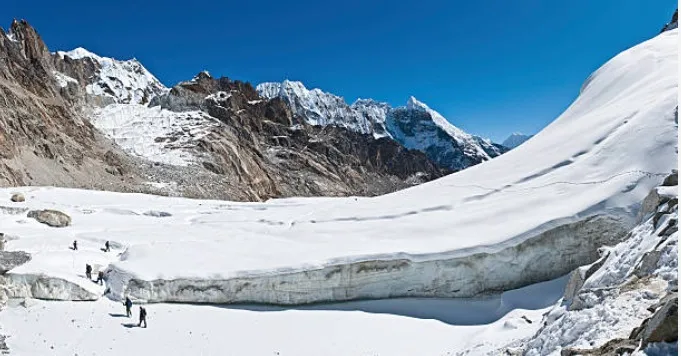
Climbing Lobuche Peak in December offers a unique and challenging adventure amidst the serene and snow-covered landscapes of the Everest region. December marks the beginning of the winter season in Nepal, characterized by colder temperatures and occasional snowfall, adding a layer of difficulty and beauty to the climb.
As climbers embark on their journey from Kathmandu, they first experience the bustling city's preparations for the holiday season juxtaposed against the tranquil anticipation of the mountains ahead. The flight from Kathmandu to Lukla, often weather-dependent, provides an initial taste of the stunning Himalayan vistas to come.
Trekking through villages adorned with festive decorations and the warm hospitality of Sherpa communities creates a cultural tapestry against the backdrop of snowy peaks. The trail to Lobuche Base Camp passes through pine forests and across icy streams, with occasional glimpses of wildlife adapted to the harsh winter conditions.

In December, temperatures at higher elevations around Lobuche Peak can drop well below freezing, requiring climbers to be well-prepared with insulated clothing and reliable gear. The ascent to the summit involves negotiating icy slopes and possibly breaking through fresh snow, making each step a test of skill and endurance.
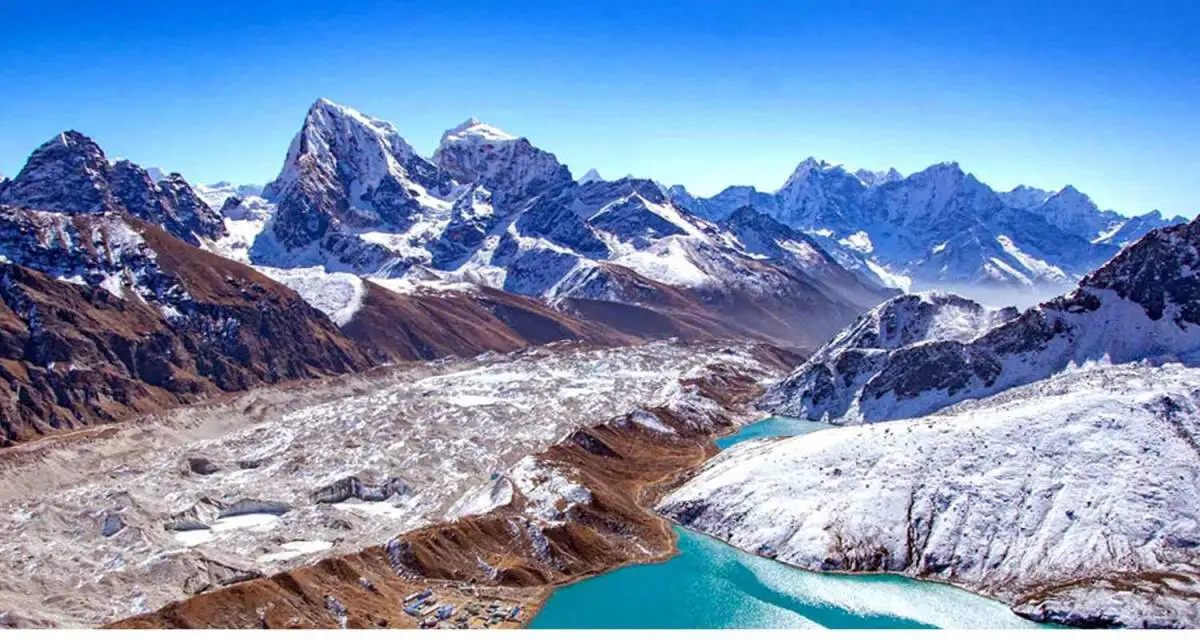
Despite the challenges, December offers clear, crisp days with unparalleled views of Everest, Lhotse, and Nuptse shimmering in the winter sunlight. The silence of the snow-covered landscape and the sense of achievement upon reaching Lobuche Peak's summit create a profound connection to the natural world and the spirit of adventure.
Descending back to base camp, climbers carry with them not only memories of the climb but also a deeper appreciation for the resilience of both nature and human spirit. Lobuche Peak in December is not just a climb; it’s an exploration of inner strength and the beauty of the Himalayas in their winter glory.
Winter Climbing on Lobuche Peak: Challenges and Rewards
Winter climbing on Lobuche Peak presents both formidable challenges and extraordinary rewards for mountaineers. The season, spanning from December to February, transforms the Everest region into a serene, snow-covered landscape of unparalleled beauty. However, climbers must contend with colder temperatures, increased snowfall, and shorter daylight hours, intensifying the difficulty of the ascent.
Challenges include navigating icy slopes and technical sections with limited daylight, necessitating careful time management and skillful use of equipment. Harsh weather conditions, including high winds and occasional storms, demand robust gear and meticulous planning to ensure safety and success.

The rewards of winter climbing on Lobuche Peak include pristine views of snow-capped peaks bathed in soft morning light and the tranquility of trekking through untouched snowfields. Summiting Lobuche Peak in winter offers a profound sense of achievement and solitude amidst the Himalayan wilderness, with fewer climbers on the route compared to peak trekking seasons.
Climbers willing to embrace the challenges of winter mountaineering are rewarded with a unique and unforgettable experience, forging enduring memories of resilience and accomplishment in one of the world's most iconic mountain ranges.
December Weather Conditions on Lobuche Peak
December brings winter's full embrace to Lobuche Peak, with weather conditions characterized by cold temperatures and occasional snowfall. As climbers ascend towards the summit, they encounter progressively colder conditions, particularly at higher elevations where temperatures can drop well below freezing.
During December, daytime temperatures in lower altitudes around Lobuche Base Camp may hover around 0°C to 10°C (32°F to 50°F), while nighttime temperatures plummet, often reaching as low as -15°C to -20°C (5°F to -4°F) or even colder at higher camps. Clear, sunny days offer stunning visibility and picturesque views of nearby peaks, while overcast skies may bring intermittent snow showers or high winds.
Climbers must prepare for variable weather conditions by packing adequate cold-weather gear, including insulated clothing layers, waterproof outerwear, and sturdy footwear with crampon compatibility. Proper hydration and nutrition are crucial for maintaining energy levels and preventing cold-related injuries.
Monitoring weather forecasts through local sources and maintaining flexibility in itinerary adjustments are essential strategies for navigating December's unpredictable weather patterns on Lobuche Peak. With careful preparation and adherence to safety protocols, climbers can safely enjoy the challenges and beauty of winter climbing in the Everest region.

Crampons and Ice Axe Techniques for Winter Climbing
Mastering crampon and ice axe techniques is essential for safe and efficient winter climbing on Lobuche Peak's icy terrain. Crampons, metal spikes attached to boots, provide traction on hard snow and ice, enhancing stability and preventing slips during ascents and descents.
To use crampons effectively, climbers should practice fitting them securely to their boots and adjusting the binding systems for a snug fit. Walking in crampons involves adopting a flat-footed, balanced stance to maximize grip and minimize fatigue on long climbs.
Ice axes serve multiple functions in winter climbing, including self-arresting in case of falls on steep slopes and providing stability while traversing icy terrain. Grip the ice axe correctly with both hands, using the adze (blade) for cutting steps and the pick for securing grips in hard snow and ice.
Practice basic ice axe techniques, such as the self-belay and self-arrest positions, to react swiftly in emergency situations and maintain control on steep slopes. Develop proficiency in ice axe placement and swinging techniques to efficiently navigate Lobuche Peak's challenging winter routes.
Regular practice and instruction from experienced guides or mountaineers enhance confidence and skill in using crampons and ice axes effectively, ensuring climbers are well-prepared for the demands of winter climbing on Lobuche Peak.

Avalanche Risk Assessment in December
Assessing avalanche risk is critical for safety when climbing Lobuche Peak in December, a month characterized by variable snow conditions and occasional storms. Avalanches can occur on steep slopes, particularly after fresh snowfall or during periods of warming temperatures.
Factors contributing to avalanche risk include slope angle, snowpack stability, weather patterns (e.g., recent snowfall or high winds), and temperature fluctuations. Climbers should conduct a thorough avalanche risk assessment before ascending, using techniques such as:
- Snowpack Evaluation: Test snow stability by digging snow pits to analyze layers, looking for signs of instability such as recent snowfall on top of weak, older layers.
- Weather Monitoring: Monitor weather forecasts for signs of changing conditions, including rapid warming, which can destabilize snowpack and increase avalanche risk.
- Terrain Selection: Choose routes with lower avalanche risk, avoiding steep slopes with fresh snow accumulation or evidence of previous slides.
- Safe Travel Practices: Travel one at a time on exposed slopes, maintaining spacing between climbers to minimize the impact of potential avalanches.
- Avalanche Safety Gear: Carry essential avalanche safety equipment, including avalanche transceivers (beacons), probes, and shovels, and ensure all team members are proficient in their use.
Consult with local guides or avalanche forecast centers for up-to-date information on current avalanche conditions and recommended safety precautions. By prioritizing avalanche awareness and risk management strategies, climbers can mitigate hazards and safely navigate Lobuche Peak's winter terrain in December.

Cold Weather Gear and Clothing Essentials
Preparing for winter climbing on Lobuche Peak demands careful selection of cold weather gear and clothing essentials to withstand sub-zero temperatures and harsh mountain conditions. Key items include:
- Insulating Layers: Thermal base layers, fleece jackets, and down or synthetic insulated jackets provide warmth while retaining minimal moisture.
- Waterproof Outerwear: A durable, waterproof shell jacket and pants protect against wind, snow, and precipitation.
- Headgear: A warm hat that covers the ears, neck gaiter or balaclava, and insulated gloves or mittens with liners for dexterity.
- Footwear: Insulated mountaineering boots compatible with crampons, wool or synthetic socks, and gaiters to keep snow out.
- Crampons and Ice Axe: Essential for traction and stability on icy slopes, with proper fitting and practice in use.
- Sleeping System: A four-season sleeping bag rated for sub-zero temperatures, insulated sleeping pad, and bivvy sack or tent for shelter.
- Miscellaneous Gear: Sunglasses with UV protection, sunscreen, headlamp with spare batteries, hydration system or insulated water bottles, and high-calorie snacks.
Layer clothing to regulate body temperature during exertion and rest breaks, ensuring comfort and safety in changing weather conditions on Lobuche Peak.
Lobuche East vs. Lobuche West: Winter Route Comparison
Lobuche East (6,119m) and Lobuche West (6,145m) are distinct peaks in the Everest region, each offering unique challenges and winter climbing routes:
- Lobuche East: Known for its technical ascent via the southeast face, requiring advanced mountaineering skills and ice climbing experience. The route features steep sections and crevassed terrain, demanding careful navigation and ice axe techniques.
- Lobuche West: Accessed via a less technical route from Lobuche Base Camp, suitable for climbers with intermediate mountaineering experience. The west peak offers stunning views of Everest and surrounding peaks, with a gradual ascent through snow-covered slopes.
In winter, both peaks experience colder temperatures, variable snow conditions, and potential avalanche risks, requiring climbers to assess route conditions and adjust plans accordingly. Choose a route based on skill level, experience, and current weather and snowpack conditions for a safe and successful winter ascent.

Permit Requirements and Regulations for December Climbs
Climbing Lobuche Peak in December requires obtaining permits and adhering to regulations set by the Nepal Mountaineering Association (NMA):
- Permit Types: Secure a climbing permit for Lobuche Peak from the NMA, providing necessary documentation such as passport copies, insurance details, and a climbing itinerary.
- Costs: Pay applicable fees for climbing permits, varying by peak and season. December permits may be subject to off-season discounts compared to peak trekking seasons.
- Regulations: Follow environmental guidelines, including waste management and Leave No Trace principles, to preserve fragile mountain ecosystems.
- Local Liaison Officers: Register with and meet requirements set by local liaison officers in Kathmandu or Lukla before beginning the ascent.
Understanding and complying with permit requirements and regulations ensure climbers access to essential resources and support while promoting sustainable mountaineering practices in the Everest region.
Hiring a Guide or Joining a Guided Expedition in December
Consider hiring a qualified guide or joining a guided expedition when climbing Lobuche Peak in December to enhance safety, navigation, and overall experience:
- Expertise and Local Knowledge: Experienced guides possess in-depth knowledge of local terrain, weather patterns, and emergency procedures, enhancing safety and navigation.
- Logistics Support: Guides arrange logistics such as accommodations, meals, and equipment rental, allowing climbers to focus on the ascent.
- Group Dynamics: Joining a guided expedition fosters camaraderie among climbers, providing mutual support and encouragement during challenging sections of the climb.
- Safety Measures: Guides are trained in first aid, altitude sickness prevention, and avalanche awareness, mitigating risks associated with high-altitude climbing.
- Cultural Insight: Guides offer cultural insights into Sherpa communities, traditions, and local customs, enriching the trekking experience.
Choose a reputable trekking agency or guide service with positive reviews and certifications from recognized mountaineering organizations for a safe and successful Lobuche Peak expedition in December.
Physical Conditioning for Winter High-Altitude Climbing
Preparing physically for winter high-altitude climbing on Lobuche Peak requires a comprehensive training regimen focused on endurance, strength, and mental resilience:
- Cardiovascular Endurance: Build aerobic fitness through activities such as hiking, trail running, cycling, and stair climbing to enhance oxygen uptake and stamina.
- Strength Training: Develop leg muscles, core stability, and upper body strength through exercises such as squats, lunges, planks, and weightlifting.
- Altitude Acclimatization: Acclimate gradually to high altitudes through practice hikes at increasing elevations, simulating conditions on Lobuche Peak.
- Flexibility and Balance: Incorporate yoga or Pilates to improve flexibility, balance, and coordination necessary for navigating uneven terrain and using mountaineering gear.
- Mental Preparedness: Practice mindfulness, relaxation techniques, and mental visualization to manage stress, maintain focus, and overcome challenges during the climb.
Consult with a fitness trainer or mountaineering coach to tailor a training plan specific to winter high-altitude climbing, ensuring readiness for the physical and mental demands of ascending Lobuche Peak in December.
Crevasse Rescue Techniques in Deep Snow Conditions
Navigating crevasses in deep snow conditions on Lobuche Peak requires adept knowledge of crevasse rescue techniques to ensure safety:
- Assessment: Assess terrain for crevasse hazards, noting snow bridges and visible cracks indicating potential crevasses.
- Team Travel: Rope up with teammates using a glacier travel setup, maintaining proper spacing to prevent multiple falls into crevasses.
- Self-Arrest: If falling, perform a self-arrest with an ice axe to halt movement and prevent further descent.
- Anchor Setup: Construct a solid anchor using ice screws, pickets, or snow stakes to secure the rope and create a stable platform for rescue operations.
- Z-Pulley System: Deploy a Z-pulley system for hauling techniques, leveraging mechanical advantage to extract a fallen climber from a crevasse.
- Communication: Maintain clear communication throughout the rescue operation, coordinating movements and ensuring everyone's safety.
Practice crevasse rescue scenarios in controlled environments to refine skills and familiarize with equipment, ensuring readiness for emergencies in deep snow conditions.

Winter Camping on Lobuche Peak: Tips and Strategies
Winter camping on Lobuche Peak demands strategic planning and preparation to endure extreme cold and maintain comfort:
- Site Selection: Choose a sheltered campsite with natural windbreaks and flat terrain for tent pitching, ensuring stability and protection from elements.
- Tent Setup: Pitch a four-season tent designed for winter conditions, securing guylines and staking firmly in snow to withstand high winds.
- Insulation: Lay down a thermal sleeping pad and use a four-season sleeping bag rated for sub-zero temperatures to retain body heat.
- Cooking: Prepare hot meals using a multi-fuel stove in a well-ventilated vestibule or outside, melting snow for water and staying hydrated.
- Layering: Wear moisture-wicking base layers, insulating mid-layers, and a waterproof outer shell to regulate body temperature and stay dry.
- Snow Management: Clear snow from tent vestibules and pack down snow beneath sleeping areas for stability and insulation.
Adhere to Leave No Trace principles, minimizing impact on the environment and leaving campsites pristine for future climbers in the winter season on Lobuche Peak.
Staying Warm and Dry in Extreme Cold Conditions
Maintaining warmth and dryness in extreme cold conditions on Lobuche Peak requires strategic layering and gear selection:
- Layering System: Wear moisture-wicking base layers to manage sweat, insulating mid-layers (fleece or down jackets) for warmth, and a waterproof, breathable shell to repel wind and moisture.
- Headgear and Gloves: Use a thermal hat, neck gaiter, and insulated gloves or mittens with liners to protect extremities from frostbite.
- Footwear: Insulated mountaineering boots with moisture-wicking socks and gaiters to keep feet warm and dry while trekking through snow.
- Ventilation: Adjust layers during activity to prevent overheating and sweating, maintaining a comfortable body temperature.
- Shelter: Seek shelter during breaks to shield from wind and cold, utilizing natural features or a tent for protection.
- Emergency Supplies: Carry additional hand warmers, spare gloves, and a bivvy sack or emergency blanket for unexpected situations.
Prioritize hydration and nutrition to fuel warmth from within, consuming hot drinks and high-calorie meals to maintain energy levels in extreme cold conditions on Lobuche Peak.
Dealing with Frostbite and Hypothermia on the Mountain
Recognizing and responding promptly to frostbite and hypothermia is crucial when climbing Lobuche Peak in cold weather:
- Frostbite Signs: Watch for numbness, tingling, or discoloration in fingers, toes, nose, and ears. Rewarm affected areas gradually with body heat or warm water.
- Hypothermia Symptoms: Monitor for shivering, confusion, slurred speech, and drowsiness. Provide shelter, remove wet clothing, and insulate with dry layers and blankets.
- Prevention: Dress in layers, stay dry, and protect exposed skin with insulated clothing and windproof layers.
- Treatment: Move to a warm shelter and remove wet clothing, replacing with dry layers. Consume warm fluids and high-energy foods to raise body temperature.
- Emergency Response: Seek immediate medical attention for severe frostbite or hypothermia symptoms, evacuating to lower elevations if necessary.
Train in cold weather first aid and carry a comprehensive medical kit, including hand warmers and emergency blankets, to address frostbite and hypothermia effectively on Lobuche Peak.
By prioritizing safety and preparedness, climbers can mitigate cold-related risks and enjoy a safe ascent and descent on Lobuche Peak in winter conditions.
Emergency Response Planning for Winter Climbing Accidents
Effective emergency response planning is essential for managing winter climbing accidents on Lobuche Peak, ensuring swift and coordinated action in critical situations:
- Assessment and Communication: Assess the nature and severity of the accident, ensuring safety for rescuers and victims. Establish clear communication protocols using satellite phones or emergency beacons to alert authorities and seek assistance.
- First Aid and Stabilization: Administer first aid for injuries such as frostbite, hypothermia, or trauma. Stabilize the injured with insulation, warmth, and supportive measures while awaiting evacuation.
- Evacuation Procedures: Plan evacuation routes and methods, considering weather conditions, terrain, and available resources. Coordinate with local rescue teams or helicopter services for prompt evacuation to medical facilities.
- Team Training: Train team members in wilderness first aid, CPR, and evacuation techniques specific to winter mountain environments. Practice scenarios to enhance response efficiency and preparedness.
- Communication with Authorities: Provide accurate location details and medical condition updates to rescue authorities, facilitating timely and effective response efforts.
By prioritizing proactive planning, communication, and medical training, climbers can mitigate risks and ensure a coordinated emergency response to winter climbing accidents on Lobuche Peak.

Communication Strategies in Remote Winter Environments
Maintaining effective communication in remote winter environments on Lobuche Peak is crucial for safety and coordination:
- Communication Devices: Carry reliable communication devices such as satellite phones, two-way radios, or personal locator beacons (PLBs) with global coverage.
- Emergency Contacts: Program emergency contact numbers for local rescue services and embassy contacts into communication devices for quick access.
- Check-In Protocol: Establish regular check-in times with base camp or support teams using predetermined frequencies or schedules to confirm safety and location updates.
- Emergency Signaling: Learn and use international distress signals such as radio distress calls, visual signals (e.g., waving arms or using mirrors), or whistle blasts in case of emergencies.
- Group Communication: Implement buddy systems and maintain visual or verbal contact within the climbing team, ensuring mutual support and assistance during challenging conditions.
- Weather and Conditions Updates: Monitor weather forecasts and communicate updates within the team to adapt plans and ensure safe climbing conditions.
Effective communication strategies in remote winter environments foster situational awareness, teamwork, and prompt response to emergencies, enhancing overall safety on Lobuche Peak.
Lobuche Peak Climbing Itinerary for December: Day-by-Day Breakdown
Planning a detailed climbing itinerary for December on Lobuche Peak optimizes acclimatization, safety, and enjoyment during the ascent:
Day 1: Arrival in Kathmandu
- Arrive in Kathmandu, complete permit formalities, and prepare equipment.
Day 2: Flight to Lukla and Trek to Phakding
- Fly to Lukla, trek to Phakding (2,610m), and acclimatize with a short hike.
Day 3: Trek to Namche Bazaar
- Ascend to Namche Bazaar (3,440m), gateway to the Everest region, and explore local culture.
Day 4: Acclimatization Day in Namche Bazaar
- Rest and acclimate in Namche Bazaar with a hike to higher elevations and panoramic views.
Day 5: Trek to Tengboche
- Trek to Tengboche (3,860m), visit Tengboche Monastery, and continue acclimatization.
Day 6: Trek to Dingboche
- Hike to Dingboche (4,410m), crossing suspension bridges and enjoying mountain views.
Day 7: Acclimatization Day in Dingboche
- Rest in Dingboche, explore the village, and prepare for higher altitudes.
Day 8: Trek to Lobuche
- Trek to Lobuche (4,940m), a challenging ascent with panoramic mountain vistas.
Day 9: Trek to Lobuche Base Camp
- Reach Lobuche Base Camp (5,100m), prepare for summit push, and rest.
Day 10: Summit Day on Lobuche Peak
- Begin early summit push (6,119m), navigate technical terrain, and descend to base camp.
Day 11-12: Contingency Days
- Reserve days for unforeseen circumstances, weather delays, or additional acclimatization.
Day 13: Descend to Lukla
- Trek back to Lukla, celebrate the climb, and prepare for return flight to Kathmandu.
Day 14: Return to Kathmandu
- Fly to Kathmandu, relax, and conclude the expedition with cultural exploration and reflection.
A well-planned itinerary balances acclimatization, trekking challenges, and summit attempts, optimizing success and safety on Lobuche Peak in December.
Packing Essentials for Winter Climbing on Lobuche Peak
Packing essential gear and equipment ensures comfort, safety, and preparedness for winter climbing on Lobuche Peak:
- Clothing Layers: Moisture-wicking base layers, insulating mid-layers (fleece or down jackets), and waterproof, windproof outer layers (jacket and pants).
- Footwear: Insulated mountaineering boots with crampon compatibility, gaiters, and multiple pairs of wool or synthetic socks.
- Headgear and Gloves: Thermal hat, neck gaiter or balaclava, and insulated gloves or mittens with liners for warmth and protection.
- Climbing Equipment: Crampons, ice axe, harness, helmet, ropes, and carabiners for technical ascents and safety.
- Sleeping Gear: Four-season sleeping bag rated for sub-zero temperatures, insulated sleeping pad, and bivvy sack or tent.
- Navigation and Communication: Map or GPS device, compass, headlamp with extra batteries, and communication devices (satellite phone or two-way radio).
- Personal Items: Sunglasses with UV protection, sunscreen, lip balm with SPF, water bottles or hydration system, and trekking poles for stability.
- Medical Kit: High-altitude medications (e.g., acetazolamide/Diamox), first aid supplies, blister treatment, and personal prescriptions.
Prepare a gear checklist tailored to winter conditions on Lobuche Peak, ensuring all equipment is functional, properly fitted, and packed in durable, waterproof bags for the ascent.
Each topic provides comprehensive guidance essential for safe and successful winter climbing on Lobuche Peak, emphasizing preparation, safety protocols, and logistical planning.
Winter Navigation Techniques: GPS, Maps, and Compass Use
Navigating Lobuche Peak during winter requires proficiency in using GPS, maps, and a compass for accurate route finding and safety:
- GPS Devices: Carry a reliable GPS device with pre-loaded maps and waypoints to track location, elevation, and planned routes. Ensure batteries are fully charged and carry spares.
- Maps: Use detailed topographic maps of the Everest region, highlighting terrain features, elevation contours, and potential hazards such as crevasses and avalanche zones. Familiarize with map symbols and scales for effective navigation.
- Compass: Learn basic compass skills for orienting maps, determining direction, and triangulating positions in case of GPS failure or poor satellite reception.
- Route Planning: Plan routes in advance, marking checkpoints and emergency exit points on maps. Adjust routes based on current weather conditions, snowpack stability, and group capabilities.
- Emergency Navigation: Practice emergency navigation techniques such as dead reckoning and terrain association to navigate in whiteout conditions or low visibility.
By mastering GPS, maps, and compass use, climbers enhance navigation skills, mitigate risks, and ensure safe travel on Lobuche Peak's challenging winter terrain.
Environmental Impact of Winter Climbing on Lobuche Peak Ecosystems
Winter climbing on Lobuche Peak impacts fragile ecosystems, necessitating responsible practices to minimize environmental footprint:
- Vegetation: Avoid trampling on alpine vegetation, which grows slowly and provides crucial habitat for wildlife.
- Wildlife: Respect wildlife habitats and maintain distance from animals to minimize disturbance during winter hibernation or breeding seasons.
- Waste Management: Pack out all waste, including human waste, and dispose of it properly in designated waste disposal sites.
- Water Sources: Protect freshwater sources by using biodegradable soap and avoiding contamination from waste disposal or camping activities.
- Leave No Trace: Adhere to Leave No Trace principles, including camping on durable surfaces, minimizing campfire impacts, and leaving campsites cleaner than found.
- Community Engagement: Support local conservation initiatives and engage with Sherpa communities to promote environmental stewardship and sustainable tourism practices.
By practicing environmental awareness and responsible climbing behaviors, climbers can preserve Lobuche Peak's pristine ecosystem for future generations.
Conclusion: Tips for a Successful Lobuche Peak Climb in December
Climbing Lobuche Peak in December requires thorough preparation, resilience, and adherence to safety protocols for a successful ascent:
- Weather Monitoring: Stay updated on weather forecasts and adjust plans accordingly to avoid adverse conditions.
- Physical Fitness: Maintain peak physical condition through cardio, strength training, and altitude acclimatization exercises.
- Gear Preparation: Pack essential winter climbing gear, including insulated clothing, technical equipment, and emergency supplies.
- Team Coordination: Establish clear communication and teamwork among climbers, guides, and support staff.
- Safety First: Prioritize safety with regular equipment checks, emergency response training, and adherence to mountaineering best practices.
- Environmental Respect: Minimize environmental impact through Leave No Trace principles, waste management, and respect for local ecosystems.
By integrating these tips into expedition planning and execution, climbers can navigate challenges, embrace adventure, and achieve summit success on Lobuche Peak in December.
Lobuche Peak Climbing Packages
Lobuche peak Climbing
Lobuche Peak Summit Return By Helicopter
Lobuche Peak Expedition 14 Days
Lobuche Peak Expedition 15 Days
Three Peak Expedition