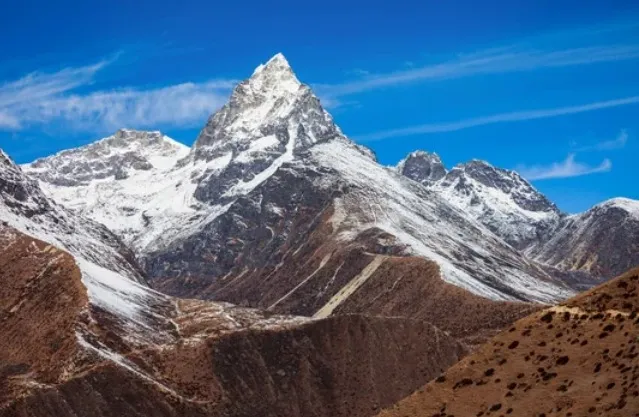
Climbing Lobuche Peak in August presents mountaineers with a distinct set of challenges and rewards amidst the monsoon season in Nepal. Standing at 6,119 meters (20,075 feet) in the Everest region, Lobuche Peak offers a formidable yet exhilarating ascent against the backdrop of the world's highest peaks.
August brings the peak of the monsoon to Nepal's Everest region, characterized by frequent rainfall, cloudy skies, and occasional thunderstorms. Daytime temperatures at lower elevations range from 10°C to 20°C (50°F to 68°F), but drop significantly at higher altitudes, making proper gear essential. Cloud cover often obscures views of the surrounding mountains, though clear mornings can provide stunning panoramas before clouds roll in.
This 15-day trek to EBC and Gokyo Lakes provides spectacular views of Mt. Everest & remarkable beauty of the Gokyo Valley with its alluring emerald blue lakes. The Himalayas of Nepal is undoubtedl...
Climbing Lobuche Peak in August requires careful planning and adaptation to the monsoon conditions:
Visibility and Navigation: The monsoon clouds and rain reduce visibility, posing challenges for navigation and route-finding. Climbers must rely heavily on maps, GPS, and local guides to navigate safely through potentially slippery trails and changing conditions.
Altitude and Acclimatization: Despite the weather, acclimatization remains crucial. Climbers should plan for additional acclimatization days to adjust to the thinning air and reduce the risk of altitude sickness exacerbated by the humid conditions.
Gear Preparation: Climbers must pack waterproof and breathable clothing, sturdy boots with excellent traction, and rain covers for backpacks to protect against frequent rain showers. Essential climbing gear such as crampons, ice axes, and helmets should be in optimal condition to handle wet and potentially icy terrain.
While challenging, climbing Lobuche Peak in August offers unique advantages:
Reduced Crowds: The monsoon season sees fewer climbers on the trails and at base camps, providing a quieter and more serene climbing experience with less competition for resources.
This is a real mountain climbing adventure that will leave you in awe of the beauty of the Himalayan Mountains. The Lobuche Peak Climbing expedition in the Khumbu region of Nepal has been ranked by Lo...
Lush Scenery: The monsoon rejuvenates the landscape with lush greenery, blooming flowers, and roaring rivers, transforming the Everest region into a vibrant tapestry of natural beauty.
Cultural Engagement: With fewer tourists, climbers have more opportunities to interact with local Sherpa communities, gaining deeper insights into their culture and traditions amidst the quieter season.
Climbing Lobuche Peak in August demands resilience, adaptability, and a deep appreciation for the challenges and rewards of mountaineering in the Himalayas during the monsoon season. With thorough preparation, adherence to safety protocols, and a spirit of adventure, climbers can conquer Lobuche Peak amidst the dramatic landscapes and cultural richness of Nepal's Everest region, forging memories and experiences that endure far beyond the summit.
Introduction
Lobuche Peak, nestled in the Khumbu region of Nepal, stands as a prominent peak at an elevation of 6,119 meters (20,075 feet). It offers adventurers a challenging and rewarding climbing experience with stunning views of the Everest massif. The peak is divided into two main summits: Lobuche East and Lobuche West, with Lobuche East being the more commonly climbed peak due to its technical but feasible ascent route. Climbing Lobuche Peak combines technical climbing skills with the awe-inspiring beauty of the Himalayan landscape, making it a sought-after destination for mountaineers worldwide.
A real climbing adventure that will leave you stunned at the beauty of the Himalayan Mountains. The Lobuche Peak Climbing expedition in the spectacular Khumbu region of Nepal has been ranked...
Overview of Lobuche Peak Climbing
Climbing Lobuche Peak typically begins with a flight from Kathmandu to Lukla, followed by a trek through picturesque Sherpa villages like Namche Bazaar and Dingboche. The expedition usually spans around 16 to 18 days, including acclimatization stops to adjust to the altitude. The route to Lobuche Base Camp passes through varied terrain, from lush forests to moraines and glaciers. Climbing Lobuche Peak involves navigating crevasses, steep snow slopes, and using fixed ropes for safety. The climb rewards climbers with panoramic views of Everest, Lhotse, Nuptse, and other Himalayan giants from its summit.
Weather and Climatic Conditions in August
August brings the monsoon season to Nepal, affecting the weather conditions in the Everest region. During this time, climbers can expect frequent rainfall, particularly in the afternoons and evenings. Cloud cover often obscures visibility, making navigation challenging and posing risks of slippery trails and potential landslides. Daytime temperatures at lower elevations range from 10°C to 20°C (50°F to 68°F), but temperatures drop significantly at higher altitudes. Despite the challenging weather, August also brings lush green landscapes and vibrant flora, creating a unique and picturesque environment along the trekking route.
Lobuche Peak Expedition is an exciting and challenging adventure that attracts mountaineers from all over the world. Located in the Khumbu region of Nepal, Lobuche Peak stands tall at an elevation of...
Preparing for Lobuche Peak Climbing
Preparing for Lobuche Peak climbing requires thorough planning and preparation:
- Permits: Obtain necessary permits, including Sagarmatha National Park entry permit and climbing permits for Lobuche Peak, through a licensed trekking agency or directly from the Nepal Tourism Board in Kathmandu.
- Gear: Pack essential mountaineering gear, including trekking poles, mountaineering boots, crampons, ice axes, helmets, and appropriate clothing for cold and wet conditions.
- Training: Engage in physical fitness training focusing on cardiovascular endurance, strength (especially legs and core), and altitude acclimatization. High-altitude training before the expedition helps climbers adapt to reduced oxygen levels encountered at higher elevations.
- Logistics: Arrange logistics such as accommodation, meals, guides, and porters through reputable trekking agencies to ensure a smooth and safe expedition.
Physical Fitness and Training
Physical fitness is crucial for successfully climbing Lobuche Peak. Training should include cardiovascular exercises like running, hiking with a weighted pack, and endurance activities to build stamina. Strength training focusing on core muscles, legs, and upper body helps climbers manage the demands of steep ascents and carrying heavy loads. Additionally, altitude training helps acclimatize the body to reduced oxygen levels encountered at higher elevations, reducing the risk of altitude sickness. A well-rounded training regimen, combined with adequate rest and hydration, prepares climbers for the physical challenges of climbing Lobuche Peak and enhances their overall climbing experience.
Lobuche Peak is a popular trekking peak located in the Khumbu region of Nepal, with an elevation of 6,119 meters. It is known for its stunning panoramic views of Mount Everest, Lhotse, Nuptse, Ama Dab...
Essential Gear and Equipment
Climbing Lobuche Peak demands a comprehensive array of gear to ensure safety and comfort throughout the expedition. Essential items include:
- Mountaineering Boots: Sturdy boots suitable for crampons and ice climbing.
- Crampons and Ice Axes: Essential for navigating icy slopes and glaciers.
- Harness and Helmet: For safety during glacier crossings and steep ascents.
- Ropes and Carabiners: Used for belaying and securing on steep sections.
- Clothing Layers: Including base layers, insulated jackets, waterproof shells, and gloves.
- Sleeping Bag: Rated for sub-zero temperatures.
- Backpack: Large enough to carry gear and supplies for the climb.
- Personal Items: Sunglasses, sunscreen, headlamp, and water bottles or hydration system.
Proper preparation and maintenance of gear are crucial for a successful ascent of Lobuche Peak.
Permits and Regulations
Before attempting Lobuche Peak, climbers must obtain several permits:
- Sagarmatha National Park Entry Permit: Required for entering the Everest region.
- Lobuche Peak Climbing Permit: Issued by the Nepal Mountaineering Association (NMA) or through a licensed trekking agency in Kathmandu.
These permits regulate and manage the number of climbers and ensure environmental conservation in the region. Climbers should carry their permits at all times during the expedition and adhere to local regulations regarding waste management and conservation practices.
This is a fantastic climbing expedition that takes you to the summit of "Island Peak (6,189m) situated between Amadablam and Lhotse mountains. This exciting adventure is jam-packed full of features an...
Getting to Lobuche Base Camp
Access to Lobuche Base Camp typically begins with a flight from Kathmandu to Lukla, followed by a trek through the scenic Khumbu Valley. The trek passes through Sherpa villages like Namche Bazaar and Dingboche, gradually ascending towards Lobuche Base Camp. The journey offers stunning views of Everest and surrounding peaks, providing ample opportunity for acclimatization and cultural immersion. The final stretch to Lobuche Base Camp involves navigating glacial moraines and rocky terrain, preparing climbers for the ascent ahead.
Climbing Route and Highlights
The standard route to Lobuche Peak, particularly Lobuche East, starts from Lobuche Base Camp. Highlights of the climb include:
- Glacier Crossings: Navigating crevassed glaciers requiring technical skills and safety precautions.
- High Camp: Ascending to High Camp for the summit push, with panoramic views of Everest, Lhotse, and Nuptse.
- Summit: Achieving the summit of Lobuche Peak, a rewarding experience with breathtaking views of the surrounding Himalayan peaks.
The route involves steep sections, fixed ropes, and technical climbing challenges, making it suitable for experienced mountaineers with ice climbing proficiency.
Technical Challenges and Safety Tips
Climbing Lobuche Peak presents several technical challenges and safety considerations:
- Altitude: Acclimatization is crucial to mitigate altitude sickness risks.
- Weather: Conditions can change rapidly, with potential for high winds, snowfall, and cold temperatures.
- Glacier Hazards: Crevasses and icefalls require careful navigation and roped team travel.
- Equipment Maintenance: Regularly check and maintain gear to ensure reliability and safety throughout the climb.
- Team Dynamics: Communicate effectively within the climbing team and with guides to enhance safety and coordination during the ascent.
Following safety protocols, maintaining physical and mental readiness, and respecting environmental and cultural sensitivities are essential for a safe and memorable climb of Lobuche Peak.
This is an excellent opportunity to climb Nepal’s highest peak without having to obtain a permit (6,476m/21,190ft). From the summit, you will have stunning views of several 8000m plus peaks, such as E...
Acclimatization and Altitude Considerations
Acclimatization is crucial when climbing Lobuche Peak, as it helps climbers adjust to high altitudes and reduces the risk of altitude sickness. The ascent typically includes several acclimatization stops at villages like Namche Bazaar and Dingboche, where climbers spend extra days to allow their bodies to adapt to the thinning air. Adequate hydration, gradual ascent rates, and awareness of altitude-related symptoms are essential. Climbers should listen to their bodies and be prepared to adjust their itinerary if necessary to ensure a safe and successful summit attempt.
Accommodation and Facilities
Accommodation options along the route to Lobuche Peak vary from basic teahouses to more comfortable lodges. Teahouses offer simple rooms with shared facilities, while lodges at higher altitudes provide more amenities such as hot showers (often for a fee), WiFi, and charging points. Accommodations are clean and cozy, providing essential services for climbers. The hospitality of local Sherpa hosts adds to the cultural experience, offering insights into Sherpa traditions and warm hospitality amidst the rugged Himalayan terrain.
Cultural and Natural Highlights
The trek to Lobuche Peak is enriched with cultural and natural highlights:
- Sherpa Culture: Passing through Sherpa villages and monasteries provides opportunities to learn about Sherpa culture, traditions, and Buddhism. Tengboche Monastery, with its serene ambiance and stunning mountain backdrop, is a cultural highlight along the trekking route.
- Natural Beauty: The trek showcases diverse landscapes, from lush forests and alpine meadows to glaciers and towering peaks. Views of Everest, Lhotse, Ama Dablam, and other Himalayan giants unfold as climbers ascend towards Lobuche Peak, offering unparalleled natural beauty and photographic opportunities.
Summit Day Experience
Summit day on Lobuche Peak is a culmination of weeks of preparation and acclimatization. Climbers typically start early from High Camp, navigating steep snow and ice slopes under the guidance of experienced guides. The final push to the summit offers panoramic views of the Everest region at sunrise, creating unforgettable memories for climbers. Celebrations at the summit are brief yet profound, as climbers reflect on their journey and achievements before beginning the descent back to High Camp.
This is a chance to go climbing without the necessary permits that most climbing expeditions require in Nepal. Mera Peak fits the bill perfectly and at (6,476m/21,190ft) you will have spectacular view...
Side Trips and Optional Extensions
While climbing Lobuche Peak, there are optional side trips and extensions to enhance the trekking experience:
- Everest Base Camp: A popular extension involves trekking to Everest Base Camp, offering a close-up view of Everest and its iconic surroundings. This extension adds cultural and historical depth to the expedition, as climbers follow in the footsteps of legendary mountaineers.
- Gokyo Lakes: Another option is visiting the pristine Gokyo Lakes, a series of turquoise glacial lakes nestled amidst towering peaks. The trek to Gokyo Lakes provides additional opportunities for exploration and stunning Himalayan vistas, enriching the overall trekking experience.
These side trips allow climbers to customize their itinerary, catering to personal interests and providing additional challenges and rewards amidst the awe-inspiring landscapes of the Everest region.
Hiring a Guide or Climbing Solo
When deciding whether to hire a guide or climb Lobuche Peak solo, several factors should be considered. Hiring a guide is highly recommended for less experienced climbers or those unfamiliar with the region. Guides provide invaluable local knowledge, navigation skills, and ensure safety throughout the expedition. They handle logistics such as permits, accommodations, and emergency response, enhancing the overall experience. Climbing solo requires extensive mountaineering experience, self-sufficiency in navigation and safety protocols, and thorough preparation for emergencies. Regardless of the choice, climbers must prioritize safety, preparation, and adherence to local regulations to ensure a successful and enjoyable climb.
Budgeting and Costs
Budgeting for a Lobuche Peak climb involves several considerations:
- Permits: Including Sagarmatha National Park entry permit and climbing permit for Lobuche Peak.
- Guide and Support: Fees vary based on experience and services provided.
- Accommodation: Costs increase with altitude; budget for teahouses or lodges along the route.
- Equipment: Purchase or rent necessary mountaineering gear such as boots, crampons, and ice axes.
- Travel: Include costs for flights to Lukla, ground transportation, and meals in Kathmandu.
Budgeting should also account for unexpected expenses, travel insurance covering medical emergencies and evacuation, and tips for guides and support staff.
Responsible Climbing Practices
Responsible climbing on Lobuche Peak is essential to minimize environmental impact and respect local communities:
- Leave No Trace: Pack out all waste and dispose of it properly.
- Respect Culture: Engage respectfully with local Sherpa communities and adhere to cultural norms.
- Safety First: Prioritize safety by following guide recommendations, monitoring weather conditions, and practicing good judgment on the mountain.
- Environmental Stewardship: Support local conservation efforts and minimize carbon footprint during the expedition.
By practicing responsible climbing practices, climbers contribute to preserving the natural beauty and cultural heritage of the Everest region for future generations.
This is the highest peak in Nepal that does not require a climbing permit (6,476m/21,190ft). From the summit there are spectacular views of several 8000 meter plus peaks, such as Everest, Cho Oyu, Kan...
Tips and Recommendations for Climbing Lobuche Peak
- Physical Preparation: Train extensively in cardiovascular endurance, strength training, and altitude acclimatization.
- Gear Check: Ensure all equipment is in good condition and suitable for high-altitude mountaineering.
- Weather Monitoring: Stay informed about weather forecasts to plan safe ascent windows.
- Hydration and Nutrition: Maintain proper hydration and nutrition throughout the climb to support stamina and recovery.
- Altitude Awareness: Monitor personal health and acclimatization progress; be prepared to adjust plans if altitude sickness symptoms develop.
- Team Dynamics: Foster effective communication and teamwork within the climbing group and with guides for a cohesive and safe expedition.
Following these tips helps climbers prepare mentally and physically for the challenges of Lobuche Peak, enhancing safety and enjoyment during the climb.
Conclusion and Reflections
Climbing Lobuche Peak is a significant achievement that combines physical challenge with awe-inspiring natural beauty in the Everest region. Whether climbing with a guide or solo, the journey tests personal limits and provides profound experiences of cultural immersion and natural wonder. Reflecting on the journey, climbers often gain a deeper appreciation for the resilience of both themselves and the Himalayan environment they traverse. Lobuche Peak represents not only a summit conquered but also a journey of self-discovery, cultural exchange, and the enduring allure of high-altitude adventure in Nepal's majestic mountains.
Lobuche Peak Climbing Packages
Lobuche peak Climbing
Lobuche Peak Summit Return By Helicopter
Lobuche Peak Expedition 14 Days
Lobuche Peak Expedition 15 Days
Three Peak Expedition
Embark on an unforgettable journey to the heart of the Himalayas as you conquer three majestic peaks: Mera Peak, Island Peak, and Lobuche Peak. This ultimate adventure combines technical climbing, bre...