02nd April, 2026
Jul 01, 2024
Lobuche Peak Climbing in April
- Introduction to Lobuche Peak
- Why Climb Lobuche Peak in April
- Climbing Route Overview
- Difficulty Level and Technicality
- Best Time to Climb Lobuche Peak
- Weather Conditions in April
- Temperature and Climate Expectations
- Day-by-Day Itinerary for March Climbing
- Essential Climbing Gear and Equipment
- Acclimatization and Altitude Sickness Prevention
- Physical Conditioning and Training Requirements
- Hiring a Guide or Joining a Group Expedition
- Cost and Budget Breakdown for the Climb
- Permits and Regulations for Climbing Lobuche Peak
- Accommodation Options in Kathmandu and Base Camp
- Food and Water Arrangements during the Climb
- Safety Measures and Emergency Protocols
- Cultural Significance of Lobuche Peak to the Local Community
- Conclusion: Is Climbing Lobuche Peak in March Right for You?
- Lobuche Peak Climbing Packages
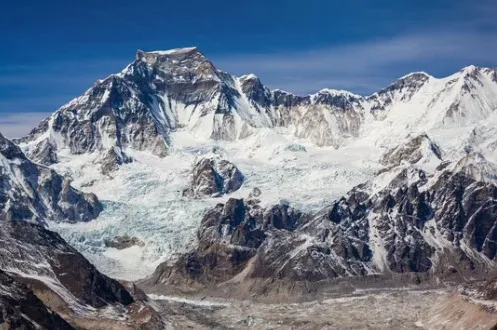
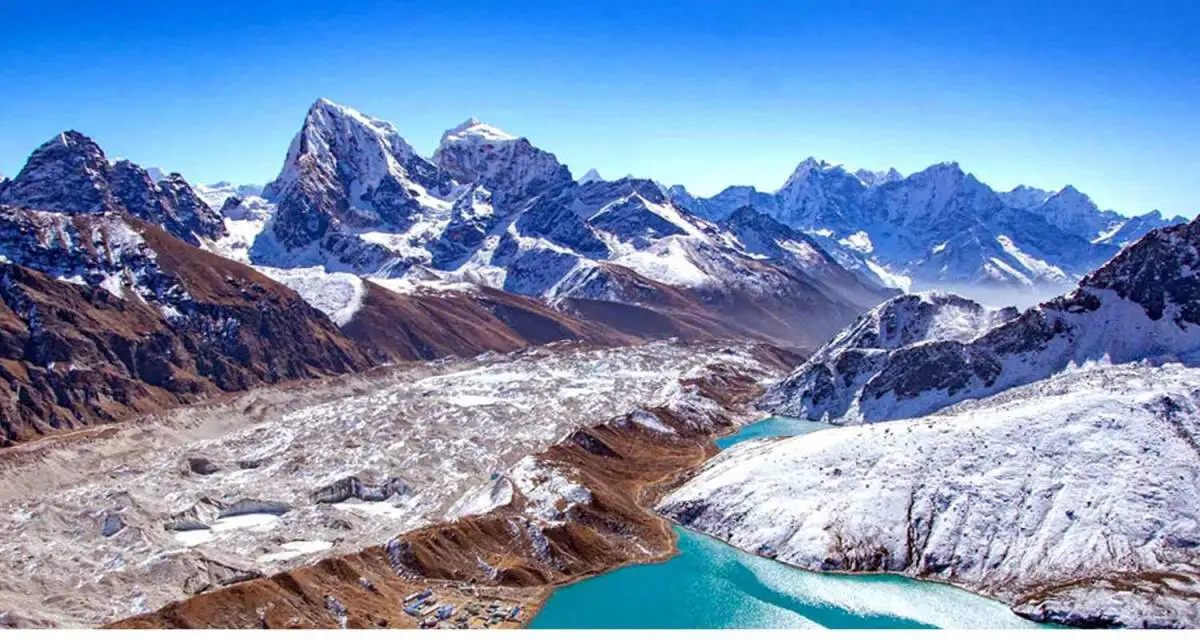
In April, Lobuche Peak Climbing presents a captivating adventure amidst the majestic landscapes of the Everest region in Nepal. Standing at 6,119 meters (20,075 feet), Lobuche Peak offers an exhilarating challenge for mountaineers seeking to summit a Himalayan peak while enjoying stunning views of Everest, Lhotse, Nuptse, and other towering peaks.
April is considered one of the best months for climbing Lobuche Peak due to favorable weather conditions. The spring season brings stable weather patterns, clear skies, and mild temperatures, making it ideal for both trekking and climbing activities. The days are longer, providing ample daylight hours for ascending the peak and admiring the surrounding Himalayan vistas.
The journey typically begins with a scenic flight from Kathmandu to Lukla, followed by a trek through the picturesque villages of the Khumbu region. As trekkers gradually ascend through rhododendron forests and Sherpa settlements, they acclimatize to the increasing altitude, preparing for the challenging climb ahead.
Reaching Lobuche Base Camp, situated at approximately 4,950 meters (16,240 feet), marks the start of the climbing phase. Here, climbers undergo final preparations, including equipment checks and briefing sessions with experienced guides. The route to Lobuche Peak includes technical sections such as steep snow and ice slopes, requiring the use of crampons, ice axes, and ropes under the guidance of seasoned Sherpa climbers.

Guaranteed Departure
Private
Group
of 56 reviews
The ascent to Lobuche Peak High Camp involves navigating through rocky terrain and crossing glacier moraines, offering glimpses of the towering peaks that dominate the Everest region. High Camp serves as a strategic base before the final push to the summit, allowing climbers to rest and acclimatize further.
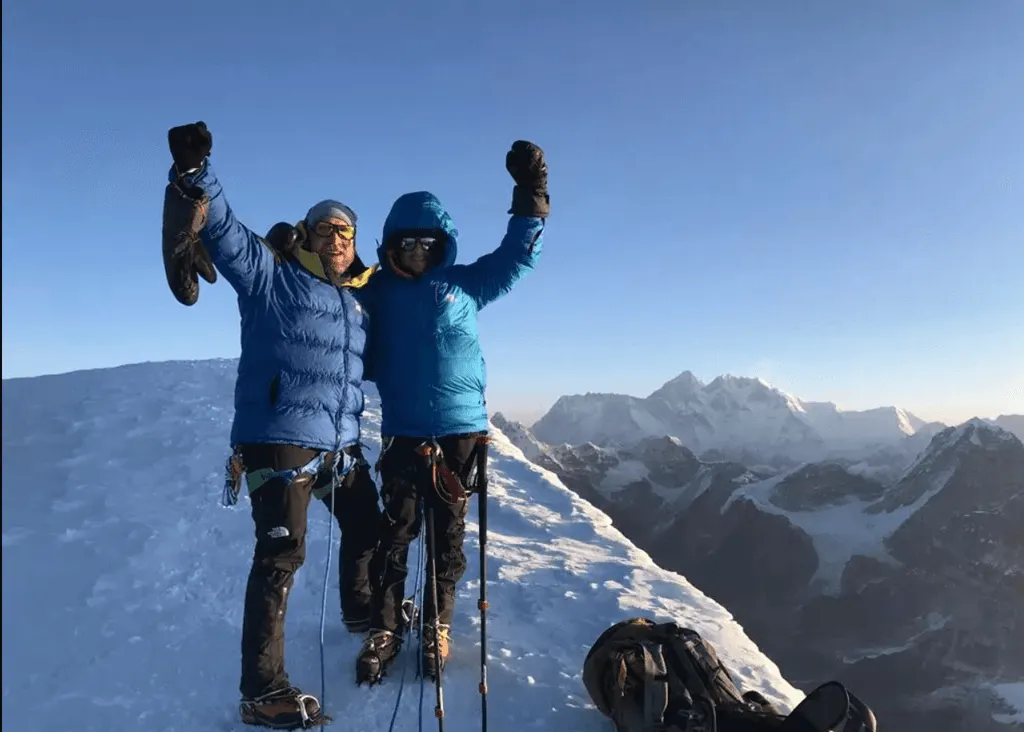
On summit day, typically starting before dawn, climbers begin their ascent under the glow of headlamps, aiming to reach the summit by morning. The climb rewards with unparalleled views of Everest and neighboring peaks bathed in the first light of daybreak. The sense of achievement upon reaching the summit of Lobuche Peak is profound, with trekkers capturing unforgettable moments amidst the pristine Himalayan panorama.
Descending back to Base Camp and then retracing the trekking route through the Khumbu Valley allows climbers to reflect on their accomplishment while appreciating the cultural richness of Sherpa villages and Buddhist monasteries along the way. April's mild weather ensures a comfortable journey back to Lukla, where a flight to Kathmandu concludes the adventure.
In conclusion, climbing Lobuche Peak in April combines the thrill of high-altitude mountaineering with the natural beauty and cultural richness of the Everest region. With favorable weather conditions, breathtaking views, and a well-structured itinerary, April presents an ideal window for adventurers to conquer this Himalayan summit and create lasting memories of a lifetime.

Guaranteed Departure
Private
Group
of 13 reviews
Introduction to Lobuche Peak
Lobuche Peak, situated in the Everest region of Nepal, stands as an attractive option for mountaineers looking to experience Himalayan climbing. At an elevation of 6,119 meters (20,075 feet), it offers stunning panoramic views of Everest, Lhotse, Nuptse, and the surrounding peaks. The peak itself is divided into two main summits: Lobuche East (6,119 meters) and Lobuche West (6,145 meters), with Lobuche East being the more frequently climbed.
Climbing Lobuche Peak combines trekking through the iconic Khumbu Valley with technical mountaineering skills required to ascend steep snow and ice slopes. The journey to the summit is both physically demanding and culturally enriching, passing through Sherpa villages and Buddhist monasteries amidst breathtaking alpine scenery.
Why Climb Lobuche Peak in April
April is considered one of the best months to climb Lobuche Peak due to favorable weather conditions. The spring season brings stable weather patterns with clear skies and mild temperatures, creating ideal climbing conditions. The days are longer in April, providing ample daylight hours for climbing and allowing climbers to enjoy stunning Himalayan views throughout the ascent.
Additionally, April falls within the peak trekking season in Nepal, ensuring well-maintained trails, established base camps, and a vibrant atmosphere along the Khumbu Valley route. The stable weather minimizes the risk of precipitation and snowfall, making the climb safer and more enjoyable. Climbers can also benefit from lower chances of high winds and storms, crucial factors for summit attempts at high altitudes.

Guaranteed Departure
Private
Group
of 20 reviews
Climbing Route Overview
The standard climbing route for Lobuche Peak typically starts from Lobuche Base Camp, located at around 4,950 meters (16,240 feet). From here, climbers ascend to Lobuche High Camp, situated at approximately 5,400 meters (17,717 feet), where they acclimatize and prepare for the summit push. The route involves technical sections such as steep snow slopes and glacier crossings, requiring the use of mountaineering equipment like crampons, ice axes, and ropes.
The final ascent to the summit involves negotiating a narrow ridge, culminating in breathtaking panoramic views of Everest, Lhotse, and the Khumbu Glacier. The descent follows the same route back to Base Camp, allowing climbers to reflect on their achievement while soaking in the beauty of the Himalayan landscape.
Difficulty Level and Technicality
Lobuche Peak is graded as a challenging climb, suitable for experienced mountaineers with prior high-altitude trekking and basic mountaineering skills. The climb involves technical challenges such as crevasse crossings, steep ice slopes, and potentially variable weather conditions. Climbers should be proficient in using crampons, ice axes, and ropes, as well as knowledgeable in glacier travel and avalanche awareness.
The altitude presents another significant challenge, requiring careful acclimatization and physical conditioning. Proper preparation and training are essential to maximize safety and enjoyment during the ascent. While not as technically demanding as some of the higher peaks in the Everest region, Lobuche Peak still demands respect for its altitude and challenging terrain.

Guaranteed Departure
Private
Group
of 24 reviews
Best Time to Climb Lobuche Peak
The best time to climb Lobuche Peak is during the spring and autumn seasons. April, specifically, stands out due to its stable weather conditions, clear skies, and mild temperatures. The spring season in Nepal (March to May) brings blooming rhododendrons, lush green landscapes, and vibrant cultural festivals, enhancing the overall trekking and climbing experience.
During April, climbers can expect well-defined trails, established base camps, and a supportive infrastructure in the Khumbu region. The stable weather minimizes the risk of precipitation and snowfall, ensuring safer climbing conditions and excellent visibility for enjoying panoramic mountain views.
Autumn (September to November) is another popular season for climbing Lobuche Peak, offering similar favorable weather conditions and clear mountain views. Both seasons provide an unforgettable Himalayan adventure, combining technical mountaineering challenges with cultural immersion in the legendary Everest region of Nepal.
Weather Conditions in April
April marks the beginning of the spring season in the Everest region of Nepal, presenting favorable weather conditions for climbing Lobuche Peak. During this time, the weather is generally stable with clear skies, making it ideal for mountaineering activities. Temperatures gradually warm up as the month progresses, but nights and higher altitudes remain chilly. Precipitation levels are low, and the likelihood of snowfall decreases, contributing to safer climbing conditions. Climbers can expect long daylight hours, allowing for extended trekking and climbing opportunities amidst stunning Himalayan landscapes.
Temperature and Climate Expectations
In April, temperatures in the Everest region during the day typically range from 10°C to 15°C (50°F to 59°F) at lower elevations like Lukla and Namche Bazaar. As climbers ascend higher towards Lobuche Base Camp and High Camp, temperatures drop significantly, with daytime highs ranging from -5°C to 5°C (23°F to 41°F) and nighttime lows often dipping below freezing, especially at higher altitudes. The climate is generally dry and crisp, with occasional gusts of wind, particularly in exposed areas and at higher elevations. Proper layering is essential to manage temperature fluctuations throughout the day and night.

Guaranteed Departure
Private
Group
of 43 reviews
Day-by-Day Itinerary for March Climbing
Here's a sample day-by-day itinerary for climbing Lobuche Peak in April:
Day 1: Arrival in Kathmandu, Nepal.
Day 2: Fly from Kathmandu to Lukla (2,860 meters) and trek to Phakding (2,610 meters).
Day 3: Trek from Phakding to Namche Bazaar (3,440 meters).
Day 4: Acclimatization day in Namche Bazaar.
Day 5: Trek from Namche Bazaar to Tengboche (3,860 meters).
Day 6: Trek from Tengboche to Dingboche (4,410 meters).
Day 7: Acclimatization day in Dingboche.
Day 8: Trek from Dingboche to Lobuche (4,910 meters).
Day 9: Trek from Lobuche to Lobuche Base Camp (4,950 meters).
Day 10: Acclimatization and preparation day at Lobuche Base Camp.
Day 11: Trek from Lobuche Base Camp to Lobuche High Camp (5,400 meters).
Day 12: Summit day for Lobuche Peak (6,119 meters) and return to Lobuche Base Camp.
Day 13: Contingency day for weather or extra acclimatization.
Day 14: Trek from Lobuche Base Camp to Pangboche (3,930 meters).
Day 15: Trek from Pangboche to Namche Bazaar.
Day 16: Trek from Namche Bazaar to Lukla.
Day 17: Fly from Lukla to Kathmandu.
Day 18: Departure from Kathmandu.
This itinerary allows for gradual acclimatization, essential for adjusting to high altitudes and minimizing the risk of altitude sickness.
Essential Climbing Gear and Equipment
Climbing Lobuche Peak in April requires essential mountaineering gear and equipment to ensure safety and comfort. Here's a list of recommended items:
Clothing: Insulating layers (fleece or down jackets), waterproof and windproof jacket and pants, thermal base layers, trekking pants, gloves, hat, and sunglasses.
Footwear: Sturdy trekking boots with good ankle support, crampon-compatible boots for high-altitude climbing, gaiters, and thermal socks.
Climbing Gear: Climbing harness, helmet, crampons, ice axe, trekking poles, and ropes.
Miscellaneous: Sleeping bag suitable for cold temperatures, headlamp with extra batteries, sunscreen (high SPF), lip balm with UV protection, and a first-aid kit.
Personal Items: Water bottles or hydration system, snacks (energy bars, nuts), toiletries, and personal medications.
Choosing high-quality gear appropriate for high-altitude conditions and ensuring everything is in good condition is crucial for a safe and successful climb.

Guaranteed Departure
Private
Group
of 163 reviews
Acclimatization and Altitude Sickness Prevention
Acclimatization and altitude sickness prevention are vital when climbing Lobuche Peak, especially in April when weather conditions are favorable but altitude effects can still pose risks. Here are key strategies:
Gradual Ascent: Follow a well-paced itinerary with planned acclimatization days to allow your body to adjust to increasing altitudes.
Hydration: Drink plenty of fluids to stay hydrated, even if you don't feel thirsty. Avoid alcohol and caffeinated drinks, which can contribute to dehydration.
Nutrition: Maintain a balanced diet rich in carbohydrates, proteins, and fats to fuel your body for the physical demands of climbing.
Medication: Consider carrying medication for altitude sickness (e.g., acetazolamide/Diamox) as a preventive measure, under the guidance of a medical professional.
Awareness: Monitor yourself and your teammates for symptoms of altitude sickness, such as headaches, nausea, dizziness, and difficulty sleeping. Communicate any concerns to your guide promptly.
By prioritizing acclimatization, staying hydrated and well-nourished, and recognizing the signs of altitude sickness early on, climbers can enhance their safety and enjoyment during the exhilarating ascent of Lobuche Peak in April.
Physical Conditioning and Training Requirements
Preparing for climbing Lobuche Peak in April demands rigorous physical conditioning due to the high-altitude and technical nature of the ascent. Key training aspects include:
Cardiovascular Fitness: Improve endurance through activities like running, cycling, and hiking to build stamina for sustained exertion at high altitudes.
Strength Training: Focus on leg muscles, core stability, and upper body strength using exercises such as squats, lunges, planks, and pull-ups to handle the demands of steep climbs and carrying equipment.
Altitude Simulation: If possible, simulate high-altitude conditions using altitude training masks or by hiking at higher elevations to acclimatize your body to reduced oxygen levels.
Consistent training over several months before the climb enhances physical resilience and reduces the risk of altitude-related illnesses, ensuring a safer and more enjoyable experience on Lobuche Peak.

Guaranteed Departure
Private
Group
of 38 reviews
Hiring a Guide or Joining a Group Expedition
For climbing Lobuche Peak, hiring a qualified guide or joining a group expedition is highly recommended due to the technical nature of the climb and the remote location. Guides provide essential expertise in route finding, weather assessment, and emergency response, enhancing safety and navigation in unfamiliar terrain. Benefits of hiring a guide or joining a group expedition include:
Safety: Guides are trained in mountain rescue techniques and first aid, crucial for handling emergencies at high altitudes.
Logistics Support: Guides arrange permits, accommodation, transportation, and equipment rental, streamlining logistics and allowing climbers to focus on the climb.
Cultural Insight: Guides offer insights into local culture, history, and customs, enriching the overall experience through cultural exchanges and interpretation.
Group expeditions also offer camaraderie and shared resources, reducing costs per participant and enhancing the social aspect of climbing Lobuche Peak.
Cost and Budget Breakdown for the Climb
The cost of climbing Lobuche Peak in April varies depending on factors such as guide services, permits, equipment rental, accommodation, and personal expenses. Here's a breakdown:
Permits: Includes permits such as the Nepal Mountaineering Association (NMA) permit and Sagarmatha National Park entry fee.
Guide Services: Cost varies based on experience and services provided, including accommodation and meals for the guide.
Equipment Rental: Includes rental fees for climbing gear like crampons, ice axes, harnesses, helmets, and sleeping bags.
Accommodation: Costs for lodging in Kathmandu before and after the climb, as well as teahouses or lodges at Lobuche Base Camp and along the trekking route.
Transportation: Flights from Kathmandu to Lukla and Lukla to Kathmandu, and ground transportation to/from trailheads.
Miscellaneous: Includes costs for food, drinks, tips, personal expenses, and contingency funds.
Budgeting typically ranges from USD 3,000 to USD 5,000 per person for a standard 14 to 16-day climb, depending on individual preferences and arrangements.
Guaranteed Departure
Private
Group
of 15 reviews
Permits and Regulations for Climbing Lobuche Peak
Climbing Lobuche Peak requires several permits and adherence to regulations set by the Nepal government and local authorities:
Nepal Mountaineering Association (NMA) Permit: Required for climbing peaks in Nepal, including Lobuche Peak. Fees vary based on the climbing season and nationality.
Sagarmatha National Park Entry Permit: Needed for entry into Sagarmatha National Park, home to Mount Everest and other peaks in the region.
Local Government Permits: Additional permits may be required depending on the route and specific regulations enforced by local authorities.
Permits must be obtained through registered trekking agencies or through the Department of Tourism in Kathmandu before commencing the climb. Compliance with regulations ensures environmental conservation and safety standards are upheld throughout the expedition.
Accommodation Options in Kathmandu and Base Camp
In Kathmandu, climbers have a range of accommodation options to suit different preferences and budgets. Popular areas for lodging include Thamel, offering a variety of hotels, guesthouses, and backpacker hostels with amenities such as Wi-Fi, hot showers, and restaurants serving international cuisine.
At Lobuche Base Camp, accommodation consists mainly of basic teahouses or lodges offering shared rooms and communal dining areas. Amenities are limited, reflecting the remote and high-altitude location. It's advisable to bring a sleeping bag suitable for cold temperatures and to check availability and booking in advance during peak climbing seasons like April.
Choosing accommodation that meets your comfort and budget needs ensures a restful stay before and after the challenging ascent of Lobuche Peak, complementing the overall climbing experience in Nepal's stunning Himalayas.
Guaranteed Departure
Private
Group
of 16 reviews
Food and Water Arrangements during the Climb
Food and water arrangements during the climb to Lobuche Peak in March are critical for maintaining energy levels and hydration in the high-altitude environment. Here’s what climbers can expect:
Food: Meals during the climb typically consist of a combination of Western and Nepali dishes provided at teahouses or lodges along the trekking route. Breakfast may include items like pancakes, eggs, and porridge, while lunches and dinners often feature dal bhat (rice and lentils), noodles, soups, and vegetables. High-energy snacks like chocolate bars, nuts, and energy bars are recommended for quick boosts of energy during breaks.
Water: It's essential to stay hydrated at high altitudes to prevent altitude-related illnesses. Drinking water is typically available at teahouses and lodges, but it's advisable to purify water using water purification tablets or a filtering system to ensure safety. Bottled water is also available for purchase but contributes to plastic waste, so using refillable water bottles is encouraged where possible.
Safety Measures and Emergency Protocols
Safety measures and emergency protocols are paramount when climbing Lobuche Peak, especially in March when weather conditions can be variable. Here are key safety considerations:
Qualified Guides: Hiring a licensed guide with experience in high-altitude mountaineering ensures proper route navigation, weather assessment, and emergency response.
Acclimatization: Following a gradual ascent schedule with acclimatization days helps prevent altitude sickness. Recognizing symptoms early, such as headaches or nausea, and descending if necessary are crucial.
Communication: Carrying a satellite phone or ensuring access to communication devices like radios allows for quick contact with emergency services or evacuation if needed.
Weather Monitoring: Keeping track of weather forecasts and heeding local advice regarding safe climbing conditions minimizes risks associated with inclement weather, such as snowstorms or high winds.
First Aid Kit: Carrying a comprehensive first aid kit with essentials like bandages, medications for altitude sickness, and treatment for minor injuries is essential for self-care and assisting others in emergencies.
Adhering to safety protocols and maintaining vigilance throughout the climb enhances overall safety and enjoyment of the Lobuche Peak expedition.

Guaranteed Departure
Private
Group
of 23 reviews
Cultural Significance of Lobuche Peak to the Local Community
Lobuche Peak holds cultural significance to the local Sherpa community and serves as a symbol of their mountain heritage and spiritual beliefs. The peak's name, derived from the Tibetan word "Lobuje," signifies a divine vessel holding valuable treasures, reflecting its revered status among Sherpas.
For Sherpas, mountains like Lobuche are not merely physical entities but sacred places imbued with spiritual significance. They are believed to be the abodes of deities and spirits, requiring respect and reverence from those who traverse their slopes. Climbing Lobuche Peak involves engaging with Sherpa culture through interactions with local guides, visits to monasteries adorned with prayer flags, and participation in traditional rituals that honor the mountain's sacredness.
Conclusion: Is Climbing Lobuche Peak in March Right for You?
Climbing Lobuche Peak in March offers a challenging yet rewarding adventure amidst Nepal’s breathtaking Himalayan landscapes. The month of March provides favorable weather conditions with clear skies and moderate temperatures, making it an ideal time for mountaineering activities.
Before embarking on this journey, consider the following:
Experience and Fitness: Adequate physical conditioning and prior trekking experience at high altitudes are essential.
Preparation: Plan for comprehensive training, acclimatization, and gear preparation to ensure safety and comfort during the climb.
Logistics: Arrange permits, accommodation, and guide services through reputable agencies to streamline logistics and enhance the climbing experience.
Respect for Culture: Embrace the cultural significance of Lobuche Peak to the local Sherpa community, fostering mutual respect and cultural exchange during your expedition.
Ultimately, climbing Lobuche Peak in March is a profound adventure that combines physical challenge with cultural immersion in the majestic Himalayas. If you seek a transformative experience amidst awe-inspiring natural beauty and cultural heritage, then climbing Lobuche Peak could be the perfect endeavor for you.

Guaranteed Departure
Private
Group
of 0 reviews
Lobuche Peak Climbing Packages
Lobuche Peak Summit Return By Helicopter
Lobuche Peak Expedition 14 Days