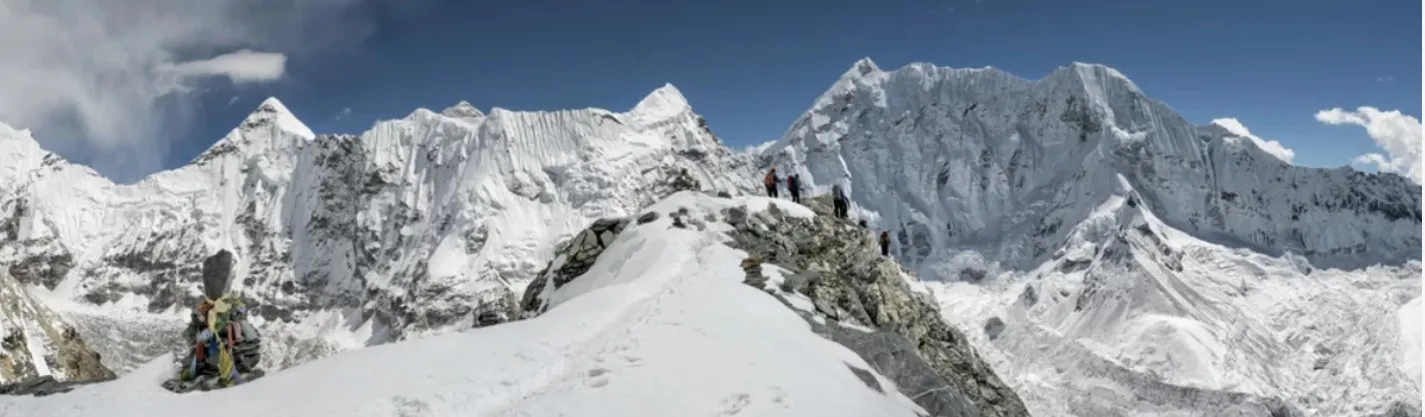
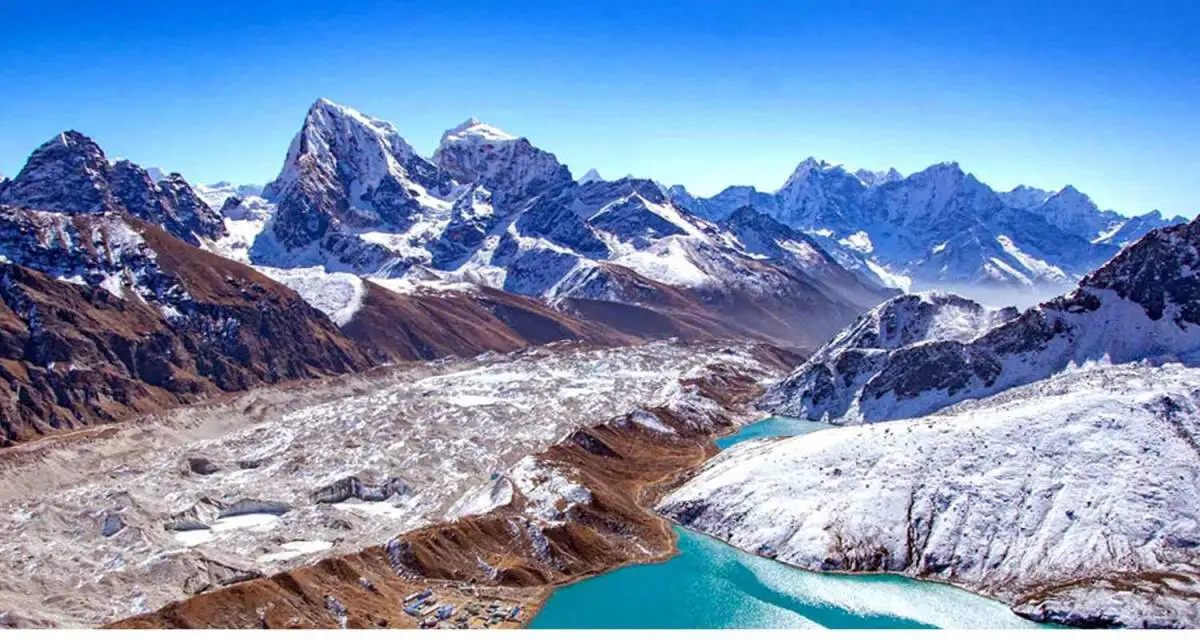
In November, Island Peak presents an enticing challenge amidst the serene landscapes of Nepal's Khumbu region. Situated at 6,189 meters (20,305 feet) above sea level, Island Peak offers climbers a blend of technical climbing and breathtaking Himalayan vistas.
November marks the tail end of the post-monsoon season in Nepal, providing favorable weather conditions for climbing. The skies are generally clear, offering excellent visibility of the surrounding peaks including Everest, Lhotse, and Ama Dablam. The temperatures are cold but manageable during the day, while nights can be chilly, especially at higher altitudes.
The journey to Island Peak typically begins with a thrilling flight from Kathmandu to Lukla, followed by a trek through picturesque Sherpa villages like Namche Bazaar, Tengboche, and Dingboche. Along the way, trekkers acclimatize gradually while immersing themselves in the rich Sherpa culture and stunning Himalayan landscapes adorned with autumn hues.
Embark on the ultimate adventure of a lifetime with the Mera and Island Peak Climbing expedition offered by We Sherpa Expedition and Trekking. This exhilarating package combines two iconic peaks in th...
As climbers approach Island Peak Base Camp, the landscape becomes more rugged and the air thinner. The ascent to the summit involves navigating through icy glaciers and scaling steep snow slopes using ropes and crampons under the guidance of experienced Sherpa guides.
Standing atop Island Peak's summit offers a sense of achievement and rewards climbers with panoramic views that extend as far as the eye can see. Descending back through the scenic trail, climbers return to Lukla with memories of an exhilarating Himalayan adventure in November, enriched by the natural beauty and cultural warmth of the Khumbu region.
I Never Climbed a Mountain: Can I Climb Island Peak In November?
Climbing Island Peak in November is feasible even for those with no prior mountain climbing experience, provided they undergo proper preparation and acclimatization. Island Peak is classified as a trekking peak rather than a technical climb, making it accessible to adventurers willing to learn basic mountaineering skills and in good physical condition.
November is considered a favorable time to climb Island Peak due to stable weather conditions in Nepal's Khumbu region. The post-monsoon season brings clear skies and mild daytime temperatures, ideal for trekking and climbing. However, climbers should be prepared for cold nights and occasional snowfall at higher altitudes.
Guided expeditions with experienced Sherpa guides offer essential support, including route guidance, equipment rental, and logistical arrangements. Training programs should focus on cardiovascular endurance, strength training for legs and core, and practicing with climbing gear like crampons and ice axes.
With determination, proper preparation, and support from guides, novice climbers can successfully summit Island Peak in November, enjoying panoramic views of the Himalayas from its 6,189-meter (20,305-foot) peak.
The Everest Three Passes with Island Peak Climbing is a challenging and thrilling trekking and climbing adventure in the Everest region of Nepal. It involves crossing three high mountain passes - Kong...
Packing Lists for Island Peak Climbing
Packing efficiently for Island Peak climbing ensures climbers are prepared for varying weather conditions and technical demands. Essential items include:
- Clothing: Layered clothing for warmth, including base layers, insulated jackets, waterproof pants, and windproof outer layers. Gloves, hats, and thermal socks are essential for cold temperatures.
- Footwear: Sturdy trekking boots with good ankle support and crampon-compatible for glacier travel. Gaiters help keep snow out of boots.
- Climbing Gear: Harness, helmet, crampons, ice axe, and ropes. Some items can be rented in Kathmandu or Lukla.
- Backpack: Durable backpack (40-50 liters) with rain cover for carrying essentials during the trek and summit push.
- Sleeping Gear: Sleeping bag rated for cold temperatures (down to -10°C/14°F) and sleeping pad for comfort.
- Personal Items: Headlamp with extra batteries, sunglasses with UV protection, sunscreen, lip balm, and toiletries.
- First Aid Kit: Including medications for altitude sickness, blister treatment, pain relief, and any personal medications.
- Miscellaneous: Trekking poles, water bottles or hydration system, snacks, and camera.
Packing lists should be tailored to personal comfort and requirements, considering weight restrictions imposed by airlines and trekking agencies.
Embark on an unforgettable journey to the heart of the Himalayas as you conquer three majestic peaks: Mera Peak, Island Peak, and Lobuche Peak. This ultimate adventure combines technical climbing, bre...
Tips to Climb Island Peak
Climbing Island Peak successfully requires thorough preparation and adherence to safety protocols. Essential tips include:
- Acclimatization: Gradual ascent with acclimatization days at key points like Namche Bazaar and Dingboche helps adjust to high altitudes and reduces the risk of altitude sickness.
- Hydration and Nutrition: Stay hydrated and eat a balanced diet rich in carbohydrates and proteins to maintain energy levels during the climb.
- Follow Guide’s Instructions: Experienced Sherpa guides provide valuable insights, route guidance, and ensure safety during the ascent.
- Weather Awareness: Monitor weather forecasts and plan summit attempts during periods of stable weather to ensure clear skies and minimal wind.
- Physical Fitness: Train beforehand with cardio exercises, strength training, and hikes with elevation gain to build endurance and stamina.
- Mental Preparation: Develop mental resilience to cope with physical challenges, changing weather conditions, and altitude-related discomfort.
- Safety First: Prioritize safety over summiting. Be prepared to turn back if weather conditions deteriorate or if you experience altitude-related health issues.
By incorporating these tips into preparation and during the climb, climbers can enhance their chances of a safe and successful ascent of Island Peak, while enjoying the spectacular beauty of the Himalayas.
This is a fantastic climbing expedition that takes you to the summit of "Island Peak (6,189m) situated between Amadablam and Lhotse mountains. This exciting adventure is jam-packed full of features an...
Training for Island Peak
Training for Island Peak involves a structured regimen to build strength, endurance, and acclimatization readiness for high-altitude trekking and technical climbing. Key aspects of training include:
- Cardiovascular Fitness: Engage in activities like hiking, running, cycling, or stair climbing to improve cardiovascular endurance.
- Strength Training: Focus on lower body strength (legs and core) with exercises such as squats, lunges, and deadlifts to prepare for steep ascents and descents.
- Flexibility and Balance: Incorporate yoga or stretching exercises to improve flexibility, balance, and reduce the risk of injuries during the climb.
- Altitude Simulation: If possible, simulate altitude conditions using altitude training masks or training at higher elevations to prepare for reduced oxygen levels.
- Practice with Gear: Familiarize yourself with using climbing gear such as crampons, ice axes, and ropes under the guidance of an experienced instructor.
- Hiking with Elevation Gain: Gradually increase hiking intensity and duration, focusing on trails with elevation gain to simulate the demands of trekking in the Himalayas.
- Mental Preparation: Develop mental resilience and positivity to cope with physical challenges, unpredictable weather, and altitude-related discomfort.
- Hydration and Nutrition: Practice hydrating adequately during training sessions and follow a balanced diet rich in carbohydrates, proteins, and healthy fats to fuel long days of trekking.
Training should commence at least 3-6 months before the expedition to build fitness gradually and allow time for recovery. Adjust training intensity based on individual fitness levels and specific goals for Island Peak climbing.
Why November Is Good to Climb Island Peak
November presents an excellent opportunity to climb Island Peak due to several favorable factors:
- Weather: Post-monsoon season in Nepal brings stable weather with clear skies and minimal precipitation, ideal for trekking and climbing.
- Visibility: Clear skies offer excellent visibility of the surrounding Himalayan peaks, including Everest, Lhotse, and Ama Dablam, enhancing the climbing experience.
- Temperature: Moderate daytime temperatures make trekking comfortable, although climbers should prepare for colder nights and occasional snowfall at higher altitudes.
- Crowds: Compared to peak climbing seasons in spring (March to May), November typically sees fewer climbers on the trail and at base camps, offering a quieter experience.
- Autumn Scenery: The landscape is adorned with autumn hues, with vibrant colors of rhododendrons and other alpine flora along the trekking route.
- Availability: Trekking agencies and accommodations are generally less crowded, providing more flexibility in itinerary planning and accommodations.
Climbing Island Peak in November allows climbers to enjoy the best of Himalayan trekking and mountaineering amidst favorable weather conditions and stunning natural beauty. With proper preparation, acclimatization, and support from experienced guides, November offers an ideal window to summit Island Peak and savor its breathtaking views from 6,189 meters (20,305 feet) above sea level.
This exhilarating and unforgettable trek for adventure seekers takes you to the summit of "Island Peak (6,189m) situated between Amadablam and Lhotse mountains. This amazing adventure is packed full o...
Island Peak Permit Cost
Climbing Island Peak involves obtaining several permits, which are necessary to comply with local regulations and support conservation efforts in the Everest region of Nepal. As of the latest updates, climbers require three main permits:
- Sagarmatha National Park Entry Permit: This permit costs approximately USD 30 per person and is mandatory for entering Sagarmatha National Park, where Island Peak is located.
- Khumbu Rural Municipality Fee: Approximately USD 20 per person, this fee supports local community projects within the Khumbu region.
- Island Peak Climbing Permit: Issued by the Nepal Mountaineering Association (NMA), this permit costs USD 350 for a group of up to 4 members. For each additional member beyond 4, an extra USD 40 per person is charged up to a maximum of 10 members per group.
These permit fees contribute to maintaining trails, conserving the environment, and supporting local communities. It's essential to obtain permits through a registered trekking agency, which handles the paperwork and ensures compliance with permit regulations.
Permit, Guide, and Porter for Island Peak
Engaging a permit, guide, and porter is highly recommended for climbers tackling Island Peak to enhance safety, logistical support, and cultural enrichment. Permits include the Sagarmatha National Park Entry Permit, Khumbu Rural Municipality Fee, and the Island Peak Climbing Permit issued by the Nepal Mountaineering Association (NMA).
Experienced guides play a crucial role in navigating the challenging terrain, ensuring proper acclimatization, and providing valuable insights into Sherpa culture. They manage logistics, such as securing permits, arranging accommodations, and coordinating meals, allowing climbers to focus on the climb.
Porters are essential for carrying trekking equipment, supplies, and personal belongings between overnight stops. Hiring porters through registered trekking agencies ensures fair wages and alleviates the physical burden on climbers, enhancing comfort and safety during the expedition.
This is a must for those adventurers–seekers who are physically fit or have previous climbing experience. This is one adventure that will make your toes curl and give you an adrenalin rush as you clim...
How Much Does it Cost to Climb Island Peak
The cost of climbing Island Peak varies depending on factors such as the trekking agency, itinerary, services included, and group size. On average, a guided expedition to Island Peak can cost between USD 2,500 to USD 5,000 per person.
Costs typically cover permits (Sagarmatha National Park, Khumbu Rural Municipality, and Island Peak Climbing Permit), accommodations during the trek, meals, guide and porter services, transportation (including flights to Lukla), and necessary climbing equipment rental.
Additional expenses may include travel insurance, personal gear, tips for guides and porters, and optional expenses in Kathmandu or during the trek.
Choosing a reputable trekking agency is crucial for ensuring safety, quality of services, and adherence to ethical practices. Agencies typically offer different package options, including basic and deluxe packages, allowing climbers to choose based on their preferences and budget.
Altitude Sickness with Acclimatization
Altitude sickness, also known as acute mountain sickness (AMS), is a concern when climbing Island Peak due to its high altitude of 6,189 meters (20,305 feet). AMS occurs when the body fails to acclimatize properly to reduced oxygen levels at high altitudes, leading to symptoms such as headache, nausea, dizziness, and fatigue.
Proper acclimatization is crucial for preventing altitude sickness. Climbers should follow a gradual ascent profile, allowing time for the body to adjust to increasing altitude. This involves incorporating rest days at strategic points along the trekking route, such as Namche Bazaar, Dingboche, and Chhukung, to aid acclimatization.
Hydration is essential at high altitudes, as dehydration can exacerbate AMS symptoms. Climbers should drink plenty of fluids, avoid alcohol, and eat a balanced diet rich in carbohydrates and proteins.
Guides monitor climbers for signs of altitude sickness and adjust the itinerary as needed to ensure safety. In severe cases, climbers may need to descend to lower altitudes or seek medical attention.
With proper acclimatization, hydration, and awareness of AMS symptoms, climbers can minimize the risk of altitude sickness and enjoy a safe and successful ascent of Island Peak.
Many of us only dream of standing on a tall peak looking down on the world. This is a great climb that will satisfy this desire. Island Peak, also referred to as Imja Tse, is a 6187-meter high peak in...
Island Peak Climbing Weather in November
November is an optimal time for climbing Island Peak due to favorable weather conditions in the Everest region of Nepal. As the post-monsoon season concludes, climbers can expect clear skies, reduced precipitation, and stable weather patterns. Daytime temperatures in lower elevations like Lukla and Namche Bazaar are mild and comfortable for trekking, ranging from 10°C to 15°C (50°F to 59°F). However, temperatures drop significantly at higher altitudes, with nighttime temperatures often falling below freezing.
In terms of precipitation, November sees minimal rainfall and snowfall, which enhances visibility and trekking conditions along the route to Island Peak Base Camp. The stable weather allows for clear views of the surrounding Himalayan peaks, including Everest, Lhotse, and Ama Dablam, providing climbers with breathtaking vistas throughout the expedition.
While weather in the mountains can be unpredictable, November offers a relatively reliable window for climbing Island Peak, making it a popular choice among mountaineers seeking a challenging yet rewarding adventure in the Himalayas.
Highlights of Island Peak Climbing in November
Climbing Island Peak in November offers a multitude of highlights that make the experience truly memorable:
- Clear Views: The post-monsoon season brings clear skies, offering panoramic views of iconic Himalayan peaks such as Everest, Nuptse, and Makalu from various vantage points along the trek.
- Cultural Immersion: Trekking through Sherpa villages like Namche Bazaar and Dingboche allows climbers to immerse themselves in Sherpa culture, visiting monasteries and experiencing local hospitality.
- Technical Challenge: Island Peak presents moderate technical challenges, including traversing glaciers, ascending steep snow slopes, and using basic mountaineering equipment like crampons and ropes.
- Summit Achievement: Standing atop Island Peak's summit at 6,189 meters (20,305 feet) provides a sense of accomplishment and rewards climbers with panoramic views of the Himalayan range stretching into Tibet.
- Natural Beauty: The landscape in November is adorned with autumn hues of golden and red, complemented by blooming rhododendrons and other alpine flora, enhancing the scenic beauty of the trek.
Overall, Island Peak in November offers a perfect blend of adventure, cultural immersion, and natural beauty, making it a cherished experience for climbers seeking an unforgettable Himalayan expedition.
Lobuche Peak Expedition is an exciting and challenging adventure that attracts mountaineers from all over the world. Located in the Khumbu region of Nepal, Lobuche Peak stands tall at an elevation of...
How Difficult is Climbing Island Peak? Can We Do Everest Base Camp with Island Peak?
Climbing Island Peak is considered moderately challenging and suitable for climbers with prior trekking experience and basic mountaineering skills. The ascent involves technical sections such as crossing glaciers and ascending steep snow and ice slopes, which require the use of ropes, crampons, and ice axes.
While Island Peak itself is not highly technical compared to other peaks in the region, climbers should be prepared for physical exertion and exposure to high altitude. Proper acclimatization is essential to reduce the risk of altitude sickness, with gradual ascent and rest days built into the itinerary.
Combining Island Peak with Everest Base Camp trek is a popular choice among adventurers. The trek to Everest Base Camp provides acclimatization and allows climbers to experience iconic landmarks like Namche Bazaar, Tengboche Monastery, and the Khumbu Glacier. After reaching Everest Base Camp, climbers typically continue to Island Peak Base Camp for the ascent.
The combined trek to Everest Base Camp and Island Peak offers a comprehensive Himalayan experience, blending cultural immersion with mountaineering challenges, and culminating in a rewarding summit attempt.
Conclusion
Climbing Island Peak in November is a remarkable adventure that combines technical challenge with awe-inspiring natural beauty and cultural immersion in the Everest region of Nepal. With favorable weather conditions, clear skies, and stunning vistas of the Himalayas, November provides an ideal window for climbers to summit Island Peak and experience the thrill of standing atop a 6,189-meter peak.
Lobuche Peak is a popular trekking peak located in the Khumbu region of Nepal, with an elevation of 6,119 meters. It is known for its stunning panoramic views of Mount Everest, Lhotse, Nuptse, Ama Dab...
The journey involves careful preparation, including obtaining permits, hiring experienced guides and porters, and packing essential gear. Climbers should focus on physical fitness, acclimatization, and adhering to safety protocols to ensure a safe and successful ascent.
Whether it's admiring panoramic mountain views, exploring Sherpa villages, or conquering technical terrain, Island Peak in November promises an unforgettable Himalayan experience for adventurers seeking a challenging yet rewarding expedition in one of the world's most spectacular mountain ranges.
Island Peak Climbing Packages
Island Peak Climbing
EBC With Island Peak Climbing
19 Days Island Peak Climbing
Island Peak Summit Return By Helicopter
Island Peak Expedition 14 Days
Island Peak Expedition 15 Days
Three Peak Expedition
Everest Three Pass with Island Peak Climbing
Mera And Island Peak Climbing
Island And Lobuche Peak Climbing
This is an excellent opportunity to climb Nepal’s highest peak without having to obtain a permit (6,476m/21,190ft). From the summit, you will have stunning views of several 8000m plus peaks, such as E...