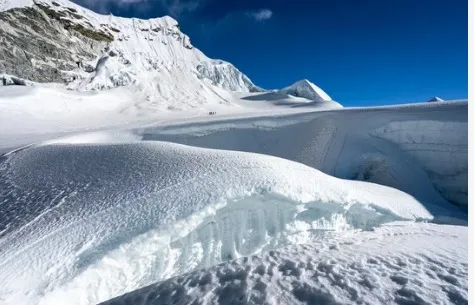
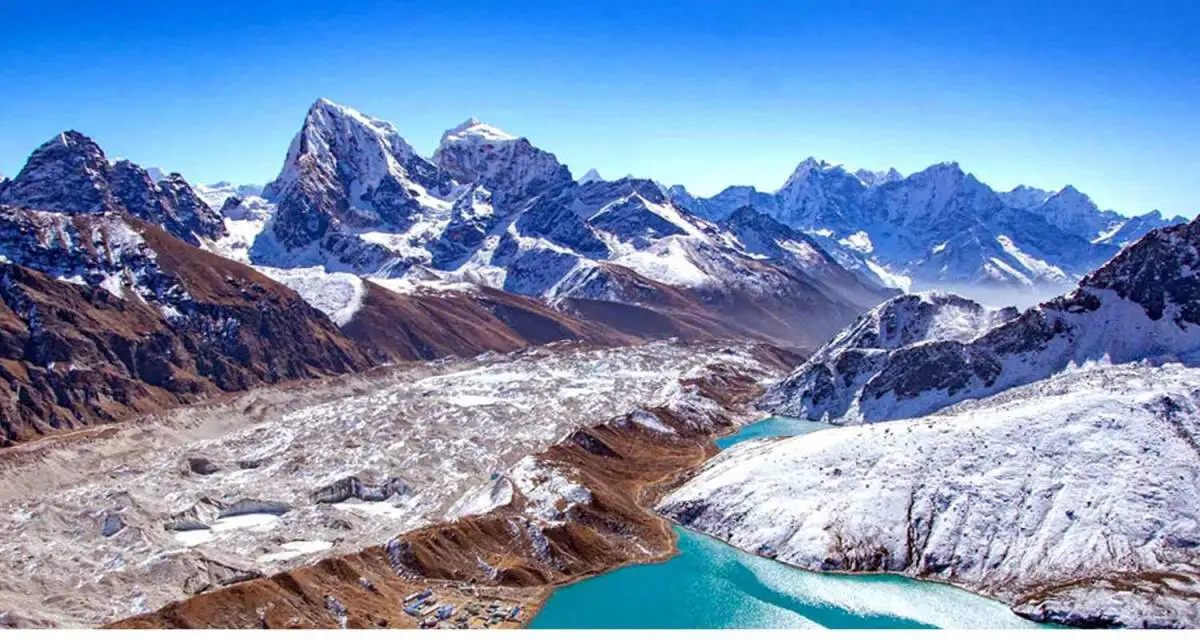
In July, Island Peak beckons adventurers with its rugged allure amidst Nepal's monsoon season. Standing proudly at 6,189 meters (20,305 feet), this iconic peak, also known as Imja Tse, offers a challenging yet rewarding climb in the heart of the Everest region.
The journey begins in Kathmandu, where climbers soak in the bustling atmosphere of Nepal's capital city before taking a scenic flight to Lukla. From Lukla, the trek winds through lush green valleys adorned with blooming rhododendrons, creating a picturesque backdrop against the misty Himalayan foothills.
July marks the onset of the monsoon in Nepal, bringing intermittent rain showers and cloud-covered skies. Despite the unpredictable weather, the route to Everest Base Camp and eventually to Island Peak Base Camp offers a tranquil setting with cascading waterfalls and vibrant landscapes rejuvenated by the rain.
This is a fantastic climbing expedition that takes you to the summit of "Island Peak (6,189m) situated between Amadablam and Lhotse mountains. This exciting adventure is jam-packed full of features an...
Acclimatization becomes crucial as climbers ascend higher into the Khumbu Valley, preparing for the technical challenges of Island Peak. The climb requires proficiency in using crampons, ropes, and ice axes to navigate steep snow and ice slopes. While the monsoon season brings wetter conditions, clear weather windows between rain showers can offer breathtaking views of Everest, Lhotse, and Makalu from higher altitudes.
Summit day on Island Peak is a test of endurance and determination, with climbers pushing themselves to reach the summit amidst swirling clouds and fleeting glimpses of distant peaks. The summit rewards climbers with panoramic vistas that stretch across the Khumbu Valley, a testament to their perseverance in the face of challenging weather.
Descending through the lush greenery of the Khumbu Valley, climbers reflect on their journey, enriched by the camaraderie forged on the trail and the raw beauty of Nepal's monsoon landscape. Island Peak in July is not just a climb; it's an immersive adventure that blends physical challenge with the serene majesty of the Himalayas during a unique and lesser-explored season.
What Time of Year is Best to Climb Island Peak?
The best times to climb Island Peak, located in the Everest region of Nepal, are during the pre-monsoon (spring) and post-monsoon (autumn) seasons. Spring, from March to May, offers stable weather with clear skies, moderate temperatures, and minimal precipitation. These conditions provide excellent visibility and relatively safe climbing conditions, making it the preferred season for many climbers.
Autumn, from September to November, also presents favorable weather conditions characterized by clear skies and cooler temperatures compared to spring. The autumn season offers stunning views of the Himalayan peaks, especially during the early mornings and evenings when the light enhances their beauty.
This exhilarating and unforgettable trek for adventure seekers takes you to the summit of "Island Peak (6,189m) situated between Amadablam and Lhotse mountains. This amazing adventure is packed full o...
Climbing Island Peak during these seasons reduces the risk of encountering adverse weather conditions such as heavy snowfall or monsoon rains, which can make the ascent more challenging and dangerous. While it is possible to climb Island Peak during other times of the year, such as in the summer or winter, these seasons generally bring more unpredictable weather and colder temperatures, requiring climbers to be more prepared for harsher conditions.
Can a Beginner Climb the Island Peak?
Island Peak is considered one of the more accessible 6,000-meter peaks in the Everest region, but it still requires climbers to have a moderate level of mountaineering experience and physical fitness. While beginners can attempt Island Peak, it is recommended that they have some prior experience with high-altitude trekking and basic mountaineering skills.
The climb to Island Peak involves technical elements such as using crampons, ropes, and ice axes to navigate steep snow and ice slopes. Climbers should also be prepared for the physical demands of ascending to high altitudes, including acclimatization to prevent altitude sickness.
For beginners, it is advisable to undertake thorough preparation and training before attempting Island Peak. This includes cardiovascular exercises to build endurance, strength training to prepare for carrying loads and using climbing gear, and practicing basic mountaineering skills under the guidance of experienced guides.
Hiring a reputable trekking agency that provides experienced guides and support staff can also enhance the safety and success of a beginner's climb to Island Peak. With proper preparation, guidance, and determination, beginners can achieve the rewarding experience of summiting this iconic Himalayan peak.
This is a must for those adventurers–seekers who are physically fit or have previous climbing experience. This is one adventure that will make your toes curl and give you an adrenalin rush as you clim...
Can You Climb Everest in July?
July is generally not considered a suitable month to climb Mount Everest due to the onset of the monsoon season in Nepal. The monsoon brings heavy rainfall, cloud cover, and unstable weather conditions, which significantly increase the risks and challenges associated with climbing the world's highest peak.
During July, the Everest region experiences frequent precipitation, leading to slippery and hazardous trekking routes, increased avalanche danger, and reduced visibility. The monsoon rains also contribute to higher humidity levels and colder temperatures at higher elevations, making it more difficult for climbers to acclimatize and safely ascend the mountain.
Most climbing expeditions to Mount Everest are typically scheduled during the spring (March to May) and autumn (September to November) seasons. These periods offer more stable weather conditions, clear skies, and optimal climbing opportunities with lower risks of encountering adverse weather or natural hazards.
While some expeditions may attempt Everest in the summer months, climbers and expedition leaders must carefully assess weather forecasts and conditions to make informed decisions about safety and feasibility. Climbing Everest in July requires meticulous planning, experienced guides, and a high level of skill and resilience to navigate the challenges posed by the monsoon season.
What is the Difficulty Grade for Island Peak?
Island Peak is classified as a moderately difficult peak to climb, suitable for climbers with previous trekking and basic mountaineering experience. The difficulty of climbing Island Peak lies primarily in its technical aspects, including steep snow and ice slopes that require the use of crampons, ropes, and ice axes.
The climb to Island Peak also involves navigating through rocky terrain and crevassed glaciers, which demand concentration and physical stamina. Climbers must be able to manage their gear, maintain balance on challenging surfaces, and make strategic decisions to ensure safety and progress during the ascent.
In terms of grading, Island Peak is typically rated as PD+ (peu difficile plus) on the French Alpine Grading System. This indicates a moderately difficult climb that requires careful planning, proper acclimatization, and proficiency in using mountaineering equipment.
While Island Peak is accessible to climbers with moderate experience, it is important to note that the difficulty level can vary depending on weather conditions and individual fitness levels. Hiring experienced guides and joining a well-organized expedition can greatly enhance safety and the overall climbing experience on Island Peak.
Many of us only dream of standing on a tall peak looking down on the world. This is a great climb that will satisfy this desire. Island Peak, also referred to as Imja Tse, is a 6187-meter high peak in...
Island Peak Climbing Weather in July
July marks the beginning of the monsoon season in Nepal, bringing significant changes to the weather conditions for climbers attempting Island Peak. The month is characterized by increased precipitation, frequent rain showers, and cloudy skies throughout the Everest region. These weather patterns create challenging conditions for trekking and climbing, with trails becoming muddy and slippery, and reduced visibility at higher altitudes.
Climbers can expect cooler temperatures at lower elevations due to the rain and humidity, while higher altitudes may experience colder temperatures with occasional snowfall. The monsoon also brings higher levels of humidity, which can affect comfort levels and increase the risk of hypothermia if not properly prepared.
Despite the challenging weather, July offers its own unique beauty and quieter trails compared to the peak seasons. The landscapes are lush and vibrant, with blooming rhododendrons and cascading waterfalls adding to the scenery. Clearing skies between rain showers may provide brief glimpses of the surrounding Himalayan peaks, offering rewarding moments for climbers.
Highlights of Island Peak Climbing in July
Climbing Island Peak in July presents a unique adventure amidst Nepal's monsoon season, offering quieter trails and lush landscapes. The journey begins with a scenic flight to Lukla, followed by a trek through verdant valleys and dense forests adorned with colorful rhododendrons in bloom.
July's monsoon rains rejuvenate the Everest region, creating cascading waterfalls and vibrant greenery along the trekking route. While the weather can be unpredictable, with frequent rain showers and cloudy skies, clear weather windows between storms reveal stunning views of snow-capped peaks like Everest, Lhotse, and Makalu.
The climb to Island Peak demands physical endurance and technical skill, navigating steep snow and ice slopes using crampons and ropes. Summit day offers a challenging ascent amidst swirling clouds, culminating in panoramic views from 6,189 meters (20,305 feet) above sea level.
Descending through the Khumbu Valley, climbers reflect on their achievement, enriched by the camaraderie forged on the trail and the natural beauty of Nepal's monsoon landscape. Island Peak in July is not just a climb; it's an immersive journey that blends adventure with the serene majesty of the Himalayas during a unique and lesser-explored season.
The Island Peak Expedition is an exhilarating mountaineering adventure that takes climbers to the summit of Island Peak, also known as Imja Tse. The peak is located in the Khumbu region of Nepal and s...
How Difficult is Climbing Island Peak?
Climbing Island Peak is considered moderately challenging and requires climbers to have previous trekking experience and a good level of physical fitness. The difficulty of the climb lies in its technical aspects, including navigating steep snow and ice slopes, rocky terrain, and crevassed glaciers.
The ascent to Island Peak involves using climbing equipment such as crampons, ice axes, and ropes to safely navigate the challenging terrain. Climbers must also be prepared for variable weather conditions, which can include cold temperatures, high winds, and occasional snowfall, especially during the monsoon season.
While Island Peak is accessible to climbers with moderate mountaineering experience, it is important to undergo proper acclimatization and training before attempting the ascent. Acclimatization involves gradually ascending to higher altitudes and allowing the body time to adjust to reduced oxygen levels, reducing the risk of altitude sickness.
Hiring an experienced guide and joining a reputable trekking agency can enhance safety and success on Island Peak. With careful planning, physical preparation, and determination, climbers can conquer the challenges of Island Peak and experience the thrill of summiting one of Nepal's iconic Himalayan peaks.
Can We Do Everest Base Camp with Island Peak?
Combining a trek to Everest Base Camp (EBC) with a climb of Island Peak offers a comprehensive adventure in the Everest region of Nepal. The journey typically begins with a flight from Kathmandu to Lukla, followed by a trek through picturesque Sherpa villages, dense forests, and scenic valleys to reach Everest Base Camp.
At Everest Base Camp, climbers acclimatize to the altitude and prepare for the technical ascent of Island Peak. The climb to Island Peak involves navigating steep snow and ice slopes using crampons, ropes, and ice axes, requiring moderate mountaineering skills and physical fitness.
The route from Everest Base Camp to Island Peak Base Camp passes through stunning landscapes with panoramic views of Everest, Lhotse, and Nuptse. Climbers experience the rich Sherpa culture, visit ancient monasteries, and traverse glacial moraines before reaching the base camp of Island Peak.
Summiting Island Peak is a challenging yet rewarding experience, offering breathtaking views from the summit at 6,189 meters (20,305 feet) above sea level. Climbers descend through the Khumbu Valley, reflecting on their achievement and the natural beauty of the Himalayas.
Combining Everest Base Camp with Island Peak allows adventurers to explore two iconic destinations in a single expedition, blending the thrill of high-altitude trekking with the challenge of technical mountaineering in the heart of the Everest region.
Island Peak Climbing is an exciting adventure that takes climbers to the summit of Island Peak, also known as Imja Tse. The peak is located in the Khumbu region of Nepal and stands at an elevation of...
I Never Climbed a Mountain: Can I Climb Island Peak?
Climbing Island Peak, while challenging, is feasible for individuals with no previous mountaineering experience provided they have good physical fitness, determination, and are willing to undergo proper training and preparation. Island Peak is often considered a suitable introductory peak for aspiring mountaineers due to its moderate technical difficulty and the support of experienced guides.
Before attempting Island Peak, beginners should engage in a structured training regimen that includes cardiovascular exercises to build endurance, strength training to prepare for carrying loads and using climbing equipment, and practicing basic mountaineering skills under the guidance of experienced instructors.
Acclimatization is crucial to prevent altitude sickness, so climbers should plan for gradual ascent and rest days along the trekking route. Hiring a reputable trekking agency that provides experienced guides and support staff can also enhance safety and the overall climbing experience.
While climbing Island Peak requires determination and physical exertion, reaching the summit offers a sense of accomplishment and breathtaking views of the Everest region. With proper preparation, guidance, and a positive mindset, beginners can embark on a rewarding journey to conquer Island Peak and experience the awe-inspiring beauty of the Himalayas
Island Climbing Peak Permit Cost
Obtaining permits to climb Island Peak is essential for all climbers venturing into the Everest region of Nepal. The permit costs vary depending on the season and regulations set by the Nepalese government. As of recent updates, climbers typically need to acquire a Sagarmatha National Park entry permit and a climbing permit for Island Peak itself.
The Sagarmatha National Park entry permit costs around USD 30 per person per entry. For Island Peak climbing permits, the cost varies depending on the season. During the peak climbing seasons of spring (March to May) and autumn (September to November), climbing permits for Island Peak can range from USD 250 to USD 500 per person. In contrast, during the off-peak seasons such as summer and winter, climbing permits may be cheaper, around USD 125 to USD 250 per person.
It's important for climbers to obtain these permits through a registered trekking agency or through the Department of Immigration in Kathmandu. Trekking agencies typically assist in arranging all necessary permits as part of their services, ensuring climbers adhere to local regulations and conservation efforts.
This is an excellent opportunity to climb Nepal’s highest peak without having to obtain a permit (6,476m/21,190ft). From the summit, you will have stunning views of several 8000m plus peaks, such as E...
Permit, Guide, and Porter for Island Peak
When planning to climb Island Peak, hiring a guide and porter through a reputable trekking agency is highly recommended for safety, navigation, and logistical support. Guides are essential for their expertise in the terrain, weather conditions, and emergency procedures in the high-altitude environment of the Everest region.
The cost of hiring a guide for Island Peak varies depending on their experience and the services included in the package. On average, the daily rate for a professional guide ranges from USD 25 to USD 50 per day. Guides assist climbers throughout the expedition, providing guidance on route selection, safety precautions, and using climbing equipment.
Porters are also valuable for carrying equipment and supplies, allowing climbers to focus on the ascent. The cost of hiring a porter varies based on the weight they carry and the duration of the trek. Porters typically charge around USD 15 to USD 25 per day, depending on the trekking route and season.
Choosing a trekking agency that includes guides and porters in their package ensures climbers receive comprehensive support throughout the expedition. Guides and porters play a crucial role in enhancing safety, comfort, and the overall experience of climbing Island Peak.
How Much Does it Cost to Climb Island Peak?
The total cost of climbing Island Peak varies depending on several factors, including permits, guide and porter fees, equipment rental or purchase, accommodation, meals, transportation, and miscellaneous expenses. On average, climbers can expect to budget between USD 2,500 to USD 6,000 per person for an Island Peak expedition.
Key cost considerations include:
- Permits: USD 250 to USD 500 for Island Peak climbing permit (varies by season).
- Guide and Porter: USD 25 to USD 50 per day for a guide; USD 15 to USD 25 per day for a porter.
- Accommodation and Meals: Costs vary depending on the trekking route and lodge accommodations. Budget approximately USD 20 to USD 50 per day for meals and lodging.
- Equipment: Rental or purchase costs for climbing gear like crampons, ice axes, harnesses, and helmets. Budget around USD 100 to USD 300 for gear rental.
- Transportation: Includes flights from Kathmandu to Lukla (round-trip) and any ground transportation during the trek. Budget approximately USD 300 to USD 500 for flights.
Additional costs may include travel insurance, visa fees, tips for guides and porters, and personal expenses. Climbers should plan and budget carefully, considering both essential and optional expenses to ensure a safe and enjoyable expedition.
This is a real mountain climbing adventure that will leave you in awe of the beauty of the Himalayan Mountains. The Lobuche Peak Climbing expedition in the Khumbu region of Nepal has been ranked by Lo...
Altitude Sickness with Acclimatization
Altitude sickness, also known as acute mountain sickness (AMS), is a common concern for climbers ascending to high altitudes such as Island Peak. It occurs when the body fails to acclimatize properly to reduced oxygen levels at higher elevations, typically above 2,500 meters (8,200 feet).
Symptoms of AMS can include headaches, nausea, dizziness, fatigue, and difficulty sleeping. In severe cases, AMS can progress to more serious conditions such as high altitude pulmonary edema (HAPE) or high altitude cerebral edema (HACE), which require immediate descent and medical attention.
To prevent altitude sickness, climbers should practice gradual acclimatization by ascending slowly and allowing time for the body to adjust to higher altitudes. It is recommended to schedule rest days during the trek to higher elevations, giving the body time to acclimatize and recover.
Staying hydrated is crucial at high altitudes, so climbers should drink plenty of fluids, preferably water or electrolyte solutions, to maintain hydration. Avoiding alcohol and caffeine can help prevent dehydration, which exacerbates the symptoms of AMS.
Medications such as acetazolamide (Diamox) may be prescribed by a healthcare provider to help prevent and alleviate symptoms of altitude sickness. Climbers should consult with a doctor before taking any medications and be aware of potential side effects.
Overall, awareness of altitude sickness symptoms, practicing gradual acclimatization, staying hydrated, and monitoring physical condition are essential for a safe and successful ascent of Island Peak.
I Never Climbed a Mountain: Can I Climb Island Peak?
Climbing Island Peak is achievable for individuals with no previous mountaineering experience, provided they have good physical fitness, mental determination, and are willing to undergo thorough training and preparation. Island Peak, standing at 6,189 meters (20,305 feet), is often considered a suitable introductory peak for aspiring mountaineers due to its moderate technical difficulty and the support available from experienced guides.
Before attempting Island Peak, beginners should engage in a structured training program that includes cardiovascular exercises to build endurance, strength training to prepare for carrying loads and using climbing equipment, and practicing basic mountaineering skills such as using crampons and ice axes.
Acclimatization is critical to prevent altitude sickness, so climbers should plan for gradual ascent and rest days along the trekking route. Hiring a reputable trekking agency that provides experienced guides and support staff can significantly enhance safety and the overall climbing experience.
While climbing Island Peak requires determination and physical exertion, reaching the summit offers a sense of accomplishment and breathtaking views of the Everest region. With proper preparation, guidance, and a positive mindset, beginners can embark on a rewarding journey to conquer Island Peak and experience the awe-inspiring beauty of the Himalayas.
Many of us dream of standing on top of a mountain and looking down on the world. Well, here is a chance for you to fulfill this dream! All that is required is for you to be physically fit and preferab...
Packing Lists for Island Peak Climbing
Packing for an Island Peak expedition requires careful consideration of essential gear to ensure safety, comfort, and success in challenging Himalayan conditions. Here’s a comprehensive packing list:
Clothing:
- Base layers: Moisture-wicking tops and bottoms.
- Insulating layers: Fleece jackets or down jackets.
- Outer shell: Waterproof and windproof jacket and pants.
- Headwear: Warm hat, sun hat, and buffs or neck gaiters.
- Gloves: Insulated gloves and liner gloves.
- Footwear: Mountaineering boots with crampon compatibility, gaiters, and trekking socks.
- Trekking attire: Comfortable trekking pants and shirts.
- Undergarments: Moisture-wicking and comfortable.
Climbing Gear:
- Climbing helmet
- Climbing harness
- Crampons
- Ice axe
- Trekking poles
- Locking carabiners and quickdraws
- Prusik loops and cord
Accessories:
- Sunglasses with UV protection
- Headlamp with extra batteries
- Sleeping bag suitable for cold temperatures
- Duffel bags or backpacks
- Waterproof stuff sacks or dry bags
Personal Items:
- Sunscreen and lip balm with high SPF
- Personal hygiene items
- First aid kit with altitude sickness medication
- Snacks and energy bars
- Water bottles or hydration systems
Miscellaneous:
- Travel documents and permits
- Cash in Nepalese rupees
- Camera or smartphone for capturing memories
Tips to Climb Island Peak
Climbing Island Peak requires physical preparation, technical skills, and careful planning. Here are essential tips for a successful ascent:
- Physical Fitness: Engage in cardiovascular exercises like hiking, running, and cycling to build endurance. Strength training for core and lower body muscles is crucial for carrying gear.
- Altitude Acclimatization: Gradually ascend to higher altitudes to acclimatize. Incorporate rest days into the itinerary to allow the body to adjust to reduced oxygen levels.
- Technical Skills: Familiarize yourself with using crampons, ice axes, and ropes. Practice climbing techniques and self-arrest maneuvers under the guidance of experienced instructors.
- Weather Awareness: Monitor weather forecasts and plan climbs during stable weather windows. Be prepared for sudden changes in weather conditions in the Himalayas.
- Hydration and Nutrition: Stay hydrated by drinking plenty of fluids and eat nutritious meals to maintain energy levels. Avoid alcohol and caffeine, which can contribute to dehydration.
- Safety First: Follow the guidance of experienced guides and trekking agencies. Know emergency procedures and signs of altitude sickness. Carry a first aid kit and communication devices.
Embark on an unforgettable journey to the heart of the Himalayas as you conquer three majestic peaks: Mera Peak, Island Peak, and Lobuche Peak. This ultimate adventure combines technical climbing, bre...
Training for Island Peak
Training for Island Peak involves a comprehensive regimen to build strength, endurance, and technical skills necessary for high-altitude mountaineering. Here’s a training outline:
- Cardiovascular Conditioning: Hike, run, or cycle regularly to improve aerobic fitness and stamina for long days of trekking and climbing.
- Strength Training: Focus on lower body strength with exercises like squats, lunges, and step-ups. Incorporate core exercises for stability and balance.
- Endurance Training: Plan longer hikes or treks with elevation gain to simulate the physical demands of trekking at high altitudes.
- Technical Skills Practice: Attend mountaineering courses or workshops to learn basic skills such as using crampons, ice axes, and rope techniques.
- Altitude Simulation: If possible, practice hiking or climbing at higher elevations to experience reduced oxygen levels and acclimatize your body.
- Flexibility and Mobility: Include stretching and yoga sessions to improve flexibility, prevent injuries, and aid recovery after strenuous training sessions.
Training should be gradual and progressive, allowing sufficient time for rest and recovery between workouts. Consult with a fitness trainer or mountaineering expert to tailor a training plan based on your fitness level and climbing goals.
Final Say
Climbing Island Peak is a challenging yet immensely rewarding experience in the heart of the Himalayas. From the lush valleys of the Everest region to the exhilarating ascent of steep snow and ice slopes, every step of the journey offers breathtaking scenery and personal triumph.
Preparation is key to a successful climb, from packing essential gear to training physically and mentally for the rigors of high-altitude mountaineering. With careful planning, the guidance of experienced guides, and a positive mindset, climbers can conquer Island Peak and savor the awe-inspiring beauty of Nepal's tallest peaks.
Embark on this journey with respect for the environment and local communities, leaving only footprints and taking home cherished memories of an adventure that transcends physical limits and connects you with the majestic Himalayan landscape.
Embark on the ultimate adventure of a lifetime with the Mera and Island Peak Climbing expedition offered by We Sherpa Expedition and Trekking. This exhilarating package combines two iconic peaks in th...
Island Peak Climbing Packages
Island Peak Climbing
EBC With Island Peak Climbing
19 Days Island Peak Climbing
Island Peak Summit Return By Helicopter
Island Peak Expedition 14 Days
Island Peak Expedition 15 Days
Three Peak Expedition
Everest Three Pass with Island Peak Climbing
Mera And Island Peak Climbing