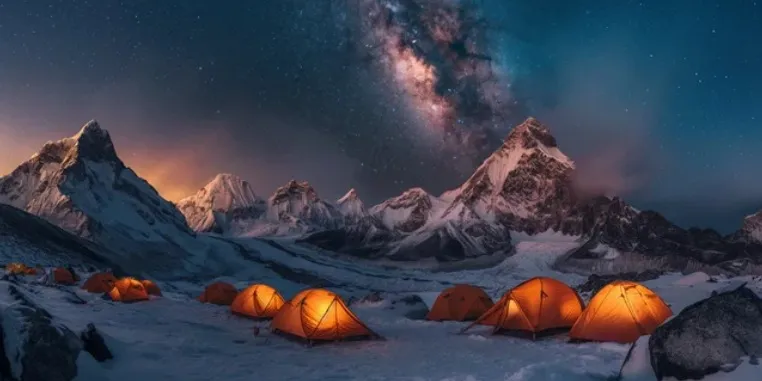
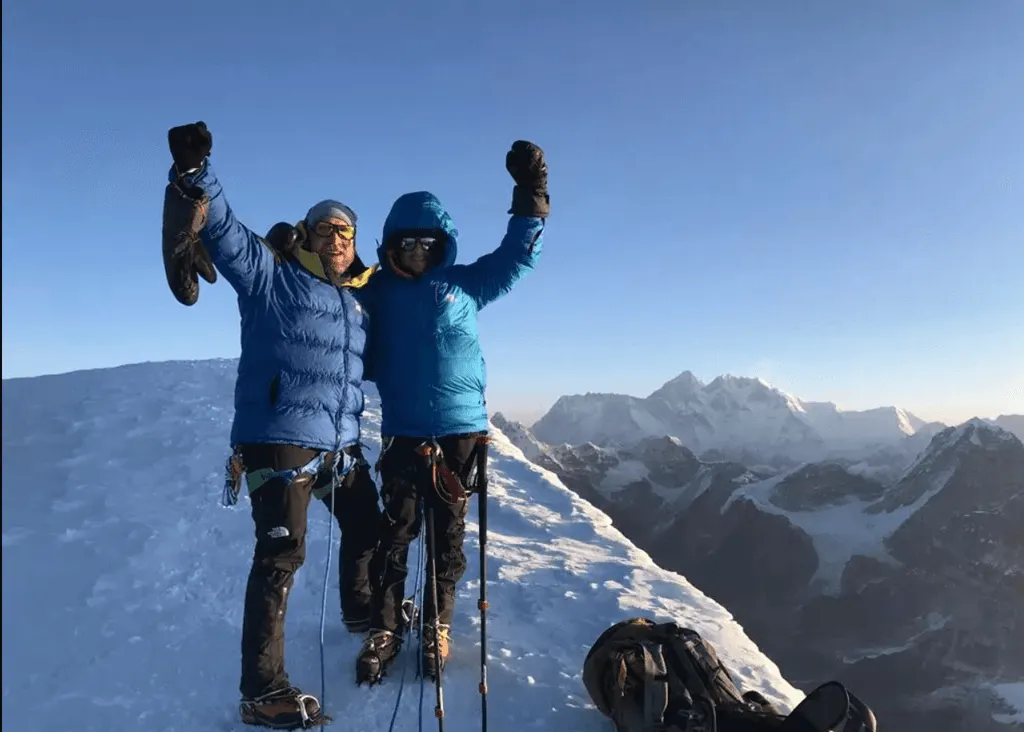
Climbing Island Peak in January presents an adventurous challenge amidst the serene winter landscape of the Himalayas. Standing proudly at 6,189 meters (20,305 feet), Island Peak, or Imja Tse, beckons climbers with its snow-covered slopes and panoramic views of the surrounding peaks.
January marks the heart of winter in Nepal, bringing cold temperatures and occasional snowfall to the Everest region. Despite the challenging weather conditions, January offers unique rewards for those willing to brave the elements and embark on this mountaineering journey.
The ascent begins with a trek through snowy trails and frost-covered landscapes, passing through traditional Sherpa villages adorned with icicles and blanketed in a quiet stillness. The route to Island Peak Base Camp involves navigating frozen rivers and snowy ridges, requiring careful footing and the use of crampons and trekking poles.
This is an excellent opportunity to climb Nepal’s highest peak without having to obtain a permit (6,476m/21,190ft). From the summit, you will have stunning views of several 8000m plus peaks, such as E...
At Base Camp, climbers acclimatize to the altitude and prepare for the challenging ascent ahead. The climb itself involves technical sections, including steep snow and ice slopes, often requiring the use of fixed ropes and ice axes. As climbers progress towards the summit, the views become increasingly dramatic, with clear winter skies revealing the distant peaks of Everest, Lhotse, and Makalu.
Summit day dawns cold and clear, offering a breathtaking sunrise from the top of Island Peak. The effort and determination required to reach the summit are rewarded with unparalleled views of the Himalayan range stretching out in all directions, glistening under the winter sun.
Climbing Island Peak in January is not just a physical challenge but a journey into the heart of winter wilderness, where solitude and perseverance are met with the awe-inspiring beauty of the world's highest mountains. It is an experience that tests climbers' skills and endurance while leaving lasting memories of conquering a Himalayan peak in its most pristine and demanding season.
What time of year is best to climb Island Peak?
Choosing the best time to climb Island Peak depends on various factors, including weather, climbing conditions, and personal preferences. Generally, the peak climbing seasons are in the spring (March to May) and autumn (September to November).
Spring Season (March to May): This is widely regarded as the best time to climb Island Peak. During spring, the weather in the Everest region stabilizes after the cold winter months, and the temperatures gradually warm up. The days are longer, offering more daylight hours for climbing, and the skies are typically clearer, providing stunning views of the Himalayan peaks.
Autumn Season (September to November): Another popular time for climbing, autumn brings stable weather conditions and mild temperatures. The post-monsoon period ensures clear skies and excellent visibility, making it ideal for trekking and climbing activities in the Himalayas.
Choosing between spring and autumn depends on individual preferences regarding weather, crowd levels, and overall trekking experience. Both seasons offer fantastic opportunities to conquer Island Peak amidst the awe-inspiring landscapes of the Everest region.
This is a real mountain climbing adventure that will leave you in awe of the beauty of the Himalayan Mountains. The Lobuche Peak Climbing expedition in the Khumbu region of Nepal has been ranked by Lo...
Can you climb Island Peak in January?
Yes, it is possible to climb Island Peak in January, although it presents significant challenges due to the winter conditions in the Himalayas during this time.
Weather Conditions: January is the middle of winter in Nepal, characterized by cold temperatures and occasional snowfall in the Everest region. Daytime temperatures at lower elevations can range from -10°C to 5°C (14°F to 41°F), with significantly colder conditions at higher altitudes. The nights are even colder, often dropping below freezing.
Snow and Ice: The trekking trails and climbing routes to Island Peak Base Camp and beyond are covered in snow and ice during January. This adds an additional layer of difficulty to the ascent, requiring climbers to navigate slippery paths and use specialized equipment like crampons and ice axes.
Technical Challenges: Climbing Island Peak in January involves more technical challenges than in other seasons. Sections of the route may require fixed ropes and careful navigation of crevasses and steep snow slopes.
Experience Required: Due to the challenging winter conditions, climbers attempting Island Peak in January should have previous mountaineering experience and be proficient in cold weather camping, snow travel, and glacier crossing techniques.
In summary, while climbing Island Peak in January is possible for experienced mountaineers seeking a winter adventure, it requires careful planning, appropriate gear, and a thorough understanding of the challenges posed by the Himalayan winter environment.
This is a fantastic climbing expedition that takes you to the summit of "Island Peak (6,189m) situated between Amadablam and Lhotse mountains. This exciting adventure is jam-packed full of features an...
Can a beginner climb Island Peak?
Island Peak, also known as Imja Tse, is considered a suitable peak for beginners who are looking to venture into Himalayan mountaineering under the guidance of experienced guides. Here are key considerations for beginners considering climbing Island Peak:
Technical Difficulty: Island Peak is classified as a trekking peak by the Nepal Mountaineering Association (NMA). While it does require some basic mountaineering skills such as using crampons, ice axes, and fixed ropes, it does not demand advanced technical climbing experience. The ascent involves negotiating mixed terrain including rocky paths, glacier crossings, and steep snow slopes.
Guided Expeditions: Most beginners opt to join guided expeditions led by experienced Sherpa guides. These guides provide essential support, instruction on mountaineering techniques, and ensure safety throughout the climb. They also handle logistics such as permits, accommodations, and equipment, allowing climbers to focus on the experience.
Physical Fitness: While Island Peak is accessible to beginners, climbers should possess a good level of physical fitness and stamina. The climb involves long days of trekking and ascending to high altitudes, requiring endurance and mental resilience.
Acclimatization: Proper acclimatization is crucial for climbing Island Peak. Guided expeditions typically include acclimatization days during the trek to Everest Base Camp and Island Peak Base Camp, helping climbers adjust to the altitude and reduce the risk of altitude sickness.
Preparation: Beginners should undergo adequate preparation before attempting Island Peak, including training hikes, practicing with mountaineering equipment, and familiarizing themselves with high-altitude trekking conditions.
In conclusion, while Island Peak presents challenges, it remains within reach for beginners with the right preparation and guidance. It offers an excellent introduction to Himalayan mountaineering, combining adventure with breathtaking scenery and cultural immersion in the Everest region of Nepal.
Can you do Everest Base Camp with Island Peak in January?
Embarking on both Everest Base Camp (EBC) and Island Peak in January is possible but requires careful consideration of the weather conditions, technical challenges, and logistical planning:
Weather Challenges: January is winter in Nepal, with cold temperatures and occasional snowfall in the Everest region. Trekking to EBC involves navigating snowy trails and cold weather conditions, while climbing Island Peak adds the challenge of ascending steep snow slopes and negotiating icy terrain.
Logistical Considerations: Guided expeditions typically include acclimatization days and logistical support for both EBC and Island Peak climbs. This ensures proper preparation, safety measures, and coordination of equipment and supplies throughout the expedition.
Physical Preparation: Trekking to EBC and climbing Island Peak in January require a high level of physical fitness, stamina, and mental resilience. Climbers should undergo training to prepare for long days of trekking, high-altitude conditions, and technical aspects of mountaineering.
Experienced Guides: Engaging experienced Sherpa guides is essential for safely navigating the challenges of winter trekking and mountaineering in the Everest region. They provide guidance, instruction on mountaineering techniques, and ensure the well-being of climbers throughout the journey.
Rewarding Experience: Despite the challenges, trekking to EBC and climbing Island Peak in January offers a unique and rewarding experience. The pristine winter landscapes, clear mountain views, and sense of accomplishment in conquering these iconic Himalayan destinations create lasting memories for adventurers.
In summary, with proper preparation, guidance, and a spirit of adventure, trekking to Everest Base Camp and climbing Island Peak in January can be a memorable and fulfilling expedition into the heart of Nepal's Himalayas.
Why Island Peak Climbing in January
Climbing Island Peak in January offers a unique and challenging adventure amidst the tranquil winter landscape of the Everest region. Here are compelling reasons to consider this winter mountaineering expedition:
Serene Wilderness: January brings a quiet solitude to the Everest region, with fewer trekkers and climbers on the trails compared to the peak seasons. This allows for a more intimate experience with nature and the mountains, fostering a deep connection with the pristine winter wilderness.
Snow-covered Scenery: The trails to Island Peak Base Camp and beyond are blanketed in snow, creating a picturesque winter wonderland. The snowy landscapes, framed by blue skies and white peaks, offer stunning photography opportunities and a sense of serenity that enhances the adventure.
Technical Challenge: Climbing Island Peak in January presents additional technical challenges due to snowy and icy conditions. Climbers must navigate frozen terrain, use specialized equipment like crampons and ice axes, and employ safe glacier travel techniques under the guidance of experienced Sherpa guides.
Clear Skies and Views: January often brings clear skies and excellent visibility in the Everest region, allowing climbers to enjoy panoramic views of iconic peaks such as Everest, Lhotse, and Ama Dablam. The crisp winter air enhances visibility, offering breathtaking vistas that reward the effort of the ascent.
Personal Achievement: Conquering Island Peak in January is a testament to personal resilience, determination, and mountaineering skills. The sense of accomplishment upon reaching the summit, surrounded by snow-capped giants of the Himalayas, is unparalleled and leaves a lasting impression on climbers.
In conclusion, Island Peak climbing in January appeals to adventurous souls seeking a unique winter mountaineering challenge in one of the world's most spectacular settings. It combines technical climbing with awe-inspiring scenery, cultural immersion, and the opportunity to experience the Himalayas in its quieter, more pristine winter state.
Pachermo Peak (6273m) lies in Rolwaling district. Pachermo Peak climbing isn't specialized climbing, yet because of the height and the Peak's remoteness, it's unquestionably testing.It is one of the d...
What should I Pack for Island Peak Climbing
Packing for Island Peak climbing in January requires careful consideration of the challenging winter conditions and the technical aspects of mountaineering. Here’s a comprehensive packing list:
Clothing:
- Base Layers: Thermal tops and bottoms to provide warmth and moisture-wicking properties.
- Insulation: Fleece or down jackets for added warmth during cold spells.
- Outer Layers: Waterproof and windproof jacket and pants to protect against snow, wind, and rain.
- Headgear: Insulated hat or balaclava, neck gaiter, and sunglasses with UV protection.
- Gloves: Thermal gloves for warmth and waterproof gloves for snow and ice.
Footwear:
- Mountaineering Boots: Sturdy boots with crampon-compatible soles for traction on snow and ice.
- Gaiters: Waterproof gaiters to keep snow out of boots.
Equipment:
- Climbing Gear: Helmet, harness, crampons, ice axe, and ropes (if not provided by the expedition).
- Backpack: Large enough to carry essentials like water, snacks, extra clothing layers, and climbing gear.
- Sleeping Bag: Rated for sub-zero temperatures.
Miscellaneous:
- Sunscreen: High SPF to protect against sunburn at high altitudes.
- First Aid Kit: Including medications for altitude sickness, blisters, and injuries.
- Personal Hygiene Items: Wet wipes, hand sanitizer, and toiletries.
Documentation:
- Permits: Sagarmatha National Park entry permit and climbing permit for Island Peak.
- Identification: Passport and copies of important documents.
Extras:
- Camera: To capture breathtaking views along the journey.
- Snacks: High-energy snacks like trail mix and energy bars.
Packing light yet efficiently is key due to weight restrictions on flights to Lukla and the need for porters to carry gear. Following this list ensures you’re prepared for the challenges and adventures of Island Peak in January.
Embark on an unforgettable journey to the heart of the Himalayas as you conquer three majestic peaks: Mera Peak, Island Peak, and Lobuche Peak. This ultimate adventure combines technical climbing, bre...
Island Peak Climbing Highlights in January
January presents a unique opportunity for adventurers to conquer Island Peak amidst the serene winter landscapes of the Everest region:
Winter Wonderland: The Everest region transforms into a snowy paradise in January, with pristine landscapes and snow-covered peaks creating a magical setting for mountaineering.
Clear Skies: January often boasts clear skies and excellent visibility, offering panoramic views of Everest, Lhotse, and other Himalayan giants from high-altitude vantage points.
Less Crowded Trails: Compared to peak seasons, January sees fewer trekkers and climbers on the trails to Island Peak and Everest Base Camp, providing a more tranquil and intimate experience with nature.
Technical Challenge: Climbing Island Peak in January involves navigating snowy and icy terrain, using mountaineering skills such as using crampons, ice axes, and fixed ropes under the guidance of experienced Sherpa guides.
Cultural Immersion: Alongside the adventure, trekkers and climbers can explore Sherpa villages, monasteries, and interact with local communities, gaining insights into Himalayan culture and traditions.
Personal Achievement: Summiting Island Peak in January is a testament to perseverance, skill, and determination, offering a sense of accomplishment and memories to cherish for a lifetime.
In essence, Island Peak climbing in January combines adventure with stunning winter scenery, cultural immersion, and the thrill of conquering a Himalayan peak in its pristine winter splendor.
This exhilarating and unforgettable trek for adventure seekers takes you to the summit of "Island Peak (6,189m) situated between Amadablam and Lhotse mountains. This amazing adventure is packed full o...
Weather, Temperature, and Climate in January
January brings winter to the Everest region, characterized by cold temperatures and occasional snowfall, making it a challenging yet rewarding time for Island Peak climbing:
Temperature: Daytime temperatures at lower altitudes range from -10°C to 5°C (14°F to 41°F), with temperatures dropping significantly at higher elevations. Nighttime temperatures can plunge well below freezing, reaching as low as -20°C (-4°F) or lower.
Snowfall: January sees occasional snowfall in the Everest region, covering trekking trails and climbing routes to Island Peak Base Camp and beyond with snow. This adds an extra layer of challenge and requires careful navigation and equipment use.
Wind and Wind Chill: Wind speeds can increase at higher elevations, creating wind chill effects that make temperatures feel colder than they actually are. Windproof clothing and gear are essential to protect against these elements.
Climate: The Everest region in January experiences a dry climate with low humidity. Despite the cold temperatures, clear skies and sunny days are common, offering stunning views of snow-capped peaks and clear mountain vistas.
Altitude Considerations: Climbing Island Peak involves ascending to high altitudes, where oxygen levels are lower. Proper acclimatization, hydration, and pacing are crucial to mitigate the risks of altitude sickness and ensure a safe ascent.
In summary, January weather in the Everest region presents challenges such as cold temperatures and snowfall but rewards climbers with clear skies, breathtaking scenery, and a memorable Himalayan adventure.
This is a must for those adventurers–seekers who are physically fit or have previous climbing experience. This is one adventure that will make your toes curl and give you an adrenalin rush as you clim...
Guide, Porter, Food, Permit, and Accommodation
Embarking on an Island Peak climbing expedition in January requires careful planning and preparation for essential logistical aspects:
Guide: Hiring an experienced Sherpa guide is highly recommended for navigating the technical challenges of Island Peak climbing, ensuring safety, and providing insights into local culture and traditions. Guides also assist with route finding, equipment management, and emergency response.
Porter: Porters are essential for carrying gear and supplies during the trek to Island Peak Base Camp and beyond. They alleviate the burden on climbers, allowing them to focus on the ascent while ensuring that all necessary equipment and provisions are transported safely.
Food and Accommodation: Lodges and teahouses along the trekking route provide basic yet comfortable accommodation in shared rooms with blankets and mattresses. Meals typically include hearty Nepali and Western dishes, offering a variety of options to replenish energy stores during the expedition.
Permits: Climbing Island Peak requires obtaining permits from the Nepal Mountaineering Association (NMA) and Sagarmatha National Park. These permits regulate access to the region, support conservation efforts, and ensure climbers are prepared for the challenges ahead.
Logistics: Expedition organizers arrange logistics such as transportation from Kathmandu to Lukla, where the trek to Island Peak begins. They also manage equipment rentals, permit processing, and emergency evacuation arrangements, providing a seamless experience for climbers.
In conclusion, organizing a successful Island Peak climbing expedition in January involves engaging qualified guides and porters, securing necessary permits, ensuring adequate food and accommodation, and managing logistics effectively to maximize safety and enjoyment.
Island Peak Climbing Cost
The cost of climbing Island Peak in January varies depending on several factors, including expedition logistics, guide services, permits, equipment rentals, and accommodation:
Expedition Package: Guided expeditions typically include services such as transportation from Kathmandu to Lukla, accommodation in teahouses along the trekking route, meals, climbing permits, and equipment rentals (e.g., ropes, crampons, ice axes).
Guide and Porter Services: Hiring experienced Sherpa guides and porters adds to the overall cost but ensures safety, guidance, and support throughout the climb. Guides assist with route finding, equipment management, and emergency response, while porters carry gear and supplies.
Permits: Climbing permits for Island Peak are required and obtained through the Nepal Mountaineering Association (NMA). These permits contribute to conservation efforts and support local communities in the Everest region.
Equipment Rental: Renting specialized mountaineering equipment such as crampons, ice axes, harnesses, and helmets adds to the expedition cost. Quality gear is essential for safety and comfort during the climb.
Accommodation: Lodging in teahouses along the trekking route provides basic amenities such as blankets, mattresses, and shared bathrooms. The cost of accommodation varies depending on the location and facilities available.
Additional Costs: Miscellaneous expenses may include travel insurance, visa fees, tips for guides and porters, and personal expenses such as souvenirs or extra snacks during the expedition.
In summary, while climbing Island Peak in January requires financial investment, the experience of conquering a Himalayan peak amidst stunning winter landscapes, guided by experienced professionals, and supported by local communities is priceless and memorable.
Mera Peak Climbing Just in 12 Days Return By Helicopter to Lukla and flight back Kathmandu.This is an excellent opportunity to climb Nepal’s highest peak without having to obtain a permit (6,476m...
Is Island Peak Expedition For You?
Embarking on an Island Peak expedition requires a blend of physical fitness, mental preparation, and a spirit of adventure. Consider the following aspects to determine if this expedition is suitable for you:
Physical Fitness: Climbing Island Peak involves trekking long distances over varied terrain, ascending to high altitudes, and navigating technical sections requiring endurance and strength. Prior hiking experience and good cardiovascular fitness are beneficial.
Mental Resilience: Summiting Island Peak demands mental toughness to endure challenging weather conditions, altitude effects, and the physical exertion involved in high-altitude mountaineering. A positive attitude and determination are crucial.
Mountaineering Skills: While not as technically demanding as some other peaks, basic mountaineering skills such as using crampons, ice axes, and ropes are essential. Previous trekking experience in mountainous terrain is advantageous.
Time Commitment: Island Peak expeditions typically last around 18 to 20 days, including trekking to Everest Base Camp and acclimatization days. Be prepared for extended periods in remote and high-altitude environments.
Risk Management: Understand the risks associated with high-altitude mountaineering, including altitude sickness, weather changes, and physical strain. Proper preparation, including physical training, acclimatization, and choosing experienced guides, mitigates these risks.
Ultimately, the decision to embark on an Island Peak expedition depends on your physical fitness, mountaineering experience, mental preparedness, and willingness to embrace the challenges and rewards of Himalayan adventure.
How do you Train for Island Peak Climbing?
Training for Island Peak climbing involves a combination of cardiovascular fitness, strength training, endurance building, and altitude acclimatization to prepare your body for the physical demands of high-altitude mountaineering:
Cardiovascular Fitness: Engage in aerobic activities such as hiking, running, cycling, or swimming to improve cardiovascular endurance. Aim for activities that elevate your heart rate and mimic the sustained effort required during trekking and climbing.
Strength Training: Focus on building lower body strength, core stability, and upper body strength. Exercises like squats, lunges, deadlifts, and planks help develop muscular endurance and stability needed for carrying a pack and navigating uneven terrain.
Endurance Building: Gradually increase the duration and intensity of your training sessions to build endurance. Incorporate long hikes or treks with elevation gain to simulate the physical demands of trekking to high-altitude base camps.
Altitude Acclimatization: If possible, plan training hikes or climbs at higher altitudes to acclimatize your body to reduced oxygen levels. This helps prepare you for the effects of altitude during the Island Peak expedition and reduces the risk of altitude sickness.
Flexibility and Balance: Include stretching exercises, yoga, or Pilates to improve flexibility, balance, and joint mobility. These activities enhance agility and reduce the risk of injury during trekking and climbing.
Hydration and Nutrition: Maintain a balanced diet rich in carbohydrates, proteins, healthy fats, and hydration to support training, recovery, and overall health. Practice eating and drinking strategies that you plan to use during the expedition.
Training should be progressive and tailored to your current fitness level and climbing experience. Consult with a fitness trainer or mountaineering guide to create a personalized training plan that prepares you physically and mentally for the challenges of Island Peak climbing.
This is a chance to go climbing without the necessary permits that most climbing expeditions require in Nepal. Mera Peak fits the bill perfectly and at (6,476m/21,190ft) you will have spectacular view...
Does Island Peak Climbing require prior climbing experience?
Island Peak climbing does not necessarily require prior climbing experience, but it does demand a good level of physical fitness, mental resilience, and willingness to learn basic mountaineering skills. Here’s why:
Trekking Peak Classification: Island Peak is categorized as a trekking peak by the Nepal Mountaineering Association (NMA). This classification indicates that it is suitable for climbers with basic mountaineering experience and technical skills.
Mountaineering Skills: While not as technically challenging as some other peaks, climbers should be comfortable using crampons, ice axes, ropes, and harnesses. Guided expeditions typically provide training and instruction on these skills during the trek.
Fitness Requirements: Climbing Island Peak involves trekking long distances over rugged terrain, ascending to high altitudes, and coping with variable weather conditions. Prior trekking or hiking experience in mountainous terrain is beneficial.
Guided Expeditions: Many climbers opt for guided expeditions led by experienced Sherpa guides. These guides provide essential support, instruction on mountaineering techniques, and ensure safety throughout the climb.
Preparation: Climbers should undergo physical training, including cardiovascular fitness, strength building, and altitude acclimatization, to prepare for the physical demands of Island Peak climbing.
While prior climbing experience is advantageous, motivated individuals with good physical fitness and a willingness to learn can successfully summit Island Peak with the guidance and support of experienced mountaineering professionals.
What are the possibilities of getting altitude sickness during Island Peak Climb?
Altitude sickness, also known as acute mountain sickness (AMS), is a common concern during high-altitude climbing such as Island Peak. Understanding the risks and symptoms of altitude sickness helps climbers prepare and manage their ascent effectively:
Risk Factors: Altitude sickness occurs when climbers ascend too quickly, without allowing their bodies time to acclimatize to reduced oxygen levels at higher altitudes (typically above 2,500 meters or 8,000 feet).
Symptoms: Mild symptoms of AMS include headache, nausea, dizziness, fatigue, and loss of appetite. More severe forms, such as high-altitude cerebral edema (HACE) and high-altitude pulmonary edema (HAPE), can be life-threatening and require immediate descent and medical attention.
Prevention Strategies: To reduce the risk of altitude sickness during the Island Peak climb, climbers should:
- Acclimatize Gradually: Take acclimatization days to allow the body to adjust to higher altitudes. Ascend slowly, maintaining a gradual pace.
- Stay Hydrated: Drink plenty of fluids to prevent dehydration, which exacerbates altitude sickness symptoms.
- Eat Well: Maintain a balanced diet rich in carbohydrates and avoid excessive alcohol consumption.
- Recognize Symptoms: Monitor your own and your team members' symptoms. Descend immediately if experiencing severe symptoms.
- Medication: Consider medications such as acetazolamide (Diamox) to aid acclimatization, under medical advice.
Emergency Response: Expedition leaders and guides are trained to recognize symptoms of altitude sickness and implement emergency evacuation procedures if necessary. Having a well-prepared team and access to medical resources is crucial for managing altitude-related emergencies.
By understanding the risks, preparing appropriately, and adhering to safe climbing practices, climbers can minimize the chances of altitude sickness and enjoy a safe and successful ascent of Island Peak in the majestic Himalayas.
A real climbing adventure that will leave you stunned at the beauty of the Himalayan Mountains. The Lobuche Peak Climbing expedition in the spectacular Khumbu region of Nepal has been ranked...
How challenging is the Island Peak Climb?
Climbing Island Peak, standing at 6,189 meters (20,305 feet), presents a significant but achievable challenge for mountaineers. Here are key factors that contribute to the challenge of the climb:
Technical Difficulty: Island Peak is classified as a trekking peak, requiring basic mountaineering skills such as using crampons, ice axes, and fixed ropes. The climb includes steep sections of snow and ice, particularly near the summit ridge, which demand careful navigation and physical endurance.
Altitude: Ascending to high altitudes brings decreased oxygen levels, increasing the risk of altitude sickness. Proper acclimatization is crucial, with climbers needing to pace themselves and take acclimatization days to adjust to the thin air.
Weather Conditions: The Everest region's weather can be unpredictable, with cold temperatures, strong winds, and occasional snowfall, especially in winter and monsoon seasons. Climbers must be prepared for varying weather conditions and potential delays.
Duration: The climb typically spans over several days, including trekking to Everest Base Camp and Island Peak Base Camp, acclimatization days, and the summit push. This requires physical stamina and mental resilience to endure long days of trekking and challenging climbing conditions.
Guidance: Many climbers opt for guided expeditions led by experienced Sherpa guides who provide support, guidance, and ensure safety throughout the ascent. Their local knowledge and expertise in Himalayan mountaineering are invaluable for navigating the route and managing risks.
In conclusion, while challenging, Island Peak offers an attainable goal for climbers with basic mountaineering experience and a sense of adventure. The combination of technical terrain, high altitude, and variable weather conditions makes it a rewarding climb in the heart of the Himalayas.
How long does it take to climb Island Peak?
Climbing Island Peak typically takes around 18 to 20 days, including trekking to Everest Base Camp (EBC), acclimatization days, and the ascent to the summit. Here’s a breakdown of the timeline for an Island Peak expedition:
Day 1-10: Trekking to Everest Base Camp - The journey begins with a flight from Kathmandu to Lukla, followed by trekking through scenic Sherpa villages like Namche Bazaar, Tengboche, and Dingboche. Trekking to EBC involves gradual acclimatization to higher altitudes.
Day 11-13: Acclimatization Days - After reaching EBC, climbers take several days to acclimatize and prepare for the Island Peak climb. Short hikes to higher altitudes and rest days help the body adjust to reduced oxygen levels.
Day 14-16: Trekking to Island Peak Base Camp - From EBC, climbers trek to Island Peak Base Camp through rugged terrain and glacier moraines. The route offers stunning views of surrounding peaks like Nuptse and Lhotse.
Day 17: Summit Day - The summit push typically starts in the early hours of the morning to take advantage of stable weather conditions and good visibility. Climbers navigate steep snow and ice slopes, using fixed ropes and technical equipment.
Day 18-20: Return to Lukla - After successfully summiting Island Peak, climbers retrace their steps back to Lukla, celebrating their achievement and reflecting on their Himalayan adventure.
The duration of the climb may vary depending on weather conditions, group pace, and individual acclimatization rates. Guided expeditions provide logistical support, including accommodation, meals, and necessary permits, ensuring a safe and enjoyable experience.
This is a chance to go climbing without the necessary permits that most climbing expeditions require in Nepal. Mera Peak fits the bill perfectly and at (6,476m/21,190ft) you will have spectacular view...
Is Mt. Everest visible from the Island Peak summit?
Yes, Mount Everest is visible from the summit of Island Peak on clear days, offering climbers a breathtaking panorama of the Himalayan giants. From the summit at 6,189 meters (20,305 feet), climbers are treated to spectacular views of Everest's massive south face, along with neighboring peaks such as Lhotse and Nuptse.
Panoramic Vistas: The summit of Island Peak provides an unparalleled vantage point to admire the vastness of the Khumbu region and the majesty of the world's highest peaks. The sight of Everest's distinct summit pyramid, surrounded by the rugged Himalayan landscape, is awe-inspiring and memorable.
Clear Weather Conditions: Visibility of Everest from Island Peak depends on weather conditions. Clear skies and minimal cloud cover enhance visibility, allowing climbers to capture stunning photographs and cherish the experience of standing atop a Himalayan summit.
Cultural Significance: For climbers, witnessing Everest from Island Peak symbolizes the culmination of their journey and achievement. It connects them to the rich mountaineering history of the region and the allure of conquering Nepal's iconic peaks.
In conclusion, the opportunity to see Mount Everest from Island Peak's summit adds an extra layer of excitement and fulfillment to the climbing experience, highlighting the grandeur and beauty of the Himalayas.
Final Say
Island Peak, with its technical challenges, high-altitude environment, and stunning vistas, offers a rewarding adventure for mountaineers seeking to explore the Himalayas. Climbing this trekking peak requires physical preparation, mental resilience, and a spirit of adventure. From navigating steep snow and ice slopes to enjoying panoramic views of Everest and neighboring peaks, the journey to Island Peak's summit is an unforgettable experience. Whether you're a seasoned mountaineer or embarking on your first Himalayan adventure, Island Peak promises a blend of challenge, achievement, and natural beauty that captures the essence of high-altitude mountaineering in Nepal.
This is the highest peak in Nepal that does not require a climbing permit (6,476m/21,190ft). From the summit there are spectacular views of several 8000 meter plus peaks, such as Everest, Cho Oyu, Kan...
Island Peak Climbing Packages
Island Peak Climbing
EBC With Island Peak Climbing
19 Days Island Peak Climbing
Island Peak Summit Return By Helicopter
Island Peak Expedition 14 Days
Island Peak Expedition 15 Days
Three Peak Expedition
Everest Three Pass with Island Peak Climbing
Mera And Island Peak Climbing