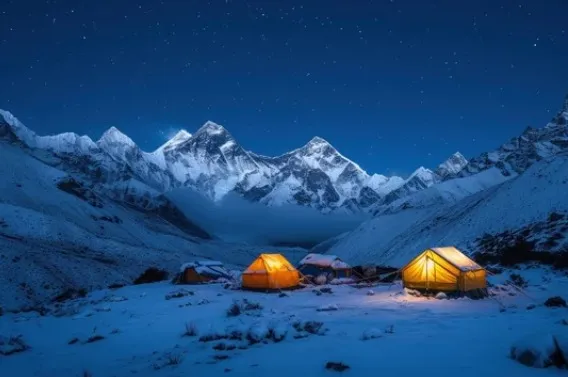
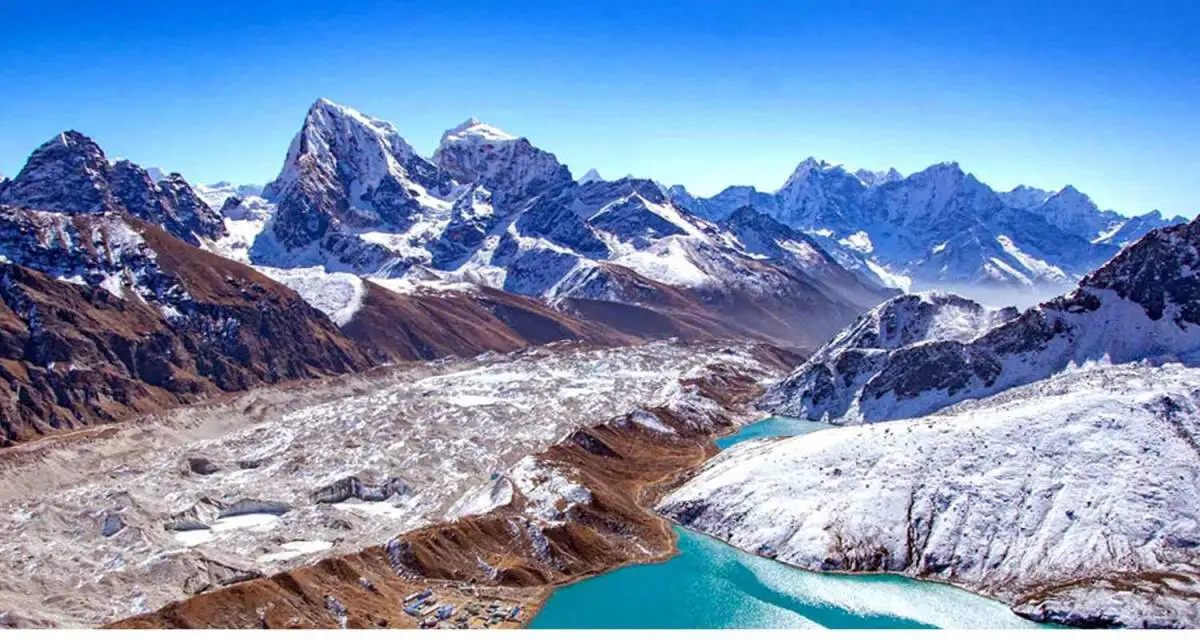
In December, Island Peak beckons adventurers to the serene landscapes of Nepal's Everest region, offering a thrilling mountaineering experience amidst winter's embrace. Rising to an elevation of 6,189 meters (20,305 feet), Island Peak presents a moderate technical challenge suitable for climbers seeking to test their skills in high-altitude environments.
December marks the beginning of the winter season in Nepal, characterized by colder temperatures and occasional snowfall in the higher elevations. Despite the chilly weather, December also brings clear skies and tranquil conditions, ideal for capturing stunning views of the Himalayan giants including Everest, Lhotse, and Nuptse.
The journey to Island Peak typically starts with a scenic flight from Kathmandu to Lukla, followed by a trek through picturesque Sherpa villages like Namche Bazaar, Tengboche, and Dingboche. These villages offer insights into Sherpa culture and provide necessary acclimatization stops to prepare for higher altitudes.
This is a fantastic climbing expedition that takes you to the summit of "Island Peak (6,189m) situated between Amadablam and Lhotse mountains. This exciting adventure is jam-packed full of features an...
As climbers advance towards Island Peak Base Camp, the landscape transitions to rugged terrain adorned with snow-covered peaks and pristine glaciers. The ascent to the summit involves navigating through icy slopes and crevasses, supported by experienced Sherpa guides who ensure safety and provide guidance on using technical mountaineering equipment.
Standing atop Island Peak rewards climbers with breathtaking panoramic views that stretch across the vast Himalayan range, making the challenges of the ascent well worth the effort. Descending through the same scenic route, climbers return with memories of a thrilling adventure and a profound sense of achievement.
December offers a unique opportunity for mountaineers to conquer Island Peak amidst quieter trails and serene winter landscapes, providing an unforgettable Himalayan experience for those willing to embrace the challenges and beauty of the high mountains.
Why Island Peak in December
Island Peak in December offers a unique mountaineering experience amidst the serene winter landscapes of Nepal's Everest region. While December marks the onset of the winter season, characterized by colder temperatures and occasional snowfall, it also brings clear skies and relatively stable weather conditions, ideal for climbing. The trails are quieter compared to peak seasons, allowing climbers to enjoy a more peaceful and undisturbed trekking experience.
Climbing Island Peak in December presents several advantages. The clear visibility provides stunning views of snow-capped Himalayan peaks, including Everest, Lhotse, and Ama Dablam, enhancing the scenic beauty of the trek. The colder temperatures ensure firmer snow conditions, which can be advantageous for climbing on glaciated terrain.
This exhilarating and unforgettable trek for adventure seekers takes you to the summit of "Island Peak (6,189m) situated between Amadablam and Lhotse mountains. This amazing adventure is packed full o...
For adventurers seeking a quieter and more challenging ascent, December offers an opportunity to experience the pristine beauty of the Himalayas away from the crowds. With proper preparation, including adequate gear and experienced guides, December can be an excellent time to conquer Island Peak and savor the rewards of summiting a 6,189-meter peak in the heart of the Himalayas.
I Never Climbed a Mountain, Can I Climb Island Peak?
Climbing Island Peak is feasible for individuals with no prior mountaineering experience, provided they undergo thorough preparation and acclimatization. Island Peak is classified as a trekking peak rather than a technical climb, making it accessible to adventurers willing to learn basic mountaineering skills and in good physical condition.
Preparation should include physical fitness training, focusing on cardiovascular endurance, strength training for legs and core, and practicing with climbing gear such as crampons and ice axes. Additionally, acclimatization is crucial to adapt to high altitudes gradually and minimize the risk of altitude sickness.
Guided expeditions with experienced Sherpa guides provide essential support, including route guidance, equipment rental, and logistical arrangements. Guides play a crucial role in ensuring safety, offering valuable insights into mountain terrain, and monitoring climbers for signs of altitude-related issues.
With determination, proper guidance, and adherence to safety protocols, individuals who have never climbed a mountain can successfully summit Island Peak. The journey offers a blend of adventure, cultural immersion, and scenic beauty, making it a rewarding experience for aspiring mountaineers.
This is a must for those adventurers–seekers who are physically fit or have previous climbing experience. This is one adventure that will make your toes curl and give you an adrenalin rush as you clim...
Packing Lists For Island Peak Climbing
Packing efficiently for Island Peak climbing is essential to ensure comfort, safety, and readiness for varying weather conditions. Essential items to pack include:
- Clothing: Layered clothing for warmth, including base layers, insulated jackets, waterproof pants, and windproof outer layers. Gloves, hats, and thermal socks are crucial for cold temperatures.
- Footwear: Sturdy trekking boots with good ankle support and crampon-compatible for glacier travel. Gaiters help keep snow out of boots.
- Climbing Gear: Harness, helmet, crampons, ice axe, and ropes. Some items can be rented in Kathmandu or Lukla.
- Backpack: Durable backpack (40-50 liters) with rain cover for carrying essentials during the trek and summit push.
- Sleeping Gear: Sleeping bag rated for cold temperatures (down to -10°C/14°F) and sleeping pad for comfort.
- Personal Items: Headlamp with extra batteries, sunglasses with UV protection, sunscreen, lip balm, and toiletries.
- First Aid Kit: Including medications for altitude sickness, blister treatment, pain relief, and any personal medications.
- Miscellaneous: Trekking poles, water bottles or hydration system, snacks, and camera.
Packing lists should be tailored to personal comfort and requirements, considering weight restrictions imposed by airlines and trekking agencies.
Training for Island Peak
Training for Island Peak involves a structured regimen to build strength, endurance, and acclimatization readiness for high-altitude trekking and technical climbing. Key aspects of training include:
- Cardiovascular Fitness: Engage in activities like hiking, running, cycling, or stair climbing to improve cardiovascular endurance.
- Strength Training: Focus on lower body strength (legs and core) with exercises such as squats, lunges, and deadlifts to prepare for steep ascents and descents.
- Flexibility and Balance: Incorporate yoga or stretching exercises to improve flexibility, balance, and reduce the risk of injuries during the climb.
- Altitude Simulation: If possible, simulate altitude conditions using altitude training masks or training at higher elevations to prepare for reduced oxygen levels.
- Practice with Gear: Familiarize yourself with using climbing gear such as crampons, ice axes, and ropes under the guidance of an experienced instructor.
- Hiking with Elevation Gain: Gradually increase hiking intensity and duration, focusing on trails with elevation gain to simulate the demands of trekking in the Himalayas.
- Mental Preparation: Develop mental resilience to cope with physical challenges, changing weather conditions, and altitude-related discomfort.
- Hydration and Nutrition: Practice hydrating adequately during training sessions and follow a balanced diet rich in carbohydrates, proteins, and healthy fats to fuel long days of trekking.
Training should commence at least 3-6 months before the expedition to build fitness gradually and allow time for recovery. Adjust training intensity based on individual fitness levels and specific goals for Island Peak climbing.
Many of us only dream of standing on a tall peak looking down on the world. This is a great climb that will satisfy this desire. Island Peak, also referred to as Imja Tse, is a 6187-meter high peak in...
Weather, Climate, and Temperature in Island Peak in December
December marks the onset of winter in Nepal's Everest region, affecting weather conditions on Island Peak. Climbers can expect cold temperatures throughout the day and frigid nights, especially at higher elevations. Daytime temperatures at lower altitudes like Lukla and Namche Bazaar range from 5°C to 10°C (41°F to 50°F), while temperatures at Island Peak Base Camp and higher can drop significantly below freezing.
The weather in December is characterized by clear skies interspersed with occasional snowfall, which adds to the challenge and beauty of the climb. The stability of the weather makes it feasible to attempt the ascent, although climbers must prepare for cold conditions and potential snow-covered trails.
It's crucial to pack appropriate cold-weather gear, including insulated clothing, waterproof layers, gloves, hats, and thermal socks. Proper acclimatization and hydration are also essential to cope with the cold and minimize the risk of altitude sickness.
Solo Climbing to Island Peak
Solo climbing to Island Peak is possible but requires careful consideration and preparation due to the challenges and risks involved. Island Peak is classified as a trekking peak rather than a technical climb, making it more accessible for experienced climbers with basic mountaineering skills.
Solo climbers should have prior experience in high-altitude trekking and climbing, including proficiency in using mountaineering equipment such as crampons, ice axes, and ropes. Familiarity with navigation, route finding, and emergency procedures is essential for safety.
While solo climbing offers flexibility and self-reliance, it also entails increased risks, including altitude sickness, weather changes, and navigation challenges. The decision to climb solo should be based on individual experience, skills, and comfort level in remote and challenging environments.
The Island Peak Expedition is an exhilarating mountaineering adventure that takes climbers to the summit of Island Peak, also known as Imja Tse. The peak is located in the Khumbu region of Nepal and s...
Is Island Peak Dangerous in December?
Climbing Island Peak in December presents certain risks associated with winter conditions in the Himalayas. The main risks include:
- Cold Weather: Freezing temperatures can lead to frostbite and hypothermia if climbers are not adequately prepared with appropriate gear.
- Snowfall: Occasional snowfall can obscure trails, making navigation challenging and increasing the risk of avalanches in certain areas.
- Altitude Sickness: Symptoms of altitude sickness can be exacerbated by cold temperatures and reduced oxygen levels at high altitudes.
- Technical Challenges: Despite being a trekking peak, Island Peak requires basic mountaineering skills to navigate glaciers, steep slopes, and crevasses safely.
To mitigate these risks, climbers should undergo thorough preparation, including physical fitness training, acclimatization, and proper gear selection. Hiring experienced guides and adhering to safety protocols can significantly enhance safety during the climb.
I am a Beginner Climber, Can I Do This Climb?
Climbing Island Peak as a beginner climber is feasible with proper preparation, training, and guidance from experienced professionals. While Island Peak is technically manageable for beginners with the support of skilled guides, it does require physical fitness, determination, and the ability to acclimatize to high altitudes gradually.
Beginners should consider joining guided expeditions organized by reputable trekking agencies. Experienced Sherpa guides provide invaluable support, including route planning, equipment rental, and safety management throughout the climb. They also offer training in basic mountaineering skills such as rope handling, ice axe techniques, and glacier travel.
Training should focus on building cardiovascular endurance, lower body strength, and mental resilience to cope with the physical and mental challenges of high-altitude trekking. Practice hikes with elevation gain and simulated altitude training can help prepare for the demands of Island Peak.
With proper preparation, beginners can embark on an unforgettable journey to Island Peak, experiencing the beauty of the Himalayas and achieving a significant mountaineering milestone under expert guidance.
Island Peak Climbing is an exciting adventure that takes climbers to the summit of Island Peak, also known as Imja Tse. The peak is located in the Khumbu region of Nepal and stands at an elevation of...
How Hard is the Climb of Island Peak?
Climbing Island Peak is considered moderately challenging, suitable for climbers with previous trekking experience and basic mountaineering skills. The difficulty of the climb primarily stems from the high altitude and technical aspects encountered along the route. At 6,189 meters (20,305 feet), Island Peak requires climbers to acclimatize properly to the thinning air and reduced oxygen levels.
The ascent involves navigating through rocky trails, snow-covered slopes, and glaciers, requiring the use of climbing equipment such as ropes, crampons, and ice axes. The final section to the summit involves ascending a steep snow and ice slope, known as the headwall, which can be physically demanding.
While Island Peak is classified as a trekking peak rather than a technical climb, climbers should be prepared for long days of trekking, steep ascents and descents, and potential weather challenges. Proper acclimatization, physical fitness, and mental resilience are essential for a successful summit attempt.
Experienced Sherpa guides play a crucial role in ensuring safety, providing route guidance, and managing logistics throughout the climb. They monitor climbers for signs of altitude sickness and adjust the itinerary as needed to maximize chances of summit success.
Distance of Island Peak
The distance to Island Peak varies depending on the trekking route chosen and starting point. Generally, the trek to Island Peak Base Camp from Lukla covers approximately 40-50 kilometers (25-31 miles) one way, with an additional distance for the summit push.
The journey begins with a scenic flight from Kathmandu to Lukla, followed by a trek through picturesque Sherpa villages like Namche Bazaar, Tengboche, and Dingboche. These villages provide essential acclimatization stops and cultural immersion opportunities, enriching the overall trekking experience.
From Dingboche, climbers ascend towards Island Peak Base Camp, passing through rugged terrain, yak pastures, and moraines. The trek to Base Camp typically takes around 3-4 days, allowing climbers to adjust to increasing altitudes gradually.
The final push to the summit of Island Peak involves ascending steep snow and ice slopes, followed by a descent back to Base Camp. The total distance covered during the climb varies based on individual pace, weather conditions, and acclimatization needs.
The Everest Three Passes with Island Peak Climbing is a challenging and thrilling trekking and climbing adventure in the Everest region of Nepal. It involves crossing three high mountain passes - Kong...
Conclusion
Climbing Island Peak offers adventurers a rewarding challenge amidst the breathtaking landscapes of Nepal's Everest region. With its moderate difficulty level and stunning views of the Himalayan range, Island Peak attracts climbers seeking to test their skills and summit a 6,189-meter peak.
Preparation is key to a successful climb, including physical training, acclimatization, and packing essential gear. Engaging experienced guides ensures safety and enhances the overall experience by providing local insights and logistical support.
Whether trekking through Sherpa villages, navigating glaciers, or reaching the summit, Island Peak offers an unforgettable journey filled with achievement and awe-inspiring natural beauty. It's a testament to determination and resilience, leaving climbers with lasting memories and a sense of accomplishment in conquering one of Nepal's iconic peaks.
Island Peak Climbing Packages
Island Peak Climbing
EBC With Island Peak Climbing
19 Days Island Peak Climbing
Island Peak Summit Return By Helicopter
Island Peak Expedition 14 Days
Island Peak Expedition 15 Days
Three Peak Expedition
Everest Three Pass with Island Peak Climbing
Mera And Island Peak Climbing
Island And Lobuche Peak Climbing
Embark on the ultimate adventure of a lifetime with the Mera and Island Peak Climbing expedition offered by We Sherpa Expedition and Trekking. This exhilarating package combines two iconic peaks in th...