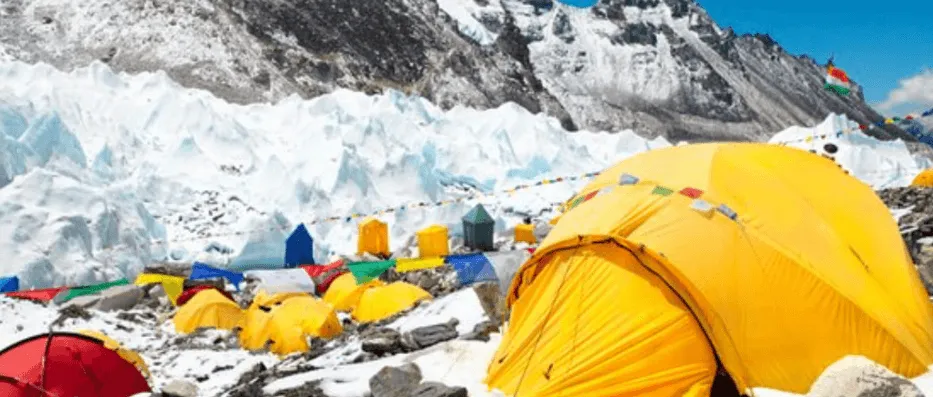
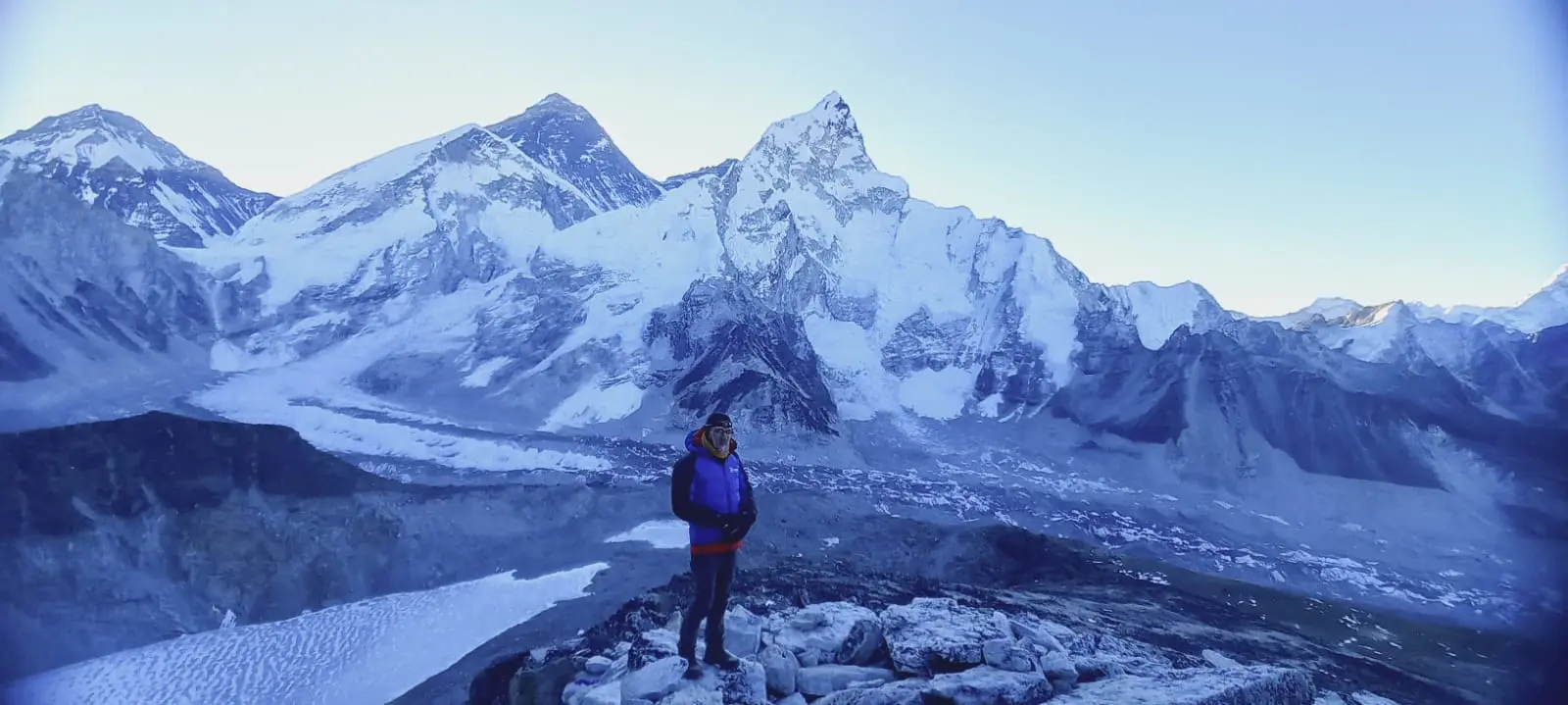
Embarking on the Everest Base Camp trek is an exhilarating adventure that demands physical endurance and mental resilience. One of the key factors that can make or break your journey is how well you acclimate to the high altitude. Mastering acclimatization is essential to avoid altitude sickness and ensure a safe, enjoyable trek.
Acclimatization refers to the body’s process of adjusting to lower oxygen levels at high elevations. Since Everest Base Camp sits at approximately 5,364 meters (17,598 feet), the reduced oxygen can cause symptoms ranging from mild headaches and dizziness to severe and life-threatening conditions like high-altitude pulmonary edema (HAPE) or high-altitude cerebral edema (HACE). Therefore, understanding and respecting the acclimatization process is crucial.
Successful acclimatization starts with a gradual ascent. Rapid climbing can overwhelm the body’s ability to adapt, so pacing your trek with planned rest days is vital. Most itineraries include rest days at strategic points like Namche Bazaar, allowing your body to recover and produce more red blood cells to carry oxygen efficiently. During these rest periods, engaging in light activities such as short walks helps stimulate acclimatization without exerting too much strain.
Hydration plays a pivotal role in acclimatization. At high altitudes, dehydration can exacerbate altitude sickness symptoms. Drinking plenty of water supports bodily functions and helps maintain energy levels. Avoiding alcohol and caffeine during the trek is also advisable, as they can lead to dehydration and interfere with sleep.
The Everest Base Camp Trek is one of the most iconic trekking adventures in the world. Located in the Khumbu region of Nepal, this journey takes you through stunning Himalayan landscapes, charming She...
Nutrition is equally important. Consuming a balanced diet rich in carbohydrates provides the energy needed for climbing and acclimatizing. Foods that are easy to digest and high in calories help sustain stamina and keep the body nourished under challenging conditions.
Listening to your body is one of the best strategies for mastering acclimatization. If symptoms of altitude sickness arise, such as persistent headaches, nausea, or extreme fatigue, it is critical to slow down or even descend if necessary. The mantra “climb high, sleep low” is often used by trekkers to aid acclimatization by gaining altitude during the day and resting at lower elevations at night.
In summary, mastering acclimatization for the Everest Base Camp trek involves a careful balance of slow ascent, rest, hydration, nutrition, and self-awareness. By respecting your body’s limits and allowing time to adjust, you can enjoy the breathtaking beauty of the Himalayas while staying safe and healthy on your adventure.
What is acclimatization, and why is it important for the Everest Base Camp trek?
Acclimatization is the body’s natural process of adapting to lower oxygen levels at high altitudes. When trekking to Everest Base Camp, which is over 5,000 meters high, the oxygen is thinner than at sea level, making it harder for your body to get enough oxygen. Without proper acclimatization, trekkers risk altitude sickness, which can cause headaches, nausea, dizziness, and in severe cases, life-threatening conditions like HAPE or HACE. Understanding acclimatization is crucial because it helps your body adjust safely, minimizing these risks. Gradual ascent, rest days, hydration, and listening to your body are all key components of successful acclimatization.
How does the body physically adjust during acclimatization?
During acclimatization, the body undergoes several changes to cope with reduced oxygen. It produces more red blood cells to carry oxygen more efficiently and increases breathing rate to take in more oxygen. The heart also pumps faster to circulate oxygen throughout the body. Additionally, the body may increase capillary density, improving oxygen delivery to tissues. These adaptations happen gradually, which is why a slow ascent and rest days are critical. Without these adjustments, the body struggles to function, leading to symptoms of altitude sickness.
How many rest days are recommended during the Everest Base Camp trek for proper acclimatization?
Most Everest Base Camp itineraries include 2 to 3 rest days strategically placed during the trek. Typical rest days occur in Namche Bazaar (3,440m) and Dingboche (4,410m). These stops allow your body time to adjust to higher altitudes by increasing red blood cell production and improving oxygen efficiency. During rest days, it’s best to do light activities like short walks rather than complete inactivity. Skipping rest days or climbing too fast increases the risk of altitude sickness and can jeopardize your entire trek.
The Short Everest Base Camp Trek is one of the most iconic and rewarding trekking experiences in the world. As the most popular among the 12 major trekking routes in Nepal, the Everest Base Camp Trek...
Can hydration help in acclimatization? How much water should I drink?
Yes, hydration plays a vital role in acclimatization. At high altitudes, dehydration can worsen altitude sickness symptoms because the body loses water faster through increased breathing and dry air. It’s recommended to drink at least 3 to 4 liters of water per day during the trek. Staying hydrated helps maintain blood flow and energy levels, supporting your body’s oxygen delivery. Avoid alcohol and caffeine as they dehydrate the body and can interfere with sleep, which is also essential for acclimatization.
Is it necessary to take medications to prevent altitude sickness?
Medications like Acetazolamide (Diamox) can help prevent or reduce symptoms of altitude sickness by speeding up acclimatization. However, they are not a substitute for a slow ascent and proper rest. It’s important to consult with a healthcare professional before taking any medication. Some trekkers prefer natural acclimatization techniques without drugs, while others use medication as a precaution. Always listen to your body and never ignore severe symptoms, regardless of medication use.
What are the early signs of altitude sickness, and how should I respond?
Early signs of altitude sickness include headaches, nausea, dizziness, fatigue, and difficulty sleeping. If you experience these symptoms, it’s important to stop ascending and rest. Drinking more water and avoiding alcohol can help relieve mild symptoms. If symptoms worsen or do not improve within 24 hours, descending to a lower altitude is necessary to prevent serious conditions like HAPE or HACE. Immediate medical attention is required if severe symptoms like confusion, shortness of breath, or loss of coordination occur.
Everest Base Camp Trekking offers extraordinary scenarios as towering as the alpine heights we conquer. On this legendary journey, you will hike on trails once tread by mountaineering legends, surroun...
How can I pace myself to improve acclimatization during the trek?
Pacing yourself means climbing slowly and steadily without rushing. The general rule is to ascend no more than 300-500 meters per day once above 3,000 meters. Incorporating rest days after every 600-900 meters of elevation gain allows your body to adjust. Use the mantra “climb high, sleep low” to gain altitude during the day but return to a lower elevation for sleep. Listening to your body and avoiding overexertion are essential to prevent altitude sickness and improve acclimatization.
What role does nutrition play in acclimatization during the Everest Base Camp trek?
Nutrition is critical because your body needs energy to adapt to high altitude. Eating a diet rich in carbohydrates provides the fuel required for sustained energy and helps maintain stamina. Foods that are easy to digest and calorie-dense are ideal since your appetite may decrease at altitude. Avoid heavy, greasy meals that may cause digestive discomfort. Staying nourished supports your immune system and overall health during the demanding trek.
Are there any high-altitude training tips to prepare for acclimatization before the trek?
Training at high altitude or simulating it with techniques like intermittent hypoxic training can improve your body’s ability to acclimatize. Cardiovascular exercises such as running, cycling, or hiking improve lung capacity and endurance. Strength training also helps build muscle to handle physical stress. Practicing breathing exercises can enhance oxygen efficiency. While training can boost fitness, it cannot replace the need for acclimatization during the trek itself, so always plan for proper rest on the trail.
The Everest Base Camp Trek 12 Days is a high-altitude adventure through the heart of the Himalayas — a once-in-a-lifetime journey that retraces the legendary steps of Sir Edmund Hillary and Tenzing No...
How does sleeping at altitude affect acclimatization, and what can I do to improve sleep quality?
Sleep at high altitude is often disrupted due to lower oxygen levels, causing periodic breathing patterns. Poor sleep can hinder acclimatization by affecting recovery and energy. To improve sleep quality, avoid caffeine and heavy meals before bedtime, stay warm, and maintain a comfortable sleeping environment. Some trekkers use medications like acetazolamide to improve breathing during sleep, but it’s best to try natural methods first. Prioritizing rest is crucial since good sleep supports overall acclimatization.
How important is the “climb high, sleep low” principle for acclimatization?
The “climb high, sleep low” rule is a vital acclimatization strategy used by experienced trekkers and climbers. It means you ascend to a higher altitude during the day to stimulate acclimatization, but return to a lower elevation to sleep. This pattern helps your body adapt gradually to thinner air without overburdening it overnight when oxygen demand is high. Sleeping at a lower altitude reduces the risk of altitude sickness, improves sleep quality, and supports recovery. Ignoring this principle by climbing and sleeping at the same high altitude can increase the likelihood of symptoms. Incorporating “climb high, sleep low” into your trekking plan helps balance progress and safety.
Can physical fitness reduce the risk of altitude sickness?
While good physical fitness is beneficial for overall trekking stamina, it doesn’t necessarily prevent altitude sickness because the core issue is oxygen availability, not fitness level. Many fit individuals can still suffer from altitude sickness if they ascend too quickly or don’t acclimate properly. However, being physically prepared allows you to handle exertion better, recover faster, and manage the physical demands of the trek. Fitness training focused on cardiovascular endurance and strength will make your body more resilient, but respecting acclimatization protocols is still essential for safety.
The 10 Days Everest Base Camp Trek is an incredible journey into the heart of the majestic Himalayas, perfect for travelers seeking a condensed but fulfilling experience of one of the world’s most fam...
What role does mental preparation play in successful acclimatization?
Mental preparation is just as important as physical readiness when tackling high-altitude trekking. Staying calm, positive, and patient helps you manage the stress and discomfort that can come with altitude changes. Anxiety and overexertion can exacerbate symptoms of altitude sickness. Mental toughness enables you to recognize your limits, listen to your body, and make smart decisions like resting or descending when necessary. Visualizing success and practicing mindfulness can also improve your overall trekking experience and support effective acclimatization.
Are portable oxygen devices useful for acclimatization during the trek?
Portable oxygen devices can provide supplemental oxygen during emergencies or severe altitude sickness, but they are not a substitute for acclimatization. Using oxygen may relieve symptoms temporarily, but it doesn’t help your body adapt naturally to altitude. Relying on supplemental oxygen can give a false sense of security and lead to riskier behavior like rapid ascent. It’s better to focus on gradual ascent, rest, hydration, and nutrition. However, carrying a portable oxygen cylinder can be a lifesaver in emergencies, especially in remote areas.
The Everest Base Camp Trek 9 Days is a thrilling and condensed version of the classic trek, designed for adventurous travelers who want to experience the magic of the Himalayas within a shorter timefr...
How does the weather affect acclimatization on the Everest Base Camp trek?
Weather conditions have a significant impact on acclimatization. Cold temperatures can increase energy expenditure, making your body work harder to stay warm, which affects acclimatization. Harsh weather can also reduce appetite and disrupt sleep, both vital for adjustment. Storms or extreme winds may force you to stop or descend unexpectedly. Proper clothing, gear, and contingency plans are essential to manage weather-related challenges. Monitoring weather forecasts and being flexible with your itinerary can help ensure you acclimate safely despite adverse conditions.
Can altitude sickness occur even after proper acclimatization?
Yes, altitude sickness can still occur despite following acclimatization protocols. Every individual’s body reacts differently to altitude, and sometimes symptoms may appear suddenly due to fatigue, dehydration, or illness. Proper acclimatization lowers the risk but does not guarantee immunity. Continuous self-monitoring is critical. If symptoms arise, it’s important to act immediately—stop ascending, rest, hydrate, and if needed, descend. Never ignore symptoms, thinking acclimatization is foolproof.
How does smoking or alcohol consumption affect acclimatization?
Smoking and alcohol negatively affect your ability to acclimate. Smoking reduces oxygen delivery by damaging your lungs and blood vessels, making it harder for your body to adapt to high altitudes. Alcohol acts as a diuretic, leading to dehydration, and impairs sleep quality. Both habits increase the risk of altitude sickness and slow recovery. It’s best to avoid smoking and limit or abstain from alcohol before and during the trek to support optimal acclimatization and overall health.
What are the best acclimatization practices during rest days?
On rest days, it’s important to stay active but avoid strenuous exertion. Light walks or hikes around the village can stimulate blood circulation and aid acclimatization without overtaxing your body. Drinking plenty of water and eating balanced meals keeps you hydrated and nourished. Rest days should focus on good sleep, relaxation, and monitoring any symptoms of altitude sickness. Avoid alcohol and heavy meals, and maintain a positive mindset. These habits during rest days optimize your body’s adaptation process.
The Gokyo and Everest Base Camp Trek 12 Days is one of the most thrilling trekking routes in Nepal, offering an unforgettable journey through the Himalayas. This trek combines the majestic beauty of t...
Can children or older adults safely acclimate on the Everest Base Camp trek?
Children and older adults can successfully acclimate, but they require extra care and slower pacing. Their bodies may take longer to adjust, and they could be more vulnerable to altitude sickness. It’s crucial to include additional rest days, ensure proper hydration and nutrition, and watch for any symptoms closely. Consulting with a healthcare professional before the trek is advised. With careful planning and attention, people of various ages can enjoy the trek safely.
How long does full acclimatization typically take on the Everest Base Camp trek?
Full acclimatization varies by individual but generally takes several days to a couple of weeks during the trek. Most trekkers spend around 12-14 days ascending gradually with rest days to allow their bodies to adapt. Some adaptations begin within 2-3 days at moderate altitude, but complete adjustment, especially above 4,000 meters, takes longer. Patience and strict adherence to acclimatization protocols increase the likelihood of a successful and safe trek.
How do altitude tablets like Diamox work in aiding acclimatization?
Diamox (Acetazolamide) is a medication commonly used to prevent and reduce symptoms of altitude sickness. It works by stimulating breathing, which helps increase oxygen levels in the blood faster. This accelerates acclimatization by helping the body adjust to lower oxygen environments. While helpful, Diamox should be used alongside proper acclimatization techniques like gradual ascent and rest days, not as a replacement. Side effects can occur, so consulting a doctor before use is essential. When taken correctly, it can make the trek more comfortable, especially for those prone to altitude sickness.
Can pre-trek altitude training guarantee acclimatization success?
Pre-trek altitude training, such as hiking at high elevations or using altitude simulation masks, can improve fitness and oxygen efficiency, but it doesn’t guarantee success in acclimatization. The body’s response to altitude is highly individual and depends on genetics, health, and how the trek is paced. Training helps build stamina and prepares your cardiovascular system, but actual acclimatization occurs only during the trek through gradual ascent and rest. Therefore, pre-trek training is a helpful preparation tool but not a substitute for proper acclimatization on the mountain.
The Gokyo and Everest Base Camp Trek 14 Days is an unforgettable adventure that takes you through the heart of the Himalayas, offering a unique experience by combining the stunning Gokyo Lakes with th...
How can trekking guides assist with acclimatization during the Everest Base Camp trek?
Experienced trekking guides play a critical role in safe acclimatization. They plan the itinerary with necessary rest days and gradual elevation gains, monitor trekkers for symptoms of altitude sickness, and advise when to slow down or descend. Guides often know the best local spots for rest and hydration, and they provide moral support and education about acclimatization. Their expertise helps prevent risky behavior and ensures that all members of the group acclimate effectively, making the trek safer and more enjoyable.
What is the impact of sleeping altitude on acclimatization and performance?
Sleeping altitude significantly influences how well you acclimatize. At night, your body needs rest to recover, but high sleeping altitudes with reduced oxygen can disturb sleep patterns and cause periodic breathing. This can result in poor sleep quality, affecting daytime energy and acclimatization progress. Trekkers often follow the “climb high, sleep low” strategy to mitigate this by gaining altitude during the day but returning to lower elevations to sleep, allowing better rest and aiding the body’s adjustment to altitude.
Are there any traditional Himalayan practices to aid acclimatization?
Local Himalayan communities have developed traditional practices that can aid acclimatization. These include drinking herbal teas made from ingredients like ginger and juniper to improve circulation and digestion. Some sherpas use natural remedies and spiritual rituals believed to harmonize the body with the mountain environment. While scientific evidence may be limited, these practices often promote relaxation, hydration, and a positive mindset—all beneficial for acclimatization. Learning and respecting local customs can enrich your trekking experience and support your body’s adjustment.
How does altitude affect digestion and nutrition during the trek?
At high altitudes, the body’s digestion slows down, and appetite often decreases. This can make it challenging to consume enough calories needed for energy and acclimatization. It’s important to focus on high-calorie, carbohydrate-rich foods that are easy to digest, such as pasta, rice, and soups. Staying nourished supports your immune system and energy levels. Dehydration can worsen digestion, so drinking fluids regularly is essential. Adjusting eating habits to accommodate altitude-related changes is key to maintaining strength and aiding acclimatization.
What should I do if I develop severe altitude sickness symptoms during the trek?
If severe altitude sickness symptoms like confusion, persistent vomiting, difficulty walking, or shortness of breath occur, immediate action is necessary. The only effective treatment is to descend to a lower altitude as quickly as possible. Supplemental oxygen can help, but descent is critical to prevent life-threatening complications like HAPE or HACE. Seek medical assistance promptly and do not continue ascending under any circumstances. It’s important to inform your guide or trekking group immediately and follow emergency protocols.
The Gokyo Ri Trek is an extraordinary 8-day journey that takes trekkers deep into the heart of the Everest region, providing stunning views of the Himalayas, pristine lakes, and high-altitude landscap...
How can I monitor my acclimatization progress during the trek?
Monitoring acclimatization involves paying close attention to your body’s signals. Keep track of symptoms such as headache severity, nausea, fatigue, sleep quality, and breathing patterns. Using a pulse oximeter to measure blood oxygen saturation can provide objective data on how well you’re acclimatizing. Regularly communicate with your trekking guide about how you feel. Recording your daily health and symptoms in a journal helps detect patterns and decide when to rest or descend. Staying proactive about monitoring ensures timely responses to altitude-related issues.
What impact does altitude have on hydration needs, and how can I maintain proper hydration?
At high altitude, the body loses more water through rapid breathing and dry air, increasing the risk of dehydration. This can exacerbate altitude sickness symptoms and slow acclimatization. Maintaining adequate hydration by drinking 3-4 liters of water daily is crucial. Electrolyte supplements or drinks can help replenish salts lost through sweat. Avoid diuretics like caffeine and alcohol as they promote dehydration. Carrying a reusable water bottle and drinking regularly throughout the day supports both hydration and acclimatization.
How can group dynamics and social support influence acclimatization success?
Trekking in a supportive group with experienced guides positively impacts acclimatization. Encouragement, shared knowledge, and collective monitoring help individuals recognize symptoms early and adjust their pace accordingly. Group members can motivate each other to stay hydrated, rest adequately, and maintain morale. Social support reduces stress and anxiety, which can worsen altitude sickness. Being part of a cohesive group fosters safer decisions and a better overall trekking experience, increasing the likelihood of successful acclimatization.
The Gokyo Ri Trek 9 Days is an incredible adventure in Nepal’s Everest region, offering trekkers a stunning experience with breathtaking views and a chance to explore the serene Gokyo Lakes. This 9-da...