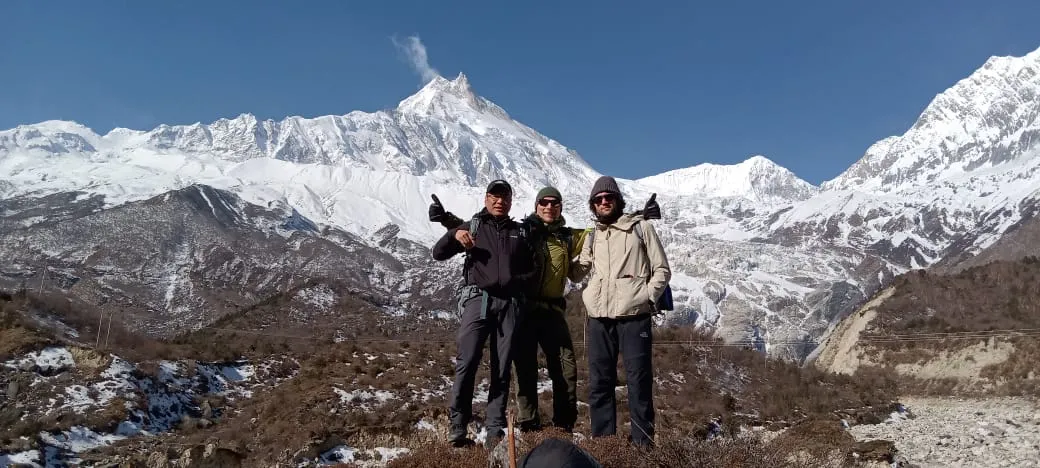
MANASLU TREK 9 DAYS ENDING IN POKHARA
Trip Overview
The Manaslu Circuit Trek – 9 Days, expertly designed by Sherpa Expedition and Trekking, delivers an unforgettable Himalayan experience packed with breathtaking mountain views, rich Buddhist culture, and thrilling high-altitude terrain. This adventure-filled journey begins with an early drive from Kathmandu to Jagat, launching you into one of Nepal’s most remote and scenic trekking routes.
Your trek kicks off in Jagat (1,300m), a quiet stone village perched above the Budhi Gandaki River, where you’ll step into a world of natural beauty and cultural depth. Following the river’s winding valley, you’ll pass through serene forests and traditional villages, steadily climbing to Deng (1,860m)—a small but culturally rich settlement surrounded by hills and waterfalls.
From Deng, the trail gains elevation as it ascends to Namrung (2,630m). This section blends moderate climbs with forests, suspension bridges, and terraced farmland. Namrung welcomes you with ancient mani walls, Buddhist monasteries, and spectacular views of Siringi Himal—a perfect blend of altitude and atmosphere.
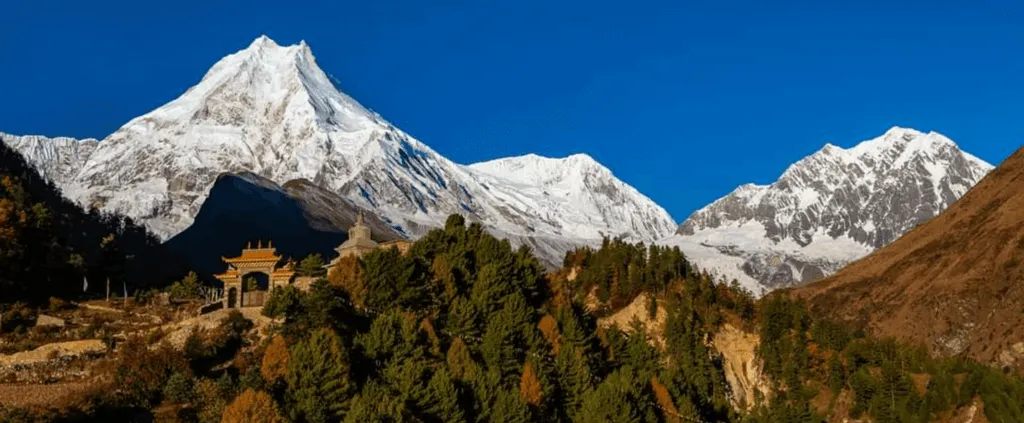
Continuing to Samagaon (3,530m), the heart of the upper Manaslu region, you’re rewarded with dramatic views of Manaslu, Nepal’s eighth-highest peak. Samagaon is deeply spiritual and a perfect place to rest. A full acclimatization day here allows for optional side hikes to either Manaslu Base Camp (4,800m) or Pung Gyen Gompa, both offering panoramic views and deeper cultural immersion.
Next, the trail gently ascends to Samdo, a rugged Tibetan-style village near the Nepal–Tibet border, before pushing on to Dharamsala (4,460m). This high-altitude outpost provides basic yet essential shelter for trekkers preparing to cross the Larke La Pass (5,106m)—the trek’s most challenging and rewarding section.
An early morning start sees you trekking across the Larke La, surrounded by Himalayan giants like Himlung Himal, Cheo Himal, and Annapurna II. Though demanding, this crossing is the ultimate highlight, offering surreal mountain vistas and a powerful sense of achievement.
Descending from the pass, the trail leads to Bhimthang (3,720m), a stunning alpine valley filled with glacial streams and forests. From there, the final day of trekking takes you down to Dharapani, marking the end of your mountain journey. A scenic jeep ride brings you to Besisahar, and from there, a private transfer to Pokhara, where peaceful lakeside vibes and warm hospitality await.
MANASLU TREK 9 DAYS ENDING IN POKHARA Day-by-day ITINERARY
Day 1 : Drive from Kathmandu to Jagat (1,300m) – Duration: 9–11 hours.
Your journey begins with a scenic drive from Kathmandu to Jagat, winding through rural landscapes, terraced fields, and along the Trishuli and Marsyangdi Rivers. This long but visually rewarding drive takes you into the remote Manaslu region, ending in the peaceful village of Jagat. Here, you’ll spend your first night in a traditional teahouse, ready to begin your trekking adventure the next morning.
Day 2 : Trek from Jagat to Deng (1,860m) – Duration: 5–6 hours.
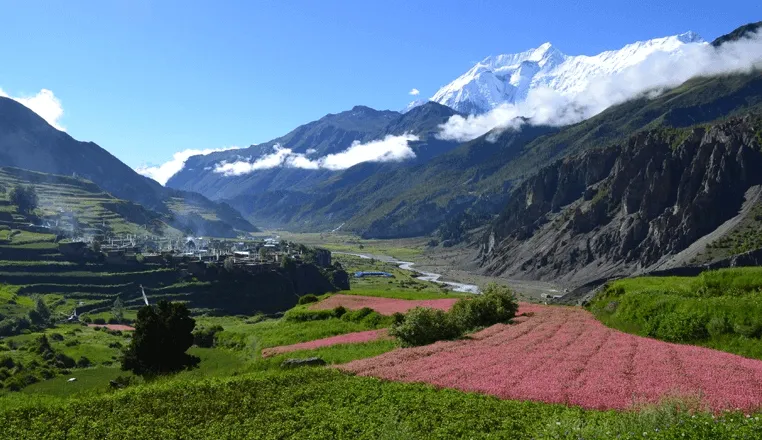
The trail follows the Budhi Gandaki River through lush subtropical forests, small hamlets, and suspension bridges. You’ll pass several charming villages like Sirdibas and Philim, with terraced fields and glimpses of local life. The trail gently climbs as you enter the narrowing gorge and arrive at Deng—a small village surrounded by dense forest and rich in cultural character.
Day 3 : Trek from Deng to Namrung (2,630m) – Duration: 5–6 hours.
Today’s trail passes through a mix of forests, mani walls, and alpine landscapes. After crossing several suspension bridges and climbing steady switchbacks, you'll notice a shift in architecture and culture as you enter more Tibetan-influenced regions. Namrung is a picturesque village with stunning views of peaks like Himalchuli and Ganesh Himal. It also features ancient monasteries and traditional stone houses.
Day 4 : Trek from Namrung to Samagaon (3,530m) – Duration: 6–7 hours.
One of the most scenic days of the trek, you’ll ascend through alpine forests and past traditional villages like Lho and Shyala. These areas offer jaw-dropping views of Mt. Manaslu and surrounding peaks. After a steady climb, you'll arrive in the beautiful village of Samagaon, set beneath towering Himalayan giants. It's a serene and spiritual place, ideal for acclimatizing and exploring.
Day 5 : Acclimatization Day at Samagaon.
This essential rest day helps your body adjust to higher altitude. You can take a short hike to Manaslu Base Camp (4,800m) for panoramic mountain views or visit the peaceful Pungyen Gompa, a secluded monastery with incredible surroundings. The day also allows time to interact with locals and learn about the Tibetan-influenced lifestyle in Samagaon. Rest and prepare for higher altitudes ahead.
Day 6 : Trek from Samagaon to Dharamsala (4,460m) – Duration: 4–5 hours.
The trail gradually ascends along barren, rocky terrain as you leave behind the last permanent settlement at Samdo. You’ll trek through yak pastures and cross rivers on wooden bridges before reaching Dharamsala, also known as Larke Phedi. This small outpost provides basic lodging and acts as the final staging point before crossing the high Larke La Pass. Rest early for a big day ahead.
Day 7 : Trek from Dharamsala to Bhimthang (3,720m) via Larke La Pass (5,106m) – Duration: 8–9 hours.
The most challenging and rewarding day of the trek. Start early to cross the dramatic Larke La Pass (5,106m), where breathtaking panoramic views of Himlung Himal, Cheo Himal, Kang Guru, and Annapurna II await. The descent to Bhimthang is steep and long but offers stunning glacial landscapes. You’ll reach Bhimthang, a peaceful alpine valley surrounded by snowy peaks and pine forests.
Day 8 : Trek from Bhimthang to Dharapani (1,960m) – Duration: 5–6 hours.
Descend through lush rhododendron and oak forests, passing villages like Gho and Tilije. The trail is much easier as you drop altitude and walk through serene woods, terraced farmland, and scenic ridges. Eventually, you reach Dharapani, a major junction with the Annapurna Circuit. It’s a comfortable place to rest before transitioning out of the mountains.
Day 9 : Drive from Dharapani to Pokhara via Besisahar – Duration: 7–8 hours.
After breakfast, take a scenic off-road jeep ride from Dharapani to Besisahar, then continue on a smoother road to Pokhara. Enjoy the transition from rugged mountains to lush valleys and finally arrive in Pokhara, a beautiful lakeside city. Relax by Phewa Lake, explore local cafés, or simply unwind with Annapurna views as your trekking journey concludes.
MANASLU TREK 9 DAYS ENDING IN POKHARA INCLUDES & EXCLUDES
Costs Include In Your Package
- Private Ground Transportation: Comfortable private jeep from Kathmandu to Jagat, local shared jeep from Dharapani to Besisahar, and a private jeep/car transfer from Besisahar to Pokhara.
- All Meals During the Trek: Enjoy three standard meals daily—breakfast, lunch, and dinner—featuring local and hygienic mountain cuisine.
- Lodge/Teahouse Accommodation: Best available teahouse or lodge accommodation along the trekking route (typically on a twin-sharing basis).
- Experienced Trekking Guide: A professional, government-licensed English-speaking trek leader, with an assistant guide for groups of 10 or more.
- Reliable Sherpa Porters: Friendly and experienced Sherpa porters (1 porter for every 2 trekkers), including all their meals, accommodation, equipment, salary, and insurance.
- Fully Equipped Crew: All guides and porters provided by Sherpa Expedition & Trekking are fully insured and properly equipped for safe, responsible trekking.
- All Required Permits: Includes the Manaslu Restricted Area Permit, Manaslu Conservation Area Permit (MCAP), and Annapurna Conservation Area Permit (ACAP).
- Trekking Gear on Loan: Complimentary use of sleeping bag, down jacket, duffel bag, and trekking poles (to be returned after the trek if not personally owned).
- Government & Local Taxes: All national park fees, local taxes, official paperwork, and trekking registration charges are fully covered.
- Emergency Assistance: Coordination and assistance for rescue operations in case of severe altitude sickness or health emergencies (note: expenses must be covered by your travel insurance).
- Complimentary Souvenir: A Sherpa Expedition & Trekking T-shirt as a souvenir of your Himalayan adventure.
- Certificate of Completion: Receive a Sherpa Expedition and Trekking appreciation certificate upon successful completion of the trek.
- Daily Health Monitoring: Regular health checks with a pulse oximeter to monitor your oxygen level, pulse, and heart rate, ensuring your safety at high altitudes.
- Extra Assistant Guide: An additional assistant guide for groups of 8 or more to ensure personalized attention and safety.
Costs Exclude
- International airfares: Flights to and from Nepal are not included in the package.
- Nepal entry visa fee: Payable upon arrival at Kathmandu Airport – $30 USD (15 days), $50 USD (30 days), $125 USD (90 days).
- Lunch and dinner in Kathmandu: Meals in the city before or after the trek are at your own expense.
- Hotel accommodation in Kathmandu: Not included before or after the trek (can be arranged on request).
- Extra nights in Kathmandu: Any additional nights due to early arrival, late departure, or early return from the trek are not covered.
- Personal drinks and snacks on the trek: Includes alcohol, bottled water, soft drinks, tea, coffee, and other items bought individually.
- Desserts and sweet items: Such as chocolate, cake, pie, and puddings purchased along the trail.
- Hot showers and battery charging: Available at some teahouses for an extra fee, not included in the package.
- Travel insurance: Must cover emergency rescue, medical treatment, and high-altitude evacuation – compulsory but not included.
- Tips for guide and porters: Not included – tipping is customary and highly appreciated in Nepali culture.
- Unexpected costs due to force majeure: Includes delays or changes caused by weather, landslides, illness, strikes, or other uncontrollable events.
- Any other expenses not mentioned in “Costs Include”: Any item or service not clearly listed in the included section is excluded.
MANASLU TREK 9 DAYS ENDING IN POKHARA PACKING LIST
The following information will give you some idea about what you need to bring for the trek. It is important you do not forget the essential items, as this will determine your comfort and safety on the trek. Equally important is that you do not burden yourself with unnecessary equipment on the trek.
General
- All season sleeping bag and down Jacket (we can provide if you need it, but has to be returned after the trek)
- Duffle bag ( Sherpa Expedition & Trekking provide duffle bag during the trek but has to be returned after the trek)
- A wind and waterproof thin layered jacket (a must-have for morning and evenings above 3,000m)
- Daypack
Upper Body- Head / Ears / Eyewear
- A pair of half gloves
- A warmer hat that covers the ears
- Sunglasses
- Neckwarmer
- Sunscreen (35 to 60 SPF)
- Headlamp and an extra set of batteries
Hands
- A pair of half gloves for walking poles(if you prefer)
- Warmer shell gloves and liner
Upper Body
- long sleeve t-shirts
- Thermal tops
- wool jacket or pullover
- Sports bras for women and girls
- Water and windproof shell jacket
Lower Body
- Thermal underwear (especially trousers)
- windproof and waterproof trousers
- warmer trousers
- Comfortable trekking pants
- Extra casual sport pants
Footwear
- A pair of good waterproof trekking boots
- Pair of sandals
- 4-5 pairs of woolen socks
- Sock liners
- Light shoes and sneakers
- First Aid Kits and Medicines
- Assorted adhesive bandages (fabric preferred)
- Blister treatment cream or similar
- Insect / anti-itch ointment
- Ibuprofen or other pain-relief medication
- Diamox (125mg to 250mg tablets for altitude sickness)
- Warps, splints, and wound coverings butterfly bandage
- Water purifying pills
(Note our company guide will carry the medicines and first aid kits during the trek. However, we recommend you bring your personal first-aid kit as well)
Miscellaneous - but must useful on the trek
- 4 passport size photos with original passport
- Water bottle & filter
- Flight details (please make a copy and leave one pic at our office in KTM because in case you want to change your flight date)
- Bathroom kit (conform, should be included toilet paper, plastic bags, hand wipes, towel, and soap, etc.)
Extra things
- Comfortable trekking poles
- Quality energy dry foods (up to you)
- Power bank and music players
- Camera (memory card, chargers, and extra batteries)
GOOD TO KNOW ABOUT MANASLU TREK 9 DAYS ENDING IN POKHARA
Permits Are Essential for Entry
The Manaslu region is a restricted area, requiring special permits for trekking. You’ll need the Manaslu Restricted Area Permit (MRAP), Manaslu Conservation Area Permit (MCAP), and Annapurna Conservation Area Permit (ACAP). These are checked at various checkpoints. Trekkers must be in a group of at least two with a licensed guide—solo trekking isn’t allowed. Sherpa Expedition and Trekking takes care of all permit arrangements, making the process seamless and fully compliant with local regulations.
Acclimatization Is Non-Negotiable
Proper acclimatization is key to enjoying the trek safely. The 9-day itinerary includes a rest day in Samagaon, giving your body time to adjust to higher elevations. You can take active hikes to Manaslu Base Camp or Pung Gyen Gompa, which help you adapt while experiencing even more of the region. Symptoms of altitude sickness like headaches, nausea, or fatigue shouldn’t be ignored. Drink plenty of water, avoid alcohol, and inform your guide if symptoms persist.
Expect Basic but Welcoming Teahouses
Accommodation on the trail is provided in local teahouses—small, family-run lodges offering simple rooms (usually twin beds) with shared toilets. The facilities are basic, especially at higher altitudes, but the hospitality is heartwarming. Meals are filling, mostly vegetarian, and include dal bhat, noodles, soups, and Tibetan bread. Hot showers and device charging usually cost extra. Bring a sleeping bag rated for cold and enjoy the authenticity of these mountain stays—it’s all part of the experience.
Larke La Pass Is the Trek’s Highest Point
At 5,106 meters, the Larke La Pass is the most challenging and rewarding part of the trek. The ascent starts early—often before sunrise—and can be windy and cold. Proper layering, warm gloves, trekking poles, and a buff are essential. While demanding, the views from the top are absolutely worth it—panoramas of Himlung Himal, Cheo Himal, and Annapurna II surround you. Descending to Bhimthang afterward feels surreal, like stepping into an alpine dreamland.
Bring Enough Cash – No ATMs on the Trail
After leaving Kathmandu, you won’t find any ATMs along the Manaslu Circuit. All payments on the trek—meals, showers, Wi-Fi, snacks, charging, and tips—must be made in cash (Nepali rupees). It’s recommended to carry slightly more than your expected budget, as costs increase with altitude. A general rule is NPR 3,000–4,000 per day for extras. Pokhara has ATMs, but once you hit the trail, it’s cash-only. Keep it safe in waterproof pouches or belts.
Cultural Etiquette Matters in Local Villages
The Manaslu region is heavily influenced by Tibetan Buddhism, and respecting local customs is important. Walk to the left of mani walls and chortens, don’t point your feet at shrines, and ask permission before taking photos of locals. Dress modestly—especially in villages and monasteries. Small gestures like learning greetings in Nepali or Tibetan dialects are appreciated. Your guide will help you understand the culture better, but showing basic respect deepens the connection to the land and people.
Connectivity Is Limited—Embrace the Digital Detox
Wi-Fi is scarce and often unreliable, especially beyond Samagaon. Some teahouses offer paid Wi-Fi or satellite services, but speeds are slow and power is limited. Charging electronics costs extra, and is sometimes only available in the dining hall. Bring a power bank or solar charger, and consider this trek an opportunity to unplug. Inform loved ones before you go offline, and enjoy the rare peace that comes from being fully present in nature.
You’ll Cross Many Suspension Bridges
The Manaslu Circuit features numerous suspension bridges, often strung across deep river gorges. While sturdy and safe, they can sway with the wind and movement. For some, it's a thrilling photo opportunity; for others, a moment of nerves. If you’re uneasy with heights, take deep breaths and focus on the far end of the bridge. Your guide will assist. These iconic crossings are not only safe but also part of what makes Himalayan trekking so unique.
The Trek Ends in Pokhara – a Perfect Wind-Down
After eight days of mountain trekking, arriving in Pokhara feels like entering a peaceful oasis. This laid-back lakeside city offers hot showers, great food, and relaxing views of Phewa Lake and the Annapurna range. It’s the ideal place to reflect, recharge, or even celebrate your achievement. Whether you explore the cafés, get a massage, or just rest by the water, Pokhara is the perfect end to your high-altitude adventure.
Packing Right Makes the Trek Easier
Packing smartly can make or break your trek. Layered clothing is essential for temperature changes—from warm days in the lower regions to freezing mornings near the pass. Key items include a down jacket, waterproof outerwear, thermal base layers, good hiking boots, and trekking poles. Bring a headlamp, reusable water bottle with a filter, personal medications, and energy snacks. Sherpa Expedition provides some gear (sleeping bags, jackets), but having your own well-fitted equipment adds comfort and confidence.
ROUTE MAP OF MANASLU TREK 9 DAYS ENDING IN POKHARA
Gallery of MANASLU TREK 9 DAYS ENDING IN POKHARA

MANASLU TREK 9 DAYS ENDING IN POKHARA Departures
Every departure listed below is 100% Guaranteed — once you book, your trip will run as scheduled regardless of group size.
Select a departure month
Fill out the form below and a Travel Expert will reach out to create your perfect tour.
FAQS Related to MANASLU TREK 9 DAYS ENDING IN POKHARA
Others
Do I need a guide for the Manaslu Circuit Trek?
Yes, trekking the Manaslu Circuit requires a licensed guide and at least two trekkers in a group due to government regulations for restricted areas. This ensures safety, helps with permits, and enhances cultural understanding. Your guide also manages logistics and altitude awareness. Sherpa Expedition and Trekking handles everything—so you're free to enjoy the scenery, culture, and experience without administrative stress.
What is the best time to do the Manaslu Circuit Trek?
The best seasons are spring (March–May) and autumn (September–November). These months offer stable weather, clear mountain views, and comfortable daytime temperatures. Spring brings blooming rhododendrons, while autumn delivers crisp skies and cooler evenings. Monsoon (June–August) is wet and muddy, while winter (December–February) can bring heavy snow—especially on the Larke La Pass—making conditions challenging and sometimes dangerous.
What is the Manaslu Circuit Trek 9 Days itinerary like?
The Manaslu Circuit Trek 9 Days follows a scenic route from Jagat to Pokhara, crossing remote villages, lush forests, and the challenging Larke La Pass at 5,106m. It offers cultural immersion in Tibetan-influenced communities like Samagaon and Samdo, with a rest day for acclimatization. The trek blends natural beauty and adventure, ending with a drive to Pokhara, a relaxing lakeside city.
How difficult is the Manaslu Circuit Trek?
This trek is considered moderately to strenuously difficult, mainly due to high altitudes and the Larke La Pass crossing. Trekkers must walk 5–7 hours daily across varied terrain. Previous trekking experience and good physical fitness are recommended. Acclimatization is built into the itinerary, and with the support of guides and porters, the challenge becomes manageable and rewarding for most fit adventurers.
Do I need a permit for the Manaslu Circuit Trek?
Yes, three permits are required: the Manaslu Restricted Area Permit, Manaslu Conservation Area Permit (MCAP), and Annapurna Conservation Area Permit (ACAP). These are included in the package by Sherpa Expedition and Trekking. Trekkers must be in a group of at least two with a licensed guide, as solo trekking is not permitted in the restricted area due to safety and regulations.
What is the best time to do the Manaslu Circuit Trek?
The best seasons for this trek are spring (March to May) and autumn (September to November). These months offer clear skies, stable weather, and excellent visibility of the Himalayan peaks. Temperatures are comfortable for trekking, and the trails are dry. Avoid the monsoon (June–August) due to heavy rains and landslides, and be cautious in winter (December–February) as snow can make the pass impassable.
Is altitude sickness a concern on this trek?
Yes, altitude sickness is a possible risk, especially above 3,000 meters. The itinerary includes gradual elevation gains and an acclimatization day in Samagaon (3,530m) to reduce this risk. Symptoms include headache, dizziness, nausea, and fatigue. Staying hydrated, ascending slowly, and following your guide’s advice are key. In severe cases, descent is necessary. The Sherpa Expedition team is trained to handle such situations safely.
What kind of accommodation is available during the trek?
Accommodation is in local teahouses, which are basic but comfortable. Rooms are usually twin-sharing with shared bathrooms. Most teahouses provide warm meals, hot drinks, and communal dining areas. While amenities are limited at higher altitudes, the team ensures the best available options. Sleeping bags and down jackets are provided in the package for warmth and comfort, especially during cold nights in higher villages like Dharamsala.
Are meals included in the trek package?
Yes, all meals during the trek are included—breakfast, lunch, and dinner—prepared in local teahouses. Meals are typically Nepali or Tibetan-style: rice, lentils, noodles, soups, vegetables, and occasional meat dishes. Drinking water is available at teahouses (purified or boiled), and it’s advised to bring water purification tablets or a filtration system. Proper meals ensure you stay energized and nourished throughout the high-altitude journey.
Can beginners join the Manaslu Circuit Trek?
While the trek is challenging, physically fit beginners with strong determination can complete it. It helps to train with hikes, cardio, and strength-building exercises before the trip. Beginners should prepare for long walking days and high altitudes. Guided support from Sherpa Expedition and Trekking ensures safety, guidance, and encouragement. The acclimatization day and gradual ascent help first-time trekkers adjust comfortably to the altitude.
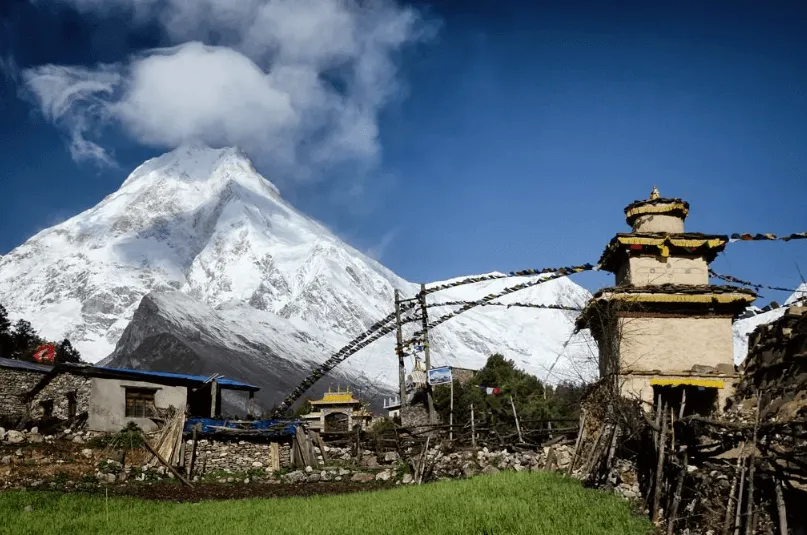
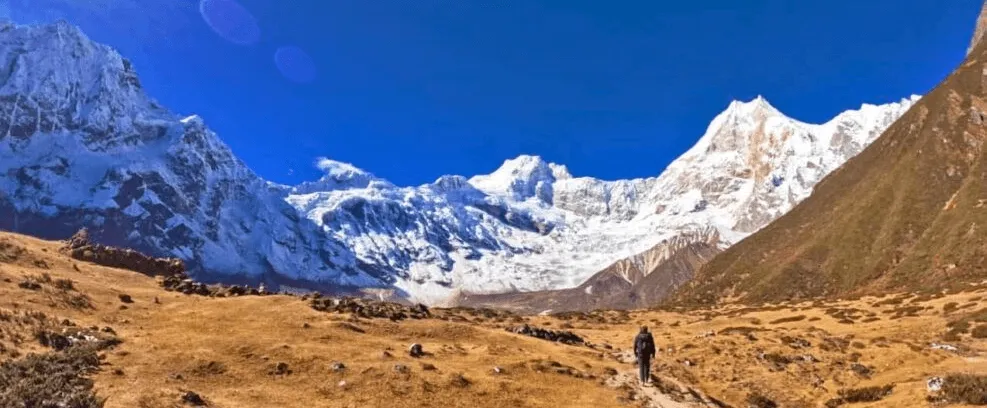
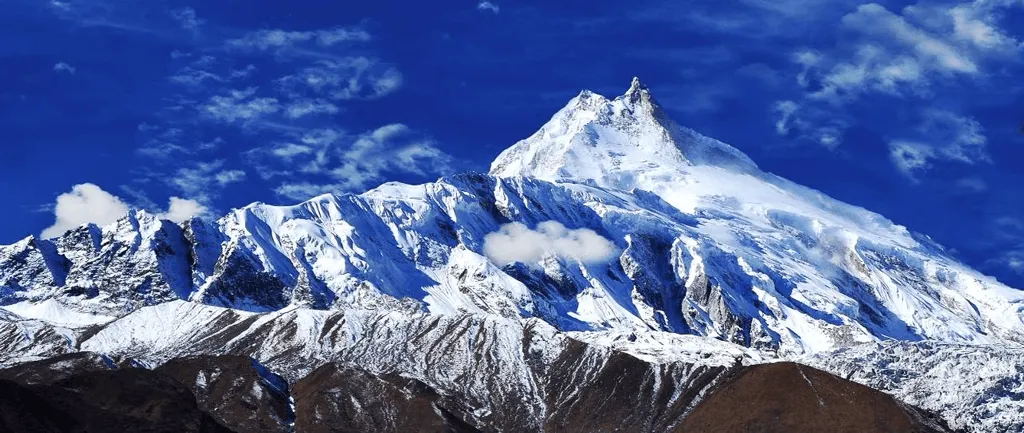
Latest Traveller’s Reviews
Travel experiences of our clients who recently returned from their trips.
100%
Based On 4540 Reviews
Richard Odell
United Kingdom
June 12, 2026
Annapurna Circuit with Tilicho Lake
Katie D
N/A
December 20, 2025
Trip of a Lifetime
Benjamin Carter
Belgium
May 29, 2025
Fantastic Trek Led by Skilled Guide

Write Your Review
Average Customer Ratings
How The Travellers Have Rated This Package
4530
10
0
0
0
People Considering This Package Right Now Check availability