MANASLU TREK 8 DAYS ENDING IN POKHARA
Trip Overview
The Manaslu Circuit Trek 8 Days, ending in Pokhara, is one of Nepal’s most thrilling and scenic Himalayan adventures—perfectly crafted by Sherpa Expedition and Trekking. This moderate trek blends remote terrain, Tibetan-influenced culture, and high-altitude challenge—all packed into just 8 unforgettable days.
Your journey starts with an early drive from Kathmandu to Jagat, where the trek officially begins. As you leave the city behind, the road winds through terraced farmland, hillside villages, and river valleys. Once in Jagat, the real adventure kicks off on foot.
From Jagat, the trail gently climbs through villages and lush forests, reaching Deng, a peaceful village beside the Budhi Gandaki River. As you ascend further, the landscape and culture shift—more Tibetan influence, bigger mountain views.
Next is Namrung, offering jaw-dropping sights of Siringi Himal and Ganesh Himal. The village itself gives a great feel for Himalayan lifestyle and traditions.
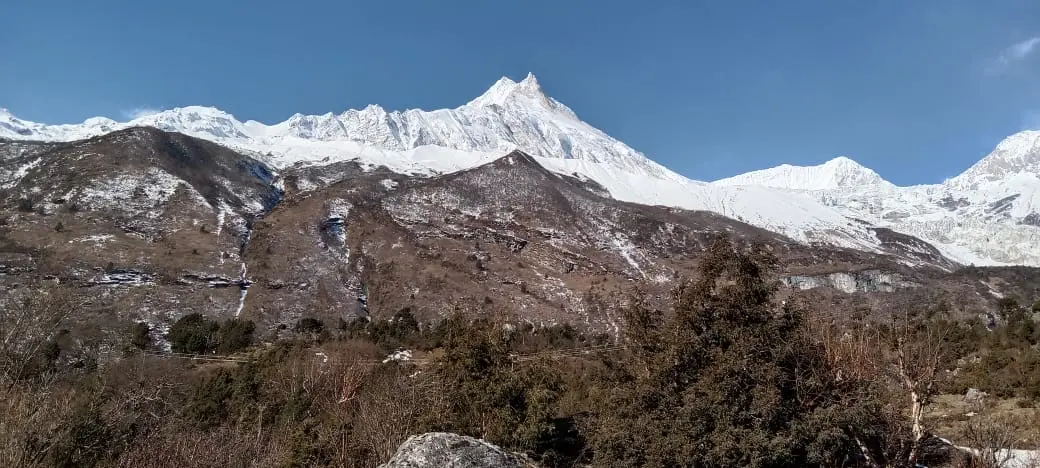
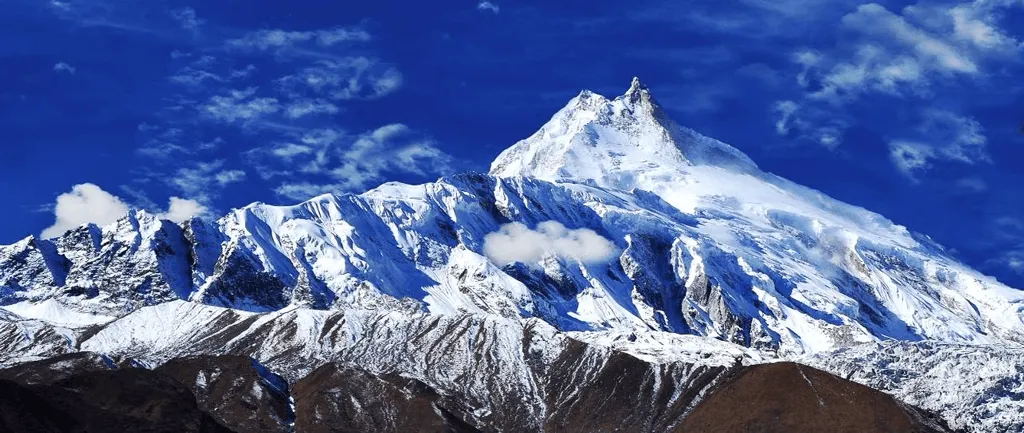
Samagaon (3,530m) is a major highlight—surrounded by chortens, mani walls, and dramatic peaks. A rest day here lets you hike to Manaslu Base Camp (4,800m) or the beautiful Pung Gyen Gompa, both offering incredible views of Manaslu (8,163m).
From there, the trail continues to Samdo, a rugged village near the Tibetan border. Then it’s onward to Dharamsala (Larke Phedi), the last stop before the high pass.
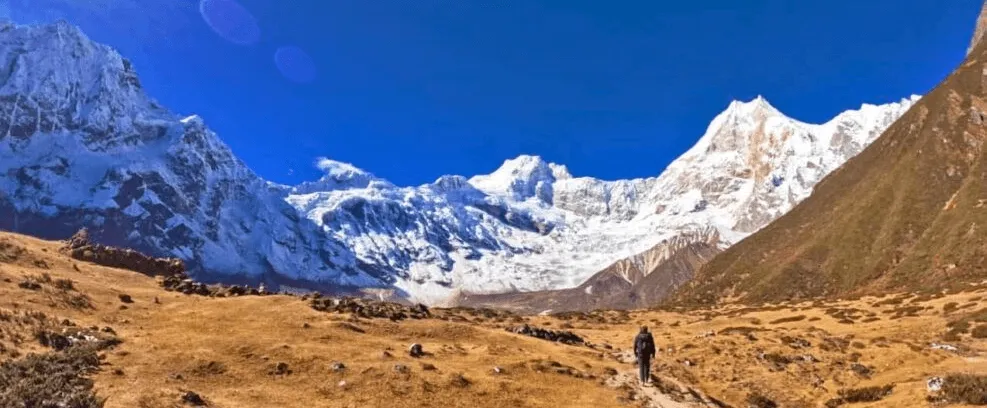
Crossing the Larke La Pass (5,106m) is the biggest challenge of the trek—an early climb that rewards you with panoramic views of Himlung Himal, Cheo Himal, and Annapurna II. The descent takes you to Bhimthang, a stunning alpine valley surrounded by forest and glaciers.
The final trek day brings you to Tilje, then a local jeep ride to Besisahar. A private transfer takes you to Pokhara, where you can relax by Phewa Lake, take a hot shower, and soak in the memories of one of Nepal’s most epic trekking routes.
MANASLU TREK 8 DAYS ENDING IN POKHARA Day-by-day ITINERARY
Day 1 : Drive from Kathmandu to Jagat (1,300m) – Duration: 9–11 Hours.
Start your journey early with a scenic drive out of Kathmandu. The road winds through rolling hills, river valleys, and small roadside settlements. As urban life fades, the landscape shifts to rural Nepal—expect rice terraces, waterfalls, and mountain views. The route follows the Trishuli and Marsyangdi Rivers before joining the Budhi Gandaki Valley. After a long but beautiful drive, you arrive at Jagat, a quiet stone village nestled against the riverbank.
Day 2 : Trek from Jagat to Deng (1,860m) – Duration: 5–6 Hours.
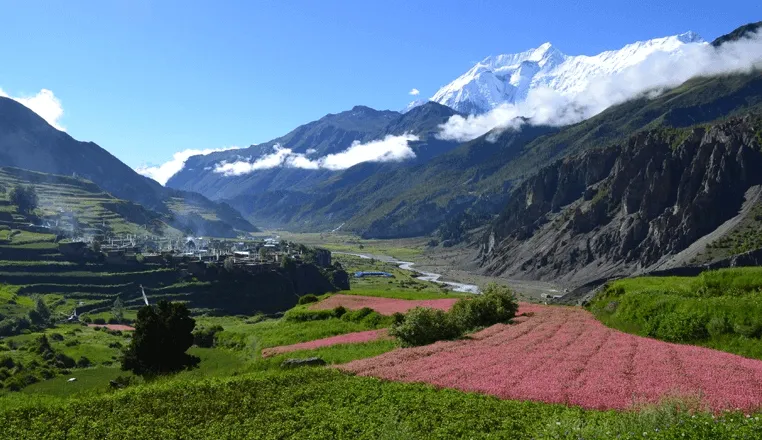
Your first full trekking day begins with a scenic trail along the Budhi Gandaki. You’ll cross suspension bridges, ascend stone stairways, and pass small hamlets like Sirdibas and Philim. The trail gently climbs through subtropical forest, offering glimpses of waterfalls and distant peaks. As the terrain narrows, you enter more remote terrain, arriving at Deng, a peaceful village with Tibetan-influenced culture and terraced fields set against dramatic cliffs.
Day 3 : Trek from Deng to Namrung (2,630m) – Duration: 5–6 Hours.
Today’s route crosses several suspension bridges and climbs into dense pine and oak forests. You’ll pass through traditional villages like Rana and Bihi, where Tibetan prayer flags and mani walls start appearing. As altitude increases, the temperature drops and the views open up. Upon reaching Namrung, you’re rewarded with excellent views of Siringi Himal, Ganesh Himal, and Himalchuli. The village is known for its stone architecture and peaceful surroundings.
Day 4 : Trek from Namrung to Samagaon (3,530m) – Duration: 6–7 Hours.
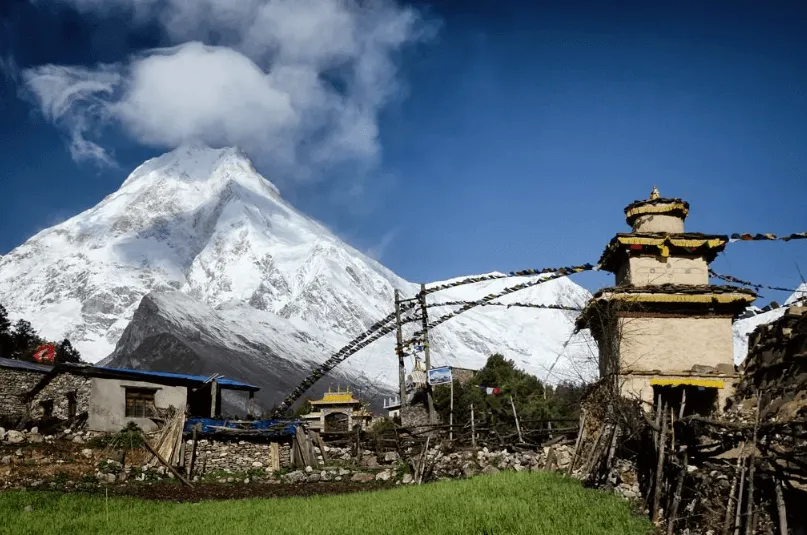
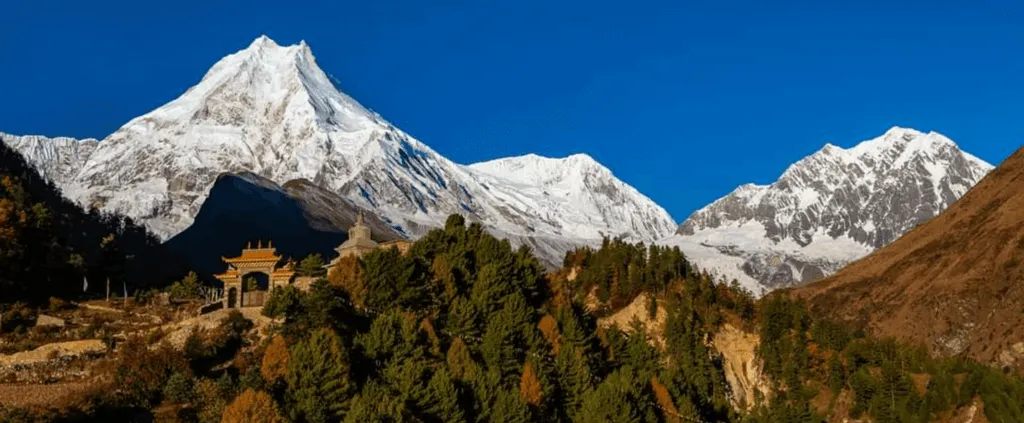
This is one of the most beautiful sections of the trek. The trail continues through alpine forests and charming villages like Lihi, Sho, and Lho, each offering stunning views of Manaslu and Ribung Gompa. You’ll walk alongside glacial rivers and across wide pastures before finally reaching Samagaon, one of the largest settlements in the region. The village is rich in Tibetan Buddhist culture, surrounded by mani walls, chortens, and a dramatic mountain backdrop.
Day 5 : Acclimatization Day at Samagaon – Hike to Pung Gyen Gompa or Manaslu Base Camp.
A rest day in Samagaon helps your body adjust to the high altitude. You can choose an active acclimatization hike to Pung Gyen Gompa, perched above the valley with exceptional views of Manaslu and Himalchuli, or take the more demanding route to Manaslu Base Camp (4,800m) for dramatic glacial scenery. Either way, you'll spend the night back in Samagaon, gaining altitude fitness while enjoying cultural exploration.
Day 6 : Trek from Samagaon to Dharamsala (4,460m) – Duration: 4–5 Hours.
The trail ascends gently past yak pastures and alpine meadows, with fewer trees and more open, wind-swept terrain. You’ll pass through Samdo, the last permanent village before the pass, then continue to Dharamsala (also called Larke Phedi)—a seasonal settlement used by trekkers preparing for the Larke La crossing. It’s a shorter day but crucial for rest and acclimatization before the challenging high pass tomorrow.
Day 7 : Trek to Bhimthang (3,720m) via Larke La Pass (5,106m) – Duration: 8–9 Hours.
The most demanding and exhilarating day of the trek. You’ll begin well before dawn, ascending slowly along rocky terrain to reach the Larke La Pass (5,106m). Snowfields and glacier views accompany your climb. At the top, you'll witness an unforgettable panorama of Himlung Himal, Cheo Himal, Kangguru, and Annapurna II. After celebrating the summit, descend carefully into the lush alpine valley of Bhimthang, a magical resting spot surrounded by peaks and forests.
Day 8 : Trek from Bhimthang to Tilje, drive to Besisahar, then transfer to Pokhara – Duration: 10–11 Hours.
The final stretch takes you down through rhododendron forests and alongside glacial streams. You’ll pass grazing areas, cross wooden bridges, and descend into the warmer lowlands. Upon reaching Tilje, a vehicle will be waiting to take you to Besisahar, and then onward to Pokhara. After a long journey, the lakeside city of Pokhara is the perfect place to relax, unwind, and reflect on your incredible Himalayan adventure.
MANASLU TREK 8 DAYS ENDING IN POKHARA INCLUDES & EXCLUDES
Costs Include In Your Package
- Private Ground Transportation: Comfortable private jeep from Kathmandu to Jagat, local shared jeep from Tilje to Besisahar, and a private jeep/car transfer from Besisahar to Pokhara.
- All Meals During the Trek: Enjoy three standard meals daily—breakfast, lunch, and dinner—featuring local and hygienic mountain cuisine.
- Lodge/Teahouse Accommodation: Best available teahouse or lodge accommodation along the trekking route (typically on a twin-sharing basis).
- Experienced Trekking Guide: A professional, government-licensed English-speaking trek leader, with an assistant guide for groups of 10 or more.
- Reliable Sherpa Porters: Friendly and experienced Sherpa porters (1 porter for every 2 trekkers), including all their meals, accommodation, equipment, salary, and insurance.
- Fully Equipped Crew: All guides and porters provided by Sherpa Expedition & Trekking are fully insured and properly equipped for safe, responsible trekking.
- All Required Permits: Includes the Manaslu Restricted Area Permit, Manaslu Conservation Area Permit (MCAP), and Annapurna Conservation Area Permit (ACAP).
- Trekking Gear on Loan: Complimentary use of sleeping bag, down jacket, duffel bag, and trekking poles (to be returned after the trek if not personally owned).
- Government & Local Taxes: All national park fees, local taxes, official paperwork, and trekking registration charges are fully covered.
- Emergency Assistance: Coordination and assistance for rescue operations in case of severe altitude sickness or health emergencies (note: expenses must be covered by your travel insurance).
- Complimentary Souvenir: A Sherpa Expedition & Trekking T-shirt as a souvenir of your Himalayan adventure.
- Certificate of Completion: Receive a Sherpa Expedition and Trekking appreciation certificate upon successful completion of the trek.
- Daily Health Monitoring: Regular health checks with a pulse oximeter to monitor your oxygen level, pulse, and heart rate, ensuring your safety at high altitudes.
- Extra Assistant Guide: An additional assistant guide for groups of 8 or more to ensure personalized attention and safety.
Costs Exclude
- International airfares: Flights to and from Nepal are not included in the package.
- Nepal entry visa fee: Payable upon arrival at Kathmandu Airport – $30 USD (15 days), $50 USD (30 days), $125 USD (90 days).
- Lunch and dinner in Kathmandu: Meals in the city before or after the trek are at your own expense.
- Hotel accommodation in Kathmandu: Not included before or after the trek (can be arranged on request).
- Extra nights in Kathmandu: Any additional nights due to early arrival, late departure, or early return from the trek are not covered.
- Personal drinks and snacks on the trek: Includes alcohol, bottled water, soft drinks, tea, coffee, and other items bought individually.
- Desserts and sweet items: Such as chocolate, cake, pie, and puddings purchased along the trail.
- Hot showers and battery charging: Available at some teahouses for an extra fee, not included in the package.
- Travel insurance: Must cover emergency rescue, medical treatment, and high-altitude evacuation – compulsory but not included.
- Tips for guide and porters: Not included – tipping is customary and highly appreciated in Nepali culture.
- Unexpected costs due to force majeure: Includes delays or changes caused by weather, landslides, illness, strikes, or other uncontrollable events.
- Any other expenses not mentioned in “Costs Include”: Any item or service not clearly listed in the included section is excluded.
MANASLU TREK 8 DAYS ENDING IN POKHARA PACKING LIST
The following information will give you some idea about what you need to bring for the trek. It is important you do not forget the essential items, as this will determine your comfort and safety on the trek. Equally important is that you do not burden yourself with unnecessary equipment on the trek.
General
- All season sleeping bag and down Jacket (we can provide if you need it, but has to be returned after the trek)
- Duffle bag ( Sherpa Expedition & Trekking provide duffle bag during the trek but has to be returned after the trek)
- A wind and waterproof thin layered jacket (a must-have for morning and evenings above 3,000m)
- Daypack
Upper Body- Head / Ears / Eyewear
- A pair of half gloves
- A warmer hat that covers the ears
- Sunglasses
- Neckwarmer
- Sunscreen (35 to 60 SPF)
- Headlamp and an extra set of batteries
Hands
- A pair of half gloves for walking poles(if you prefer)
- Warmer shell gloves and liner
Upper Body
- long sleeve t-shirts
- Thermal tops
- wool jacket or pullover
- Sports bras for women and girls
- Water and windproof shell jacket
Lower Body
- Thermal underwear (especially trousers)
- windproof and waterproof trousers
- warmer trousers
- Comfortable trekking pants
- Extra casual sport pants
Footwear
- A pair of good waterproof trekking boots
- Pair of sandals
- 4-5 pairs of woolen socks
- Sock liners
- Light shoes and sneakers
- First Aid Kits and Medicines
- Assorted adhesive bandages (fabric preferred)
- Blister treatment cream or similar
- Insect / anti-itch ointment
- Ibuprofen or other pain-relief medication
- Diamox (125mg to 250mg tablets for altitude sickness)
- Warps, splints, and wound coverings butterfly bandage
- Water purifying pills
(Note our company guide will carry the medicines and first aid kits during the trek. However, we recommend you bring your personal first-aid kit as well)
Miscellaneous - but must useful on the trek
- 4 passport size photos with original passport
- Water bottle & filter
- Flight details (please make a copy and leave one pic at our office in KTM because in case you want to change your flight date)
- Bathroom kit (conform, should be included toilet paper, plastic bags, hand wipes, towel, and soap, etc.)
Extra things
- Comfortable trekking poles
- Quality energy dry foods (up to you)
- Power bank and music players
- Camera (memory card, chargers, and extra batteries)
GOOD TO KNOW ABOUT MANASLU TREK 8 DAYS ENDING IN POKHARA
Permits Are Mandatory – Plan Ahead
To trek in the Manaslu region, you’ll need three permits: the Manaslu Restricted Area Permit, the Manaslu Conservation Area Permit (MCAP), and the Annapurna Conservation Area Permit (ACAP). These are checked frequently along the route, so it’s vital to organize them before departure. Most trekking agencies handle permits for you. Since Manaslu is a restricted area, solo trekking is not allowed—you must be part of a group with a licensed guide.
Altitude Acclimatization Is Key
With altitudes reaching over 5,000 meters, acclimatization is crucial to avoid Altitude Sickness (AMS). The 8-day itinerary includes a rest day in Samagaon (3,530m) for this reason. Side hikes to Manaslu Base Camp or Pung Gyen Gompa are excellent for altitude adjustment. Stay hydrated, pace yourself, and don’t ignore symptoms like headaches or dizziness. Acclimatization isn't just about resting—it's about smart movement at the right elevation.
Weather Varies Widely – Pack Right
The trek spans diverse climates—from subtropical forests to alpine terrain above 5,000m. Days can be warm, especially in lower areas, but temperatures drop dramatically at higher elevations, particularly at night. Rain is possible, especially during pre- and post-monsoon seasons. Bring layered clothing, a down jacket, waterproof gear, and sun protection. Don’t forget gloves, a hat, and warm socks—comfort is everything when you're trekking in unpredictable mountain conditions.
Wi-Fi and Electricity Are Limited
While some teahouses in larger villages like Samagaon or Samdo offer Wi-Fi for a fee, it’s often slow or unreliable. Charging devices also comes at a cost and depends on solar availability, especially at higher altitudes. Power banks and solar chargers are recommended. If staying connected is important, consider buying a local SIM card (NTC or Ncell) in Kathmandu—though reception may still be patchy in the upper regions.
Cultural Respect Is Essential
The Manaslu region is home to communities heavily influenced by Tibetan Buddhism. You’ll pass mani walls, chortens, and monasteries—always walk to the left of these religious structures. Dress modestly and avoid public displays of affection. It's polite to ask before photographing people. A few simple phrases in Nepali or Tibetan dialects are often appreciated. Showing respect to the locals and their customs adds a deeper, more meaningful layer to your journey.
Teahouses Are Basic but Cozy
Accommodation along the trek is in locally-run teahouses, offering simple rooms (usually twin beds) with shared bathrooms. Most places provide warm blankets, but at higher altitudes, temperatures can be freezing—so a good sleeping bag is recommended. Meals are filling and carb-heavy, with dal bhat, noodles, potatoes, and soup being common. Some places offer limited Western food. While amenities are basic, the hospitality is warm and welcoming, making every stop feel like home.
Hydration Is Non-Negotiable
Staying hydrated at altitude helps prevent headaches and fatigue. Safe drinking water is available at teahouses, but plastic bottles are discouraged due to waste concerns. Bring reusable bottles and a water purification method—iodine tablets, chlorine drops, or a UV purifier work well. Hot water is often available for a small fee. Drink frequently, even if you don’t feel thirsty—dehydration is a silent killer at high altitudes.
Cash Only – No ATMs on the Trail
There are no ATMs after Arughat or Soti Khola, so you must carry enough Nepali rupees to last the entire trek. This includes money for meals, accommodation, hot showers, snacks, Wi-Fi, tips, and extras. While food and lodging are affordable, costs increase with altitude due to transportation difficulties. A good rule is to bring slightly more than you think you'll need—better safe than stuck without funds in a remote village.
Be Ready for the Larke La Pass
Crossing the Larke La Pass (5,106m) is the highest and toughest part of the trek. The climb starts early, often around 3–4 AM, to avoid strong afternoon winds and ensure safe daylight crossing. Expect cold, wind, and possible snow—even in peak season. Trekking poles, warm layers, gloves, and a buff or balaclava are essential. The ascent is challenging, but the reward at the top—360° views of Himalayan giants—is absolutely worth it.
The Route Ends in Pokhara – Enjoy the Wind-Down
After days of rugged terrain, arriving in Pokhara is like stepping into a peaceful retreat. Surrounded by lakes and mountains, it’s the perfect place to rest, recharge, and reflect. Enjoy a hot shower, fresh food, and perhaps a massage. Visit Phewa Lake, explore the town’s cafes and shops, or simply sit and watch the sunset behind the Annapurna range. This peaceful lakeside city is the perfect reward at the end of an epic trek.
ROUTE MAP OF MANASLU TREK 8 DAYS ENDING IN POKHARA
Gallery of MANASLU TREK 8 DAYS ENDING IN POKHARA

MANASLU TREK 8 DAYS ENDING IN POKHARA Departures
Every departure listed below is 100% Guaranteed — once you book, your trip will run as scheduled regardless of group size.
Select a departure month
Fill out the form below and a Travel Expert will reach out to create your perfect tour.
FAQS Related to MANASLU TREK 8 DAYS ENDING IN POKHARA
Others
Do I need a guide for the Manaslu Circuit Trek?
Yes, a licensed guide is mandatory for the Manaslu Circuit, as it’s a restricted trekking region in Nepal. Solo trekking isn’t allowed, and you must be part of a group (minimum two trekkers) registered through a government-authorized agency. Guides not only help with navigation and logistics but also provide valuable insights into local culture, safety, and acclimatization throughout the journey.
How difficult is the Manaslu Circuit Trek?
The trek is considered moderately challenging. You’ll cover varied terrain, long walking days (5–7 hours), and cross the high Larke La Pass (5,106m). While no technical climbing is required, good physical fitness and prior hiking experience are helpful. The key challenge is altitude, especially above 3,500m, so proper acclimatization and pacing are important to complete the trek safely and enjoyably.
What’s the best time to do the Manaslu Circuit?
The best months are March to May (spring) and October to November (autumn). These seasons offer clear skies, stable weather, and great visibility. Spring brings blooming rhododendrons, while autumn features crisp mountain views. Avoid the monsoon (June–Sept) due to landslides and leeches, and winter (Dec–Feb) unless you're experienced in snow trekking—Larke La may be closed due to heavy snowfall.
What kind of accommodation is available during the trek?
You'll stay in local teahouses, which are basic but comfortable. Rooms usually have twin beds, a small table, and shared toilets. Warm blankets are provided, but bringing your own sleeping bag is highly recommended—especially for colder nights at high altitudes. Dining rooms are communal and cozy, often heated by a stove. Don’t expect luxury, but the hospitality and mountain vibes more than make up for it.
Can I charge devices and access the internet?
Yes—but expect limited access. Charging is available in most teahouses for a fee, and power comes from solar in many places, especially at higher elevations. Wi-Fi is available in a few villages like Samagaon or Samdo, but it’s slow and unreliable. Carry a power bank or solar charger. A local SIM card might work in lower regions, but mobile reception fades as you gain altitude.
What kind of food is served on the trek?
Meals are hearty, carb-rich, and warming—perfect for trekking energy needs. Expect Nepali staples like dal bhat (rice, lentils, veggies), noodles, momos (dumplings), soups, pancakes, and potatoes. Some teahouses offer pasta or toast, but options get more limited with altitude. While simple, food is generally fresh and filling. Carry snacks for variety and energy on the trail—nuts, energy bars, or dried fruit are ideal.
How do I prevent or deal with altitude sickness?
The key is gradual ascent and smart acclimatization. The itinerary includes a rest day in Samagaon for this reason. Stay hydrated, avoid alcohol, and climb slowly—“climb high, sleep low” helps. Listen to your body—symptoms like headaches, nausea, and dizziness are warning signs. Diamox can help but consult a doctor before use. Guides are trained in first aid and will assist if symptoms worsen.
Are there hot showers and toilets along the route?
Hot showers are available in some teahouses, usually powered by gas or solar, and often come at an extra cost. Higher up, they may be bucket showers or unavailable. Toilets are mostly squat-style and shared. Bring toilet paper and hand sanitizer—these aren't always provided. Hygiene standards are basic but manageable. A pack of wet wipes and a small towel go a long way.
How much money should I carry for the trek?
There are no ATMs after Arughat or Soti Khola, so bring enough cash in Nepali rupees for the entire trek. Budget around $25–$35 per day, covering food, lodging, Wi-Fi, charging, snacks, hot showers, and occasional tips. Prices rise with elevation due to transport challenges. Always carry a little extra—unexpected needs, weather delays, or donations to monasteries can come up.
What gear is essential for the Manaslu trek?
Essentials include a warm sleeping bag, layered clothing, down jacket, rain gear, good trekking boots, and trekking poles. Don’t forget a headlamp, water purification system, and a first aid kit. Gloves, a hat, sunglasses, and sunblock are musts at altitude. Pack light but smart. Your main bag is usually carried by porters, while you’ll carry a daypack with essentials like water, snacks, and extra layers.
Latest Traveller’s Reviews
Travel experiences of our clients who recently returned from their trips.
100%
Based On 4540 Reviews
Richard Odell
United Kingdom
June 12, 2026
Annapurna Circuit with Tilicho Lake
Katie D
N/A
December 20, 2025
Trip of a Lifetime
Benjamin Carter
Belgium
May 29, 2025
Fantastic Trek Led by Skilled Guide

Write Your Review
Average Customer Ratings
How The Travellers Have Rated This Package
4530
10
0
0
0
People Considering This Package Right Now Check availability