ANNAPURNA CIRCUIT TREK VIA TILICHO LAKE 10 DAYS FROM POKHARA
Trip Overview
The Annapurna Circuit Trek via Tilicho Lake is an unforgettable 10-day journey through one of Nepal’s most iconic trekking regions. This adventure takes you through mesmerizing landscapes, cultural gems, and high-altitude challenges, including the exhilarating Thorong La Pass. Your trek begins in Pokhara, a beautiful lakeside city, where you’ll first take a bus to Besisahar and then a shared jeep to Chame, a charming town nestled in the heart of the Annapurna range, marking the start of your trek.
From Chame, you’ll gradually ascend towards Pisang, where the beauty of the surrounding mountains begins to unfold. Continuing on, you’ll reach Manang, a vibrant village inhabited by Sherpas. Along the way, you’ll pass through Ngawal, a village famed for its traditional architecture and panoramic views of the Annapurna peaks. Upon reaching Manang, you’ll have a day to acclimatize, ensuring your body adjusts to the high altitude. A highlight of your rest day is a visit to Ice Lake, where you’ll be treated to breathtaking views of the surrounding Himalayan giants.
After your rest day in Manang, your journey leads you to Tilicho Base Camp, surrounded by rugged alpine terrain. The following day, you’ll trek to Tilicho Lake, one of the highest lakes on earth, located at 4,920 meters. The lake’s pristine blue waters, set against a backdrop of towering snow-capped peaks, offer one of the most stunning views of the trek. After soaking in the tranquility of the lake, you’ll retrace your steps back to Tilicho Base Camp and then continue your descent to Shree Kharka, where you’ll rest for the night.
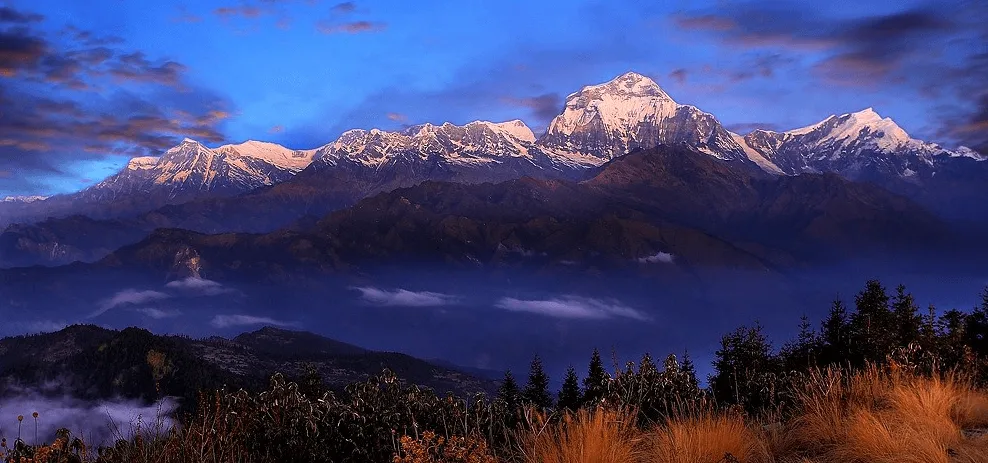
The trek then continues through Yak Kharka to Thorong Phedi, where you’ll prepare for the challenging ascent to Thorong La Pass, standing tall at 5,416 meters. Crossing the pass is an exhilarating experience, offering panoramic views of the Annapurna and Dhaulagiri mountain ranges. Once you’ve crossed the pass, you’ll descend to Muktinath, a sacred site revered by both Hindus and Buddhists, where you’ll reflect on the physical and spiritual significance of your journey.
The final leg of the trek involves a scenic drive back to Pokhara, where you can relax and reminisce about the incredible adventure through the heart of the Annapurna Himalayas. The Annapurna Circuit Trek via Tilicho Lake offers an experience like no other, combining adventure, culture, and natural beauty in one unforgettable package.
ANNAPURNA CIRCUIT TREK VIA TILICHO LAKE 10 DAYS FROM POKHARA Day-by-day ITINERARY
Day 1 : Drive from Pokhara to Chame (2,710 m / 8,890 ft) – Duration: 8-10 hours.
The journey begins with an exciting drive from Pokhara to Chame, the starting point of your Annapurna Circuit trek. The drive, which takes approximately 8-10 hours, is a scenic adventure as you traverse through the beautiful Prithvi Highway and continue along winding roads, passing through Besisahar and Ngadi. The road gradually ascends, offering stunning views of the surrounding hills and mountains. You'll cross small villages and experience the rural culture of Nepal. Upon arrival in Chame, a small village located in the Manang District, you can relax and prepare for the next day's trek.
Day 2 : Trek to Pisang (3,115 m / 10,200 ft) – Duration: 4-5 hours.
Today marks the start of your trek. The trail from Chame to Pisang takes about 4-5 hours, passing through scenic forests and traditional villages. As you climb higher, you’ll notice a shift in the landscape, with pine and fir trees giving way to alpine meadows. Along the way, you’ll get your first panoramic views of the Annapurna range, including Peaks like Gangapurna and Annapurna II. Pisang is a small and vibrant village with stunning views of the surrounding peaks, where you’ll spend the night. This trek is relatively short, allowing you to ease into the higher altitudes.
Day 3 : Trek to Manang (3,540 m / 11,300 ft) via Ngawal Village – Duration: 6-7 hours.
On Day 3, you will trek from Pisang to Manang, passing through the picturesque Ngawal village. The trek takes about 6-7 hours, and the landscape becomes more rugged as you approach the heart of the Annapurna Circuit. The trail ascends gradually, and you’ll be treated to magnificent views of the Himalayas, including Annapurna III and Gangapurna. The village of Ngawal offers a glimpse into the traditional lifestyle of the Sherpa people, with its charming wooden houses and Buddhist stupas. Once in Manang, you’ll be surrounded by spectacular mountain views. This is an excellent spot to rest and adjust to the higher altitude.
Day 4 : Rest Day at Manang to Acclimatize.
This is an essential rest day to help your body acclimatize to the higher altitude. Manang sits at an elevation of 3,540 m, and taking the time to rest here will significantly reduce the risk of altitude sickness. You can take short hikes around the village, such as a visit to Ice Lake (optional) for a stunning view of the surrounding peaks. Spend the day hydrating, relaxing, and exploring the village at your own pace. Use this time to get familiar with the local culture and enjoy the beautiful scenery before the next leg of the trek.
Day 5 : Trek from Manang to Tilicho Base Camp (4,150 m) – Duration: 5-6 hours.
The trek today takes you from Manang to Tilicho Base Camp, a journey that lasts 5-6 hours. The path gradually ascends as you leave the village behind and enter more alpine terrain. The higher you go, the more dramatic the landscapes become, with rugged valleys, rocky terrain, and towering peaks in the distance. The base camp, at 4,150 m, offers a peaceful environment where you’ll rest before the much-anticipated visit to Tilicho Lake. The night at Tilicho Base Camp will prepare you for the hike to the lake the following day.
Day 6 : Hike to Tilicho Lake (4,920 m) & Return to Base Camp, then Trek to Shree Kharka – Duration: 7-8 hours.
Today, you’ll hike to the stunning Tilicho Lake. At an elevation of 4,920 m, this lake is one of the highest in the world and is surrounded by towering peaks. The hike takes about 3-4 hours to reach the lake, and the scenery is simply breathtaking. The turquoise waters of the lake are set against a dramatic backdrop of snow-capped mountains, creating a truly unforgettable view. After spending some time taking in the beauty, you'll retrace your steps back to Tilicho Base Camp, and then continue descending to Shree Kharka, where you'll rest for the night. The total trek today will last around 7-8 hours.
Day 7 : Trek from Shree Kharka to Yak Kharka (4,200 m) – Duration: 5-6 hours.
On Day 7, you’ll trek from Shree Kharka to Yak Kharka, a village located at 4,200 m. This section of the trek takes approximately 5-6 hours, and the terrain becomes more barren as you approach higher altitudes. Along the way, you’ll encounter herders with their yaks and other livestock. Yak Kharka offers stunning views of the surrounding mountains and is an ideal place to rest for the night as you prepare for the challenging ascent to Thorong Phedi the following day.
Day 8 : Trek from Yak Kharka to Thorong Phedi (4,500 m) – Duration: 3-4 hours.
The trek to Thorong Phedi, the base for the Thorong La Pass, takes around 3-4 hours. Thorong Phedi is located at 4,500 m, and it’s the last stop before the strenuous ascent to the pass. The trail is relatively short, allowing you ample time to rest before the big climb. Thorong Phedi is a small settlement, providing basic accommodations for trekkers. You’ll want to get a good night’s rest here as you’ll be crossing the Thorong La Pass early the next morning.
Day 9 : Trek from Thorong Phedi via Thorong La Pass (5,416 m) to Muktinath (3,802 m) – Duration: 7-9 hours.
Day 9 is the most challenging and exhilarating day of the trek. You’ll begin early to cross the Thorong La Pass, the highest point on the trek at 5,416 m. The ascent takes about 4-5 hours, and the views from the top are absolutely spectacular, offering sweeping panoramas of the Annapurna and Dhaulagiri ranges. After reaching the pass, you’ll begin your descent to Muktinath, a sacred town famous for its religious significance. The descent takes about 3-4 hours, and you’ll end the day in Muktinath, where you can visit the Muktinath Temple, a revered site for both Hindus and Buddhists.
Day 10 : Drive to Pokhara (850 m / 2,788 ft) – Duration: 8-9 hours.
On the final day of your trek, you’ll take a scenic drive from Muktinath back to Pokhara. The drive takes approximately 8-9 hours, passing through Jomsom and following the Kaligandaki River. As you descend from the mountains, the landscapes shift, and you’ll be treated to views of lush valleys, terraced fields, and small villages. Arriving in Pokhara, you’ll have the chance to relax, reflect on your incredible journey, and enjoy the serene beauty of Phewa Lake.
ANNAPURNA CIRCUIT TREK VIA TILICHO LAKE 10 DAYS FROM POKHARA INCLUDES & EXCLUDES
Cost Included in Your Package
- Drive from Pokhara to Besisahar by local bus and Besisahar to Chame by local shared Jeep.
- Drive from Muktinath to Pokhara by local bus at the end of the trek.
- Tea House/Lodge accommodation during the trek.
- Three meals a day (Breakfast, Lunch, and Dinner) are provided throughout the trek.
- Experienced and qualified trek leader (guide) with a government license, and an assistant trekking guide for groups of 8 or more trekkers.
- Porter service: One porter for every two trekkers to help carry your luggage.
- Porters' coverage: Their salary, food, accommodation, insurance, and safety equipment.
- The Annapurna Conservation Area Permit (ACAP) fee is included.
- The Trekkers Information Management System (TIMS) card fee is covered.
- Use of trekking gear: Sleeping bag, down jacket, duffel bag, and walking poles (if you don't have your own), to be returned after the trek.
- Assistance with emergency rescue operations (funded by your travel insurance) in case of severe health conditions.
- Sherpa Expedition and Trekking appreciation certificate after completing the trek.
- Oxygen meter to check your pulse, oxygen saturation, and heart rate twice daily, ensuring your health and safety during the trek.
Cost Not Included in Your Package
- International Flight to and from Nepal.
- Nepal entry visa fee: Visas can be obtained easily on arrival at Tribhuvan International Airport, Kathmandu. The fees are as follows:
- $30 USD for a 15-day visa
- $50 USD for a 30-day visa
- $125 USD for a 90-day visa
- Accommodation and meals in Pokhara (other than those provided during the trek).
- Extra night accommodation in Kathmandu or Pokhara due to early arrival, late departure, or early return from trekking for any reason outside the scheduled itinerary.
- Personal expenses such as shopping, snacks, bar bills, tea, coffee, hot water, bottled or boiled water, shower fees, Wi-Fi, laundry, telephone calls, battery recharges, extra porters, etc.
- Personal clothing and gear not provided in the package.
- Travel insurance: It is strongly recommended to have insurance that covers trekking in high-altitude areas.
- Tips for your guide and porters, which is customary in Nepali culture.
- Additional costs or delays caused by circumstances beyond our control, such as landscape changes, bad weather, itinerary modifications for safety, illness, changes in government policy, political instability, strikes, or other unforeseen events.
- NOTE: If you return earlier from the trek due to sickness or any other reason, expenses for flights, hotels, meals, and other services are nonrefundable. You will be responsible for any additional costs incurred in Kathmandu or Pokhara.
ANNAPURNA CIRCUIT TREK VIA TILICHO LAKE 10 DAYS FROM POKHARA PACKING LIST
The following information will give you some idea about what you need to bring for the trek. It is important you do not forget the essential items, as this will determine your comfort and safety on the trek. Equally important is that you do not burden yourself with unnecessary equipment on the trek.
- Sleeping Bag (Sherpa Teams will provide but need to return after completing the trip)
- Duffel Bag (Sherpa Teams will provide but need to return after completing the trip)
- Fleece jacket or pullover
- Waterproof windbreaker or windcheater
- Thermal underclothes
- Rain poncho
- Down jacket (Sherpa Teams will provide but need to return after completing the trip)
- Fleece or wool trousers
- Sun hat or scarf
- Trekking pants (two pairs)
- Mittens or woolen gloves
- Hiking socks (several pairs)
- Moisture-wicking shirts, including t-shirts
- Trekking shoes or boots with spare laces
- Flip-flops or sandals for relaxing in the evenings
- Underwear (several pairs)
- Swimsuit or swimming costume
- Sunglasses
- Headlamp or flashlight/torch
- Sleeping bag (Sherpa Teams can provide this for you)
- Trekking poles (if desired)
- Hiking backpack with a capacity of at least 40 liters
- Small lock for your backpack
- Reusable water bottles (at least two liters)
- Water purification tablets or filtration device
- Wash towel
- Basic first aid kit
Toiletries (tissues, toilet paper, moisturizer, lip balm, sunscreen, sanitary pads, hand sanitizer, nail clippers, a small mirror, toothbrush, toothpaste, glasses, contacts, etc.)
GOOD TO KNOW ABOUT ANNAPURNA CIRCUIT TREK VIA TILICHO LAKE 10 DAYS FROM POKHARA
1.Best Time to Trek 🌞
The best seasons for trekking the Annapurna Circuit are spring (March to May) and autumn (September to November). During these months, the weather is stable, the skies are clear, and the temperature is moderate. These seasons provide excellent visibility of the surrounding mountains and offer ideal trekking conditions.
2. Altitude Awareness & Acclimatization 🏔️
As the trek involves high altitudes, particularly the Thorong La Pass (5,416 meters) and Tilicho Lake (4,920 meters), altitude sickness is a significant concern. It's crucial to acclimatize by following the recommended itinerary, taking rest days in Manang, and avoiding rapid ascent to reduce the risk of altitude-related issues. Stay hydrated, eat well, and take it slow.
3. Permits Required 📜
To trek in the Annapurna Conservation Area, you’ll need two permits:
- Annapurna Conservation Area Permit (ACAP)
- TIMS (Trekkers' Information Management System) Card
Both permits can be obtained in Kathmandu or Pokhara before starting the trek. Ensure you have these ready, as they are required for entry to the trekking areas.
4. Trekking Difficulty 🥾
The Annapurna Circuit Trek via Tilicho Lake is a moderately challenging trek, particularly due to its high-altitude sections. Thorong La Pass and the Tilicho Lake detour make the trek more strenuous compared to the standard Annapurna Circuit. While the trek is achievable for those with moderate fitness, prior trekking experience and physical conditioning are recommended.
5. Accommodations Along the Route 🏡
The Annapurna Circuit offers a variety of accommodations along the way, primarily teahouses and lodges. These basic but comfortable facilities provide rooms, meals, and shelter. As you climb higher, the facilities become more basic, but they remain safe and accommodating for trekkers.
6. Packing Essentials 🎒
Packing appropriately is key to enjoying the trek. Essential items include:
- Warm clothing (layers for varying temperatures)
- Waterproof gear (jackets, pants)
- Good quality trekking boots
- Sunscreen and sunglasses
- Personal medications
- First aid kit
- Headlamp/torch (for nighttime)
- Sleeping bag (if not provided by teahouses)
7. Hiring a Guide or Porter 👣
Though it’s possible to trek independently, hiring a guide or porter can significantly enhance your experience. A guide offers navigation expertise, safety advice, and cultural insights, while a porter can carry your heavy bags, allowing you to trek more comfortably. Both options also support the local economy.
8. Food and Water 🍲
Throughout the trek, teahouses and lodges provide simple but nutritious meals. Expect to find dal bhat (lentil soup), noodles, rice, and vegetables on the menu. It's advisable to drink boiled or purified water to avoid waterborne illnesses. Carry a water filter or purification tablets for extra safety.
9. Physical Preparation 🏋️
To tackle the Annapurna Circuit, especially the high-altitude sections, physical fitness is crucial. Focus on cardio, strength, and endurance training for several weeks before your trek. Include hill walks, long hikes, and cardio exercises to build stamina and leg strength.
10. Safety Tips 🚑
- Always trek with a buddy or a guide.
- Stay hydrated, especially at high altitudes.
- Recognize the symptoms of altitude sickness, such as headaches, dizziness, and nausea. If symptoms persist, descend to a lower elevation.
- Be cautious of the weather, as the trek can become dangerous in bad conditions, especially during the winter months when snow and ice are common.
11. Local Culture & Respect 🙏
Respect the local culture and traditions of the Sherpa and Tibetan communities. Muktinath, Manang, and other villages along the trek are culturally significant and offer insight into the lives of the people who call this area home. Always ask before taking photos of locals, and be respectful of religious sites and customs.
12. Trek Duration and Daily Distance ⏳
The entire trek spans 10 days, with daily trekking durations ranging from 4 to 9 hours. The distance covered varies by day, with some days being more challenging than others. Trekking gradually allows for optimal acclimatization, reducing the risk of altitude sickness.
ROUTE MAP OF ANNAPURNA CIRCUIT TREK VIA TILICHO LAKE 10 DAYS FROM POKHARA
Gallery of ANNAPURNA CIRCUIT TREK VIA TILICHO LAKE 10 DAYS FROM POKHARA

ANNAPURNA CIRCUIT TREK VIA TILICHO LAKE 10 DAYS FROM POKHARA Departures
Every departure listed below is 100% Guaranteed — once you book, your trip will run as scheduled regardless of group size.
Select a departure month
Fill out the form below and a Travel Expert will reach out to create your perfect tour.
FAQS Related to ANNAPURNA CIRCUIT TREK VIA TILICHO LAKE 10 DAYS FROM POKHARA
What is the best time to do the Annapurna Circuit Trek via Tilicho Lake?
The best time to trek the Annapurna Circuit is during spring (March to May) and autumn (September to November). These seasons offer clear skies, stable weather, and moderate temperatures, making them ideal for trekking.
How difficult is the Annapurna Circuit Trek via Tilicho Lake?
The trek is moderately difficult due to its high-altitude sections, particularly Thorong La Pass (5,416 meters) and Tilicho Lake (4,920 meters). While it requires good fitness and some trekking experience, with proper acclimatization and preparation, it is achievable for most trekkers.
Do I need a guide or porter for the trek?
Hiring a guide or porter is optional but highly recommended. A guide can provide navigation, safety assistance, and cultural insights, while a porter will carry your gear, allowing you to trek more comfortably. Both can enhance your experience and support the local economy.
What permits do I need for the Annapurna Circuit Trek via Tilicho Lake?
You will need the following permits:
- Annapurna Conservation Area Permit (ACAP)
- TIMS (Trekkers' Information Management System) Card
Both permits can be obtained in Pokhara or Kathmandu before the trek. Make sure to have these permits ready before you start the journey.
How long does the Annapurna Circuit Trek via Tilicho Lake take?
The trek typically takes 9 to 10 days, depending on your pace and acclimatization needs. The daily trekking durations range from 4 to 9 hours. This timeframe includes rest days to help with acclimatization at key points like Manang.
What is the highest point of the trek?
The highest point of the trek is Thorong La Pass, which stands at an impressive 5,416 meters (17,769 feet). Crossing this pass is a major highlight of the trek, offering breathtaking views of the Annapurna and Dhaulagiri mountain ranges.
Is the trek suitable for beginners?
While prior trekking experience helps, the Annapurna Circuit Trek via Tilicho Lake is suitable for trekkers with a reasonable level of fitness. Beginners should train physically before the trek, as the high-altitude sections can be challenging, particularly Thorong La Pass.
What type of accommodation is available on the trek?
Throughout the Annapurna Circuit, you will find teahouses and lodges offering basic but comfortable accommodations. Rooms typically come with beds, pillows, and blankets. As you gain altitude, the accommodations may become more basic, but they remain safe and functional for trekkers.
How do I deal with altitude sickness?
To minimize the risk of altitude sickness, it's essential to acclimatize properly. This involves taking rest days in places like Manang, drinking plenty of water, and avoiding rapid ascents. If you experience symptoms such as headaches or dizziness, it’s crucial to descend to a lower altitude and seek medical attention.
What should I pack for the Annapurna Circuit Trek via Tilicho Lake?
Essential items for the trek include:
- Warm layers (for cold evenings and mornings)
- Waterproof gear (jackets, pants)
- Good trekking boots
- Sunscreen and sunglasses
- First aid kit
- Headlamp/torch for night trekking
- Sleeping bag for higher altitudes
- Water purifier (for safe drinking water)




Latest Traveller’s Reviews
Travel experiences of our clients who recently returned from their trips.
100%
Based On 4540 Reviews
Richard Odell
United Kingdom
June 12, 2026
Annapurna Circuit with Tilicho Lake
Katie D
N/A
December 20, 2025
Trip of a Lifetime
Benjamin Carter
Belgium
May 29, 2025
Fantastic Trek Led by Skilled Guide

Write Your Review
Average Customer Ratings
How The Travellers Have Rated This Package
4530
10
0
0
0
People Considering This Package Right Now Check availability