ANNAPURNA CIRCUIT TREK 13 DAYS FROM POKHARA
Trip Overview
The 13-day Annapurna Circuit Trek is a captivating adventure meticulously crafted by Sherpa Expedition and Trekking, offering an unparalleled blend of natural beauty, exhilarating challenges, and rich cultural encounters. Starting from the beautiful lakeside town of Pokhara, your journey begins with a scenic bus ride to Besishahar. From there, a shared jeep takes you further to Nagdi, where the real trekking begins.
On Day 1, you embark on the trek towards Jagat, a quaint village nestled in the heart of the Himalayas, where you will experience the charm of traditional mountain life. From Jagat, the trail ascends steadily, passing through lush forests and charming settlements, leading to Dharapani, a small village at an altitude of 1,960m.
The next day, you continue your journey towards Upper Pisang (3,300m), one of the most scenic spots of the trek. The panoramic views of Annapurna II, Annapurna IV, and Pisang Peak make this section one of the most memorable parts of the trek.
From Upper Pisang, the route continues to Ngawal, a picturesque Tibetan-style village, before heading to Manang (3,500m). Here, you'll take a much-needed rest day to acclimatize to the increasing altitude. This day is crucial for your body to adjust, and you'll have the opportunity to explore Lama Cave or hike to Ice Lake or Yak Kharka, taking in the stunning beauty of the region.
After acclimatization, you will trek to Thorong Phedi, a base camp for those attempting the Thorong La Pass (5,416m). For better acclimatization, you can opt to trek to High Camp before resting for the night. The next day, you will cross the mighty Thorong La Pass, one of the highest trekking passes in the world, with breathtaking views of snow-capped peaks and a sense of achievement as you reach the summit.
Afterward, the trail descends to Muktinath, a sacred pilgrimage site revered by both Hindus and Buddhists. Here, you will experience a sense of spirituality and peace before continuing your journey.
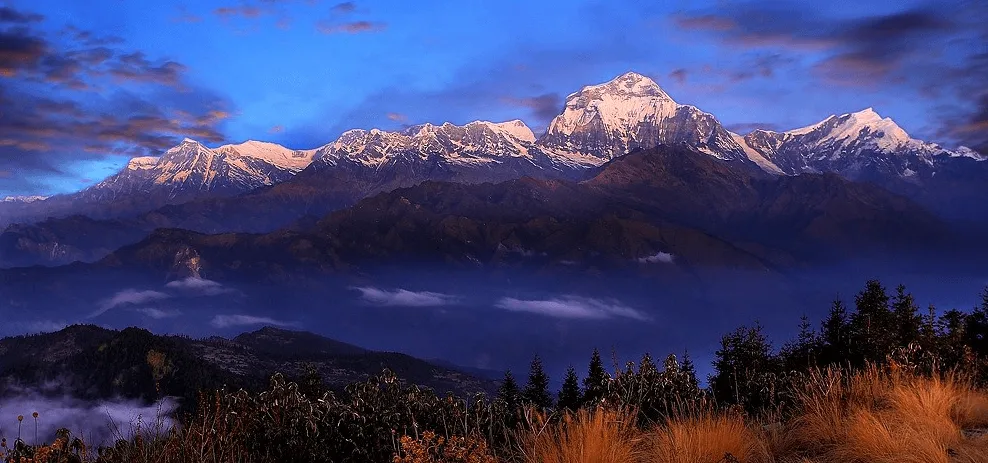
The next segment of the trek takes you to Tatopani, known for its natural hot springs, where you can relax your muscles and rejuvenate after the long trek. The following day, you'll continue your trek to Ghorepani, and from there, you'll rise early for a sunrise hike to Poon Hill (3,210m), one of the best vantage points in the Annapurna region to witness the breathtaking sunrise over the Himalayas.
On the final day, you’ll trek down to Nayapul, where you’ll take a drive back to Pokhara, marking the conclusion of this incredible 13-day adventure. This trek, with its mix of challenging climbs, stunning landscapes, and rich cultural heritage, is a must-do for any trekking enthusiast seeking a truly unforgettable experience in the Annapurna region.
ANNAPURNA CIRCUIT TREK 13 DAYS FROM POKHARA Day-by-day ITINERARY
Day 1 : Drive from Pokhara to Nagdi (900m) – Duration: 7-8 hours.
Your adventure begins with a scenic drive from Pokhara to Nagdi. The journey takes you through lush hills and rural villages, offering stunning views of the surrounding landscapes. Upon arrival at Nagdi, you will stay in a local guesthouse and prepare for the trek ahead.
Day 2 : Trek from Nagdi to Jagat (1,300m) – Duration: 8-9 hours.
On Day 2, the trek starts from Nagdi as you begin your ascent towards Jagat. The path meanders through terraced fields, dense forests, and beautiful riverside landscapes. The day involves a moderate climb, and you'll be rewarded with breathtaking views of the Annapurna region. You will spend the night in Jagat, a charming village along the route.
Day 3 : Trek from Jagat to Dharapani (1,960m) – Duration: 8-9 hours.
After a hearty breakfast, you'll continue your journey toward Dharapani. The route ascends gradually through pine forests and small settlements. You’ll cross suspension bridges and pass by beautiful landscapes, including views of the Machapuchare and Annapurna peaks. You’ll reach Dharapani in the evening, where you’ll settle in for the night.
Day 4 : Trek from Dharapani to Chame (2,760m) – Duration: 5-6 hours.
Today, the trek takes you through dense pine forests with incredible views of snow-capped peaks. After crossing a suspension bridge over the Marsyangdi River, you’ll gradually ascend to Chame, the administrative headquarters of the Manang district. This village is beautifully set amidst the backdrop of soaring peaks, including the dramatic Lamjung Himal.
Day 5 : Trek from Chame to Upper Pisang (3,300m) – Duration: 5-6 hours.
Day 5 offers a challenging yet rewarding trek. The route ascends steadily, passing through deep forests and small villages. As you approach Upper Pisang, the view opens up to dramatic snow-capped mountains, including Annapurna II and Pisang Peak. Upper Pisang offers panoramic views of the surrounding peaks, making it one of the most picturesque places on the circuit.
Day 6 : Trek from Pisang to Manang (3,500m) via Ngawal Village – Duration: 8-9 hours.
Today’s trek takes you via the ancient village of Ngawal, which offers a glimpse of traditional Tibetan culture and architecture. The route is a combination of forested paths and open landscapes, leading you to Manang, a larger village at the foot of the Annapurna massif. Manang is where you'll spend an acclimatization day, taking in the stunning surroundings.
Day 7 : Rest Day at Manang for Acclimatization.
On Day 7, you'll take a well-deserved rest in Manang for acclimatization. This is crucial to help your body adjust to the higher altitudes. During your rest day, you can explore Manang or go for a short hike to nearby attractions such as Ice Lake or the monastery above the village. These hikes will allow you to enjoy breathtaking views while aiding your acclimatization.
Day 8 : Trek from Manang to Yak Kharka (4,200m) – Duration: 4-5 hours.
After your acclimatization day, it’s time to trek toward Yak Kharka. This day’s trek is relatively short but involves a steady ascent. You’ll pass through pastures with grazing yaks and small stone huts along the way. The surrounding scenery continues to impress with spectacular views of the high Himalayan peaks.
Day 9 : Trek from Yak Kharka to Thorong Phedi (4,600m) – Duration: 3-4 hours.
Today, you’ll trek towards Thorong Phedi, the base camp for the high-altitude Thorong La Pass. The trail offers beautiful alpine meadows and stunning views of the surrounding peaks. You’ll arrive at Thorong Phedi in the afternoon, where you’ll prepare for the challenging ascent to the pass the following day.
Day 10 : Trek to Muktinath via Thorong La Pass (5,416m) – Duration: 7-8 hours.
Thorong La Pass at 5,416 meters. After crossing the pass, you will descend to Muktinath, a sacred site for both Hindus and Buddhists. The panoramic views from the pass are stunning, offering sweeping vistas of the Annapurna and Dhaulagiri mountain ranges.
Day 11 : Drive from Muktinath to Tatopani (1,200m) – Duration: 6-7 hours.
After descending from Muktinath, you’ll take a drive to Tatopani, a natural hot spring destination. The long drive through the rugged terrain is a chance to relax and reflect on the journey. Once you reach Tatopani, you can soak in the warm, healing waters of the hot springs to rejuvenate your tired muscles.
Day 12 : Trek from Tatopani to Ghorepani (2,860m) – Duration: 7-8 hours.
Today, you’ll start your trek to Ghorepani, a beautiful village nestled in the hills of the Annapurna region. The trek offers a combination of steep ascents and gradual climbs through forests of rhododendron and oak. As you approach Ghorepani, you will be treated to stunning views of the Annapurna and Dhaulagiri ranges.
Day 13 : Hike to Poon Hill (3,210m) & Trek to Nayapul & Drive to Pokhara (850m) – Duration: 7-9 hours.
On your final day, you’ll rise early to hike to Poon Hill for a spectacular sunrise over the Annapurna and Dhaulagiri ranges. After soaking in the stunning views, you’ll trek down to Nayapul and then take a drive back to Pokhara, marking the end of your incredible Annapurna Circuit adventure.
ANNAPURNA CIRCUIT TREK 13 DAYS FROM POKHARA INCLUDES & EXCLUDES
Cost Included in Your Package
- Drive from Pokhara to Besisahar by local bus and Besisahar to Nagdi by local Bus.
- Drive from Muktinath to Tatopani by local bus & Nayapul to Pokhara by private car at the end of the trek.
- Tea House/Lodge accommodation during the trek.
- Three meals a day (Breakfast, Lunch, and Dinner) are provided throughout the trek.
- Experienced and qualified trek leader (guide) with a government license, and an assistant trekking guide for groups of 8 or more trekkers.
- Porter service: One porter for every two trekkers to help carry your luggage.
- Porters' coverage: Their salary, food, accommodation, insurance, and safety equipment.
- The Annapurna Conservation Area Permit (ACAP) fee is included.
- The Trekkers Information Management System (TIMS) card fee is covered.
- Use of trekking gear: Sleeping bag, down jacket, duffel bag, and walking poles (if you don't have your own), to be returned after the trek.
- Assistance with emergency rescue operations (funded by your travel insurance) in case of severe health conditions.
- Sherpa Expedition and Trekking appreciation certificate after completing the trek.
- Oxygen meter to check your pulse, oxygen saturation, and heart rate twice daily, ensuring your health and safety during the trek.
Cost Not Included in Your Package
- International Flight to and from Nepal.
- Nepal entry visa fee: Visas can be obtained easily on arrival at Tribhuvan International Airport, Kathmandu. The fees are as follows:
- $30 USD for a 15-day visa
- $50 USD for a 30-day visa
- $125 USD for a 90-day visa
- Accommodation and meals in Pokhara (other than those provided during the trek).
- Extra night accommodation in Kathmandu or Pokhara due to early arrival, late departure, or early return from trekking for any reason outside the scheduled itinerary.
- Personal expenses such as shopping, snacks, bar bills, tea, coffee, hot water, bottled or boiled water, shower fees, Wi-Fi, laundry, telephone calls, battery recharges, extra porters, etc.
- Personal clothing and gear not provided in the package.
- Travel insurance: It is strongly recommended to have insurance that covers trekking in high-altitude areas.
- Tips for your guide and porters, which is customary in Nepali culture.
- Additional costs or delays caused by circumstances beyond our control, such as landscape changes, bad weather, itinerary modifications for safety, illness, changes in government policy, political instability, strikes, or other unforeseen events.
- NOTE: If you return earlier from the trek due to sickness or any other reason, expenses for flights, hotels, meals, and other services are nonrefundable. You will be responsible for any additional costs incurred in Kathmandu or Pokhara.
ANNAPURNA CIRCUIT TREK 13 DAYS FROM POKHARA PACKING LIST
The following information will give you some idea about what you need to bring for the trek. It is important you do not forget the essential items, as this will determine your comfort and safety on the trek. Equally important is that you do not burden yourself with unnecessary equipment on the trek.
- Sleeping Bag (Sherpa Teams will provide but need to return after completing the trip)
- Duffel Bag (Sherpa Teams will provide but need to return after completing the trip)
- Fleece jacket or pullover
- Waterproof windbreaker or windcheater
- Thermal underclothes
- Rain poncho
- Down jacket (Sherpa Teams will provide but need to return after completing the trip)
- Fleece or wool trousers
- Sun hat or scarf
- Trekking pants (two pairs)
- Mittens or woolen gloves
- Hiking socks (several pairs)
- Moisture-wicking shirts, including t-shirts
- Trekking shoes or boots with spare laces
- Flip-flops or sandals for relaxing in the evenings
- Underwear (several pairs)
- Swimsuit or swimming costume
- Sunglasses
- Headlamp or flashlight/torch
- Sleeping bag (Sherpa Teams can provide this for you)
- Trekking poles (if desired)
- Hiking backpack with a capacity of at least 40 liters
- Small lock for your backpack
- Reusable water bottles (at least two liters)
- Water purification tablets or filtration device
- Wash towel
- Basic first aid kit
Toiletries (tissues, toilet paper, moisturizer, lip balm, sunscreen, sanitary pads, hand sanitizer, nail clippers, a small mirror, toothbrush, toothpaste, glasses, contacts, etc.)
GOOD TO KNOW ABOUT ANNAPURNA CIRCUIT TREK 13 DAYS FROM POKHARA
🚶 Physical Fitness Preparation
It is recommended to have a moderate level of physical fitness before undertaking the Annapurna Circuit Trek. The trek involves long days of hiking at varying altitudes, which can be physically demanding. Prior to your trek, aim for regular cardiovascular exercises like walking, running, or cycling. This will help your stamina and ensure you're well-prepared for the uphill climbs and long trekking days.
🏔 Altitude and Acclimatization
The Annapurna Circuit Trek reaches high altitudes, with the highest point being Thorong La Pass at 5,416m. At these elevations, altitude sickness can occur, which is why acclimatization is important. You’ll have planned rest days, especially in places like Manang, to allow your body to adjust to the higher altitude. Make sure to drink plenty of water, avoid alcohol, and listen to your body during the trek.
🧳 Packing Essentials
Pack light but ensure that you have all necessary gear. Recommended items include a sleeping bag suitable for cold temperatures, a sturdy pair of trekking boots, warm clothing for higher altitudes, a rain jacket, and sunscreen. It's also essential to carry a basic first aid kit, including altitude sickness medication, and a power bank to charge devices in areas where electricity may not be readily available.
🌤 Weather and Climate
The Annapurna Circuit has a variety of climates, ranging from subtropical in the lower regions to alpine conditions in higher altitudes. Depending on when you visit, the weather can vary. The best trekking seasons are Spring (March to May) and Autumn (September to November) when the weather is more stable, with mild temperatures and clear skies. Be prepared for rain in the lower regions and snow at higher altitudes.
🏨 Accommodation and Lodging
During the trek, you will stay in tea houses or lodges along the route. These accommodations are simple but comfortable, offering basic amenities like a bed, heating, and meals. While rooms can get crowded during peak trekking seasons, they provide a warm, welcoming environment for trekkers. At higher altitudes, expect more basic facilities.
🍲 Food and Water
Along the Annapurna Circuit, you'll find tea houses and small restaurants where you can enjoy traditional Nepali food, such as dal bhat (lentil soup with rice), momo (dumplings), and noodle soups. It's important to stay hydrated, and although water purification tablets or filters are recommended, bottled water is also available. Avoid drinking untreated water from streams to reduce the risk of waterborne diseases.
🏥 Health and Safety
Health precautions are important when trekking in high altitudes. Ensure you have travel insurance that covers medical emergencies, including evacuation. It's also advisable to carry personal medications and any prescriptions for chronic conditions. You should monitor yourself for symptoms of altitude sickness, such as headaches, nausea, or dizziness. If symptoms worsen, descend to lower altitudes immediately.
💸 Cost of the Trek
The Annapurna Circuit Trek is an affordable trek in Nepal, especially when compared to other Himalayan treks. However, costs can vary depending on accommodation, food, and additional services like guides and porters. On average, you can expect to spend $20 to $40 per day for food and accommodation. Hiring a guide or porter will increase costs but provide extra support during the trek.
🚗 Transportation to and from Pokhara
The starting point of the Annapurna Circuit Trek is typically Pokhara. You will take a bus ride from Pokhara to Besisahar or Jagat, where your trekking journey will officially begin. Public buses are the most affordable option, but jeep rides are also available for a faster and more comfortable trip. Upon finishing the trek, you’ll take a bus or jeep back from Nayapul to Pokhara.
🏞 Respect Local Culture
While trekking in Nepal, it's important to respect the local culture and traditions. The Annapurna region is home to several ethnic groups, including the Gurung, Magar, and Thakali people. Always ask permission before taking photos of people, especially in their homes or religious sites. In temples and monasteries, remove your shoes and show respect by dressing modestly. Respect for local customs helps create positive interactions with the communities you encounter.
ROUTE MAP OF ANNAPURNA CIRCUIT TREK 13 DAYS FROM POKHARA
Gallery of ANNAPURNA CIRCUIT TREK 13 DAYS FROM POKHARA

ANNAPURNA CIRCUIT TREK 13 DAYS FROM POKHARA Departures
Every departure listed below is 100% Guaranteed — once you book, your trip will run as scheduled regardless of group size.
Select a departure month
Fill out the form below and a Travel Expert will reach out to create your perfect tour.
FAQS Related to ANNAPURNA CIRCUIT TREK 13 DAYS FROM POKHARA
What is the best time to trek the Annapurna Circuit?
The best time to trek the Annapurna Circuit is during Spring (March to May) and Autumn (September to November). During these seasons, the weather is mild, and you can enjoy clear skies and stunning views.
How difficult is the Annapurna Circuit Trek?
The Annapurna Circuit Trek is considered moderately difficult. It involves long days of trekking at high altitudes, with some steep ascents and descents. Proper acclimatization is important to avoid altitude sickness.
What is the highest point on the Annapurna Circuit Trek?
The highest point of the Annapurna Circuit Trek is Thorong La Pass, which sits at an elevation of 5,416 meters (17,769 feet). This is the most challenging section of the trek.
Do I need a guide or porter for the trek?
While it is not mandatory, hiring a guide and/or porter can make the trek easier, especially if you are not familiar with the terrain or want assistance with carrying your gear. They can also enrich your experience by sharing local knowledge.
How long does it take to complete the Annapurna Circuit Trek?
The Annapurna Circuit Trek typically takes 12 to 14 days to complete. This includes rest days for acclimatization and travel time to and from Pokhara.
What kind of accommodation can I expect?
You will stay in tea houses or lodges throughout the trek. These are basic but comfortable, offering a bed, shared bathroom facilities, and meals. Higher up, the accommodations become more basic.
Is the Annapurna Circuit Trek safe?
The Annapurna Circuit Trek is generally safe, but it is important to be prepared for high-altitude trekking. Accidents can occur, and altitude sickness is a risk. It’s essential to acclimatize properly, stay hydrated, and listen to your body. Hiring a guide adds an extra layer of safety.
How do I prevent altitude sickness on the Annapurna Circuit?
To prevent altitude sickness, ensure you acclimatize properly by taking rest days at higher altitudes, such as Manang. Drink plenty of water, avoid alcohol, and walk at a steady pace. If you start to feel unwell, descend immediately.
What should I pack for the Annapurna Circuit Trek?
Pack light but make sure to bring the essentials, including a good pair of trekking boots, warm clothing for cold nights, a sleeping bag, rain gear, sun protection, and a first aid kit. Don’t forget a camera for capturing the stunning landscapes.
Is there access to electricity during the trek?
Yes, there is access to electricity in most tea houses and lodges along the trek, but it may come with a fee for charging devices. However, higher up on the trail, electricity may be limited, so it’s a good idea to bring extra power banks to charge your devices.




Latest Traveller’s Reviews
Travel experiences of our clients who recently returned from their trips.
100%
Based On 4540 Reviews
Richard Odell
United Kingdom
June 12, 2026
Annapurna Circuit with Tilicho Lake
Katie D
N/A
December 20, 2025
Trip of a Lifetime
Benjamin Carter
Belgium
May 29, 2025
Fantastic Trek Led by Skilled Guide

Write Your Review
Average Customer Ratings
How The Travellers Have Rated This Package
4530
10
0
0
0
People Considering This Package Right Now Check availability