ANNAPURNA CIRCUIT TREK 10 DAYS FROM POKHARA
Trip Overview
The Annapurna Circuit Trek 10 Days from Pokhara is a breathtaking journey that takes you through some of the most spectacular landscapes in Nepal. Designed by Sherpa Expedition and Trekking, this trek offers the perfect blend of natural beauty, cultural experiences, and spiritual exploration.
Starting with a scenic drive from Pokhara to Besisahar, you will transfer to a shared jeep that takes you to Chame, the starting point of your trek. From here, you will begin your ascent through traditional villages, dense forests, and expansive mountain views, eventually reaching Upper Pisang, where the vistas of the Annapurna and Manaslu ranges are truly remarkable.
As you continue your trek, you will pass through Ngawal Village, known for its Tibetan-style architecture, and reach Manang, a significant settlement in the region. Here, you will take a rest day to acclimatize and explore the surrounding areas, including hiking to Lama Cave or Ice Lake.
After acclimatizing, you will trek on to Yak Kharka, a high-altitude village, and then proceed to Thorong Phedi, a base camp for those preparing to cross the famous Thorong La Pass. The pass, at 5,416 meters, is the highest point of the trek, and the views from the top are awe-inspiring, offering panoramic vistas of the surrounding Himalayan peaks.
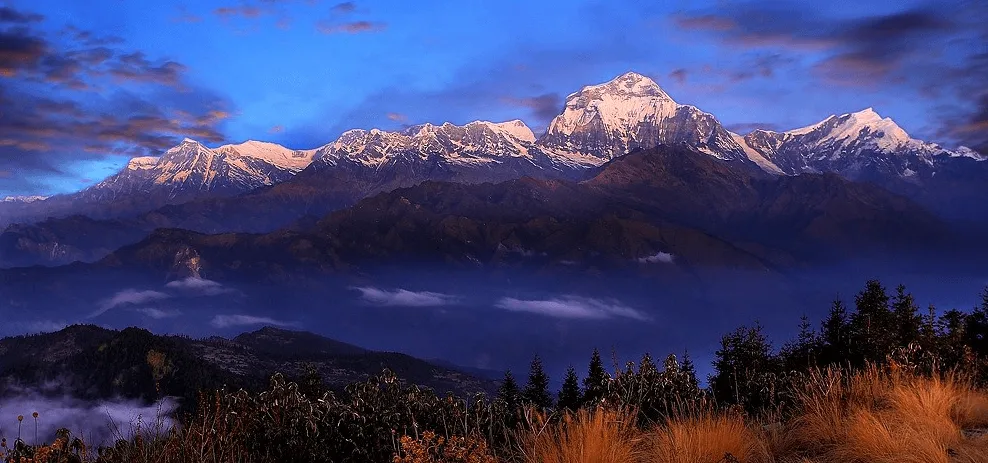
Following the pass, you will descend to Muktinath, a sacred pilgrimage site for both Hindus and Buddhists, before heading to Tatopani to relax in the natural hot springs. The final leg of the trek brings you to Ghorepani, where an early morning hike to Poon Hill will reward you with breathtaking views of the mountains during sunrise.
Concluding the trek, you will make your way to Nayapul and take a drive back to Pokhara, marking the end of a truly unforgettable adventure across one of Nepal’s most iconic trekking routes.
ANNAPURNA CIRCUIT TREK 10 DAYS FROM POKHARA Day-by-day ITINERARY
Day 1 : Drive from Pokhara to Chame (2,760m) – Duration: 9-10 hours.
Your adventure begins with a scenic drive from Pokhara to Besisahar. From Besisahar, you’ll take a shared jeep to Chame, the starting point of your trek. As you journey through lush valleys and terraced fields, the views of the Himalayas begin to emerge. The drive takes about 9-10 hours, but the stunning surroundings make the long ride worthwhile. Upon arrival in Chame, a small village nestled in the mountains, you'll settle in for the night in a local teahouse or lodge, preparing for your trek the next day.
Day 2 : Trek from Chame to Upper Pisang (3,300m) – Duration: 5-6 hours.
Today’s trek takes you through picturesque pine forests and small villages. As you hike, you’ll enjoy views of the majestic Lamjung Himal and Annapurna II. The trail gently ascends towards Upper Pisang, a charming village that offers panoramic views of the surrounding peaks. After a 5-6 hour trek, you'll arrive in Upper Pisang, where you can enjoy the serene atmosphere and explore the Tibetan-style village architecture. Rest and relax in a local lodge for the night.
Day 3 : Trek from Pisang to Manang (3,500m) via Ngawal Village – Duration: 8-9 hours.
On Day 3, the trek continues through the stunning Ngawal Village, known for its traditional Tibetan-style homes and scenic views. The trail then takes you through a series of ascents and descents, passing through alpine forests and offering views of the Annapurna and Manaslu mountain ranges. After approximately 8-9 hours of trekking, you’ll reach Manang, a cultural and economic hub of the region. Manang is the perfect place to spend the night, with a variety of teahouses to choose from.
Day 4 : Rest Day at Manang for Acclimatization.
Manang is situated at a high altitude, and this rest day is crucial for acclimatization to prevent altitude sickness. You’ll spend the day resting and allowing your body to adjust to the elevation. During this day, you have the option to explore the area further by hiking to Lama Cave or Ice Lake, both offering stunning views of the surrounding landscape. Manang also offers opportunities to visit local monasteries and learn about the region’s culture.
Day 5 : Trek from Manang to Yak Kharka (4,200m) – Duration: 4-5 hours.
After your acclimatization day, you’ll trek from Manang to Yak Kharka, a small village at 4,200 meters. The journey today is shorter, lasting around 4-5 hours, allowing your body to adjust to the increasing altitude. As you trek, you’ll notice the landscape becoming more rugged and barren. Along the way, enjoy breathtaking views of Gangapurna, Annapurna III, and Tilicho Peak. Upon arrival in Yak Kharka, you can relax and enjoy the peaceful atmosphere of this high-altitude village.
Day 6 : Trek from Yak Kharka to Thorong Phedi (4,600m) – Duration: 3-4 hours.
Day 6 is a relatively short day as you trek from Yak Kharka to Thorong Phedi, the final stop before the ascent to Thorong La Pass. The trail climbs steadily through the rugged terrain, passing through sparse vegetation and offering glimpses of the surrounding mountain peaks. The trek lasts around 3-4 hours, allowing you to rest and prepare for the challenging climb to the pass the next day. Spend the night in Thorong Phedi, resting in anticipation of the next leg of the journey.
Day 7 : Trek to Muktinath via Thorong La Pass (5,416m) – Duration: 7-8 hours.
Day 7 is the most challenging yet rewarding day of the trek. You’ll begin your journey early in the morning, trekking from Thorong Phedi to Thorong La Pass, the highest point of the trek at 5,416 meters. The ascent to the pass is demanding, but once you reach the top, you’ll be rewarded with breathtaking views of the surrounding peaks, including Dhaulagiri and Annapurna I. After spending some time at the pass, you’ll descend to Muktinath, a sacred site for both Hindus and Buddhists, where you can visit the famous Muktinath Temple. The entire day will take around 7-8 hours, but the experience is truly unforgettable.
Day 8 : Drive from Muktinath to Tatopani (1,200m) – Duration: 6-7 hours.
After the challenging day at Thorong La Pass, you’ll descend to Tatopani via a local jeep or bus ride. The journey takes around 6-7 hours, passing through lush valleys and scenic landscapes. Upon arrival in Tatopani, you can relax and unwind in the natural hot springs that the village is famous for. A soothing dip in the hot springs is the perfect way to rejuvenate your body after the long days of trekking.
Day 9 : Trek from Tatopani to Ghorepani (2,860m) – Duration: 7-8 hours.
On Day 9, you’ll trek from Tatopani to Ghorepani, a popular destination for trekkers offering amazing views of the Dhaulagiri and Annapurna ranges. The trek is a challenging 7-8 hours, passing through lush forests, charming villages, and terraced fields. As you ascend, the landscape gradually changes, with more alpine meadows and rhododendron forests. Upon reaching Ghorepani, you can enjoy the stunning mountain views and relax in a cozy teahouse.
Day 10 : Hike to Poon Hill (3,210m) & Trek to Nayapul, Drive to Pokhara (850m) – Duration: 7-9 hours.
On the final day of your trek, you’ll wake up early to hike up to Poon Hill to witness a spectacular sunrise over the Annapurna and Dhaulagiri mountain ranges. The hike to Poon Hill takes around 45 minutes, and the views from the top are worth the early rise. After soaking in the breathtaking sunrise, you’ll descend back to Ghorepani and continue trekking to Nayapul, where you’ll catch a drive back to Pokhara. The trek back to Pokhara takes about 1.5-2 hours, bringing you to the end of your epic adventure in the Annapurna region.
ANNAPURNA CIRCUIT TREK 10 DAYS FROM POKHARA INCLUDES & EXCLUDES
Cost Included in Your Package
- Drive from Pokhara to Besisahar by local bus and Besisahar to Chame by local shared Jeep.
- Drive from Muktinath to Tatopani by local bus & Nayapul to Pokhara by private car at the end of the trek.
- Tea House/Lodge accommodation during the trek.
- Three meals a day (Breakfast, Lunch, and Dinner) are provided throughout the trek.
- Experienced and qualified trek leader (guide) with a government license, and an assistant trekking guide for groups of 8 or more trekkers.
- Porter service: One porter for every two trekkers to help carry your luggage.
- Porters' coverage: Their salary, food, accommodation, insurance, and safety equipment.
- The Annapurna Conservation Area Permit (ACAP) fee is included.
- The Trekkers Information Management System (TIMS) card fee is covered.
- Use of trekking gear: Sleeping bag, down jacket, duffel bag, and walking poles (if you don't have your own), to be returned after the trek.
- Assistance with emergency rescue operations (funded by your travel insurance) in case of severe health conditions.
- Sherpa Expedition and Trekking appreciation certificate after completing the trek.
- Oxygen meter to check your pulse, oxygen saturation, and heart rate twice daily, ensuring your health and safety during the trek.
Cost Not Included in Your Package
- International Flight to and from Nepal.
- Nepal entry visa fee: Visas can be obtained easily on arrival at Tribhuvan International Airport, Kathmandu. The fees are as follows:
- $30 USD for a 15-day visa
- $50 USD for a 30-day visa
- $125 USD for a 90-day visa
- Accommodation and meals in Pokhara (other than those provided during the trek).
- Extra night accommodation in Kathmandu or Pokhara due to early arrival, late departure, or early return from trekking for any reason outside the scheduled itinerary.
- Personal expenses such as shopping, snacks, bar bills, tea, coffee, hot water, bottled or boiled water, shower fees, Wi-Fi, laundry, telephone calls, battery recharges, extra porters, etc.
- Personal clothing and gear not provided in the package.
- Travel insurance: It is strongly recommended to have insurance that covers trekking in high-altitude areas.
- Tips for your guide and porters, which is customary in Nepali culture.
- Additional costs or delays caused by circumstances beyond our control, such as landscape changes, bad weather, itinerary modifications for safety, illness, changes in government policy, political instability, strikes, or other unforeseen events.
- NOTE: If you return earlier from the trek due to sickness or any other reason, expenses for flights, hotels, meals, and other services are nonrefundable. You will be responsible for any additional costs incurred in Kathmandu or Pokhara.
ANNAPURNA CIRCUIT TREK 10 DAYS FROM POKHARA PACKING LIST
The following information will give you some idea about what you need to bring for the trek. It is important you do not forget the essential items, as this will determine your comfort and safety on the trek. Equally important is that you do not burden yourself with unnecessary equipment on the trek.
- Sleeping Bag (Sherpa Teams will provide but need to return after completing the trip)
- Duffel Bag (Sherpa Teams will provide but need to return after completing the trip)
- Fleece jacket or pullover
- Waterproof windbreaker or windcheater
- Thermal underclothes
- Rain poncho
- Down jacket (Sherpa Teams will provide but need to return after completing the trip)
- Fleece or wool trousers
- Sun hat or scarf
- Trekking pants (two pairs)
- Mittens or woolen gloves
- Hiking socks (several pairs)
- Moisture-wicking shirts, including t-shirts
- Trekking shoes or boots with spare laces
- Flip-flops or sandals for relaxing in the evenings
- Underwear (several pairs)
- Swimsuit or swimming costume
- Sunglasses
- Headlamp or flashlight/torch
- Sleeping bag (Sherpa Teams can provide this for you)
- Trekking poles (if desired)
- Hiking backpack with a capacity of at least 40 liters
- Small lock for your backpack
- Reusable water bottles (at least two liters)
- Water purification tablets or filtration device
- Wash towel
- Basic first aid kit
Toiletries (tissues, toilet paper, moisturizer, lip balm, sunscreen, sanitary pads, hand sanitizer, nail clippers, a small mirror, toothbrush, toothpaste, glasses, contacts, etc.)
GOOD TO KNOW ABOUT ANNAPURNA CIRCUIT TREK 10 DAYS FROM POKHARA
🏞️ Good to Know About the Annapurna Circuit Trek
The Annapurna Circuit Trek is a world-renowned trekking route, offering a unique combination of natural beauty, rich culture, and unforgettable experiences. Before embarking on this incredible journey, here are a few important details to keep in mind:
Altitude & Acclimatization
As the trek takes you to high altitudes, including the challenging Thorong La Pass at 5,416 meters, acclimatization is essential. It’s crucial to take the recommended rest days in places like Manang to allow your body to adjust to the elevation. This helps prevent altitude sickness and ensures a more comfortable trekking experience.
Weather & Seasons
The best times to trek the Annapurna Circuit are during autumn (September to November) and spring (March to May). These months offer clear skies, moderate temperatures, and spectacular mountain views. Winter (December to February) can bring heavy snowfall, making some sections of the trail difficult, while summer (June to August) is the monsoon season, which brings heavy rain, especially at lower elevations, making the trail muddy and slippery.
Physical Fitness
While the Annapurna Circuit Trek is not an extreme trek, it still requires a good level of physical fitness. Daily trekking can last between 5 to 8 hours, with some steep climbs. Preparing in advance with regular walks or hikes can be beneficial.
Packing Essentials
Packing the right gear is crucial. Some key items include comfortable trekking boots, a high-quality sleeping bag, layered clothing for varying temperatures, and a daypack for essentials. Don’t forget a water bottle, sunscreen, and a first-aid kit!
Cultural Sensitivity
The Annapurna region is rich in culture, with villages that are home to a variety of ethnic groups, including Gurung, Tibetan, and Sherpa communities. Be respectful of local traditions, customs, and religious practices. It’s also recommended to learn a few basic Nepali phrases to communicate with the locals and show appreciation for their hospitality.
Trekking Permits
For this trek, you will need two important permits: the Annapurna Conservation Area Permit (ACAP) and the Trekkers' Information Management System (TIMS) card. These permits are essential for trekking in the Annapurna region and can be obtained in Pokhara or Kathmandu.
With the right preparation and mindset, the Annapurna Circuit Trek will undoubtedly be an adventure of a lifetime, offering views, culture, and experiences that will stay with you forever!
ROUTE MAP OF ANNAPURNA CIRCUIT TREK 10 DAYS FROM POKHARA
Gallery of ANNAPURNA CIRCUIT TREK 10 DAYS FROM POKHARA

ANNAPURNA CIRCUIT TREK 10 DAYS FROM POKHARA Departures
Every departure listed below is 100% Guaranteed — once you book, your trip will run as scheduled regardless of group size.
Select a departure month
Fill out the form below and a Travel Expert will reach out to create your perfect tour.
FAQS Related to ANNAPURNA CIRCUIT TREK 10 DAYS FROM POKHARA
Others
What is the best time to do the Annapurna Circuit Trek?
The best time to trek the Annapurna Circuit is during autumn (September to November) and spring (March to May). These seasons offer mild weather, clear skies, and beautiful views. Avoid trekking during the monsoon season (June to August) and winter (December to February) due to heavy rainfall and snowfall.
What permits are required for the Annapurna Circuit Trek?
You will need two essential permits:
- Annapurna Conservation Area Permit (ACAP)
- Trekkers' Information Management System (TIMS) Card These permits can be obtained in Pokhara or Kathmandu before starting your trek.
How difficult is the Annapurna Circuit Trek?
The Annapurna Circuit Trek is moderate to challenging, with daily trekking durations of 5 to 8 hours. The trek involves ascending to high altitudes, such as the Thorong La Pass (5,416m), so physical fitness and acclimatization are key to completing the trek comfortably.
Do I need prior trekking experience for this trek?
No prior technical trekking experience is required, but a good level of fitness and endurance is necessary. The trek involves long days of walking at high altitudes, so regular hiking or walking beforehand is recommended.
How can I avoid altitude sickness on the trek?
To minimize the risk of altitude sickness, it’s important to follow a gradual ascent, stay hydrated, and take rest days, especially at Manang, to acclimatize. It’s also wise to avoid alcohol and smoking during the trek.
What should I pack for the Annapurna Circuit Trek?
Essential items include:
- Comfortable, broken-in trekking boots
- Warm, layered clothing (for varying temperatures)
- Sleeping bag (if not provided by the lodge)
- Sunscreen, sunglasses, and a hat
- First-aid kit, water bottle, and trekking poles
- A camera for the stunning views!
Are there accommodations along the Annapurna Circuit?
Yes, there are teahouses and lodges throughout the Annapurna Circuit, offering basic accommodation and meals. Most places provide simple rooms with a bed, blanket, and shared bathrooms.
How much money should I bring on the trek?
You will need cash for the trek, as ATM access is limited. It’s a good idea to bring enough Nepali rupees for the trek, especially in the more remote areas where ATMs may not be available. You can withdraw cash in Pokhara or Kathmandu before starting the trek.
Can I do the Annapurna Circuit Trek independently or do I need a guide?
While it’s possible to trek independently with proper planning and preparation, hiring a guide is highly recommended for a more enriching experience. A guide will help navigate the trail, provide cultural insights, and ensure your safety in remote areas.
What is the total distance of the Annapurna Circuit Trek?
The total distance of the Annapurna Circuit Trek is approximately 160-230 kilometers (100-145 miles) depending on the specific route and detours taken. The trek covers diverse terrains, including lush valleys, forests, and high-altitude landscapes.




Latest Traveller’s Reviews
Travel experiences of our clients who recently returned from their trips.
100%
Based On 4540 Reviews
Richard Odell
United Kingdom
June 12, 2026
Annapurna Circuit with Tilicho Lake
Katie D
N/A
December 20, 2025
Trip of a Lifetime
Benjamin Carter
Belgium
May 29, 2025
Fantastic Trek Led by Skilled Guide

Write Your Review
Average Customer Ratings
How The Travellers Have Rated This Package
4530
10
0
0
0
People Considering This Package Right Now Check availability