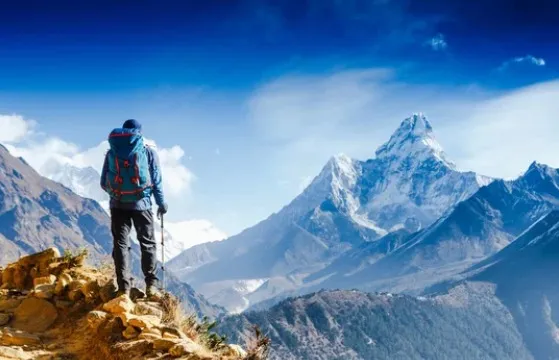
Everest Base Camp Trek in March
Everest Base Camp Trek in March is a thrilling adventure that offers a unique experience of trekking in the Himalayas during the spring season. The weather in March is generally mild and stable, with clear skies and warm temperatures, making it an ideal time to trek to the foot of the highest mountain in the world. The trek takes you through the Sagarmatha National Park, a UNESCO World Heritage Site, which is home to a diverse range of flora and fauna. The park is particularly beautiful in March, with the rhododendron and orchid flowers in full bloom, adding a splash of color to the landscape.
As you trek to Everest Base Camp, you'll pass through several Sherpa villages, including Lukla, Namche Bazaar, and Tengboche, each offering a glimpse into the rich culture and traditions of the Sherpa people. The trek is moderately difficult, with steep inclines and declines, but the scenery and sense of accomplishment make it well worth the effort. The trail takes you through dense forests of pine and rhododendron, across suspension bridges, and along the banks of the Dudh Kosi River.

March is a great time to spot wildlife, including the Himalayan thar, musk deer, and pheasants, and the clear skies offer stunning views of the Himalayas, including Everest, Lhotse, and Ama Dablam. The trek to Everest Base Camp is a once-in-a-lifetime experience that offers a unique perspective on the highest mountain in the world. The base camp is a bustling hub of activity, with climbers and trekkers from around the world preparing to ascend the mountain. The sense of camaraderie and adventure is palpable, and the scenery is simply breathtaking.
The trek to Everest Base Camp in March is a challenging but rewarding experience that requires careful planning and preparation. It's essential to acclimatize to the high altitude, pack essential gear and clothing, and hire a guide and porter to help navigate the trail. With careful planning and preparation, the trek can be a safe and enjoyable experience that offers a unique perspective on the Himalayas and the Sherpa culture.
Weather and Climate in March in the Everest Region
The weather in March in the Everest region is generally mild and stable, with clear skies and warm temperatures. The average temperature in March is around 12°C (54°F) during the day and -6°C (21°F) at night. The region experiences a moderate level of precipitation, with an average of 12 rainy days in March.
Pros and Cons of Trekking to EBC in March
Trekking to EBC in March has several pros, including mild weather, stunning scenery, and a lower risk of altitude sickness. However, the cons include a higher risk of avalanches, crowded trails, and a higher cost for guides and porters.
Preparing for the Everest Base Camp Trek in March
To prepare for the EBC trek in March, it's essential to pack essential gear and clothing, including trekking boots, waterproof jacket and pants, insulated jacket and pants, base layers, trekking socks, hat and gloves, sleeping bag and liner, backpack and daypack, water bottle and water purification tablets, headlamp and extra batteries, first aid kit, map and compass, guidebook and trekking poles.
Physical Fitness and Training for Everest Base Camp
The EBC trek is a physically demanding trek that requires a good level of physical fitness and training. It's essential to start training at least 6 months before the trek, with a combination of cardiovascular exercise, strength training, and flexibility exercises.
Acclimatization and Altitude Sickness
Acclimatization is essential to avoid altitude sickness, which can be fatal. It's essential to take regular breaks, drink plenty of water, and ascend gradually to higher altitudes. Symptoms of altitude sickness include headaches, nausea, fatigue, and shortness of breath. If you experience any symptoms, it's essential to descend to a lower altitude and seek medical attention.
Tips to Avoid Altitude-Related Illness
Altitude-related illness is a serious concern when trekking to high altitude, and it's essential to take steps to avoid it. Here are some tips to help you avoid altitude-related illness: acclimatize to the high altitude by taking regular breaks and drinking plenty of water, avoid strenuous activity, and take it easy on the first few days of the trek, monitor your body, and watch for signs of altitude sickness, such as headaches, nausea, and fatigue, descend to a lower altitude, if you experience any symptoms of altitude sickness, and consider taking Diamox, a medication that helps to prevent altitude sickness.
Essential Gear and Clothing
To trek to EBC, you'll need essential gear and clothing, including trekking boots, waterproof jacket and pants, insulated jacket and pants, base layers, trekking socks, hat and gloves, sleeping bag and liner, backpack and daypack, water bottle and water purification tablets, headlamp and extra batteries, first aid kit, map and compass, guidebook and trekking poles. It's also essential to pack clothing that is suitable for the changing weather conditions, including warm layers for the cold mornings and evenings, and waterproof gear for the rain.
Obtaining Permits and Documentation for EBC
To trek to EBC, you'll need to obtain permits and documentation, including TIMS (Trekking Information Management System) card, Sagarmatha National Park permit, Everest Base Camp permit, and passport and visa for Nepal. It's essential to obtain these permits and documentation before you start your trek, as they are required to enter the Sagarmatha National Park and to trek to EBC.

Popular Route Options in March in Everest Region
There are several popular route options for trekking to EBC in March, including the classic route, which takes you from Lukla to EBC via Namche Bazaar and Tengboche, the Gokyo Lake route, which takes you from Lukla to EBC via Gokyo Lake and the Cho La pass, and the Everest High Passes route, which takes you from Lukla to EBC via the Kongma La, Cho La, and Renjo La passes. Each route offers stunning scenery and a unique trekking experience.
Trekking with Helicopter Tour in March
Trekking with a helicopter tour in March is a great way to experience the beauty of the Everest region, with stunning views of the Himalayas from the air. The helicopter tour takes you from Lukla to EBC, and then back to Lukla, with a stop at Kala Patthar for stunning views of Everest. This is a great option for those who want to experience the beauty of the Everest region without the physical demands of trekking.
Major Stops and Highlights Along the Way
The major stops and highlights along the way to EBC include Lukla, the starting point of the trek, Namche Bazaar, a bustling Sherpa town, Tengboche, a monastery town with stunning views of Everest, Everest Base Camp, the foot of the highest mountain in the world, and Kala Patthar, a viewpoint with stunning views of Everest. Each stop offers a unique insight into the culture and scenery of the Everest region.

Hiring a Guide and Porter for EBC Trek in March
Hiring a guide and porter for the EBC trek in March is highly recommended, as they can help navigate the trail, carry your luggage, and provide valuable insights into the local culture and environment. A guide can also help you to avoid altitude-related illness, and provide emergency assistance if needed.
Tips for Trekking Everest Base Camp in March
Here are some tips for trekking EBC in March: be prepared for the high altitude, and take steps to avoid altitude-related illness, pack essential gear and clothing, including trekking boots, waterproof jacket and pants, and a first aid kit, hire a guide and porter, to help navigate the trail and carry your luggage, take regular breaks, and drink plenty of water to stay hydrated, respect the local culture and environment, and follow the rules of the Sagarmatha National Park.
Conclusion
Trekking to EBC in March is an unforgettable adventure that offers stunning scenery, rich culture, and a sense of accomplishment. With careful planning and preparation, the trek can be a safe and enjoyable experience. Remember to acclimatize to the high altitude, pack essential gear and clothing, and hire a guide and porter to help navigate the trail. With these tips and guidelines, you'll be ready for an unforgettable trek to EBC in March.