Lobuche Peak Climbing In September
In September, Lobuche Peak beckons adventurous climbers to explore its challenging slopes and breathtaking vistas in the Everest region of Nepal. Standing tall at 6,119 meters (20,075 feet), Lobuche Peak is renowned for its technical ascent and panoramic views of some of the world's highest peaks.
September marks the tail end of the monsoon season in Nepal, offering a transition from rainy weather to clearer skies. While occasional rain showers and cloudy days are possible early in the month, the weather generally stabilizes as September progresses, creating ideal climbing conditions. The landscape around Lobuche Peak is rejuvenated by the monsoon, with lush greenery, blooming wildflowers, and cascading waterfalls adding to the natural beauty of the trekking routes.
Climbing Lobuche Peak in September requires climbers to navigate steep ascents, rocky trails, and glaciated terrain. The ascent is technically demanding, often involving the use of crampons, ice axes, and ropes to traverse challenging sections. Acclimatization stops at strategic points along the route are crucial to prevent altitude sickness, ensuring climbers adapt safely to the thinning air at higher elevations.

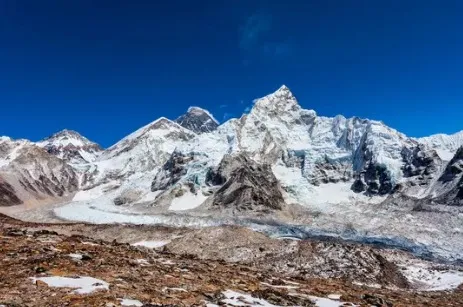
From the summit of Lobuche Peak, climbers are rewarded with awe-inspiring views of Everest, Lhotse, Nuptse, and other towering peaks of the Khumbu region. The sense of achievement at reaching the summit is matched only by the serene beauty of the Himalayan landscape stretching out in all directions.
September offers a quieter climbing season compared to peak months like October, providing a more intimate experience amidst Nepal's iconic mountain scenery. For adventurers seeking a formidable yet accessible Himalayan challenge, Lobuche Peak in September promises an unforgettable expedition filled with both physical exertion and profound natural beauty.
What time of year is best to climb Island Peak?
The best time to climb Island Peak in Nepal is during the pre-monsoon (spring) and post-monsoon (autumn) seasons. These periods typically span from late April to early June and from late September to November, respectively. During these times, the weather is relatively stable with clear skies, making for safer climbing conditions and excellent visibility of the surrounding Himalayan peaks.
Spring offers mild temperatures and blooming rhododendrons along the trekking trails, creating a colorful backdrop for climbers. Autumn, on the other hand, provides crisp, clear days ideal for mountaineering, with stunning views of snow-capped peaks against deep blue skies.
Both seasons provide a window of opportunity for climbers to tackle Island Peak's challenging terrain, which includes steep ascents, crevassed glaciers, and technical ice sections. The moderate temperatures and reduced precipitation during these periods minimize the risks associated with adverse weather conditions and enhance the overall climbing experience.

How long does it take to climb Lobuche?
Climbing Lobuche Peak typically takes around 15 to 18 days from arrival in Kathmandu to reaching the summit and returning to Lukla. The itinerary allows for proper acclimatization, essential for adjusting to high altitudes and reducing the risk of altitude sickness.
The journey begins with a scenic flight from Kathmandu to Lukla, followed by a trek through the picturesque Sherpa villages of the Everest region. Trekkers pass through Namche Bazaar, Tengboche, Dingboche, and eventually reach Lobuche Base Camp, where climbers prepare for the ascent.
From Lobuche Base Camp, climbers typically spend several days ascending to High Camp, acclimatizing along the way. The final push to the summit of Lobuche involves navigating steep slopes, rocky sections, and glacier crossings, requiring the use of climbing equipment such as crampons, ropes, and ice axes.
After reaching the summit, climbers descend back to Lobuche Base Camp and retrace their steps through the Khumbu Valley to Lukla. The return journey allows for reflection on the achievement and further enjoyment of the breathtaking Himalayan scenery.
How hard is it to get to Lobuche Peak?
Getting to Lobuche Peak involves a combination of trekking and mountaineering skills, making it moderately challenging for climbers. The journey begins with a flight from Kathmandu to Lukla, followed by a trek through the famous Everest region, passing through Namche Bazaar, Tengboche, Dingboche, and eventually reaching Lobuche Base Camp.
The trekking routes to Lobuche Base Camp involve hiking on well-established trails with gradual ascents, providing opportunities for acclimatization and enjoying the stunning landscapes of the Himalayas. However, as climbers approach Lobuche Peak, the terrain becomes more challenging, with rocky and icy sections requiring careful navigation and the use of climbing equipment.
Acclimatization stops at strategic points along the route are essential to prevent altitude sickness, as Lobuche Peak stands at an elevation of 6,119 meters (20,075 feet). Climbers must be prepared for variable weather conditions, including cold temperatures and occasional snowfall, particularly during the climbing season in spring and autumn.
How much does it cost to climb Lobuche Peak?
The cost of climbing Lobuche Peak can vary widely depending on several factors, including the trekking agency chosen, the level of service provided, the duration of the expedition, and the number of climbers in the group. On average, climbers can expect to pay between USD 3,000 to USD 6,000 per person for a guided expedition to Lobuche Peak.
The cost typically includes permits and fees required for climbing in the Everest region, accommodation in Kathmandu and during the trek, meals, transportation (including flights to and from Lukla), climbing equipment, experienced guides and porters, and necessary logistics such as base camp facilities.
Additional expenses may include travel insurance, personal gear and equipment, tips for guides and support staff, and any unforeseen expenses. It's advisable for climbers to thoroughly research and compare different trekking agencies, read reviews, and clarify the details of what is included in the cost before booking their expedition to Lobuche Peak.
Highlights of Lobuche Peak Climbing in September
Climbing Lobuche Peak in September offers a unique adventure amidst Nepal's post-monsoon season, blending challenging mountaineering with breathtaking Himalayan scenery. Highlights of this expedition include:
- Ideal Weather: September sees the transition from monsoon to autumn, offering stable weather with clear skies and mild temperatures. This provides optimal climbing conditions and stunning views of Everest, Lhotse, and Nuptse.
- Lush Landscapes: The trails are adorned with blooming wildflowers, green valleys, and pristine alpine lakes, creating a picturesque backdrop for trekking and climbing.
- Less Crowded Trails: Compared to peak climbing seasons, September offers quieter trails and fewer climbers, enhancing the sense of wilderness and solitude.
- Cultural Experience: Trekking through Sherpa villages allows climbers to immerse themselves in local culture, visiting monasteries and interacting with friendly Sherpa people.
- Technical Challenge: Climbing Lobuche Peak involves negotiating steep ascents, glacier crossings, and technical sections requiring the use of climbing equipment, making it a rewarding challenge for experienced mountaineers.
Advantages of Lobuche Peak Climb in September
Climbing Lobuche Peak in September presents several advantages for mountaineers seeking a challenging yet rewarding expedition:
- Weather: September offers stable weather conditions with clear skies, reducing the likelihood of precipitation and providing excellent visibility of the surrounding Himalayan peaks.
- Less Crowded: September is considered a shoulder season for climbing, resulting in quieter trails and fewer climbers on the route to Lobuche Peak. This allows for a more peaceful and intimate experience in the mountains.
- Natural Beauty: The post-monsoon season rejuvenates the landscape with lush greenery, blooming wildflowers, and cascading waterfalls, enhancing the scenic beauty of the trekking routes.
- Optimal Climbing Conditions: Mild temperatures during the day and cooler nights create favorable conditions for climbing, minimizing the risk of overheating or extreme cold.
- Cultural Interaction: Trekking through Sherpa villages provides opportunities to engage with local communities, learn about their traditions, and experience their hospitality firsthand.
Overall, September offers a balanced blend of favorable weather, natural beauty, and cultural experiences, making it an ideal time for climbers to embark on a memorable journey to Lobuche Peak.

What Should I Pack for Lobuche Peak Climb
Packing for a Lobuche Peak climb requires careful consideration of essential gear and clothing to ensure comfort, safety, and success on the mountain:
Clothing:
- Base layers: Moisture-wicking tops and bottoms.
- Insulating layers: Fleece jackets or down jackets.
- Outer shell: Waterproof and windproof jacket and pants.
- Headwear: Warm hat, sun hat, and buffs or neck gaiters.
- Gloves: Insulated gloves and liner gloves.
- Footwear: Sturdy trekking boots with good grip, gaiters, and trekking socks.
- Trekking attire: Comfortable trekking pants and shirts.
- Undergarments: Moisture-wicking and comfortable.
Climbing Gear:
- Climbing helmet
- Climbing harness
- Crampons suitable for glacier travel
- Ice axe
- Trekking poles
- Locking carabiners and quickdraws
- Prusik loops and cord
Accessories:
- Sunglasses with UV protection
- Headlamp with extra batteries
- Sleeping bag suitable for cold temperatures
- Duffel bags or backpacks
- Waterproof stuff sacks or dry bags
Personal Items:
- Sunscreen and lip balm with high SPF
- Personal hygiene items
- First aid kit with altitude sickness medication
- Snacks and energy bars
- Water bottles or hydration systems
Miscellaneous:
- Travel documents and permits
- Cash in Nepalese rupees
- Camera or smartphone for capturing memories
Packing efficiently and ensuring all essential items are included will contribute to a successful and enjoyable climb to Lobuche Peak in September.
Can I Do Lobuche Peak Without Guide
Climbing Lobuche Peak without a guide is possible for experienced mountaineers who possess advanced technical skills, knowledge of glacier travel, and familiarity with high-altitude environments. However, it is important to consider several factors:
- Technical Expertise: Lobuche Peak involves navigating steep ascents, glacier crossings, and technical sections requiring proficiency in using crampons, ice axes, and ropes. Climbers must be confident in their abilities to handle these challenges independently.
- Route Finding: Solo climbers must be capable of route finding and navigating the correct path to Lobuche Peak's summit and back safely. This includes identifying crevasses, assessing avalanche risk, and choosing safe routes.
- Altitude Management: Proper acclimatization is crucial to prevent altitude sickness, which can be life-threatening at high elevations like Lobuche Peak (6,119 meters or 20,075 feet). Solo climbers must have a plan for gradual ascent and be able to recognize symptoms of altitude-related illnesses.
- Emergency Response: Solo climbers should be prepared for emergencies, including self-rescue techniques, first aid, and communication in remote mountain environments where access to medical help may be limited.
While climbing without a guide offers independence and flexibility, it also increases the responsibility for safety and decision-making. Many climbers opt to hire experienced guides or join guided expeditions to Lobuche Peak to enhance safety, receive local knowledge, and maximize the chances of a successful summit.
How Much is Lobuche Peak Climb Cost
The cost of climbing Lobuche Peak can vary depending on several factors, including the trekking agency chosen, the level of service provided, the duration of the expedition, and the number of climbers in the group. On average, climbers can expect to pay between USD 3,000 to USD 6,000 per person for a guided expedition to Lobuche Peak.
The cost typically includes permits and fees required for climbing in the Everest region, accommodation in Kathmandu and during the trek, meals, transportation (including flights to and from Lukla), climbing equipment, experienced guides and porters, and necessary logistics such as base camp facilities.
Additional expenses may include travel insurance, personal gear and equipment, tips for guides and support staff, and any unforeseen expenses. It's advisable for climbers to thoroughly research and compare different trekking agencies, read reviews, and clarify the details of what is included in the cost before booking their expedition to Lobuche Peak.
Is Lobuche Peak Harder Than Island Peak
Comparing Lobuche Peak and Island Peak involves assessing various factors such as technical difficulty, altitude, and climbing conditions.
Technical Difficulty: Lobuche Peak is generally considered more technically challenging than Island Peak. It requires navigating steeper slopes, rocky sections, and more technical ice climbing. The approach to Lobuche Peak involves glacier crossings and crevasse navigation, demanding solid mountaineering skills and experience with using climbing equipment.
Altitude: Both peaks reach high elevations, with Lobuche Peak standing at 6,119 meters (20,075 feet) and Island Peak at 6,189 meters (20,305 feet). Altitude sickness is a significant risk on both climbs, requiring climbers to acclimatize properly.
Climbing Conditions: Weather and climbing conditions can vary, but generally, both peaks experience similar weather patterns. Choosing the right season is crucial for optimal climbing conditions.
In conclusion, while both peaks present substantial challenges, Lobuche Peak tends to be more technically demanding due to its steeper and more varied terrain.
Can I Do Lobuche Peak with Everest Base Camp
Combining a Lobuche Peak climb with a trek to Everest Base Camp (EBC) is a popular option for adventurous trekkers and climbers. The journey typically begins with a flight from Kathmandu to Lukla, followed by a trek through the Khumbu Valley to reach Everest Base Camp.
From Everest Base Camp, climbers continue their ascent towards Lobuche Peak, trekking past Gorak Shep and Lobuche Village before reaching Lobuche Base Camp. This additional trekking segment provides acclimatization and preparation for the ascent to Lobuche Peak.
The itinerary usually includes several days for acclimatization, ensuring climbers adjust to the high altitude effectively. Combining EBC with Lobuche Peak allows adventurers to experience the iconic Everest region, witness breathtaking landscapes, and immerse themselves in Sherpa culture.

Lobuche Peak Climbing Cost: Guide, Porter, Permit, Accommodation
The cost of climbing Lobuche Peak typically includes several components:
- Permits: Climbers need permits issued by the Nepal Mountaineering Association (NMA) to climb Lobuche Peak. The cost varies depending on the season and the peak climbed.
- Guide and Porter: Hiring a local guide is highly recommended for safety and navigation. Guides assist with route finding, logistics, and emergency response. Porters carry equipment and supplies, easing the physical burden on climbers.
- Accommodation: Accommodation in Kathmandu and during the trek is usually included in the cost. This ranges from basic lodges in the Everest region to hotels in Kathmandu.
- Climbing Equipment: The cost may include renting or purchasing climbing equipment such as ropes, crampons, ice axes, and harnesses.
- Additional Expenses: Other expenses may include travel insurance, meals, tips for guides and porters, transportation (flights to Lukla), and personal gear.
The total cost can vary widely depending on the trekking agency, the level of service, group size, and individual preferences. On average, climbers can expect to budget between USD 3,000 to USD 6,000 per person for a guided expedition to Lobuche Peak, covering all necessary expenses.
How Hard to Climb Lobuche Peak
Climbing Lobuche Peak is considered challenging due to its technical terrain and high altitude. The ascent involves steep slopes, glacier crossings, and technical ice sections that require proficiency in using crampons, ice axes, and ropes.
The climb requires climbers to be physically fit and mentally prepared for the demands of high-altitude mountaineering. Proper acclimatization is essential to adapt to the thinning air and reduce the risk of altitude sickness.
The difficulty of climbing Lobuche Peak also depends on weather conditions, which can be unpredictable in the Everest region. Climbers should choose the climbing season wisely to optimize weather windows and climbing conditions.
Overall, while Lobuche Peak is challenging, climbers with previous trekking and mountaineering experience, along with adequate preparation and guidance from experienced professionals, can successfully summit this iconic Himalayan peak.
Tips For Climb Lobuche Peak
Successfully climbing Lobuche Peak requires careful planning, preparation, and attention to detail. Here are some essential tips to consider:
- Physical Fitness: Prioritize cardiovascular endurance, strength training, and aerobic exercises like hiking and running to prepare for the physical demands of high-altitude trekking and mountaineering.
- Altitude Acclimatization: Plan a gradual ascent schedule with acclimatization stops to prevent altitude sickness. Listen to your body, stay hydrated, and monitor symptoms closely.
- Gear and Equipment: Ensure you have quality gear suitable for high-altitude climbing, including proper clothing layers, sturdy trekking boots, and essential climbing equipment like crampons, ice axes, and harnesses.
- Weather Awareness: Check weather forecasts regularly and be prepared for changing conditions. Start early in the day to avoid afternoon storms and maximize daylight hours for safe climbing.
- Guides and Support: Consider hiring an experienced guide for navigation, safety, and local knowledge. They can also assist with logistics, permit arrangements, and emergency response.
- Leave No Trace: Respect the environment by packing out all trash and minimizing your impact on the fragile ecosystem of the Everest region.
- Stay Hydrated and Nourished: Maintain a balanced diet and drink plenty of water to support energy levels and endurance during the climb.
By following these tips, climbers can enhance their chances of a safe and successful ascent of Lobuche Peak while enjoying the stunning Himalayan scenery and cultural experiences along the way.

What Kind of Training Required For Lobuche Peak Summit
Training for Lobuche Peak summit involves building both physical endurance and technical skills necessary for high-altitude mountaineering. Key aspects of training include:
- Cardiovascular Fitness: Develop aerobic endurance through activities such as running, cycling, and stair climbing to improve stamina for long days of trekking and climbing at high altitude.
- Strength Training: Focus on building strength in the legs, core, and upper body to handle the physical demands of steep ascents, carrying a pack, and using climbing equipment like ropes and ice axes.
- Hiking and Trekking Practice: Train by hiking and trekking on varied terrain, gradually increasing the duration and elevation gain to simulate conditions on the trek to Lobuche Peak.
- Altitude Simulation: If possible, simulate high-altitude conditions using altitude training equipment or by trekking to high-altitude destinations to acclimatize your body to lower oxygen levels.
- Technical Skills: Practice using climbing gear such as crampons, ice axes, harnesses, and ropes. Familiarize yourself with glacier travel techniques and safety protocols for mountaineering.
- Mental Preparation: Prepare mentally for the challenges of high-altitude climbing, including managing fatigue, dealing with weather changes, and staying focused during difficult sections.
Training should be consistent and tailored to your current fitness level and climbing experience. Gradual progression and adequate rest are essential to avoid injury and maximize performance during the Lobuche Peak climb.
Can I Hire Equipment from Dingboche
Dingboche, located at an altitude of approximately 4,410 meters (14,470 feet), serves as a popular acclimatization stop for trekkers and climbers heading towards Everest Base Camp and Lobuche Peak. While basic trekking gear and supplies are available in Dingboche, hiring specialized climbing equipment such as crampons, ice axes, and harnesses may be limited.
Most climbers typically arrange for their essential climbing gear and equipment, including renting or purchasing items in Kathmandu or Lukla before beginning their ascent towards Lobuche Peak. It's advisable to travel with all necessary climbing equipment to ensure availability and suitability for high-altitude conditions.
Dingboche does offer accommodation, meals, and basic amenities for climbers, making it a convenient resting point during the acclimatization process. However, for specialized climbing gear, it's recommended to plan and prepare in advance, either bringing your own equipment or arranging rentals through trekking agencies in Kathmandu or Lukla.

Conclusion
Climbing Lobuche Peak is a challenging yet rewarding adventure that requires careful preparation, physical fitness, and technical skills. With its stunning Himalayan scenery, rich cultural experiences, and technical climbing challenges, Lobuche Peak offers climbers an unforgettable journey in the Everest region of Nepal.
By following proper training protocols, respecting the environment, and planning for essential gear and support, climbers can maximize their chances of a successful ascent. Whether embarking on a guided expedition or tackling the climb independently, Lobuche Peak promises a remarkable mountaineering experience amidst the world's highest peaks.
Lobuche Peak Climbing Packages
Lobuche peak Climbing
Lobuche Peak Summit Return By Helicopter
Lobuche Peak Expedition 14 Days
Lobuche Peak Expedition 15 Days
Three Peak Expedition