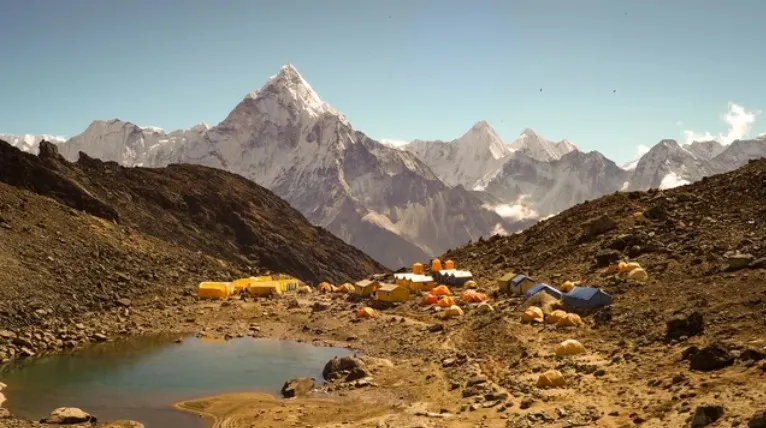
Lobuche Peak Climbing In March
March presents unique opportunities and challenges for climbers tackling Lobuche Peak, blending the lingering cold of winter with the promise of milder temperatures. As climbers ascend Lobuche Peak in March, they encounter varying weather conditions, transitioning from the cold of winter towards the warmer spring months. The mountain's snow-covered slopes often provide a stunning backdrop, though climbers must be prepared for potentially volatile weather patterns that can include snowstorms and high winds.
Climbing Lobuche Peak in March requires meticulous planning and preparation. It's crucial for climbers to have appropriate winter mountaineering gear, including insulated clothing, crampons, ice axes, and a sturdy tent designed to withstand cold temperatures. Physical fitness is equally essential, as the climb demands stamina and endurance at high altitudes.

March offers advantages such as fewer crowds compared to peak climbing seasons, providing a more serene and immersive mountain experience. However, climbers must remain vigilant about safety measures, including avalanche awareness and crevasse rescue skills, due to lingering snowpack and potentially unstable conditions.
Cultural interactions with Sherpa communities add depth to the climbing experience, offering insights into local traditions and hospitality. Respect for the environment and Leave No Trace principles are paramount, ensuring minimal impact on the fragile mountain ecosystem.
Overall, climbing Lobuche Peak in March promises a challenging yet rewarding adventure amidst stunning Himalayan scenery, where climbers can test their skills, embrace the thrill of high-altitude mountaineering, and forge unforgettable memories in one of the world's most awe-inspiring settings.
Introduction to Lobuche Peak
Lobuche Peak, nestled in the heart of the Khumbu region of Nepal, stands as an iconic peak revered by mountaineers worldwide. Its twin summits, Lobuche East (6,119 meters) and Lobuche West (6,145 meters), offer challenging yet accessible climbing opportunities amidst the majestic Himalayan landscape. Located close to Everest Base Camp, Lobuche Peak provides panoramic views of Everest, Lhotse, Nuptse, and the surrounding peaks, making it a sought-after destination for adventure enthusiasts seeking a thrilling alpine experience.

Why Climb Lobuche Peak in March
March presents an optimal window for climbing Lobuche Peak, bridging the winter and spring seasons in the Himalayas. Several factors make March a favorable time:
- Weather Conditions: March marks the transition from winter to spring, offering relatively stable weather conditions with milder temperatures and longer daylight hours. This creates favorable climbing conditions, reducing the risk of severe cold and extreme weather events while providing clear skies for stunning views.
- Snow Conditions: Climbers benefit from well-settled snowpack and stable snow bridges, facilitating safer glacier crossings and ascents. The snow conditions in March are often pristine and ideal for mountaineering, offering good traction for crampons and ease of movement on the mountain.
- Acclimatization: The gradual warming temperatures aid in acclimatization, crucial for adapting to high-altitude environments. March allows climbers to ascend gradually, adjusting to the thinner air and reducing the risk of altitude-related illnesses.
- Crowd Levels: Compared to peak climbing seasons like spring and autumn, March sees fewer climbers on Lobuche Peak. This provides a quieter and more serene climbing experience, allowing climbers to enjoy the solitude and tranquility of the Himalayan wilderness.
- Cultural Experience: March offers opportunities to immerse in the local Sherpa culture along the trekking route to Lobuche Peak. Interactions with Sherpa communities and visits to monasteries enrich the climbing experience, adding cultural insights and warmth to the adventure.
Climbing Lobuche Peak in March combines the thrill of high-altitude mountaineering with favorable weather conditions, making it an ideal choice for climbers looking to test their skills and experience the awe-inspiring beauty of the Himalayas in a less crowded and more tranquil setting.
Climbing Route Overview
Climbing Lobuche Peak involves navigating through the picturesque Khumbu region of Nepal, starting with a scenic flight from Kathmandu to Lukla. From Lukla, trekkers embark on a multi-day journey through Sherpa villages like Namche Bazaar and Dingboche, gradually gaining altitude and acclimatizing. The trekking route passes alongside the Dudh Koshi River, ascending through lush forests and rugged terrain, offering glimpses of iconic peaks like Thamserku and Ama Dablam.
Upon reaching Lobuche Base Camp (4,940 meters), climbers set up camp and prepare for the ascent. The climbing route diverges depending on whether climbers aim for Lobuche East (6,119 meters) or Lobuche West (6,145 meters). Both routes involve ascending rocky moraines and traversing glaciers before reaching High Camp (5,400 meters). From High Camp, climbers navigate steep snow slopes and potentially crevassed sections, often using fixed ropes and relying on crampons and ice axes for secure footing.
The final push to the summit typically starts in the early hours of the morning, aiming to reach the top by sunrise for optimal weather conditions and breathtaking views. The summit provides panoramic vistas of Everest, Lhotse, Nuptse, and surrounding peaks, rewarding climbers with a sense of accomplishment amidst the serene Himalayan landscape.
Difficulty Level and Technicality
Lobuche Peak presents a moderate to technical climbing challenge, suitable for climbers with previous high-altitude trekking experience and basic mountaineering skills. While not as technically demanding as some of the higher peaks in the Everest region, Lobuche Peak requires proficiency in using crampons, ice axes, and navigating roped glacier sections. Climbers should be prepared for steep ascents on snow and ice, as well as negotiating crevasses, particularly on the final approach to the summit.
Physical fitness is crucial, as the climb involves long days of trekking and strenuous ascent to high altitudes. Adequate acclimatization is essential to mitigate the effects of altitude sickness and ensure a safe and enjoyable climbing experience. Climbers must also be prepared for variable weather conditions, including cold temperatures, high winds, and the potential for sudden weather changes, requiring flexibility in climbing plans and preparedness for adverse conditions.
Overall, Lobuche Peak offers a rewarding mountaineering experience amidst stunning Himalayan scenery, combining moderate technical challenges with the exhilaration of reaching a significant Himalayan summit.
Best Time to Climb Lobuche Peak
Choosing the best time to climb Lobuche Peak is crucial for a successful and enjoyable mountaineering experience:
Lobuche Peak is typically climbed during two main seasons: spring (March to May) and autumn (September to November). These seasons offer the most favorable weather conditions and stable climbing conditions in the Everest region. March, specifically, falls within the spring climbing season, making it an excellent time to attempt Lobuche Peak.
Weather Conditions in March
March is a transitional month in the Everest region, marking the end of winter and the beginning of the spring season. Weather conditions in March are generally improving, with temperatures gradually warming and longer daylight hours compared to the colder winter months.
During March, climbers can expect:
- Temperature: Daytime temperatures at lower elevations range from around 0°C to 10°C (32°F to 50°F), while temperatures at higher altitudes are colder, often dropping below freezing at night. Proper layering with insulated clothing and windproof outerwear is essential to stay warm and comfortable during climbs.
- Precipitation: March sees lower precipitation levels compared to the monsoon season, reducing the likelihood of heavy snowfall or rain. However, occasional snow showers or brief storms can still occur, especially at higher elevations. Monitoring weather forecasts closely and planning climbs during stable weather windows are essential for safety and summit success.
- Visibility: March generally offers clearer skies and improved visibility, allowing climbers to enjoy panoramic views of Everest, Lhotse, and other surrounding peaks from higher elevations.
- Wind: While winds can be variable in the Himalayas, March tends to have lighter winds compared to the winter months, enhancing climbing conditions and reducing wind chill effects.
Overall, March provides favorable weather conditions for climbing Lobuche Peak, combining manageable temperatures, reduced precipitation, and clearer skies, making it an ideal time for climbers to embark on this challenging and rewarding mountaineering adventure in the Everest region.

Temperature and Climate Expectations
March climbing on Lobuche Peak presents climbers with varied temperature and climate conditions typical of the Everest region during the transition from winter to spring:
- Temperature Range: In March, daytime temperatures at lower elevations can range from 0°C to 10°C (32°F to 50°F), while temperatures at higher altitudes, such as Lobuche Base Camp (4,940 meters) and above, are colder, often dropping below freezing. Nighttime temperatures can be significantly colder, requiring adequate insulation and warm clothing.
- Climate: March is characterized by improving weather conditions as winter gives way to spring. Climbers can expect generally clear skies with occasional cloud cover and the possibility of brief snow showers or light precipitation, especially at higher elevations. Wind speeds tend to be moderate, though gusts can occur, particularly on exposed ridges and summits.
- Acclimatization: The gradual warming temperatures aid in acclimatization, crucial for adjusting to the altitude and reducing the risk of altitude-related illnesses. Climbers should plan rest days and acclimatization hikes to ensure their bodies adjust properly to the thinning air as they ascend.
Day-by-Day Itinerary for March Climbing
Day 1-3: Fly from Kathmandu to Lukla and trek to Namche Bazaar and Dingboche, gradually gaining altitude.
Day 4-6: Acclimatization days in Dingboche, including hikes to higher elevations for acclimatization purposes.
Day 7-8: Trek to Lobuche Base Camp, establishing camp and preparing for the ascent.
Day 9-10: Trek to High Camp and rest, final preparations for summit push.
Day 11: Summit day, early morning start for the summit attempt, aiming to return to High Camp for the night.
Day 12-13: Descend to Lobuche Base Camp and continue trekking back to Lukla via the same route.
Day 14: Fly from Lukla back to Kathmandu.

Essential Climbing Gear and Equipment
Climbing Lobuche Peak in March requires a comprehensive gear and equipment list to ensure safety, comfort, and success:
- Clothing: Insulated jacket, waterproof shell layers, thermal base layers, gloves, hat, and socks suitable for cold conditions.
- Footwear: Mountaineering boots compatible with crampons, gaiters to keep snow out of boots.
- Climbing Equipment: Crampons, ice axe, harness, helmet, trekking poles, and ropes for roped glacier travel.
- Sleeping Gear: Four-season sleeping bag rated for cold temperatures, sleeping pad, and a sturdy tent designed for alpine conditions.
- Navigation and Safety: GPS device, maps, compass, and headlamp with spare batteries, along with a first aid kit and emergency shelter.
- Miscellaneous: Sun protection (sunglasses, sunscreen, lip balm), hydration system (water bottles or hydration bladder), high-energy snacks, and personal items.
Having the right gear and equipment is essential for navigating the challenges of Lobuche Peak in March, ensuring climbers are prepared for changing weather conditions, rugged terrain, and the physical demands of high-altitude mountaineering.
Acclimatization and Altitude Sickness Prevention
Acclimatization is crucial for climbers attempting Lobuche Peak to mitigate the effects of altitude sickness and ensure a safe ascent:
- Gradual Ascent: Climbers should follow a slow and steady ascent schedule, allowing their bodies time to adjust to higher altitudes. This typically involves incorporating rest days and acclimatization hikes into the itinerary.
- Hydration and Nutrition: Staying hydrated and maintaining a balanced diet rich in carbohydrates and electrolytes help support energy levels and aid in acclimatization.
- Medication: Some climbers may consider taking medication like acetazolamide (Diamox) to help prevent altitude sickness symptoms. However, this should be discussed with a healthcare professional.
- Awareness of Symptoms: Being vigilant about recognizing symptoms of altitude sickness such as headaches, nausea, dizziness, and difficulty sleeping. Immediate descent is necessary if symptoms worsen.
Physical Conditioning and Training Requirements
Preparing physically for Lobuche Peak involves building endurance, strength, and cardiovascular fitness:
- Aerobic Fitness: Engage in regular cardiovascular exercises such as hiking, running, and cycling to improve endurance, essential for sustained effort at high altitudes.
- Strength Training: Focus on lower body strength (legs and core) to handle steep ascents and carrying a pack, and upper body strength for using mountaineering equipment.
- Altitude Simulation: If possible, incorporate altitude training or simulated altitude exposure into training regimes to help prepare the body for reduced oxygen levels at higher elevations.
- Consistency: Gradually increase training intensity and duration over several months leading up to the climb to build endurance and stamina.
Hiring a Guide or Joining a Group Expedition
Considering hiring a guide or joining a group expedition offers several advantages for climbers tackling Lobuche Peak:
- Expertise and Safety: Experienced guides have extensive knowledge of the route, weather conditions, and safety protocols, enhancing safety and reducing risks.
- Logistics: Guides manage logistics such as permits, accommodation, meals, and equipment, allowing climbers to focus on the climb itself.
- Group Dynamics: Joining a group expedition provides camaraderie, shared experiences, and support among climbers, fostering a supportive environment during challenging climbs.
- Local Insight: Guides often provide insights into local culture, history, and geography, enriching the overall climbing experience.
Cost and Budget Breakdown for the Climb
Planning the budget for a Lobuche Peak climb involves considering various factors:
- Permits: Budget for climbing permits, which vary depending on the season and regulations. Additional fees may apply for conservation permits and TIMS cards.
- Guide Services: Costs for hiring a guide or joining a guided expedition, including their fee, accommodation, meals, and insurance.
- Equipment: Budget for essential climbing gear such as crampons, ice axes, ropes, and personal gear like clothing and sleeping bags.
- Transportation: Budget for flights from Kathmandu to Lukla and other transport costs associated with the trek to Lobuche Base Camp.
- Accommodation and Meals: Estimate costs for accommodation in Kathmandu, Lukla, and during the trek, as well as meals and snacks along the route.
- Miscellaneous: Include costs for travel insurance, visa fees, tips for guides and porters, and any unforeseen expenses.
Planning a realistic budget ensures climbers are adequately prepared financially for the challenges and expenses associated with climbing Lobuche Peak, allowing them to focus on the adventure and experience of scaling this majestic Himalayan peak.

Permits and Regulations for Climbing Lobuche Peak
Climbing Lobuche Peak requires obtaining several permits and adhering to specific regulations:
- Permits: Climbers need a climbing permit issued by the Nepal Mountaineering Association (NMA) for Lobuche Peak. The permit cost varies depending on the season (spring, autumn, winter, or summer) and the number of climbers in the expedition.
- Conservation Permits: An entry permit for Sagarmatha National Park is mandatory, which supports conservation efforts and sustainable tourism in the Everest region.
- TIMS Card: The Trekker's Information Management System (TIMS) card may also be required, depending on the route taken and local regulations.
- Regulations: Climbers must follow guidelines set by the NMA and local authorities, including waste management practices, respecting local culture and customs, and adhering to designated trekking routes and climbing itineraries.
Accommodation Options in Kathmandu and Base Camp
Accommodation options in Kathmandu range from budget guesthouses to luxury hotels, catering to various preferences and budgets. Thamel, the tourist hub, offers a wide array of accommodations with easy access to trekking gear shops, restaurants, and cultural sites.
At Lobuche Base Camp, accommodation is typically in tented campsites operated by trekking agencies or during climbing expeditions. These camps provide basic amenities such as sleeping tents, dining tents, and toilet facilities. Climbers should be prepared for rustic conditions at higher altitudes, with limited luxuries but adequate comfort for the duration of the climb.
Food and Water Arrangements during the Climb
During the climb, food and water arrangements are crucial for maintaining energy levels and hydration:
- Base Camp and High Camp: At base camps and high camps, meals are typically provided by trekking agencies or expedition organizers. The menu often includes a variety of Nepali and Western dishes to cater to different dietary preferences and energy requirements.
- Hydration: Drinking water is essential for preventing dehydration at high altitudes. Bottled water is available at tea houses and lodges along the trekking route, but climbers are encouraged to use water purification tablets or filters to treat water from natural sources to reduce plastic waste.
- Snacks and Supplements: Climbers should carry high-energy snacks like energy bars, nuts, and dried fruits for quick energy boosts during the climb. Electrolyte supplements can help maintain electrolyte balance and hydration.

Safety Measures and Emergency Protocols
Safety is paramount when climbing Lobuche Peak, and understanding emergency protocols is essential:
- Preparedness: Climbers should undergo thorough medical checks before the climb and ensure they are physically fit for high-altitude mountaineering. Familiarize yourself with symptoms of altitude sickness and emergency procedures.
- Communication: Carry a satellite phone or ensure access to communication devices for emergencies. Establish communication protocols with guides and fellow climbers.
- Emergency Evacuation: In case of emergencies, evacuation procedures involve coordinating with local authorities, guides, and helicopter rescue services. Climbers should have adequate travel insurance covering emergency evacuations and medical expenses.
- Weather Monitoring: Stay informed about weather forecasts and be prepared to adjust climbing plans accordingly to avoid adverse weather conditions.
Adhering to safety protocols, maintaining physical fitness, and being prepared for variable conditions ensure a safe and successful climb of Lobuche Peak, allowing climbers to enjoy the challenge and beauty of the Himalayas responsibly.
Environmental Impact and Responsible Climbing Practices
Climbing Lobuche Peak in March requires climbers to be mindful of their environmental impact and adopt responsible practices:
- Leave No Trace: Minimize environmental impact by packing out all trash, including biodegradable waste, and adhering to waste management guidelines provided by trekking agencies.
- Respect Wildlife: Avoid disturbing local wildlife and adhere to designated trails to preserve fragile ecosystems. Refrain from feeding or approaching wildlife for safety and conservation reasons.
- Use of Natural Resources: Conserve water and energy resources at base camps and along the trekking route. Opt for reusable water bottles and minimize the use of disposable plastic.
- Support Local Communities: Patronize local businesses and support sustainable tourism initiatives that benefit local communities economically and socially.
Cultural Significance of Lobuche Peak to the Local Community
Lobuche Peak holds cultural significance for the Sherpa and indigenous communities in the Everest region:
- Spiritual Beliefs: The mountains in the Everest region, including Lobuche Peak, hold spiritual significance in Sherpa culture, believed to be the dwelling places of deities.
- Livelihoods: Climbing expeditions and trekking tourism provide vital economic opportunities for local communities through employment as guides, porters, and hospitality services.
- Cultural Heritage: The Sherpa community's hospitality, traditions, and way of life offer enriching cultural experiences for climbers, showcasing a deep connection to the land and mountains.
- Respect for Customs: Respect local customs, traditions, and religious sites encountered during the climb. Seek permission before photographing individuals or religious artifacts out of respect for local beliefs.

Conclusion: Is Climbing Lobuche Peak in March Right for You?
Climbing Lobuche Peak in March offers a unique blend of favorable weather conditions, stunning scenery, and manageable climbing challenges. Consider the following factors to determine if it's the right choice for you:
- Weather: March typically provides clear skies, mild temperatures, and reduced precipitation, ideal for climbing and enjoying panoramic views of the Himalayas.
- Fitness and Experience: Assess your physical fitness level and mountaineering experience. Climbing Lobuche Peak requires moderate technical skills and endurance due to its altitude and terrain.
- Time and Preparation: Allow sufficient time for acclimatization and physical conditioning before the climb. Prepare mentally and physically for the challenges of high-altitude mountaineering.
- Environmental and Cultural Awareness: Commit to responsible climbing practices and respect for local culture and traditions to minimize impact and foster sustainable tourism.
Climbing Lobuche Peak in March can be a rewarding adventure for those seeking a blend of natural beauty, cultural immersion, and mountaineering challenge, provided you are adequately prepared and respectful of the environment and local communities.
Lobuche Peak Climbing Packages
Lobuche peak Climbing
Lobuche Peak Summit Return By Helicopter
Lobuche Peak Expedition 14 Days
Lobuche Peak Expedition 15 Days
Three Peak Expedition
