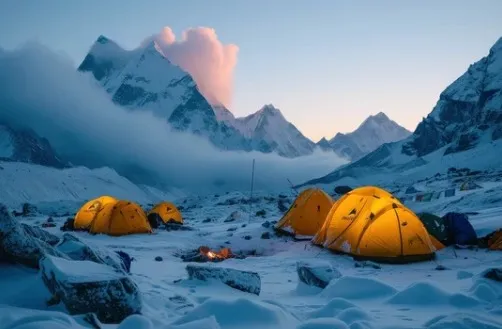
Island Peak Climbing In February
In February, Island Peak beckons climbers with its majestic allure amidst the tranquil solitude of the Himalayas. Rising to an impressive 6,189 meters (20,305 feet), this peak, also known as Imja Tse, offers a thrilling adventure blending technical challenge with breathtaking natural beauty.
The journey begins in Kathmandu, Nepal's bustling capital, where climbers gather before embarking on a scenic flight to Lukla, a gateway to the Everest region. From Lukla, the trek winds through picturesque Sherpa villages, where prayer flags flutter in the crisp mountain air and the warmth of local hospitality greets weary travelers.
As climbers ascend through the Dudh Kosi Valley, the landscape transforms from verdant forests to snow-covered slopes. February blankets the trail with a serene layer of snow, enhancing the ethereal ambiance of the surroundings. Each day's trek brings closer views of towering peaks like Ama Dablam and Thamserku, preparing climbers both physically and mentally for the challenges ahead.

Upon reaching Everest Base Camp, climbers acclimatize and prepare for the ascent of Island Peak. The climb demands technical proficiency, including the use of crampons and ropes to navigate steep ice and rock faces. However, the reward is unparalleled: panoramic vistas of the Himalayan giants, including Everest itself, standing majestic against the azure sky.
Summit day dawns cold and clear, with climbers embarking in the early hours under the guidance of experienced Sherpa guides. The final push to the summit tests endurance and determination but culminates in an exhilarating sense of achievement as the prayer flags atop Island Peak flutter in triumph.
Descending back through the Khumbu Valley, climbers reflect on the journey, celebrating friendships forged and memories made against the backdrop of one of the world's most iconic landscapes. February's quieter trails and clear skies provide a unique opportunity to experience the solitude and serenity of the Himalayas, making Island Peak climbing in this month an unforgettable adventure for those with a passion for exploration and a love of high-altitude beauty.
Island Peak Climbing with EBC Trek
Island Peak climbing combined with the Everest Base Camp (EBC) trek is the ultimate adventure for mountaineering enthusiasts seeking a comprehensive Himalayan experience. This journey begins in Kathmandu, where climbers prepare amidst the city's vibrant culture before a thrilling flight to Lukla, gateway to the Everest region. Trekking through the Dudh Kosi Valley, climbers pass through Sherpa villages and dense rhododendron forests, soaking in the rich Sherpa culture and warm hospitality.
Reaching Everest Base Camp offers a pivotal acclimatization point before ascending Island Peak. The technical climb requires proficiency in using crampons and ropes to navigate challenging ice and rock faces. The reward for this effort includes breathtaking views of Everest, Lhotse, and Nuptse from Island Peak's summit at 6,189 meters (20,305 feet).

Descending through the Khumbu Valley, climbers reflect on their achievements amidst the towering peaks, cherishing the memories of this unforgettable journey. Island Peak with EBC trek not only tests physical endurance but also immerses climbers in the unparalleled natural beauty and cultural richness of the Everest region.
Best Time to Climb Island Peak in Nepal
Choosing the best time to climb Island Peak in Nepal is crucial for a successful and enjoyable expedition. The optimal climbing seasons are generally during the pre-monsoon (spring) from March to May and post-monsoon (autumn) from September to November. During these periods, the weather is relatively stable, offering clear skies and favorable climbing conditions.
Spring brings warmer temperatures and longer daylight hours, ideal for trekking and climbing. The months of April and May specifically offer stunning views of blooming rhododendrons and other alpine flowers along the trekking routes.
Autumn is characterized by clear skies, moderate temperatures, and stable weather conditions, making it another excellent choice for climbing Island Peak. The post-monsoon season also provides crisp, clear views of the Himalayan peaks, enhancing the overall experience.
While climbing Island Peak in February is possible, it requires careful planning and preparation due to colder temperatures and potentially challenging weather conditions. Climbers should be equipped with appropriate gear and be prepared for snow and ice on the route.
Why Island Peak in February?
February offers a unique perspective on Island Peak climbing, distinct from the popular spring and autumn seasons. While colder and less frequented, February rewards climbers with quieter trails and a sense of solitude amidst the Himalayan splendor. The trekking routes are less crowded, allowing for a more intimate experience with the pristine landscapes and local Sherpa culture.
Despite colder temperatures, February presents clear skies and stunning vistas of snow-capped peaks, creating a picturesque backdrop for the ascent. The challenge of climbing Island Peak during this month adds to the adventure, requiring careful planning and acclimatization. Experienced climbers seeking a less conventional but equally rewarding Himalayan expedition will find February an ideal time to conquer Island Peak.
Everest and Island Peak Climbing During February
Climbing Everest and Island Peak in February presents a formidable challenge amidst the Himalayan winter. February is considered the coldest month in Nepal's mountains, with temperatures dropping significantly at higher altitudes. However, for seasoned mountaineers seeking an off-peak adventure, February offers unique opportunities.
The trek to Everest Base Camp during February requires careful consideration of weather conditions and potential snowfall along the trail. Adequate acclimatization is essential before attempting the technical ascent of Island Peak, which demands skill in navigating icy slopes and rocky terrain.
Despite the challenges, February rewards climbers with quieter trails, serene landscapes blanketed in snow, and clear views of the world's highest peaks. The experience of climbing Everest and Island Peak during February is unparalleled, offering a sense of accomplishment and awe-inspiring views that few have the opportunity to witness.
Choosing to climb Everest and Island Peak in February requires thorough preparation, including proper gear, physical fitness, and a mindset ready to embrace the raw beauty and challenges of the Himalayas in winter.
Weather Pattern on Everest and Island Peak During High Seasons
The weather patterns on Everest and Island Peak vary significantly between the high seasons of spring (March to May) and autumn (September to November). During the spring season, the weather is generally stable with clear skies, moderate temperatures, and minimal precipitation. This makes it the preferred time for climbing, as climbers can enjoy good visibility and relatively predictable conditions for both trekking and summit attempts.
In contrast, the autumn season also offers favorable weather conditions characterized by clear skies and stable weather. The temperatures are cooler than in spring, but still comfortable for trekking and climbing. Autumn is known for its stunning views of the Himalayan peaks, especially in the mornings and evenings when the light enhances their beauty.
Both seasons are popular among climbers due to the favorable weather patterns, which reduce the risks associated with climbing at high altitudes. However, climbers must always be prepared for sudden weather changes, especially as they ascend to higher altitudes where conditions can become more unpredictable.
Helpful Tips for Planning Everest and Island Peak Expedition
Planning an expedition to Everest and Island Peak requires careful preparation and consideration of various factors. First and foremost, choosing the right season—either spring or autumn—is crucial for favorable weather conditions and optimal climbing opportunities. It's important to book accommodations, permits, and guides well in advance, especially during peak climbing seasons.
Physical fitness is essential for the strenuous trekking and climbing involved. It's recommended to engage in regular cardiovascular and strength training exercises to build endurance and muscle strength. Acclimatization is also critical to prevent altitude sickness, so climbers should plan for gradual ascent and rest days along the trekking route.

Packing essential gear, including high-altitude clothing, sleeping bags, and climbing equipment, is necessary. Climbers should also carry a sufficient supply of food and water, as well as medical supplies for emergencies. It's advisable to travel with experienced guides and porters who are familiar with the terrain and can provide support throughout the expedition.
Lastly, respecting local customs and environmental conservation practices is important to ensure a responsible and sustainable expedition experience in the Everest and Island Peak region.
Understanding the Risk of Altitude Sickness and Preventions
Altitude sickness, also known as acute mountain sickness (AMS), is a common concern for climbers ascending to high altitudes such as Everest and Island Peak. It occurs when the body fails to acclimatize properly to reduced oxygen levels at higher elevations. Symptoms of AMS include headaches, nausea, dizziness, and fatigue, which can progress to more severe conditions if not addressed.
To prevent altitude sickness, climbers should plan for gradual acclimatization by ascending slowly and taking regular rest days during their trek. Hydration is crucial, so climbers should drink plenty of fluids, preferably water or electrolyte solutions, to stay hydrated at high altitudes. Avoiding alcohol and caffeine is recommended as they can contribute to dehydration.
In case of mild symptoms of AMS, climbers should rest at the same altitude or descend to a lower elevation if symptoms worsen. Medications like acetazolamide (Diamox) can be prescribed to help prevent and alleviate symptoms of altitude sickness, but should only be used under medical supervision.
Climbers should be aware of their own physical limits and communicate any symptoms of altitude sickness to their guides or fellow climbers. Proper planning, gradual ascent, hydration, and awareness of symptoms are key to reducing the risk of altitude sickness during an Everest and Island Peak expedition.
Hydration and Nutrition Monitoring
Maintaining proper hydration and nutrition is essential for climbers during an Everest and Island Peak expedition to ensure peak performance and health at high altitudes. Dehydration can exacerbate altitude sickness symptoms and impair physical performance, so climbers should drink plenty of fluids throughout the day, even if they do not feel thirsty. Water, electrolyte drinks, and warm herbal teas are recommended to replenish fluids lost through perspiration and respiration.
Nutrition plays a crucial role in providing energy and supporting muscle recovery during strenuous trekking and climbing activities. Climbers should consume a balanced diet rich in carbohydrates, proteins, and fats to fuel their bodies for the physical demands of the expedition. Portable, high-energy snacks such as nuts, dried fruits, energy bars, and chocolate are convenient options to maintain energy levels during long days on the trail.
Monitoring hydration and nutrition levels requires proactive planning and preparation. Climbers should pack and carry sufficient food and fluids for each day of the expedition, as access to supplies may be limited in remote mountainous regions. It's important to eat regular meals and snacks throughout the day to maintain energy levels and support overall well-being during the Everest and Island Peak expedition
Island Peak Climbing Cost
The cost of climbing Island Peak varies depending on several factors, including the trekking agency, the length of the expedition, services included, and group size. Generally, the cost ranges from $2,500 to $6,000 per person. This typically covers permits, guides, porters, accommodation, meals, and necessary equipment such as tents, ropes, and crampons.
Additional costs may include international flights to Kathmandu, Nepal, travel insurance, personal gear (e.g., clothing, boots), visa fees, tips for guides and porters, and any extra services or activities. The cost can also vary based on whether climbers opt for a fully guided expedition with all logistics provided or a more independent approach where they arrange some aspects themselves.
It's advisable to research different trekking agencies, read reviews, and compare costs and services offered before choosing one. Some agencies offer package deals that combine Island Peak climbing with other treks or peaks in the Everest region, which may provide a more comprehensive and cost-effective adventure.
Attractions of Island Peak Summit
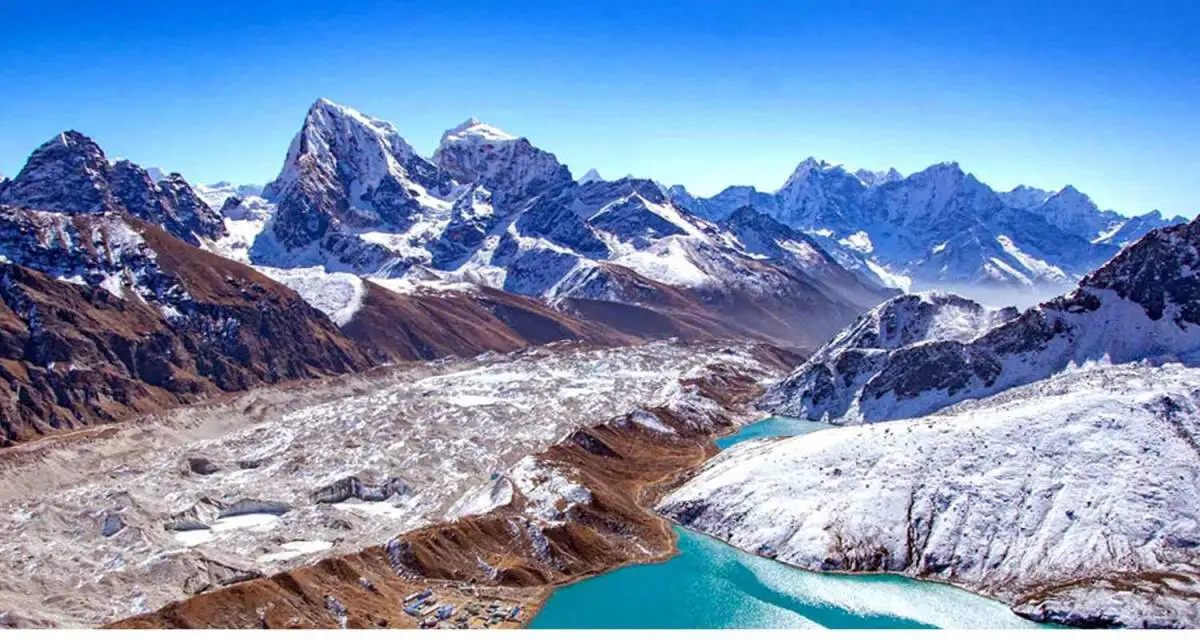
The summit of Island Peak (Imja Tse) offers climbers a mesmerizing panorama of some of the world's highest peaks, including Everest, Lhotse, Nuptse, and Makalu. Situated in the heart of the Everest region, the ascent to Island Peak provides a thrilling mountaineering challenge combined with breathtaking natural beauty.
The climb begins with a trek through picturesque Sherpa villages and pristine forests, immersing climbers in the local culture and stunning landscapes. As climbers ascend, the views become more dramatic, with glaciers and towering peaks dominating the horizon. The final push to the summit involves technical climbing, including traversing steep snow and ice slopes using ropes and crampons.
Standing at 6,189 meters (20,305 feet), reaching the summit of Island Peak is a moment of triumph and awe. Prayer flags flutter in the wind, marking the accomplishment of this challenging ascent. Descending back to base camp, climbers reflect on their journey, surrounded by the tranquility and grandeur of the Himalayas.
Island Peak Climb Difficulty Level
Island Peak climbing is considered moderately challenging, suitable for climbers with some prior mountaineering experience and a good level of physical fitness. The ascent involves technical climbing skills, including the use of crampons, ropes, and ice axes to navigate steep snow and ice slopes.
The climb to Island Peak requires acclimatization to the high altitude, with gradual ascent and rest days built into the itinerary to minimize the risk of altitude sickness. Climbers should be prepared for long trekking days and variable weather conditions, including cold temperatures and potential snowfall.
While Island Peak is technically less demanding than some of the higher Himalayan peaks, it still presents challenges that require careful planning and preparation. Hiring an experienced guide and ensuring adequate training beforehand are crucial for a safe and successful climb.
Overall, Island Peak offers an excellent opportunity for climbers to test their skills in a stunning Himalayan setting, combining adventure with unforgettable views of Everest and surrounding peaks.

Final Say
Climbing Island Peak is a remarkable adventure that blends the thrill of mountaineering with the beauty of the Himalayas. From the vibrant streets of Kathmandu to the serene trails of the Everest region, every step of the journey offers a new perspective and a deeper connection to the natural world.
The challenges of Island Peak—technical climbs, altitude acclimatization, and unpredictable weather—require determination and preparation. However, the rewards are unparalleled: sweeping vistas of snow-capped peaks, encounters with Sherpa culture, and the sense of achievement upon reaching the summit.
Whether you're a seasoned mountaineer or embarking on your first high-altitude adventure, Island Peak promises an unforgettable experience. It's a chance to push your limits, connect with nature, and create lasting memories in one of the most awe-inspiring landscapes on Earth.
Island Peak Climbing Packages
Island Peak Climbing
EBC With Island Peak Climbing
19 Days Island Peak Climbing
Island Peak Summit Return By Helicopter
Island Peak Expedition 14 Days
Island Peak Expedition 15 Days
Three Peak Expedition
Everest Three Pass with Island Peak Climbing
Mera And Island Peak Climbing
