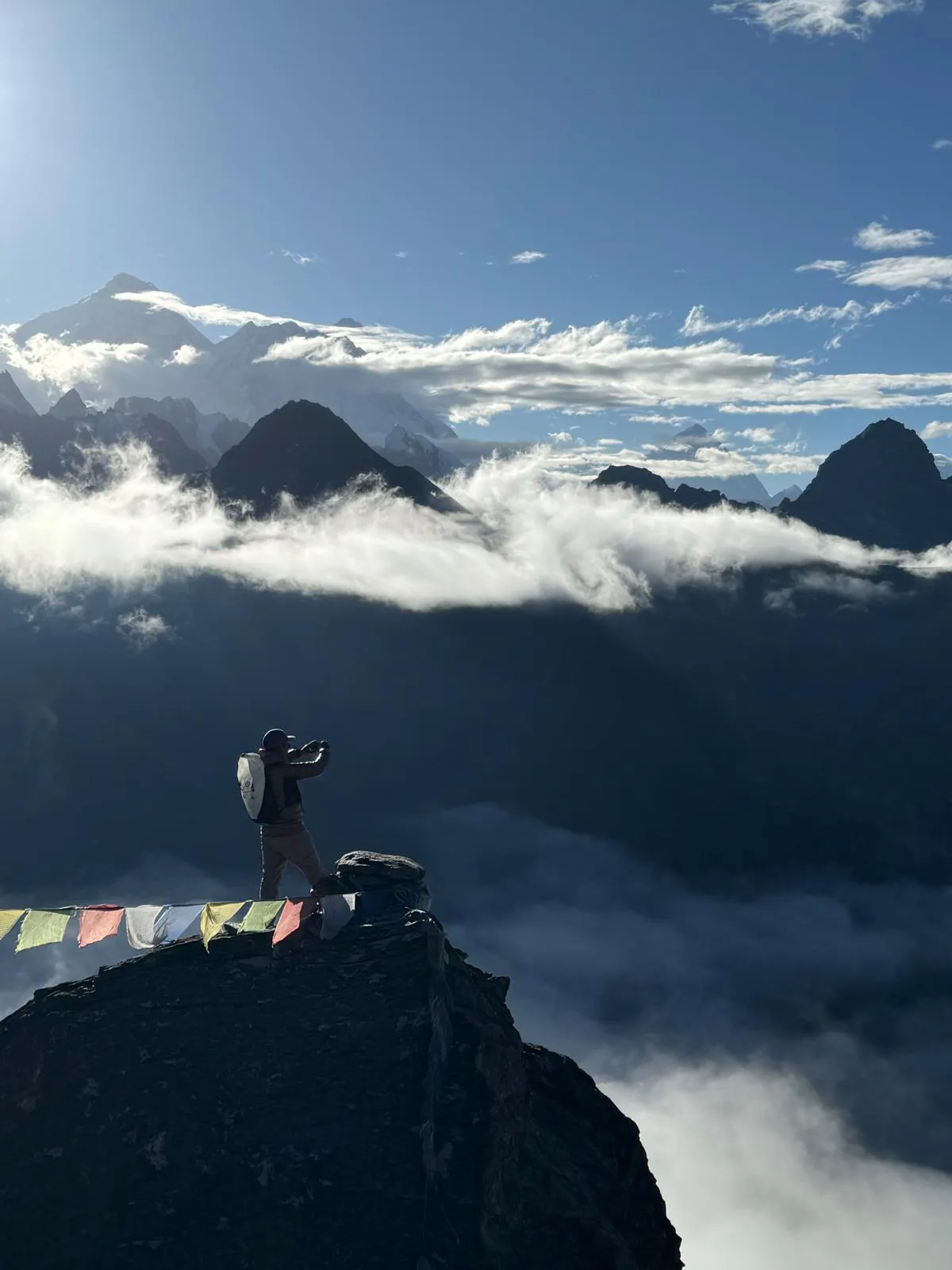
Best Time for Everest Three Passes Trek
The Everest Three Passes Trek stands out as one of the most comprehensive journeys in the Everest region, offering an unparalleled opportunity to explore the most iconic features of the Himalayas. This trek not only includes the majestic Mount Everest (8,848.86 meters), the world's tallest peak, but also showcases the highest freshwater lake system, the Gokyo Lakes (4,700 to 5,000 meters), and the renowned Everest Base Camp (5,364 meters). Furthermore, it traverses three of the Himalayas' most significant passes: Kongma La (5,535 meters), Cho La (5,420 meters), and Renjo La (5,360 meters). This combination of natural wonders and high-altitude challenges makes the Everest Three Passes Trek a standout adventure in the eastern Himalayas.
The ideal time to embark on the Everest Three Passes Trek is during the peak and stable seasons of spring (March to May) and autumn (September to November). These periods are known for their favorable weather conditions, clear skies, and excellent trekking visibility, which contribute to a rewarding experience. Spring and autumn offer moderate temperatures, less chance of extreme weather, and generally stable trail conditions, making them the best times for this demanding trek.
While spring and autumn are optimal, the trek can also be undertaken during other seasons, each with its own characteristics. Summer (June to August) brings the monsoon season, resulting in lush landscapes but also potential challenges such as muddy trails, increased risk of landslides, and heavy rainfall. Winter (December to February) transforms the region into a snow-covered wonderland, providing stunning vistas but also bringing extreme cold and challenging trail conditions due to snow and ice.
Regardless of the season, proper preparation is crucial for a successful trek. For spring and autumn, ensure you have suitable clothing and gear for variable weather conditions. In summer, be prepared for rain and slippery paths, while in winter, essential gear includes insulated clothing, high-quality sleeping bags, and equipment for navigating snow and ice.
Understanding the seasonal variations and preparing accordingly will help you make the most of your Everest Three Passes Trek, regardless of when you choose to go. Each season offers a unique perspective on this awe-inspiring journey, making it possible to tailor your adventure to match your preferences and adventure goals.
Best Time to Trek: Spring and Autumn
Spring (March to May)
Spring, spanning from March to May, is widely regarded as the best time to embark on the Everest Three Passes Trek. This season offers a blend of favorable weather conditions and stunning natural beauty. Temperatures during spring are moderate, with daytime highs ranging from 5°C to 15°C (41°F to 59°F) at lower elevations, and slightly colder temperatures at higher altitudes. The clear skies of spring provide excellent visibility of the majestic peaks, including Mount Everest, and ensure that trekkers are treated to unobstructed panoramic views.
One of the most notable features of spring is the blooming of alpine flowers and rhododendrons. The trails are adorned with vibrant colors, creating a picturesque backdrop for trekking. The increasing warmth and melting snow also improve trail conditions, making the trek more comfortable and less hazardous compared to winter months. Additionally, spring sees a moderate number of trekkers, providing a good balance between solitude and the opportunity to share the experience with other adventurers.
Booking accommodations and permits well in advance is advisable, as spring is a peak trekking season, attracting many trekkers. The stable weather and beautiful scenery make it an ideal time for those looking for an enjoyable and rewarding trekking experience.
Autumn (September to November)
Autumn, from September to November, is another excellent time to undertake the Everest Three Passes Trek. This season is characterized by stable weather conditions, clear skies, and comfortable temperatures. Daytime temperatures at lower altitudes range from 10°C to 20°C (50°F to 68°F), with colder temperatures at higher elevations. The clear autumn skies offer spectacular views of the Himalayas, including the iconic Everest and its neighboring peaks.
Autumn is also known for its crisp air and stunning fall foliage, which adds a different kind of beauty to the trek. The trails are generally dry, with minimal snowfall or rain, resulting in better trail conditions and reduced risk of mudslides or landslides. This season is less crowded than spring but still popular among trekkers, so it's a good idea to book accommodations and permits in advance.
Cultural festivities such as Dashain, a major Hindu festival, may occur during autumn, providing trekkers with an opportunity to experience local traditions and celebrations. Overall, autumn offers a perfect combination of clear weather, beautiful scenery, and cultural richness, making it a highly recommended time for the Everest Three Passes Trek.
Trekking in Off-Season
Summer/Monsoon (June to August)
Summer, or the monsoon season, from June to August, presents a unique set of challenges for the Everest Three Passes Trek. This period is characterized by heavy rainfall, high humidity, and lush green landscapes. While the monsoon transforms the region into a vibrant, verdant paradise, it also brings a range of difficulties for trekkers.
The heavy rains can lead to muddy and slippery trails, increasing the risk of slips and falls. Landslides and trail obstructions are common due to the intense rainfall, potentially disrupting trekking plans. Additionally, leeches and insects become more prevalent, adding to the trekking challenges. Visibility can be affected by cloud cover and rain, reducing the chances of clear views of the surrounding peaks.
Despite these challenges, summer trekking offers fewer crowds, allowing for a more secluded and intimate trekking experience. The lush vegetation and rejuvenated landscapes provide a different, yet equally stunning, perspective of the region. For those willing to embrace the difficulties and well-prepared for the weather conditions, trekking in the monsoon season can be a unique adventure.
Winter (December to February)
Winter, from December to February, presents a demanding but rewarding challenge for those trekking the Everest Three Passes. This season is marked by extreme cold, snow-covered trails, and fewer trekkers. Daytime temperatures at lower elevations range from -5°C to 5°C (23°F to 41°F), while temperatures at higher altitudes can drop to -15°C (5°F) or lower.
The snow and ice create a breathtaking winter landscape but also make trekking more challenging. Trails can become obscured by snow, increasing the risk of avalanches and making navigation difficult. Extreme cold requires trekkers to have high-quality, insulated gear and be prepared for potential frostbite and other cold-related health issues.
Despite these challenges, winter trekking offers unparalleled tranquility and stunning, snow-blanketed views of the Himalayas. The serene environment and clear skies provide a unique perspective on the Everest region. However, due to the harsh conditions, careful preparation and proper equipment are essential for a safe and enjoyable trek during the winter months.
Considerations for Planning Your Trek
Physical Preparation
Physical preparation is crucial for successfully completing the Everest Three Passes Trek, given its demanding nature and high altitude. The trek involves significant elevation gains and challenging terrain, including steep ascents and descents. To ensure you are ready, focus on a well-rounded fitness regimen that includes cardiovascular exercises, strength training, and endurance building. Activities such as running, hiking, and stair climbing will help build the necessary stamina and leg strength.
Additionally, incorporate altitude training if possible, as acclimatizing to higher elevations can significantly impact your performance and comfort. Training at high altitudes or using altitude simulation tools can help your body adapt to reduced oxygen levels. It's also wise to practice trekking with a loaded backpack to simulate the conditions you'll face on the trek. Consult with a healthcare provider to ensure you are fit for high-altitude trekking and address any medical concerns before you embark on your journey.
Permits and Regulations
Navigating the permit and regulatory requirements is essential for a smooth trekking experience. For the Everest Three Passes Trek, you'll need several permits: the Sagarmatha National Park Entry Permit, the TIMS (Trekkers' Information Management System) card, and potentially the Gokyo or other restricted area permits depending on your route. These permits are necessary to ensure that your trek is legal and that you have access to the protected areas of the Everest region.
Obtaining these permits can be done through registered trekking agencies or local authorities in Kathmandu. It’s crucial to secure all necessary permits well in advance to avoid delays or complications. Regulations may vary, so it’s important to stay updated on any changes in permit requirements and ensure that all paperwork is correctly processed before you begin your trek.
Hiring Guides and Porters
While trekking the Everest Three Passes independently is possible, hiring local guides and porters can greatly enhance your experience. Guides provide valuable knowledge about the terrain, culture, and weather, ensuring a safer and more informative trek. They can also assist with navigation and help you adapt to the high-altitude environment.
Porters can alleviate the burden of carrying heavy gear, allowing you to focus on the trek itself. They are skilled at managing loads and can help with logistics, making the trek more enjoyable and less physically taxing. When hiring guides and porters, choose reputable agencies or local providers with positive reviews and experience in the region. Ensuring fair wages and respectful treatment of local staff is also important for a responsible and ethical trekking experience.
Safety Tips and Precautions
Safety is paramount when trekking in the Everest region due to the challenging conditions and high altitude. To minimize risks, adhere to the following safety tips:
- Acclimatization: Allow adequate time for acclimatization by following a gradual ascent schedule. Avoid rapid elevation gains and listen to your body to prevent altitude sickness.
- Hydration and Nutrition: Maintain proper hydration and nutrition throughout the trek. Drink plenty of water and consume high-energy foods to keep your energy levels up and help with acclimatization.
- Weather Awareness: Stay informed about weather conditions and be prepared for sudden changes. Weather in the Himalayas can be unpredictable, so check forecasts regularly and adjust plans if necessary.
- Emergency Preparedness: Be prepared for emergencies by carrying a first aid kit, knowing the location of the nearest medical facilities, and having emergency contact numbers. Familiarize yourself with symptoms of altitude sickness and know how to respond if they occur.
- Communication: Maintain regular communication with your trekking agency or support team. Ensure that you have a reliable means of communication, such as a satellite phone, especially when trekking in remote areas.
By addressing these considerations, you can enhance your preparedness and safety for the Everest Three Passes Trek, ensuring a memorable and successful adventure in the majestic Himalayas.
Who Can Do the Everest Three Passes Trek?
The Everest Three Passes Trek is designed for experienced trekkers and adventurers due to its challenging nature and high-altitude demands. Ideal candidates for this trek include:
- Experienced Trekkers: This trek is best suited for those with prior trekking experience, particularly at high altitudes. The route involves long days of walking, steep ascents and descents, and navigating three high passes. Trekkers should have experience with strenuous hikes and be prepared for significant physical exertion.
- Physically Fit Individuals: Given the trek's rigorous demands, participants should be in excellent physical condition. Regular cardiovascular exercise, strength training, and endurance activities are essential for handling the trek's demanding conditions and high altitude.
- Altitude Adaptability: The trek reaches altitudes above 5,000 meters (16,404 feet), so individuals should be able to acclimatize to high elevations. Experience in trekking or traveling at high altitudes is beneficial. Training for altitude adaptation can also help improve comfort and safety.
- Mental Fortitude: The trek requires a strong mental attitude to handle the physical challenges and potential discomfort of high-altitude trekking. Resilience, patience, and a positive mindset are crucial for navigating the trek's difficulties.
What Makes This Trek Special?
The Everest Three Passes Trek is unique for several reasons:
- Three High Passes: Unlike other treks in the Everest region, this journey crosses three major high passes—Kongma La (5,535 meters), Cho La (5,420 meters), and Renjo La (5,360 meters). Each pass offers breathtaking views and distinct experiences, making the trek a diverse adventure.
- Stunning Landscapes: The trek provides panoramic views of some of the world's highest peaks, including Mount Everest, Lhotse, and Makalu. Trekkers also traverse through diverse landscapes, from lush valleys and alpine meadows to rugged, snow-covered terrains.
- Cultural Immersion: The route takes trekkers through traditional Sherpa villages and Buddhist monasteries. This cultural aspect allows for a deep connection with the local way of life and the opportunity to witness local festivals and traditions.
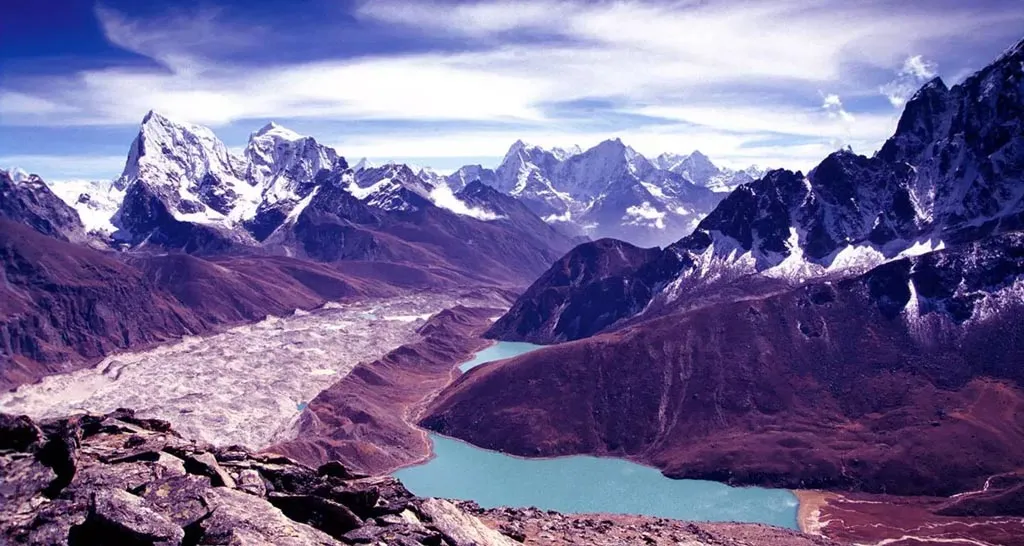
- Gokyo Lakes: The trek includes a visit to the Gokyo Lakes, the highest freshwater lake system in the world. The turquoise lakes against the backdrop of the surrounding peaks create a stunning contrast and an unforgettable sight.
- Everest Base Camp: The trek incorporates a visit to Everest Base Camp, a significant highlight for many trekkers. Standing at the foot of the world's highest mountain is a profound and memorable experience.
Final Say
Choosing the best time for the Everest Three Passes Trek is crucial for a successful and enjoyable adventure. The trek, renowned for its challenging terrain and high-altitude passes, requires careful timing to maximize the experience and safety.
Spring (March to Mid-June) and Autumn (Mid-September to November) are generally considered the optimal seasons for this trek. During these periods, the weather is stable, with clear skies and relatively moderate temperatures, which facilitate excellent visibility of the majestic peaks and ensure more comfortable trekking conditions. Spring offers the added bonus of vibrant flora and blooming rhododendrons, while autumn presents stunning fall colors and clear, crisp air. Both seasons also tend to have lower chances of heavy snowfall, which can obstruct trails and make navigation challenging.
Summer/Monsoon (June to August) brings heavy rainfall and increased risk of landslides and trail obstructions. While the monsoon season transforms the landscape into a lush, green paradise and offers fewer crowds, it also poses significant challenges. The trails become muddy and slippery, and leeches and insects are more prevalent, making trekking more arduous.

Winter (December to February) presents a starkly beautiful yet demanding environment. The trek during winter is marked by extreme cold and snow, creating a winter wonderland but also posing severe risks such as avalanches and blocked trails. Only seasoned trekkers comfortable with harsh conditions and high-altitude challenges should consider trekking during this season.
Ultimately, the best time to embark on the Everest Three Passes Trek aligns with your personal preferences for weather, scenery, and trekking conditions. Spring and autumn provide the most balanced and favorable conditions, offering a blend of stunning views, comfortable trekking, and cultural experiences. Regardless of the season, thorough preparation and understanding of the trek's demands are essential to ensure a memorable and rewarding adventure in the Himalayas.