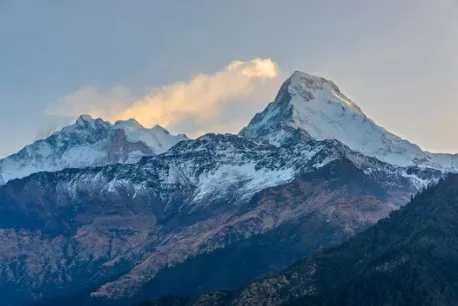
Annapurna Base Camp Trek in May
Trekking to Annapurna Base Camp in May presents an enchanting adventure amidst Nepal's majestic Annapurna region. Renowned for its mild weather and blooming landscapes, May offers ideal conditions for this trek.
During May, temperatures in the Annapurna region are generally comfortable, ranging from 15°C to 20°C (59°F to 68°F) at lower elevations. This creates pleasant trekking conditions, accentuated by vibrant rhododendron blooms and lush vegetation along the trail. However, occasional rain showers are possible as it falls within Nepal's pre-monsoon season.
The trek to Annapurna Base Camp unfolds against a backdrop of towering peaks like Annapurna South, Machapuchare, and Hiunchuli. Clear skies in May ensure stunning panoramic views throughout the journey, offering trekkers ample opportunities to marvel at the Himalayan splendor.

Culturally, May provides a glimpse into the lives of Gurung and Magar communities, with chances to observe local traditions and festivals. This cultural immersion enriches the trekking experience, offering insights into the region's heritage.
Logistically, May is a popular month for the Annapurna Base Camp trek, ensuring that teahouses and lodges along the route are operational. Trekkers can expect comfortable accommodations and hearty meals, fostering a warm and welcoming atmosphere.
Overall, trekking to Annapurna Base Camp in May promises an unforgettable expedition filled with natural beauty, cultural discoveries, and favorable weather conditions. It is an ideal time for adventurers seeking a memorable Himalayan trekking experience amidst stunning landscapes and rich cultural heritage.
Weather Conditions in May
May in Nepal offers favorable weather conditions for trekking, particularly in popular regions like the Everest Base Camp and Annapurna Circuit. During this time, daytime temperatures at lower altitudes range from 15°C to 25°C (59°F to 77°F), making it comfortable for hiking. However, temperatures drop as you ascend higher, especially at night, so layers are essential. May is also the pre-monsoon season, so occasional rain showers can be expected, usually in the afternoon or evening. It's crucial to pack waterproof clothing and gear to stay dry and comfortable during the trek.
Trekking Routes and Itinerary
Nepal boasts some of the world's most iconic trekking routes, perfect for exploring in May. The Everest Base Camp trek is a favorite, typically taking around 12-14 days, offering breathtaking views of Mount Everest and other Himalayan peaks. The Annapurna Circuit, known for its diverse landscapes and cultural experiences, is also popular, usually completed in 18-21 days. Both routes feature teahouses and lodges for accommodation, with opportunities to interact with local communities along the way.

Accommodation Along the Trek
Accommodation along Nepal's trekking routes in May mainly consists of teahouses and lodges. These establishments provide basic amenities such as beds with blankets or sleeping bags, hot showers (often for an extra fee), and communal dining areas. The quality of accommodation can vary from basic to relatively comfortable, depending on the altitude and popularity of the trekking route. It's advisable to carry a sleeping bag suitable for cold temperatures and consider booking accommodation in advance during peak trekking seasons like May.
Food and Dining Options
Teahouses and lodges along Nepal's trekking routes in May offer a variety of meals to refuel trekkers after a day on the trail. Traditional Nepali dishes like dal bhat (rice and lentils) are popular choices, providing a balanced source of energy. International options such as pasta, noodles, and pancakes are also available in many places. It's essential to avoid raw vegetables and untreated water to prevent gastrointestinal issues during the trek. Some trekkers prefer to carry energy bars, snacks, and reusable water bottles to supplement their meals on the trail.
Packing List for May Trek
Packing for a trek in Nepal in May requires careful consideration of changing weather conditions and varied terrain. Essential items include lightweight and moisture-wicking clothing for layering, sturdy hiking boots with good ankle support, a warm sleeping bag suitable for cold nights, sunscreen, sunglasses, a hat, insect repellent, a basic first aid kit, and trekking poles for stability on uneven paths. Waterproof gear, including a rain jacket and pants, is crucial to stay dry during unexpected rain showers. Packing light yet efficiently ensures comfort and safety throughout the trekking adventure.

Difficulty Level of the Trek
Trekking in Nepal, particularly in May, offers a range of difficulty levels depending on the chosen route and altitude. The difficulty primarily stems from the terrain, altitude gain, and duration of the trek.
Everest Base Camp and Annapurna Circuit: These are considered moderately challenging treks. The Everest Base Camp trek involves trekking through varied terrain, crossing high mountain passes, and dealing with altitude up to 5,545 meters (18,192 feet) at Kala Patthar. The Annapurna Circuit, with its longer duration and Thorong La Pass at 5,416 meters (17,769 feet), presents similar challenges. Both routes require good physical fitness, stamina, and proper acclimatization.
Langtang Valley Trek: This trek is comparatively shorter but still involves altitude gains and rugged terrain. Trekkers can ascend up to Kyanjin Ri (4,773 meters / 15,659 feet), offering stunning views of Langtang Lirung and other peaks.
Difficulty Factors: Challenges include steep ascents and descents, unpredictable weather, and the risk of altitude sickness. Trekkers should be prepared for long days of hiking, varying weather conditions, and basic accommodations along the trail.
Health and Safety Considerations
Ensuring health and safety during a trek in Nepal, especially in May, requires careful preparation and awareness of potential risks.
Altitude Sickness: One of the primary concerns is altitude sickness (acute mountain sickness, AMS), which can occur above 2,500 meters (8,200 feet). Symptoms include headache, nausea, dizziness, and shortness of breath. It's crucial to ascend slowly, allowing time for acclimatization, and be prepared to descend if symptoms worsen.
Hydration and Nutrition: Proper hydration and nutrition are essential for maintaining energy levels during trekking. Drinking plenty of water (3-4 liters per day) and consuming carbohydrate-rich meals like dal bhat (rice and lentils) help sustain energy.
Weather: Weather conditions in May can be unpredictable, with occasional rain showers and temperature variations between day and night. Trekkers should pack waterproof clothing, layers for warmth, sunscreen, and sunglasses to protect against sun and wind exposure.
First Aid and Medication: Carrying a basic first aid kit with essentials like bandages, pain relievers, and medications for altitude sickness is advisable. It's also recommended to have travel insurance that covers trekking activities in Nepal.

Permits and Documentation
Trekking in Nepal requires obtaining permits and carrying necessary documentation, especially in popular trekking regions like Everest and Annapurna.
TIMS Card: The Trekkers' Information Management System (TIMS) card is mandatory for all trekkers and helps track trekkers' movements in the region. It can be obtained through registered trekking agencies or directly from the Nepal Tourism Board in Kathmandu or Pokhara.
National Park Entry Permit: Trekking routes that pass through national parks, such as Sagarmatha National Park (Everest region) and Annapurna Conservation Area, require a national park entry permit. This permit contributes to conservation efforts in these protected areas.
Passport and Identification: Trekkers must carry a valid passport and copies of permits and identification documents during the trek. These documents may need to be presented at various checkpoints along the trekking route.
Permit Fees: Permit fees vary depending on the trekking region and duration. It's essential to budget for these costs and ensure permits are obtained before starting the trek.
Solo vs. Guided Trekking
Choosing between solo trekking and guided trekking in Nepal depends on individual preferences, experience, and comfort level in remote environments.
Solo Trekking: Solo trekking offers flexibility in itinerary and pace, allowing trekkers to explore at their own rhythm. It requires good navigation skills, knowledge of the terrain, and experience in high-altitude trekking. Solo trekkers must be self-sufficient and prepared for unexpected challenges.
Guided Trekking: Opting for a guided trek with a licensed guide and porter provides several advantages. Guides are knowledgeable about the terrain, culture, and safety protocols, enhancing the trekking experience. They also handle logistics such as permits, accommodations, and meals, allowing trekkers to focus on enjoying the journey. Porters assist with carrying gear, lightening the load for trekkers.
Group Tours: Joining a group tour combines the benefits of guided trekking with camaraderie and shared experiences with other trekkers. It's a popular option for solo travelers seeking companionship and safety in remote areas.
Personal Preference: The choice between solo and guided trekking ultimately depends on comfort level, trekking experience, and desired level of independence versus support during the trek.
Cultural Experiences and Local Interaction
Trekking in Nepal in May offers unique opportunities for cultural immersion and interactions with local communities along the trekking routes.
Ethnic Diversity: Nepal is home to diverse ethnic groups such as Sherpas, Gurungs, and Tamangs, each with their own traditions, languages, and lifestyles. Trekking routes often pass through villages where trekkers can experience daily life and customs firsthand.
Local Hospitality: Teahouses and lodges operated by local families offer insight into Nepali hospitality and lifestyle. Trekkers can enjoy traditional Nepali meals like dal bhat and engage in conversations with locals about their heritage and livelihoods.
Monasteries and Temples: Many trekking routes feature Buddhist monasteries, stupas, and Hindu temples that hold cultural and religious significance for local communities. Visiting these sacred sites provides a deeper understanding of Nepal's spiritual traditions.
Festivals and Celebrations: Depending on the trekking route and timing, trekkers may have the opportunity to witness local festivals and celebrations. Festivals such as Mani Rimdu in the Everest region and Tihar (Diwali) in the Annapurna region showcase traditional dances, music, and rituals.
Respectful Interaction: It's important for trekkers to respect local customs and traditions, including dress codes at religious sites and cultural etiquette. Learning a few basic phrases in Nepali, such as greetings and thank you, enhances interactions and shows appreciation for local culture.
Tips for Trekking in May
Trekking in Nepal in May offers stunning landscapes and pleasant weather conditions, but it's essential to prepare adequately for the journey.
Weather Preparation: May brings mild temperatures during the day but cooler nights, especially at higher altitudes. Pack layers of clothing for warmth, including a lightweight down jacket or fleece, and waterproof gear to protect against rain showers.
Hydration and Nutrition: Stay hydrated by drinking plenty of water throughout the day. Carry water purification tablets or a water filter to refill water bottles from local sources. Eat balanced meals with carbohydrates, proteins, and vegetables to maintain energy levels during trekking.
Sun Protection: The sun's intensity increases at higher altitudes. Apply sunscreen with a high SPF rating, wear a wide-brimmed hat, and use sunglasses to protect against UV rays. Lip balm with SPF is also recommended.
Acclimatization: Proper acclimatization is crucial to prevent altitude sickness. Ascend gradually, allowing time for your body to adjust to higher altitudes. Include rest days in your itinerary to aid acclimatization and enjoy the scenery.
Physical Fitness: Trekking in Nepal requires a reasonable level of physical fitness and endurance. Engage in cardiovascular exercises like hiking, jogging, or cycling to prepare for trekking challenges. Strengthen leg muscles through squats and lunges to improve trekking stamina.
Pack Essentials: Create a comprehensive packing list that includes essential items such as a comfortable backpack, sturdy hiking boots with ankle support, trekking poles for stability, a warm sleeping bag suitable for cold nights, and a basic first aid kit with medications for altitude sickness and minor injuries.
Travel Insurance: Purchase travel insurance that covers trekking activities in Nepal, including medical evacuation in case of emergencies. Check the policy for specific coverage related to trekking altitudes and activities.
Responsible Trekking: Practice Leave No Trace principles by disposing of waste properly and respecting natural surroundings. Support local communities by purchasing goods and services from teahouses and shops along the trekking route.
Local Knowledge: Engage with local guides and porters to gain insights into the region's history, culture, and environment. Respect their expertise and recommendations for safe trekking practices.
Flexibility: Be flexible with your trekking itinerary to adapt to weather conditions, trail conditions, and personal health. Monitor your physical condition and communicate any concerns with your trekking companions or guide.
Trekking in Nepal in May promises an unforgettable adventure amidst breathtaking landscapes and cultural encounters. By preparing thoroughly and embracing the journey's challenges and rewards, trekkers can make the most of their Himalayan trekking experience.
Challenges and How to Overcome Them
Trekking in Nepal presents various challenges that can be overcome with proper preparation and awareness.
Altitude: Acute Mountain Sickness (AMS) is a significant concern when trekking at high altitudes. To mitigate this risk, ascend gradually, take regular breaks, stay hydrated, and listen to your body. Descend if symptoms persist.
Weather: Nepal's weather can be unpredictable, with sudden changes in temperature and occasional rain or snow. Pack waterproof clothing, layer clothing for varying temperatures, and check weather forecasts before trekking.
Terrain: Trekking routes often feature rugged terrain, steep ascents, and narrow paths. Improve physical fitness before the trek with cardio and strength training exercises. Use trekking poles for stability on uneven ground.
Logistics: Accommodation and food options may be limited in remote areas. Book accommodations in advance during peak seasons and carry snacks for energy between meals.
Cultural and Language Differences: Respect local customs and traditions. Learn basic greetings in Nepali and be open to learning from local guides and villagers.
Photography and Scenic Spots
Nepal's trekking routes offer unparalleled opportunities for photography enthusiasts to capture stunning landscapes and cultural experiences.
Iconic Views: Everest Base Camp offers breathtaking views of Mount Everest and neighboring peaks. Capture sunrise over the Himalayas from Kala Patthar for a panoramic shot.
Annapurna Circuit: Photograph dramatic landscapes of terraced fields, lush forests, and towering peaks like Annapurna and Machapuchare. The sunrise view from Poon Hill is a photographer's delight.
Cultural Encounters: Document daily life in remote villages, traditional architecture, and vibrant festivals. Respect privacy and seek permission before photographing locals.
Wildlife: Spot wildlife such as Himalayan Thar and various bird species along trekking routes. Use a telephoto lens for wildlife photography and maintain a safe distance.
Tips: Carry spare batteries and memory cards. Protect equipment from dust and moisture with camera covers or dry bags. Edit photos responsibly to enhance natural beauty without altering reality.
Emergency and Rescue Information
Being prepared for emergencies is crucial when trekking in Nepal's remote regions.
Emergency Contacts: Save emergency contact numbers for local authorities, trekking agencies, and embassy or consulate in Kathmandu.
Altitude Sickness: Recognize symptoms of AMS (headache, nausea, dizziness). Descend immediately if symptoms worsen despite rest and hydration. Seek medical assistance at lower altitudes.
Injuries: Carry a first aid kit with supplies for treating minor injuries. Know basic first aid techniques such as wound care and CPR.
Helicopter Rescue: In severe emergencies (e.g., serious injury or illness), helicopter evacuation may be necessary. Ensure travel insurance covers helicopter rescue and evacuation costs.
Communication: Carry a fully charged mobile phone with a local SIM card for communication. Satellite phones are recommended for remote areas with no mobile network coverage.
Sustainable Trekking Practices
Promoting sustainability while trekking in Nepal helps preserve natural environments and support local communities.
Leave No Trace: Pack out all trash and dispose of waste responsibly. Use designated waste disposal facilities or carry out non-biodegradable waste.
Water Management: Carry a reusable water bottle and use water purification methods (filters or tablets) to minimize plastic waste. Refill bottles from safe water sources.
Support Local Economy: Stay in locally-owned teahouses and lodges. Purchase meals, snacks, and souvenirs from local shops and markets to contribute to the local economy.
Respect Culture and Environment: Respect cultural practices, traditions, and sacred sites. Stay on marked trails to avoid damaging fragile ecosystems and wildlife habitats.
Community Engagement: Participate in community-based tourism initiatives or volunteer for conservation projects. Learn about local customs and traditions from guides and villagers.
Travel and Transportation Tips
Navigating travel logistics in Nepal ensures a smooth trekking experience.
Flight Booking: Book domestic flights from Kathmandu to trekking hubs like Lukla (for Everest region) or Pokhara (for Annapurna region) in advance, especially during peak trekking seasons.
Local Transportation: Use buses or private jeeps for overland travel between Kathmandu and trekking trailheads like Jiri (for Everest Base Camp) or Besisahar (for Annapurna Circuit).
Porter and Guide Hiring: Hire a licensed guide and porter from a reputable trekking agency for local expertise, safety, and support with logistics. Negotiate fees and responsibilities beforehand.
Permits and Documentation: Carry valid permits (e.g., TIMS card, national park entry permit) and identification documents at all times. Ensure permits are obtained before starting the trek.
Currency and Banking: Carry Nepali Rupees (NPR) for transactions in remote areas. Exchange currency at authorized banks or withdraw cash from ATMs in Kathmandu or Pokhara.
Conclusion
Trekking in Nepal in May offers an exhilarating journey through stunning landscapes, cultural encounters, and personal challenges. By preparing adequately for altitude, weather conditions, and logistical aspects, trekkers can enhance their experience and ensure safety. Respect for local customs and environmental sustainability contributes to a meaningful trekking adventure. Whether capturing iconic views with a camera or engaging with local communities, each moment on the trail offers an opportunity for personal growth and appreciation of Nepal's natural beauty. Embrace the challenges, cherish the experiences, and leave a positive impact on the places you visit.
Annapurna Base Camp Trekking packages
Annapurna Base Camp Trek
14 Days Annapurna Base Camp Trek
13 Days Annapurna Base Camp Trek
12 Days Annapurna Base Camp Trek
9 Days Annapurna Base Camp Trek
7 Days Annapurna Base Camp Trek
6 Days Annapurna Base Camp Trek